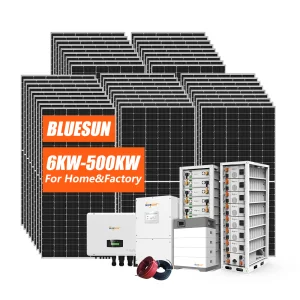
China Top Home Solar Systems Manufacturers & Exporters

High-efficiency Tier-1 PV Modules, LiFePO4 Smart Battery Storage, and Full Hybrid Energy Ecosystems Built to Solve the Global Transition to Clean Autonomy.

Soweglow Corporate Profile & Mission

Leading China's Clean Tech Manufacturing Ecosystem

Shenzhen Soweglow Solar Co., Ltd. stands as a premium designer, manufacturer, and global exporter of comprehensive solar energy systems, modern energy storage architectures, and smart IoT solar illumination grids. Based in the heart of Shenzhen, China—the global epicenter of advanced hardware manufacturing—we combine supply chain proximity with engineering depth to output systems that meet the rigorous criteria of residential, commercial, and utility sectors worldwide.

Driven by the singular objective of mitigating global reliance on fossil fuels, our engineering and R&D groups deliver high-efficiency monocrystalline PV panels, resilient LiFePO4 (LFP) energy storage cells, and state-of-the-art hybrid management controllers. We bridge the gap between initial hardware CapEx and lifetime return-on-investment (ROI), enabling reliable off-grid and grid-interactive setups for residential portfolios in the Americas, Europe, Africa, Asia, and Oceania.

30+
Years Solar Panel Warranty
200 lm/W
Street Light Luminous Efficacy
5000+ kWh
Industrial LFP Battery Scalability
100%
Automated Smart Testing Standards
Smart Manufacturing 4.0 Ecosystem

China Factory 4.0: Supply Chain Resilience & Quality Systems

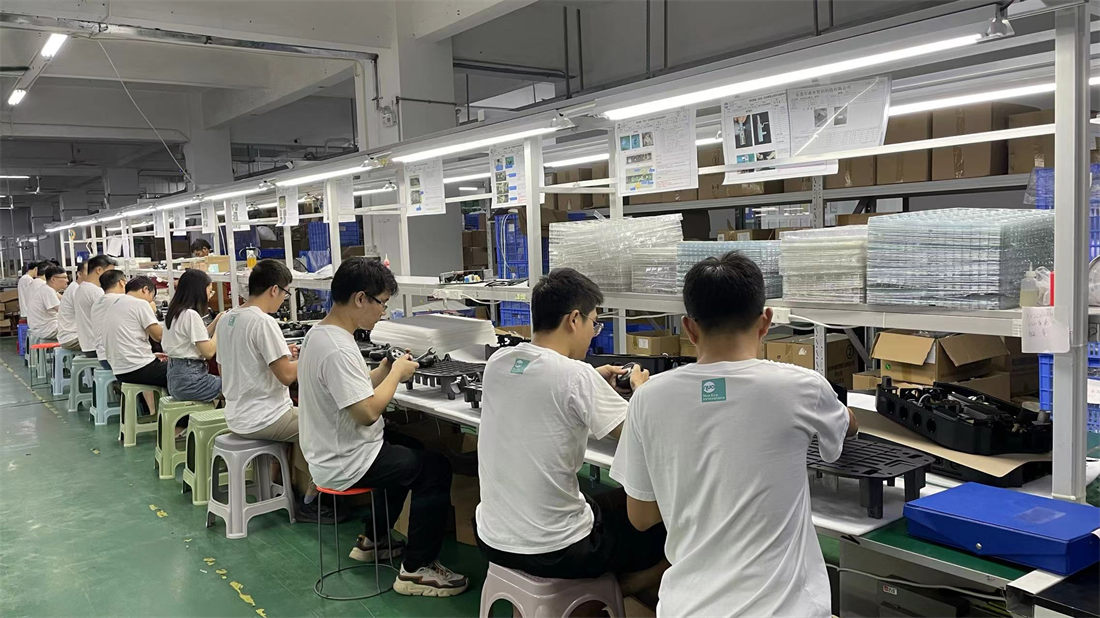
Soweglow's advanced manufacturing pipeline in Shenzhen deploys state-of-the-art automation systems to lock in consistent performance profiles. Every phase of production—ranging from laser welding to final ultrasonic sealing and automatic shrink packing—adheres to strict ISO 9001 and ISO 14001 guidelines, mitigating risks associated with manual assembly errors.
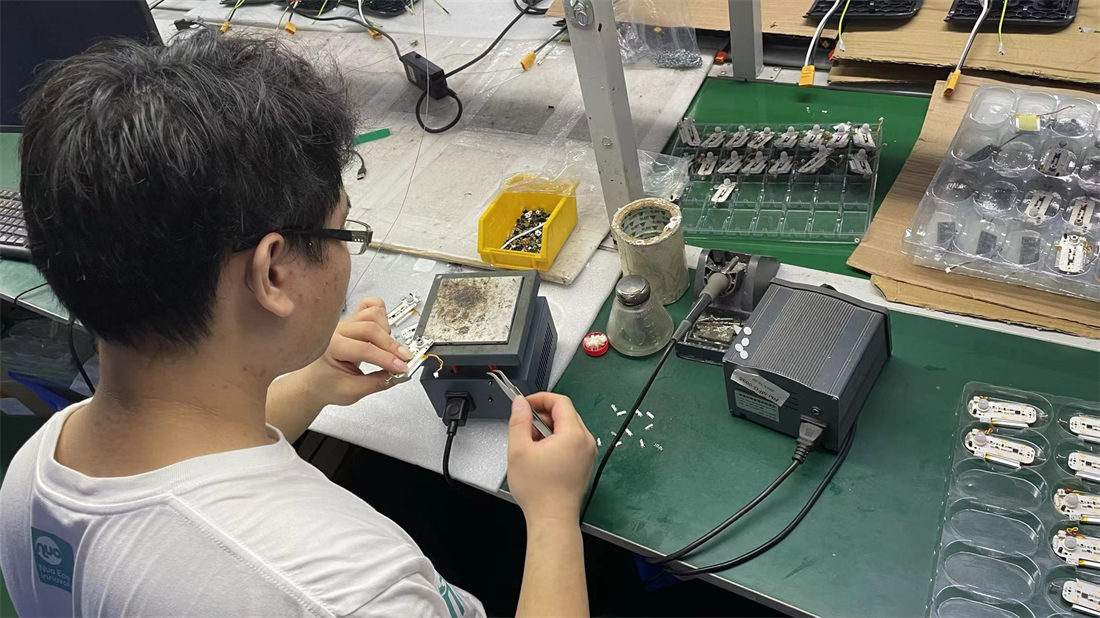
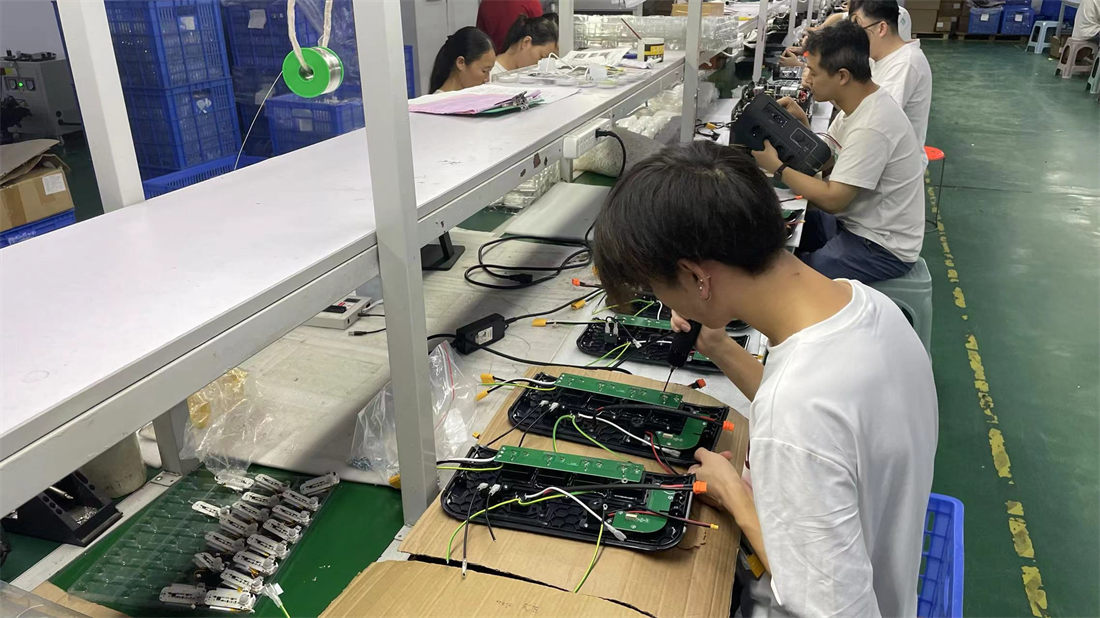
"Our Smart Manufacturing framework guarantees structural integrity and electrical uniformity, offering global distributors a predictable failure rate of under 0.02% across all residential energy components."
Ultrasonic Welding Process for Solar Cells
Precision Laser Welding
Advanced Module Assembly Station 1
Robotic Component Assembly I
Advanced Module Assembly Station 2
Robotic Component Assembly II
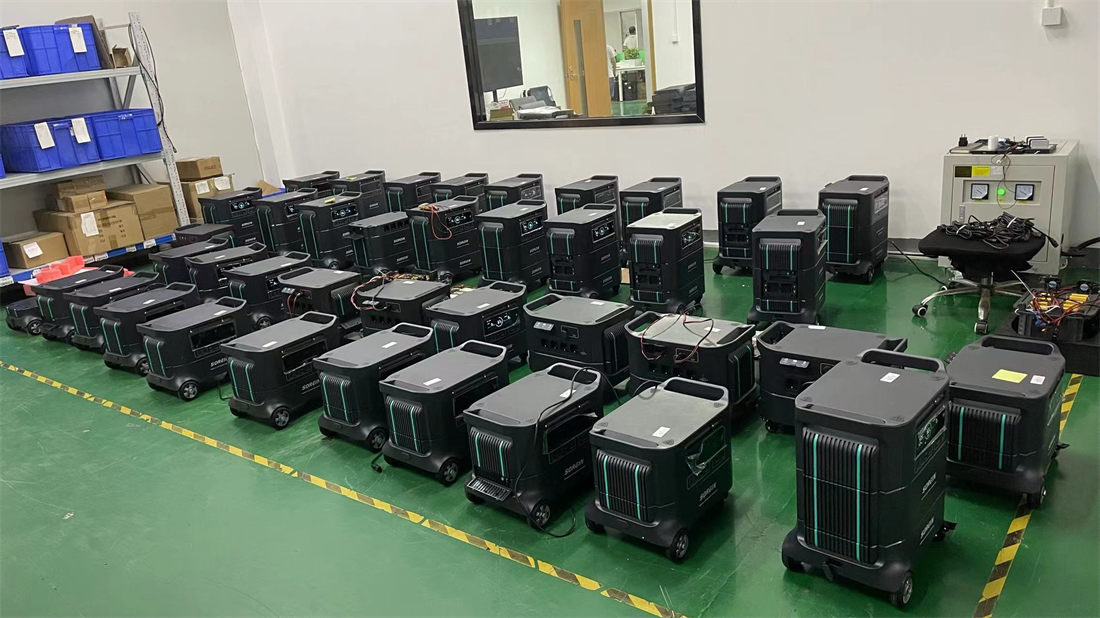
Accelerated Life Thermal Aging Chambers
Accelerated Aging Chamber
EL Luminescence & IV Curve Inspection
EL & I-V Curve Quality Inspection
Heavy Duty Shockproof Packaging Systems
Industrial Shockproof Packaging
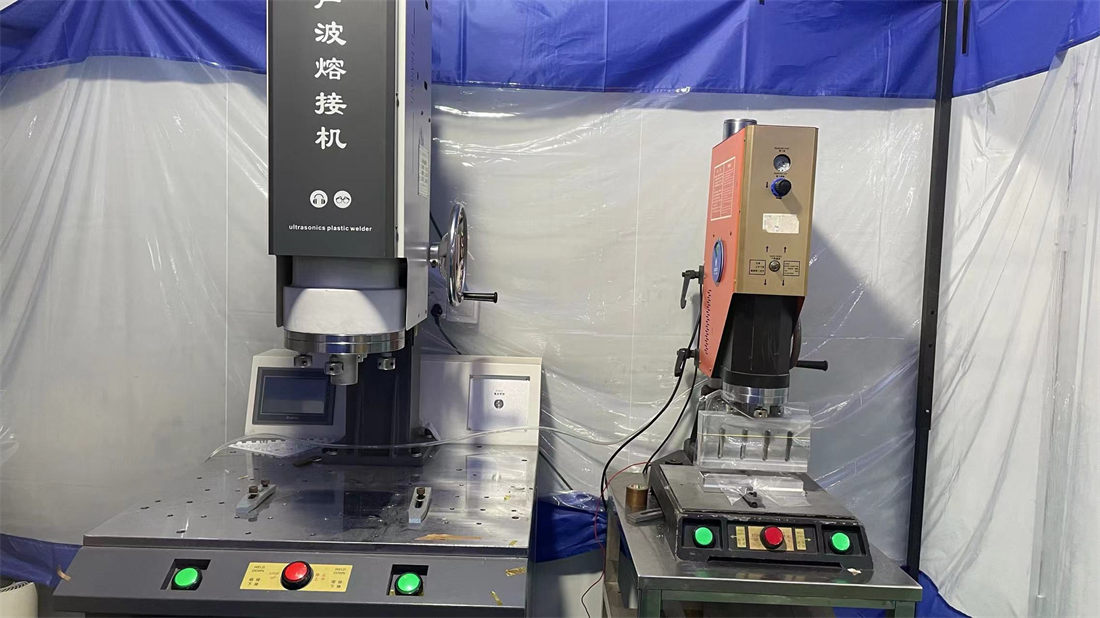
High Frequency Ultrasonic Welding Equipment
High-Freq Ultrasonic Welders
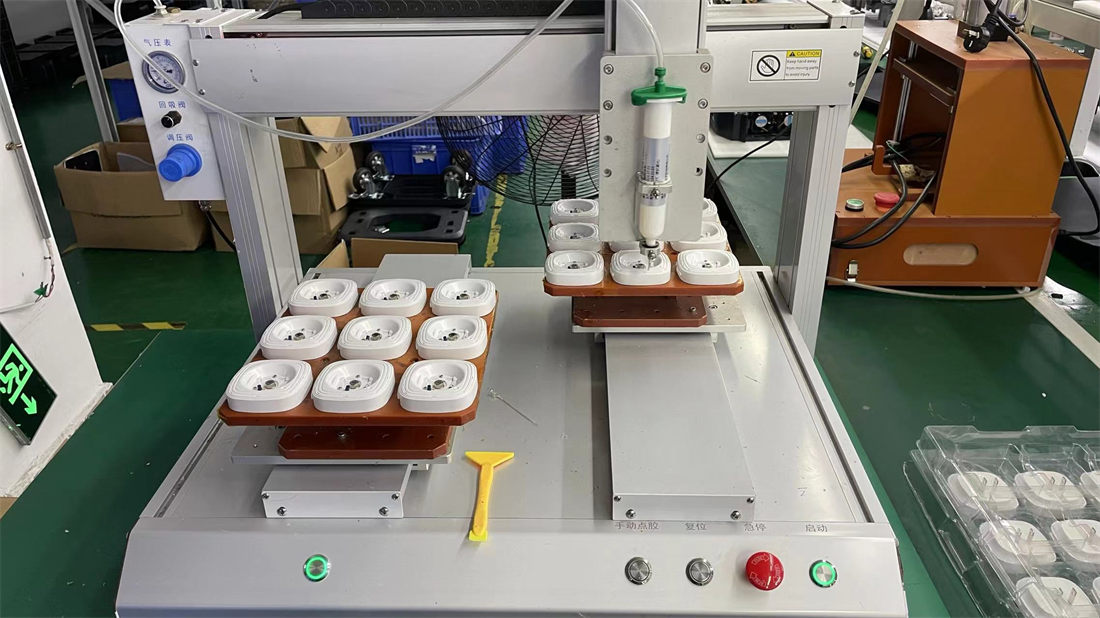
Precise CNC Waterproofing Sealant Dispenser
CNC Automatic Waterproof Sealant
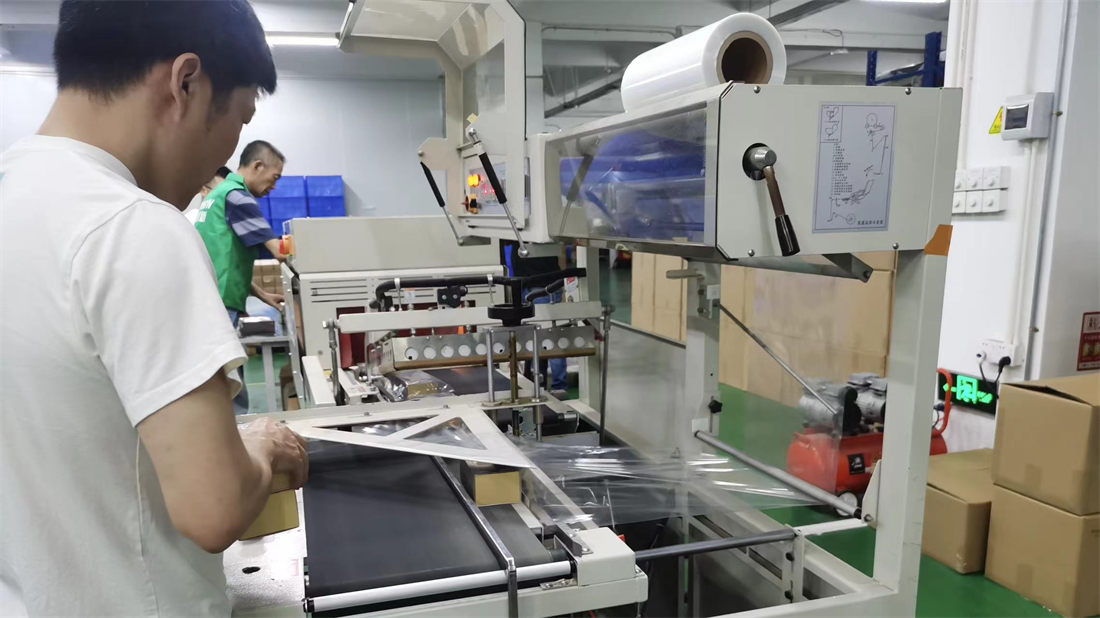
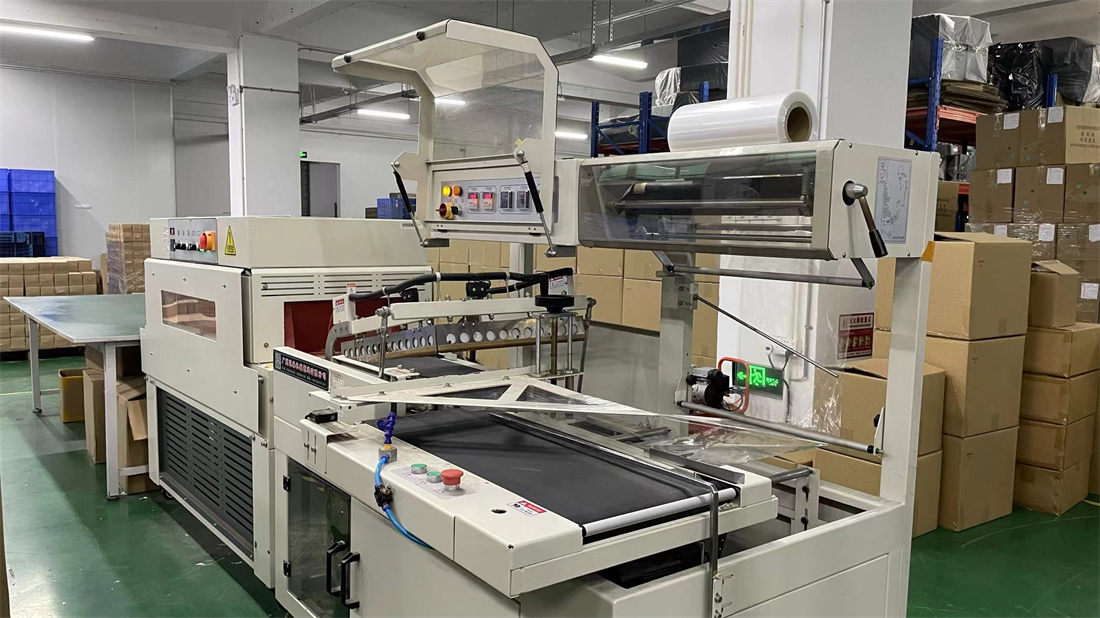
Automated Film Shrink Packing System
Automated Shrink Film Packaging
Technical Roadmap & Solutions

Technological Roadmap: TOPCon Bifaciality & LFP Integrations

1. The Evolution to N-Type TOPCon Photovoltaic Architectures

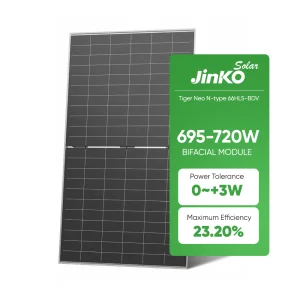
The global PV industry is rapidly transition from conventional P-type PERC structures toward N-type TOPCon (Tunnel Oxide Passivated Contact) technologies. Soweglow's latest monocrystalline modules integrate this technology, achieving a conversion efficiency of up to 22.5%. N-type TOPCon reduces degradation rates over the module lifetime (lower LID and LeTID) and improves the temperature coefficient down to -0.30%/°C, ensuring high performance in hot climates.

Furthermore, our bifacial module configurations enable power generation from the rear side, capture reflected albedo light from surrounding surfaces, and boost overall energy yields by up to 25% depending on installation environments. This is particularly advantageous when paired with smart ground mounts or flat-roof mounting structures.

2. Advanced Lithium Iron Phosphate (LiFePO4) Battery Architecture

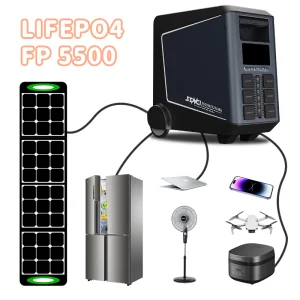
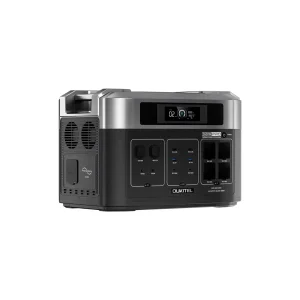
For home energy storage systems (ESS), safety and lifecycle economics are the primary metrics. Soweglow exclusively utilizes Grade-A LiFePO4 cells for residential and industrial micro-grid projects. Unlike cobalt-based chemistries (NMC), LiFePO4 exhibits superior thermal stability and does not support combustion during thermal runaway. Key parameters include:

  • Over 6,000 deep discharge cycles at 80% Depth of Discharge (DoD) before capacity drops below 80%.
  • Integrated Active Balancing BMS: Constantly monitors cell voltage, temperature, and current trends to extend battery pack lifespan.
  • Thermal Runaway Threshold: Up to 270°C, significantly outperforming nickel-manganese-cobalt (NMC) alternatives.

3. Hybrid Inverters and Intelligent EMS Integration

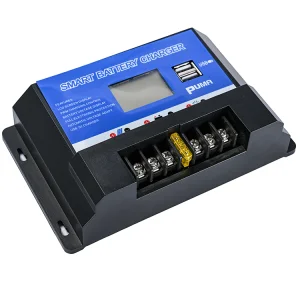
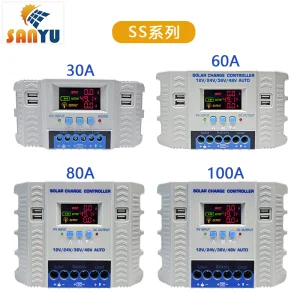
A smart home energy ecosystem requires smooth coordination between solar generation, local storage, and the utility grid. Soweglow's hybrid energy systems utilize smart controllers equipped with MPPT (Maximum Power Point Tracking) technology. Our algorithms adjust dynamically within milliseconds, capturing power even under complex shading conditions. Integrated Energy Management Systems (EMS) offer web and mobile applications for remote tracking, peak-shaving configurations, and real-time load diagnostics.

Macro Industry Solutions

Macro-Level Grid Solutions: Zero-Energy Buildings & Resiliency

We supply modular, scalable solar infrastructure packages built to handle modern grid demands:

  • BIPV (Building-Integrated Photovoltaics): Integrating TOPCon technologies directly into building facades and architectural components to turn standard structures into active power generators.
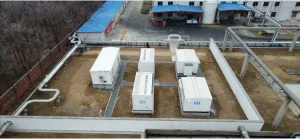
  • Off-Grid Rural Microgrids: Scalable configurations utilizing 5000kWh battery arrays and heavy-duty hybrid controllers to provide stable power to remote areas without access to municipal grid lines.
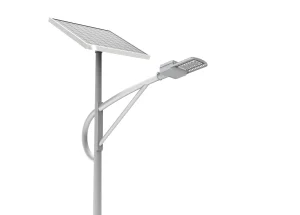
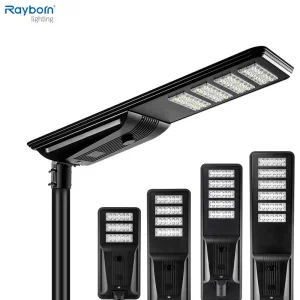
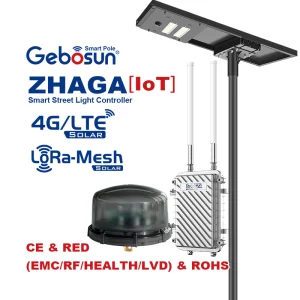
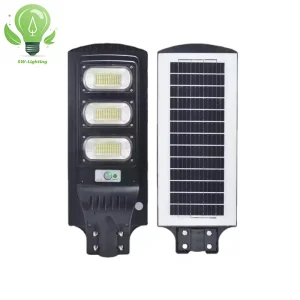
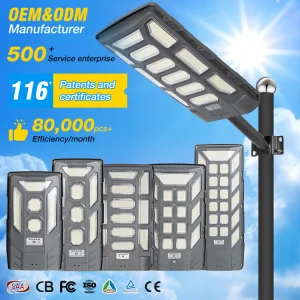
  • Smart Municipal Infrastructure: Harnessing Lora-Mesh and IoT control hubs to run smart municipal solar street lights, reducing localized energy costs and tracking status updates remotely.
Localization & Compliance Standards

Regulatory Compliance & Global Sourcing Standards

Navigating varying regional compliance standards is a key priority for international solar procurement. Soweglow products are engineered and certified to meet international regulatory requirements, smoothing the path through local customs and grid interconnection processes:

Grid Interconnection Standards

Our hybrid solar inverters and energy storage controllers comply with IEEE 1547, UL 1741, and European EN 50549 standards, ensuring secure grid connection and preventing reverse-current feedback issues.

Environmental & Safety Certifications

All modules and battery enclosures carry CE, TUV, RoHS, and UN38.3 certifications, confirming compliance with hazardous material limits and thermal safety regulations during transit.

Localized Technical Support

We partner with localized engineering networks across Europe and North America to provide on-site diagnostics, firmware upgrades, and rapid parts-replacement services.

Sourcing & Procurement Framework

Navigating OEM/ODM Production Pipelines

To support corporate buyers and solar EPC contractors, we offer structured OEM/ODM manufacturing options designed to ensure predictable delivery timelines:

  • Phase 1: Design For Manufacturability (DFM) Review: Our engineering team reviews your drawings to ensure structural wind load resistance and optimal PCB layouts.
  • Phase 2: Component Verification: We source only Grade-A silicon and tier-1 electrical components, verified via incoming quality inspections (IQC).
  • Phase 3: Real-Time Quality Logging: Standard automated tests, including optical alignment, electroluminescence (EL) cell imaging, and high-voltage isolation tests, are documented for every production batch.
  • Phase 4: Global Logistics Integration: Our logistics group manages customs documentation, sea-freight packing, and hazardous-materials clearance for LFP battery packs.
Industry Knowledge Base

Technical FAQ: Home Solar & Storage Systems

Find answers to key technical, compliance, and design questions regarding residential and commercial solar systems.

What are the primary performance differences between N-Type TOPCon and P-Type PERC modules?
N-Type TOPCon modules offer a higher conversion efficiency limit (typically 22.5%+ compared to PERC's ~21.2%). They feature a lower temperature coefficient (-0.30%/°C vs -0.35%/°C), enabling higher output in hot climates. Additionally, TOPCon cells exhibit zero Light-Induced Degradation (LID) and boast a higher bifaciality factor (up to 85% vs PERC's 70%), increasing power output from reflected ground light.
Why is LiFePO4 (LFP) preferred over Lithium NMC for home solar batteries?
LiFePO4 offers safety and lifespan advantages. It has a higher thermal runaway threshold (approx. 270°C vs NMC's 150°C), making it highly resistant to fire risks. It also offers a longer operational lifespan, delivering 6,000+ complete charge-discharge cycles compared to 1,500-2,000 cycles for standard NMC batteries.
How does an MPPT solar controller improve efficiency compared to a PWM controller?
MPPT (Maximum Power Point Tracking) controllers dynamically monitor and adjust voltage and current to capture maximum solar energy, even in partially shaded or overcast conditions. This typically results in 20% to 30% higher energy harvesting efficiency compared to standard PWM (Pulse Width Modulation) controllers, which operate by locking panel voltage to match the battery voltage.
What certifications are required for importing home solar systems into Europe and North America?
For European markets, systems must carry CE and RoHS markings, and inverters must comply with grid-interconnection standards such as EN 50549. For North American markets, components typically require UL 1741 (for inverters) and UL 1973/UL 9540A certification (for battery storage safety). Additionally, UN38.3 certification is required for safe maritime and land shipping of lithium-ion batteries.