Engineered for efficiency, stability, and maximum energy harvest across residential and industrial operations
In the contemporary energy landscape, decentralized solar generation systems and smart grid deployments are no longer auxiliary additions; they constitute the foundation of industrial modernization. As organizations worldwide strive to align with tight net-zero goals, combat soaring utility rates, and insulate operations from unpredictable grid failures, the reliance on high-efficiency Solar Energy Kits has escalated exponentially. The modern global shift focuses heavily on high-voltage hybrid solar infrastructure capable of dynamic grid interactive behaviors, shifting from simple "feed-in" layouts to total self-consumption networks governed by intelligent orchestration engines.
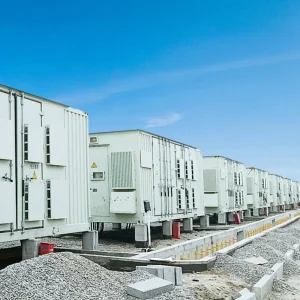
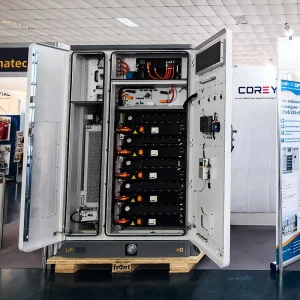
A functional grid-independent microgrid is designed to synthesize variable green energy input with highly responsive localized storage. The integration of Shenzhen Soweglow Solar Co., Ltd.'s 0.5MWh to 8MWh Industrial Energy Storage Containers demonstrates this shift. Utilizing lithium iron phosphate (LiFePO4) chemistries, these large-scale systems resolve the inherent intermittency of solar irradiation. By acting as primary frequency regulators, active peak-shaving nodes, and black-start backup power hubs, they redefine the role of localized energy assets. This modular architecture allows commercial properties and remote industrial operations to establish complete energy independence while optimizing Levelized Cost of Energy (LCOE).
"Semantic engineering in modern solar kits transitions from static PV mounting to dynamic energy optimization. Selecting the proper balance of system (BoS) components, such as high-current IP65 combiner boxes and high-voltage three-phase hybrid inverters, determines the long-term return on investment of solar assets."
When engineering high-yield Solar Energy Kits for global markets, every component must be rigorously evaluated for efficiency, safety, thermal management, and long-term degradation rates. Below is a comprehensive breakdown of the core systems driving today's solar deployments:
| System Type / Component | Core Technological Advantage | Optimal Operational Environment | Target Lifetime & Standards |
|---|---|---|---|
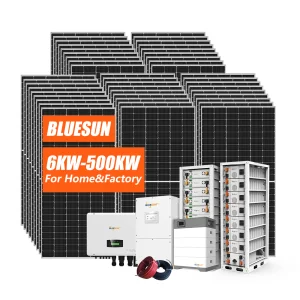
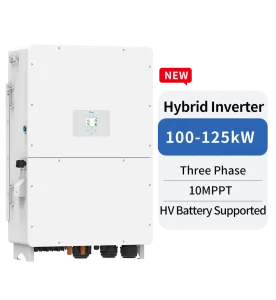
| High-Voltage Hybrid Inverters (e.g., Deye 100-125kW) | Three-phase hybrid output, multi-MPPT trackers, compatible with high-voltage battery storage, seamless grid-tie transitioning. | Commercial structures, industrial parks, and medium-scale utility integration. | 10-15 Years | IEC 62109, EN 50549, CE |
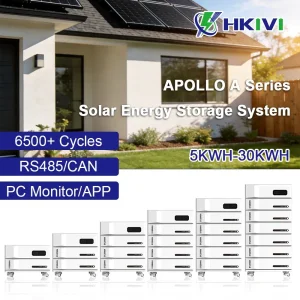
| LFP Containerized ESS (0.5MWh - 8MWh) | Built-in HVAC cooling, automated fire suppression (Novec 1230 / Aerosol), smart cell balancing BMS, IP54 enclosure. | Peak shaving, commercial back-up, grid stabilization, utility support. | Over 6000 cycles at 80% DoD | UN38.3, IEC 62619 |
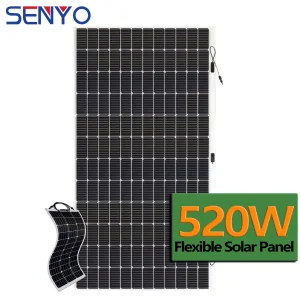
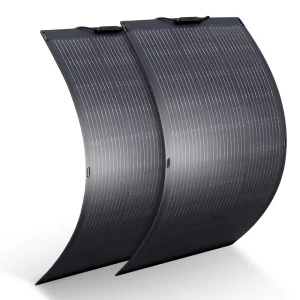
| Semi-Flexible Solar Panels (100W - 520W) | Thin-film technology, bendable profile, light-weight polymer surface (ETFE/PET), high conversion rates. | Off-grid RVs, yachts, curved architectural surfaces, lightweight roofs. | 80% output after 15 Years | CE, RoHS |
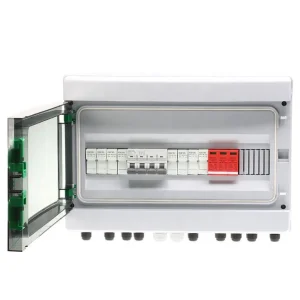
| IP65 Multi-Way Combiner Boxes | High-voltage surge protection (SPD), DC fuses, circuit breakers, waterproof sealing for robust outdoor isolation. | Multi-string centralized aggregation point for commercial arrays. | Standard outdoor protection | TUV, IP65 Waterproof |
Decarbonizing real-world applications with high-capacity engineering and reliable material supply
Deploying Solar Energy Kits successfully requires localized adaptation strategies. Meteorological variations, structural restrictions, local utility regulations, and installation scales demand specific solar layouts. Below, we examine three real-world application architectures:
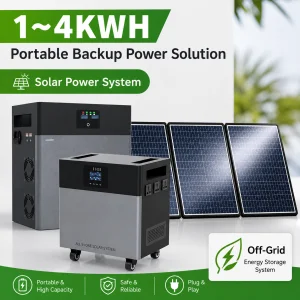
In regions such as sub-Saharan Africa, South America, or remote mining sectors in Australia, grid availability is highly unreliable or non-existent. Diesel generators are historically standard but suffer from heavy operating costs and complex fuel logistics. A containerized Energy Storage System (such as the 0.5MWh to 8MWh industrial units) linked to a centralized solar array forms the ultimate solution. Integrating high-performance combiner boxes aggregates several hundred strings safely. Combined with hybrid three-phase inverters, these networks power heavy drilling machinery and telecom towers. An ultra-reliable backup of LFP chemistry ensures continuous system operations throughout the night, completely eliminating diesel fuel dependency.
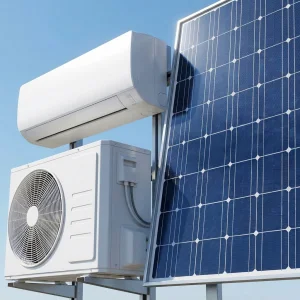
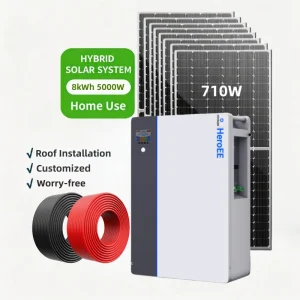
Urban and semi-urban households require simple, easily installable green technology configurations to lower energy costs and safeguard against unexpected rolling blackouts. Standard setups integrate flexible solar modules (such as ALLPOWERS 100W or SENYO 500W-520W modules) mounted directly onto lightweight roofs, carports, or balconies without complex load-bearing frames. These feed energy to a 6.5kW pure sine wave hybrid residential inverter. During peak heat periods, instead of drawing high-cost power from the grid, the home runs a specialized 48V DC Solar Air Conditioner directly from the DC bus, bypassing the conversion losses of an AC inverter. Portable LiFePO4 battery units (like the 8kWh all-in-one stations) preserve excess energy for evening usage, creating a highly efficient home power loop.
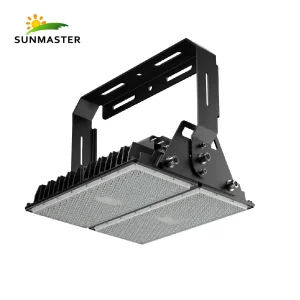
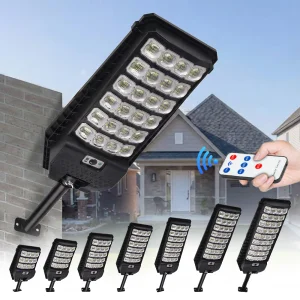
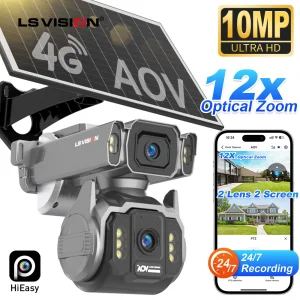
Modern municipalities rely on localized solar integrations to reduce structural complexity. Ultra-bright motion-activated solar streetlights, combined with 24/7 solar-powered surveillance cameras (e.g., dual-screen AI humanoid tracking models), operate independently of underground cables. The structural layout uses highly efficient, integrated PV micro-cells and localized batteries to power public spaces, parking lots, and municipal perimeters. This setup reduces grid-connection costs and maintains operation during severe weather events.
LiFePO4 battery modules operate with advanced Aerosol/Novec 1230 fire suppression systems. Intelligent cell-balancing BMS keeps temperature margins optimized even in desert environments.
Deye, Megarevo, and customized three-phase hybrid systems integrate with complex localized utilities, allowing seamless zero-export configurations, peak shaving, or time-of-use adjustments.
IoT cloud integration permits monitoring, configuration updates, and preventive alarm systems remotely. Maintain system health without dispatching site engineers.
Exploring the high-tech assembly and quality-assurance systems of Shenzhen Soweglow Solar Co., Ltd.
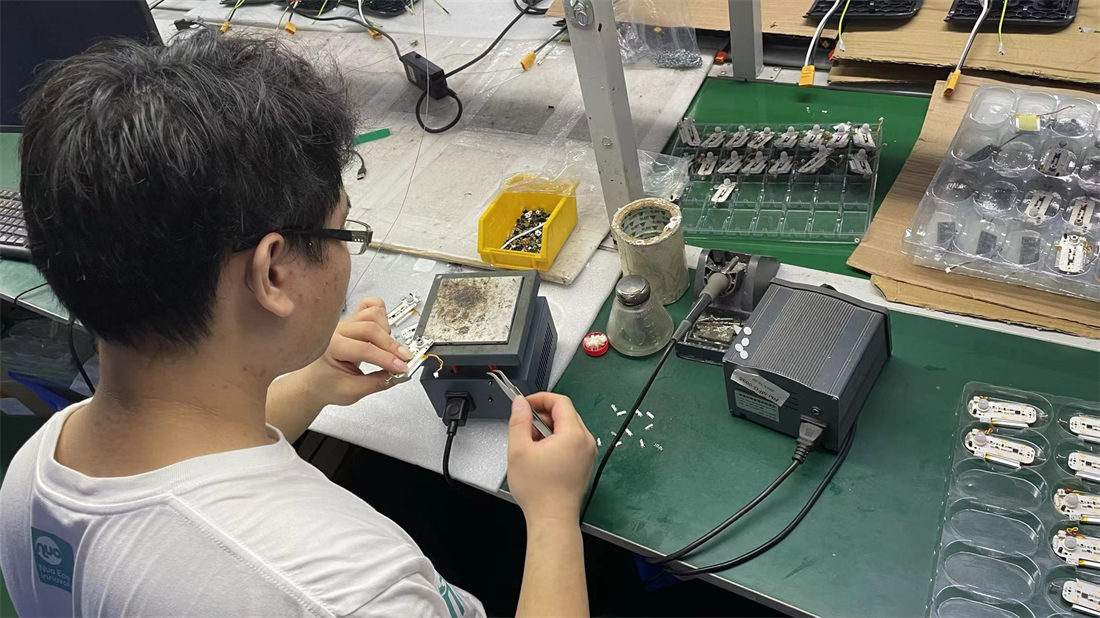
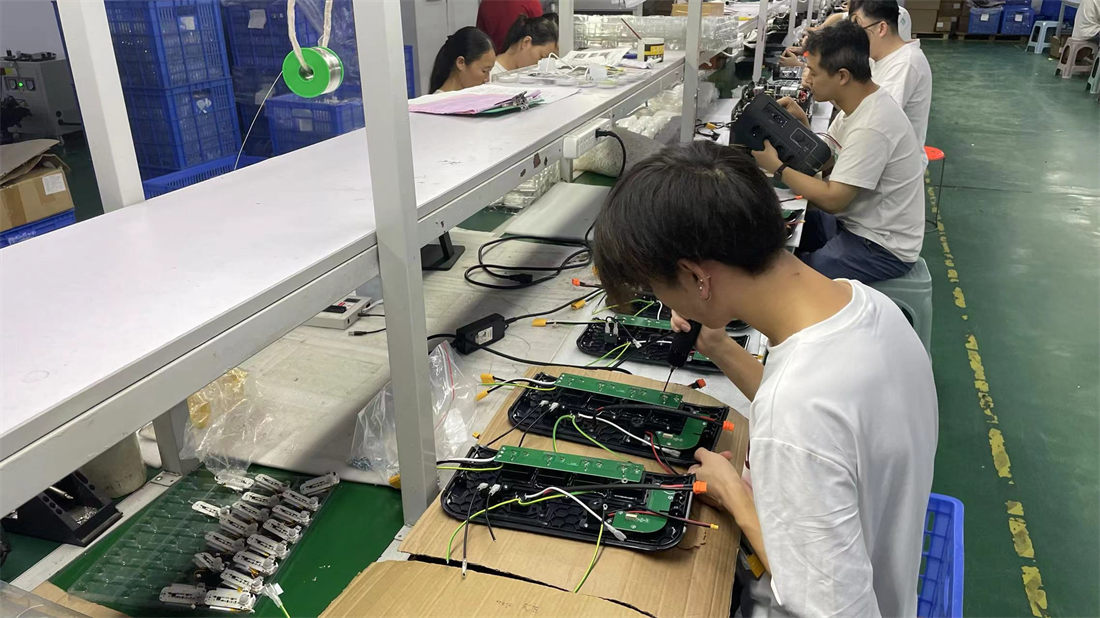
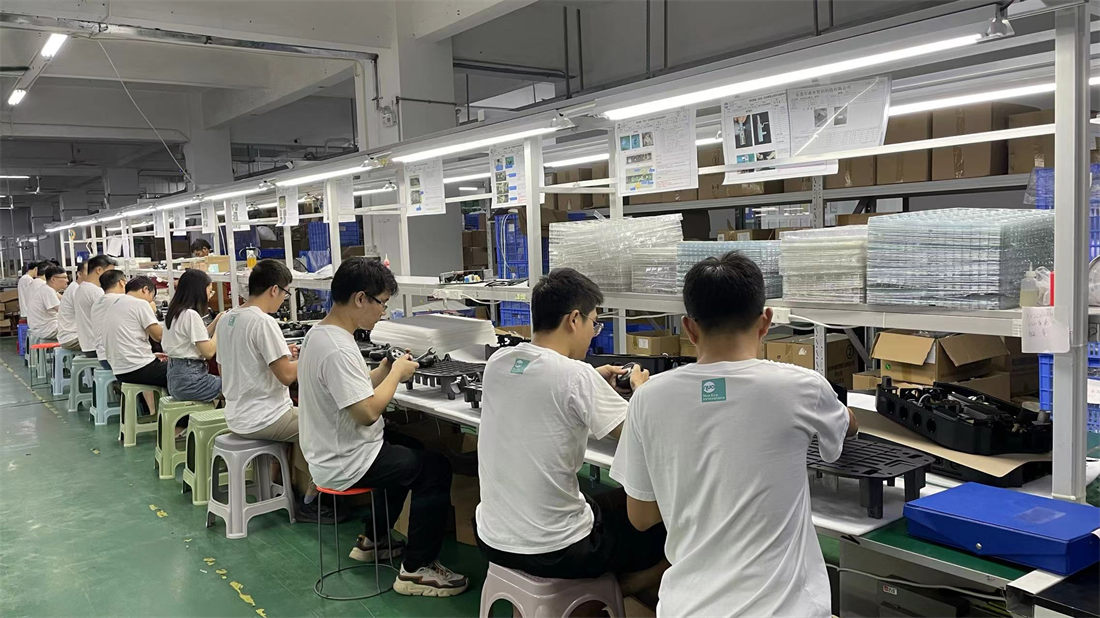
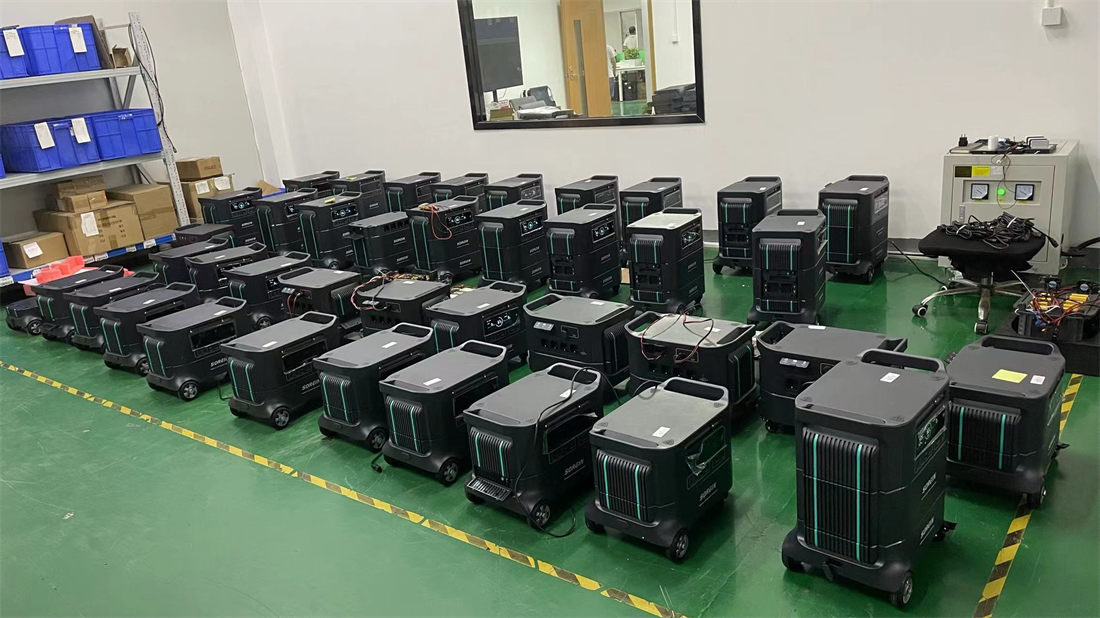
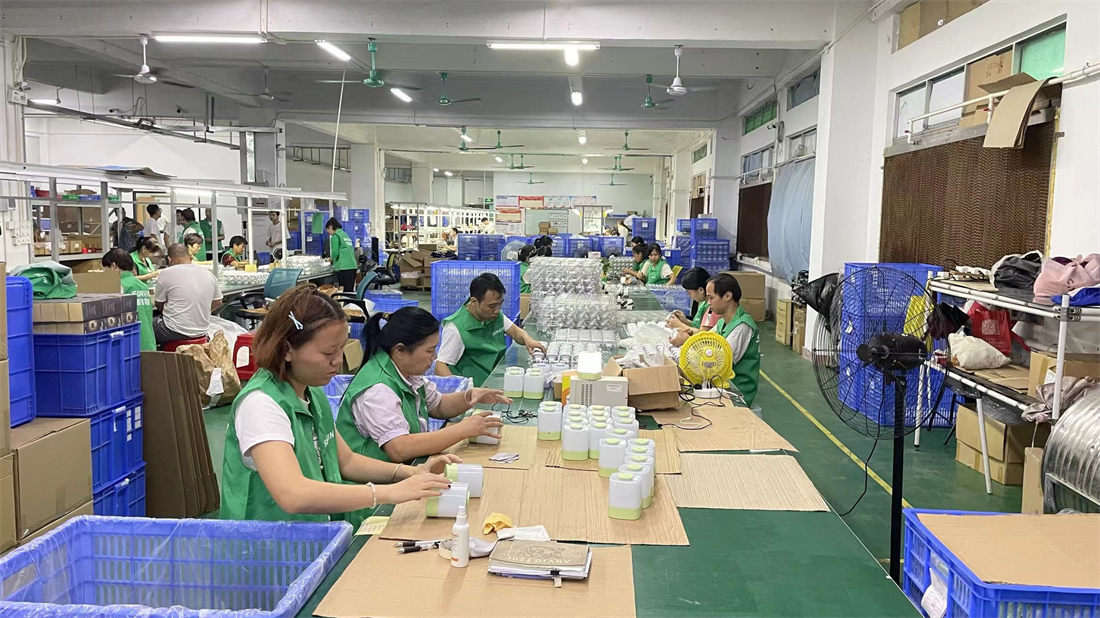
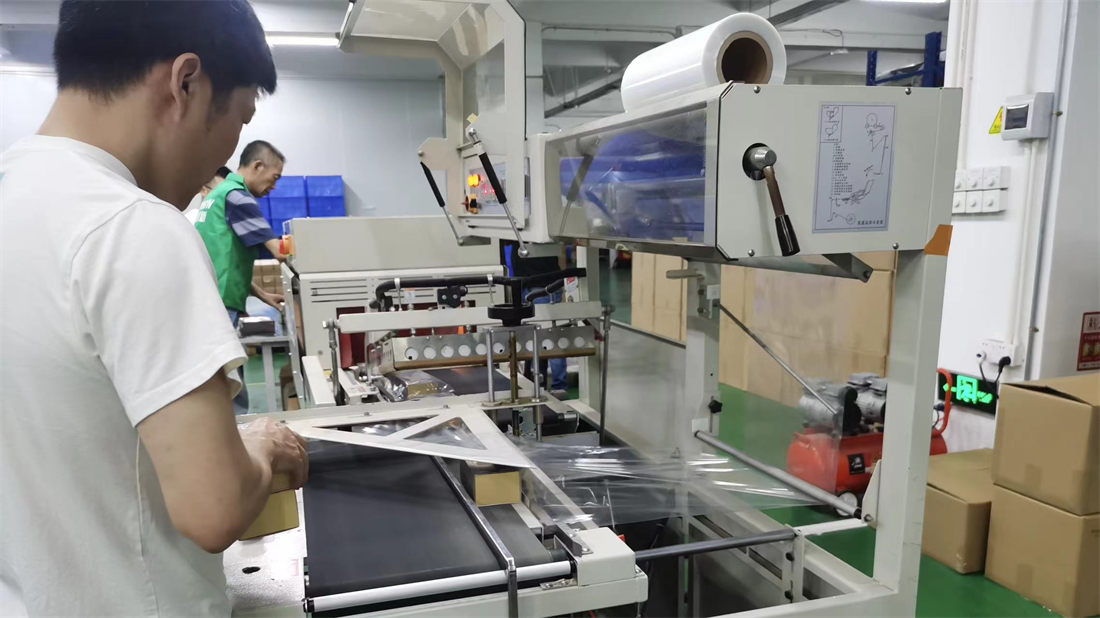
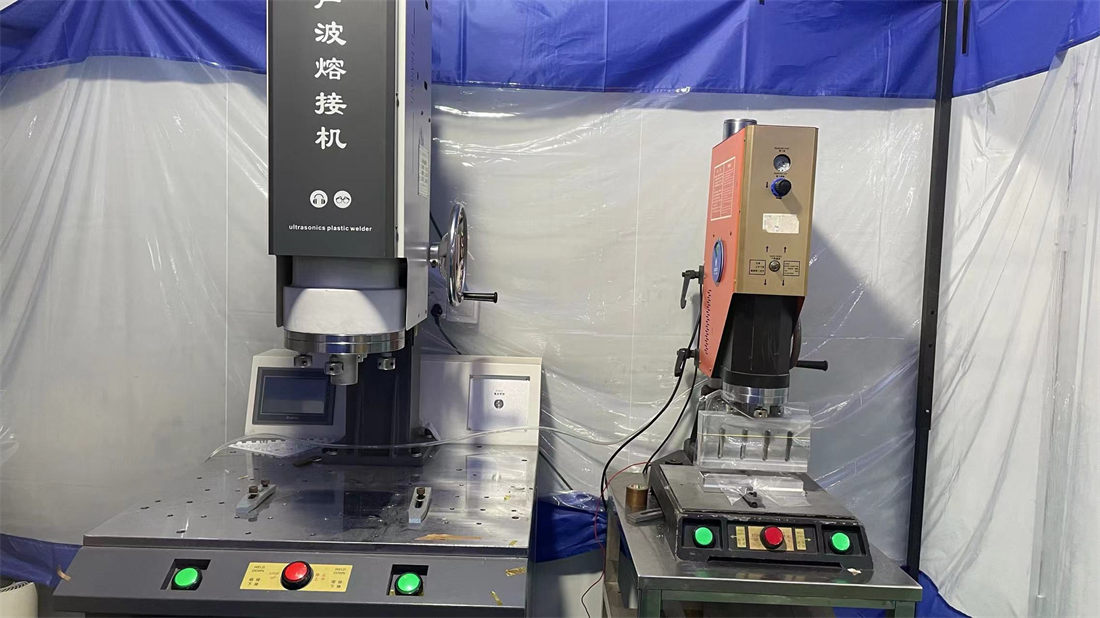
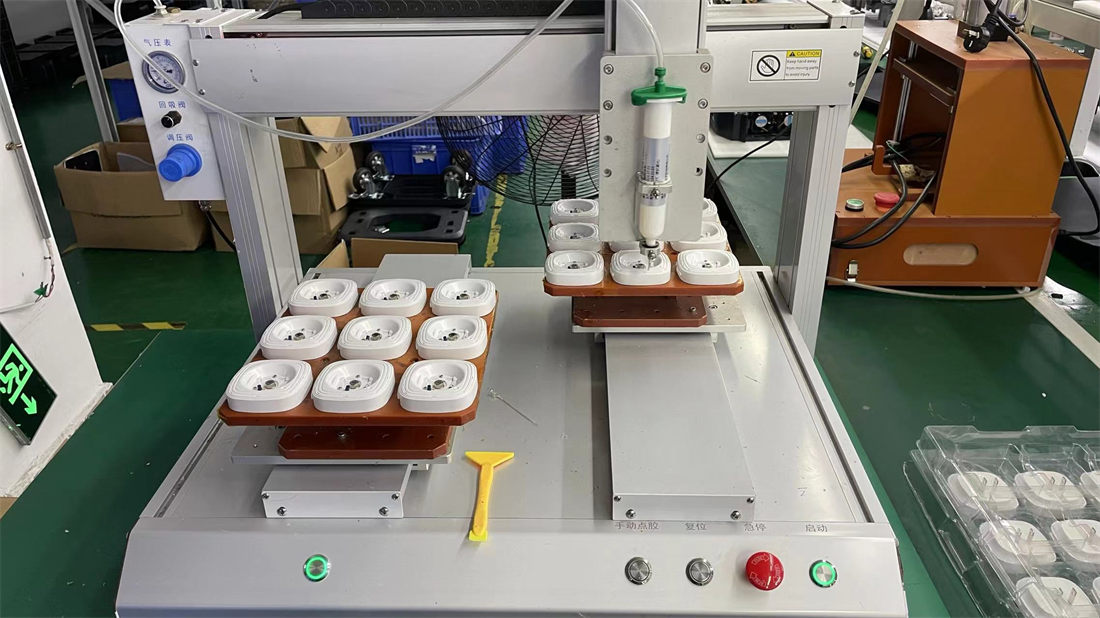
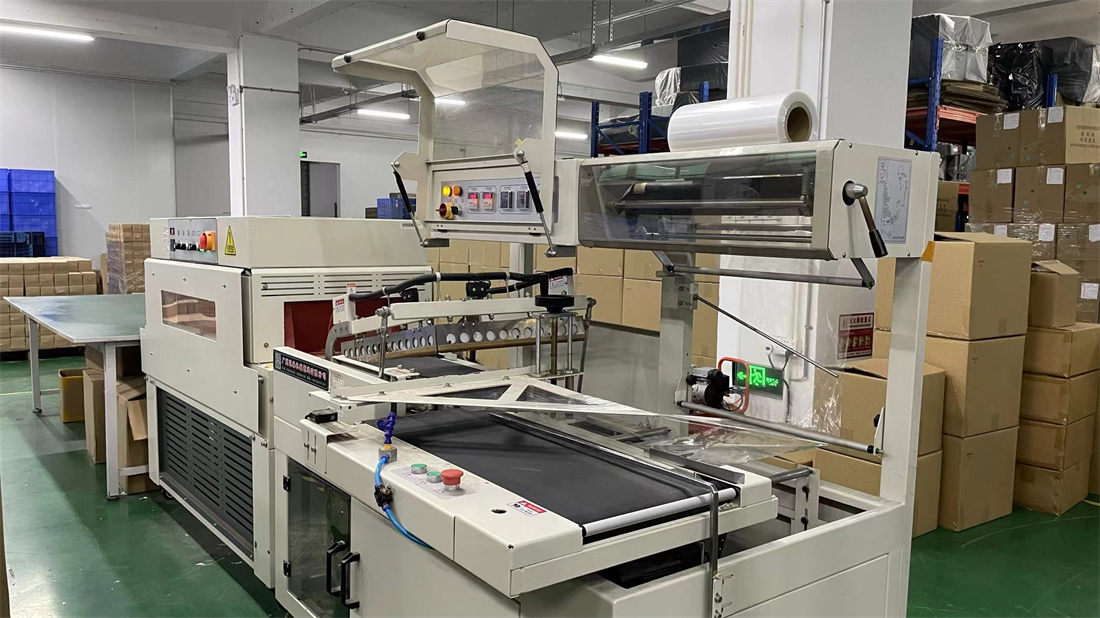
Shenzhen, China, serves as the global epicenter for hardware innovation and electronics manufacturing. By operating within this dynamic ecosystem, Shenzhen Soweglow Solar Co., Ltd. leverages a highly efficient supply chain to source raw components, optimize logistics, and implement advanced QA protocols. Our production framework relies on specialized equipment—such as Ultrasonic Welding Machines and Automatic Glue Dispensing Systems—to guarantee hermetic sealing, mechanical durability, and IP-rated dust and water protection.
Before leaving the factory, every solar inverter, combiner box, and LiFePO4 battery pack undergo comprehensive Aging Testing. This process stresses the electronic components at elevated temperatures to detect infant mortality failures. By identifying and resolving potential issues in-house, we ensure high performance in demanding environments, from high-humidity coastal settings to arid desert solar plants.
The solar energy sector is evolving rapidly, driven by materials science breakthroughs, power electronics innovation, and artificial intelligence integration. Soweglow Solar outlines the primary technological transitions shaping the future of solar energy kits:
Exporting high-capacity solar setups requires strict adherence to international standards. Soweglow Solar ensures compliance across major international markets:
In the European Union, grid-tied setups comply with EN 50549-1/2 parameters to ensure grid stability, with certifications covering CE, RoHS, and TUV standards. For North America, compliance includes UL 1741 and IEEE 1547 standards, alongside rapid shutdown features for safety. For battery shipping, all lithium storage systems undergo UN38.3 testing to verify cell integrity under extreme physical stress.
Technical answers to critical design, installation, and procurement questions
Containerized Energy Storage Systems (ESS) integrate lithium iron phosphate battery cells, active liquid/HVAC cooling, and intelligent fire suppression (Novec 1230) in a secure, weatherized ISO container. This modular design simplifies transport, reduces on-site installation time, and enables easy scaling for grid-tied support, peak shaving, and large industrial backup power.
Flexible solar panels utilize thin-film materials and lightweight polymers (like ETFE). This design allows them to bend up to 30 degrees, making them suitable for curved surfaces like RVs, marine vessels, and lightweight structures. While rigid glass panels remain standard for utility-scale solar farms, flexible panels offer key installation advantages in weight-sensitive and space-constrained scenarios.
A true 48V DC solar air conditioner runs directly on DC electricity generated by PV panels or stored in a 48V battery system. This eliminates the need for an AC-to-DC inverter, saving up to 20% in conversion losses. It provides high cooling efficiency for off-grid homes, remote telecommunication shelters, and cabins.
Our manufacturing facility in Shenzhen operates under ISO 9001 quality management guidelines. Products undergo strict QA checks, including ultrasonic welding checks, automatic glue checks, and thermal aging tests. Our systems carry CE, TUV, UL, and UN38.3 certifications to meet international import regulations.
Explore our full catalog of residential storage, portable power, and industrial-grade inverters
Shenzhen Soweglow Solar Co., Ltd. is a professional and reliable manufacturer and supplier specializing in solar energy products, renewable energy solutions, and intelligent solar lighting systems. Located in Shenzhen, China, one of the world's most innovative and dynamic technology hubs, we have been committed to the solar industry for many years, providing high-quality products and customized energy solutions to customers worldwide.
Driven by the mission of promoting clean energy and sustainable development, Soweglow Solar focuses on delivering efficient, environmentally friendly, and cost-effective solar products that help reduce energy consumption and carbon emissions. Through continuous innovation, strict quality control, and customer-oriented service, we have established long-term partnerships with clients across Europe, North America, South America, Africa, Southeast Asia, and the Middle East.
Our experienced team possesses extensive expertise in solar lighting, photovoltaic systems, energy storage solutions, project management, manufacturing, and international business. We continuously invest in research and development to ensure our products meet evolving market demands and international quality standards.
Quality is the foundation of our business. Every product undergoes strict quality inspections throughout the entire production process, from raw material selection to final assembly and shipment. Our manufacturing facilities operate under comprehensive quality management systems to ensure product reliability, safety, and long service life.
We continuously improve our production processes and technology to provide products that comply with international certifications and industry standards.
To accelerate the adoption of renewable energy by providing innovative, efficient, and sustainable solar solutions that create long-term value for customers and contribute to a greener future.
 Soweglow Solar