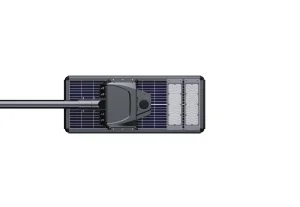
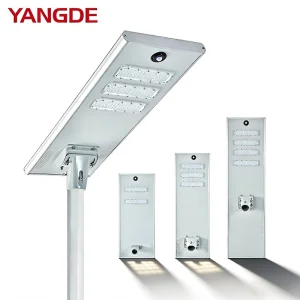
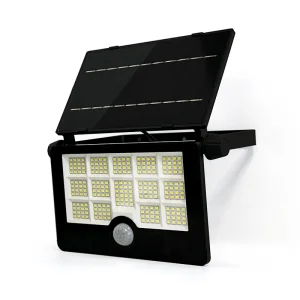
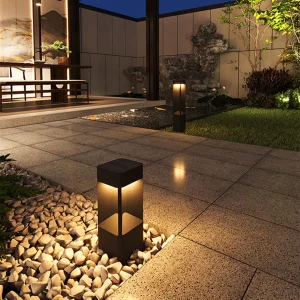
Explore our high-efficiency solar panels, intelligent LED streetlights, and robust energy storage modules engineered for modern infrastructure deployment.
Leveraging engineering depth and geographic supply advantages to deliver high-performance solar infrastructure globally.
Shenzhen Soweglow Solar Co., Ltd. is a globally recognized, professional manufacturer and exporter specializing in industrial-grade solar energy products, decentralized renewable energy storage systems, and intelligent municipal solar lighting solutions. Located in Shenzhen, China—the world’s premiere high-tech manufacturing and hardware innovation corridor—we utilize cutting-edge technology, integrated supply chains, and specialized engineering to deliver clean, off-grid solutions to customers worldwide. Our operational philosophy centers around building reliable, durable, and highly efficient systems capable of serving the complex needs of modern urban and industrial environments.
As an organization deeply aligned with global carbon neutrality mandates (such as the EU Green Deal and global Net-Zero 2050 targets), Soweglow Solar is dedicated to optimizing photovoltaic conversion efficiencies and lowering the Total Cost of Ownership (TCO) for commercial developers. Over the past decade, we have established robust, compliant trade channels across Europe, North America, South America, Sub-Saharan Africa, Southeast Asia, and the Middle East. Our product line is designed to fulfill demanding industrial parameters, providing dependable outdoor operation under extreme environmental conditions.
Our cross-functional team consists of senior photovoltaic engineers, optical specialists, power electronics designers, and international quality compliance officers. We operate with a clear mission: To accelerate the deployment of clean energy worldwide by offering resilient, intelligent, and highly customizable solar solutions that yield tangible financial and environmental returns.
Analyzing key advancements driving the transition to grid-independent smart municipal infrastructure.
Urban areas present unique microclimates and structural challenges for solar deployment. Limited ground footprint, dynamic shading, high wind-load requirements, and intense energy demands dictate a shift away from traditional utility-scale solar models toward localized, high-density, smart off-grid solutions. Modern city planners and industrial developers are increasingly focusing on the following three paradigms:
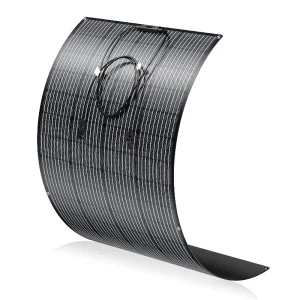
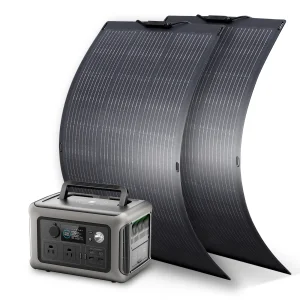
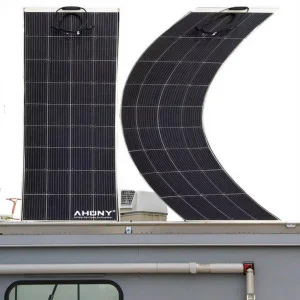
By distributing generation capacity directly to the point of consumption—such as municipal pathways, industrial perimeter fences, and public transit terminals—cities can significantly reduce transmission losses and lessen the load on centralized grids. Utilizing flexible monocrystalline panels and advanced thin-film modules allows for integration onto curved architectural surfaces and vehicle rooftops, unlocking energy capture zones previously deemed unusable.
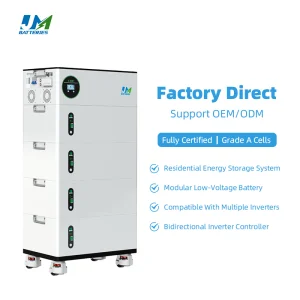
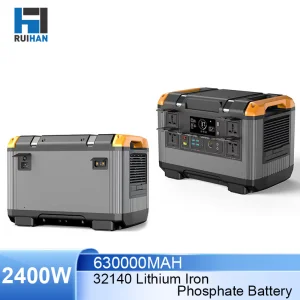
Energy storage is the linchpin of reliable off-grid technology. Lead-acid and standard lithium-ion batteries are rapidly being phased out in urban contracts due to environmental safety concerns, low cycle life, and thermal instability. Lithium Iron Phosphate (LiFePO4) has emerged as the industry standard, offering superior thermal stability, zero toxicity, up to 10-year design life, and a deep depth of discharge (DoD) without sacrificing cell integrity. Stackable, modular energy storage systems allow commercial complexes to scale their backup power seamlessly as operational demand grows.
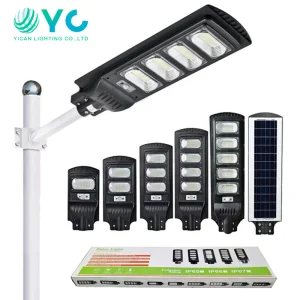
Static solar infrastructure is no longer sufficient. Contemporary urban systems require intelligent power management. Integrating passive infrared (PIR) sensors, microwave motion detection, and IoT-enabled 4G cameras allows systems to adjust energy consumption dynamically. For instance, solar streetlights can dim during low-traffic hours, reserving battery capacity for prolonged periods of low solar irradiance (cloudy or rainy days), thereby ensuring 100% operational uptime.
"The future of urban energy relies on self-sustaining micro-nodes. By pairing high-efficiency PV materials with localized LFP storage and smart sensors, we create municipal systems that require zero grid connection and near-zero ongoing maintenance."
Understanding compliance, return on investment (ROI), and reliability parameters for commercial decision makers.
International procurement managers, municipal developers, and EPC (Engineering, Procurement, and Construction) contractors operate under strict evaluation matrices. Beyond initial unit costs, procurement decisions for urban solar systems hinge on several key performance metrics and certifications:
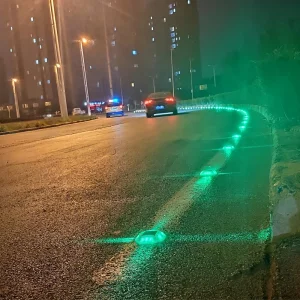
Municipal deployments must withstand severe weather conditions, such as high-velocity winds, continuous rain, and sandstorms. Hardware must carry certified IP65 or IP67 ingress protection, ensuring moisture and dust cannot penetrate the electronics bay. Additionally, street lighting and road indicators require high structural load ratings (e.g., solar road studs must support up to 30 tons of dynamic pressure) to survive heavy urban traffic.
Importation and commercial integration of electronics require verified compliance with localized regulations. Our systems are built and certified according to CE, RoHS, and FCC standards, with battery modules meeting UN38.3 and MSDS safety protocols for international shipping and high-density urban installation.
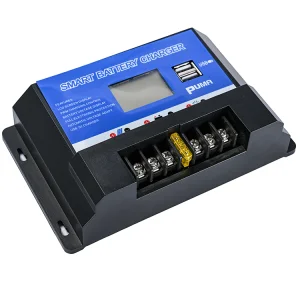
Traditional infrastructure projects suffer from high trenching and cabling costs, which can represent up to 70% of a traditional lighting project's budget. Integrated off-grid systems eliminate these capital expenses. By choosing high-durability LED elements, high-performance MPPT controllers, and stable chemistry batteries, buyers minimize post-installation service calls, achieving full capital payback within 24 to 36 months.
Inside our Shenzhen facility: Leveraging automation and strict quality assurance to ensure batch consistency and zero-defect output.
Shenzhen Soweglow Solar Co., Ltd. operates a highly optimized, digitally controlled manufacturing center. By applying Industry 4.0 principles, we integrate automated assembly lines, high-precision machining, and multi-stage testing setups to eliminate human error and ensure reliable output. Our factory utilizes localized supply loops, securing raw materials and microchips from top-tier suppliers directly within Shenzhen's industrial zone, insulating our international buyers from global supply chain shocks.
Our manufacturing cycle incorporates specific processing steps designed to yield ruggedized solar devices:
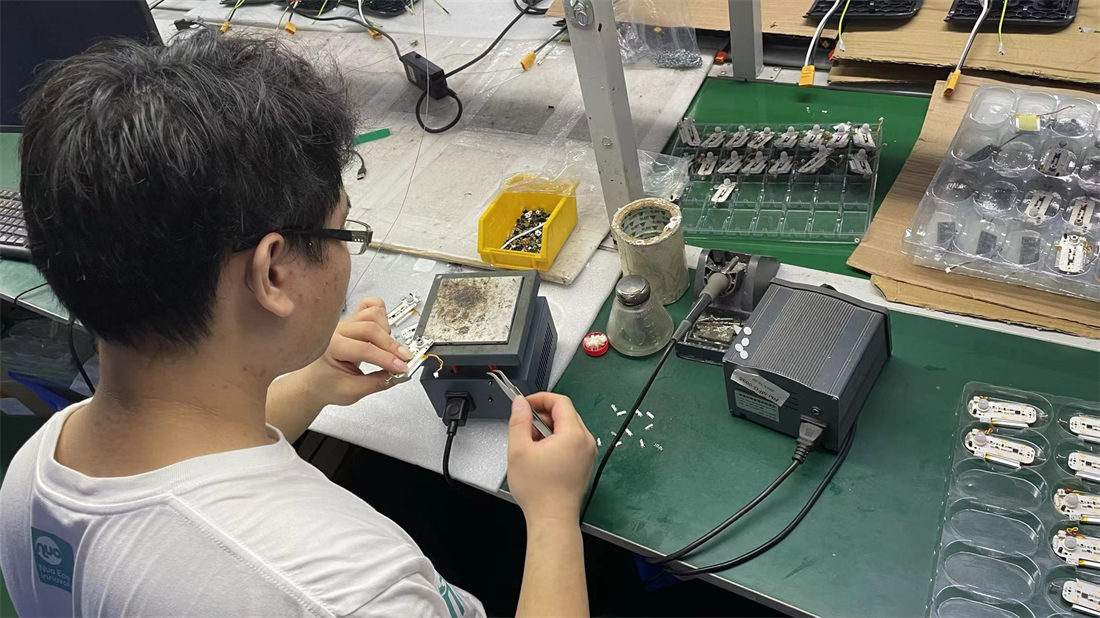
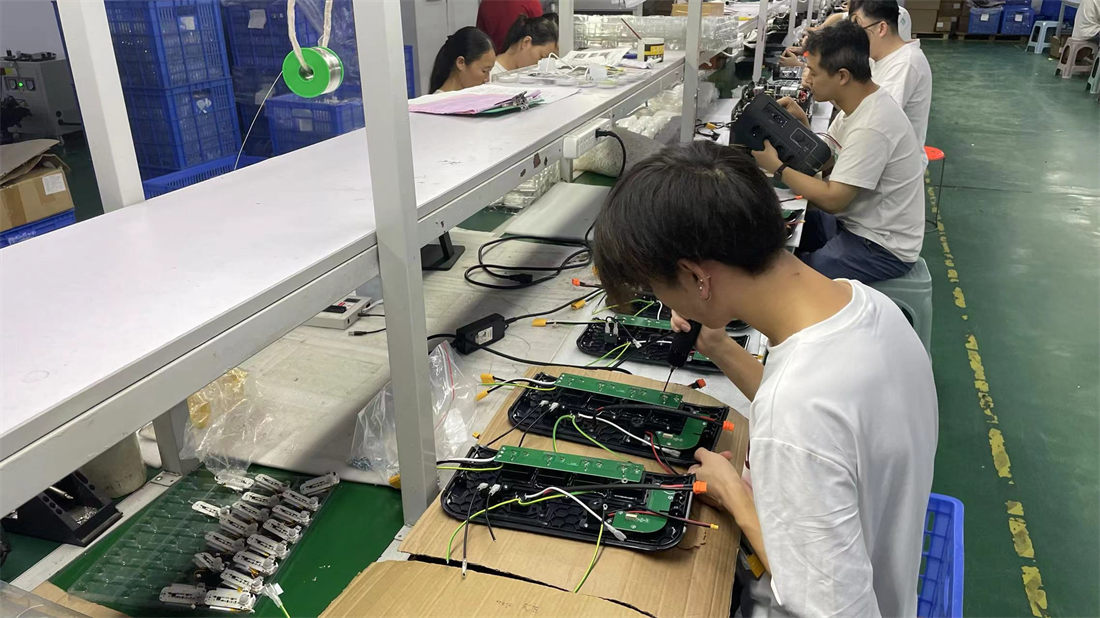
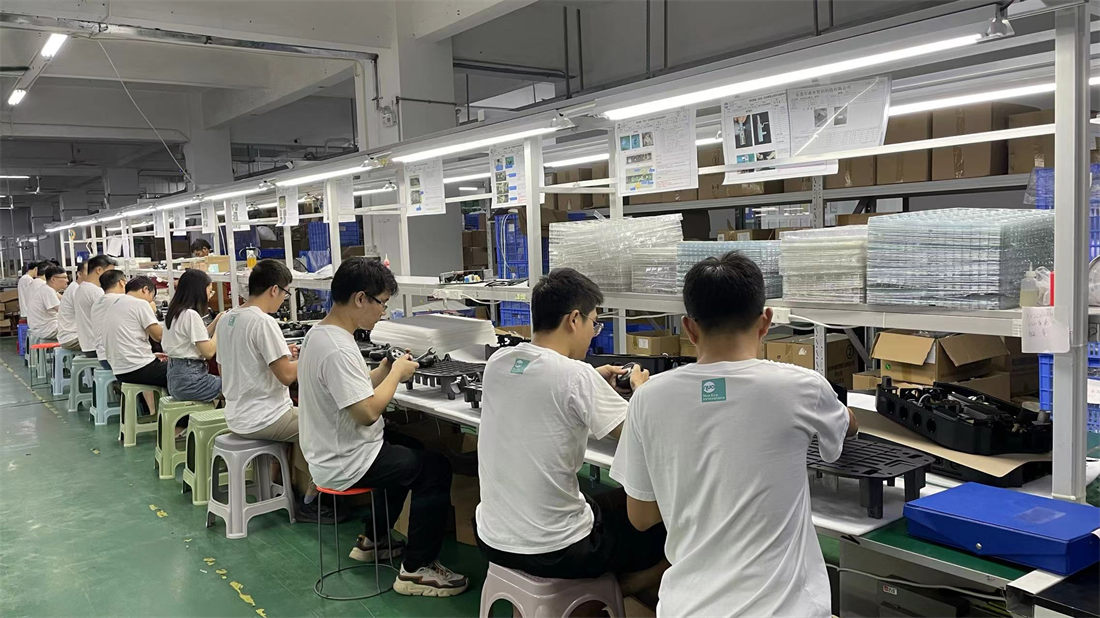
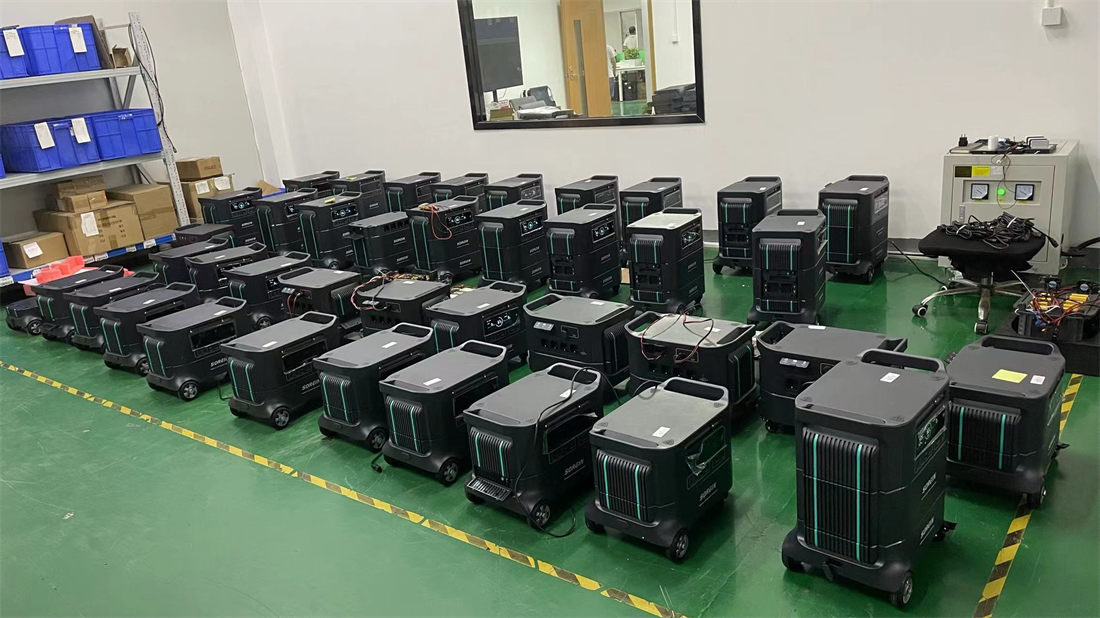

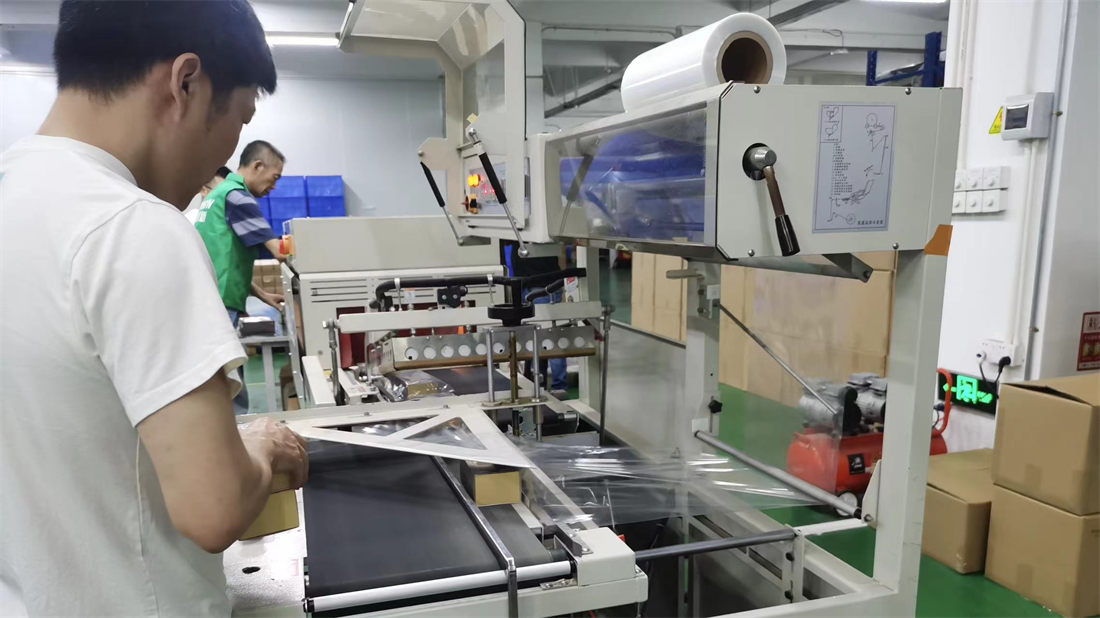
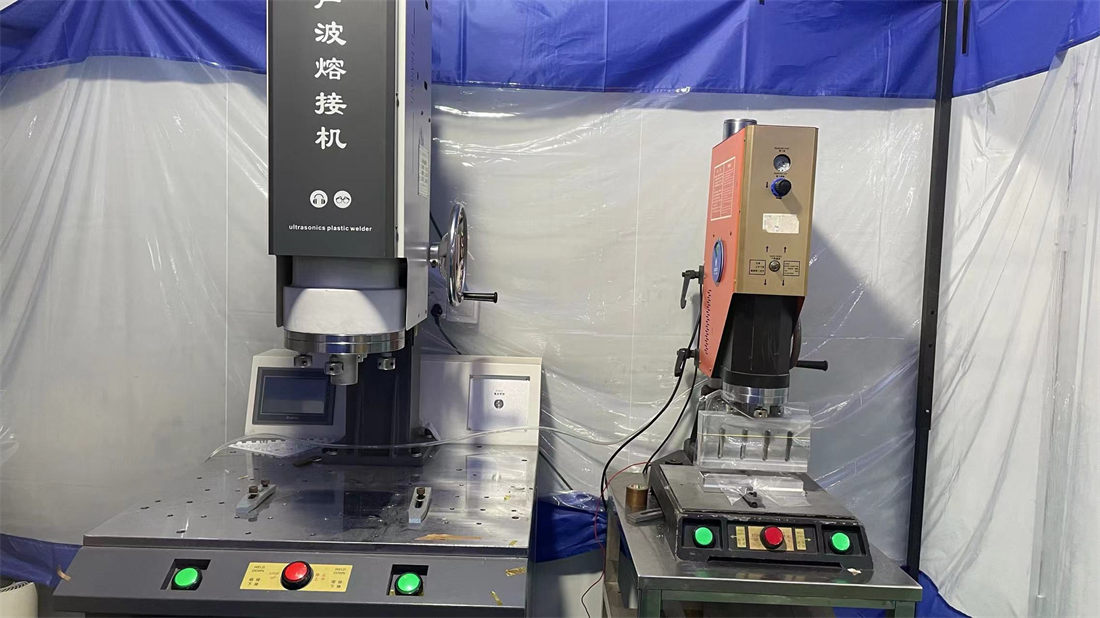
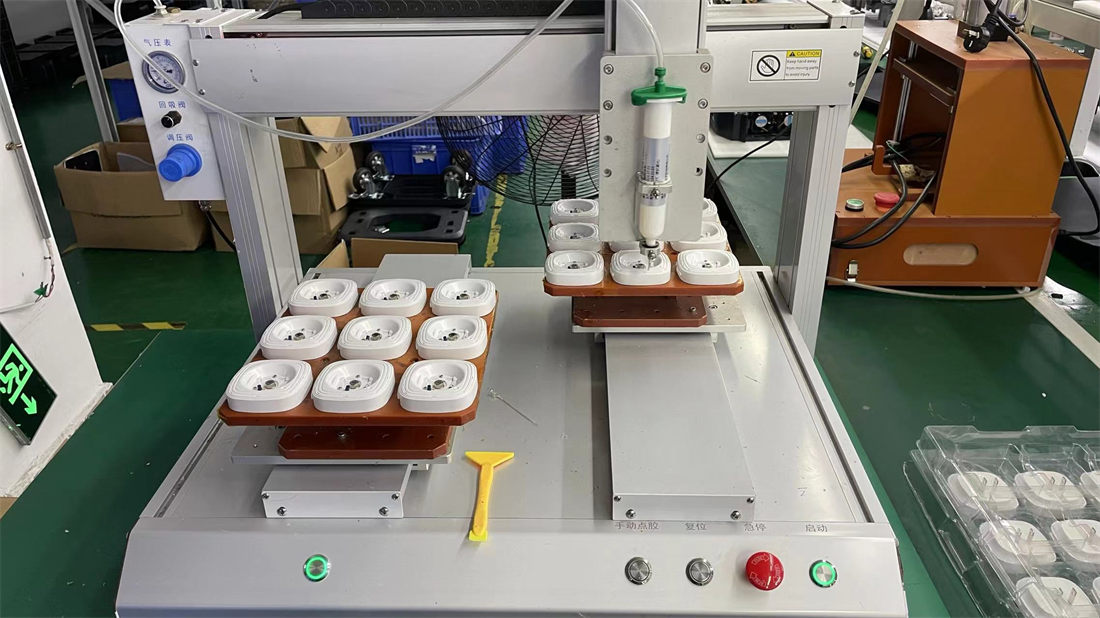
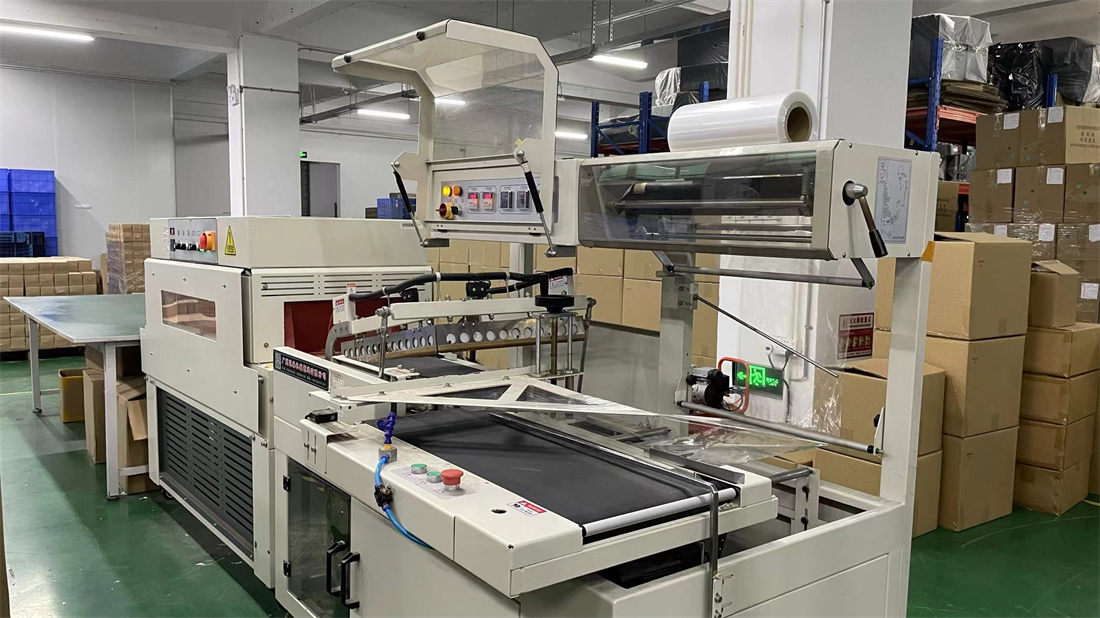
Each phase of manufacturing is governed by strict QA checkpoints:
Adapting high-performance solar technologies to diverse industrial sectors and varying global environments.
Solar technology is not a one-size-fits-all solution. Different geographic markets and business sectors present distinct localized demands. Successful execution requires tailored hardware configurations:
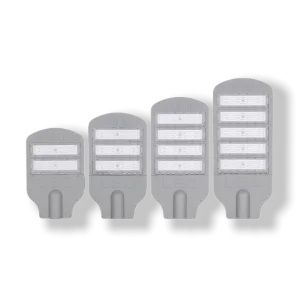
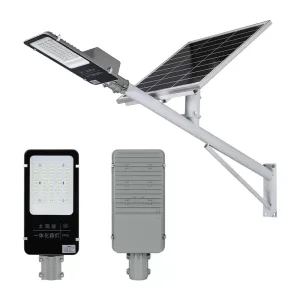
For public roads, parking lots, and residential green spaces, safety is paramount. Integrating high-lumen, aluminum-body outdoor LED street lights ensures consistent lighting coverage. Dynamic PIR (Passive Infrared) motion sensors allow the system to conserve battery by dimming to 30% output during periods of inactivity, ramping up to 100% brightness instantly when pedestrian or vehicular motion is detected.
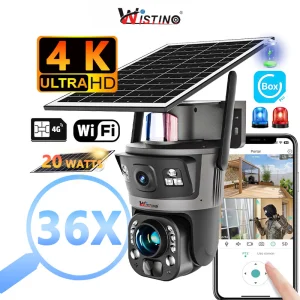
Critical infrastructure such as oil pipelines, electrical grids, agricultural farms, and remote construction zones require round-the-clock monitoring where main power is absent. Combining 4G network capability with dual-axis adjustable solar panels and compact lithium battery modules enables continuous, off-grid HD video transmission with night-vision and movement alerts.
Salt spray and high humidity accelerate corrosion in standard metals and plastics. Our products feature anti-corrosion, anodized aluminum frames, along with flexible monocrystalline ETFE panels that resist degradation under high UV exposure and salty ocean winds. This design makes them highly reliable for marine craft, RVs, and coastal pathway installations.
Direct technical answers addressing system design, lifetime projections, and implementation logistics.
Explore our compact monocrystalline panels, portable power generators, and integrated surveillance modules.
 Soweglow Solar