In the global transition toward decarbonized grid structures, the discipline of Solar Resource Assessment (SRA) serves as the fundamental cornerstone of investment viability, engineering design, and operational optimization. While meteorological agencies and geospatial models provide predictive datasets—such as Global Horizontal Irradiance (GHI), Direct Normal Irradiance (DNI), and Diffuse Horizontal Irradiance (DHI)—the ultimate success of a solar installation hinges on the physical hardware's ability to translate this raw solar energy into predictable, stable grid output.
As a leading player in this convergence, Shenzhen Soweglow Solar Co., Ltd. stands out as a world-class manufacturer that bridges the gap between digital SRA metrics and high-yield physical components. Located in the technological center of Shenzhen, China, we specialize in fabricating industrial-grade solar mounting brackets, high-efficiency hybrid inverters, advanced energy storage systems, and specialized off-grid lighting technologies designed to perform under extreme geographic conditions identified during SRA modeling.
"Information Gain" SEO Insight: Relying purely on theoretical SRA datasets leads to systemic underperformance if meteorological models do not match the real-world thermal coefficients, structural load limits, and conversion efficiency profiles of the installed physical hardware. A vertically integrated engineering strategy that aligns assessment parameters directly with specialized factory processes reduces bankability risks from 15% variance to under 3%.
Across the global utility and commercial & industrial (C&I) sectors, SRA methods have evolved past static satellite observations. Real-time irradiance profiling is now combined with three-dimensional albedo modeling, atmospheric aerosol tracking, and historical cloud-cover drift analysis. Let's look at the commercial landscape shaping current deployments:
Soweglow Solar’s product line is built to address the varied environmental demands identified in regional solar assessments. By tailoring our equipment to specific geographic conditions, we help maximize output across a wide range of real-world micro-grid and industrial scenarios:
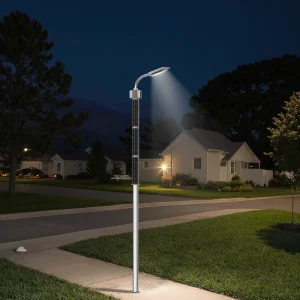
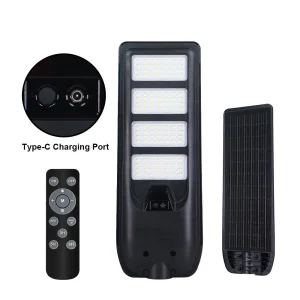
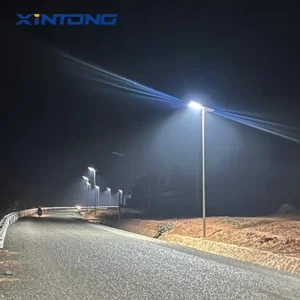
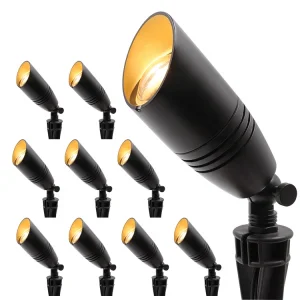
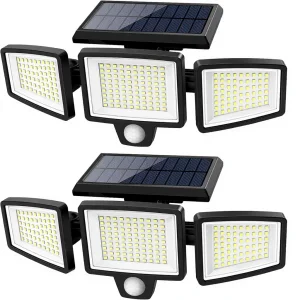
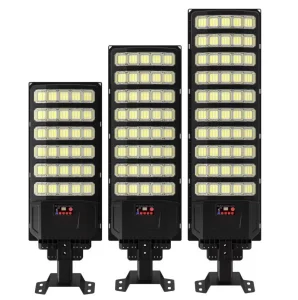
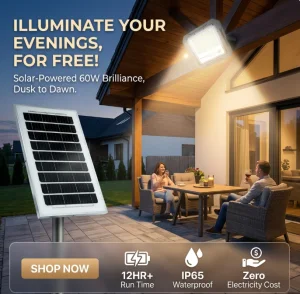
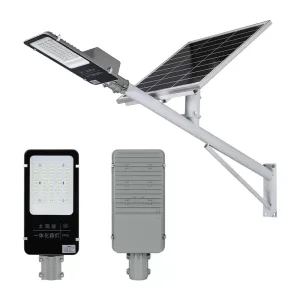
In urban planning and municipal expansions, grid extensions can be cost-prohibitive. Soweglow’s All-in-One Solar Street Lights and DC/AC Hybrid LED Street Lights offer reliable off-grid lighting solutions. By analyzing regional sunlight levels (solar resource mapping), cities can select the ideal combination of 100W, 200W, or 300W luminaires to ensure reliable operation year-round, even through consecutive overcast days.
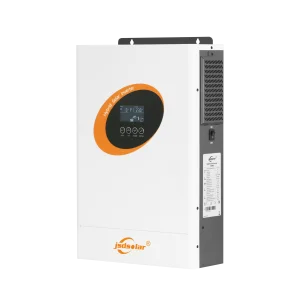
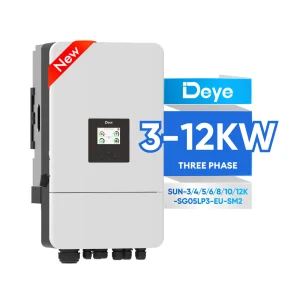
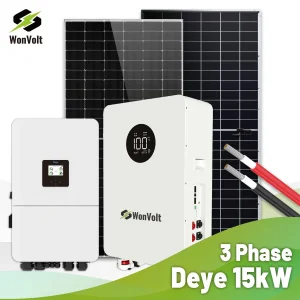
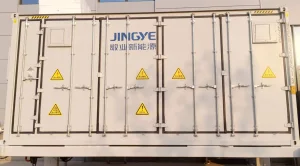
In regions with volatile utility grids or high peak pricing, industrial operators use Soweglow's 314Ah LiFePO4 Lithium Storage Cells alongside Deye or Jsdsolar hybrid inverters. During peak sunlight hours (as mapped by resource assessments), energy is stored for use during peak pricing periods, maximizing returns and improving grid independence.
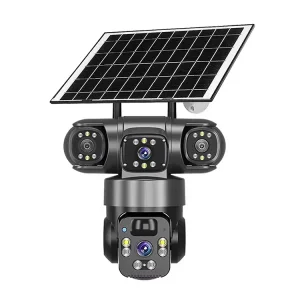
For critical infrastructure monitor sites, pipelines, and agricultural operations, constant power is essential. Soweglow's 4G Wireless Solar Powered PTZ Surveillance Cameras combine efficient solar panels, local battery storage, and cellular connectivity, offering self-contained security systems that operate continuously without external power.
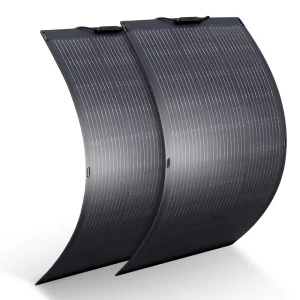
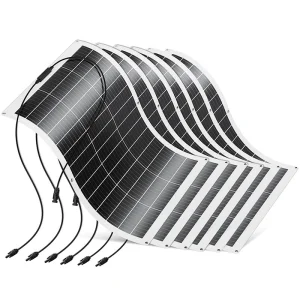
Commercial metal roofs often have strict load bearing limits, preventing the installation of traditional glass solar panels. Soweglow's **100W Flexible Solar Panels** resolve this issue. Their light profile and flexible installation options allow companies to build solar arrays on surfaces that cannot support standard mounting structures.
Translating solar assessment data into real-world performance requires choosing components that match local solar and structural conditions. The comparison table below shows key specifications for selecting hardware based on your site's solar resource profile.
| Application Category | Primary Hardware Option | Critical Assessment Metric Addressed | Integration Benefit |
|---|---|---|---|
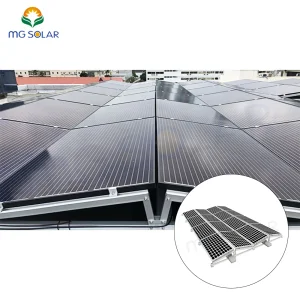
| High-DNI Utility Scale | Deye SUN 3kW-12kW Hybrid & Rail-less Mounting | High Direct Irradiance, High Wind Exposure | Optimized thermal dissipation & wind-shedding structure |
| C&I Low-Load Roofs | 100W Flexible Monocrystalline ETFE Panels | High Diffuse Irradiance, Strict Load Limits | Low weight (1.8kg/m²) with high spectral response |
| Rural Microgrids | 314Ah LiFePO4 Storage & Jsdsolar Inverters | High Solar Intermittency (Cloud Cover) | Long cycle life with reliable backup capacity |
| Municipal Roadways | DC/AC Hybrid IP66 Solar Street Lights | Varying Seasonal Sunlight (GHI) Profiles | Automatic grid switching during extended dark periods |
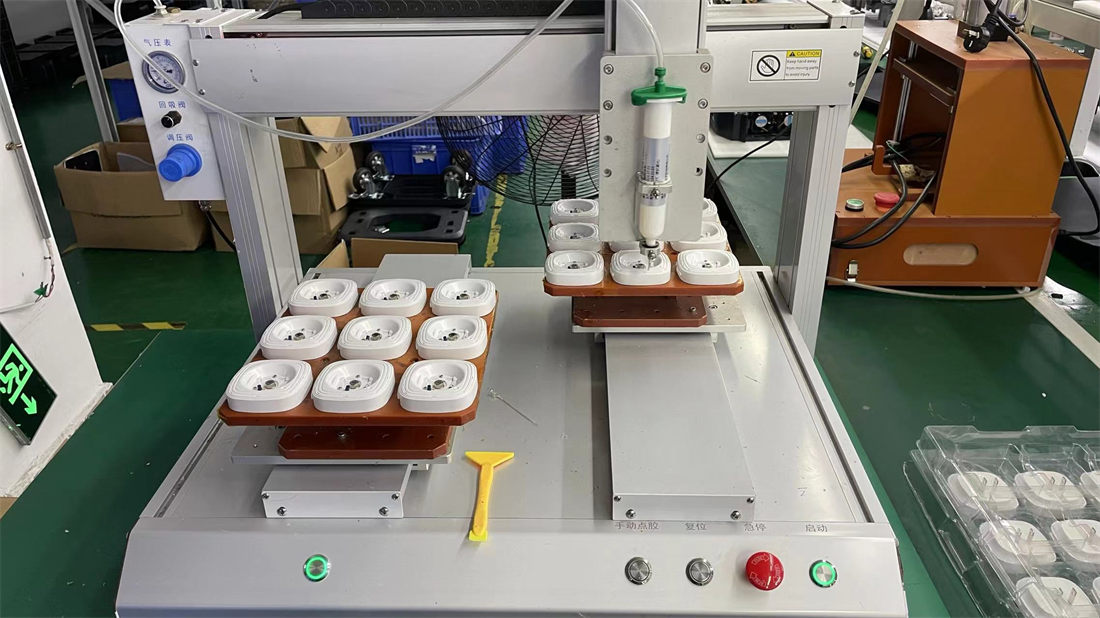
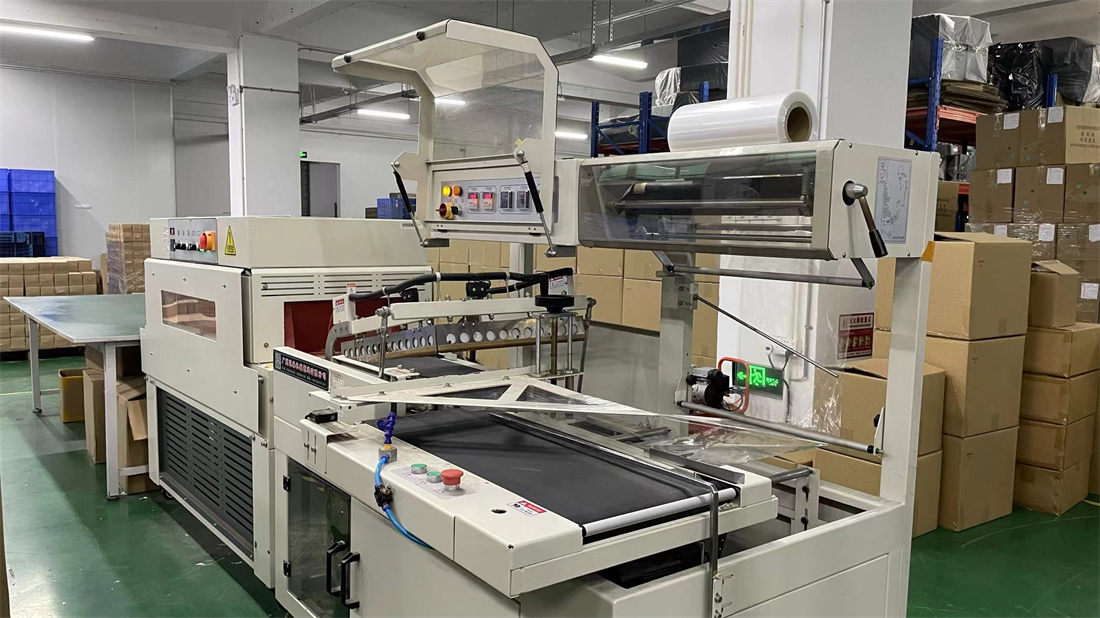
Every product built by Shenzhen Soweglow Solar Co., Ltd. is manufactured under strict quality management standards. Our facility utilizes automated machinery and rigorous testing protocols to ensure that our physical systems operate reliably over decades-long lifespans, matching the long-term projections of solar resource assessments.
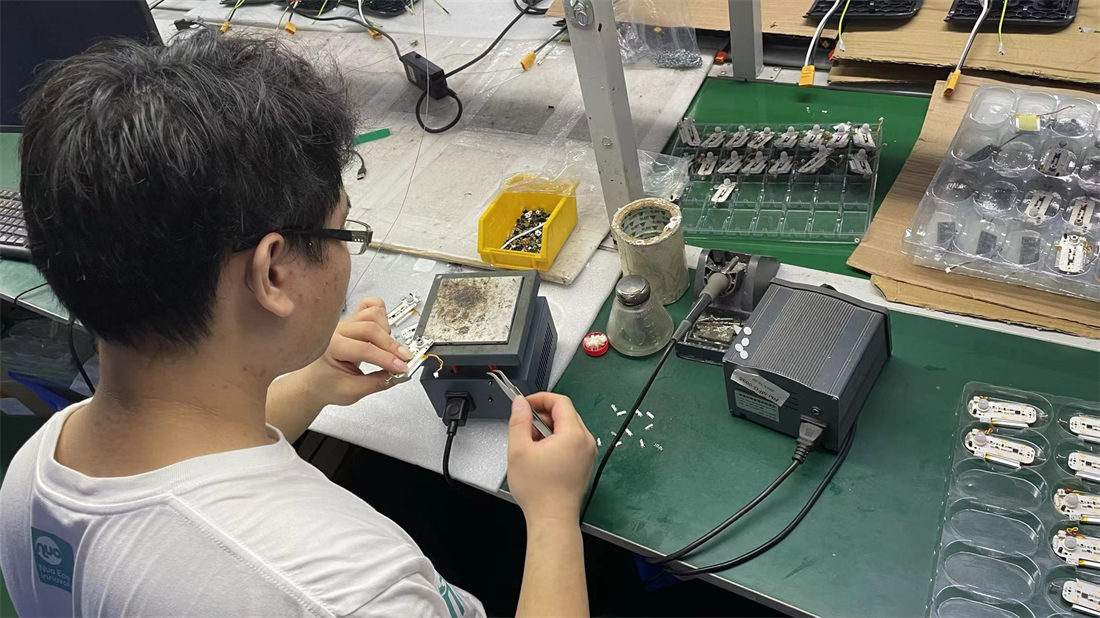
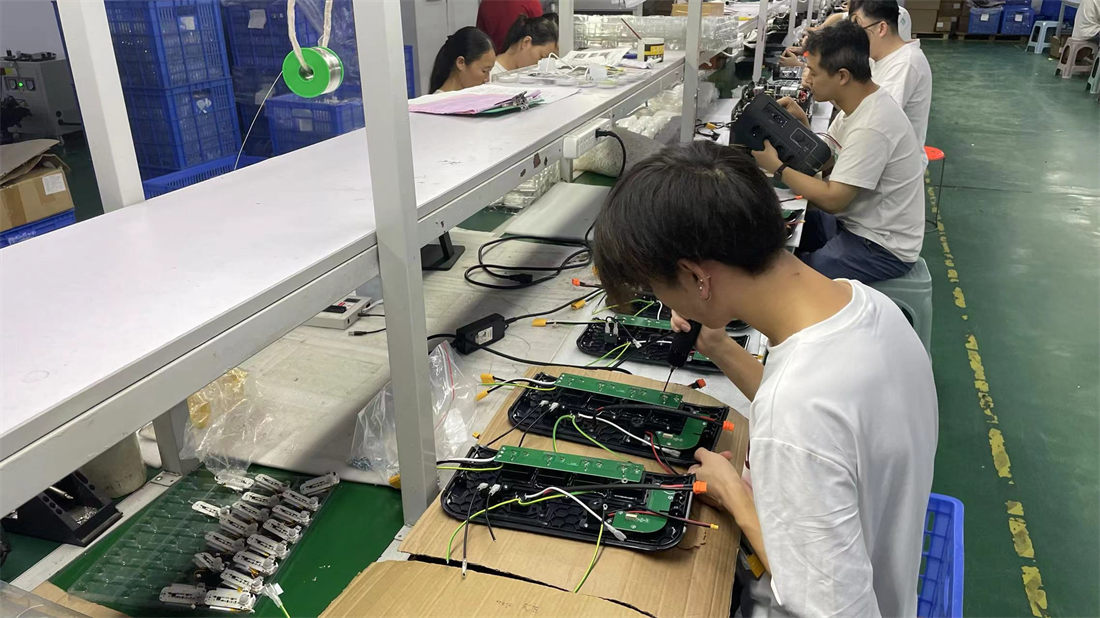
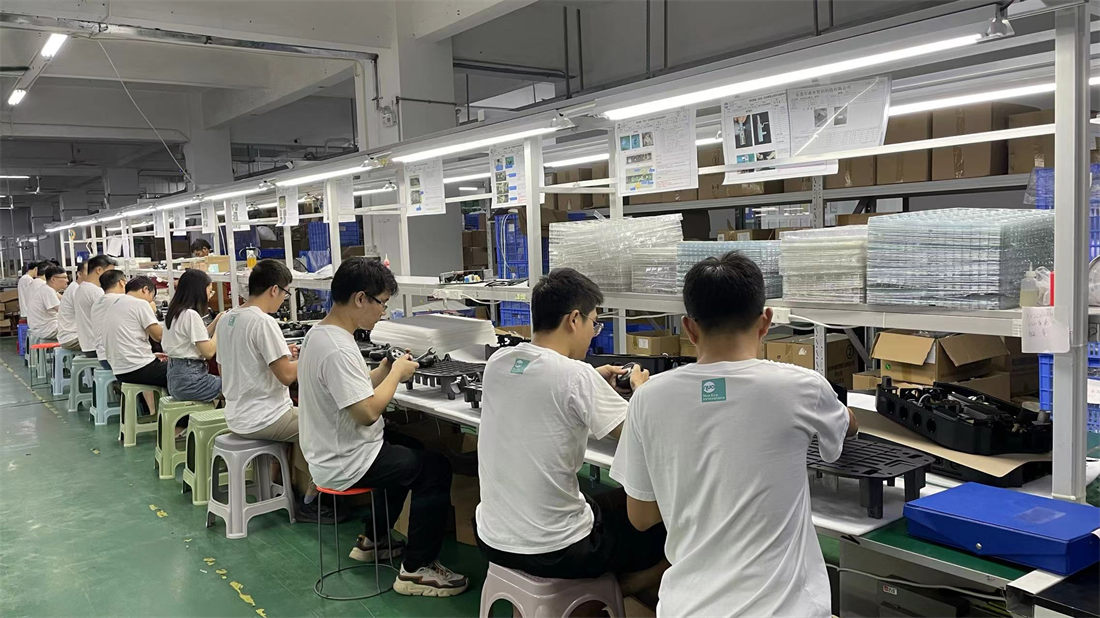
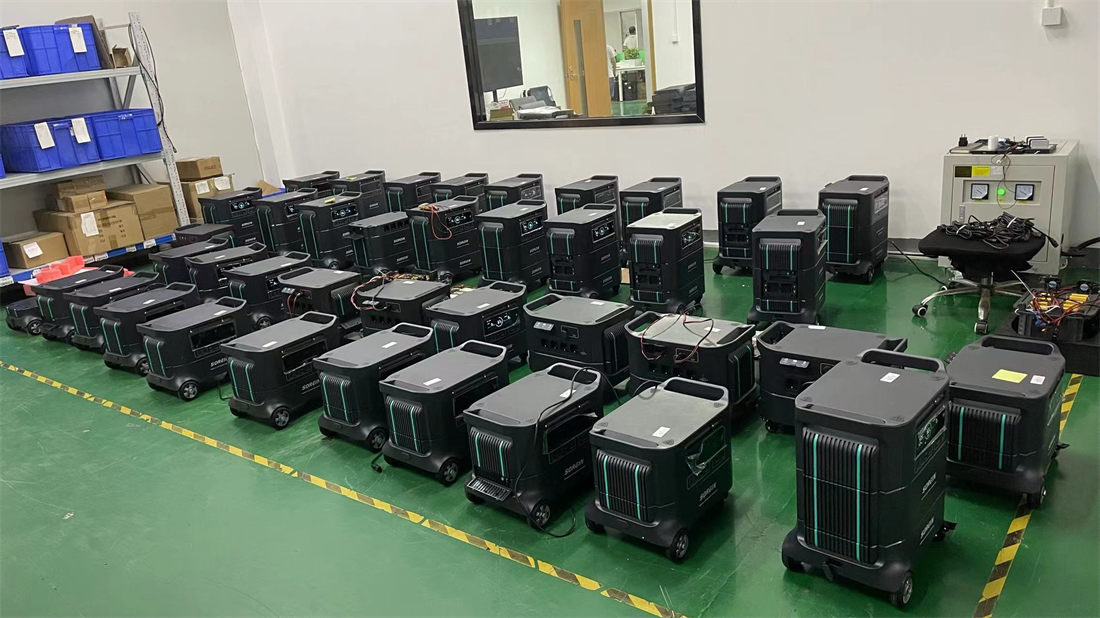
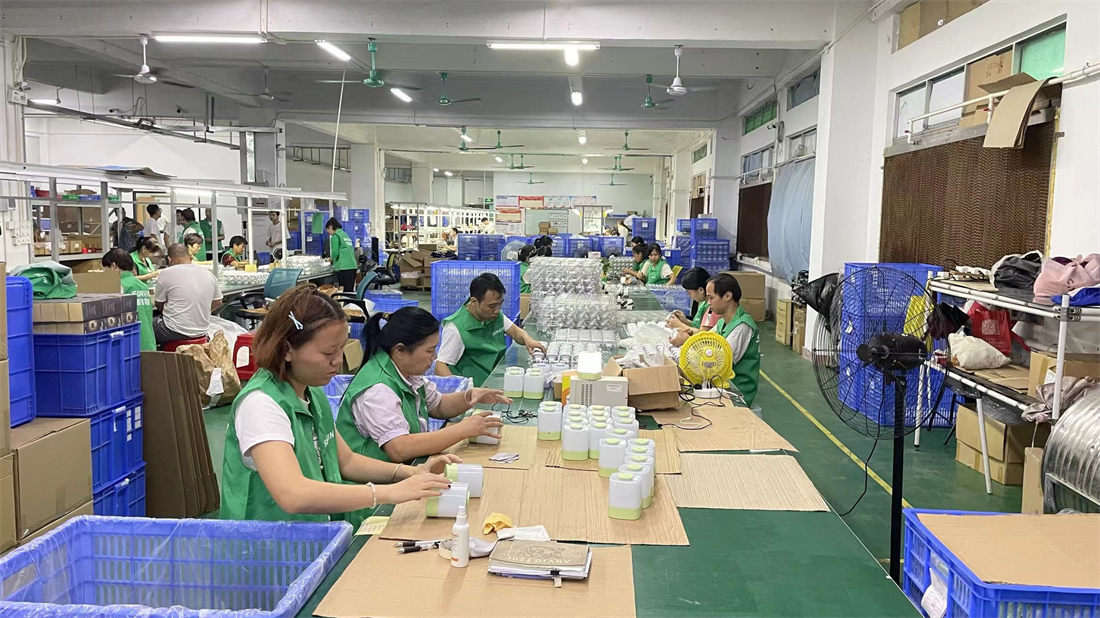
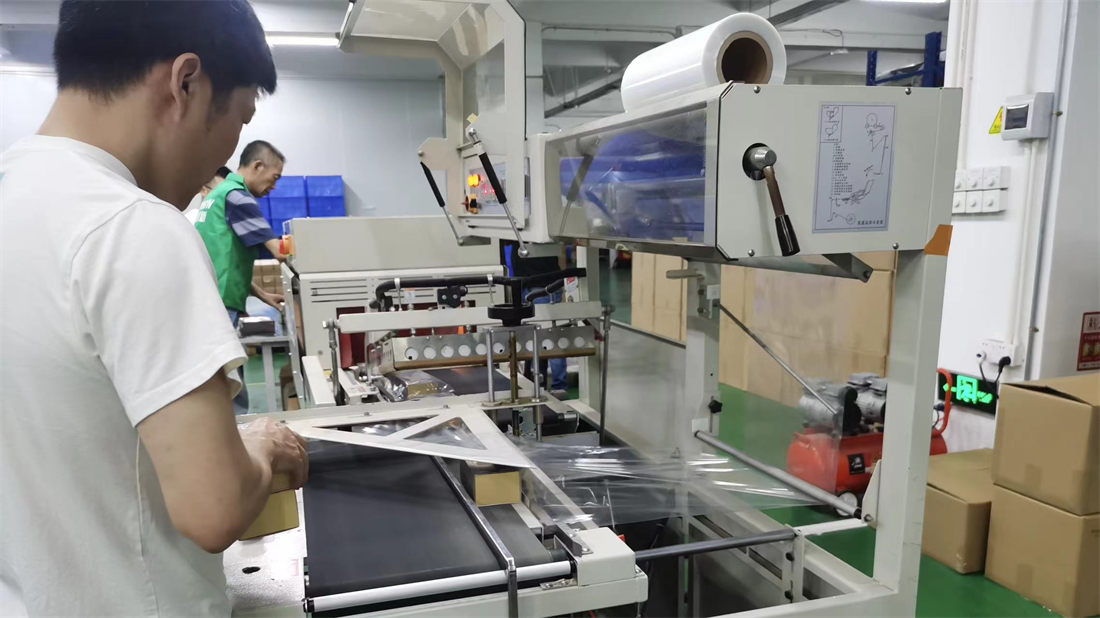
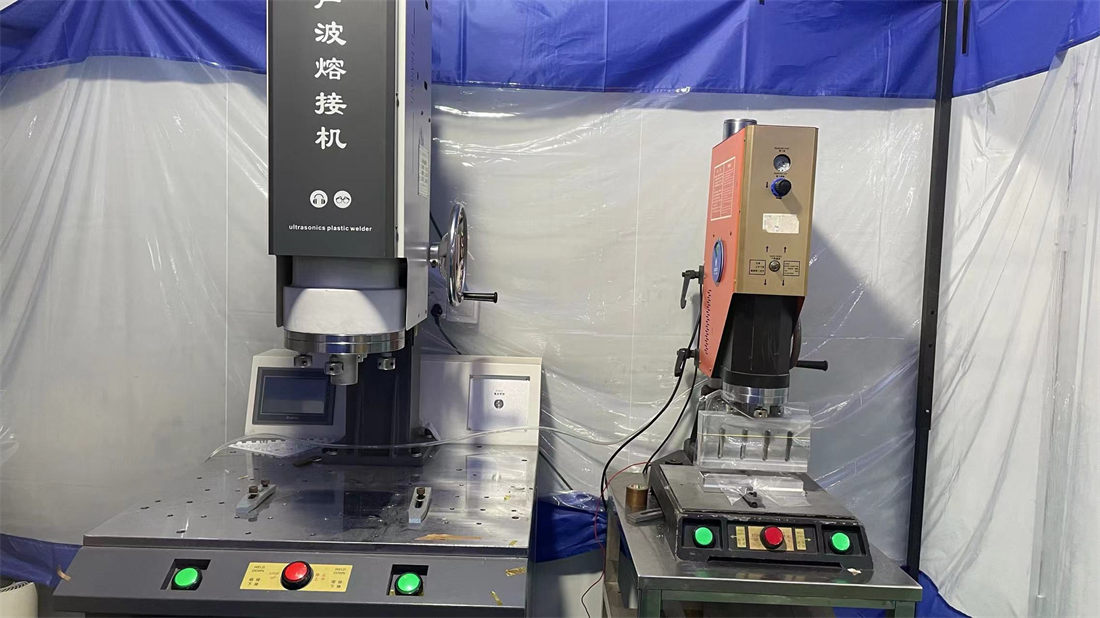
Achieving the lowest possible Levelized Cost of Electricity (LCOE) requires selecting solar components that align with local environmental conditions. A mismatch between system components and site-specific solar resource assessments can lead to issues like accelerated component degradation or system underperformance.
High-irradiance regions often experience high ambient temperatures. Under these conditions, solar panels can lose efficiency due to their thermal coefficients, and standard inverters may face derating. Soweglow address this challenge by sourcing components like Deye and Jsdsolar Hybrid Inverters, which feature advanced cooling systems and thermal management. These systems maintain efficient power conversion even in hot climates, helping protect the project's financial returns.
In regions with frequent cloud cover, solar generation can be highly variable. This variability places additional strain on energy storage systems through frequent micro-cycling. Using low-grade battery cells in these environments can lead to premature capacity loss. Standardizing on 314Ah LiFePO4 chemistry helps mitigate these issues, offering a stable battery structure that delivers reliable performance over a long cycle life.
Our engineering team answers common questions regarding Solar Resource Assessment data and how to select the right physical hardware for your site:
 Soweglow Solar