Explore our tier-1 engineered solar solutions, featuring high-efficiency panels, intelligent smart controllers, custom mounting structural hardware, and scalable energy storage systems.

Engineers, Innovators, and Quality-First Manufacturers of Industrial-Grade Distributed Solar Technologies
Shenzhen Soweglow Solar Co., Ltd. stands as a professional, highly reliable developer and contract manufacturer specializing in commercial-grade solar PV modules, intelligent microgrids, and off-grid solar storage integrations. Located within the heart of Shenzhen, China—the world's preeminent hub for advanced hardware engineering—our facilities combine Tier-1 component access with rigorous, in-house quality protocols. For years, we have served EPC (Engineering, Procurement, and Construction) companies, municipal developers, and global supply partners by providing scalable, high-yield alternative energy systems.
"We recognize that utility-grade distributed assets demand maximum lifetime reliability. That's why Soweglow products are designed to survive the harshest environments—from extreme maritime salinity to high-temperature industrial rooftops."
Driven by the primary mission of accelerating the global clean energy transition, Soweglow focuses on lowering the Levelized Cost of Energy (LCOE). We ensure that every manufacturing batch, from customized rail-less brackets to high-capacity LiFePO4 batteries, satisfies international safety standards while yielding maximum power density.
Our production ecosystem in Shenzhen guarantees massive throughput, consistent engineering tolerances, and compliance standards necessary to clear customs in North American, European, and Oceanian markets. By utilizing state-of-the-art testing equipment, we eliminate failures before units ever leave our dock.
With long-term supply agreements and deep relationships with raw material refiners, we insulate our global buyers from typical raw material price shocks while preserving highly optimized production lead times.
Why OEM Production in Shenzhen Is Essential for Global Commercial Scale
For modern commercial buyers, the decision to manufacture in China is rooted in unmatched structural and economic advantages. As the epicenter of solar PV innovation, China manages over 80% of the world’s polysilicon refining, wafer slicing, cell fabrication, and glass assembly. Sourcing directly from Shenzhen Soweglow Solar Co., Ltd. provides direct integration into this ecosystem.
1. Vertically Integrated Bill of Materials (BOM): Rather than importing parts across global regions, all components of a solar system—ranging from the structural aluminum alloys of our rail-less mounting systems to the microchips inside our MPPT solar controllers—are sourced locally in Southern China. This reduces transit time and logistics-related overhead costs to near zero.
2. Production Agility & Scale: Solar project windows are highly time-sensitive. Tariffs, weather, and grid deadlines dictate delivery schedules. Our facility leverages massive local equipment networks to scale up production capacity within days. Whether processing a 100kW residential container shipment or a multi-megawatt industrial tender, our workflows scale on demand.
3. Advanced Automation & Tolerances: Modern photovoltaic performance relies heavily on microscopic manufacturing precision. Hand-welded connections lead to hotspots and eventual system failures. Shenzhen Soweglow utilizes computerized high-frequency ultrasonic welding and automated adhesive dispensing robots to secure consistent electrical connections and hermetic seals, ensuring a 25+ year operational lifespan.
4. Immediate R&D Turnaround: When engineering custom OEM options, the feedback loop between conceptual CAD drawing and physical prototype must be as tight as possible. Our Shenzhen engineering team can manufacture, inspect, and test customized mounting brackets, tailored battery management systems (BMS), and specialized junction boxes in a fraction of the time required in other industrial markets.
Navigating Electrical Codes, Customs Procedures, and Operational Support in Diverse Markets
Building a solar asset requires navigating a complex matrix of local standards, national electric codes, and municipal rules. At Shenzhen Soweglow, we prioritize regulatory readiness. Our solar panels, hybrid inverters, and battery storage modules are designed to comply with global structural, safety, and operational standards:
A successful OEM partnership extends far beyond manufacturing. Soweglow provides comprehensive end-to-end integration support, including:
Custom Project Blueprinting: Send us your rooftop layout, shade profile, and localized wind loads. Our engineers will draft optimized rail-less mounting layouts or tilt bracket schemes to maximize solar density and energy yield.
Customs Clearance and DDP Shipping: Managing international logistics can be complex. We offer Delivered Duty Paid (DDP) options, handling import clearance, VAT, and land transport for select markets. This ensures your components arrive directly at the project site without administrative delays.
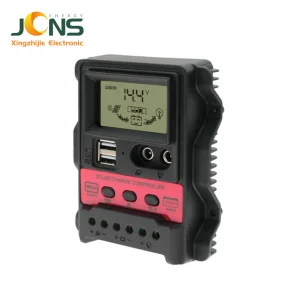
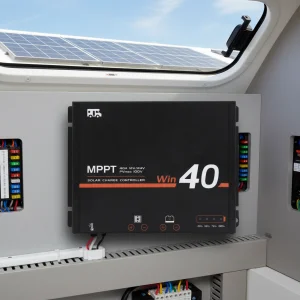
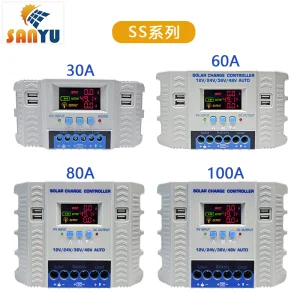
Pre-Configured Localized Firmware: Our MPPT charge controllers and hybrid inverters can be flashed with regional grid parameters, battery profile charge-curves, and local interface languages prior to packaging.
Step-by-step visual workflow of our Shenzhen-based assembly, inspection, and automated testing labs
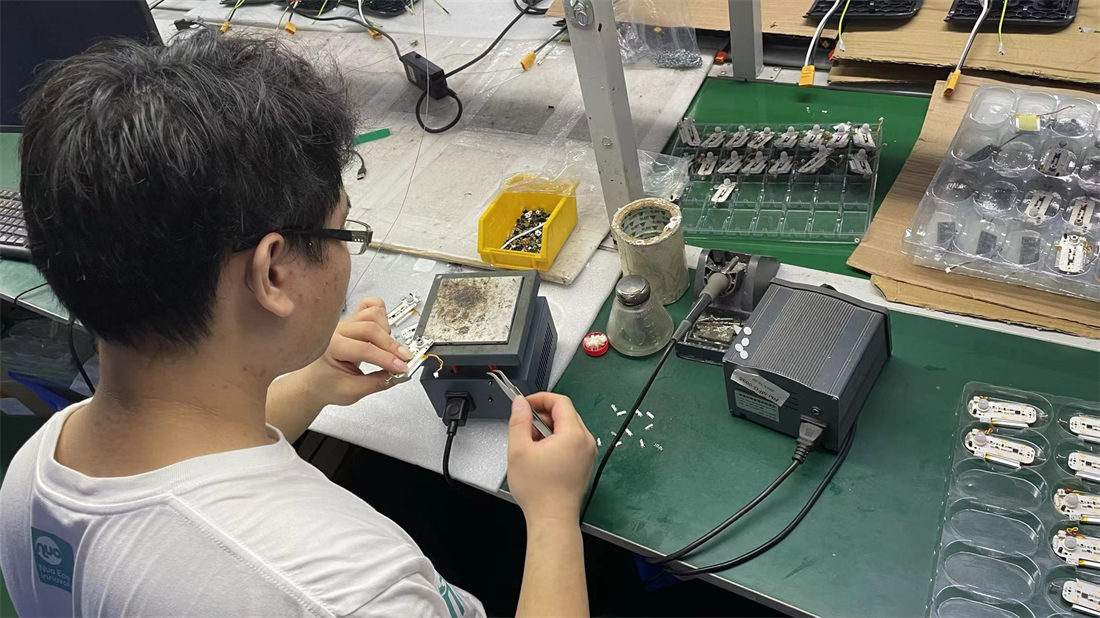
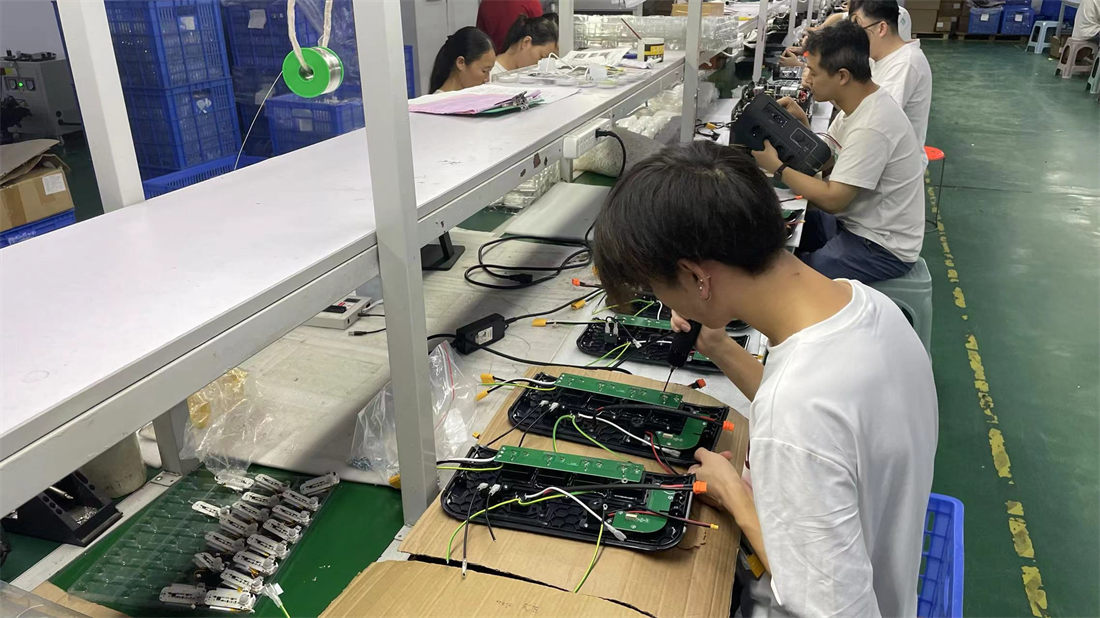
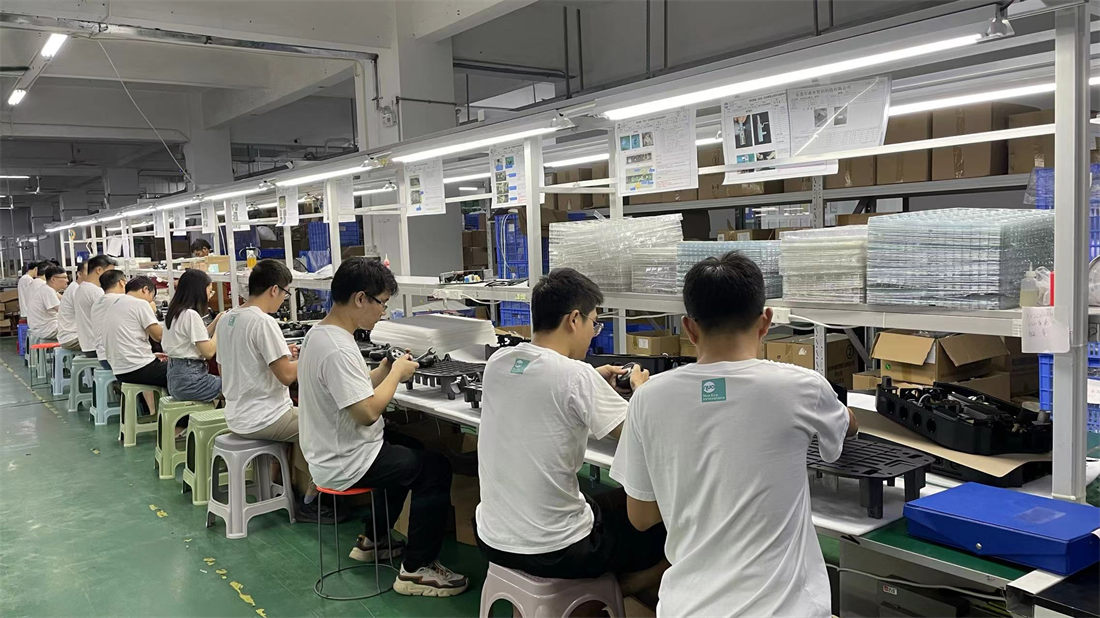
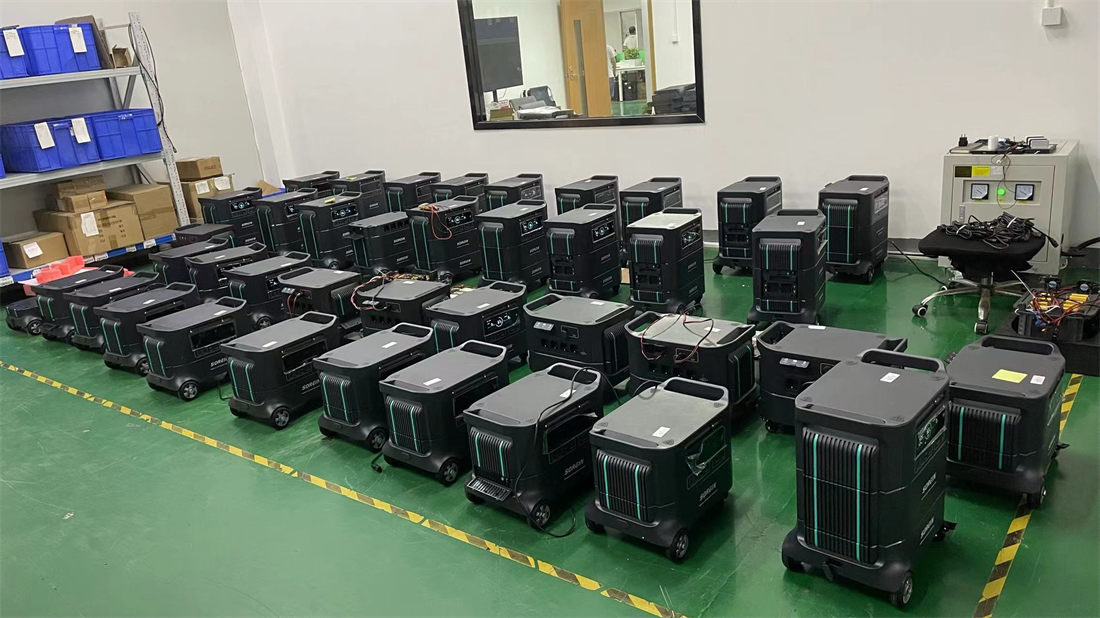
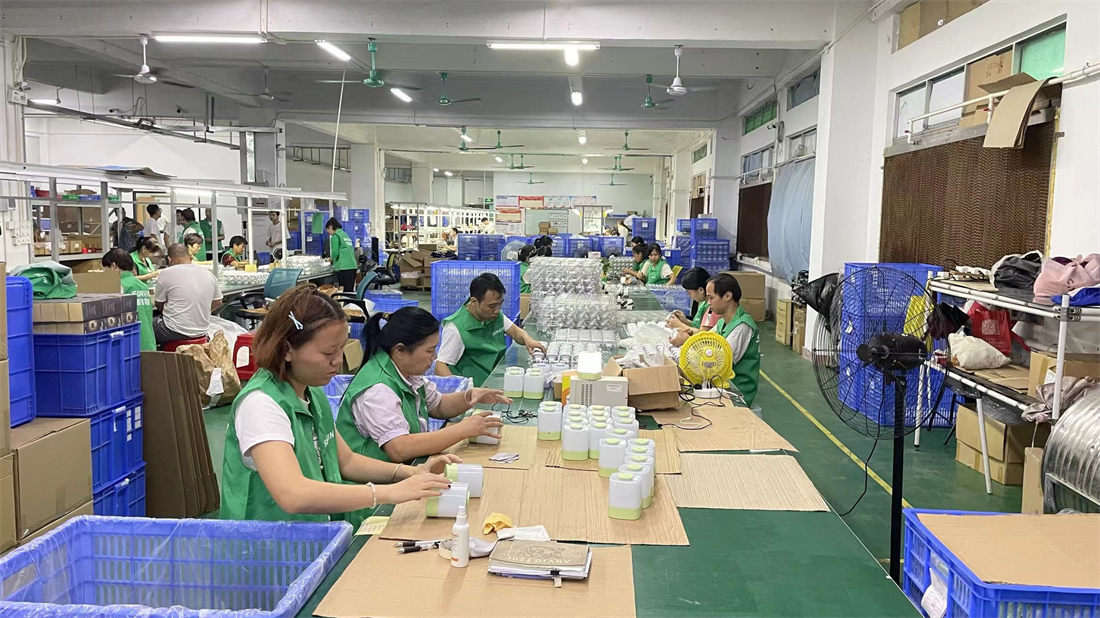
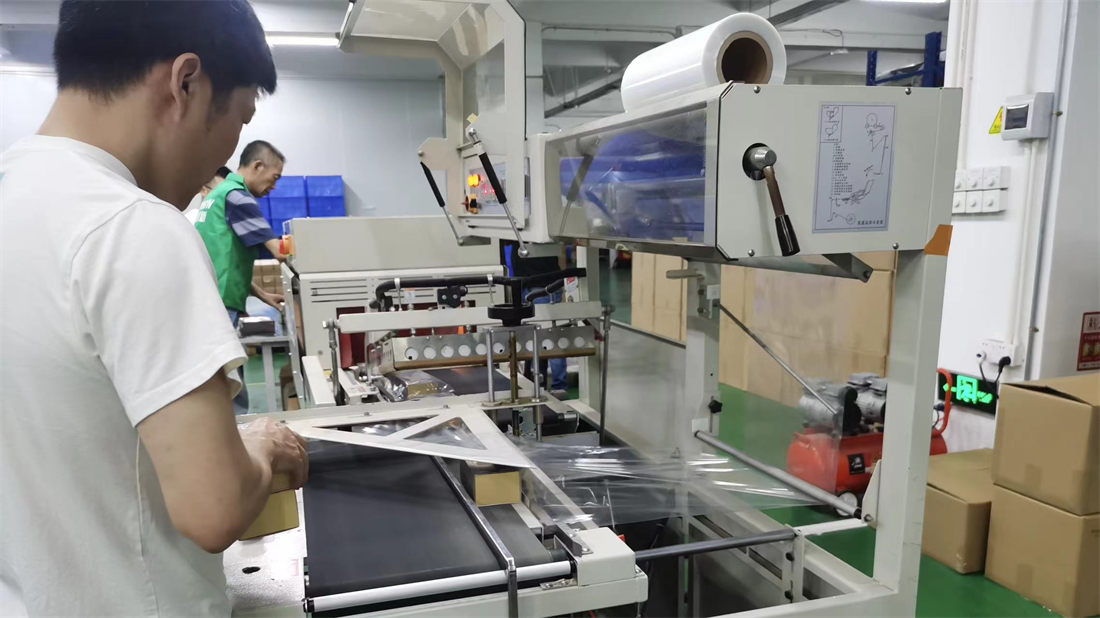
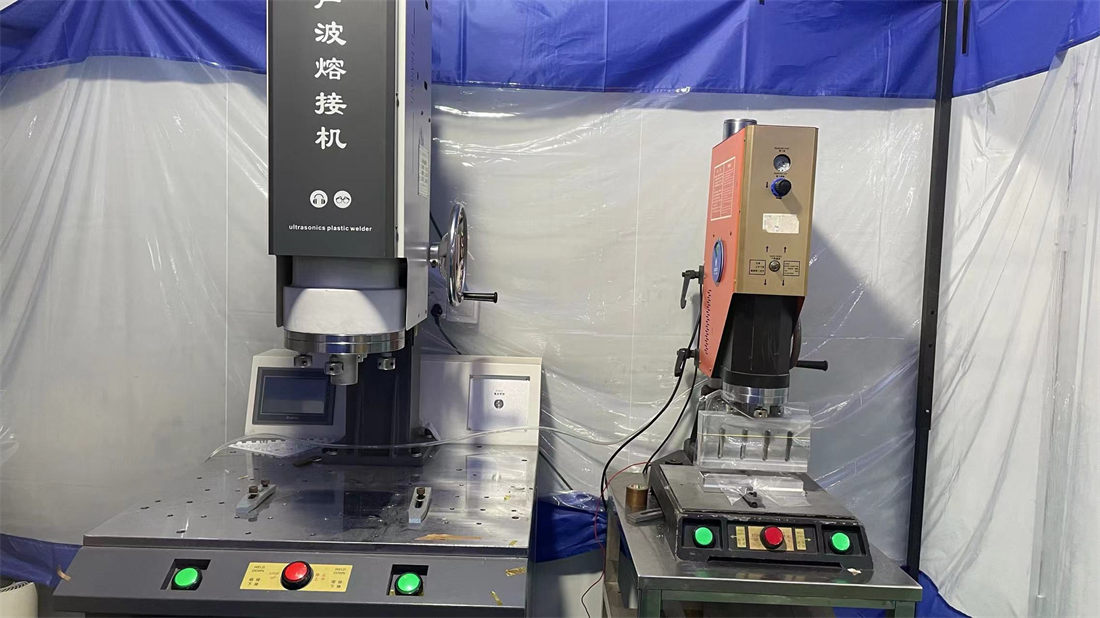
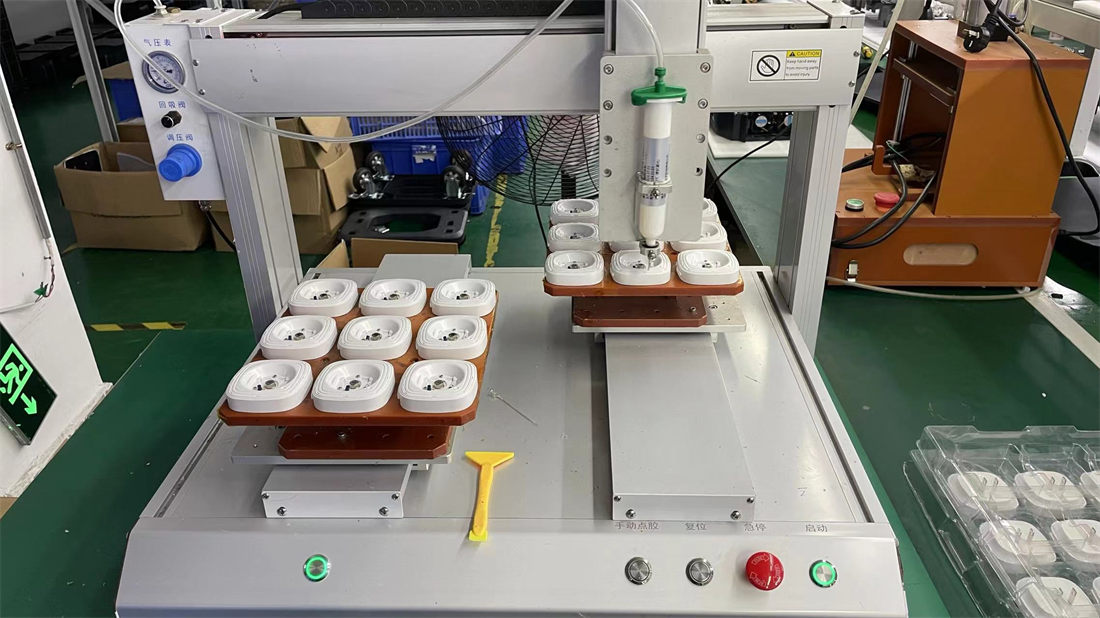
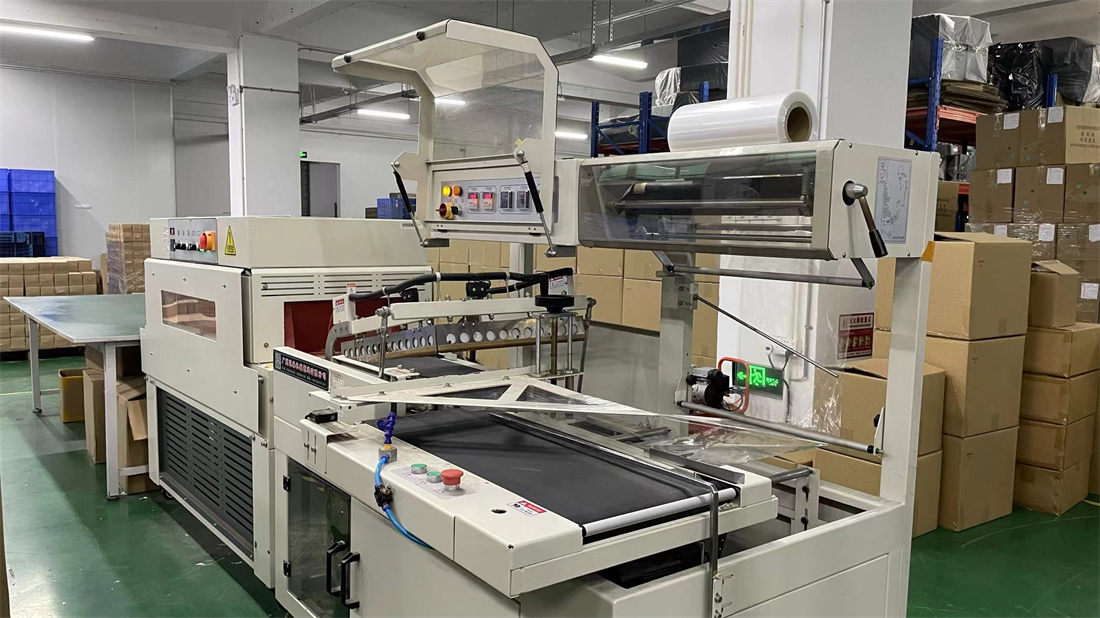
How our automated machinery directly impacts the level of Information Gain and Product Reliability
Using automated stringer machines, individual high-efficiency monocrystalline solar cells are interconnected via flat copper wires (ribbons). This process ensures minimal series resistance and avoids micro-cracks that could occur during hand-soldering. Continuous thermal calibration ensures that joints survive decades of expansion and contraction cycles.
Once individual solar strings are prepared, they are laid out systematically over backsheets and EVA (Ethylene Vinyl Acetate) encapsulant layers. Tempered, low-iron textured glass is laid on top. The composite sheet is then laminated under heat and vacuum. Following lamination, heavy-duty anodized aluminum frames are pressed around the laminate, providing structural integrity against high static wind loads.
Every batch of batteries and solar power units undergoes thermal load and electrical aging tests. During this step, the equipment runs continuously under peak electrical load conditions to verify thermal dissipation, state-of-health (SoH) parameters, and steady-state voltage stability, preventing early component failures in the field.
Some microscopic silicon fractures cannot be seen by the naked eye. We apply a reverse current to each solar module, forcing the cells to emit infrared light. Our high-definition cameras scan the emission profile, identifying internal micro-cracks, shunts, or crystallization faults. The module then passes to high-power flash simulators to test its real-world current-voltage (I-V) performance curve.
By using Ultrasonic Welding Machines, we weld heavy terminal wires with low electrical resistance and high mechanical strength. Our Automatic Glue Dispensing Machines apply high-grade neutral silicone to seal junction boxes and frames to IP65/IP67 waterproof standards. Finally, the Automatic Film Shrinking Machine wraps the boxed cargo in moisture-barrier polymer films, protecting components from salt air and moisture during long maritime transits.
How Global Businesses Apply Custom OEM Solar Technologies in the Field
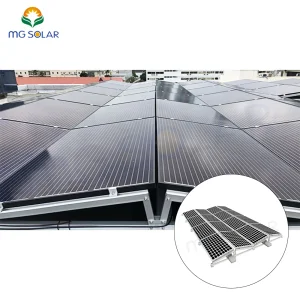
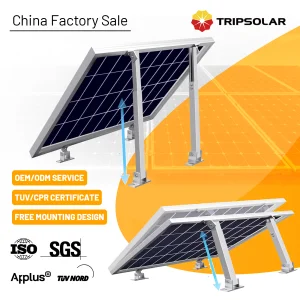
Maximize roof utility using light-weight rail-less flat roof brackets and high-efficiency bifacial panels. Ideal for logistics centers, cold-storage warehouses, and manufacturing plants seeking to offset peak electrical tariffs through self-consumption systems.
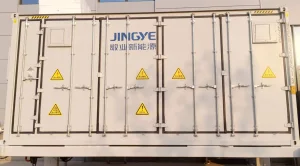
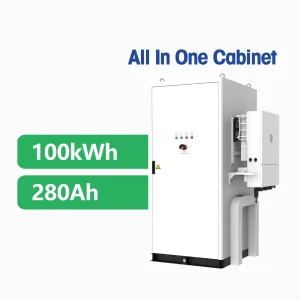
Deploy localized containerized energy nodes utilizing 50kW hybrid systems paired with heavy-duty 100kWh LiFePO4 batteries. Provides stable, continuous 3-phase power to mining outposts, agricultural pumps, and eco-resorts lacking traditional grid access.
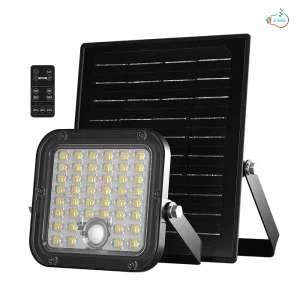
Integrate ultra-bright IP65 LED floodlights and pathway lamps paired with high-efficiency charge regulators and integrated batteries. Perfect for municipal street lighting, public park decarb efforts, and remote perimeter surveillance systems.
Staying ahead of the curve with next-generation photovoltaics, energy management, and energy storage chemistry
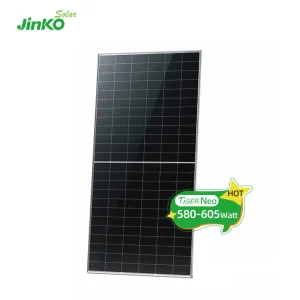
Traditional P-type PERC technology is rapidly reaching its theoretical efficiency limit (around 24.5%). The global industry has transitioned heavily toward N-type cell architectures, particularly Tunnel Oxide Passivated Contact (TOPCon) and Heterojunction (HJT) technologies. N-type modules, such as our Jinko 580W-605W bifacial panels, boast higher efficiency ratings (exceeding 22.5%), lower temperature coefficients (-0.30%/°C), and significantly reduced Light-Induced Degradation (LID). This ensures higher lifetime generation, especially on hot commercial rooftops.
Rooftop installations are no longer restricted to collecting light from the front surface. Bifacial modules generate power from both sides by absorbing reflected light (albedo) from the rooftop surface. When paired with light-colored or reflective cool-roof membranes, bifacial modules can boost total energy yield by up to 5% to 25%, depending on mounting height and tilt angle.
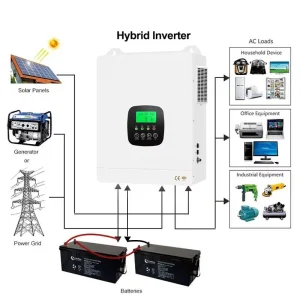
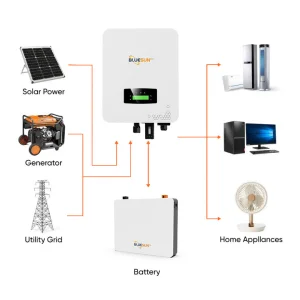
Modern commercial energy requires active control. Fixed, grid-tied setups are evolving into hybrid systems. High-capacity 3-phase hybrid inverters now integrate MPPT charge controllers with advanced Energy Management Systems (EMS). This allows businesses to arbitrage power rates, storing cheap grid or solar electricity during the day and discharging during high peak-tariff hours, while providing critical backup capability during blackouts.
Lithium Iron Phosphate (LiFePO4) chemistry has emerged as the global standard for stationary energy storage systems (BESS). Unlike traditional cobalt-based lithium-ion chemistries, LiFePO4 provides exceptional thermal stability, zero risk of thermal runaway (fire safety), and a long service life (typically over 6,000 charge cycles at 80% Depth of Discharge). This makes them ideal for commercial environments where safety is the highest priority.
Answering key logistical, engineering, and regulatory questions from corporate buyers and engineering contractors
Complete your system integration with high-density batteries, mounting systems, and charge controllers.

 Soweglow Solar