OEM/ODM Solar Application Development Manufacturer & Factory

Pioneering Custom Photovoltaic Integration, Advanced Battery Storage Architectures, and Smart IoT Energy System Engineering for Global Industrial Applications.

About Shenzhen Soweglow Solar Co., Ltd.

Shenzhen Soweglow Solar Co., Ltd. is a professional and reliable manufacturer and supplier specializing in solar energy products, renewable energy solutions, and intelligent solar lighting systems. Located in Shenzhen, China, one of the world's most innovative and dynamic technology hubs, we have been committed to the solar industry for many years, providing high-quality products and customized energy solutions to customers worldwide.

Driven by the mission of promoting clean energy and sustainable development, Soweglow Solar focuses on delivering efficient, environmentally friendly, and cost-effective solar products that help reduce energy consumption and carbon emissions. Through continuous innovation, strict quality control, and customer-oriented service, we have established long-term partnerships with clients across Europe, North America, South America, Africa, Southeast Asia, and the Middle East.

Our experienced team possesses extensive expertise in solar lighting, photovoltaic systems, energy storage solutions, project management, manufacturing, and international business. We continuously invest in research and development to ensure our products meet evolving market demands and international quality standards.

Our Structural Mission & Purpose

To accelerate the adoption of renewable energy by providing innovative, efficient, and sustainable solar solutions that create long-term value for customers and contribute to a greener future. We bridge the gap between high-level customized design and reliable volume manufacturing, allowing systems integrators and EPC contractors to implement reliable solar infrastructure globally.

Why Partner With Us?

Through our dedicated OEM/ODM solar application development pipeline, we bypass the limitations of generic solar assemblies to offer highly optimized configurations.

  • Optimized Form Factors: Customized dimensions for marine, vehicle, and architectural integrations.
  • Advanced Cell Chemistries: Implementation of N-Type TOPCon and high-efficiency bifacial architectures.
  • Rigorous Testing: Extended climate, electrical stress, thermal runaway, and mechanical load assessments.
  • Global Regulatory Compliance: Comprehensive certification support for EU, Americas, and APAC markets.
10+
Years of R&D Experience
80+
Exporting Countries
100%
CE & ISO9001 Compliant
24/7
Technical Engineer Support

Future Trends in Solar Application Development

The transition from standardized solar components to integrated, application-specific clean energy matrices is defining the global energy roadmap. We trace the core paradigm shifts below.

1. High-Efficiency N-Type & BIPV Materials

Modern developers are pivoting away from standard P-Type modules to N-Type TOPCon and heterojunction (HJT) technologies. These offer lower degradation profiles, superior temperature coefficients, and bifaciality ratings of up to 85%. Additionally, Building-Integrated Photovoltaics (BIPV) demand customized form factors designed directly for architectural shells.

2. Decentralized High-Voltage Energy Storage

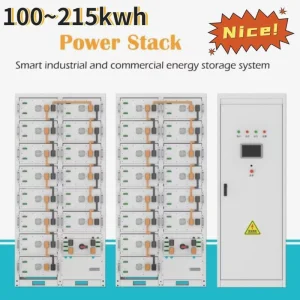
Microgrid models require shifting from low-voltage systems to high-voltage, three-phase energy storage systems. High-voltage structures (typically 400V to 800V DC bus architectures) decrease conversion losses, minimize copper wiring diameter requirements, and support multi-megawatt commercial deployment grids with greater efficiency.

3. IoT Integration & Predictive Maintenance

Smart solar application development is no longer just about harvesting electrons; it's about network monitoring. Integrating 5G, LoRaWAN, and AI-enabled edge processing into outdoor lights, security systems, and remote power units ensures real-time health diagnostic metrics and eliminates high operational maintenance costs.

Global Procurement Demands & Custom OEM Solutions

B2B enterprise buyers, municipal project planners, and utility-scale distributors require rugged build quality, certified safety standards, and reliable logistics channels.

B2B Buyer Pain Points

Purchasing agents in Europe, Americas, and MEA frequently face core bottlenecks:

  • Component mismatch across multi-vendor off-grid packages.
  • Accelerated battery capacity loss due to insufficient thermal isolation.
  • Lack of customized programming for regional grid compliance.
  • Poor environmental resilience in maritime and desert regions.

The Soweglow Approach to Custom System Engineering

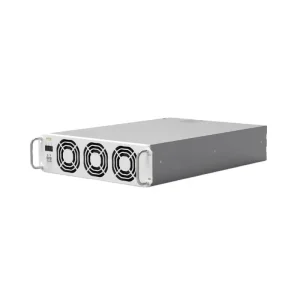
We mitigate procurement risks by manufacturing fully integrated, end-to-end solar solutions. By packaging optimized modules, charge management hardware, power conversion units, and rugged protective casings under one roof, we guarantee operational synergy. For example, our 30kW Three Phase High Voltage AC/DC Converters are pre-engineered to match the dynamic curves of our proprietary high-efficiency hybrid storage configurations, ensuring 98.5% conversion efficiency levels.

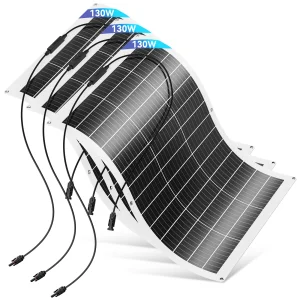
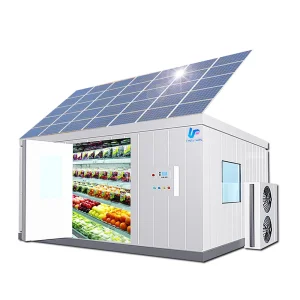
Whether you require a custom BIPV residential installation, high-durability marine-grade flexible arrays, or autonomous solar cold-chain systems, our engineering team manages the design loop from physical prototype to factory tooling, reducing time-to-market by up to 40%.

Advanced Manufacturing Infrastructure & Quality Control

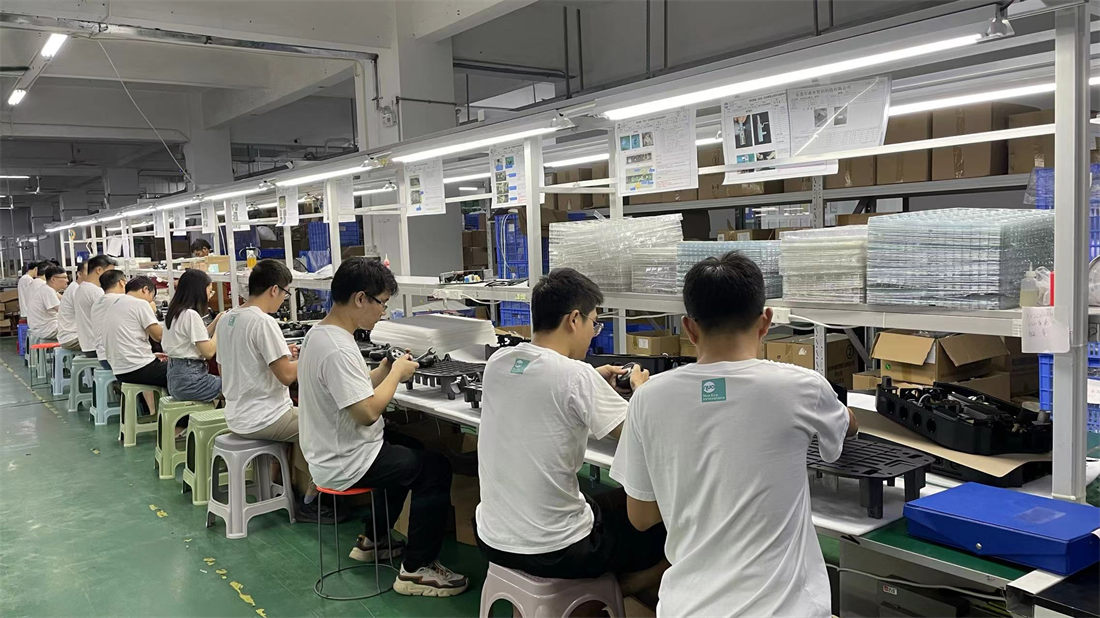
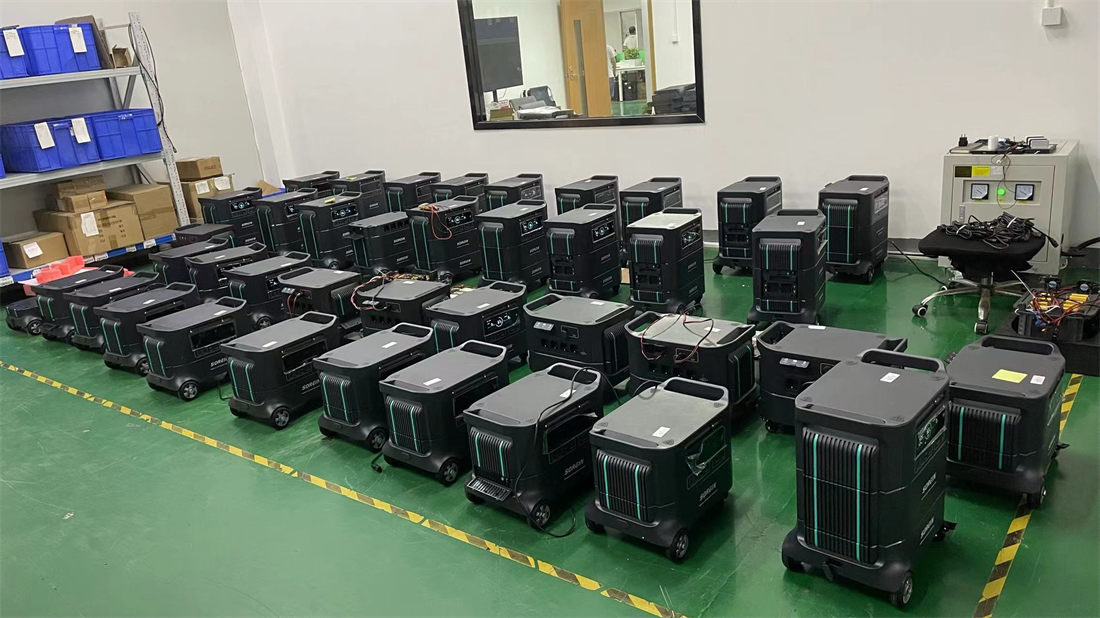
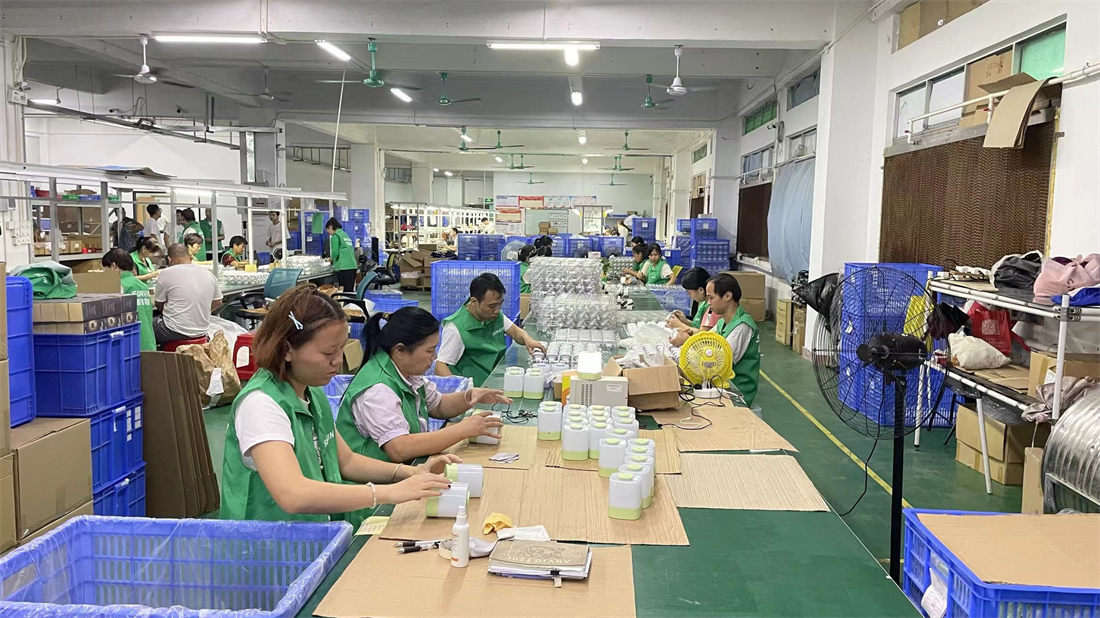
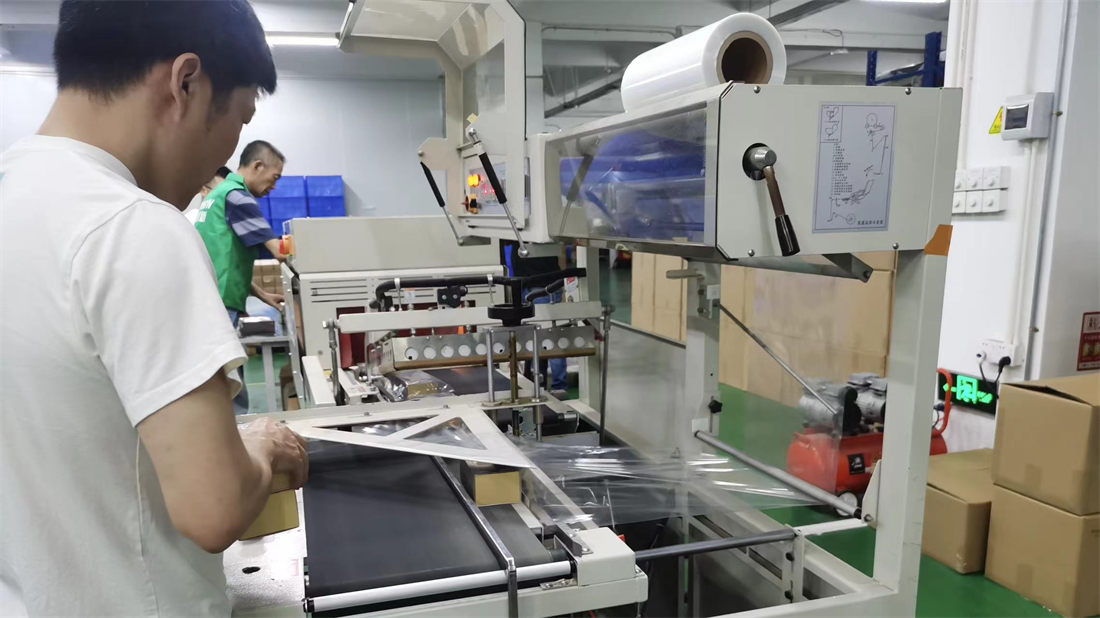
A transparent look inside the production processes of Shenzhen Soweglow Solar Co., Ltd. We monitor and manage quality at every key fabrication junction.
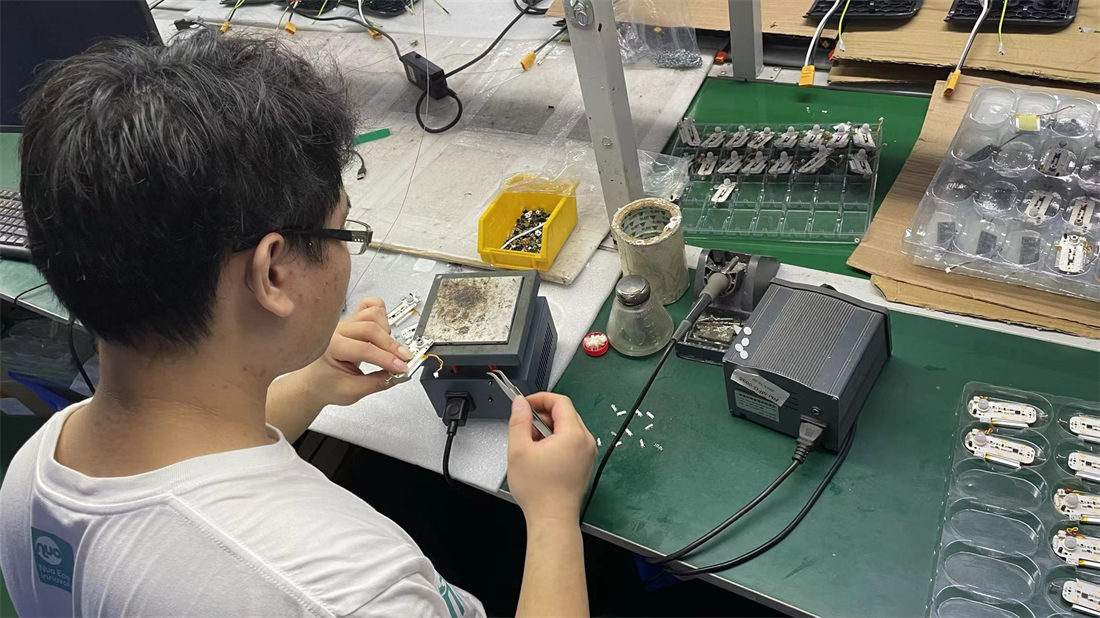
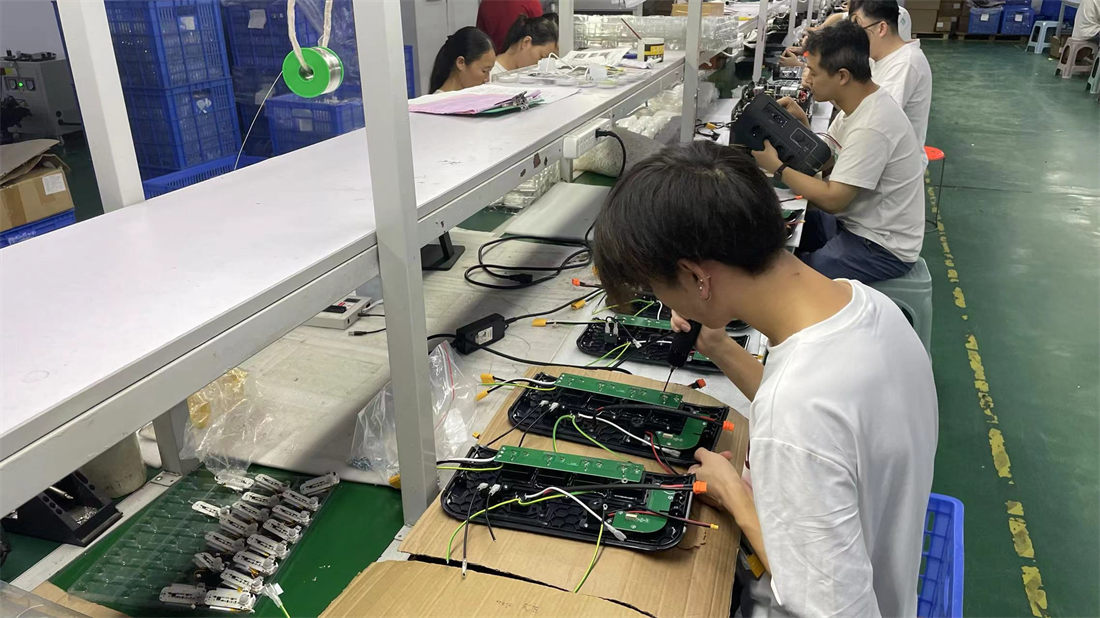
Welding Process
Welding
Assembling Line 1
Assembling 1
Assembling Line 2
Assembling 2
Aging Testing Process
Aging Testing
Inspection Process
Inspection
Packaging Process
Packaging
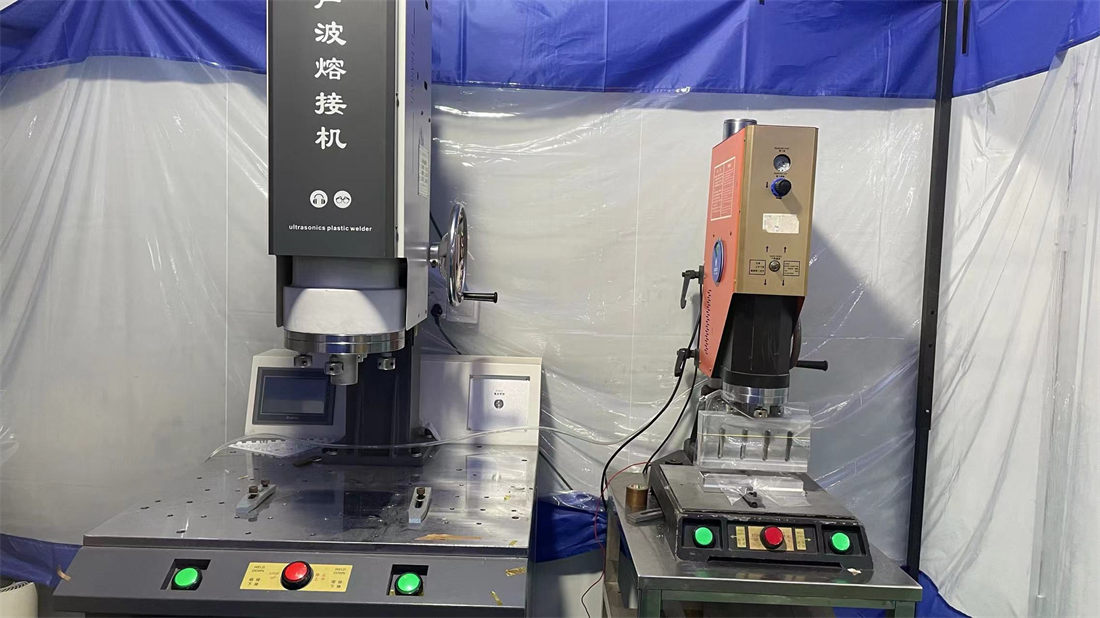
Ultrasonic Welding Machine
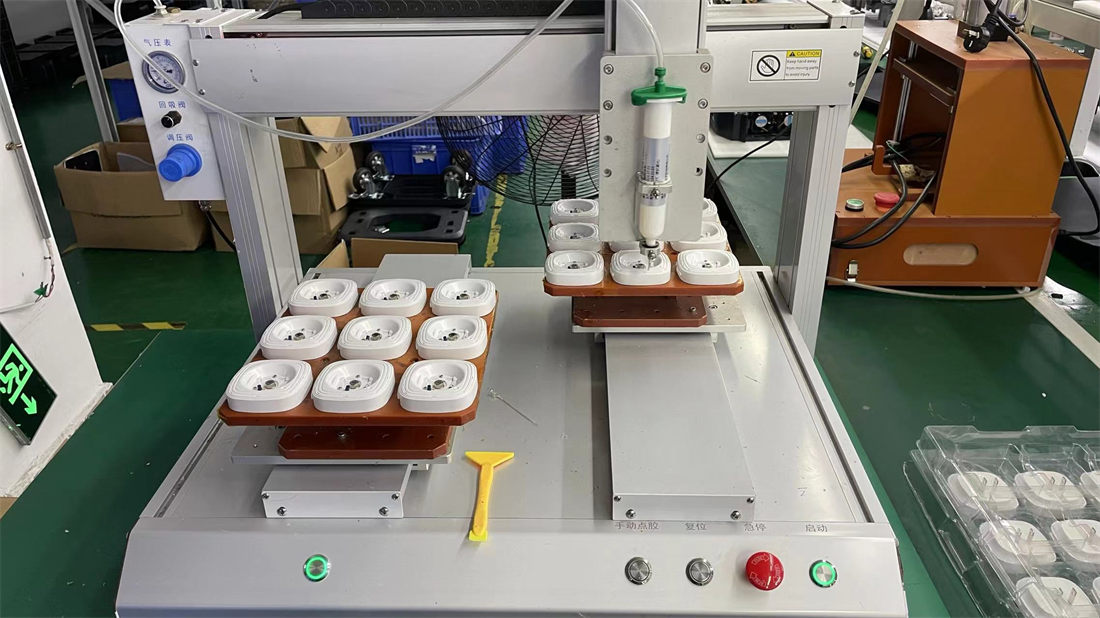
Automatic Glue Dispensing Machine
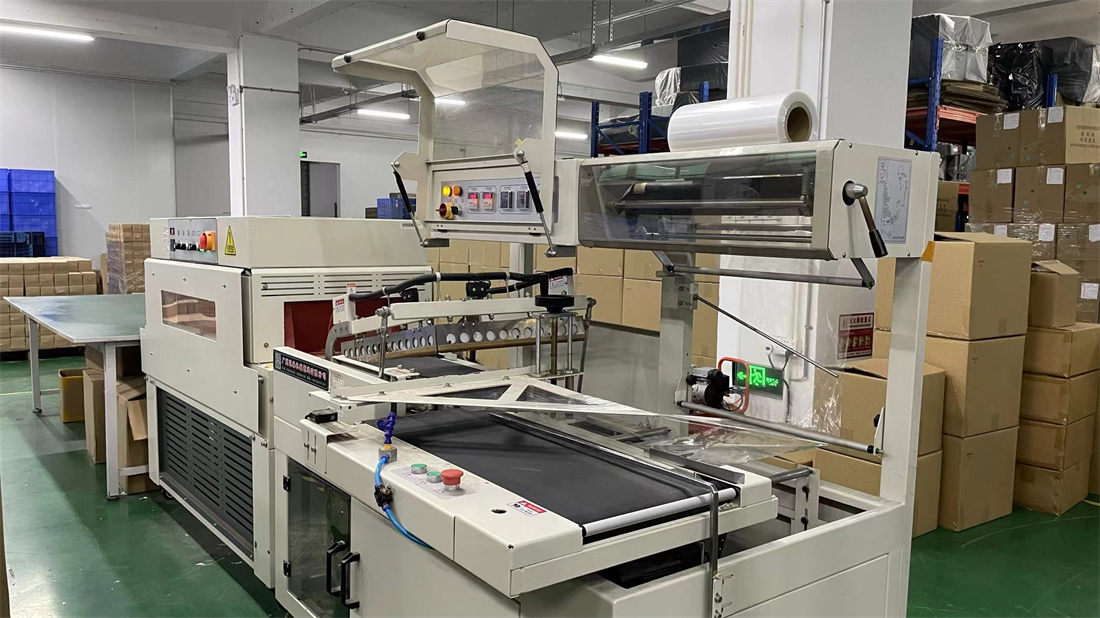
Automatic Film Shrinking Machine

Technical Roadmap & Standards Compliance

Maintaining high E-E-A-T reliability metrics requires matching strict engineering principles with globally recognized manufacturing parameters.

Advanced Quality Control Matrix

At Soweglow Solar, quality control is integrated dynamically at every production node:

  • Material Qualification: We verify all incoming solar silicon wafers, LiFePO4 cells, and drivers using automated optical inspection (AOI) technology and internal impedance checks.
  • Ultrasonic Metal Welding: Implementation of advanced ultrasonic welding machines guarantees low contact resistance and high mechanical load durability for connection terminals, eliminating micro-cracking risks during long-term operational expansion.
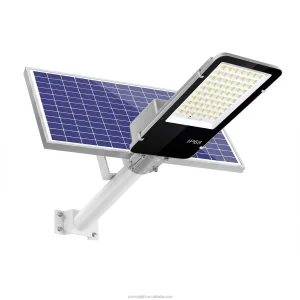
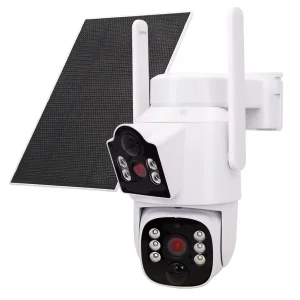
  • Precision Enclosure Sealing: Using automatic CNC glue dispensing systems, we secure consistent IP65, IP66, and IP67 weather-barrier ratings on outdoor solar lights and smart tracking cameras. This process stops moisture ingress under varying tropical temperature profiles.
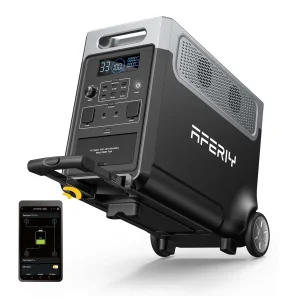
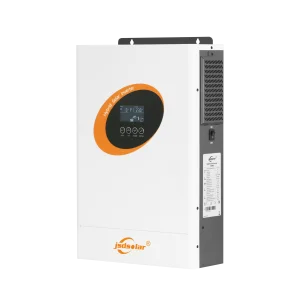
  • Thermal Degradation Stabilization: Every assembled power module, hybrid inverter, and portable storage battery pack undergoes active thermal load cycling at high ambient temperatures in our aging test facility to weed out early infant component failures.

Standardized Compliance Profile

We build to international standards to enable seamless deployment globally. Our electrical conversion devices match CE guidelines and integrate standard CAN bus communication architecture for vehicle-grid interactions. Our batteries utilize robust lithium-iron-phosphate (LiFePO4) chemistry to avoid thermal runaway hazards, meeting UN38.3 transport safety rules.

Technological Performance Parameters

Cell Efficiency: Up to 22.5% (N-Type)
Inverter Efficacy: 98.2% peak rating
Battery Life Cycle: >6000 cycles (80% DOD)
Protection Grades: IP65 / IP66 / IP67
Certifications: CE, RoHS, UN38.3

Technical & Commercial FAQ

Detailed explanations regarding project engineering, manufacturing lead times, and structural solar performance parameters.

What is the standard turnaround time for OEM/ODM solar application development?
For custom architectural modules, portable battery solutions, or solar lighting matrices, the cycle spans 4 to 6 weeks. This includes 3D physical modeling, hardware schematics review, initial prototype creation, electrical safety performance testing, and manufacturing mold validation. Volume output typically matches a 25-to-35 day schedule depending on supply chain configuration.
Why are N-Type TOPCon cells preferred over traditional P-type variations?
N-Type Tunnel Oxide Passivated Contact (TOPCon) systems limit recombination losses at the cell contacts. This delivers higher conversion performance (above 22.5%), improves temperature performance under high heat loads, reduces light-induced degradation (LID) to near 0%, and increases low-light energy capture.
How does Soweglow ensure IP67 waterproofing on outdoor security lights and cameras?
Our automated CNC glue dispensing system places high-grade polyurethane sealants along the component joints with micron precision. Internal compartments are protected with waterproof breathable membranes that stabilize atmospheric pressure changes while locking out moisture ingress.
Are the 30kW high-voltage AC/DC converters compatible with modern EV charger requirements?
Yes. Our 30kW converter blocks integrate standard CAN bus communication protocols and configurable voltage outputs. This allows system integrators to configure charging limits, communicate with EV management systems, and manage peak grid loads effectively.
What type of support is provided for regional grid compliance globally?
We adapt our hybrid inverter firmware, protection profiles, and communication links to match specific regional codes. This includes EN50549 for European regions, UL1741 for North American grids, and local islanding detection rules, smoothing the installation and approval process.