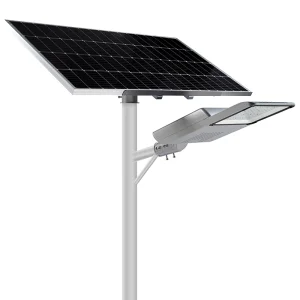
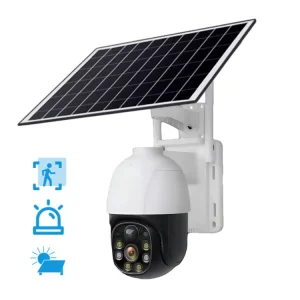
Explore our top-tier integrated photovoltaic street lighting systems, intelligent multi-lens security cameras, and flexible high-efficiency solar panel architectures engineered for maximum solar energy yield.
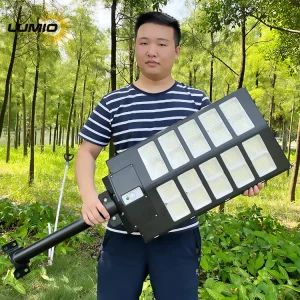
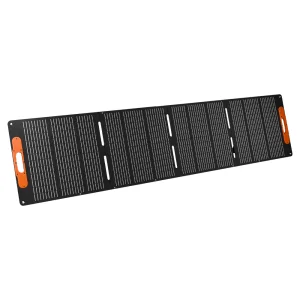
A premier OEM/ODM manufacturer delivering custom PV systems, industrial-grade lithium energy storage, and smart lighting solutions to global markets.
Shenzhen Soweglow Solar Co., Ltd. is a professional and reliable manufacturer and supplier specializing in solar energy products, renewable energy solutions, and intelligent solar lighting systems. Located in Shenzhen, China, one of the world's most innovative and dynamic technology hubs, we have been committed to the solar industry for many years, providing high-quality products and customized energy solutions to customers worldwide.
Driven by the mission of promoting clean energy and sustainable development, Soweglow Solar focuses on delivering efficient, environmentally friendly, and cost-effective solar products that help reduce energy consumption and carbon emissions. Through continuous innovation, strict quality control, and customer-oriented service, we have established long-term partnerships with clients across Europe, North America, South America, Africa, Southeast Asia, and the Middle East.
Our experienced team possesses extensive expertise in solar lighting, photovoltaic systems, energy storage solutions, project management, manufacturing, and international business. We continuously invest in research and development to ensure our products meet evolving market demands and international quality standards. By integrating state-of-the-art technological infrastructures and IoT monitoring capabilities, we offer a comprehensive turnkey package for diverse architectural and regional environments.
Our Strategic Mission: To accelerate the adoption of renewable energy by providing innovative, efficient, and sustainable solar solutions that create long-term value for customers and contribute to a greener future. Through standard-setting operational integrity, Soweglow Solar optimizes energy self-sufficiency indexes on a global scale.
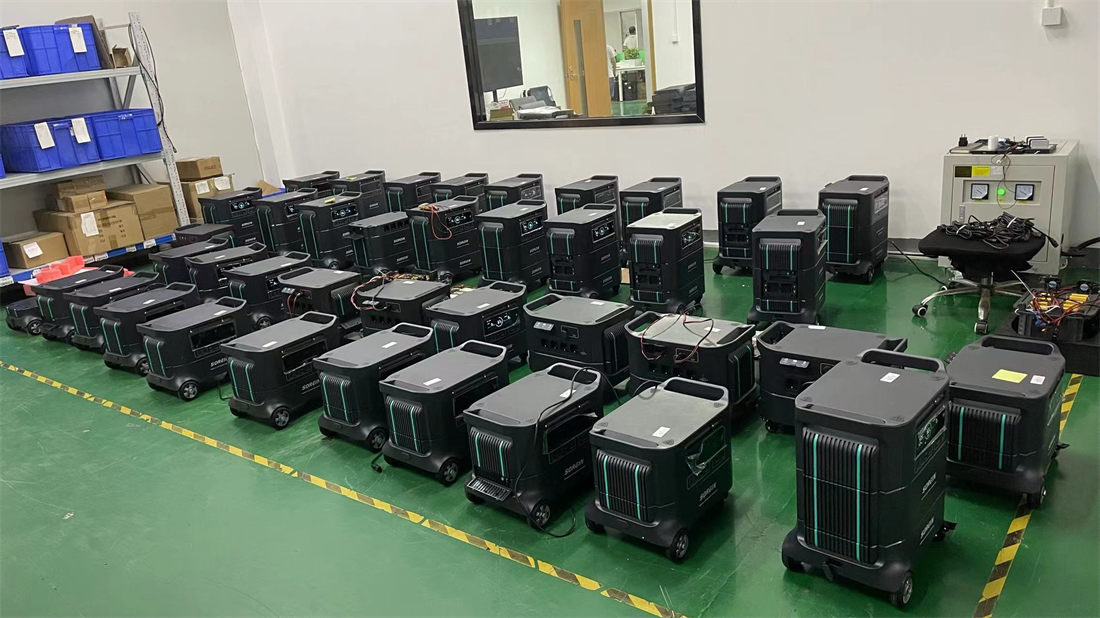
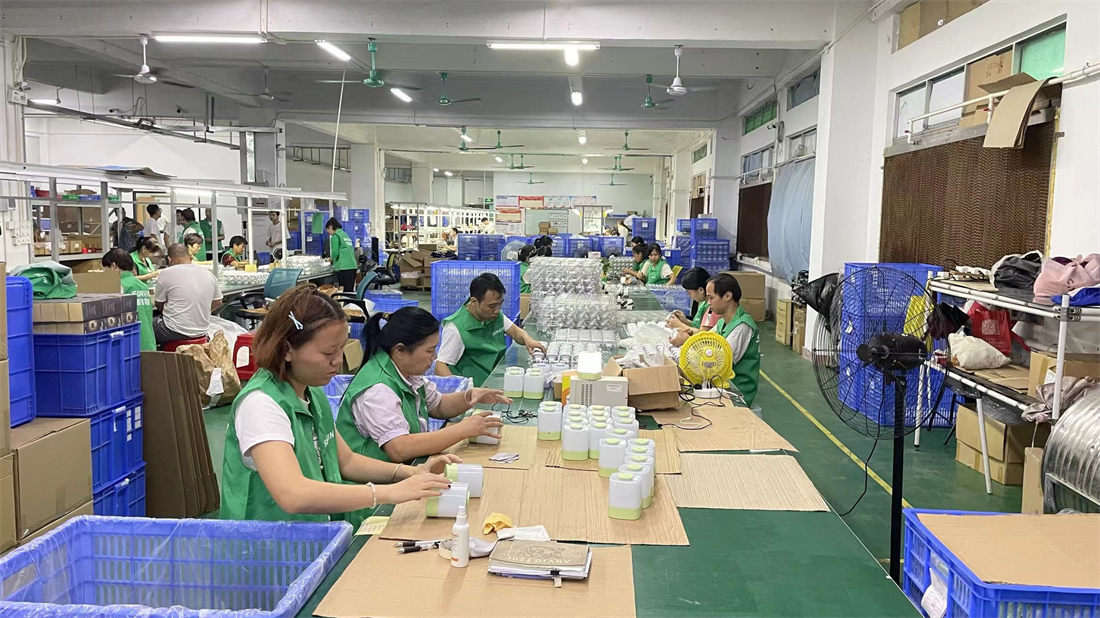
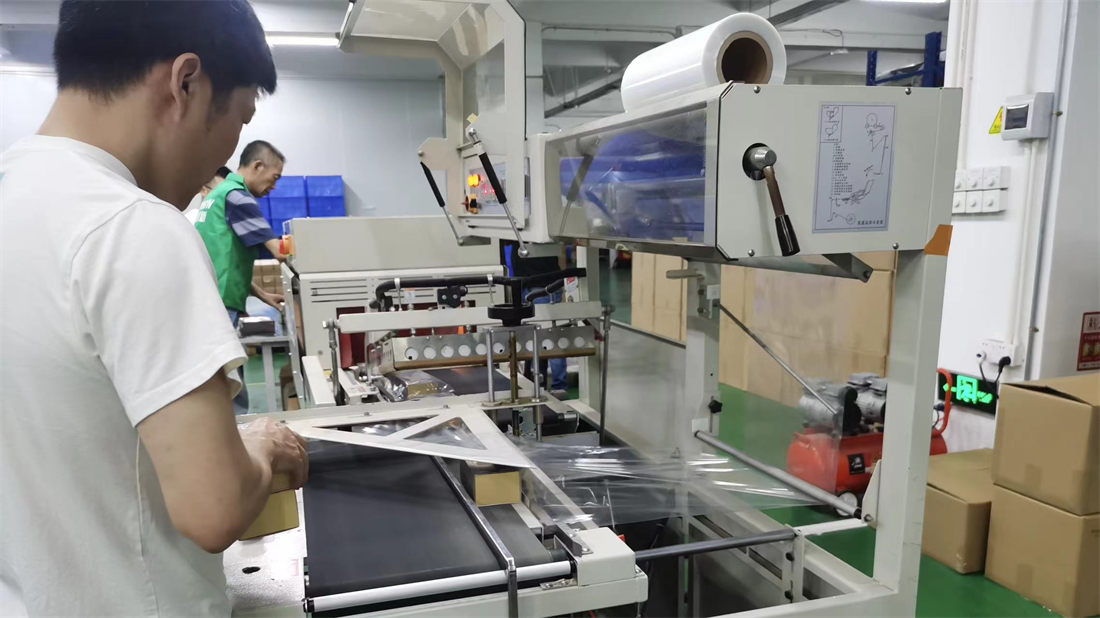
Quality is the foundation of our business. Every product undergoes strict quality inspections throughout the entire production process, from raw material selection to final assembly and shipment. Our manufacturing facilities operate under comprehensive quality management systems to ensure product reliability, safety, and long service life. We continuously improve our production processes and technology to provide products that comply with international certifications and industry standards.
Furthermore, our location within the Shenzhen supply ecosystem gives us unprecedented access to Tier-1 semiconductor chips, precision optical components, and premium lithium iron phosphate (LiFePO4) cell chemistry. This enables us to maintain a highly optimized cost structure while deploying state-of-the-art technologies across our entire product line, from residential off-grid power units to massive containerized industrial systems.
How our centralized production ecosystem in China enables cost optimization, accelerated R&D, and unmatched scaling capability.
In the global renewable energy ecosystem, the concentration of supply chain elements in Shenzhen, China provides an unmatched operational advantage. As a central tech hub, Shenzhen houses the entire manufacturing value chain—from semiconductor microcontrollers for MPPT solar controllers and high-density LED packaging plants to state-of-the-art lithium-iron-phosphate (LiFePO4) cell manufacturers. This geographic density enables Shenzhen Soweglow Solar Co., Ltd. to reduce raw material transit times, accelerate prototype cycles, and rapidly iterate products based on field telemetry data.
Our vertical integration means that design modifications—such as adjusting the structural wind load rating of our zinc-aluminum-magnesium mounting systems or tuning the battery management system (BMS) software for high-temperature compliance—can be executed and tested within a fraction of the time required by Western or decentralized competitors. By eliminating external reliance on critical component shipping, we insulate our global partners from shipping bottlenecks and structural supply volatility.
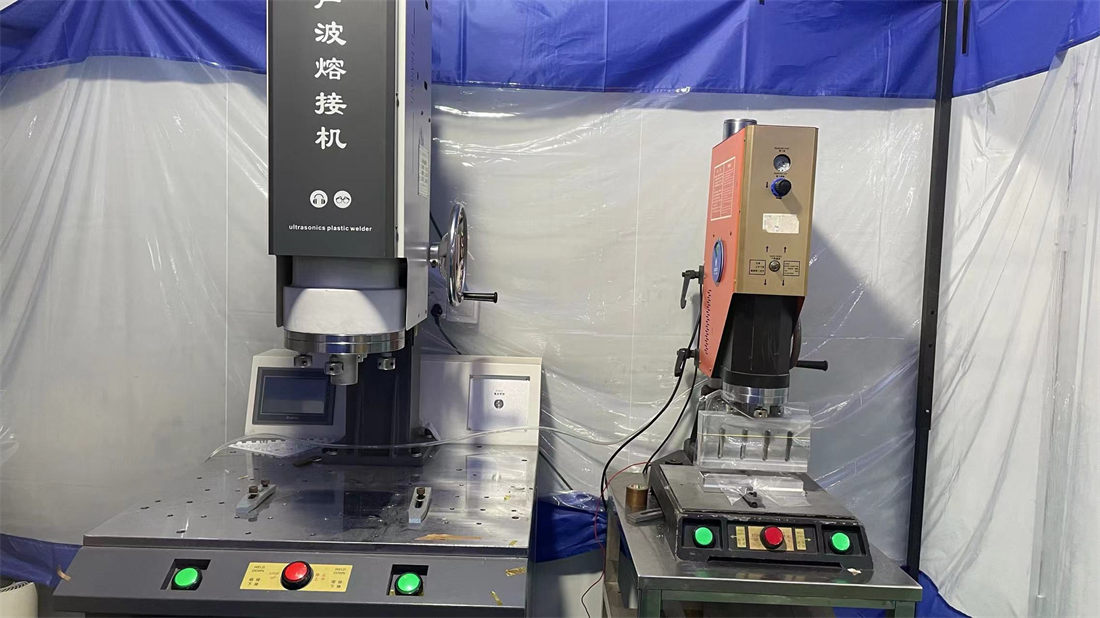
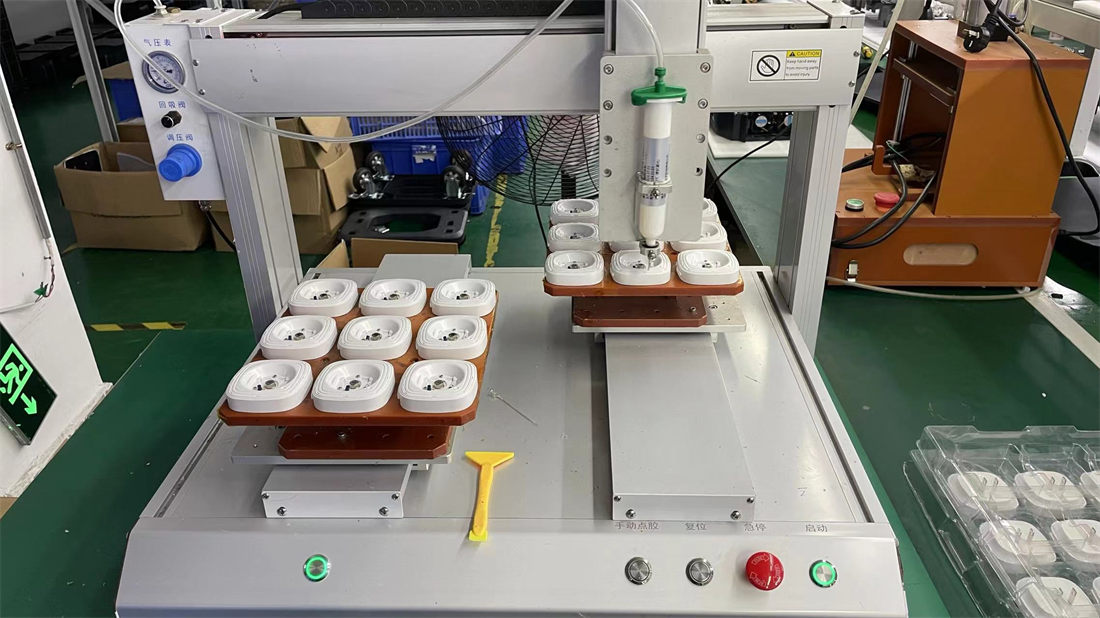
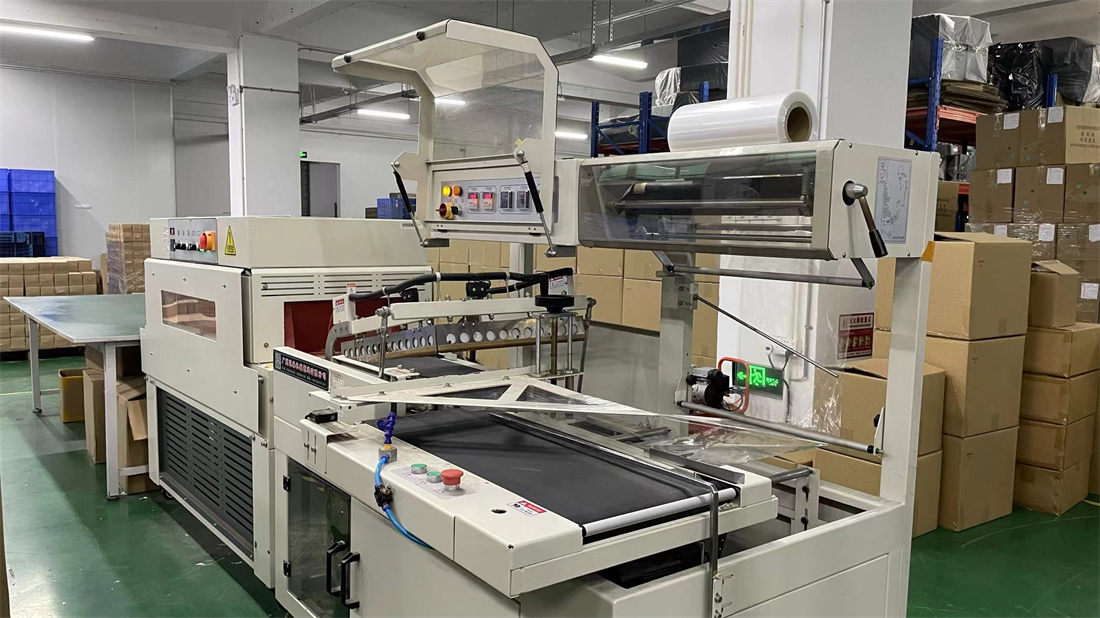
Moreover, our manufacturing facility relies on specialized automated assembly and testing infrastructure. Processes like high-frequency ultrasonic welding, precision automatic glue dispensing for IP65/IP67 ingress ratings, and standardized thermal chamber aging tests are performed on-site under strict supervision. By combining low manufacturing overheads with automated precision machinery, we can fulfill high-volume OEM/ODM contracts with consistent compliance with international certifications such as CE, RoHS, IEC, and UL.
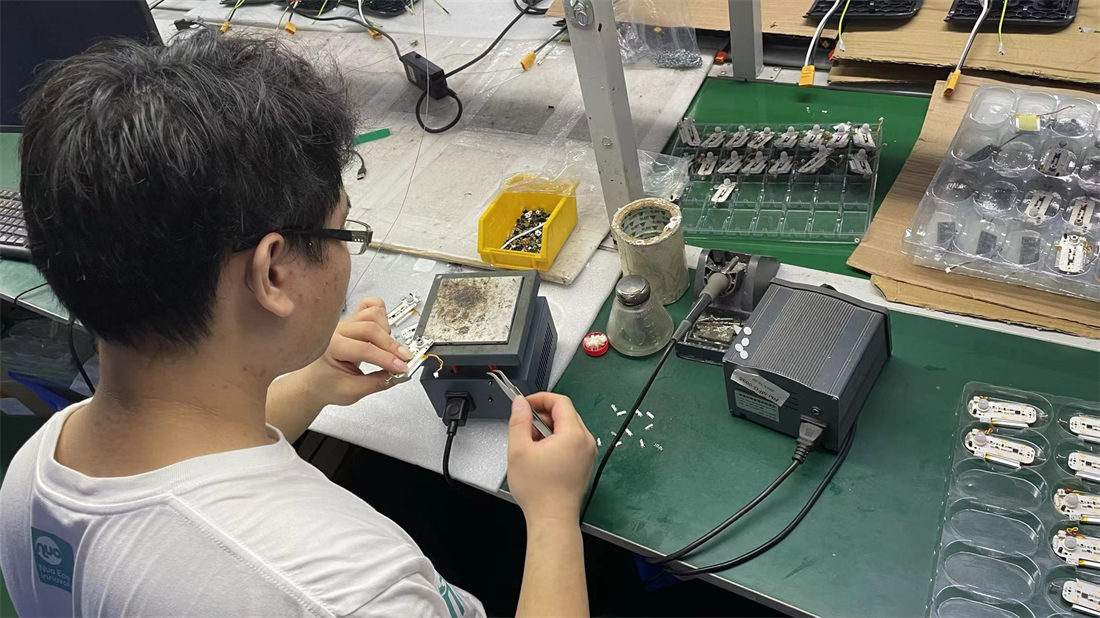
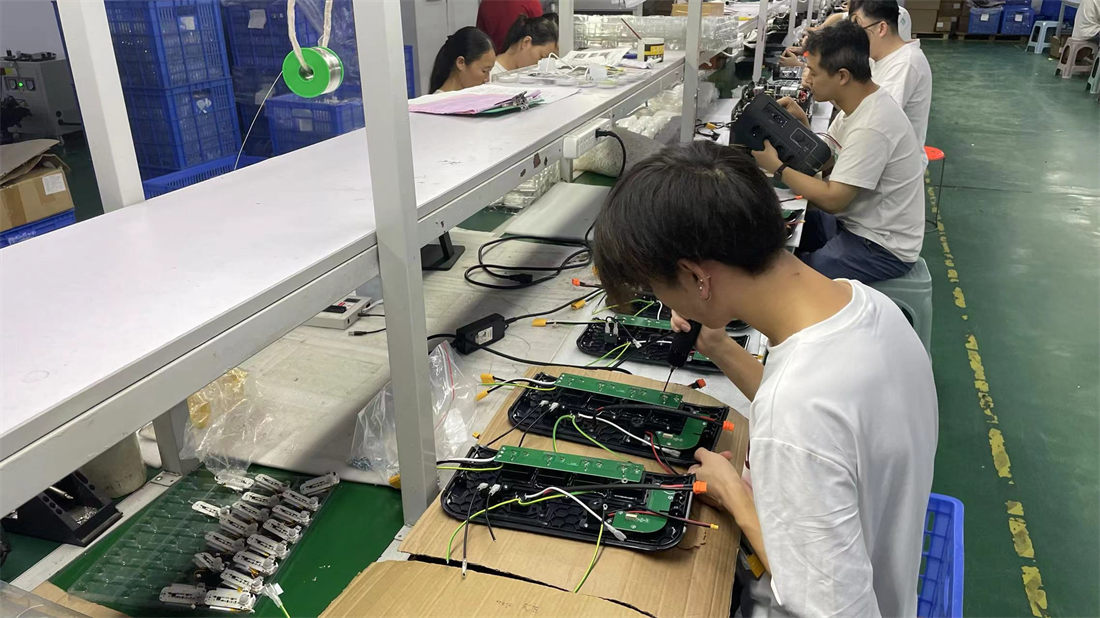
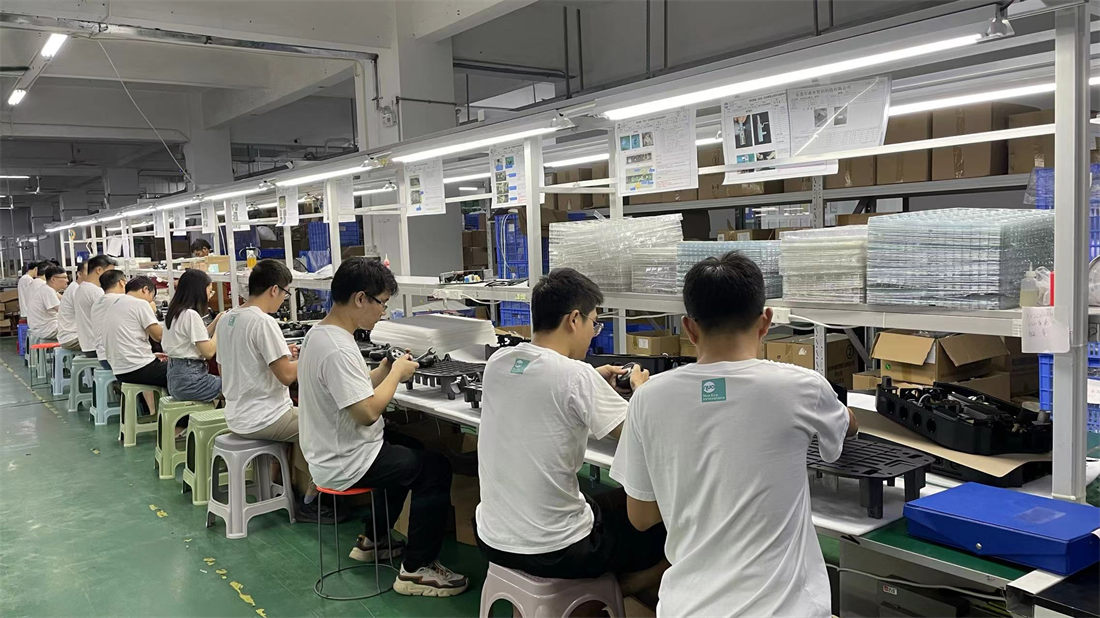
Integrating IoT, next-generation monocrystalline cells, and scalable chemistry to solve modern environmental challenges.
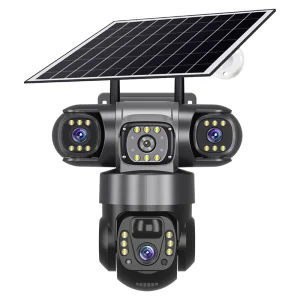
The modernization of outdoor lighting and remote surveillance relies heavily on integrating internet-of-things (IoT) architectures. Integrating 4G and WiFi telemetry modules into solar CCTV arrays—such as our triple-lens camera frameworks—allows municipal operators to perform real-time video surveillance, receive event-driven push alerts, and manage energy storage capacities remotely.
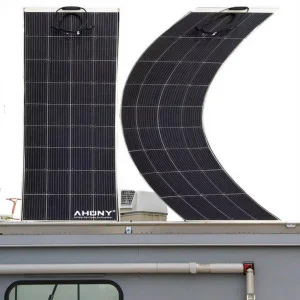
Rigid, heavy glass solar modules are increasingly being replaced in structural applications by advanced monocrystalline cells with ETFE protective coatings. Our flexible solar panel lineup achieves a conversion efficiency of 25.8% using premium silicon wafers. This flexibility allows integration onto curved vehicle surfaces, marine hulls, and lightweight commercial structures.
Traditional lead-acid storage is obsolete due to environmental constraints and limited cycle life. Standardizing on LiFePO4 chemistry ensures our stackable battery storage banks and portable power stations offer more than 6,000 charge cycles, an operating depth of discharge (DoD) of 90%, and thermal stability to handle harsh industrial settings.
The convergence of these technologies allows industrial operators to shift from centralized, fossil-fuel-reliant configurations to local micro-generation grids. An optimized solar array combined with intelligent energy storage ensures operations run continuously during municipal grid failures, seasonal brownouts, or severe weather events.
Additionally, modern carbon balancing regulations require corporations to prove direct reductions in Scope 1 and Scope 2 emissions. Deploying high-lumen solar street lighting and hybrid industrial battery containers provides clear, measurable reductions in carbon output, qualifying projects for regional carbon offset credits.
From municipal public works to heavy industrial peak shaving, discover how our configurations integrate into global projects.
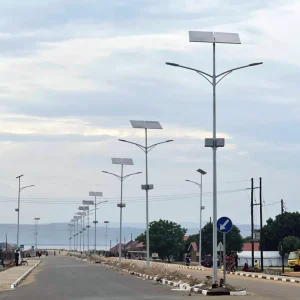
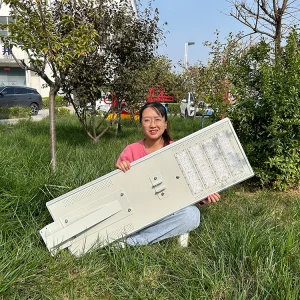
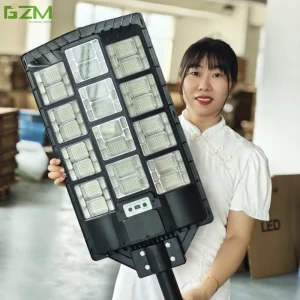
Modern municipalities require durable lighting systems that operate independently of grid disruptions. Our integrated all-in-one solar street lamps (ranging from 600W to 1200W) feature IP65-certified ingress protection and integrated PIR motion sensors to conserve power during low-traffic periods. By eliminating trenching and cabling costs, municipal installations achieve a positive ROI within the first 18 months of deployment.
Remote infrastructural installations—such as mining perimeters, construction sites, and agricultural properties—require continuous surveillance but lack access to utilities. The integration of high-draw CCTV cameras with solar power packs addresses this challenge. Using localized 4G transceivers and internal LiFePO4 battery reserves, our smart security installations transmit high-definition video feeds 24/7, maintaining operability even through extended periods of rain.
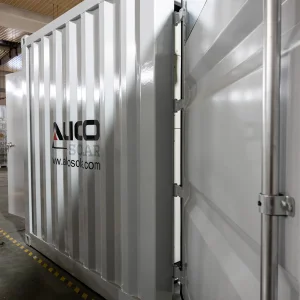
For factory settings and commercial complexes, energy expenses spike during peak operational hours. Our large-scale 20FT containerized Battery Energy Storage Systems (BESS) charge during off-peak hours or direct PV output, and discharge during maximum demand windows. This peak-shaving capability reduces demand charges and helps stabilize localized grid networks.
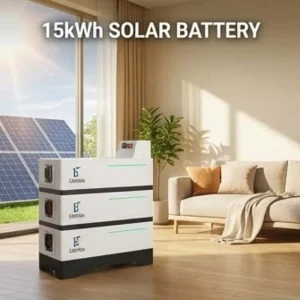
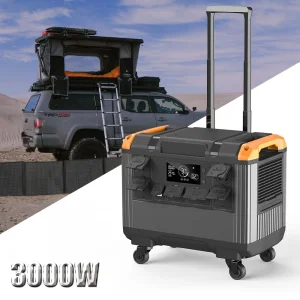
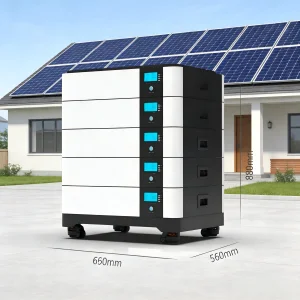
For residential neighborhoods, our stackable lithium battery units (scalable from 5kWh to 50kWh) pair with balcony-based photovoltaic arrays to supply household backup power. Compact, plug-and-play solar generators offer a reliable energy source for off-grid travel, backup emergency services, and residential properties during utility grid failures.
How Soweglow Solar manages engineering quality, international compliance, and custom OEM/ODM packaging requirements.
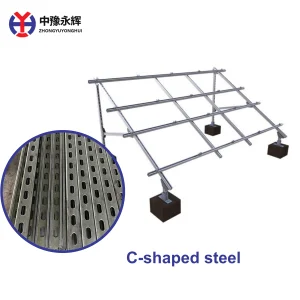
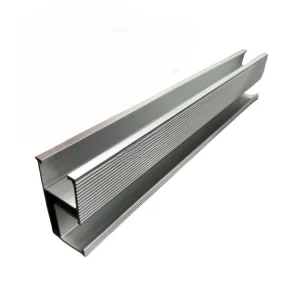
Global engineering, procurement, and construction (EPC) contractors require high levels of supply chain visibility, technical documentation, and certified quality control. At Soweglow Solar, our QA framework starts at the semiconductor level and extends through final shipment. All raw structural materials—such as our zinc-aluminum-magnesium C-channel mounting profiles—undergo mechanical strain verification, and all optical elements undergo photometric testing to confirm true lumen outputs.
During the manufacturing run, components undergo optical and electrical inspection. Photovoltaic modules pass flash tests to verify peak power output, and battery packs go through multi-cycle charge/discharge testing to verify capacity calibration and monitor thermal profiles. For structural installations, we run salt-spray testing to ensure rust-resistant operation in coastal and high-salinity zones.
We support diverse corporate and government clients with custom packaging, localized branding, customized firmware configurations for BMS modules, and specialized shipping layouts designed to lower ocean transport costs. By providing comprehensive documentation—including localized certification papers, MSDS sheets for battery shipments, and certified wind load calculations—we help streamline the regional approval processes for municipal and industrial projects.
Our comprehensive system configurations include commercial battery containers, stackable home power storage, and high-strength mounting profiles designed for structural durability.
Answers to essential technical, chemical, and structural questions raised by project engineers and sourcing professionals.
 Soweglow Solar