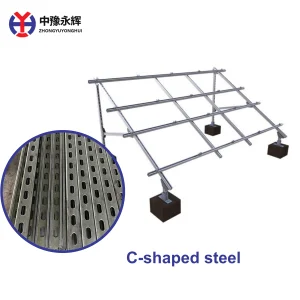
High Quality 41 * 21 Steel Channel Solar Panel Mounting System Zinc Aluminum Magnesium C Channel Steel

Product Description

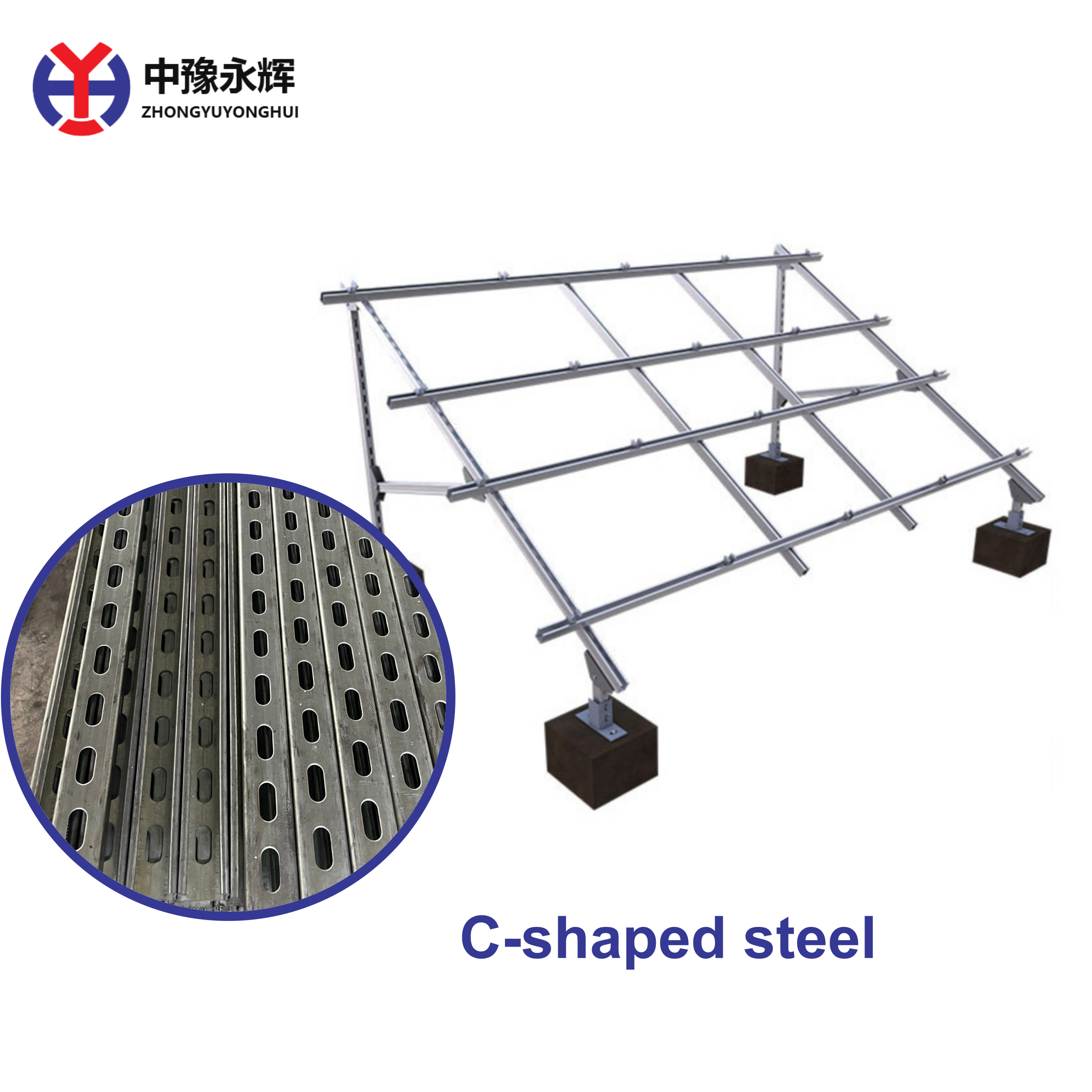
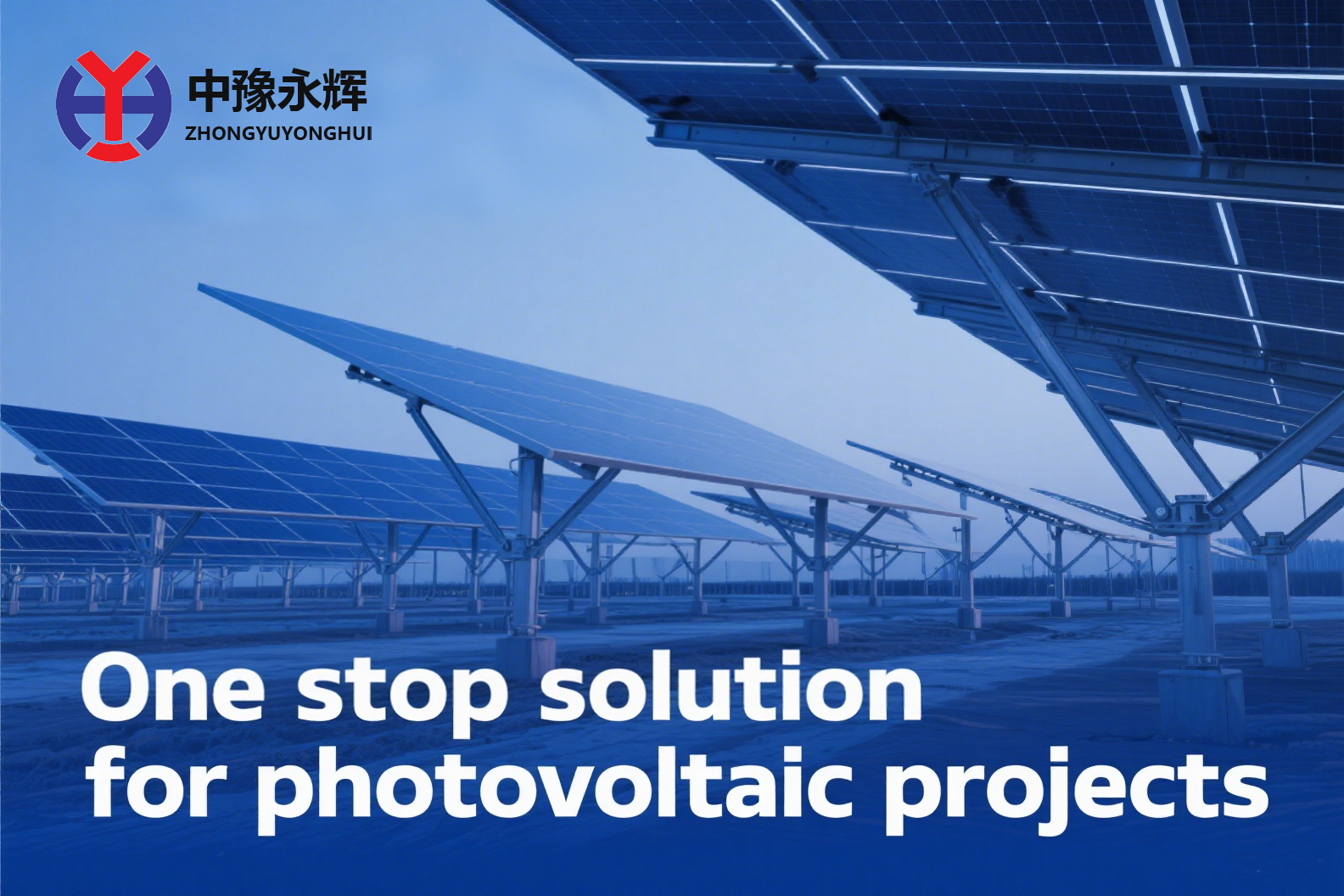
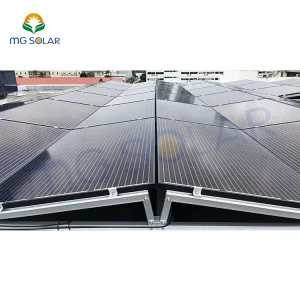
Solar Mounting System Overview
Structural Design
PV Module Support
Mounting Details
Installation Site
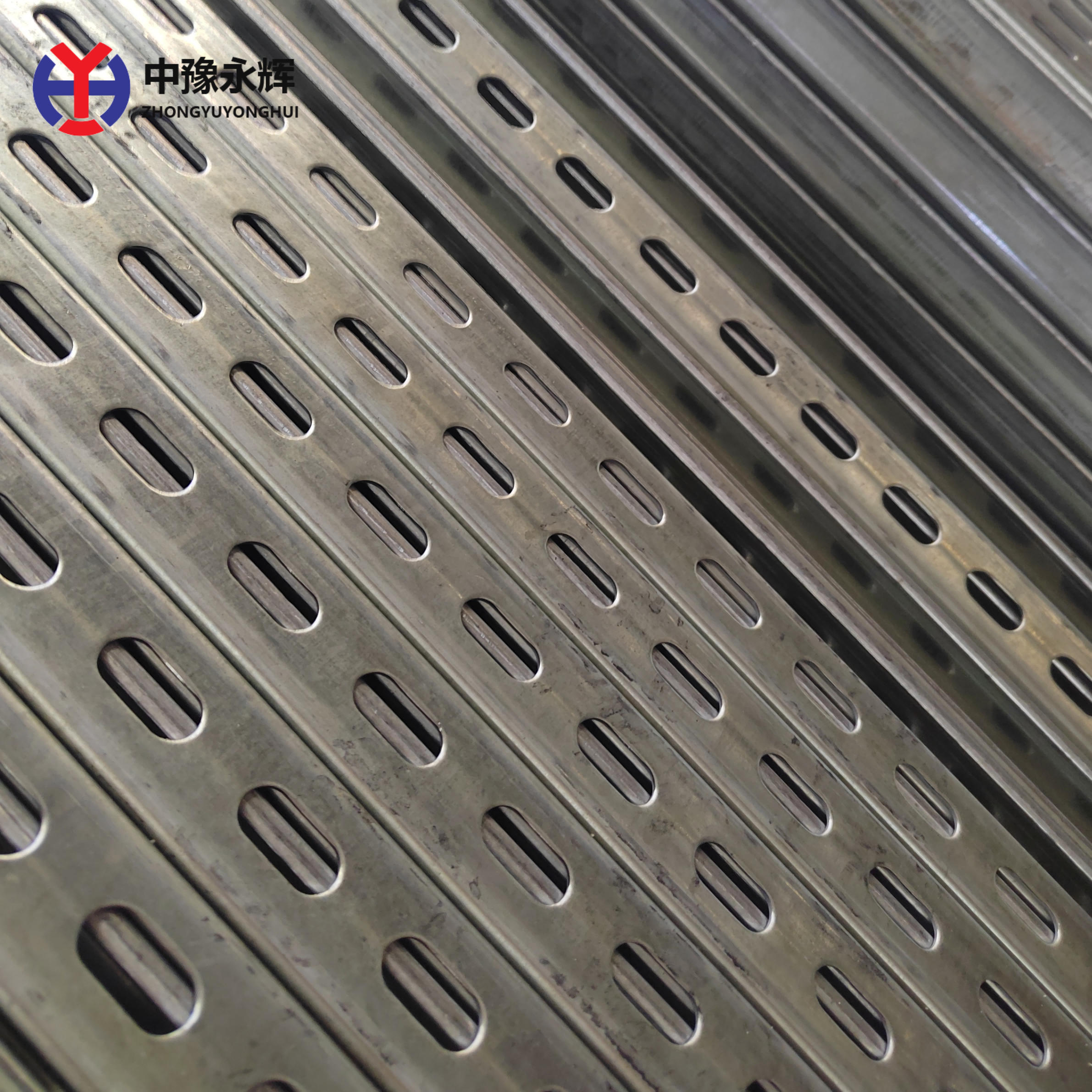
Component Specs 1
Component Specs 2
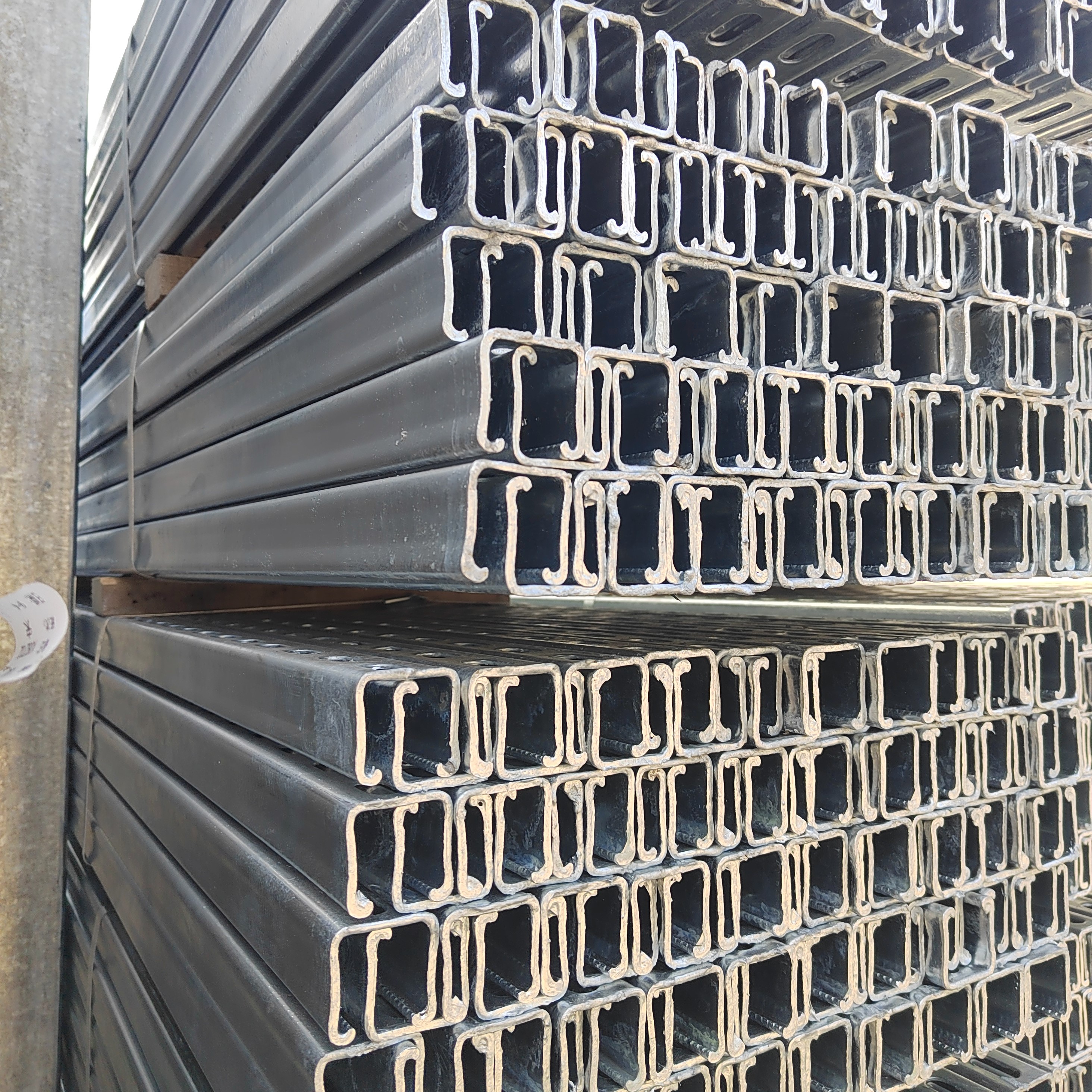
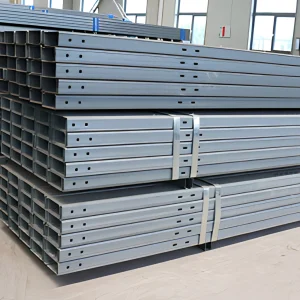
Materials 1
Materials 2
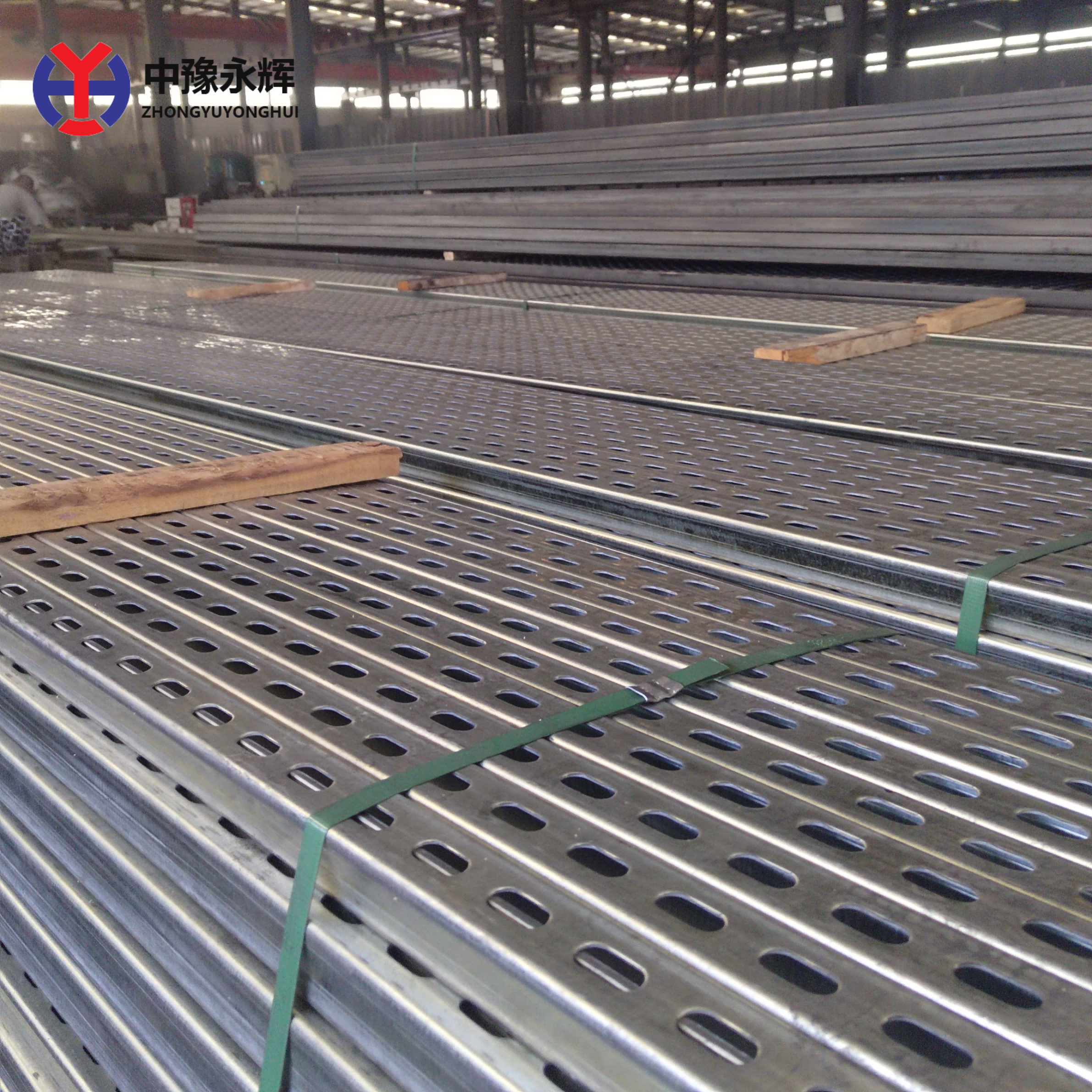
Solar Bracket Close-up
Structural Stability
Definition A metal structural system used to support and fix PV modules, serving as the "skeleton" of a power plant.
Key Functions 1. Support and secure modules
2. Set the optimal angle for power generation
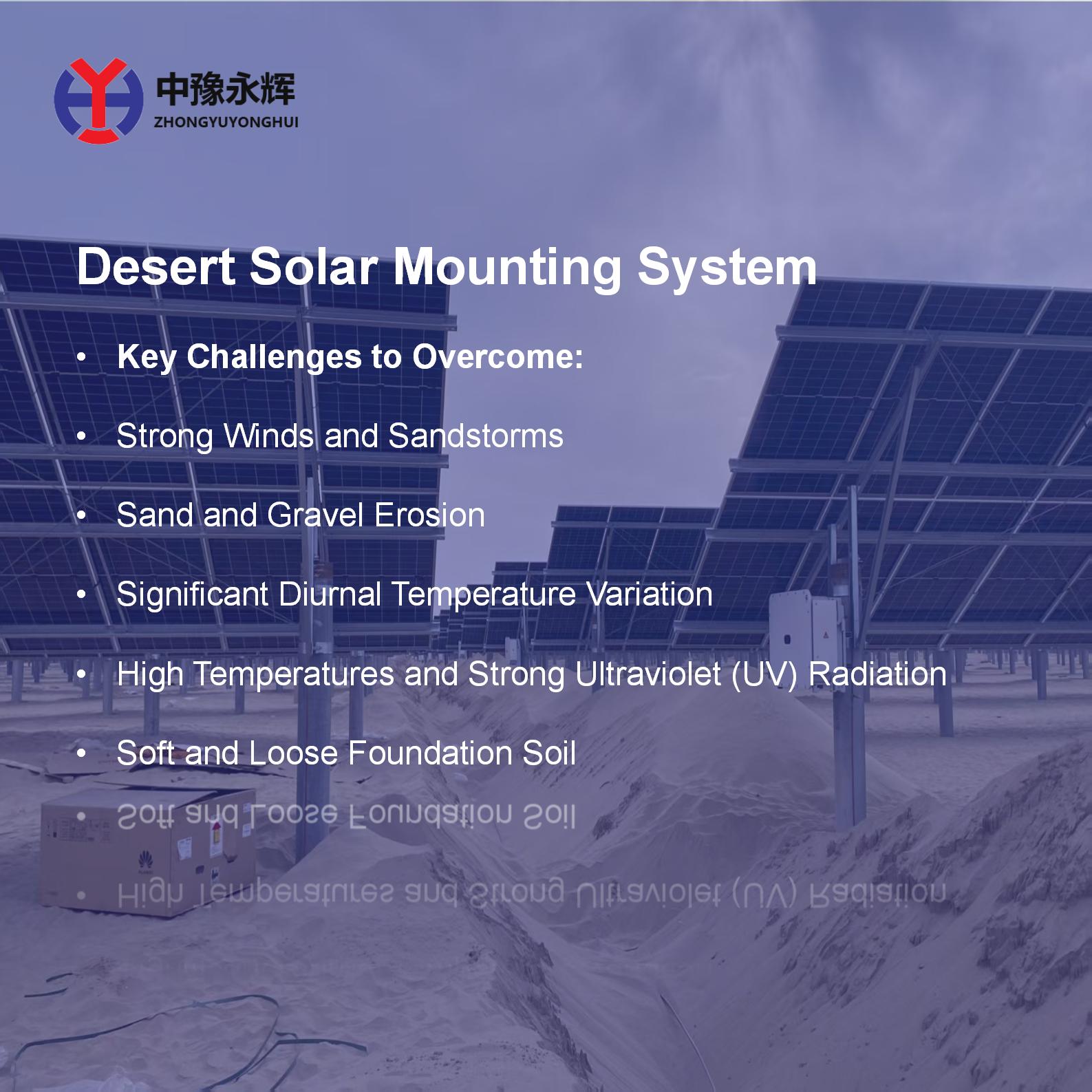
3. Withstand environmental loads (wind, snow)
4. Ensure structural safety for over 25 years
Primary Classifications 1. By Installation Site:
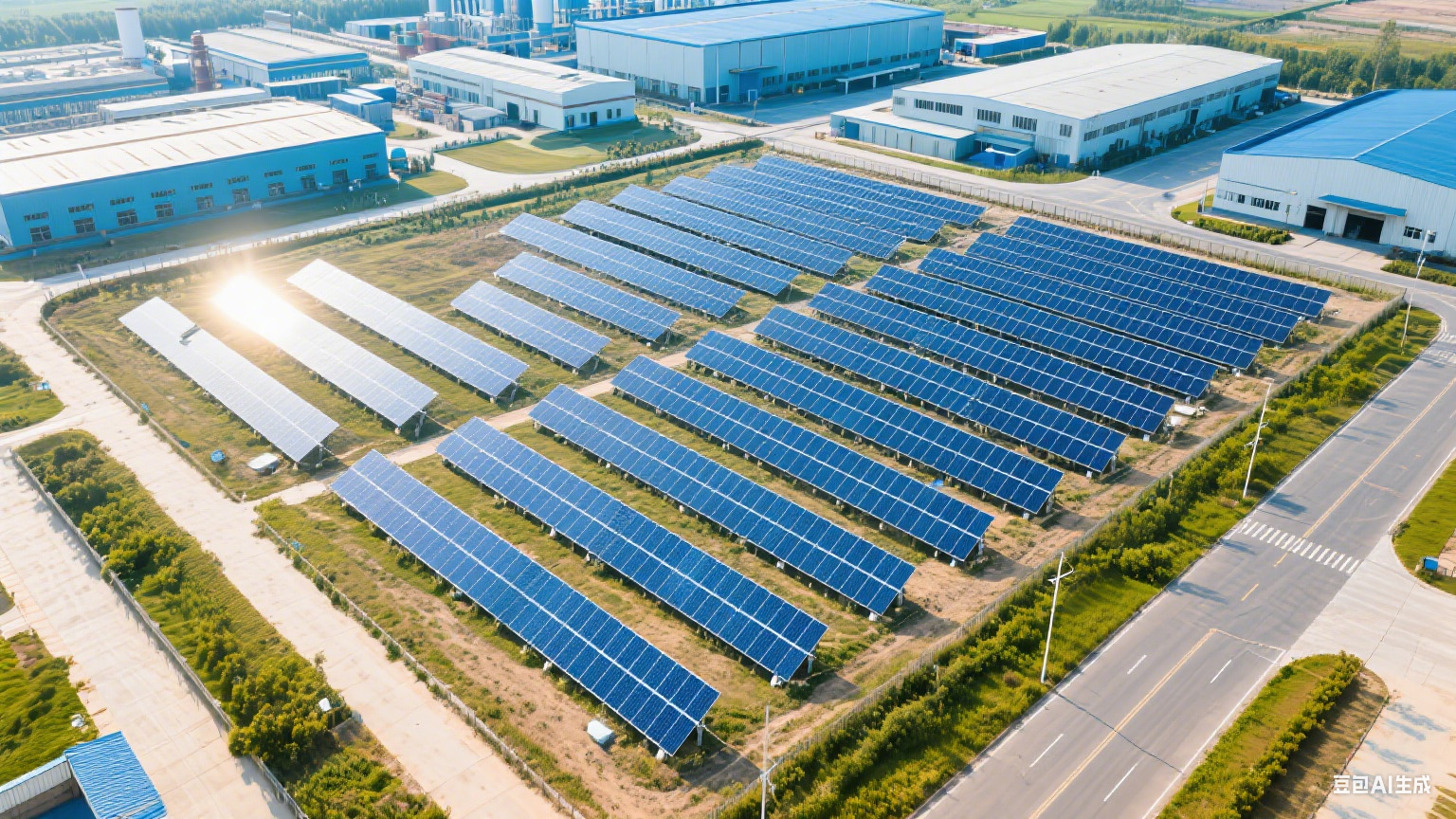
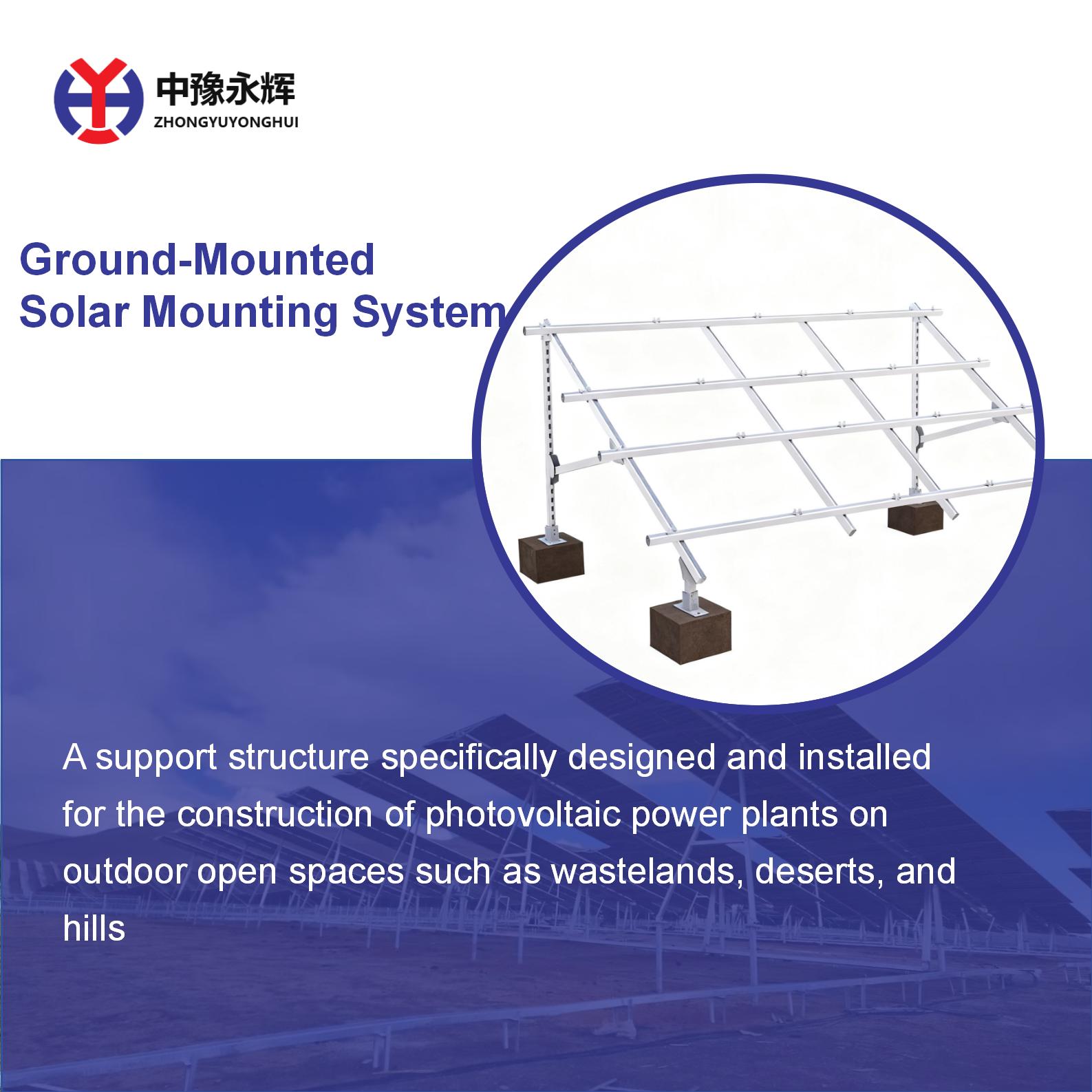
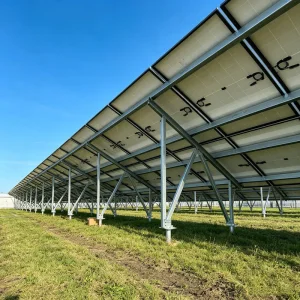
- Ground-Mounted System
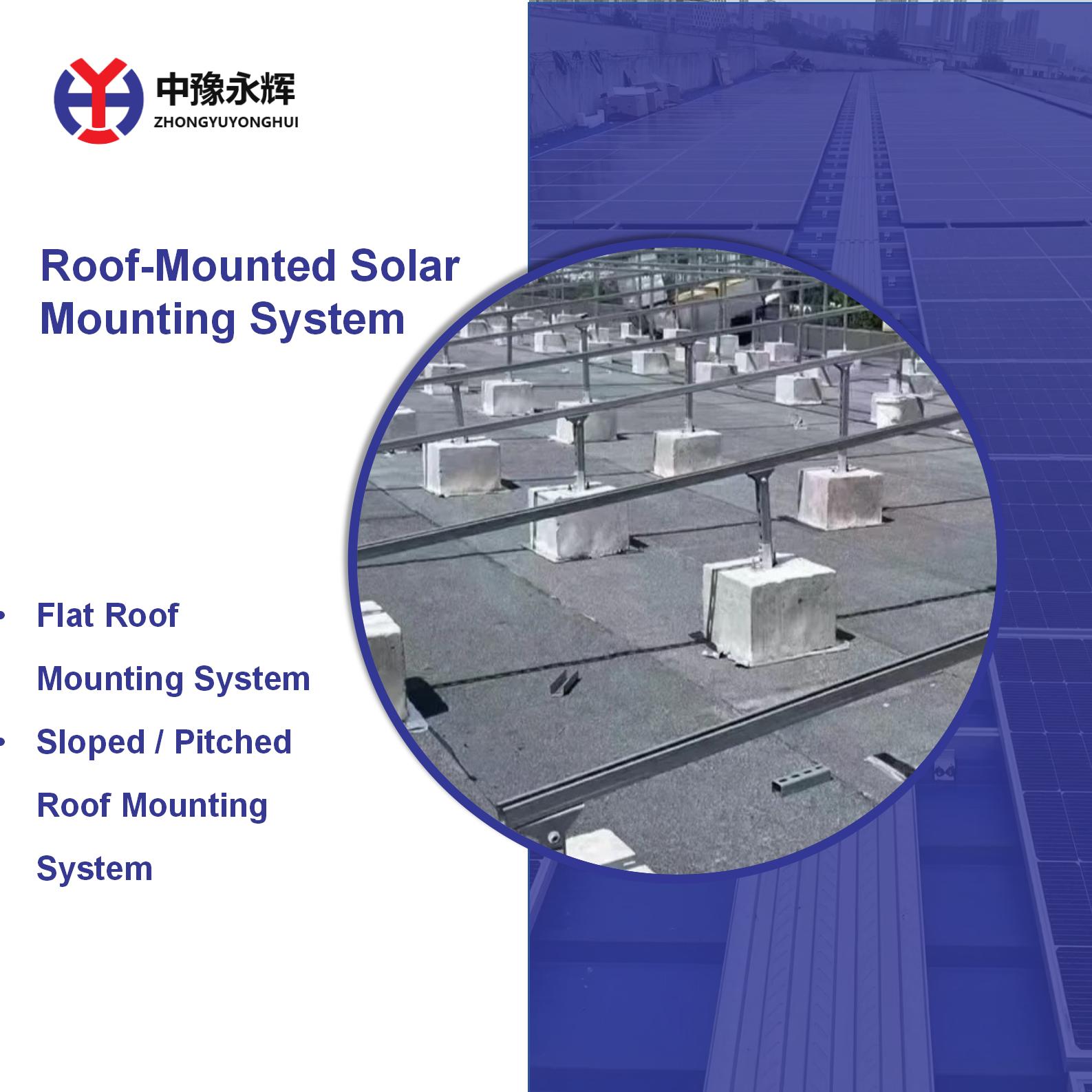
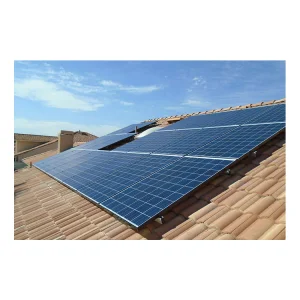
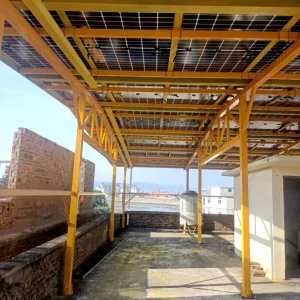
- Roof-Mounted System
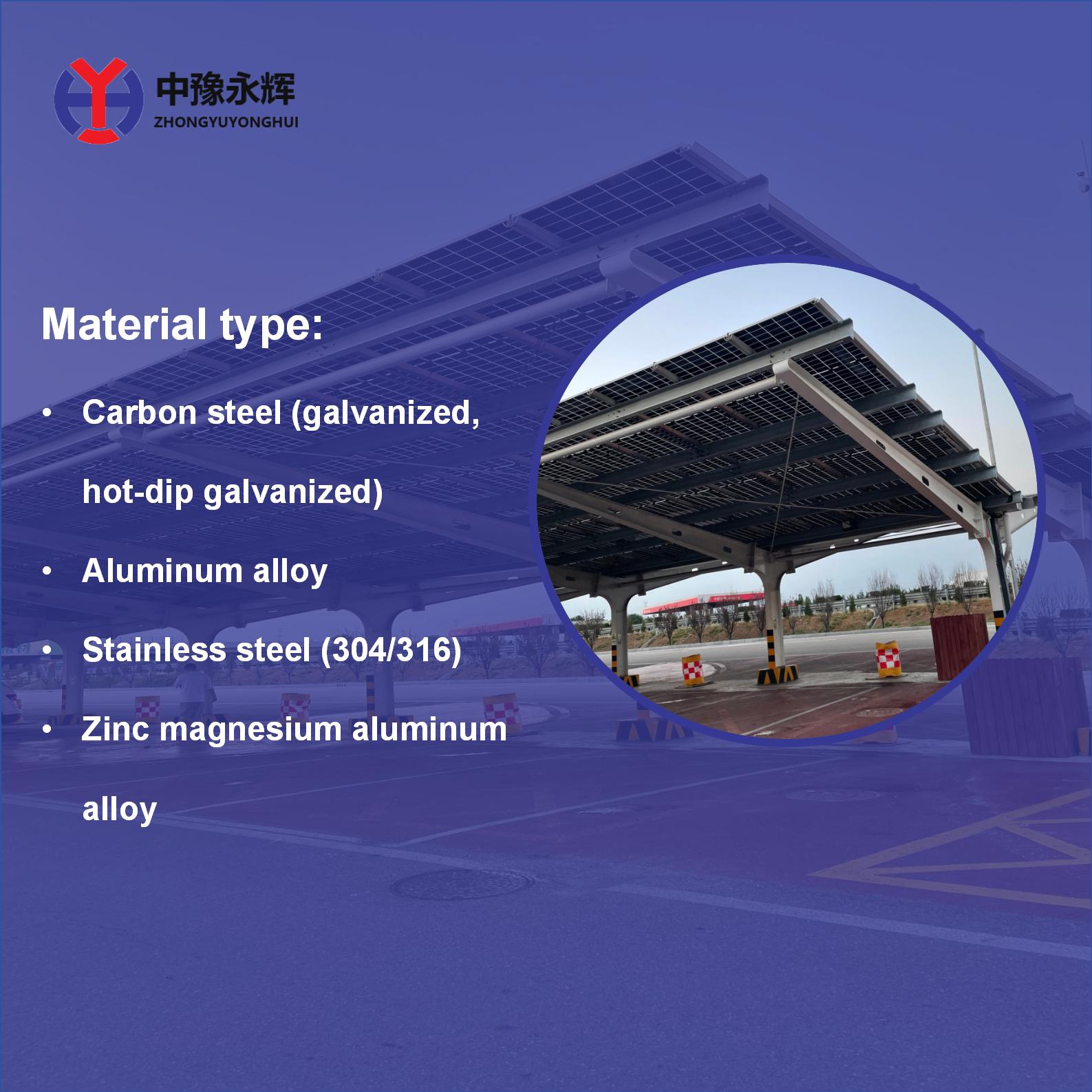
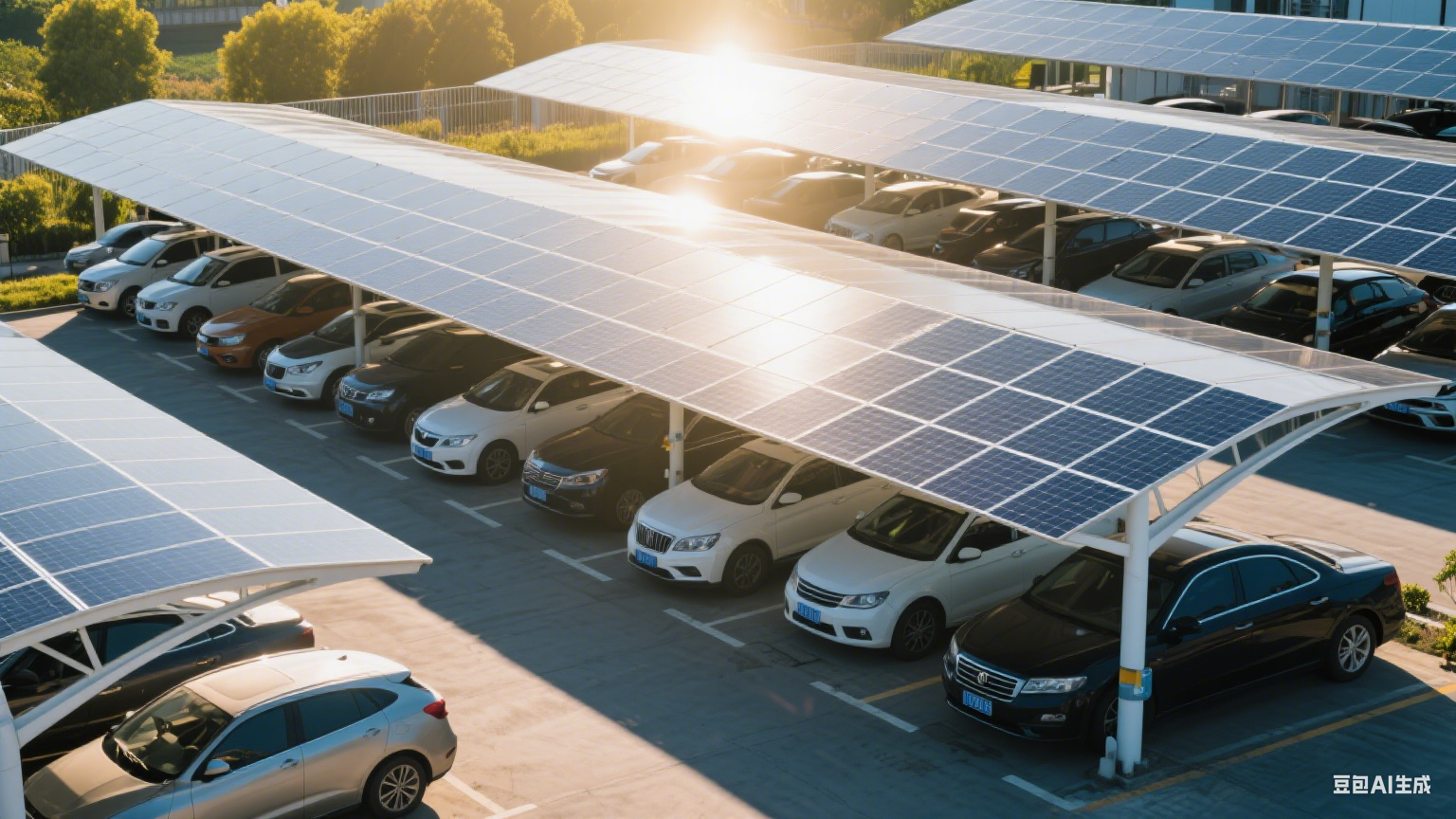
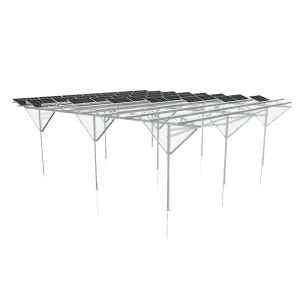
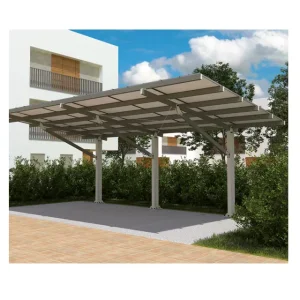
- Solar Carport System
- BIPV (Building-Integrated PV) System

2. By Structure/Tracking:
- Fixed-Tilt System
- Adjustable System
- Single-Axis / Dual-Axis Tracker
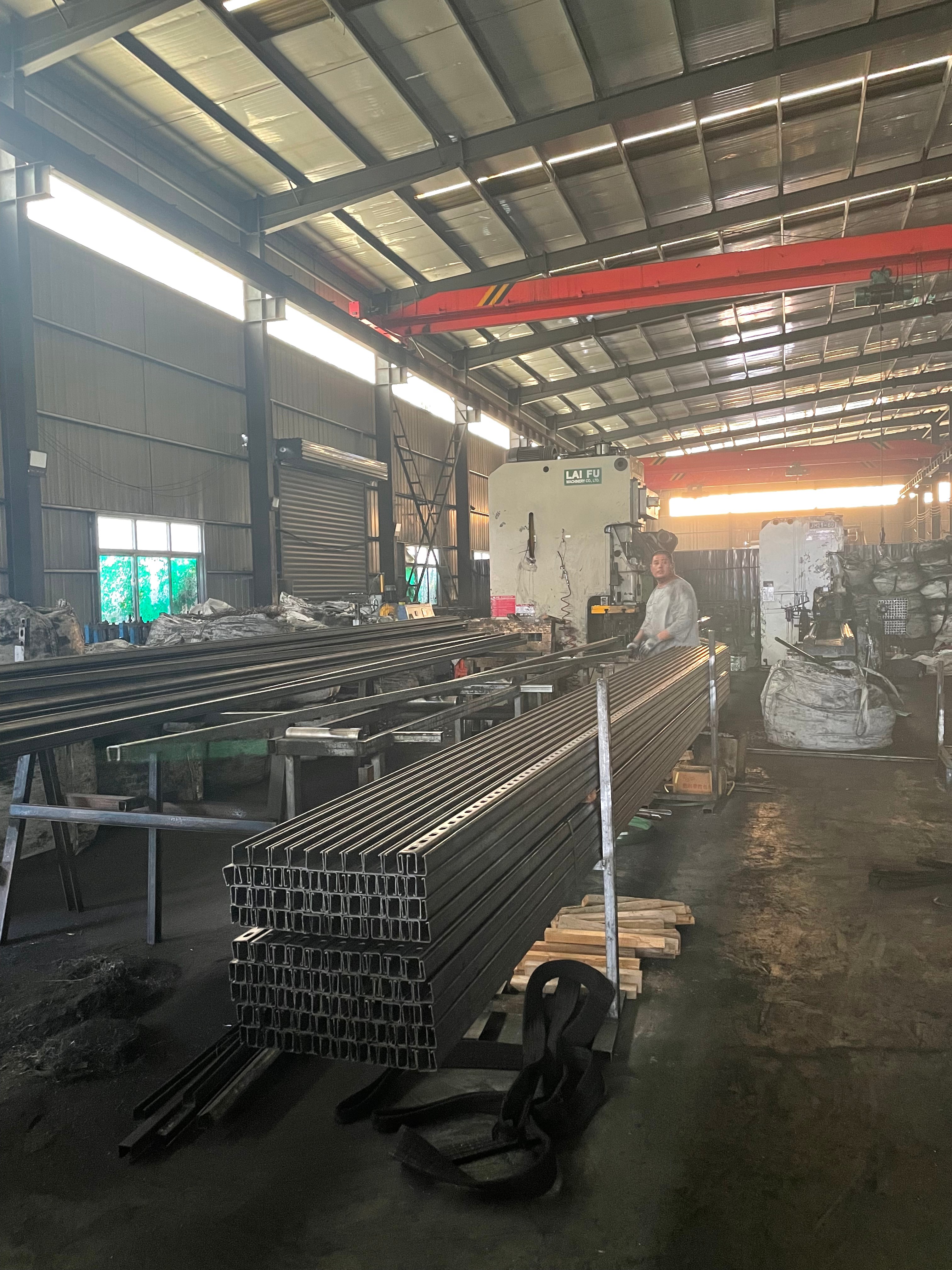
Core Materials 1. Carbon Steel: The mainstream choice. High strength, low cost. Must be hot-dip galvanized for corrosion protection.
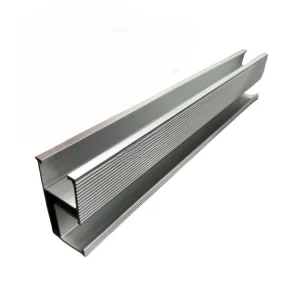
2. Aluminum Alloy: Lightweight, corrosion-resistant. Used for roofs, coastal areas.
3. Stainless Steel: Used for critical connectors or highly corrosive environments.
Key Components - Foundation
- Post / Upright
- Main Beam / Rail
- Connectors (Bolts, Clamps)
Selection Considerations - Environmental Loads: Local wind and snow loads
- Corrosive Environment: Enhanced protection needed for coastal/industrial areas
- Budget: Initial investment vs. lifetime cost
- Installation & Maintenance: Ease of installation and O&M requirements
Frequently Asked Questions
What is the main purpose of a solar mounting system?
It serves as the structural skeleton of a solar power plant, designed to support and secure PV modules at the optimal angle to maximize power generation while withstanding environmental stresses.
What materials are best for corrosive environments?
Aluminum alloy is highly recommended for coastal or corrosive areas due to its natural corrosion resistance. For extreme conditions, hot-dip galvanized carbon steel or stainless steel components are also used.
How long is the expected lifespan of these structures?
Most high-quality solar mounting systems are engineered to ensure structural safety and durability for over 25 years, matching the typical lifespan of solar PV modules.
What factors influence the choice of a mounting system?
Key factors include local wind and snow loads, the specific installation site (ground, roof, or carport), the corrosive nature of the environment, project budget, and ease of maintenance.
What is the difference between fixed-tilt and tracking systems?
Fixed-tilt systems maintain a single set angle, offering lower costs and maintenance. Tracking systems (single or dual-axis) move with the sun to increase energy harvest but involve higher initial investment.
What are the core components of the system?
The system typically consists of the foundation, upright posts, main beams or rails, and various connectors such as bolts and clamps to secure the modules.

Related Products