Deploy high-performance, quality-certified solar modules, solar charge controllers, and automated heating systems designed to integrate seamlessly into Virtual Power Plants (VPP) and smart microgrids.

In an era defined by rapid decarbonization mandates and compounding grid fragility, standard photovoltaic systems are no longer sufficient as isolated power supplies. The modern utility ecosystem demands integration. This is the genesis of **Solar Demand Response Systems (SDRS)**. An SDRS operates at the intersection of energy generation (PV arrays), storage (BESS), and intelligent consumption control.
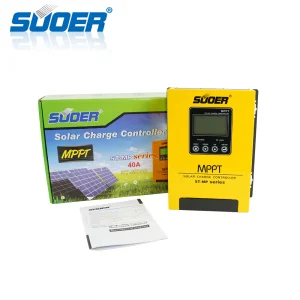
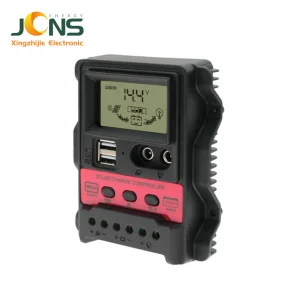
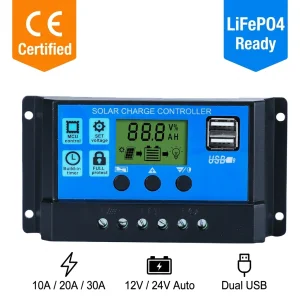
By leveraging advanced load shifting, bidirectional communication, and edge-device monitoring, modern SDRS solutions permit Commercial & Industrial (C&I) operations to act as interactive grid assets. Key components like Maximum Power Point Tracking (MPPT) controllers, such as the *Suoer 40A Solar Charge Controller*, act as critical hardware gatekeepers. They regulate electrical current under dynamic meteorological profiles, ensuring that energy storage containers are prepared to dispatch power to the grid during critical peak pricing windows.
"SDRS transforms passive energy consumers into active grid market participants, offering a dual revenue channel: primary utility offset and grid ancillary services compensation."
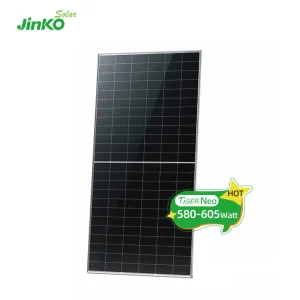
Industrial procurement teams are navigating high volatile utility prices and stringent ESG compliance targets. These challenges require systemic solutions. The transition to decentralized microgrids relies on high-efficiency equipment. For example, incorporating *Jinko N-Type Bifacial PV Modules* ensures maximum generation density per square meter, even in low-light environments.
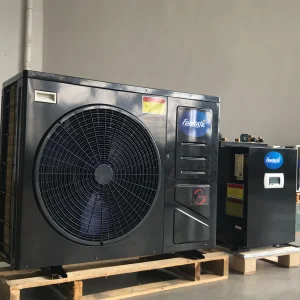
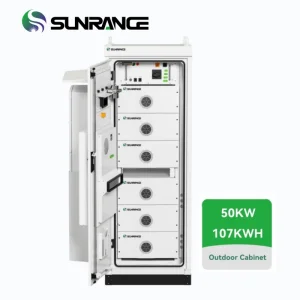
When coupled with large-scale storage systems—like the *15kw to 200kw ESS Battery Containers*—facilities gain the infrastructure required for Automated Demand Response (ADR) events. Global buyers are focusing procurement strategies on standardizing modular hardware that can communicate via standard open protocols (such as OpenADR 2.0b). This enables automated curtailment of HVAC systems, represented by commercial DC Inverter Heat Pumps, and grid-tied battery dispatch.
Based in Shenzhen, China, the global epicenter of hardware innovation, **Shenzhen Soweglow Solar Co., Ltd.** operates as a developer and manufacturer of high-durability solar components. Built upon E-E-A-T principles, Soweglow Solar manages supply chain operations from raw silicon verification to complete component assembly.
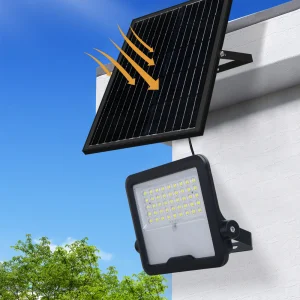
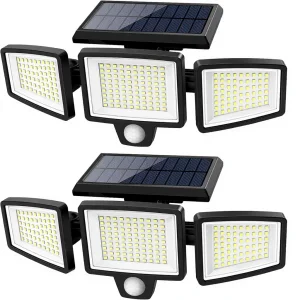
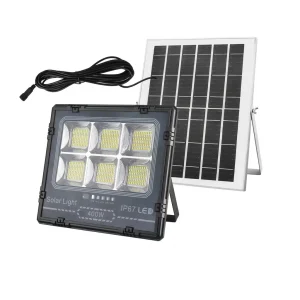
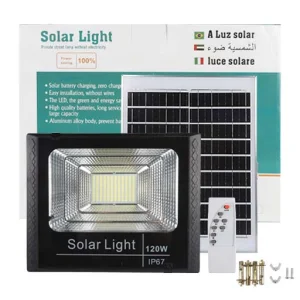
The company’s product line includes MPPT/PWM solar regulators, high-output outdoor illumination networks (such as the *CXS* and *KCD Solar Flood Lights*), and industrial heat pumps. These systems are designed to operate as robust hardware nodes in modern distributed solar networks.
Each production batch undergoes testing under simulated climatic extremes to guarantee continuous service life in harsh environments.
Hardware structures feature standardized communication interfaces to support smooth VPP and localized demand response integration.
Advanced MPPT controls and high-efficiency heat pumps minimize Levelized Cost of Energy while maximizing ROI.
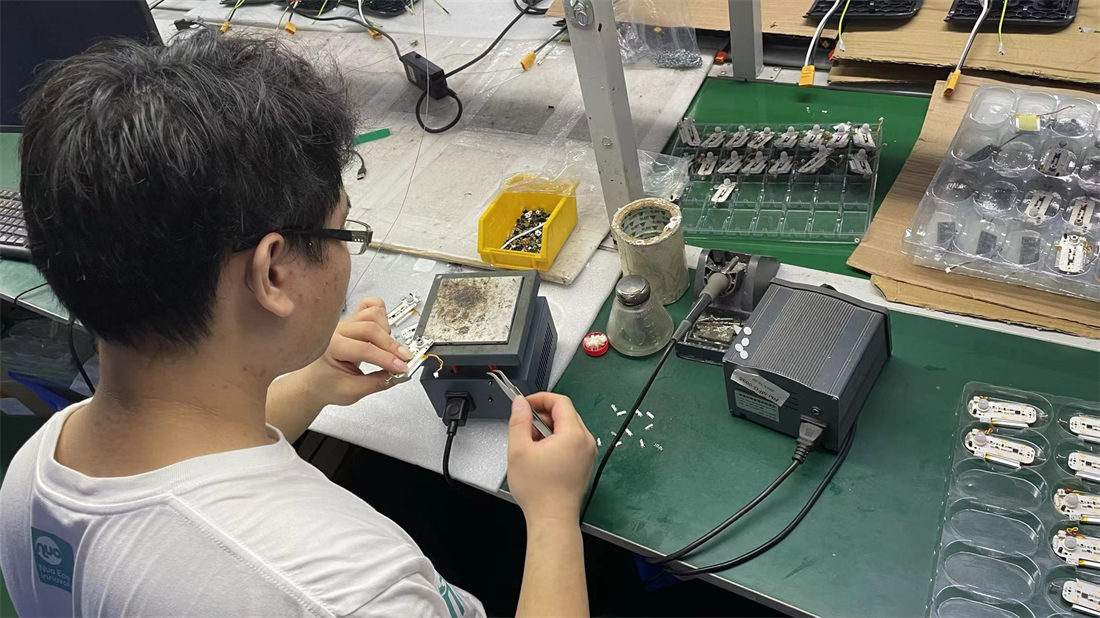
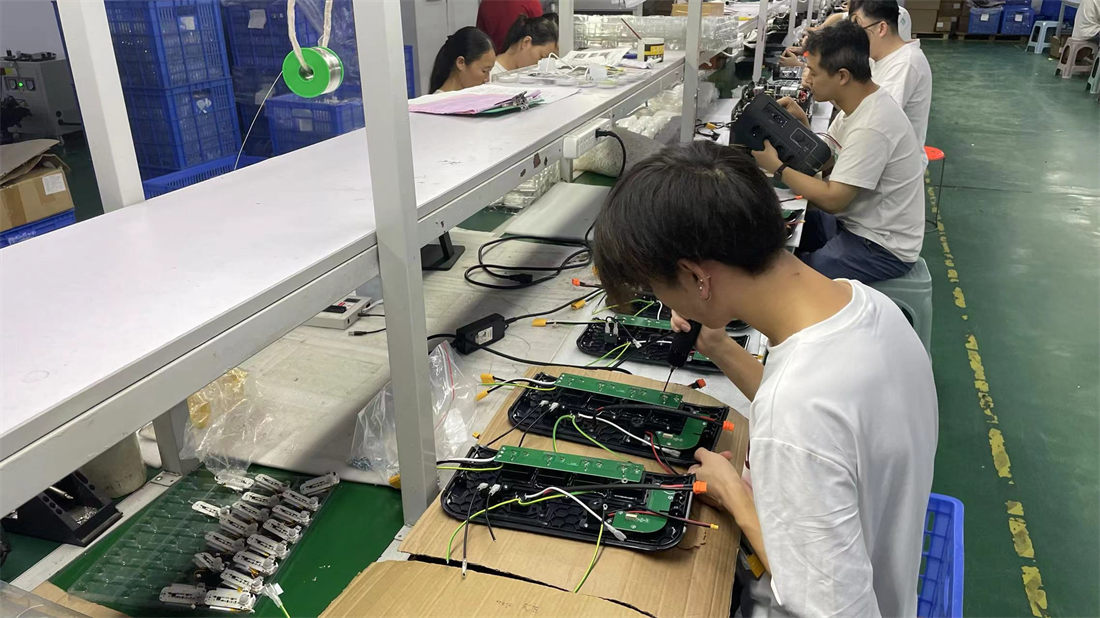
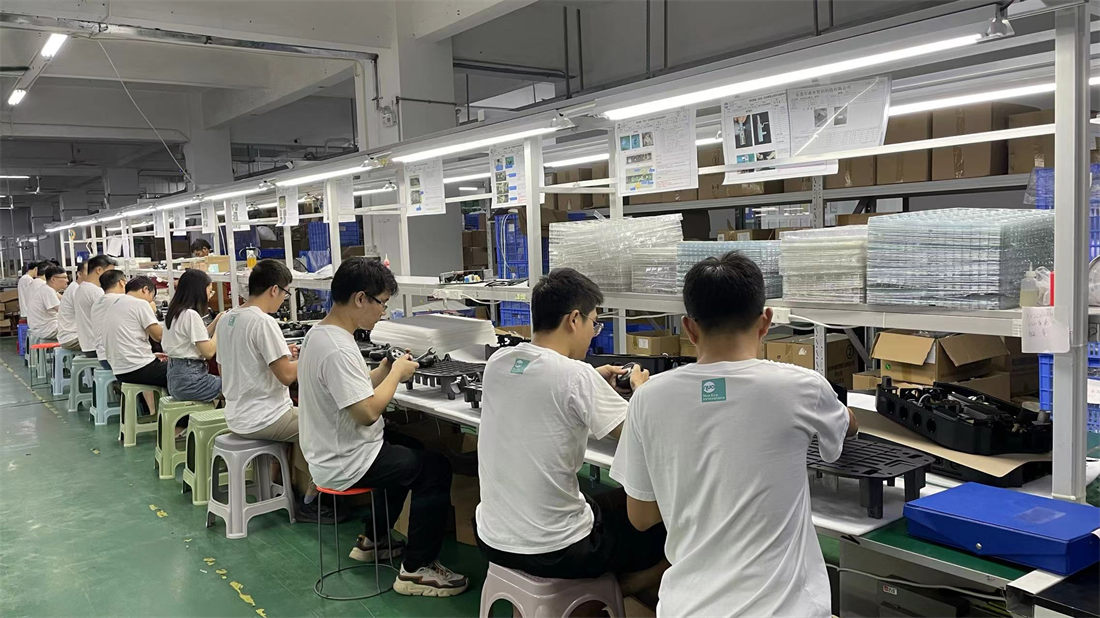
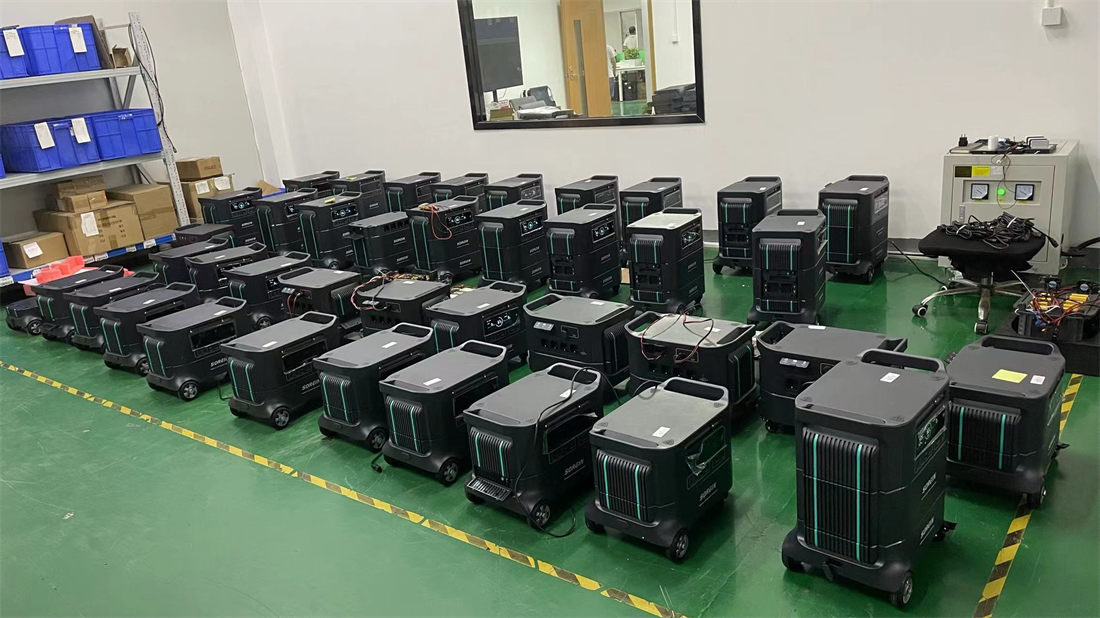
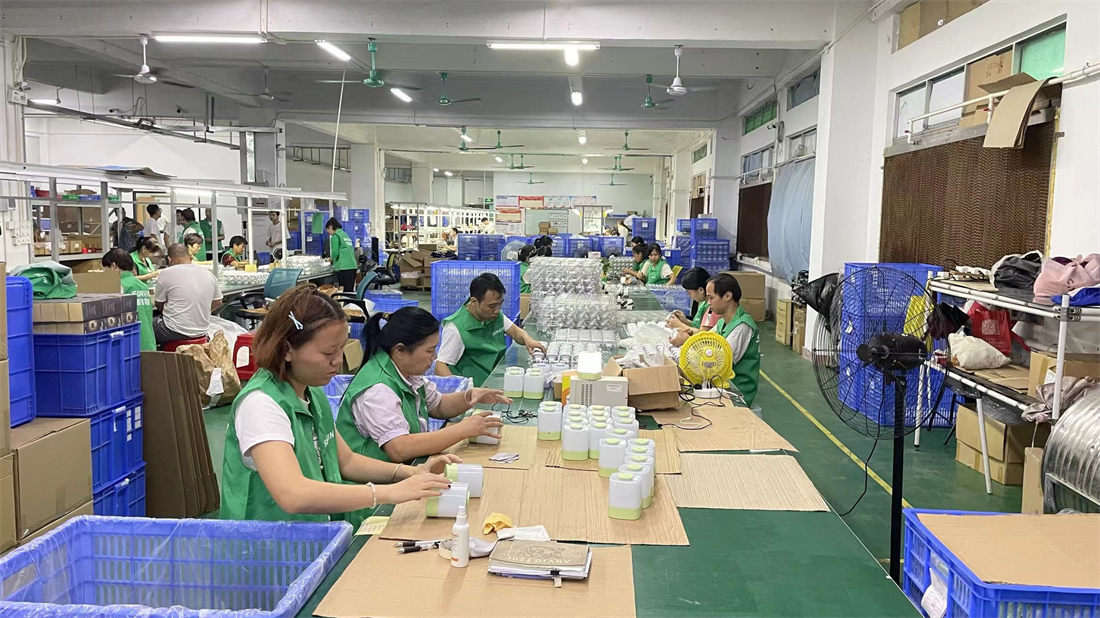
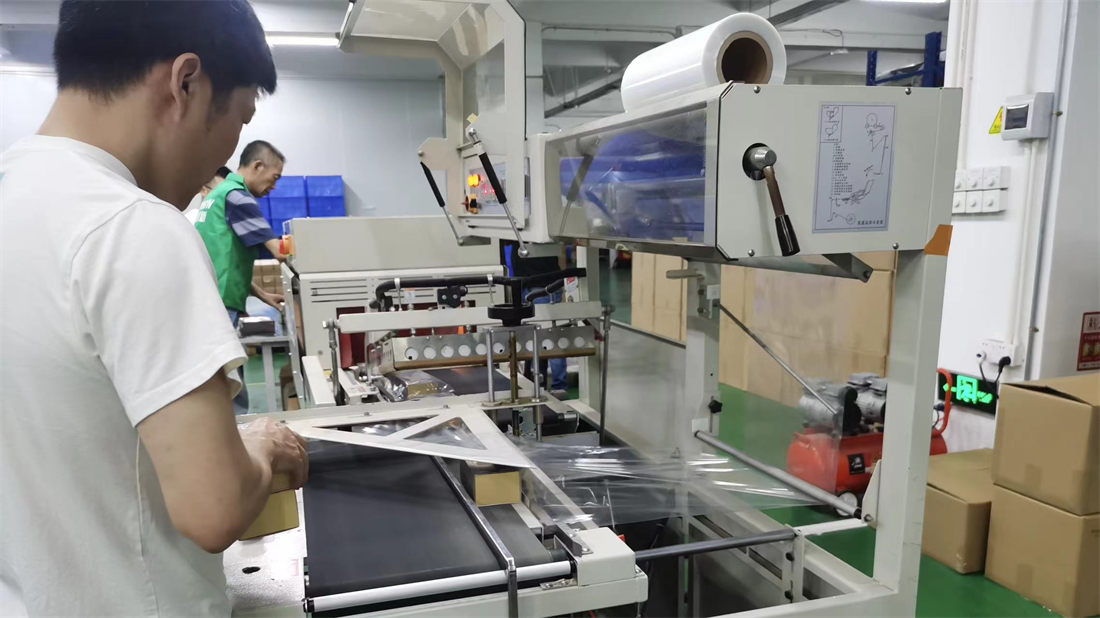
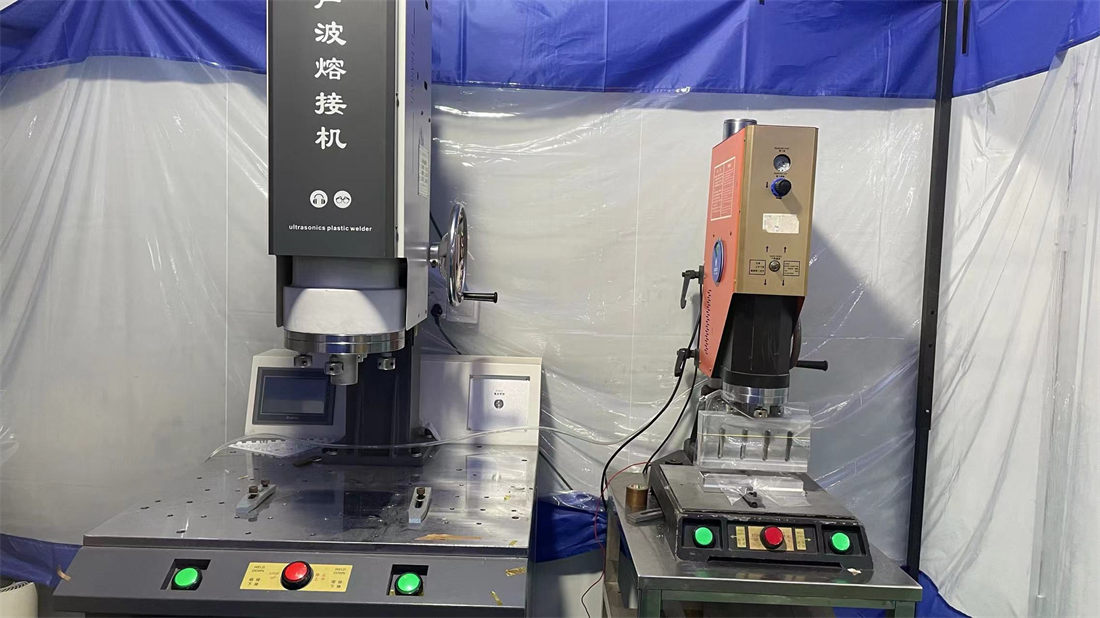
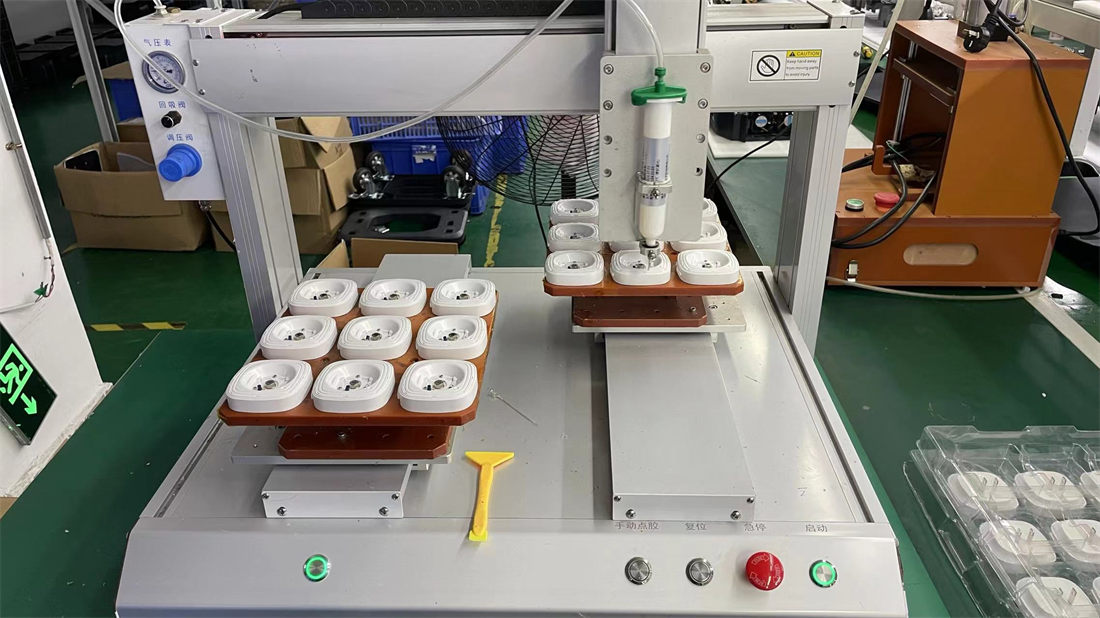
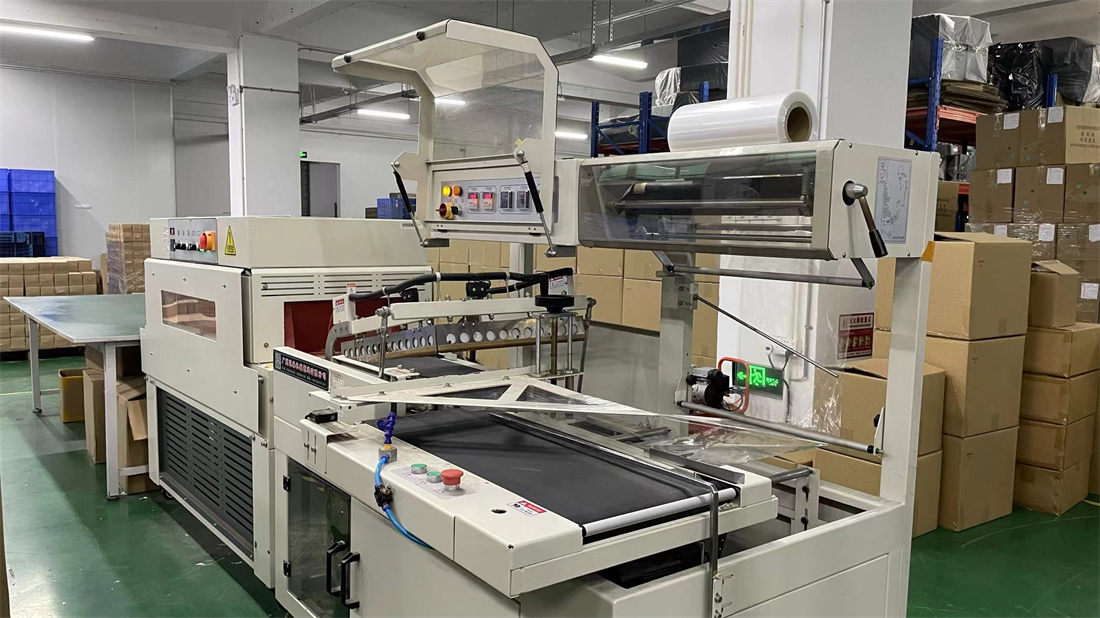
Soweglow Solar’s manufacturing facility represents the convergence of high-capacity output and automated quality assurance. Through Factory 4.0 methodologies, the production floor minimizes human error via automated assembly and real-time sensor monitoring. The production cycle incorporates specialized machinery and strict testing protocols:
The scalability of demand-responsive solar setups allows deployment across diverse scenarios:
By utilizing *20kw to 200kw ESS Battery Systems*, manufacturing plants charge battery systems when solar generation is high and energy demand is low. During high-tariff utility periods, the system switches to battery power, reducing reliance on the grid and shielding the facility from high peak rates.
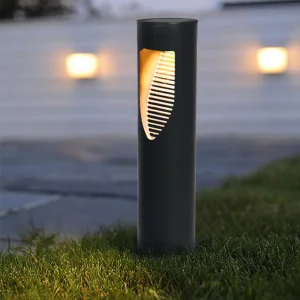
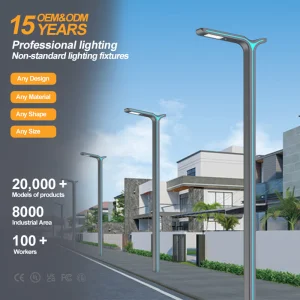
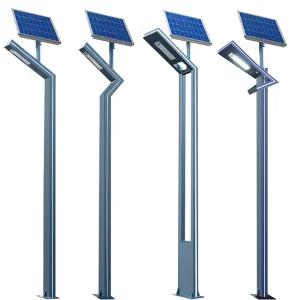
Modern smart cities deploy intelligent solar streetlights and security installations, such as the *CXS Solar Outdoor Security Flood Lights*, to form local microgrids. These outdoor security networks can communicate dynamically with central municipal systems, auto-adjusting illumination outputs based on battery reserve capacity and local weather trends.
Integrating high-efficiency DC Inverter Heat Pumps with solar energy systems allows agricultural and residential complexes to convert excess daytime solar energy into thermal storage (heating water). This offsets night-time grid loads, contributing to higher efficiency and reduced carbon footprints.
Explore high-capacity battery systems, off-grid charge controllers, solar arrays, and high-lumen lighting solutions designed to optimize commercial demand response efficiency.
 Soweglow Solar