High-performance structures, thin-film modules, and municipal off-grid lighting components engineered to international standards.
The global transition toward renewable energy has fundamentally transformed the commercial and industrial (C&I) sectors. EPC (Engineering, Procurement, and Construction) companies, developers, and wholesale distributors face intense competitive pressure. In this environment, identifying high-efficiency equipment with verifiable ROI is critical. Selecting components—ranging from heavy utility-scale mounting structures to localized off-grid IoT municipal street lights—requires deep technical scrutiny.
For manufacturers and exporters, relying solely on transactional pricing catalogs is no longer effective. B2B decision-makers now prioritize complex technical specifications, international certification pathways, and supply chain resilience. High-value search intent centers around mitigation of structural degradation (e.g., wind load testing, hot-dip galvanization thickness), levelized cost of energy (LCOE) optimization, and compatibility with local building codes. Successful export marketing requires positioning technical capability and supply reliability at every point in the digital discovery process.
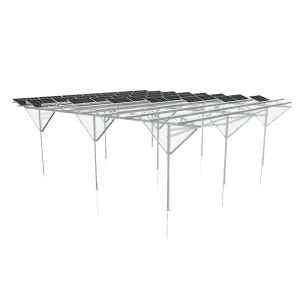
High-value solar leads are not generated through broad consumer-facing content. Search queries within the industrial solar sector show a strong intent toward risk management, compliance validation, and logistical verification. When an EPC engineer searches for a "double-column solar mounting system," they are looking for specific engineering details: wind-load parameters (typically >60m/s), snow load capacity, and anti-corrosive treatments like hot-dip galvanizing (above 80 microns) or anodized aluminum (Al6005-T5).
By mapping out content strategies around these technical criteria, manufacturers can capture high-value organic traffic from engineers, project leads, and procurement managers. Providing clear technical documentation and engineering parameters early in the search journey helps establish trust and moves buyers closer to a formal request for quotation (RFQ).
Proven digital and structural positioning approaches designed to capture search intent, demonstrate engineering expertise, and secure international contracts.
Build content targeting highly technical long-tail queries. Optimize for terms like "structural wind load calculation for utility-scale racking" or "thermal degradation coefficient comparison of bifacial modules" to engage engineers early in the specification stage.
Offer self-service web calculators that allow project developers to input local solar irradiance, land area, mounting type, and module efficiency to estimate Levelized Cost of Energy (LCOE) reductions and system payback periods.
Create digital content centers explaining local structural and electrical regulations across key export markets, such as AS/NZS 1170 for Australia, UL 2703 for North America, and IEC 61215 for Europe.
Publish detailed project case studies that document real-world performance. Highlight key data points, including initial soil conditions, pull-out test results, installation timelines, and post-commissioning generation metrics.
Integrate downloadable 3D CAD models and BIM files directly into product pages. Providing these technical assets allows design engineers to easily incorporate your mounting brackets or inverters into their master project files.
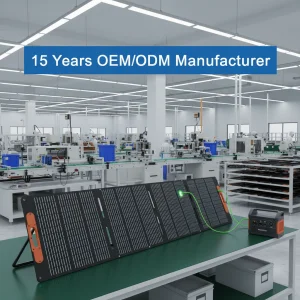
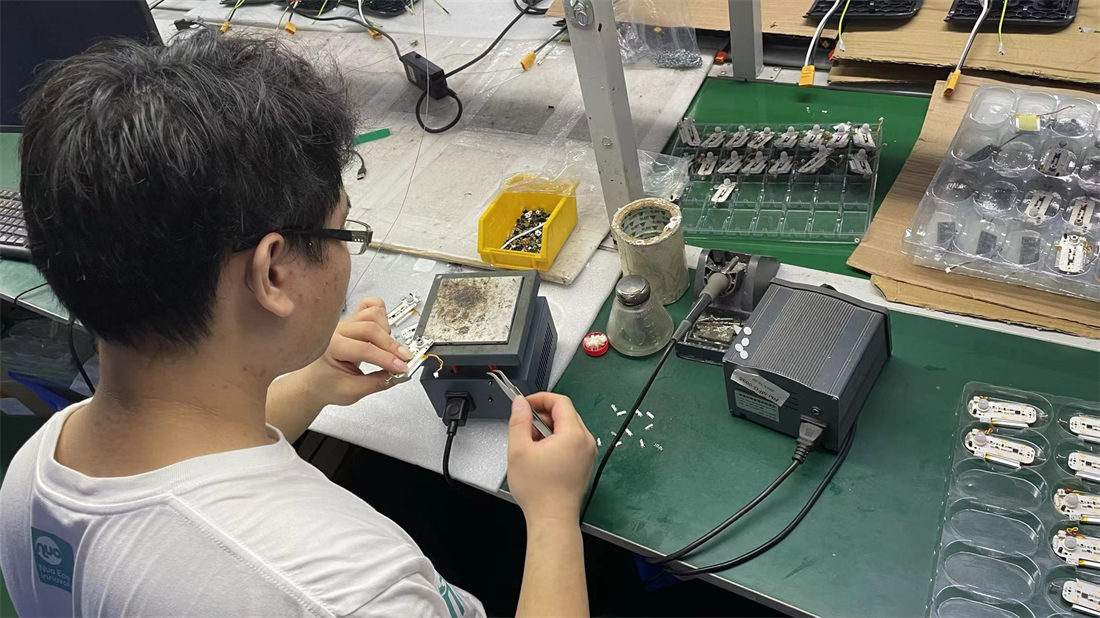
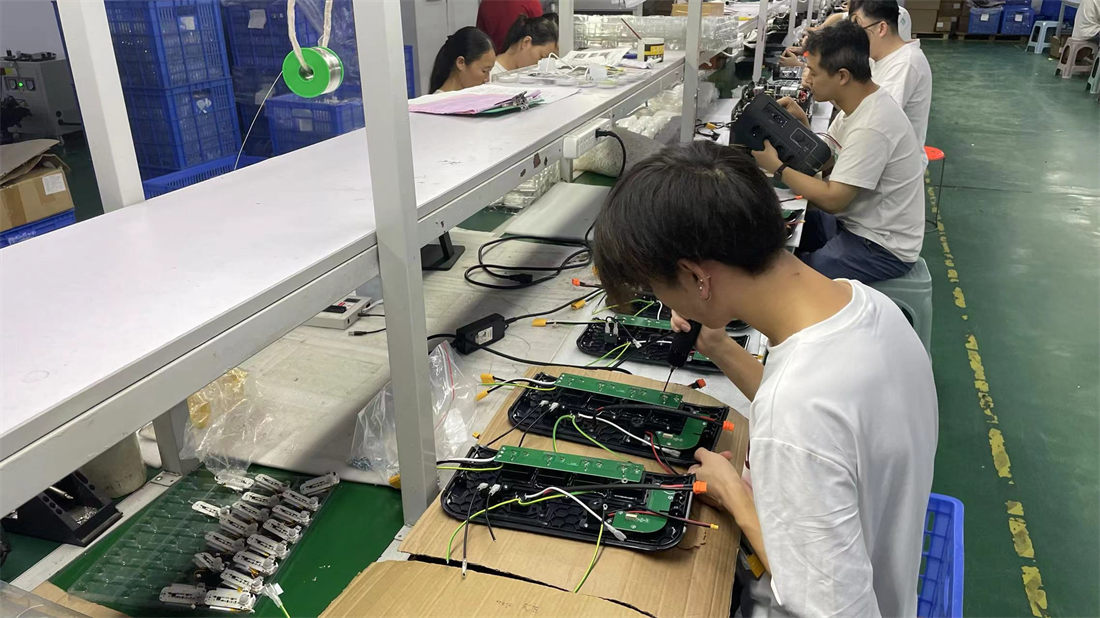
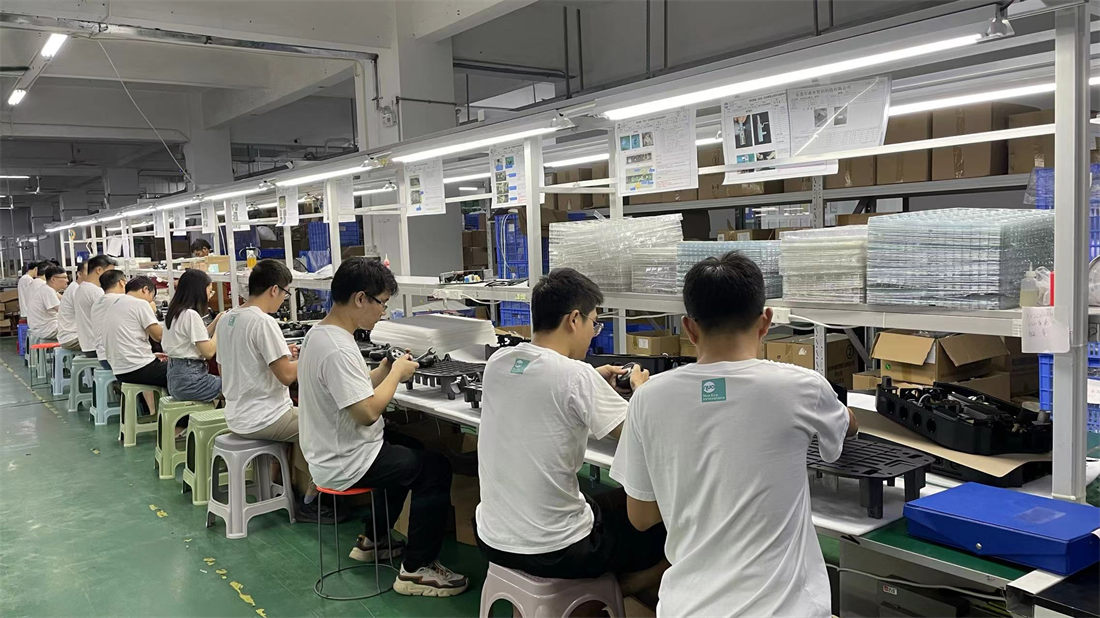
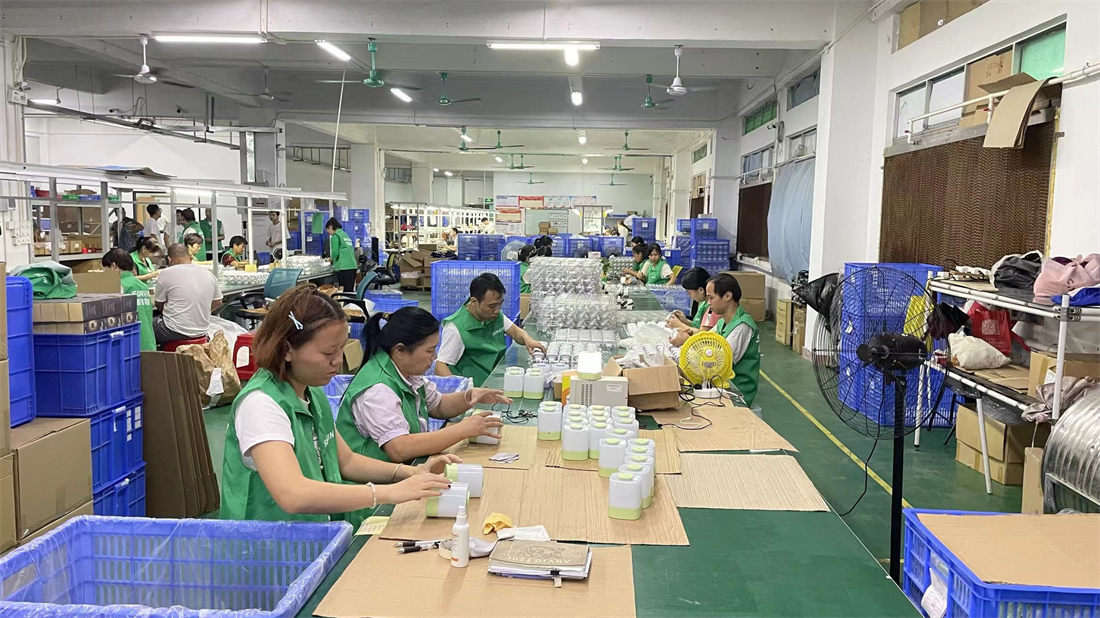
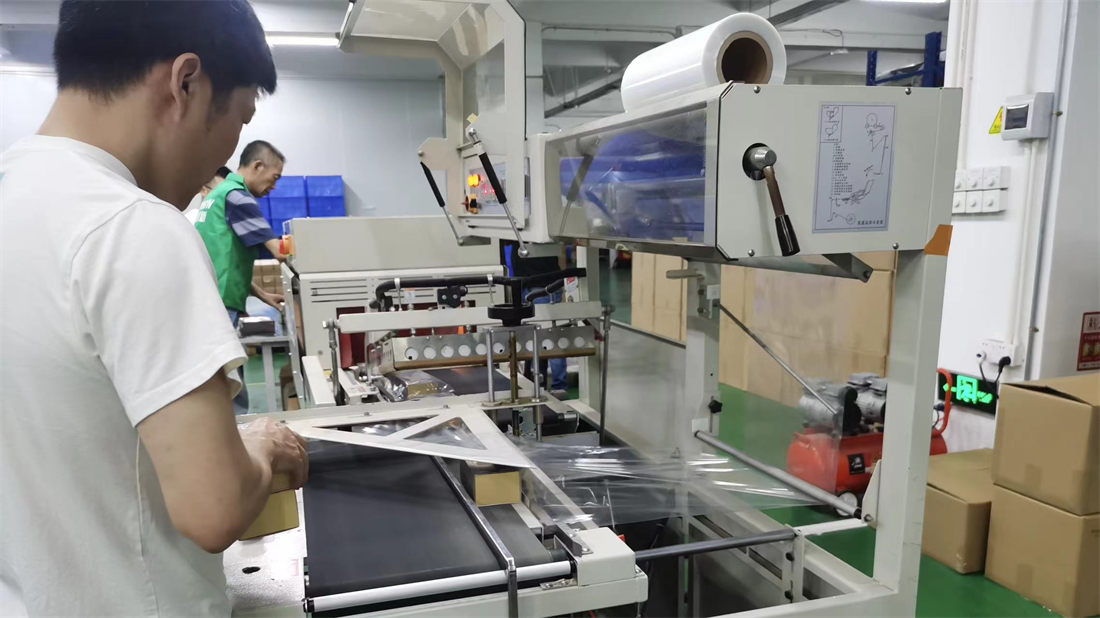
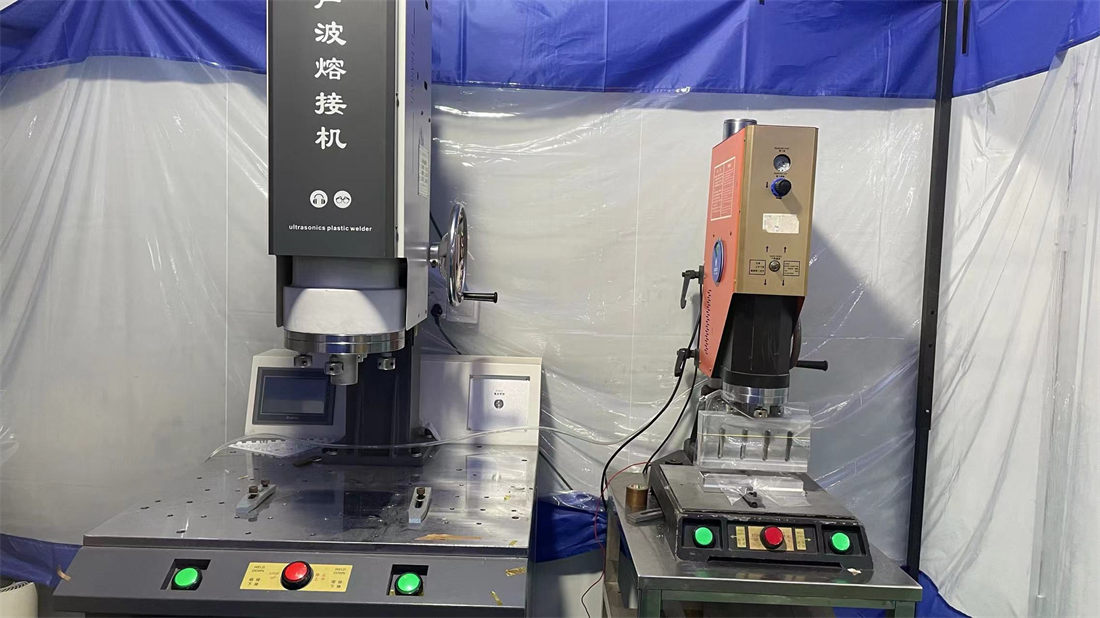
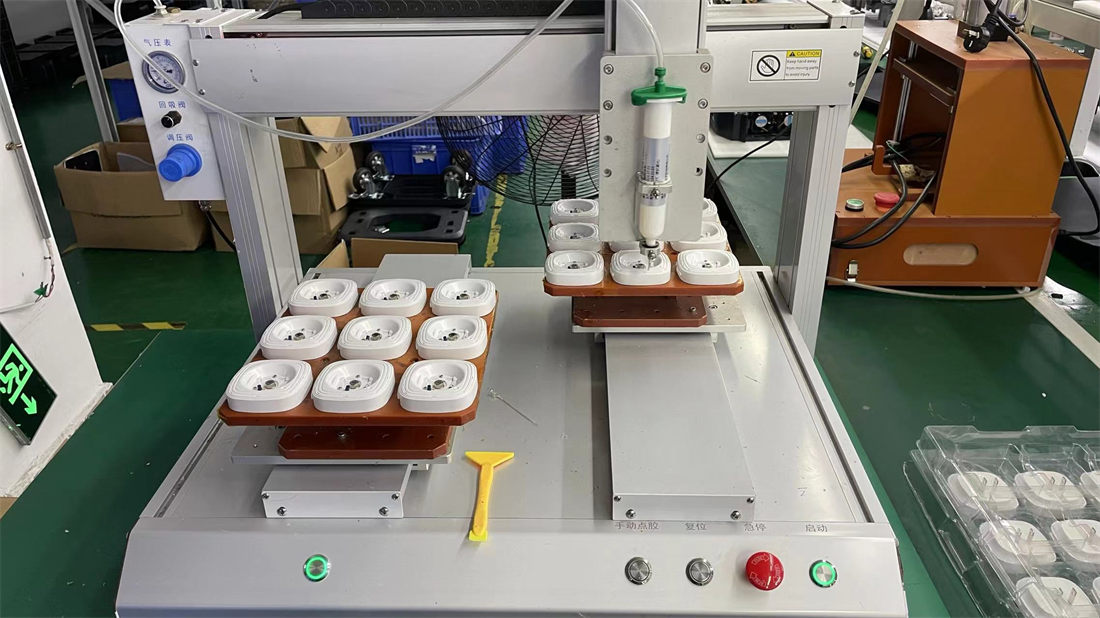
Demonstrate manufacturing reliability through high-definition video walkthroughs and photographic documentation of key quality control steps, including raw material chemical analysis and automated welding processes.
Coordinate SEO insights with outbound outreach. Use search data to identify which regional developers are looking for specific mounting systems, then deliver tailored technical whitepapers directly to their engineering teams.
Maintain a public, searchable database of certified compliance documents (TUV, CE, UL, RoHS, ISO9001). This helps buyers quickly verify product certifications during their due diligence process.
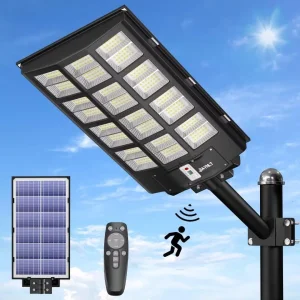
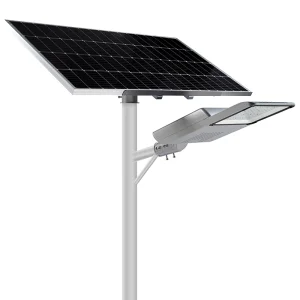
Highlight system-level integration. Show how smart municipal solar street lights and energy storage solutions connect with Energy Management Systems (EMS) and cloud-based monitoring platforms.
Detail your global logistics capabilities, container packing optimization methods, and support networks. Addressing shipping logistics early helps alleviate concerns about international transit times and costs.
The utility-scale and commercial & industrial (C&I) solar sectors require hardware that balance cost, durability, and performance. As land availability decreases, developers are turning to complex topographies—including mountainous regions, coastal zones with high salt-spray environments, and agricultural lands. These challenging installations require specialized engineering solutions, such as tracking racking structures, highly anti-corrosive alloy coatings, and flexible thin-film modules that conform to irregular surfaces.
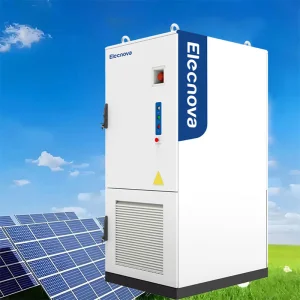
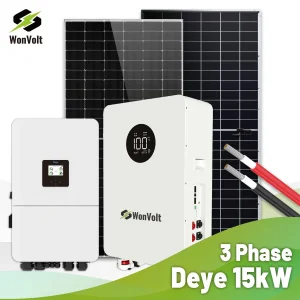
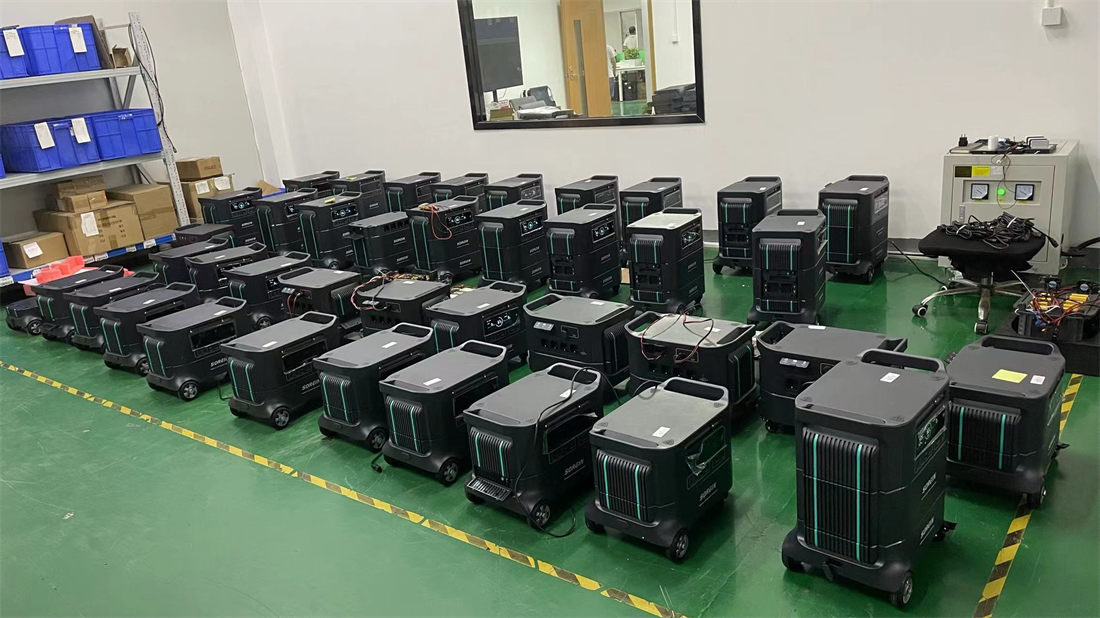
Furthermore, grid integration limits in many regions have made battery energy storage systems (BESS) a necessity. Project developers look for complete, pre-configured configurations that combine hybrid inverters, battery management systems (BMS), and active energy management software (EMS) to manage grid export limits, shave peak demand, and ensure site resilience. Manufacturers that provide these integrated systems help simplify procurement and design for engineering firms.
From a commercial perspective, supply chain transparency is increasingly important. Exporters must be able to document raw material origins, manufacturing processes, and compliance certifications. Proactively publishing this information helps buyers verify compliance and reduces project risk.
How emerging technological advancements are shaping product design, manufacturing processes, and global distribution.
Transitioning mounting structures from hot-dip galvanized steel to magnesium-aluminum-zinc (ZAM) coated steels. This change offers improved self-healing anti-corrosion properties in high-humidity and high-salinity locations, extending system service life while reducing overall structural weight.
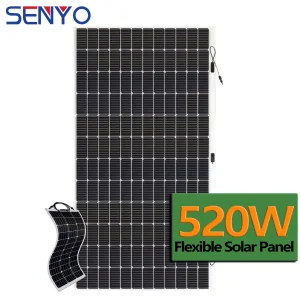
Increasing the availability of high-efficiency n-type TOPCon and Heterojunction (HJT) cells, along with lightweight, flexible, and waterproof thin-film PV modules. These materials are designed for easy integration into building facades and lightweight roofs that cannot support traditional glass panels.
Integrating artificial intelligence into Energy Management Systems to help commercial and industrial users predict generation patterns, optimize battery storage dispatch cycles, and participate in automated demand-response programs.
A professional manufacturer and supplier specializing in solar energy products, renewable energy solutions, and intelligent solar lighting systems.
Located in Shenzhen, China—a global hub for clean technology and manufacturing innovation—Shenzhen Soweglow Solar Co., Ltd. is committed to providing efficient, reliable, and cost-effective solar products designed to reduce carbon emissions. Our products serve clients across Europe, the Americas, Africa, Southeast Asia, and the Middle East.
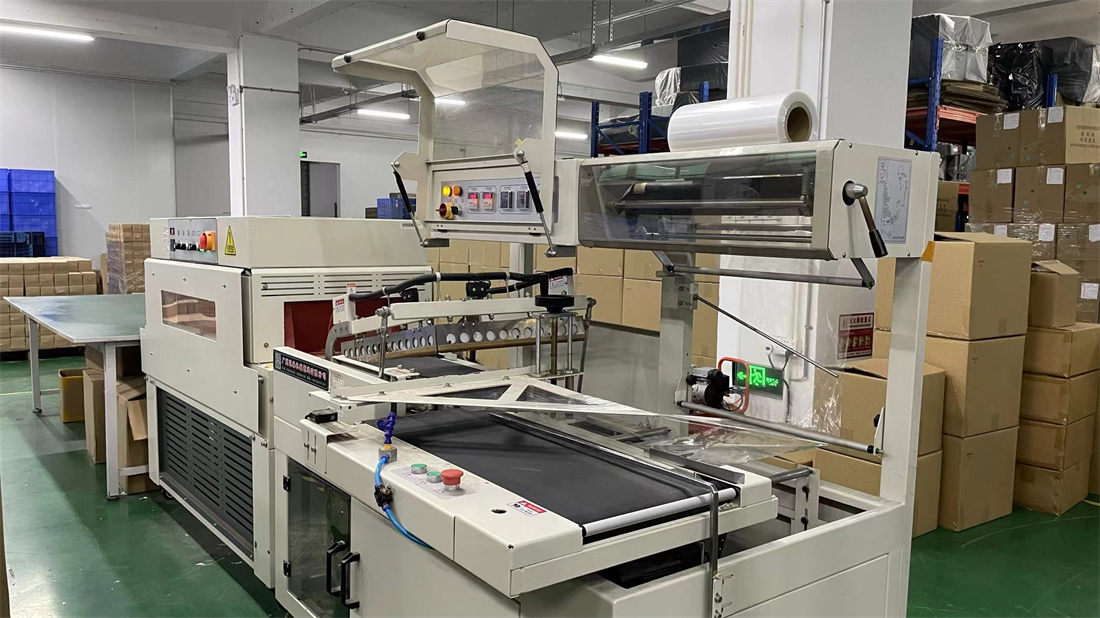
Quality control is central to our manufacturing process. We maintain strict testing standards from raw material arrival through assembly, aging, and final packaging. Our facilities utilize specialized manufacturing equipment to ensure structural reliability and long-term performance in the field.
Answers to common technical, logistics, and compliance questions from B2B buyers and project planners.
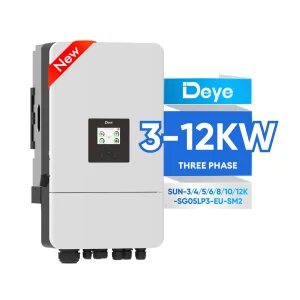
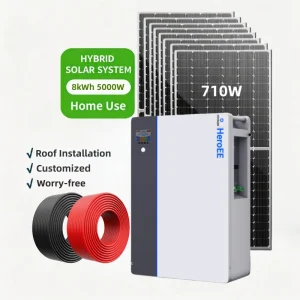
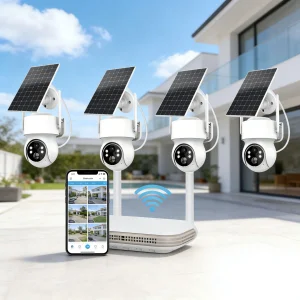
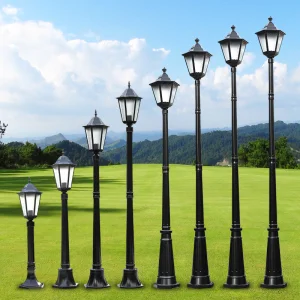
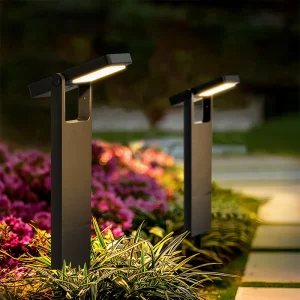
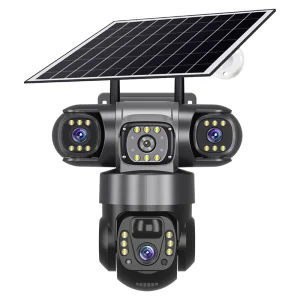
Off-grid systems, hybrid inverters, and high-performance solar lighting components designed for municipal and residential use.
 Soweglow Solar