Industry Whitepaper

Top 10 Solar Panel Installation Factory & Suppliers

A Comprehensive Engineering & Procurement Guide for Global Commercial and Utility-Scale Clean Energy Operations

Executive Report

Global Procurement Dynamics for Utility-Scale Solar Systems

As international markets drive toward grid parity and aggressive net-zero emissions mandates, the sourcing dynamics for Commercial & Industrial (C&I) and utility-scale solar implementations have shifted. Sourcing professionals are no longer looking simply for low cost-per-watt. Instead, long-term asset reliability, system compatibility, structural performance under extreme wind loads, and integrated intelligent controllers have become the benchmarks for top-tier procurement.

The modern solar panel installation factory serves as the epicentre of this technological integration. Selecting the right supplier requires evaluating not only their PV manufacturing capacity but also their integration expertise in energy storage systems (ESS), structural metallurgy, and low-voltage electrical components.

Key Insight: True project yield depends on the interaction between high-efficiency monocrystalline modules, rigid structural mountings, and highly efficient hybrid inverters. Any bottleneck in this system will significantly reduce the Levelized Cost of Energy (LCOE).

Operational Risk Mitigation

Procurement teams must demand complete traceability of structural steel and silicon wafers to mitigate supply chain compliance risks.

Engineering Integrity

Selecting wind-tunnel tested mounting systems, such as double-column brackets, ensures a system lifespan of 25+ years without failure.

Efficiency Milestones

Integrating modern hybrid or energy storage inverters featuring conversion efficiencies above 98.5% protects against transmission losses.

22.0%
Max Module Efficiency
98.6%
Inverter Efficiency
25Y+
Structural Lifespan
IP67
Ingress Protection
System Integration

Macro Industry Solutions: Balancing Grid Code & Physical Security

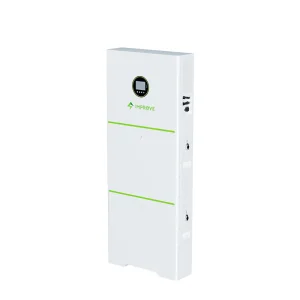
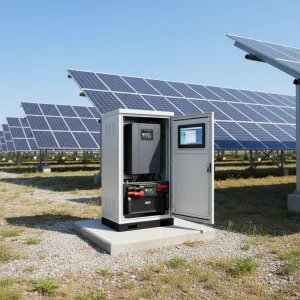
Large-scale distributed energy resources (DER) face two main challenges: grid code compliance and remote site security. To address grid integration, power conversion systems must deliver robust reactive power control, wide operating voltage windows, and rapid response to grid fluctuations. The implementation of high-capacity storage solutions (e.g., 150KW / 400V setups or 10kWh stackable LiFePO4 home systems) allows businesses to manage peak energy loads and transition to off-grid operations when necessary.

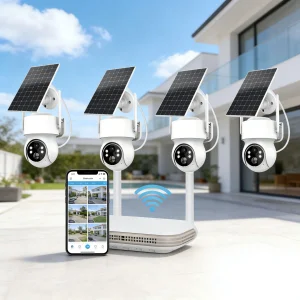
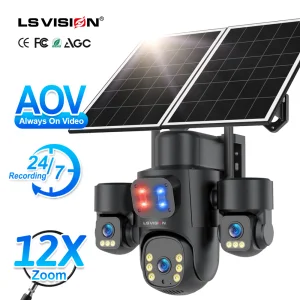
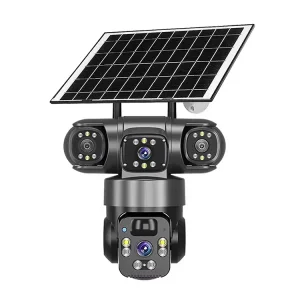
Additionally, remote solar installations are often located in isolated environments with limited security infrastructure. Integrating 4G wireless PTZ surveillance systems powered directly by independent, high-efficiency solar panels provides 24/7 site security. These advanced AI-driven visual surveillance systems monitor the physical perimeter and allow operators to track environmental hazards, dust accumulation on panels, and thermal stress events.

Macro Implementation Topology

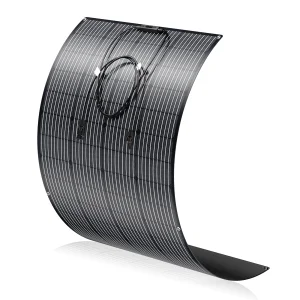
  • Generation Layer: High-efficiency monocrystalline modules coupled with custom flexible ETFE panels for dynamic structures.
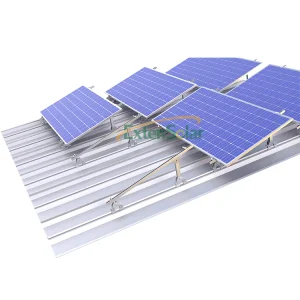
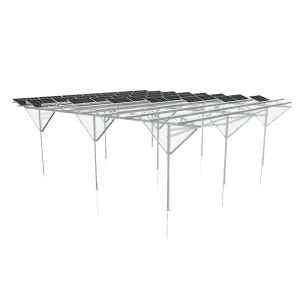
  • Support Layer: Hot-dip galvanized pre-assembled double-column mounting frames ensuring static stability.
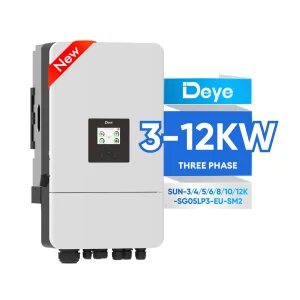
  • Conversion Layer: Three-phase hybrid smart inverters with multi-MPPT tracking to optimize energy harvesting.
  • Storage Layer: Modular stackable lithium iron phosphate (LiFePO4) storage batteries with advanced BMS monitoring.
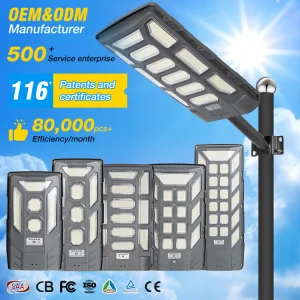
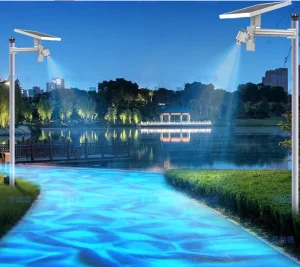
  • Auxiliary Layer: Integrated solar-powered smart street lights and independent 4G AI PTZ CCTV security loops.
Manufacturer Profile

Shenzhen Soweglow Solar Co., Ltd.

Shenzhen Soweglow Solar Co., Ltd. is an established manufacturer and supplier specializing in solar energy products, renewable energy solutions, and intelligent solar lighting systems. Located in Shenzhen, China—a global hub of technological innovation—we provide high-efficiency products and customized clean energy systems to developers, EPC contractors, and distributors worldwide.

Driven by the mission to accelerate the transition to sustainable energy, Soweglow Solar delivers robust, cost-effective PV designs that help organizations reduce carbon footprints and optimize operational expenditures. Our international operations span Europe, North America, South America, Africa, Southeast Asia, and the Middle East, supported by rigid quality assurance protocols.
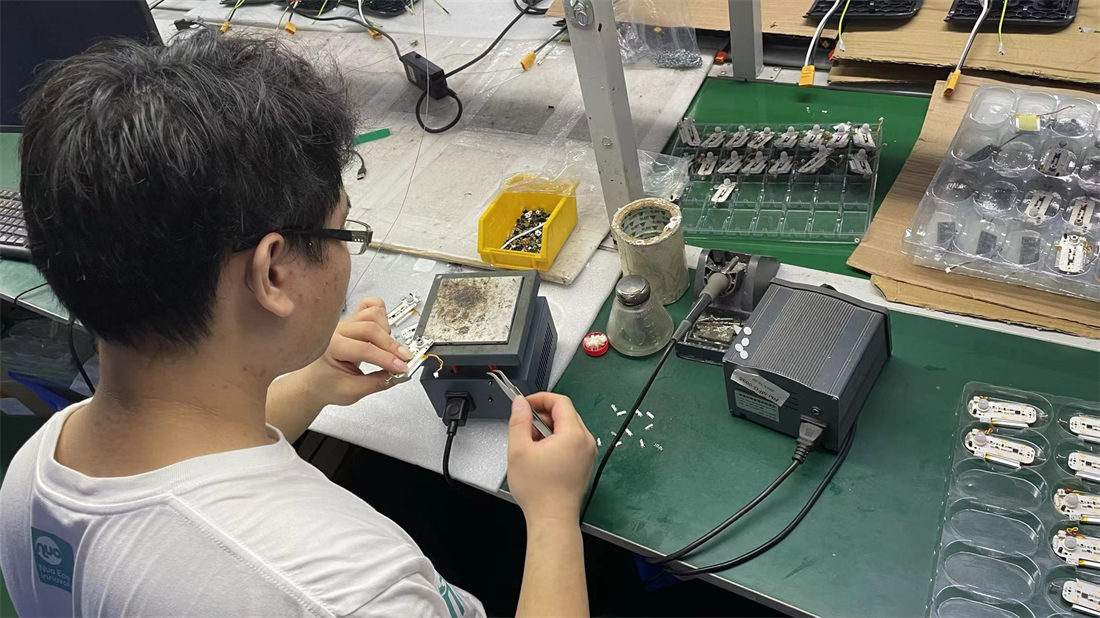
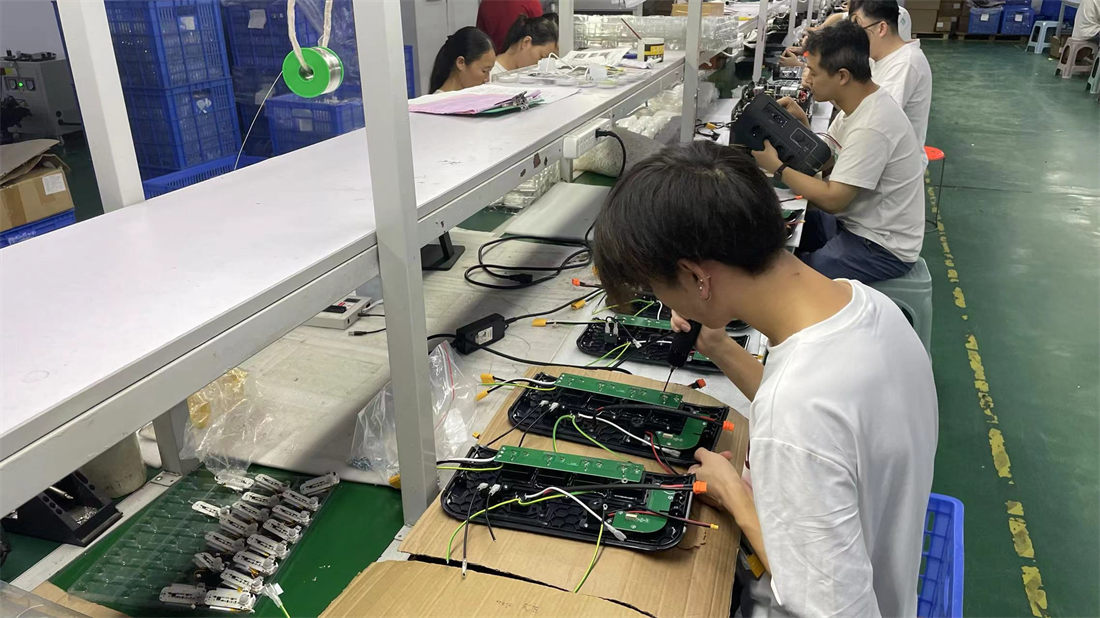
Our Advanced Manufacturing and Testing Operations

Welding Process at Soweglow Solar Factory
Welding
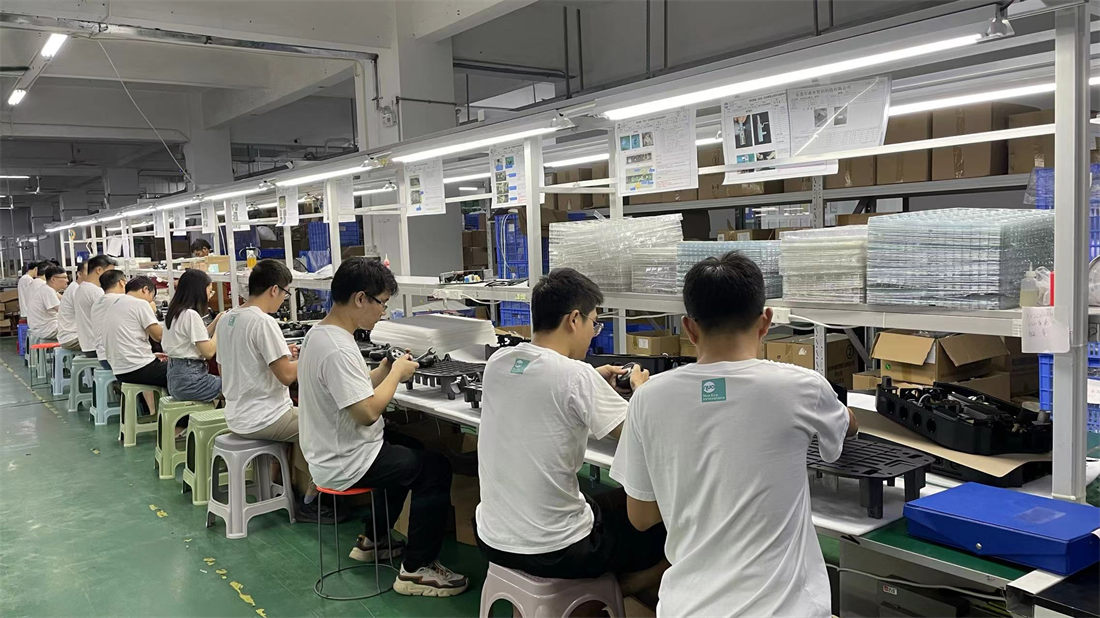
Assembling Line 1 at Soweglow Solar Factory
Assembling 1
Assembling Line 2 at Soweglow Solar Factory
Assembling 2
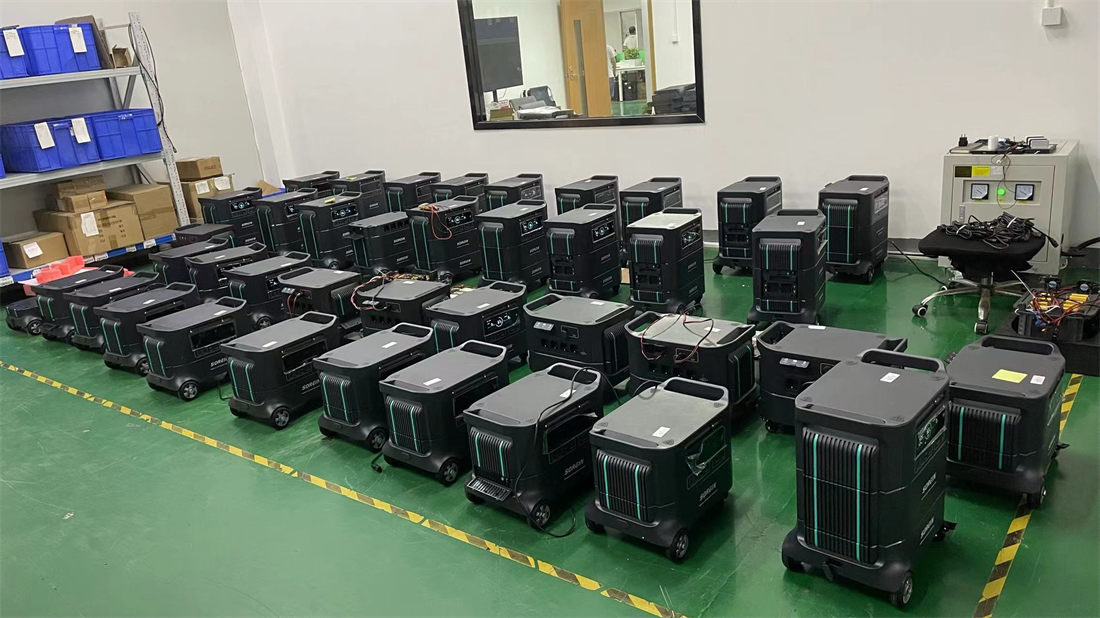
Aging Testing Area for Solar Products
Aging Testing
QC Inspection Process at Soweglow Factory
Inspection
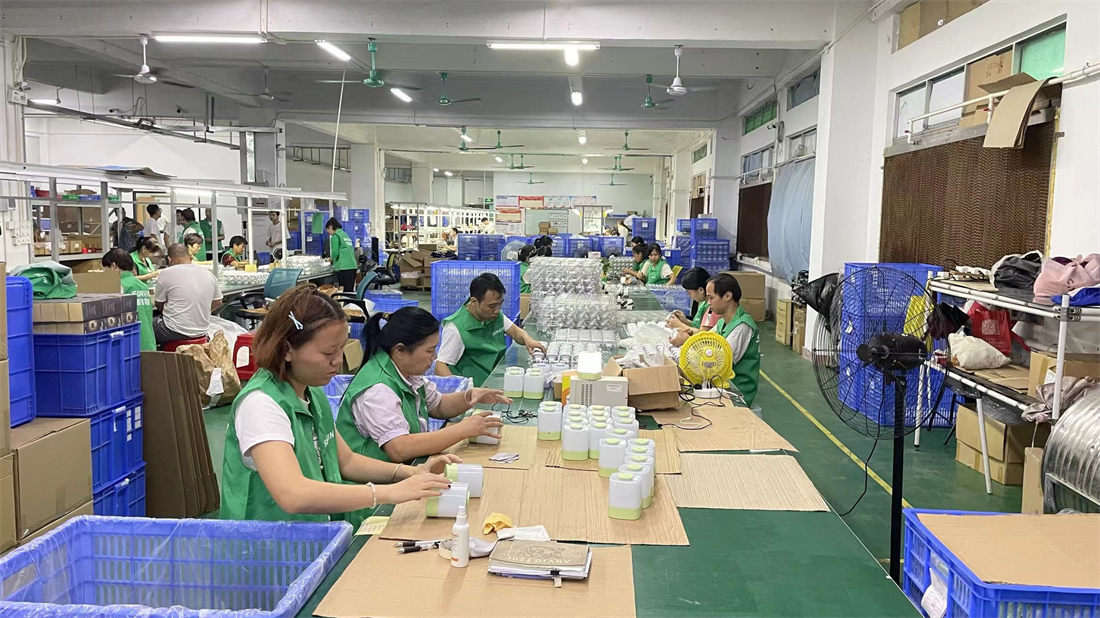
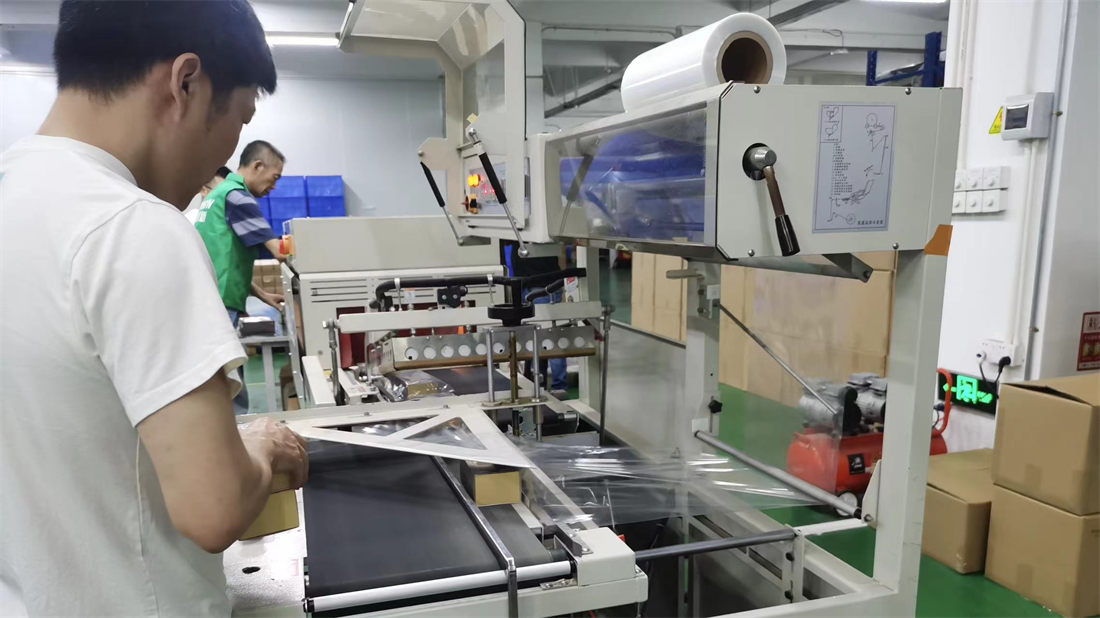
Packaging Operations at Soweglow Solar
Packaging
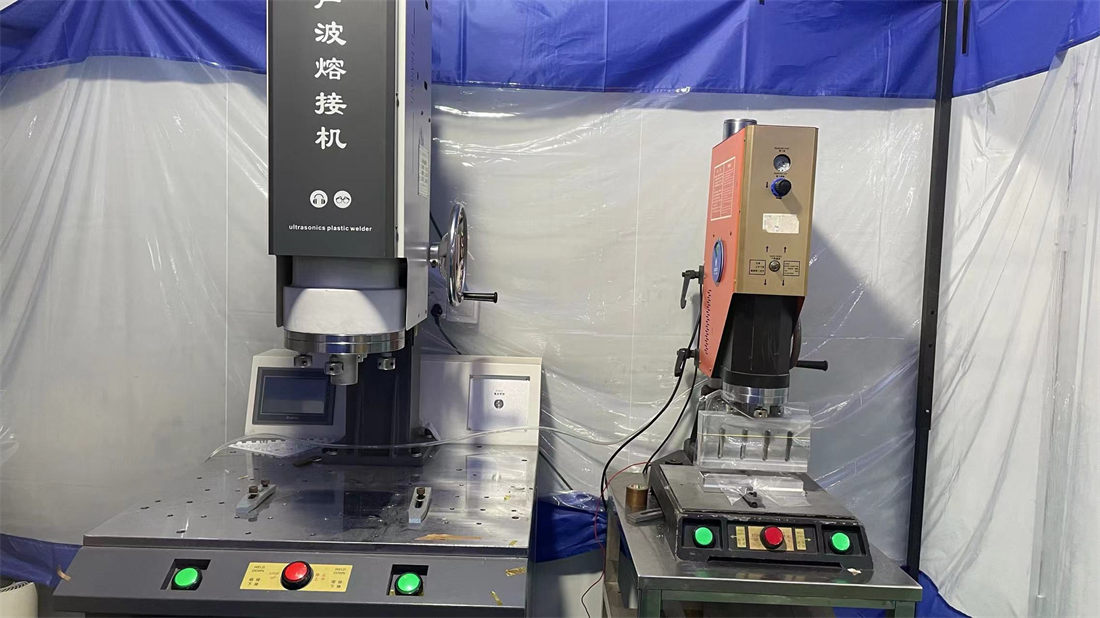
Ultrasonic Welding Machine
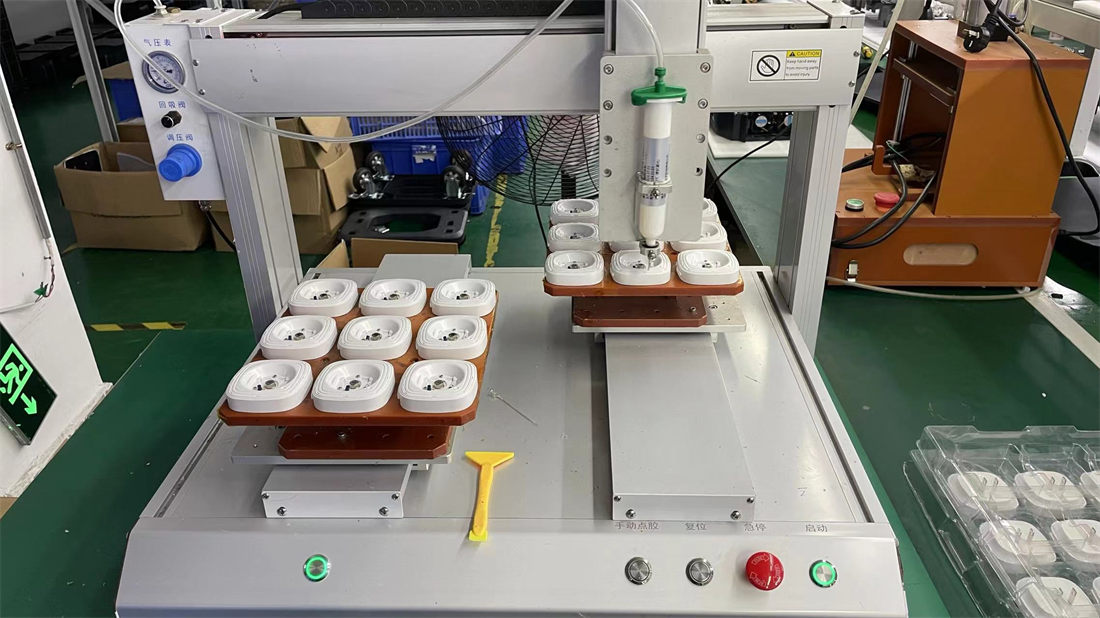
Automatic Glue Dispensing Machine
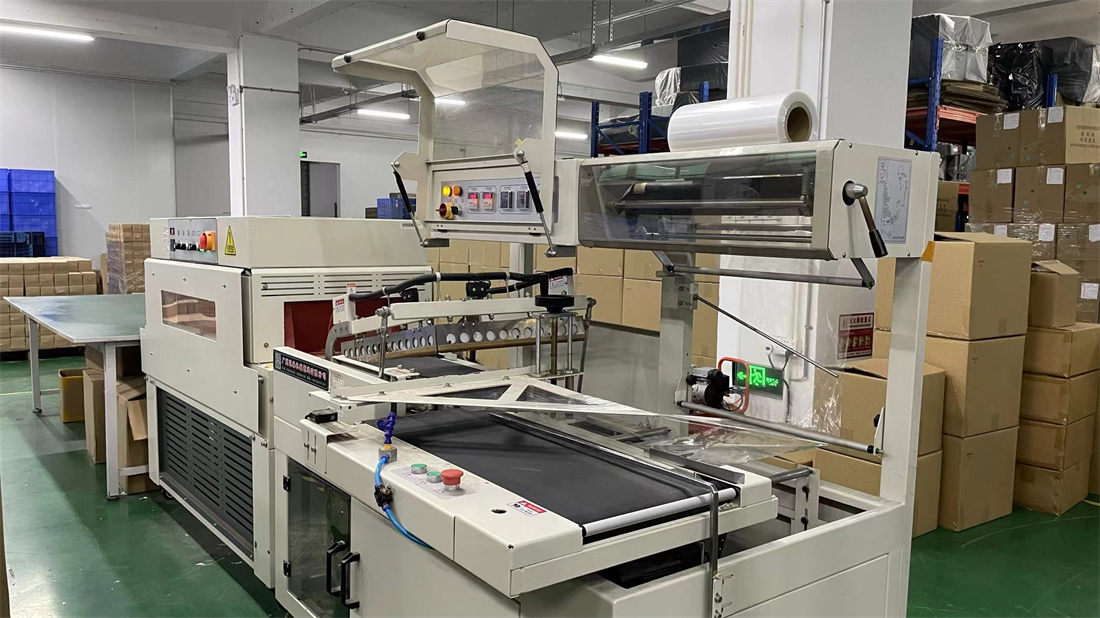
Automatic Film Shrinking Machine
Quality Control

Strict Production Protocols & Aging Tests

Reliability in solar engineering requires strict production monitoring. From structural steel welding to micro-dispensing sealant on sensitive LED street light covers, every step represents a potential point of failure. At Soweglow Solar Co., Ltd., raw materials undergo testing to verify alloy purity, electrical conductivity, and structural integrity.

Our facility utilizes specialized machinery to ensure consistency. Ultrasonic welding secures stable electrical contacts, while automated glue dispensers seal IP65 and IP67 weather-exposed casings. Finally, every batch of inverters, battery components, and intelligent luminaires undergoes active aging tests. These tests simulate years of field stress to identify and isolate potential components before they leave the factory floor.

Operational Quality Benchmarks

  • IEC Compliant Testing: Comprehensive thermal cycling and damp-heat tests on outdoor enclosures.
  • Automated Precision: CNC-guided glue dispensing prevents human error in environmental sealing.
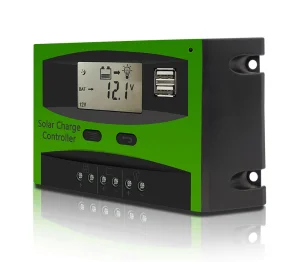
  • In-Circuit Testing (ICT): Complete electrical diagnostic checks on all PCBA components for inverters and chargers.
  • Aging Validation: 100% full-load burn-in testing on smart controllers and solar driver circuits.
Strategic Roadmap

Technical Roadmap & Future Outlook

The renewable energy landscape is transitioning from passive harvesting to intelligent integration. Below is our development roadmap for the next generation of PV installations.

Phase 1: High-Density N-Type Cell Transition

Transitioning standard monocrystalline modules to N-type TOPCon and HJT cell architectures, pushing commercial solar conversion efficiencies beyond 24.5% to reduce spatial requirements.

Phase 2: Solid-State Battery Integration

Integrating solid-state electrolyte battery cells with home and commercial ESS setups to improve thermal stability, cycling lifetime, and safety Profiles.

Phase 3: AI-Driven Energy Orchestration

Deploying smart firmware on hybrid inverters that uses machine learning to forecast weather patterns, manage grid pricing dynamics, and optimize battery charge cycles.

Localization & Compliance

Global Grid Compliance & Structural Standards

Deploying infrastructure-level solar projects requires strict compliance with regional safety codes, grid connection policies, and environmental standards. PV components must align with national grid policies—such as UL 1741 in North America, CE and EN standards in Europe, and G99 in the United Kingdom.

Additionally, solar structures must meet wind load and seismic load standards. Our mounting brackets and double-column support systems are designed to comply with AS/NZS 1170 and Eurocode 1 structural standards, enabling them to withstand extreme wind velocities up to 60m/s.

Compliance Checklist

  • Electrical Safety: Inverters and charge controllers certified under CE, RoHS, and TUV standards.
  • Structural Rigidity: Dynamic wind tunnel testing and structural validation for tin roof and ground mounts.
  • Ingress Protection: Strict IP65, IP66, and IP67 certifications for all outdoor-facing cameras, streetlights, and enclosures.
  • Battery Safety: LiFePO4 modules compliance under UN38.3 and MSDS for international transport and installation.
Technical FAQ

Answers to Critical B2B Solar Sourcing Questions

Key technical and commercial insights for engineering, procurement, and construction (EPC) professionals.
What are the main parameters that determine the performance of a solar mounting system?
The mechanical reliability of a mounting system (such as the Pre-assembled Double-column Solar Mounting System) depends on alloy selection (typically anodized aluminum AL6005-T5 and hot-dip galvanized steel Q235B), structural wind load engineering, and structural calculations matching local codes. System pre-assembly reduces on-site labor and minimizes installation errors.
Why is inverter efficiency critical for commercial solar investments?
High-efficiency inverters (like our 150KW Energy Storage Inverter with 98.6% conversion efficiency) minimize energy losses during DC-to-AC conversion. For large-scale C&I projects, even a 1% increase in conversion efficiency can yield significant savings over a 20-year project lifespan, improving the overall project ROI.
What advantages do ETFE flexible solar panels offer over traditional rigid glass panels?
ETFE (Ethylene Tetrafluoroethylene) flexible panels are lightweight and suitable for curved surfaces or structures with limited load-bearing capacity. The ETFE film is highly UV-resistant and self-cleaning, maintaining high light transmission over a 25-year lifespan. This makes them a durable choice for balconies, RVs, and marine installations.
How does the LiFePO4 battery pack interface with high-capacity hybrid inverters?
Modern home and C&I energy storage solutions utilize modular LiFePO4 batteries managed by an active Battery Management System (BMS). The BMS communicates via CAN/RS485 protocols with hybrid inverters to control charging currents, manage depth of discharge (DoD), and monitor cell health, protecting the system from overcharge or thermal issues.
What are the key manufacturing steps that ensure the reliability of outdoor solar street lights?
Reliability in harsh outdoor environments depends on robust sealing. During production, automated glue dispensing machines apply uniform sealants to prevent moisture ingress, while ultrasonic welding machines secure durable electrical connections. Following assembly, products undergo aging tests under thermal stress to verify performance.