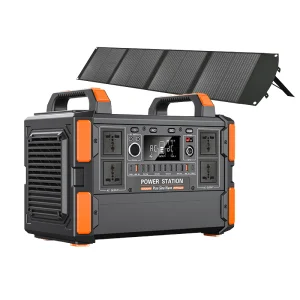
Premium energy generation, smart metering, and energy storage units deployed globally for robust microgrid network infrastructures.
A comprehensive analysis of distributed energy resources (DER), grid parity, and manufacturing innovations driving global microgrid installations.
Modern electrical infrastructure is undergoing a fundamental structural transition. Historically, centralized power grids powered the global economy, but this model is increasingly challenged by system inefficiencies, transmission losses, high maintenance costs, and vulnerability to severe weather events. To mitigate these weaknesses, engineers are deploying intelligent microgrid systems. These self-contained networks generate, store, and manage power locally. By integrating renewable energy sources—such as photovoltaic arrays, wind turbines, and advanced Battery Energy Storage Systems (BESS)—with dynamic energy management controls, modern microgrids serve as highly stable power networks capable of operating either in harmony with the utility grid or autonomously in islanded mode.
As the epicenter of the global solar and battery manufacturing supply chain, China leads the way in developing these advanced microgrid solutions. Shenzhen, a globally recognized center for electronics innovation, provides the ideal ecosystem for developing state-of-the-art power electronics, high-density LFP storage chemistries, and automated control devices. Modern Chinese microgrid exporters like Shenzhen Soweglow Solar Co., Ltd. leverage this technology base to supply integrated, high-reliability components that meet strict global utility standards. As industries worldwide transition toward decentralized energy architectures, understanding these technology structures is essential for successful system planning, engineering, and procurement.
Analyzing key commercial, industrial, and regulatory drivers that shape utility-grade and decentralized microgrid sourcing decisions.
Extreme weather and aging grids drive commercial facilities to source reliable off-grid and hybrid backup power configurations. Modern microgrids isolate seamlessly during blackouts, ensuring uninterrupted operations for factories, data centers, and hospitals.
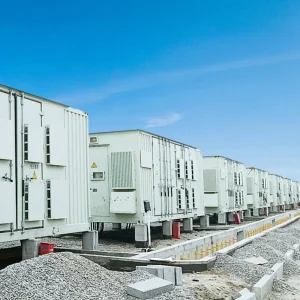
Utilizing high-capacity storage like Soweglow's containerized BESS allows facilities to store energy when rates are low and discharge during high-demand peaks. This peak-shaving capability reduces demand charges and optimizes long-term operational costs.
Strict regional and global regulations, including IEEE 1547 standards and European green mandates, require commercial entities to lower carbon emissions. Integrated solar-plus-storage microgrids provide verifiable paths to meet ESG targets.
A technical overview of core hardware systems and clean energy components driving distributed networks.
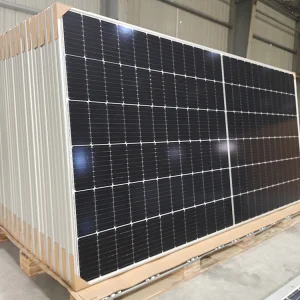
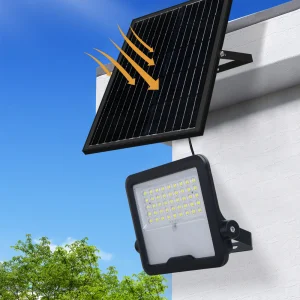
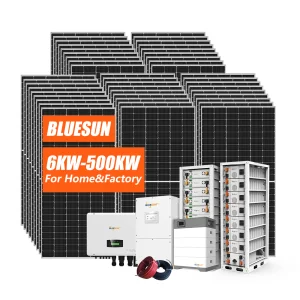
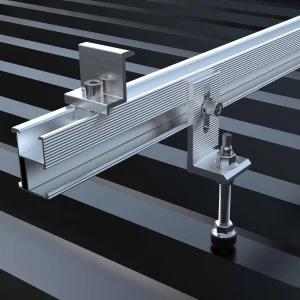
Implementing a high-performance microgrid requires key functional hardware components to work together seamlessly. At the core is the Power Generation Subsystem, which utilizes advanced photovoltaic panels to convert solar energy into usable electricity. High-efficiency modules, such as those from Longi, Trina, or Jinko, capture solar energy with up to 21%+ efficiency. These arrays are paired with professional mounting systems designed to withstand strong winds and heavy snow loads, securing the foundation of clean energy generation.
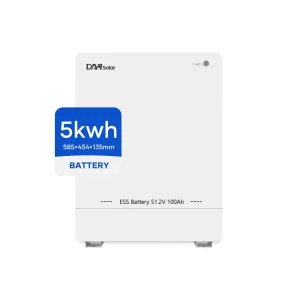
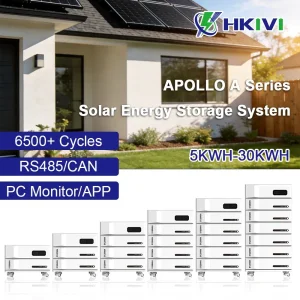
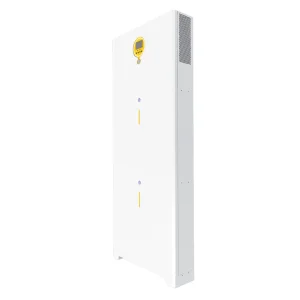
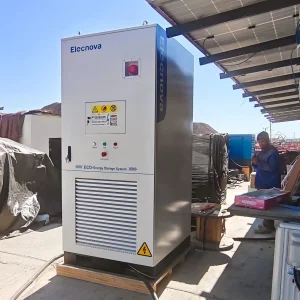
Because solar generation is variable, the Energy Storage Subsystem (ESS) is vital for maintaining balance. Containerized BESS solutions (available in 1MWh, 2MWh, and 3MWh configurations) use safe, long-life Lithium Iron Phosphate (LiFePO4) chemistry. These battery containers feature integrated liquid-cooling or forced-air cooling, built-in HVAC systems, and aerosol fire suppression systems. They are managed by multi-tier Battery Management Systems (BMS) that monitor cell temperatures, state of charge (SoC), and state of health (SoH), ensuring reliable, long-term performance.
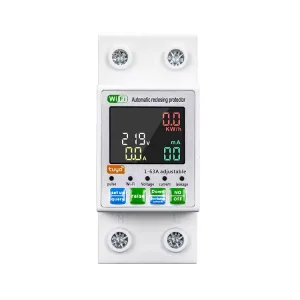
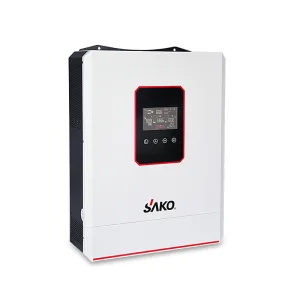
Finally, the Power Conversion and Flow Control Subsystem routes energy between generation, storage, and loads. Pure sine wave hybrid solar inverters (ranging from 10kW home units to 1MW commercial systems) manage bidirectional power flow, switching between grid-tied and islanded modes in milliseconds. Smart switchboards and IoT-enabled circuit breakers track power usage in real time, transmitting energy data to local SCADA systems or cloud-based portals for automated energy management.
A reliable supplier and manufacturer of customizable solar systems and energy storage hardware based in Shenzhen, China.
Located in Shenzhen, a leading global technology and innovation hub, Shenzhen Soweglow Solar Co., Ltd. is a specialized manufacturer and exporter of solar energy products, renewable energy solutions, and intelligent solar lighting. Guided by our mission to promote clean energy and sustainable development, we design and deliver cost-effective, high-efficiency systems that help clients reduce energy consumption and lower carbon emissions. Through continuous innovation, strict quality control, and customer-focused service, we build long-term partnerships across Europe, North America, South America, Africa, Southeast Asia, and the Middle East.
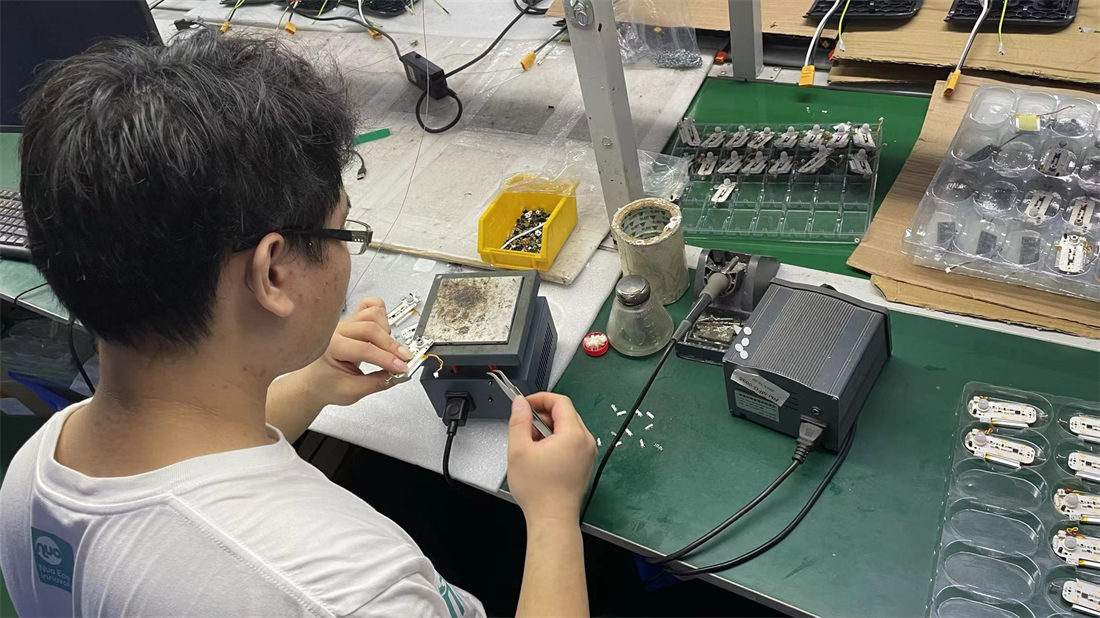
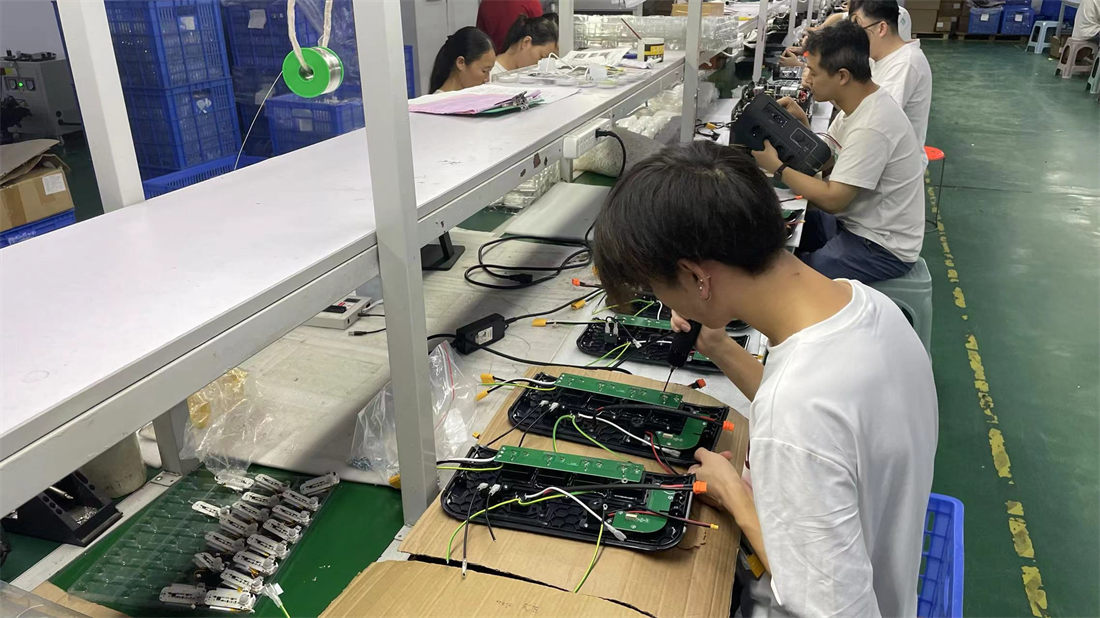
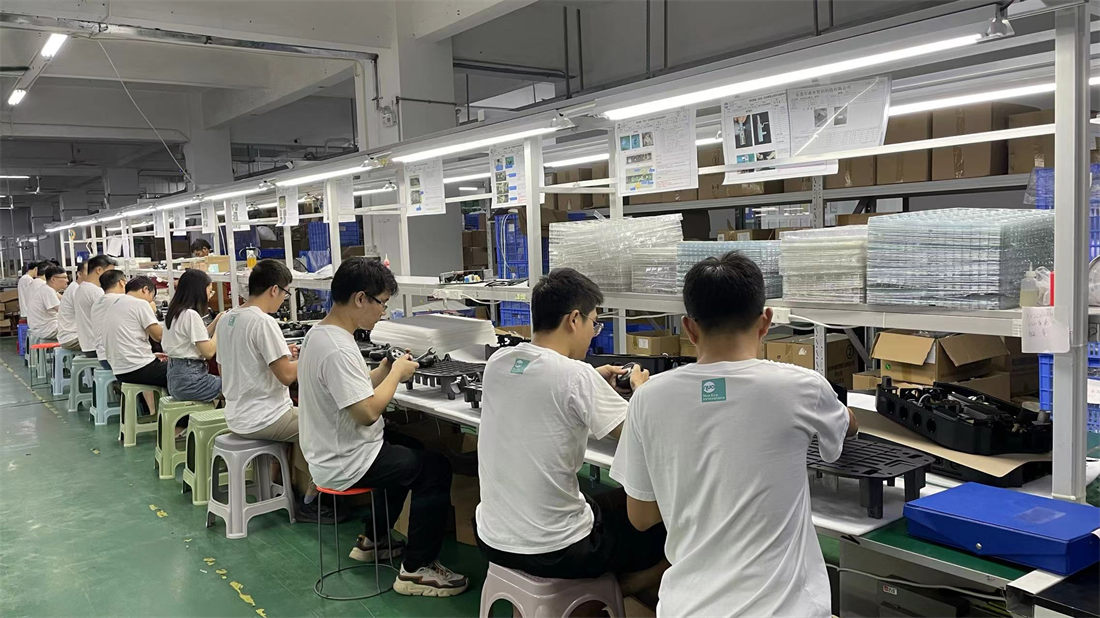
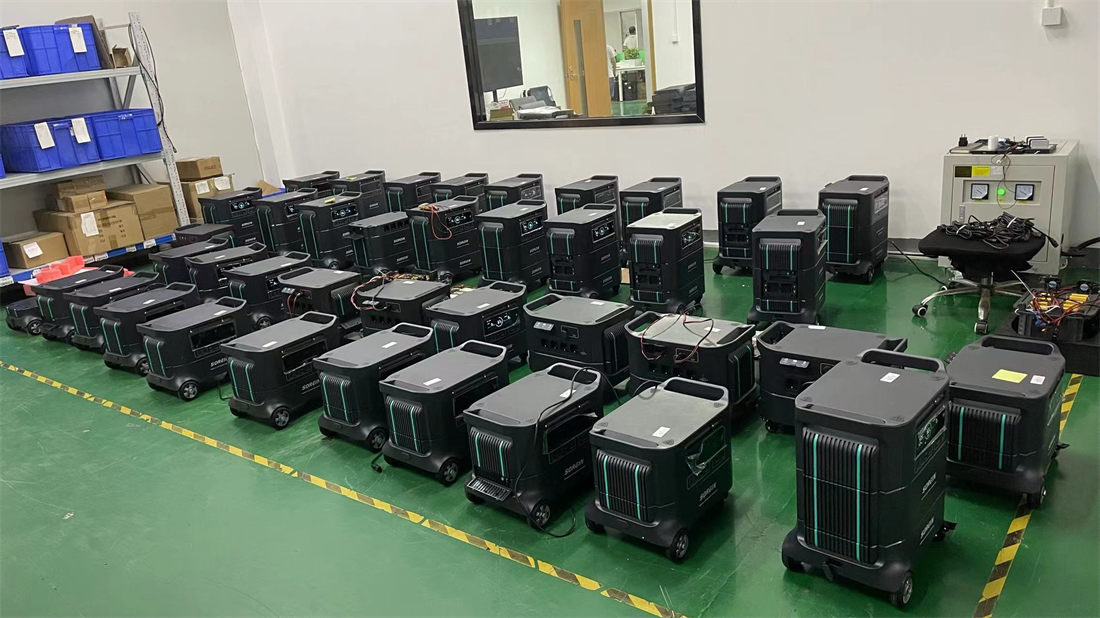
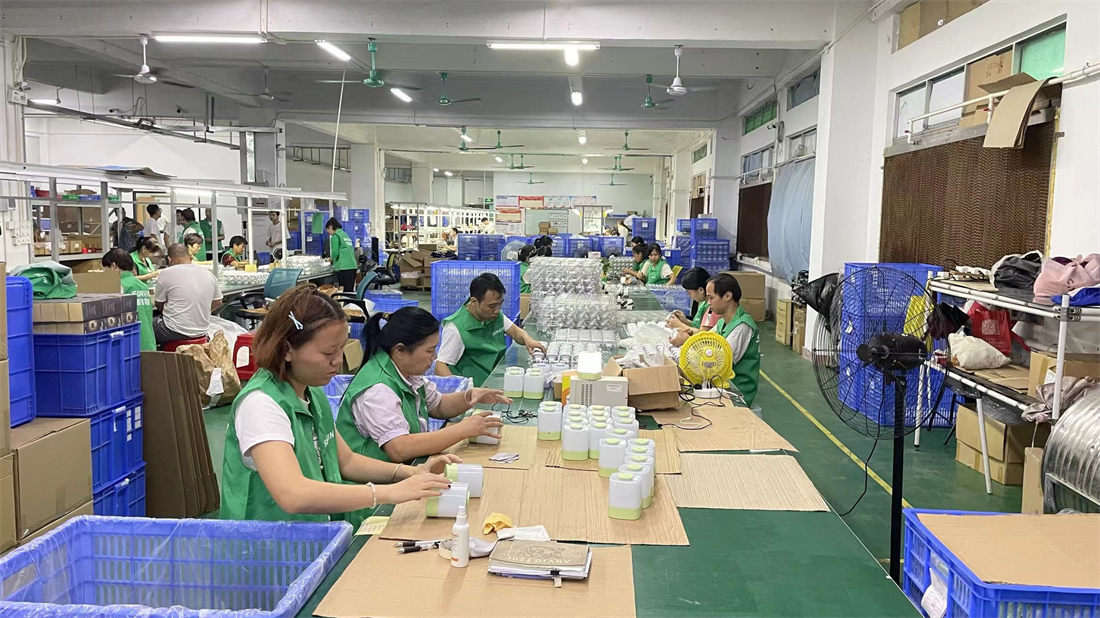
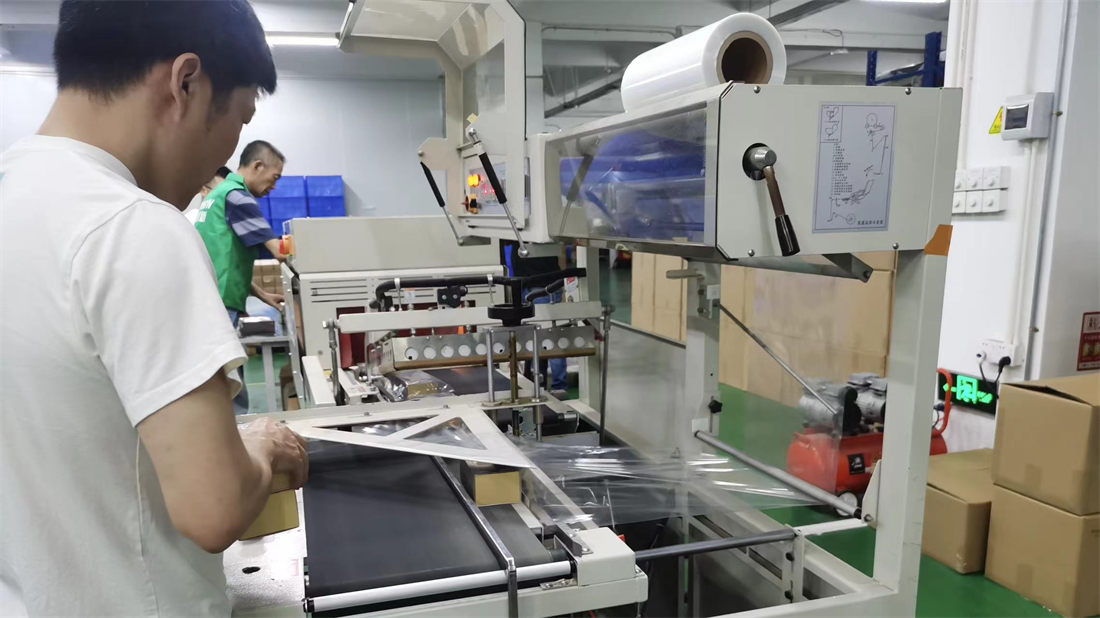
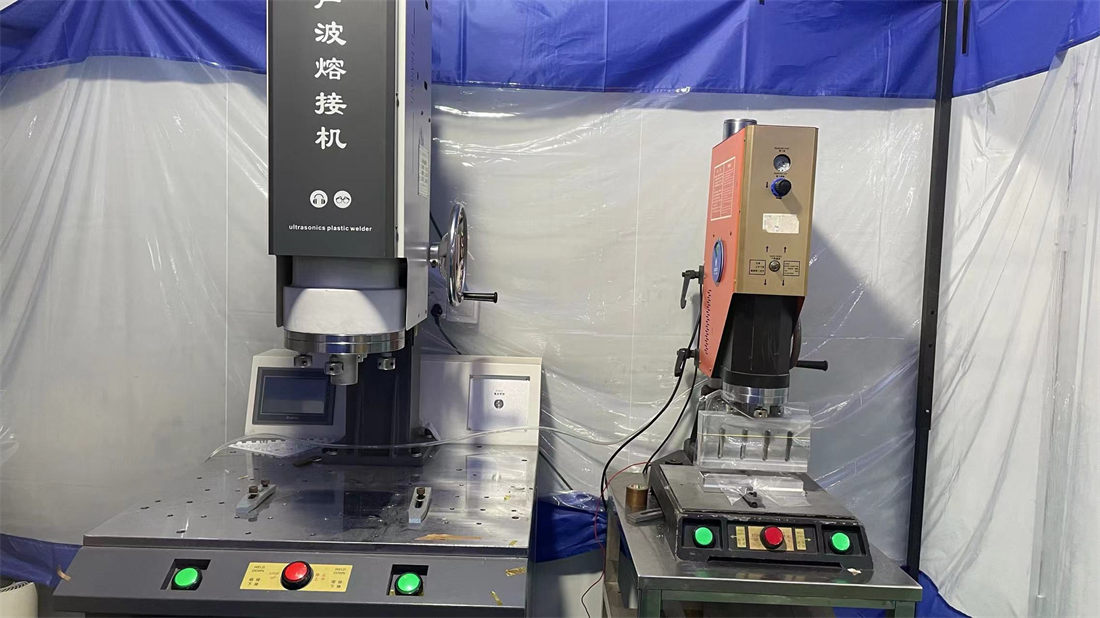
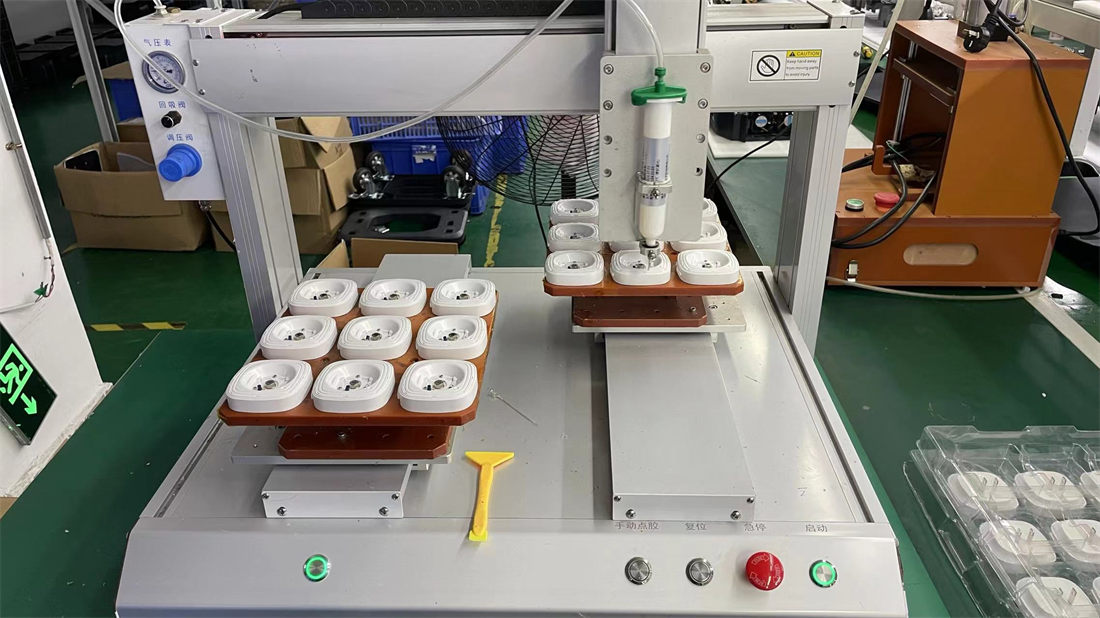
Our experienced team provides comprehensive expertise in solar lighting, PV systems, energy storage solutions, project management, and international trade compliance. We invest in research and development to ensure our products meet changing market demands and top international quality standards. Quality is the foundation of our business. Every product undergoes strict quality checks at every stage, from material selection to final assembly and shipping. Our production facilities operate under strict quality management systems to ensure long-term product reliability and safety.
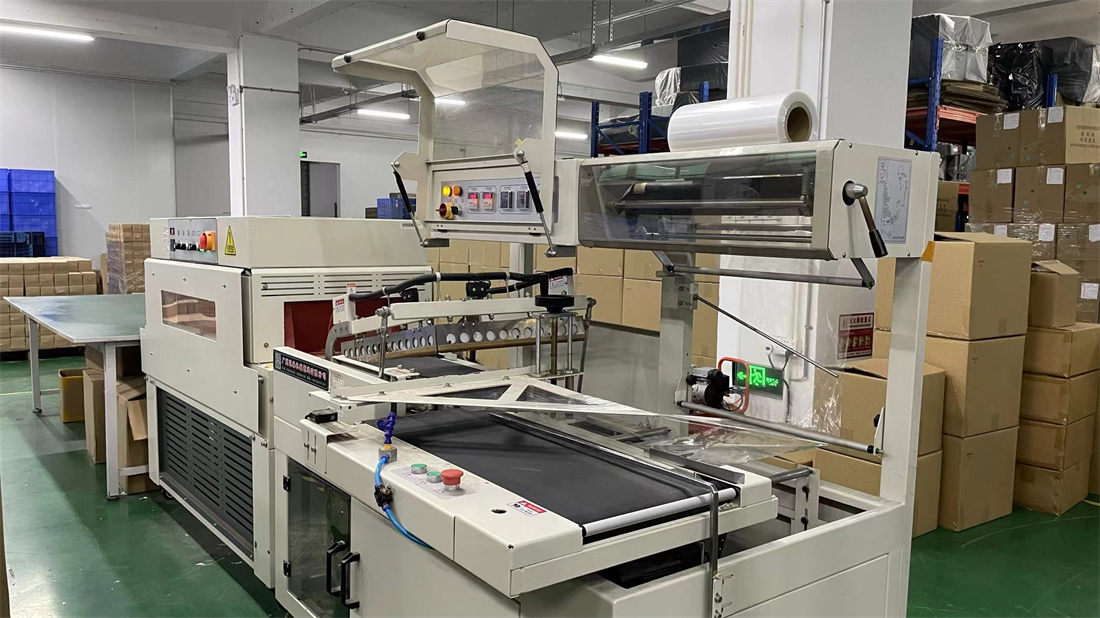
A look inside our state-of-the-art Shenzhen facility, highlighting our systematic quality assurance workflow.
Exploring next-generation technologies: solid-state storage, AI-driven energy management, and smart grids.
The microgrid industry is developing rapidly, driven by three key technological shifts: solid-state storage, smart energy management, and wider integration with electric vehicle systems. Solid-state battery options are expected to emerge alongside traditional liquid-electrolyte lithium cells in the coming years. Solid-state technology promises higher energy density and improved safety, reducing the physical footprint of containerized battery systems by up to 40% while maintaining the same storage capacity.
At the same time, software controls are transitioning from traditional rule-based programming to adaptive, real-time energy management systems (EMS). Modern controllers analyze local weather forecasts, grid pricing, and facility consumption patterns to optimize energy storage and release. These smart controllers help facilities lower peak demand fees and sell excess energy back to the utility grid when rates are highest, turning energy storage from a backup system into an active asset.
Finally, microgrids are increasingly integrating with electric vehicles (EV) through Vehicle-to-Grid (V2G) and Vehicle-to-Building (V2B) technologies. Bidirectional EV charging ports allow vehicle fleets to serve as mobile energy storage units. During periods of peak demand, connected vehicles can discharge power back into the local microgrid, helping stabilize the facility's power supply and reducing overall grid reliance. Soweglow is aligned with these developments, engineering flexible power conversion systems that adapt to these shifting utility standards.
Expert insights addressing key technical, compliance, and deployment questions from international buyers.
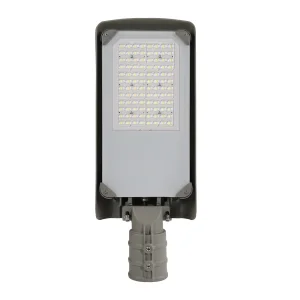
Explore our complete range of outdoor street lights, solar panels, and high-capacity storage containers.
 Soweglow Solar