Premium engineering designed for residential, commercial, industrial, and agricultural micro-grid architectures.
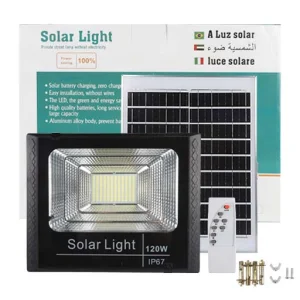
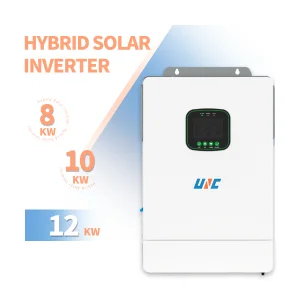
Understanding the critical strategic factors, cost reduction paths, and quality safeguards for commercial and industrial energy portfolios.
As the international community accelerates the transition toward carbon neutrality under strict net-zero mandates, global corporations, EPC contractors, and municipal utilities are shifting their focus to large-scale, high-efficiency solar energy deployments. Sourcing solar electric systems from manufacturing hubs in China requires a comprehensive framework that goes beyond simple price comparison. Procurement executives evaluate total cost of ownership (TCO), levelized cost of energy (LCOE), thermal dissipation indices, and long-term mechanical reliability. A robust PV supply chain is critical to offset rising grid tariffs and meet environmental ESG metrics.
Verifying advanced testing procedures such as EL (Electroluminescence) tests, mechanical load simulations, and salt mist corrosion resistances to guarantee 25+ years of continuous service in harsh environments.
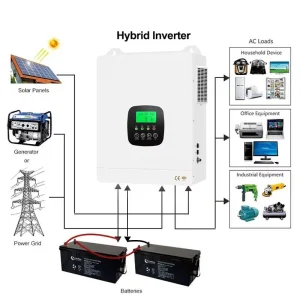
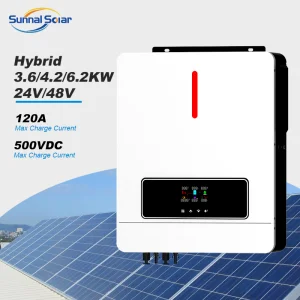
Ensuring hybrid and off-grid low-frequency and high-frequency inverters properly interface with dual-voltage, split-phase configurations, smart battery management units (BMS), and anti-reflux mechanisms.
Navigating customs regulations, international standards compliance (CE, RoHS, IEC, UL), and custom engineering configurations like variable frequency drives (VFD) for large-scale agricultural water management.
Architectural blueprints delivering zero-emission power grids for remote installations, heavy industries, and smart municipal networks.
Microgrids represent the frontier of decentralized energy networks. By combining high-output monocrystalline arrays with heavy-duty smart hybrid inverters (ranging from 10kW split-phase residential systems to megawatt-scale industrial units), commercial developments achieve partial or full energy independence. These installations protect factories from unexpected power blackouts, reduce peak demand penalties, and allow companies to feed clean energy back into municipal grids using Anti-Reflux CT monitoring systems.
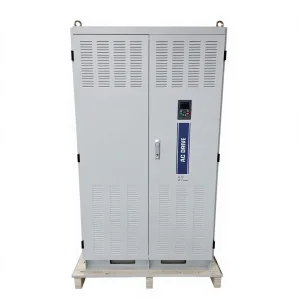
In arid or remote agricultural regions where grid expansion is cost-prohibitive, water pump systems require constant, robust electrical inputs. Standard PV systems struggle with the high inductive starting currents of large pump motors. To solve this, specialized 1000kW frequency converters and variable frequency drives (VFD) are deployed, taking direct high-voltage DC input from solar arrays and converting it to stable AC output. This eliminates the need for expensive battery banks while maintaining efficient, continuous irrigation.
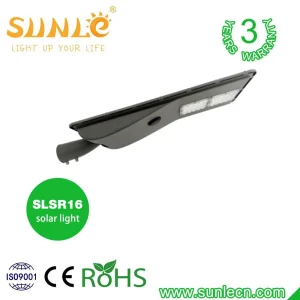
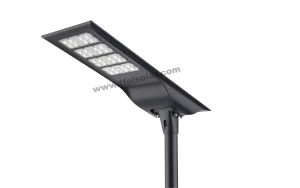
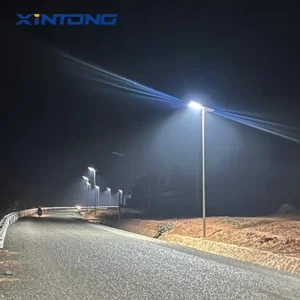
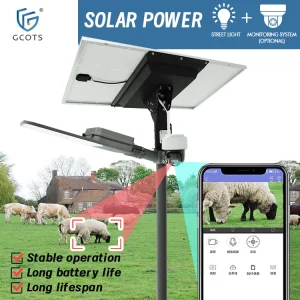
Smart municipal systems are shifting away from centralized utility connections to self-sustaining solar infrastructure. Street and roadway light poles now feature integrated smart technology, including 4G communication nodes, CCTV monitoring cameras, PIR motion sensors, and IP65-rated enclosures. Operating independently, these streetlights capture solar energy during the day and use automated dimming profiles to maximize battery life, improving municipal safety and reducing long-term public maintenance costs.
A technical guide on cell architecture, power management, structural designs, and smart grid optimization.
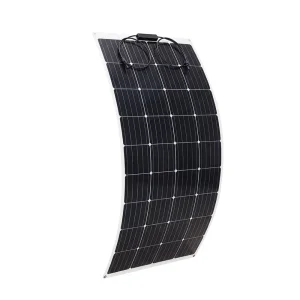
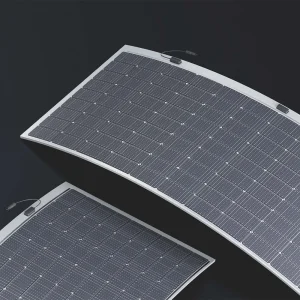
Traditional rigid PV arrays are limited by weight and mechanical fragility. Emerging applications—such as marine decks, RV tops, and light-load factory roofs—require high-efficiency monocrystalline cells embedded in flexible, impact-resistant fluoropolymer substrates (like ETFE). Standardizing frameless, lightweight designs reduces mechanical strain, achieves IP68-rated protection, and maintains conversion efficiencies exceeding 21%.
Next-generation hybrid inverters utilize digital signal processors (DSP) to regulate grid tie-ins. By incorporating split-phase tracking, low-frequency copper transformers, and current-sensing CT clamps, these inverters stabilize local voltage swings and prevent backfeeding into the grid where regulations forbid it. This helps ensure compliance with local electrical safety codes worldwide.
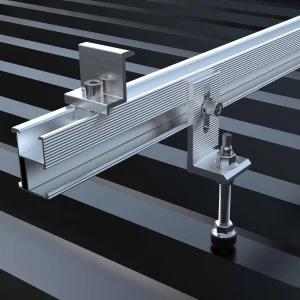
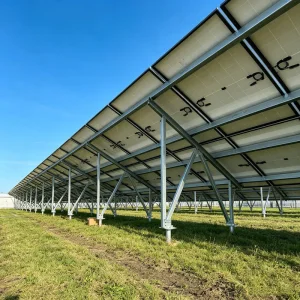
Mounting systems are the foundation of long-term solar projects. Standard hot-dip galvanized steel is being replaced by high-corrosion-resistance Zinc-Magnesium-Aluminum (ZAM) coated C-Channel steel and anodized AL6005-T5 aluminum alloys. Engineered to withstand high wind loads (up to 60m/s) and snow loads, these structures provide durable, low-maintenance foundations for ground-mount and rooftop utility projects.
A professional and reliable manufacturer specializing in solar energy products, renewable energy solutions, and intelligent lighting systems.
Shenzhen Soweglow Solar Co., Ltd. is a professional and reliable manufacturer and supplier specializing in solar energy products, renewable energy solutions, and intelligent solar lighting systems. Located in Shenzhen, China, one of the world's most innovative and dynamic technology hubs, we have been committed to the solar industry for many years, providing high-quality products and customized energy solutions to customers worldwide.
Driven by our mission of promoting clean energy and sustainable development, Soweglow Solar focuses on delivering efficient, environmentally friendly, and cost-effective solar products that help reduce energy consumption and carbon emissions. Through continuous innovation, strict quality control, and customer-oriented service, we have established long-term partnerships with clients across Europe, North America, South America, Africa, Southeast Asia, and the Middle East.
Our experienced team possesses extensive expertise in solar lighting, photovoltaic systems, energy storage solutions, project management, manufacturing, and international business. We continuously invest in research and development to ensure our products meet evolving market demands and international quality standards.
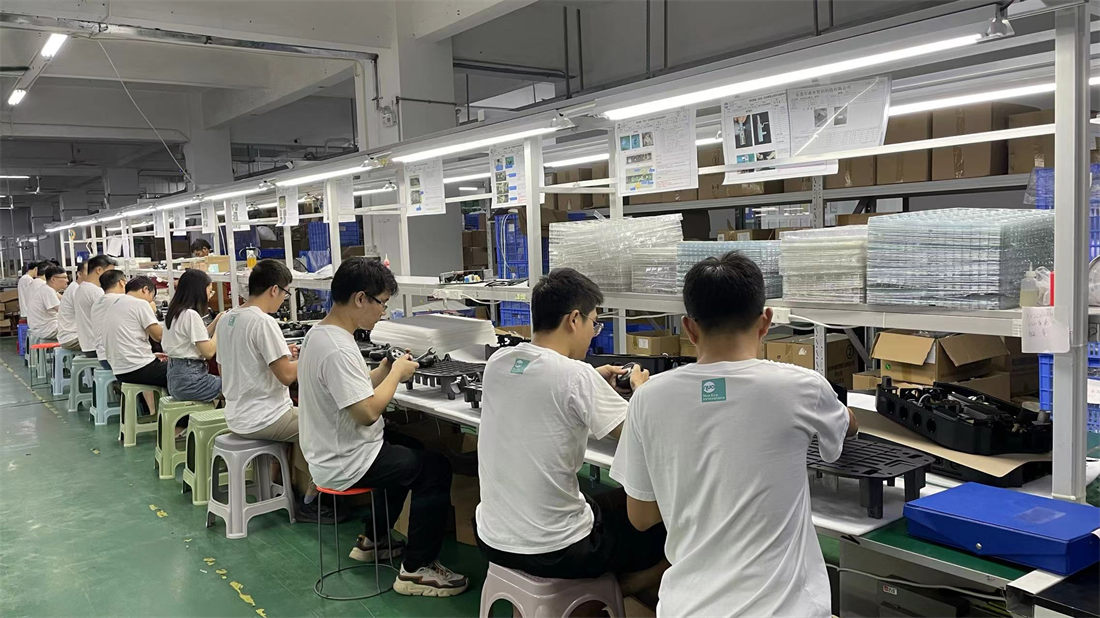
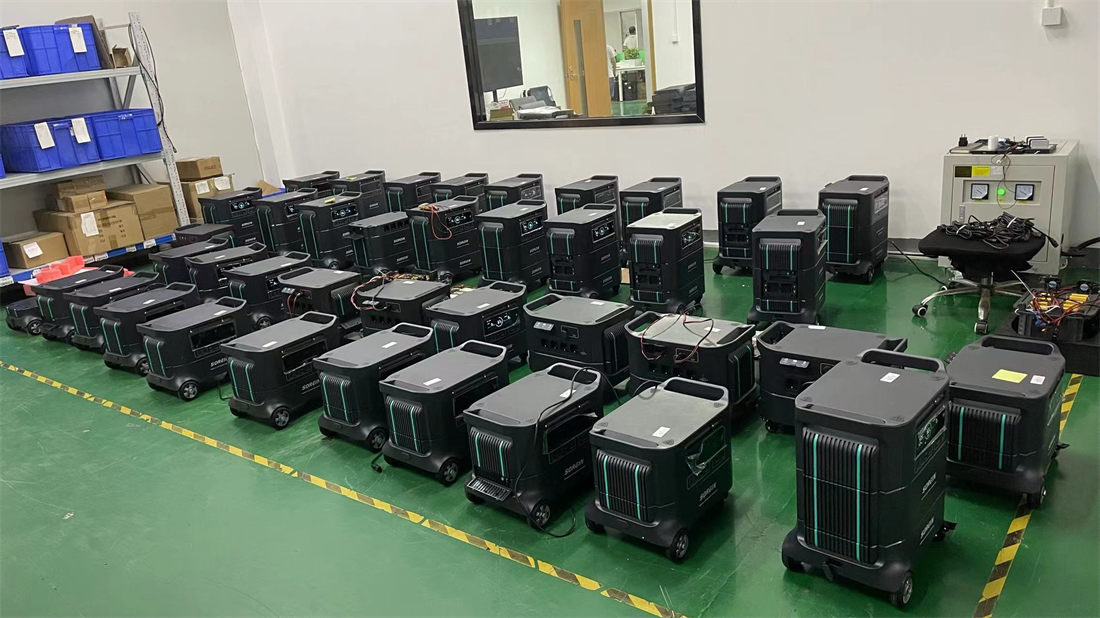
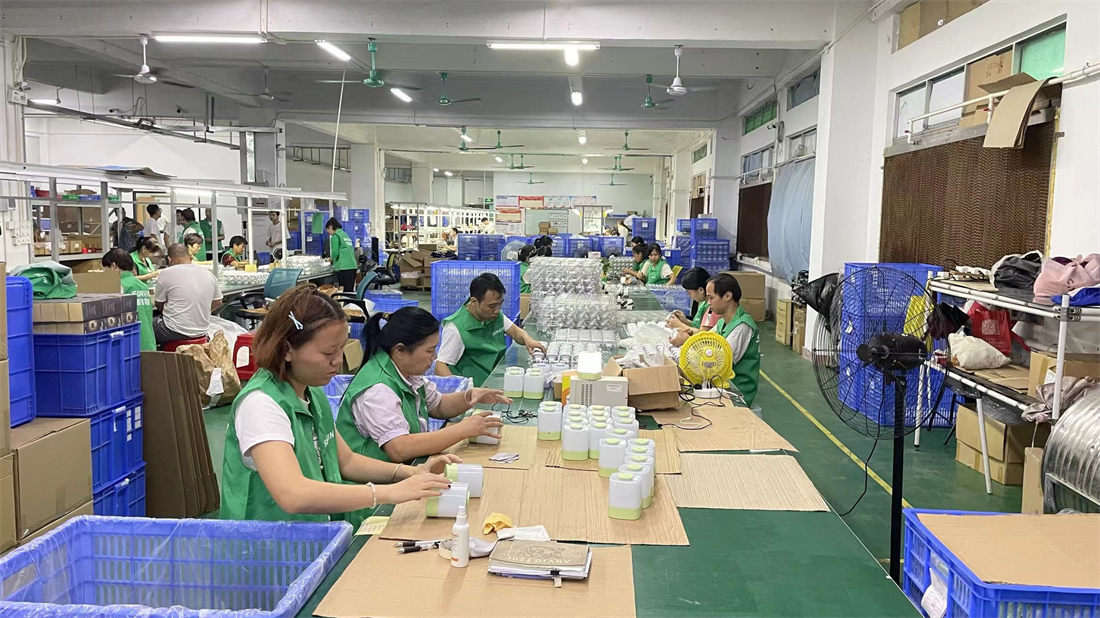
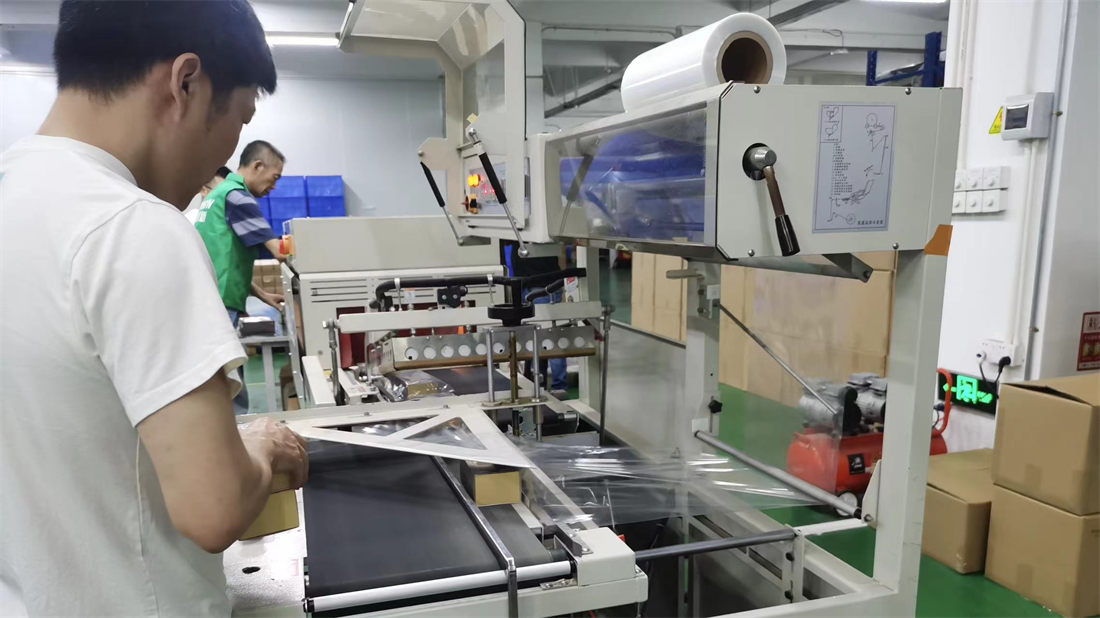
Quality is the foundation of our business. Every product undergoes strict quality inspections throughout the entire production process, from raw material selection to final assembly and shipment. Our manufacturing facilities operate under comprehensive quality management systems to ensure product reliability, safety, and long service life. We continuously improve our production processes and technology to provide products that comply with international certifications and industry standards.
To accelerate the adoption of renewable energy by providing innovative, efficient, and sustainable solar solutions that create long-term value for customers and contribute to a greener future.
Take an inside look at our highly automated, ISO-compliant production lines and testing facilities in Shenzhen.
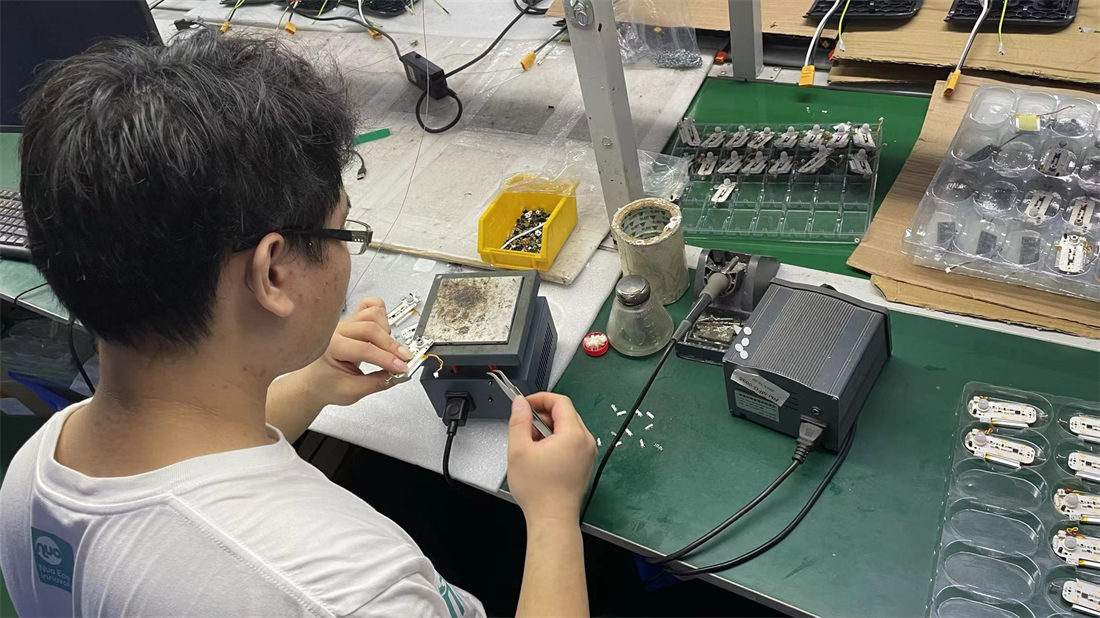
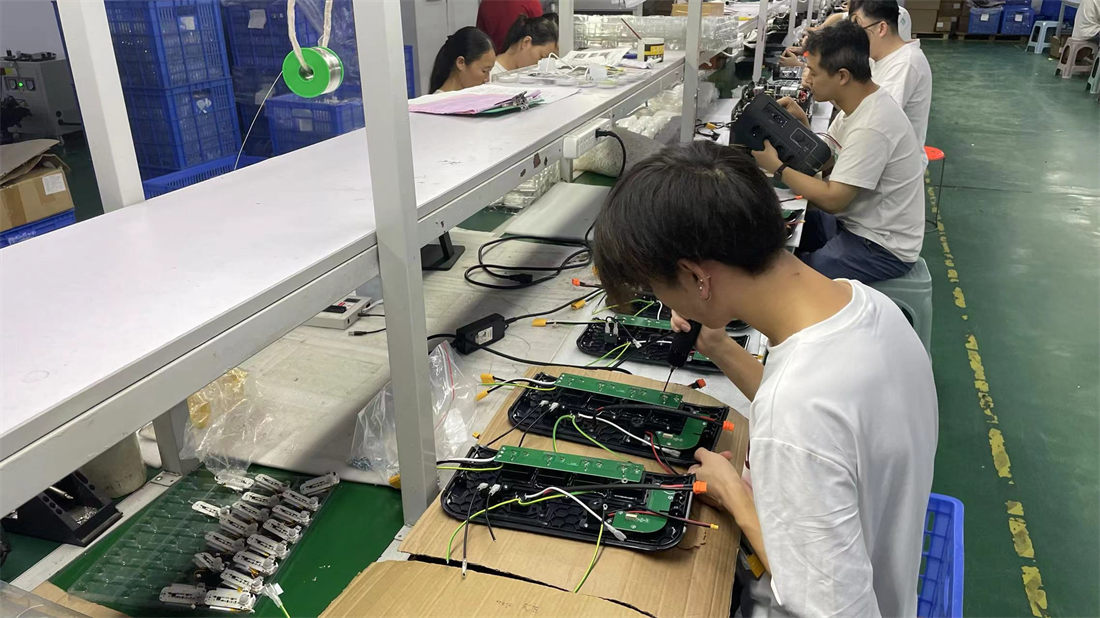
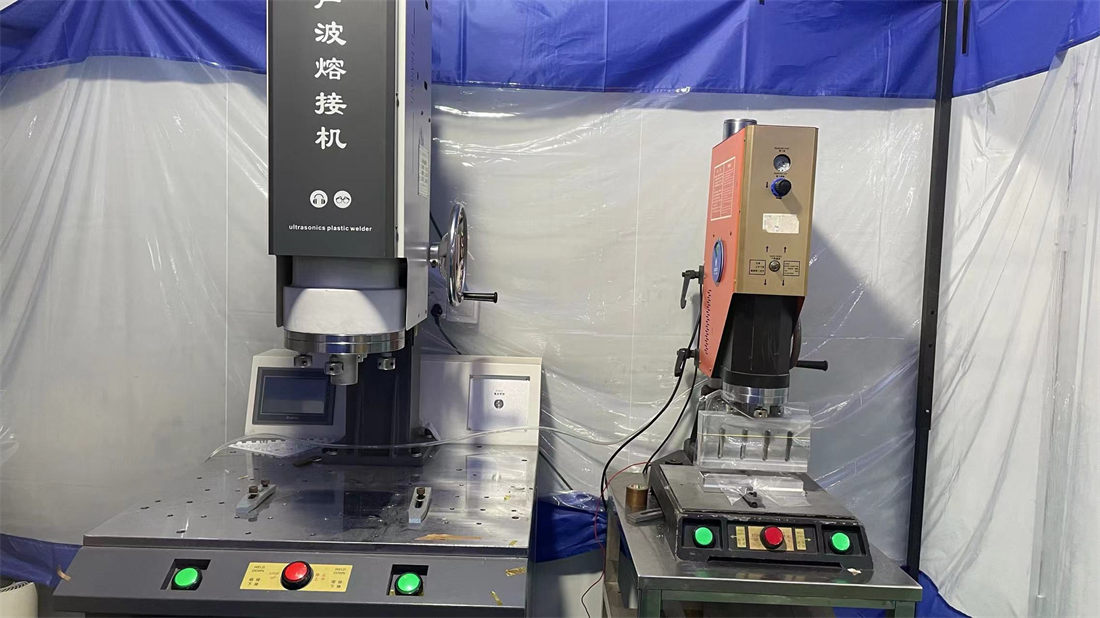
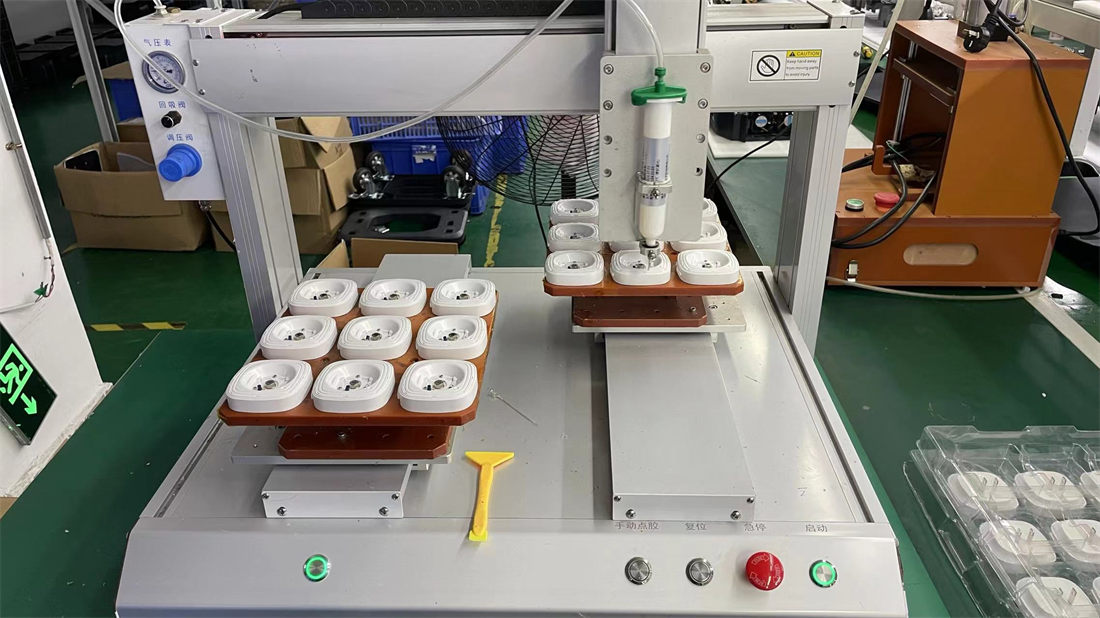
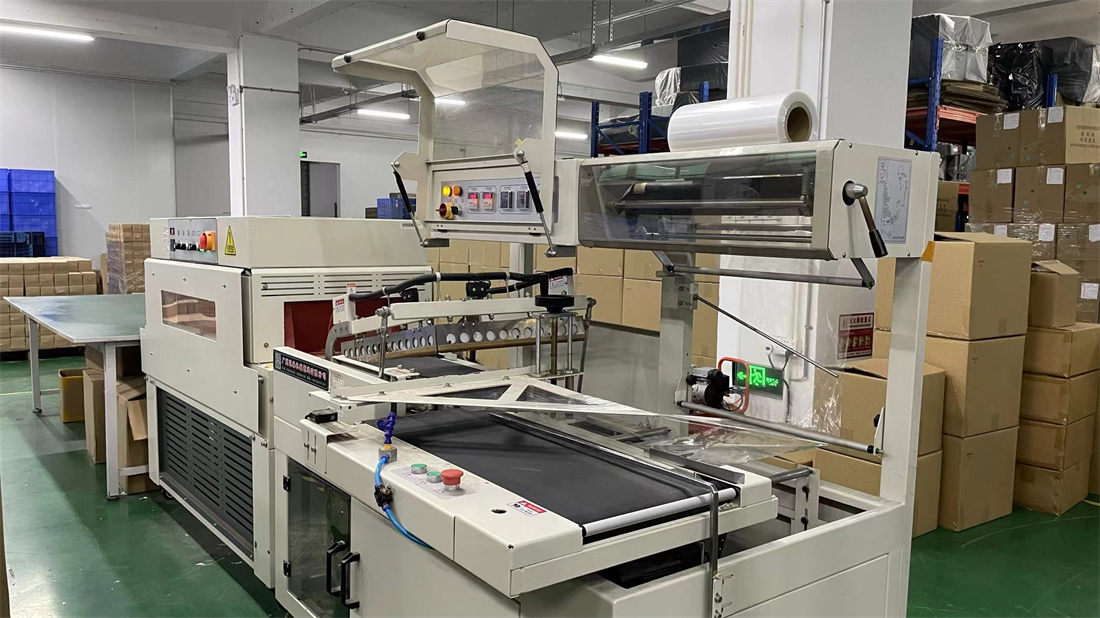
Ensuring our solar technology meets regional regulatory requirements and environmental standards worldwide.
Sourcing solar infrastructure from Shenzhen Soweglow Solar Co., Ltd. helps streamline international compliance. Every component is engineered to meet or exceed rigorous international standards, facilitating smooth import clearance and system commissioning.
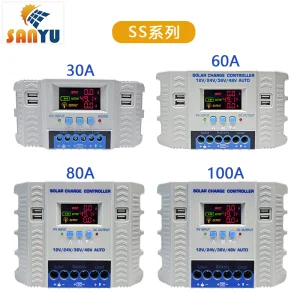
All inverters, controllers, and street lighting assemblies carry certified European Conformity (CE) and RoHS compliance, meeting the safety requirements of the European Union, the Americas, and APAC markets.
Our flexible solar panels and street lighting units are rated to IP65, IP67, and IP68 standards, protecting vital electrical connections against heavy rain, dust, and coastal marine environments.
Mounting configurations are engineered using structural-grade anodized aluminum and ZAM-coated steel. Standard structural designs conform to AS/NZS 1170, IBC, and local building codes for high-wind durability.
A comprehensive reference for engineers, developers, and purchasing managers regarding industrial-grade solar equipment.
Complete balance-of-system solutions designed for structural support, power regulation, and municipal lighting projects.
 Soweglow Solar