Explore our premium grade hardware range, engineered for unmatched durability, high energy conversion metrics, and seamless grid compatibility.

The global transition toward carbon neutrality has accelerated the need for comprehensive and high-performing clean energy setups. Photovoltaic power generation is no longer just about developing highly efficient panels; it requires complex, fully integrated systems. From structurally resilient mounting designs to modern energy storage options, success lies in how smoothly these parts work together. China's solar integration manufacturers and factories lead this shift, offering end-to-end setups that balance capital expenditure (CAPEX) with long-term operational performance (OPEX).
At the center of this transition is the optimization of Levelized Cost of Electricity (LCOE). Modern projects require integrated designs that combine high-performance materials, robust electronic controllers, and heavy-duty structural frames. By sourcing from specialized hubs like Shenzhen, global project developers, engineering firms, and industrial buyers can acquire durable systems that withstand diverse environmental challenges while remaining cost-effective.
A solar energy setup is only as reliable as its weakest connection. Using mismatched brackets, low-grade charge controllers, or poor storage batteries can quickly lower overall efficiency and reduce the system's operational lifespan. Experienced manufacturers design systems where structural, electrical, and thermal components are engineered to work together perfectly under real-world conditions.
Delivering measurable impact and verified reliability across global markets through state-of-the-art manufacturing standards.
Providing high-efficiency renewable energy systems and intelligent lighting solutions to commercial, industrial, and residential projects worldwide.
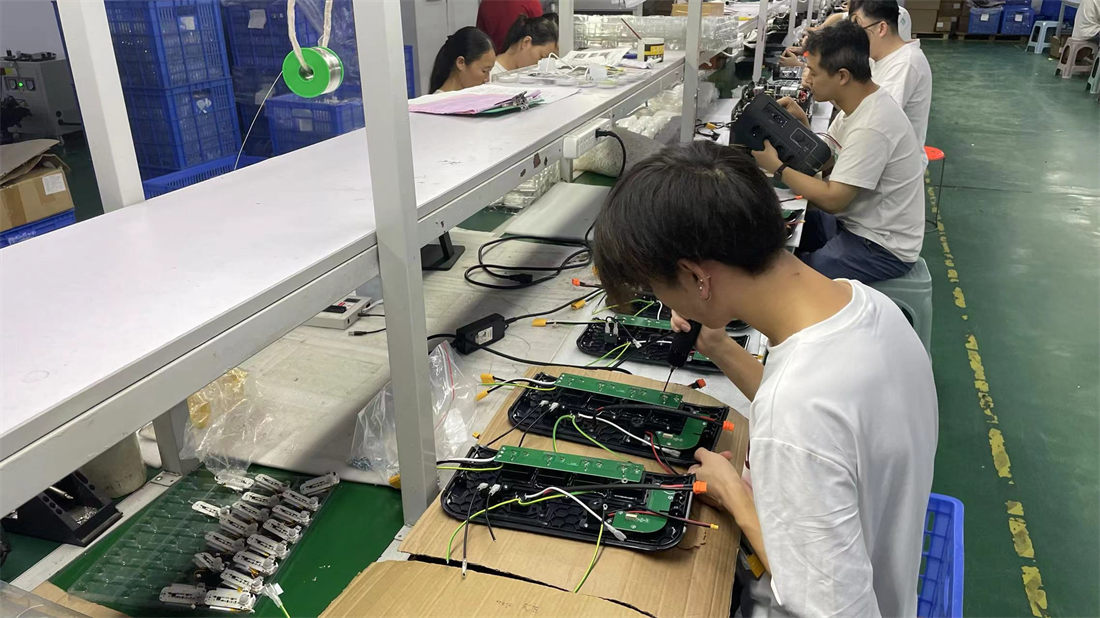
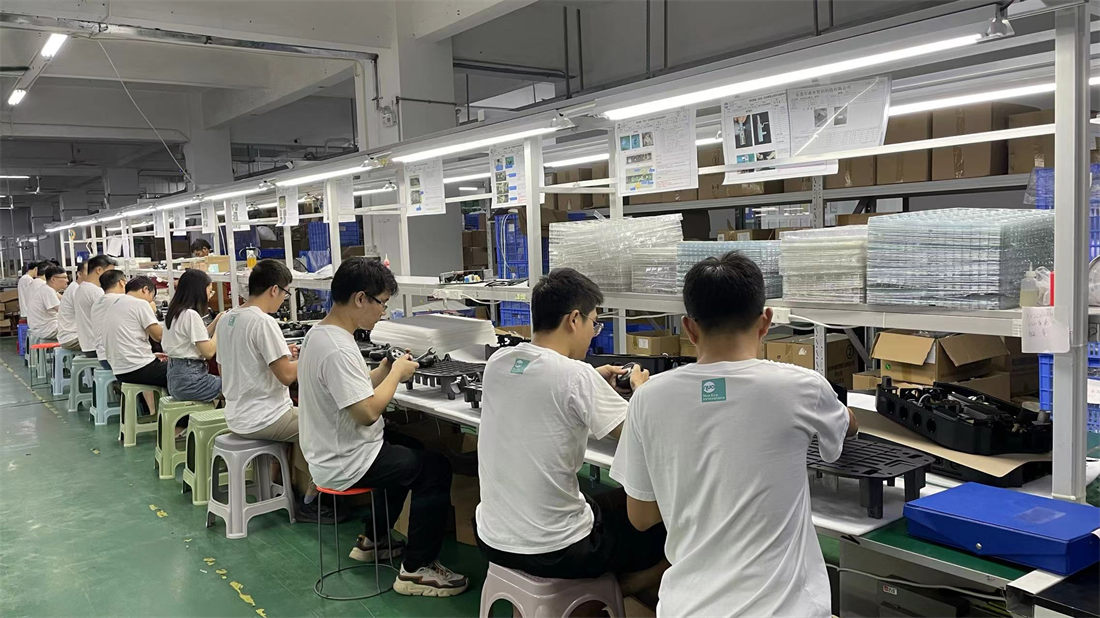
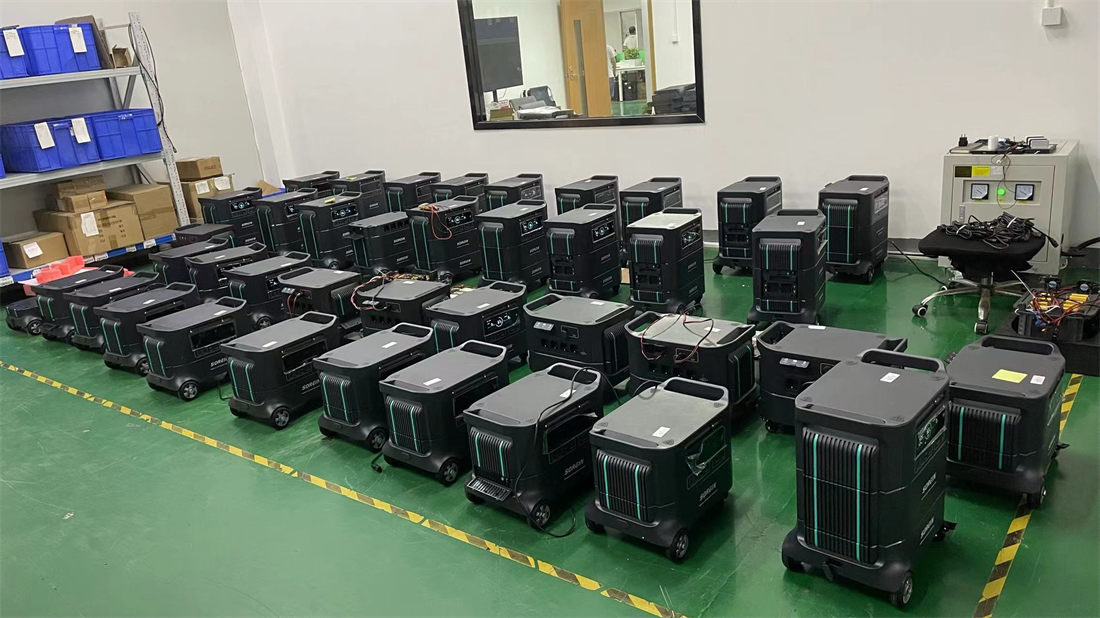
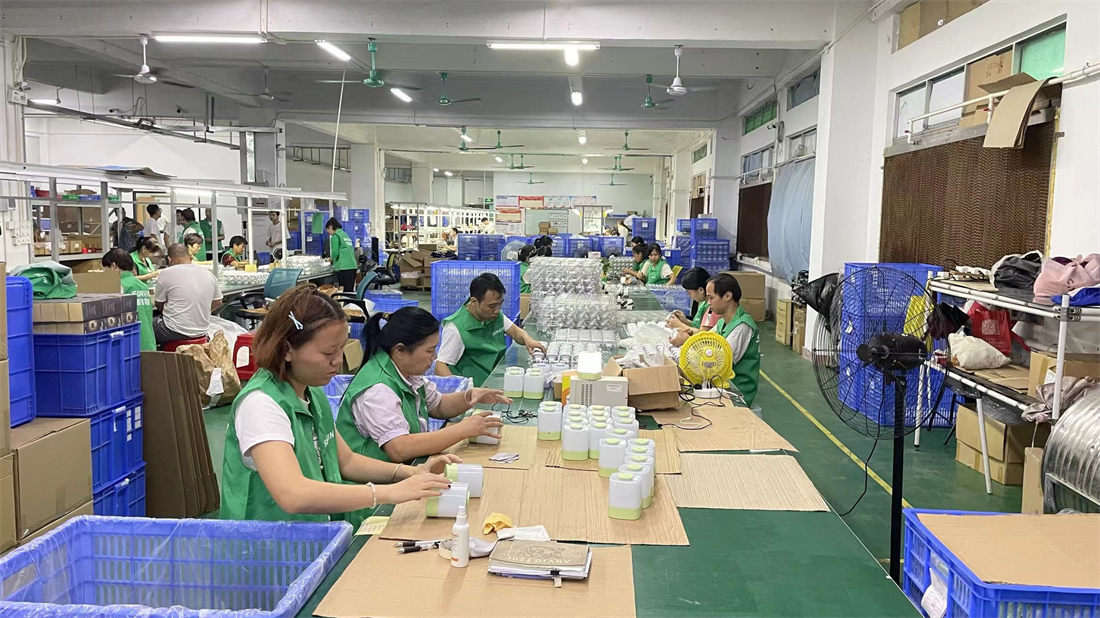
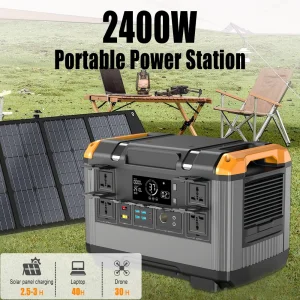
Headquartered in Shenzhen, a leading global technology hub, Shenzhen Soweglow Solar Co., Ltd. has established itself as an innovative manufacturer and exporter in the clean energy industry. We focus on developing robust and environmentally sound solar integration systems that help businesses and communities lower carbon emissions and reduce overall utility costs. Our extensive product portfolio includes structural mounting hardware, smart charge controllers, portable power stations, industrial battery setups, and intelligent street lighting systems.
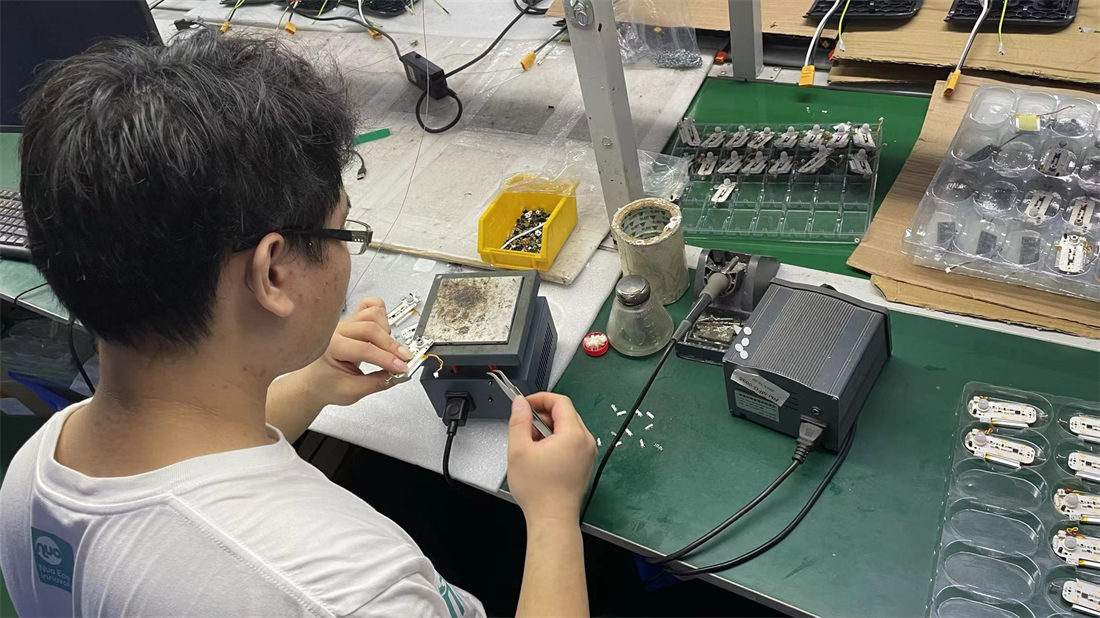
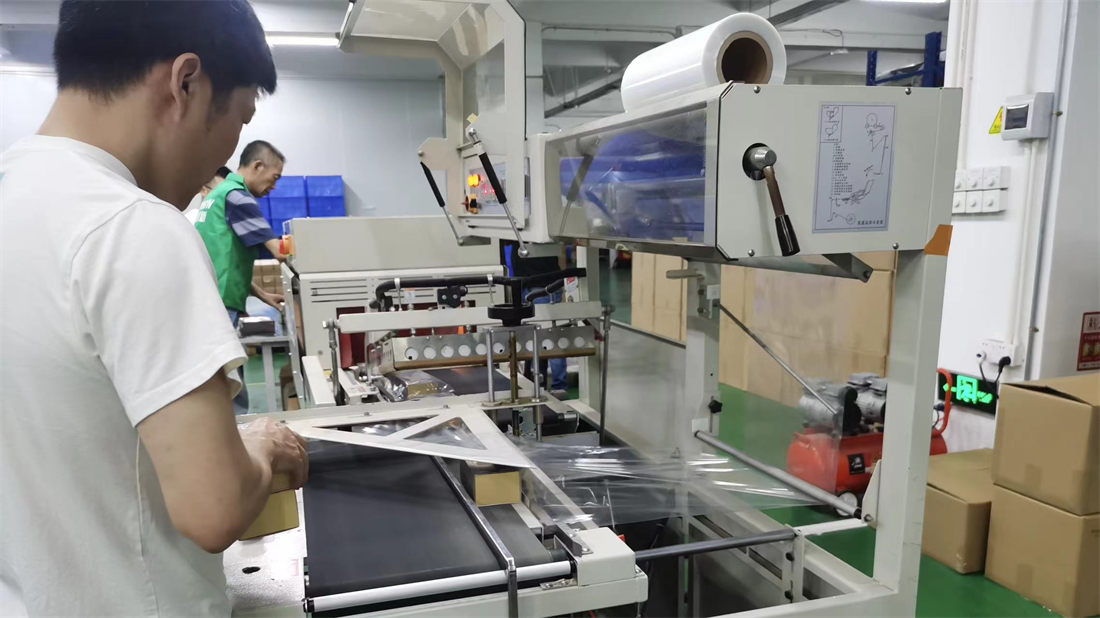
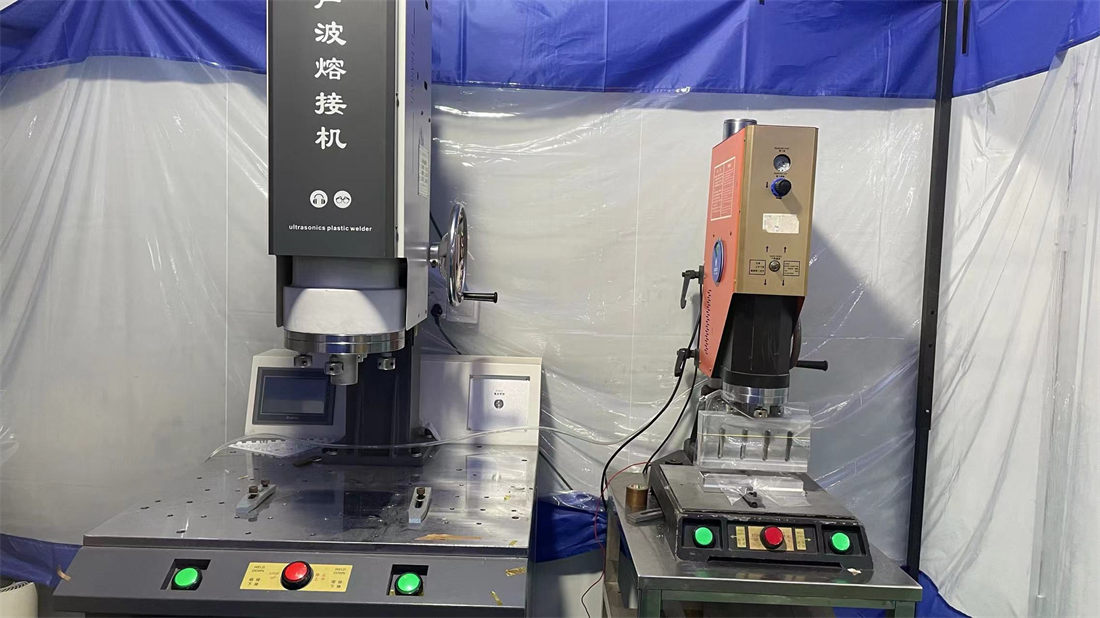
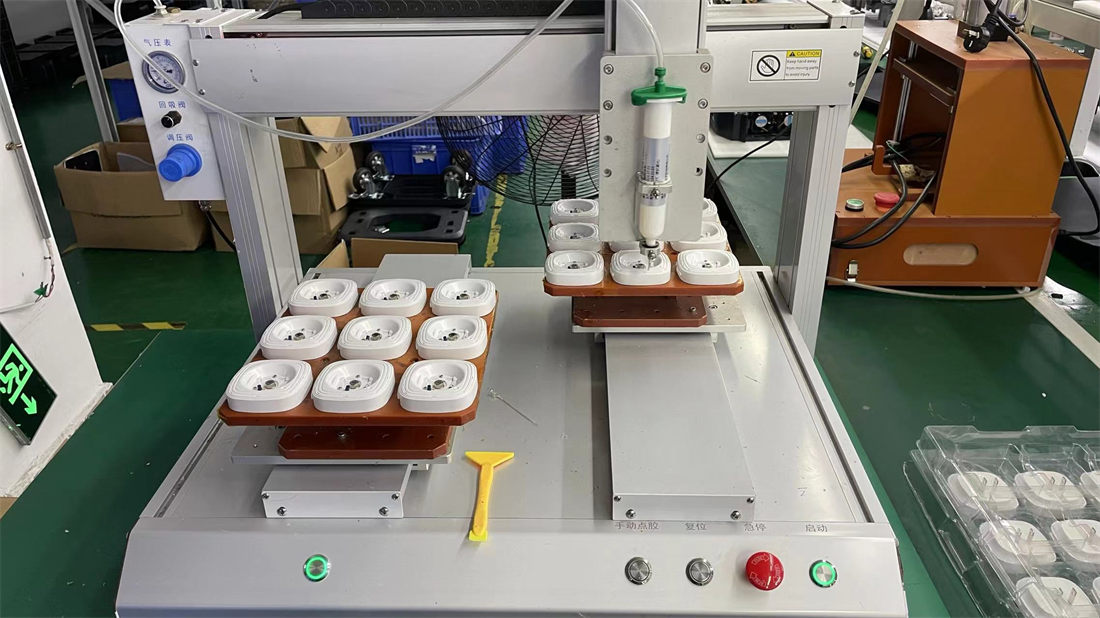
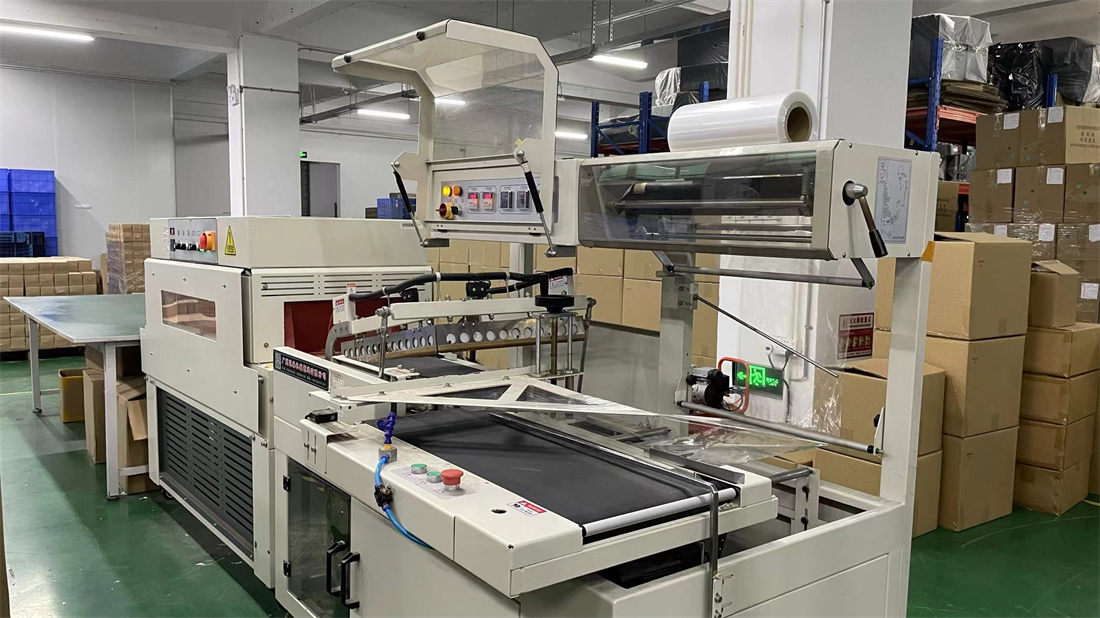
Quality remains the foundation of our manufacturing processes. Through rigorous inspection, state-of-the-art automation, and certified testing routines, we ensure that every system component meets international performance and safety standards. Our mission is to accelerate the adoption of clean energy worldwide by offering reliable, efficient, and cost-effective solar solutions that generate long-term value for our global partners.
The solar integration field is evolving beyond simple energy capture. To understand modern system integration, we must look at the key technologies that drive long-term efficiency and structural reliability:
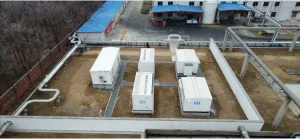
Lithium Iron Phosphate (LiFePO4 or LFP) has become the industry standard for commercial and industrial energy storage systems. Unlike traditional chemistries, LFP offers superior thermal stability, a longer life cycle, and a lower risk of thermal runaway. Modern grid-scale integrations, such as 5000kWh industrial container systems, utilize intelligent battery management systems (BMS) to actively balance cells, manage thermal loads, and optimize charge/discharge profiles based on load demands.
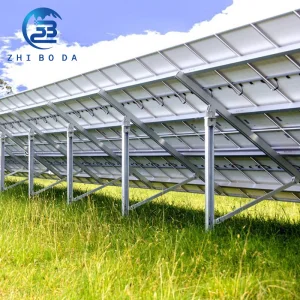
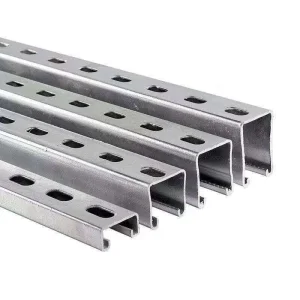
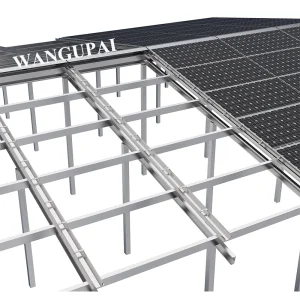
Building Integrated Photovoltaics (BIPV) and high-efficiency carport systems demand advanced waterproofing technologies. Traditional racking systems prioritize structural load-bearing capacity, but integrated rooftop installations must also serve as durable building skins. Utilizing high-performance, weather-resistant structural steels like magnesium-aluminum-zinc coatings, alongside custom EPDM gaskets and interlocking channel designs, ensures that these systems remain completely waterproof while supporting heavy mechanical loads over their 25-year service life.
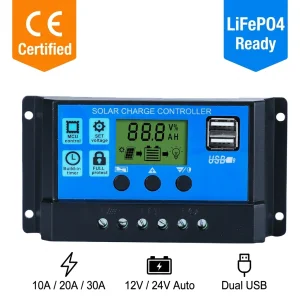
A solar installation's efficiency depends heavily on the electronic controllers that regulate power distribution. Modern off-grid systems use highly efficient Pulse Width Modulation (PWM) and Maximum Power Point Tracking (MPPT) regulators. These systems stabilize voltage variations and safeguard batteries, ensuring consistent performance. When integrated with internet-of-things (IoT) connectivity, operators can monitor energy production, consumption, and system health in real time.
Utilizing machine learning to predict solar yield and load requirements, optimizing battery life cycles dynamically.
Advanced structural air cooling and liquid cooling loops built into energy storage cabinets for extended operation.
Unique double-drainage systems designed into racking channels to ensure zero water ingress for BIPV systems.
Solar integration systems must adapt to varying environmental conditions and localized infrastructure demands. A uniform, one-size-fits-all solution is rarely successful in diverse global markets:
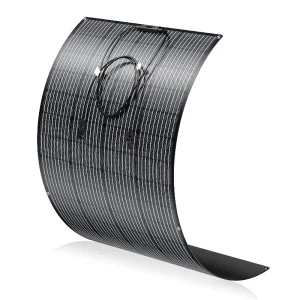
Coastal and marine projects require materials with excellent corrosion resistance. Standard carbon steel corrodes quickly under high salt exposure. For these projects, manufacturers utilize anodized aluminum or hot-dip galvanized steel framing systems. Combining these materials with flexible thin-film silicon modules provides the flexibility and durability needed for marine vessels, RVs, and seaside installations, maintaining energy generation even in challenging weather.
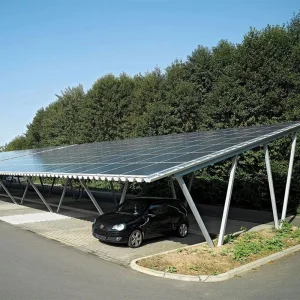
Urban spaces require multi-functional energy installations. Solar carports represent a major growth market in commercial integration. By utilizing high-capacity structural supports and waterproof mounting brackets, these systems turn open parking areas into clean energy generation stations. These setups protect vehicles, manage stormwater runoff, and provide direct power to electric vehicle (EV) charging ports or nearby facility grids.
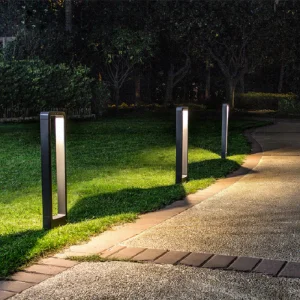
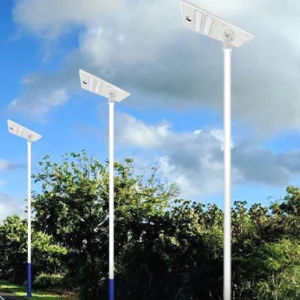
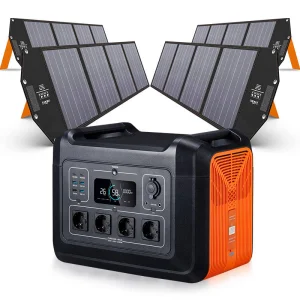
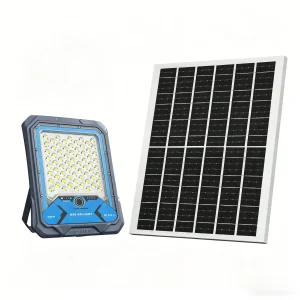
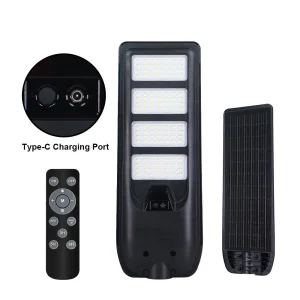
In developing markets and remote industrial zones, accessing the main utility grid can be difficult or prohibitively expensive. Integrating portable power systems and high-efficiency solar street lighting provides immediate utility without expensive cabling. By combining light-detecting and motion-sensing sensors with reliable LED modules, these configurations offer reliable, self-contained illumination for remote roads, residential areas, and industrial perimeter fences.
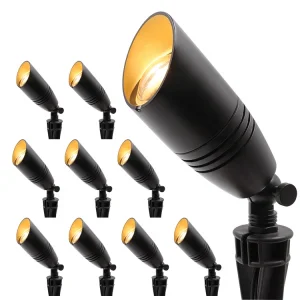
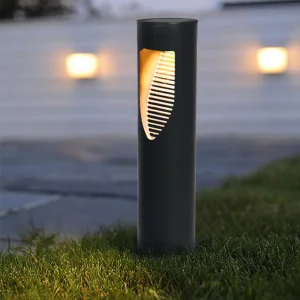
Explore our comprehensive selection of portable backup power sources, specialized structural components, and high-efficiency lighting systems.
Essential guidance for commercial managers, procurement engineers, and system design consultants.
 Soweglow Solar