EIA-Compliant Systems Engineered for Maximum Efficiency and Minimal Ecological Footprint
As the global energy transition accelerates, utility-scale photovoltaic (PV) deployment is undergoing intense regulatory and societal scrutiny. The concept of green energy is no longer judged solely by its operational carbon reduction but by the holistic environmental balance sheet of its manufacturing, construction, deployment, and decommissioning phases. Shenzhen Soweglow Solar Co., Ltd. stands at the forefront of this paradigm shift. Located in Shenzhen, China, our specialized engineering divisions design, test, and supply next-generation solar energy systems, storage units, and structural components built strictly in alignment with international Solar Environmental Impact Assessment (EIA) frameworks.
This whitepaper details how contemporary solar project procurement must integrate EIA parameters, technical life-cycle assessments (LCA), and systemic ecological preservation to mitigate risks, secure project financing, and unlock long-term operational bankability.
Global corporate and institutional off-takers of solar energy are executing strict compliance mandates. Modern procurement programs are governed by Environmental, Social, and Governance (ESG) criteria, requiring transparent Scope 3 carbon values, environmental impact reports, and verifiable supply-chain ethics.
Corporate developers face significant financial and administrative delays when failing to account for ecological factors. A robust EIA process screens projects for impact on:
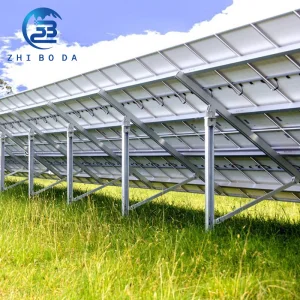
Soweglow Solar addresses these procurement requirements at the system design stage. We supply structural components, such as our advanced Waterproof Ground Racking and Mounting Structures, designed to minimize soil disruption, eliminate chemical leaching, and maintain critical local hydrology.
To integrate utility-scale solar with environmental conservation, Soweglow Solar develops structural components for dual-use solar applications:
Our customized mechanical rack configurations elevate panels to heights that allow agricultural machinery access and provide livestock shade. This microclimatic optimization reduces soil evaporation rates by up to 30%, promoting crop yield growth in arid zones while generating clean power.
Developing solar on bodies of water preserves terrestrial ecosystems. Our specialized, corrosion-resistant, and chemically inert pontoon designs prevent water pollution and block sunlight penetration to inhibit harmful algal blooms, saving water from evaporation in municipal reservoirs.
The future of solar engineering relies on automated, data-driven design systems. Soweglow Solar is establishing a roadmap that links AI-driven predictive modeling with mechanical PV engineering:
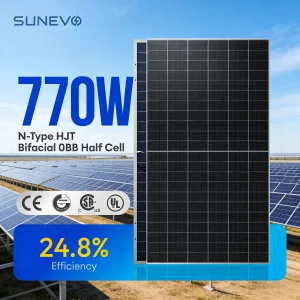
By leveraging geographic information systems (GIS) and AI modeling, we can simulate local shadow dynamics, soil moisture changes, and wind resistance prior to manufacturing physical hardware. This ensures that when our high-efficiency SunEvo HJT N-Type Solar Panels (550W–770W) are deployed, they deliver optimal energy density per square meter, reducing the physical footprint and minimizing local land usage.
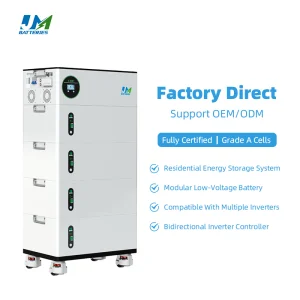
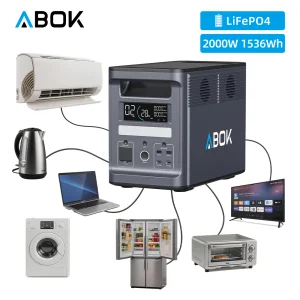
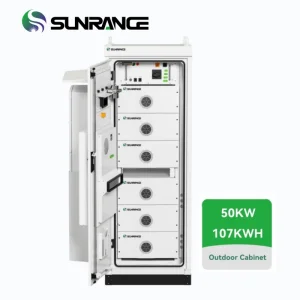
Furthermore, our product roadmap prioritizes circularity. We are researching easily separable laminates for HJT modules and optimizing stackable battery casings (such as our JM 48V Stackable LiFePO4 Energy Storage Systems) for complete modular recycling at the end of their operational lifecycle.
Deploying solar products globally requires navigating complex local grid requirements and strict regulatory frameworks. Soweglow Solar mitigates this risk by validating all products against international standards:
Shenzhen Soweglow Solar Co., Ltd. is a professional and reliable manufacturer and supplier specializing in solar energy products, renewable energy solutions, and intelligent solar lighting systems. Located in Shenzhen, China, one of the world's most innovative and dynamic technology hubs, we have been committed to the solar industry for many years, providing high-quality products and customized energy solutions to customers worldwide.
Driven by the mission of promoting clean energy and sustainable development, Soweglow Solar focuses on delivering efficient, environmentally friendly, and cost-effective solar products that help reduce energy consumption and carbon emissions. Through continuous innovation, strict quality control, and customer-oriented service, we have established long-term partnerships with clients across Europe, North America, South America, Africa, Southeast Asia, and the Middle East.
Our experienced team possesses extensive expertise in solar lighting, photovoltaic systems, energy storage solutions, project management, manufacturing, and international business. We continuously invest in research and development to ensure our products meet evolving market demands and international quality standards.
Quality is the foundation of our business. Every product undergoes strict quality inspections throughout the entire production process, from raw material selection to final assembly and shipment. Our manufacturing facilities operate under comprehensive quality management systems to ensure product reliability, safety, and long service life. We continuously improve our production processes and technology to provide products that comply with international certifications and industry standards.
To accelerate the adoption of renewable energy by providing innovative, efficient, and sustainable solar solutions that create long-term value for customers and contribute to a greener future.
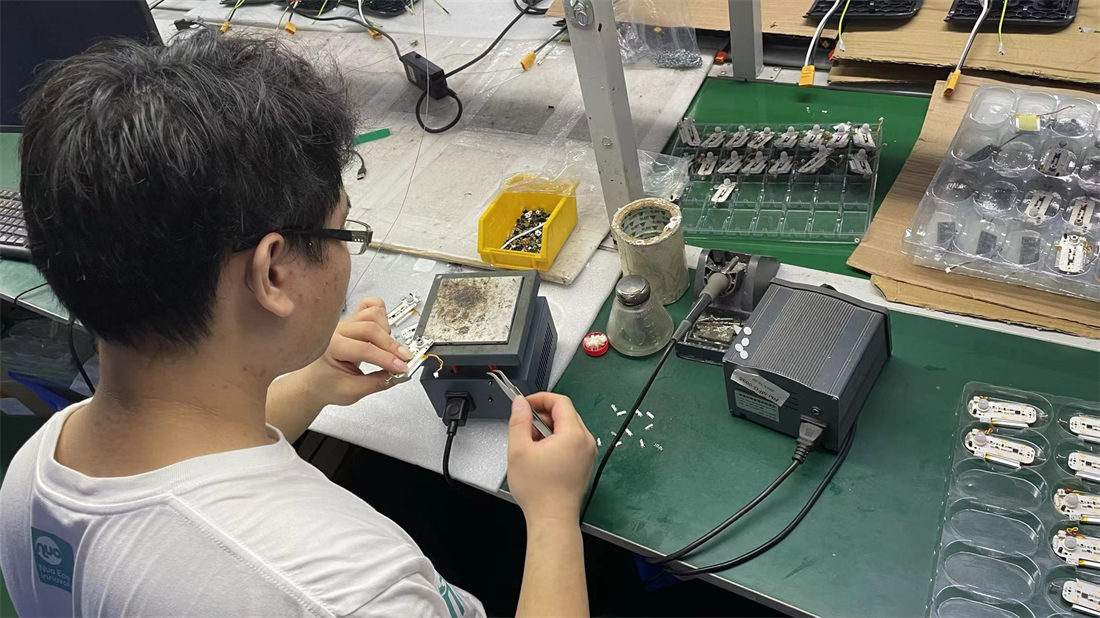
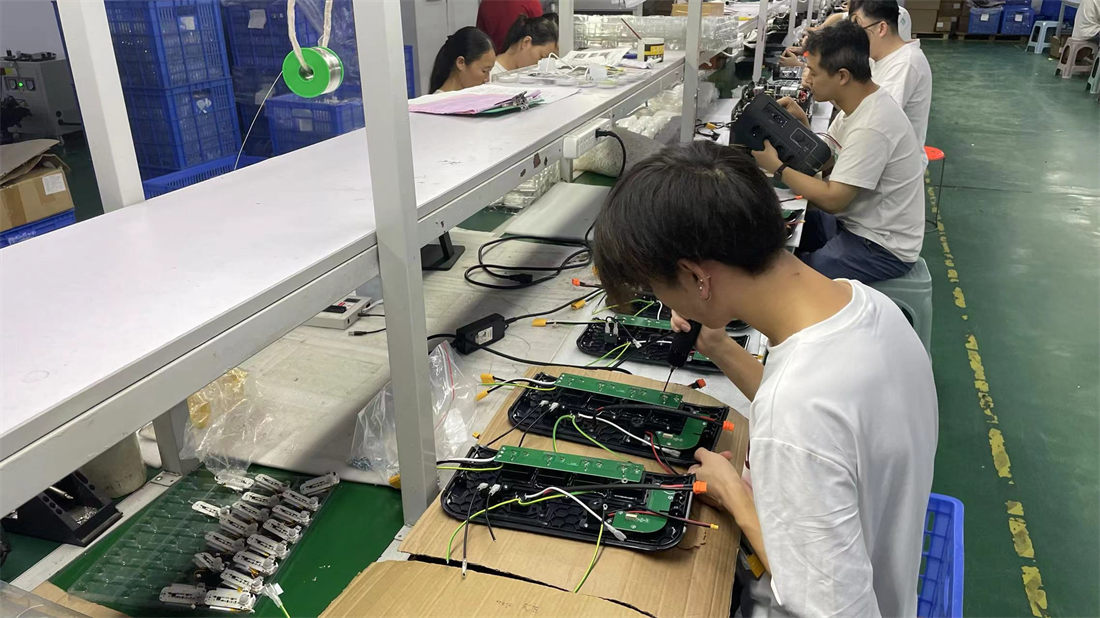
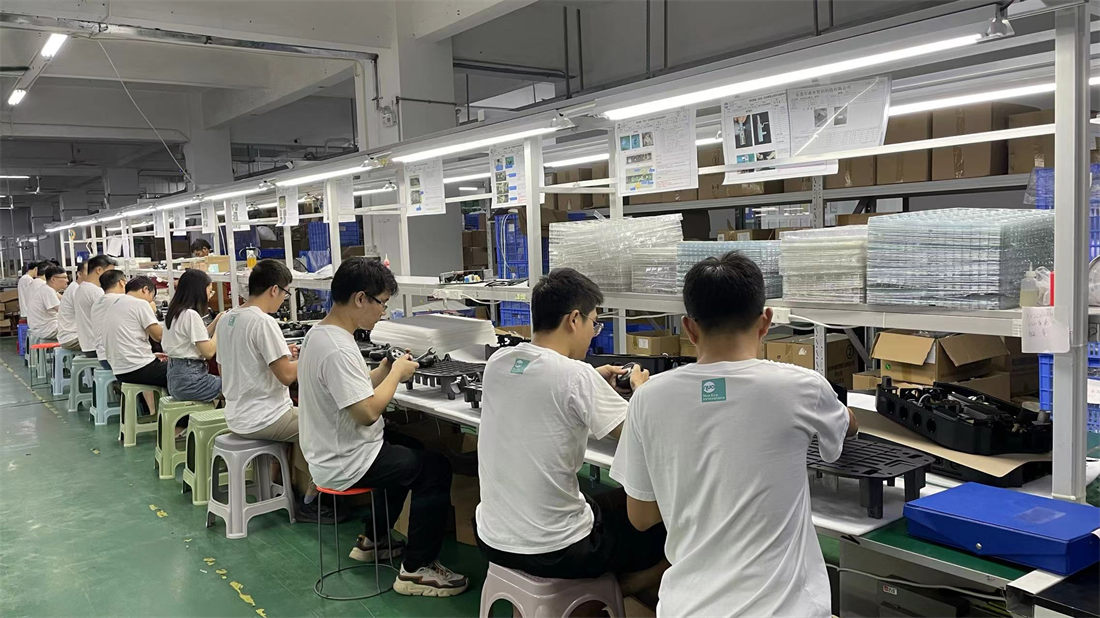
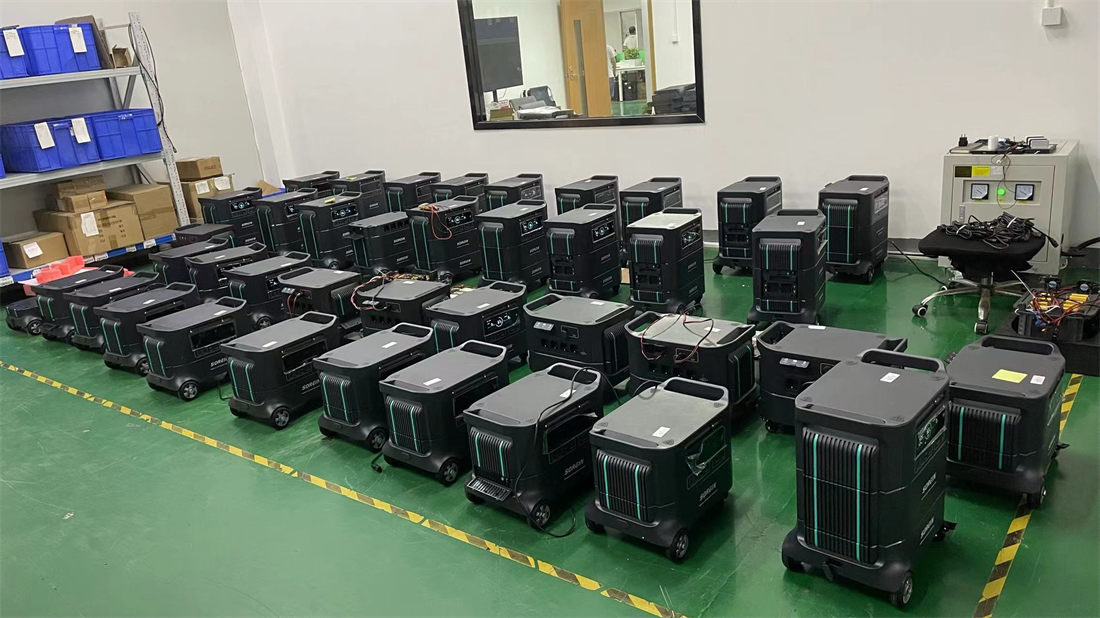
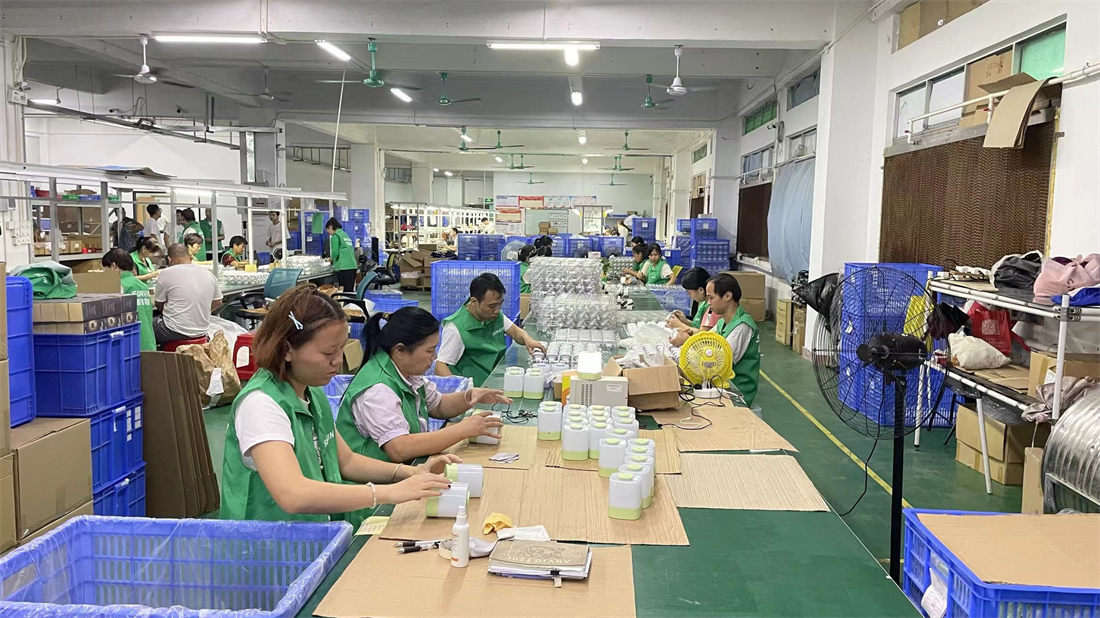
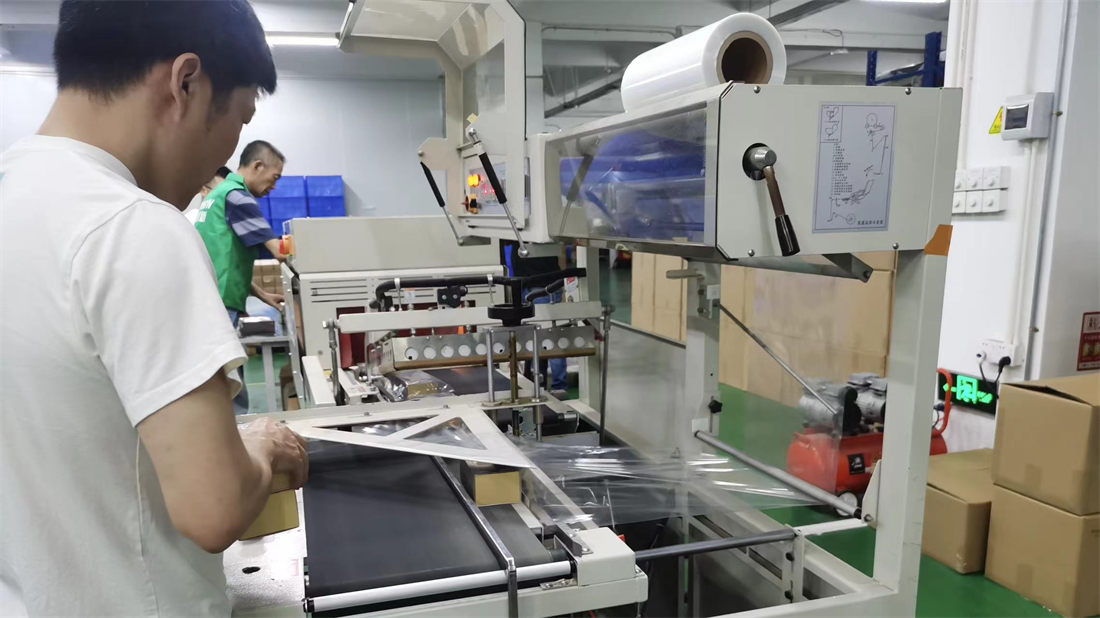
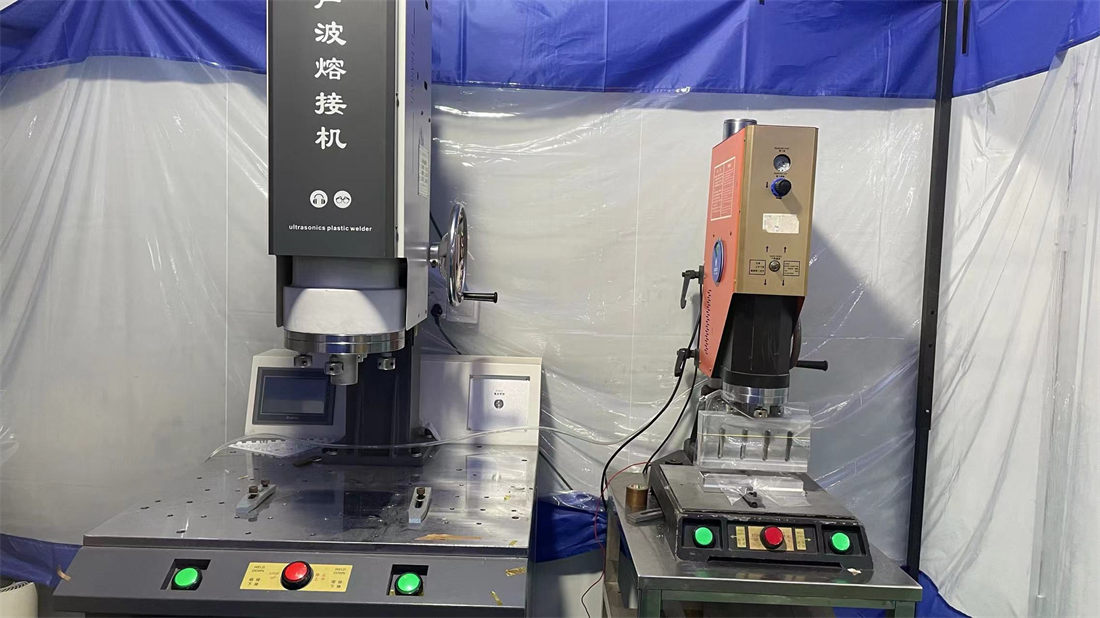
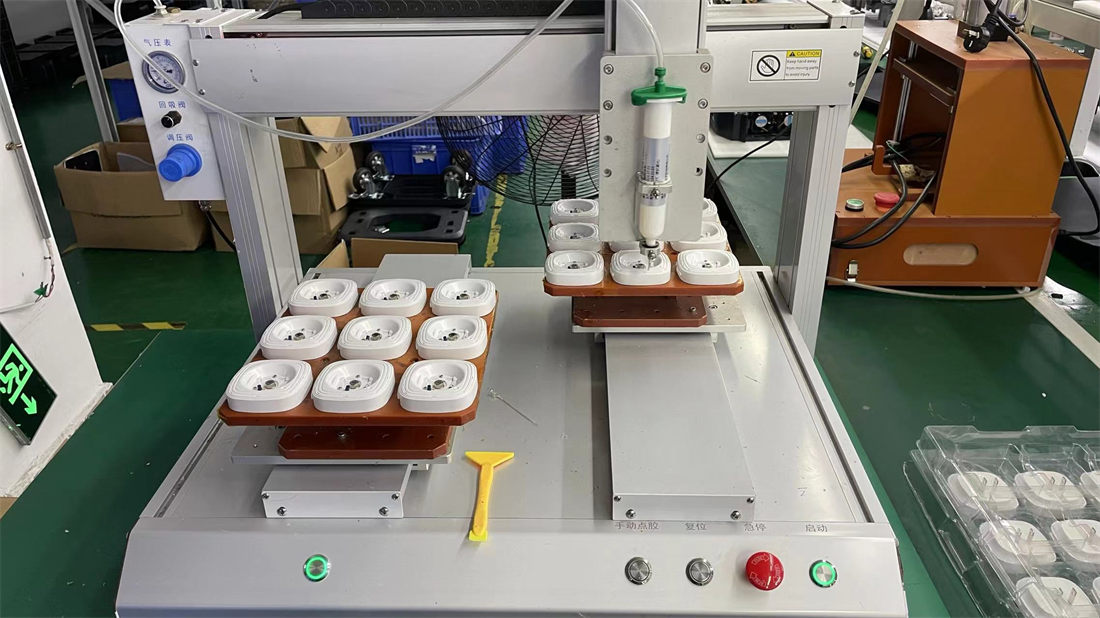
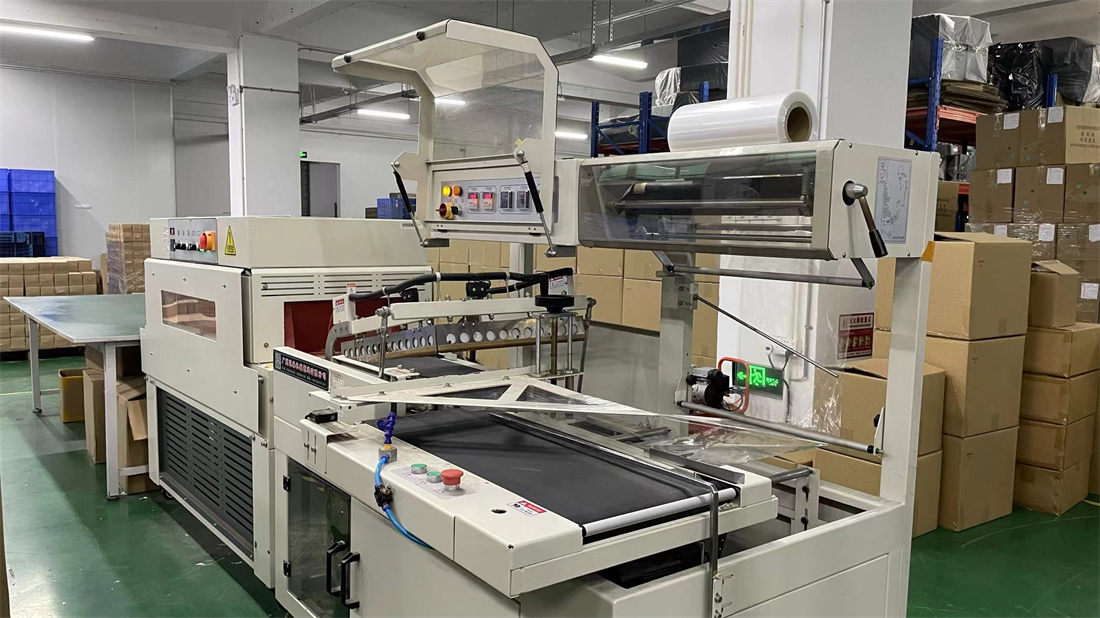
Our Shenzhen-based production lines employ automated assembly systems, ultrasonic welding technology, and testing procedures to ensure that every solar module, mounting rack, and battery storage unit meets quality and safety standards.
End-to-End System Components Optimized for Sustainability and Longevity
 Soweglow Solar