As a premier solar exporter, we supply high-performance solar generation, storage, and lighting solutions engineered to optimize power yield and weather extreme environments.
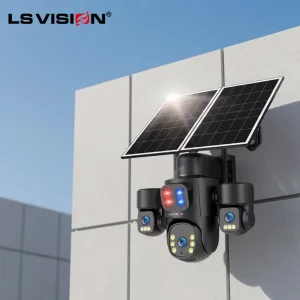
The rapid acceleration of the global energy transition has elevated commercial and industrial solar technologies from auxiliary savings mechanisms to core strategic infrastructure. Modern businesses face volatile energy markets, strict regulatory frameworks on carbon emissions, and grid stability concerns. In response, high-efficiency solar retail systems and mounting infrastructures have become vital.
Globally, the solar supply chain is evolving rapidly. High-efficiency photovoltaic modules, advanced storage systems (such as high-density LiFePO4 batteries), and intelligent MPPT controllers are combining to deliver levelized cost of energy (LCOE) reductions that challenge traditional grid power. According to industrial data, modern commercial installations incorporating intelligent tracking and off-grid hybrid capabilities achieve operational cost reductions of 30% to 55% within their first 3 years of commissioning.
Technological development in the renewable space is currently characterized by three major trends: the integration of smart IoT management, the transition to high-capacity LiFePO4 energy storage systems, and the deployment of high-durability mounting structures.
| Tech Sector | Core Implementation | Primary Business Value | Key Compliance Metric |
|---|---|---|---|
| Photovoltaic Systems | N-Type TOPCon & Bifacial Glass Panel Arrays | Enhanced low-light and high-temperature power yield | IEC 61215 / CE Certified |
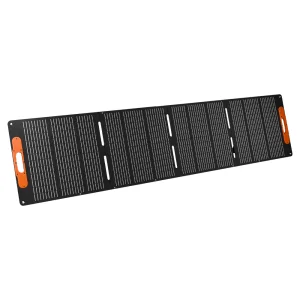
| Storage Systems | Lithium Iron Phosphate (LiFePO4) Power Stations | Long-term safety, low thermal runaway risk, extended lifecycle | UN38.3 / UL1973 Compliance |
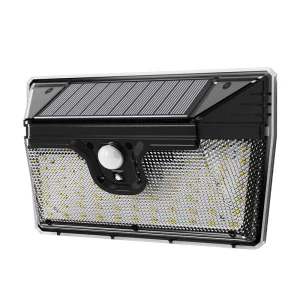
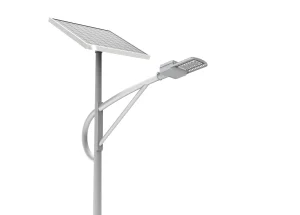
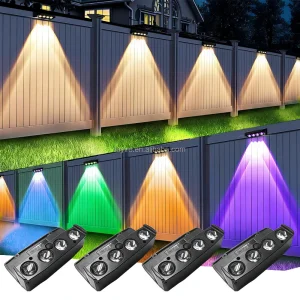
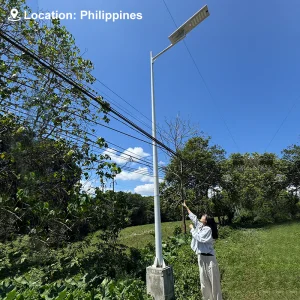
| Lighting Systems | All-in-One Solar Street Lights with Smart Radar Sensors | Automated energy preservation and dynamic lighting | IP65, IP66, IP67 Protection |
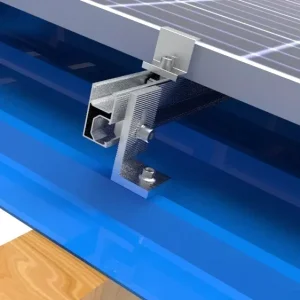
| Mounting Systems | AL6005-T5 Aluminum Alloy structures with L-foot fasteners | High wind-load capacity, rust-proof commercial longevity | AS/NZS 1170.2 Standards |
Solar technology is highly dependent on local environmental conditions and site-specific needs. Our comprehensive solutions adapt to diverse geographic requirements, ensuring resilient off-grid performance.
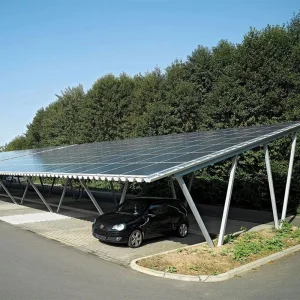
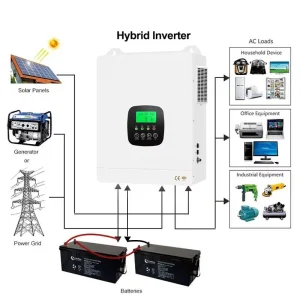
Our high-efficiency commercial mounting brackets and hybrid grid-tied inverters allow retail developments to turn rooftops and carports into energy generation assets, mitigating peak demand utility rates.
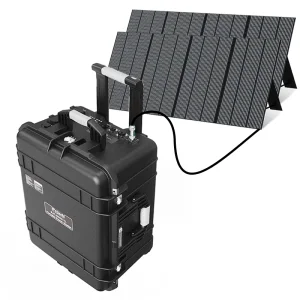
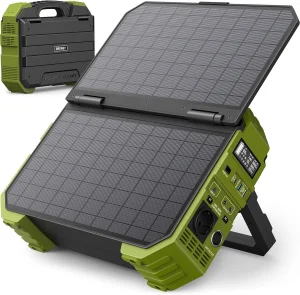
High-capacity portable LiFePO4 generator systems provide reliable power to remote healthcare clinics, construction offices, and telecommunications installations, operating independent of municipal grids.
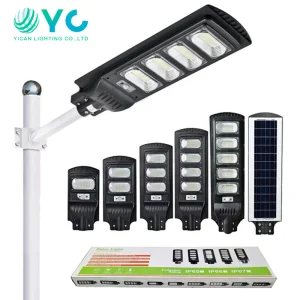
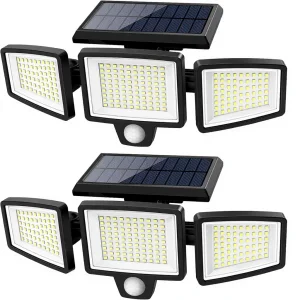
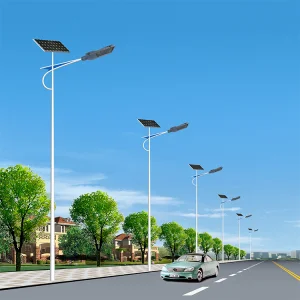
Deploying integrated, heavy-duty solar street lights equipped with motion sensors and built-in lithium batteries ensures consistent municipal illumination even during extended bad weather.
"The integration of modern solar storage alongside durable smart lighting arrays reduces municipal installation labor costs by up to 60%, eliminating the need for extensive underground wiring and trenching."
Shenzhen Soweglow Solar Co., Ltd. is a professional manufacturer and supplier specializing in high-performance solar energy products, renewable energy solutions, and intelligent solar lighting systems. Located in Shenzhen, China, one of the world's most innovative technology hubs, we operate comprehensive production lines designed for global distribution.
Driven by our mission to promote clean energy and sustainable development, we focus on delivering efficient, durable, and cost-effective solar hardware. Through strict quality control and a client-focused service model, we have established long-term partnerships with commercial installers and distributors in Europe, North America, South America, Africa, Southeast Asia, and the Middle East.
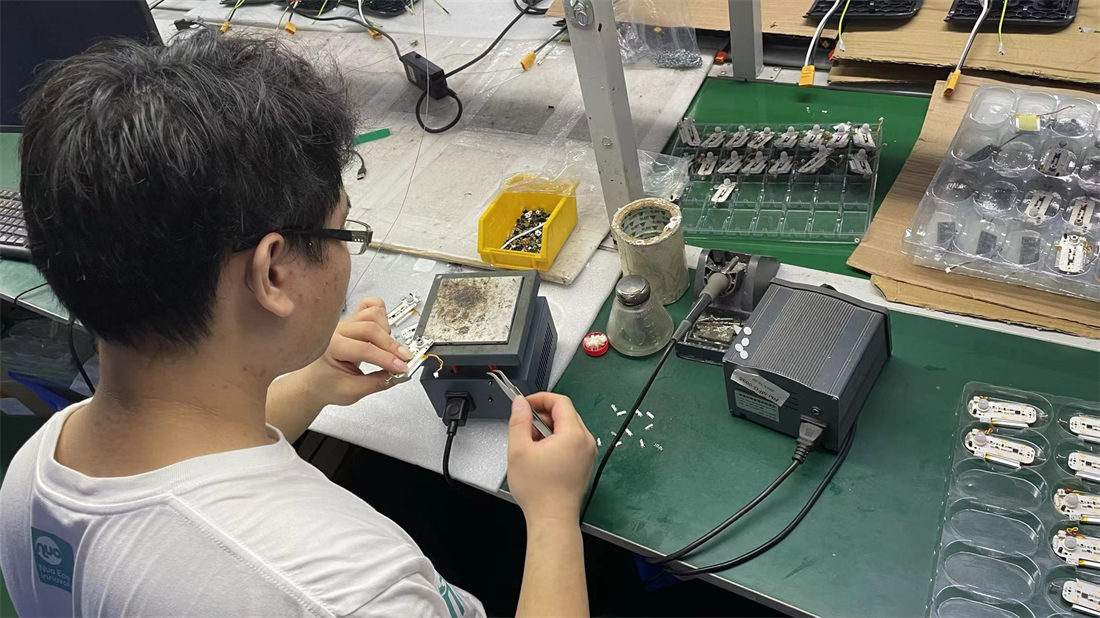
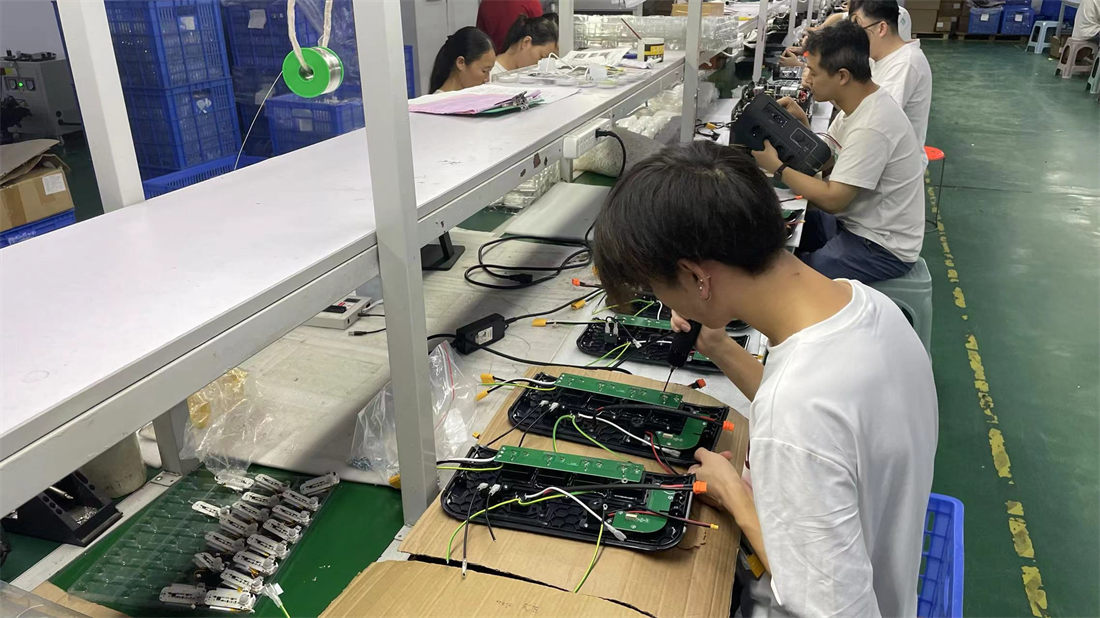
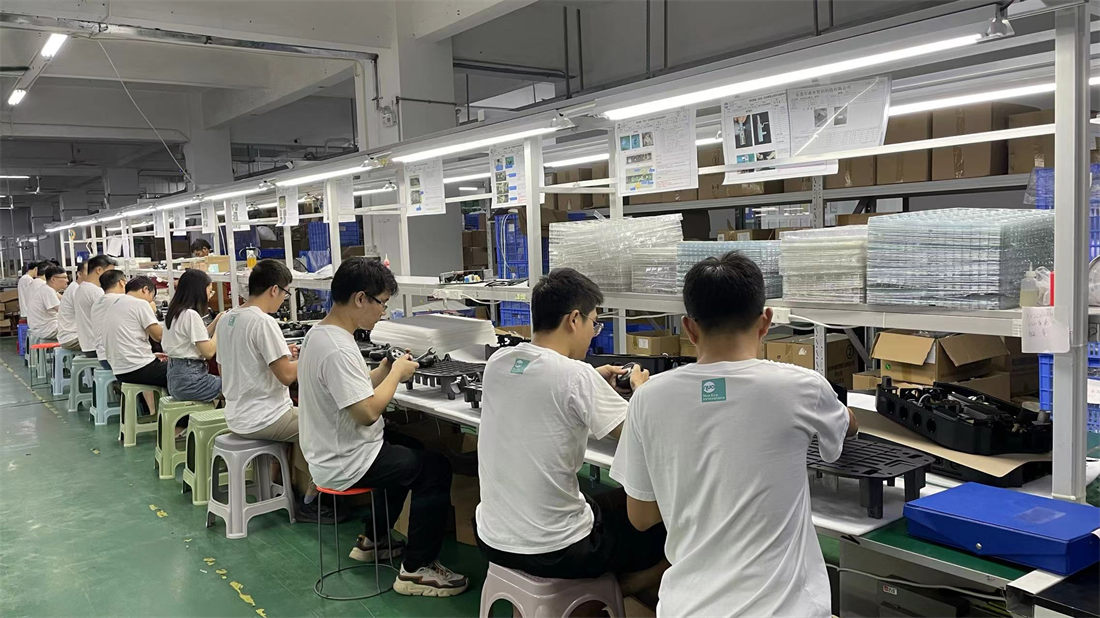
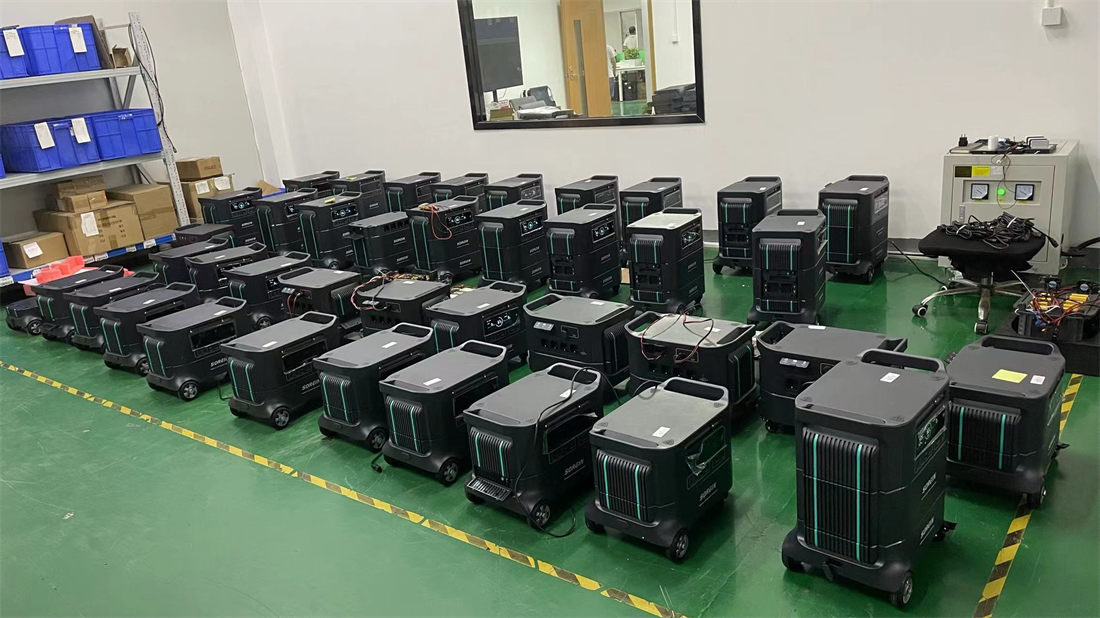
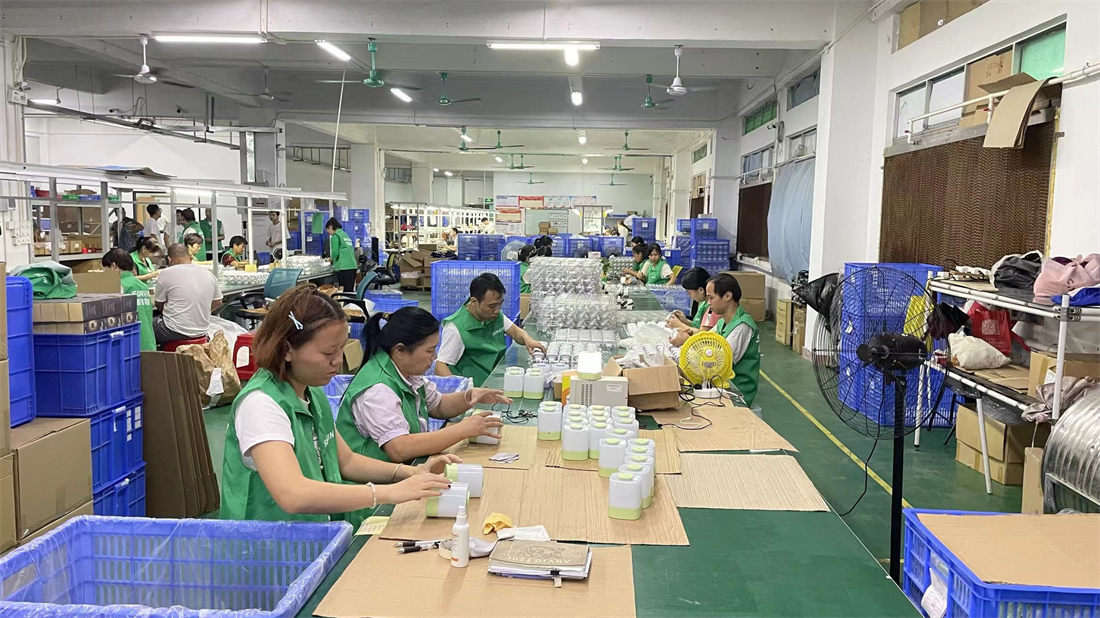
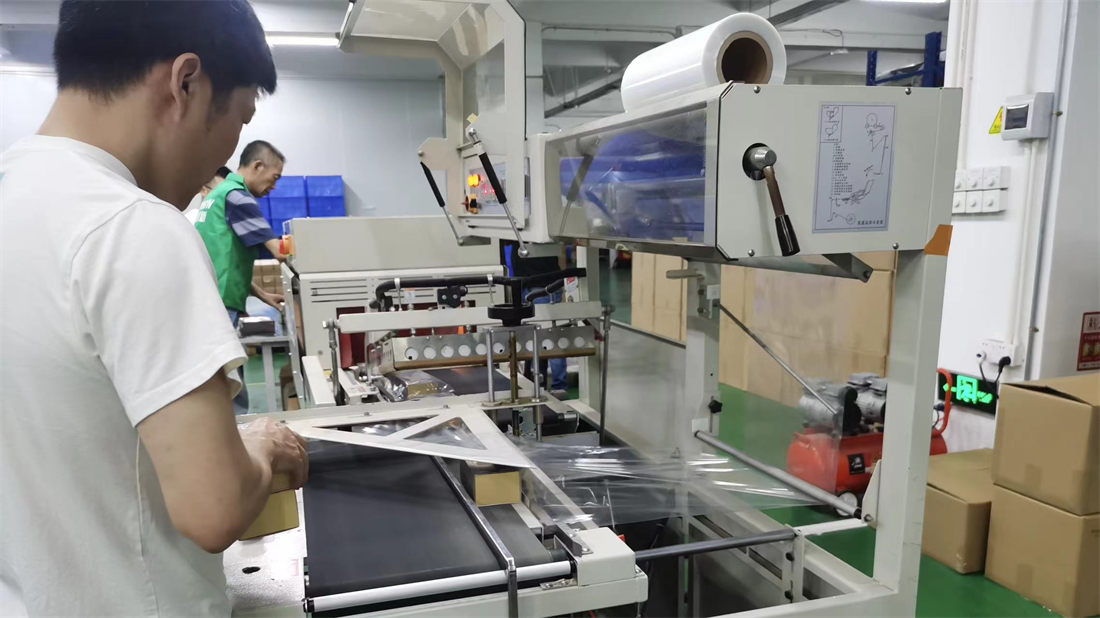
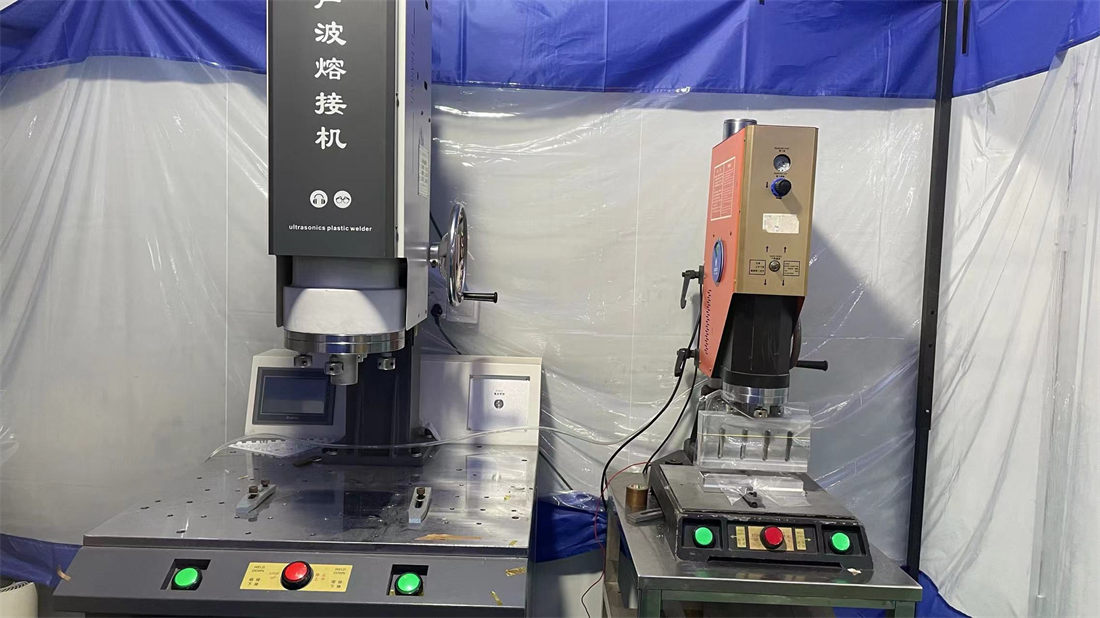
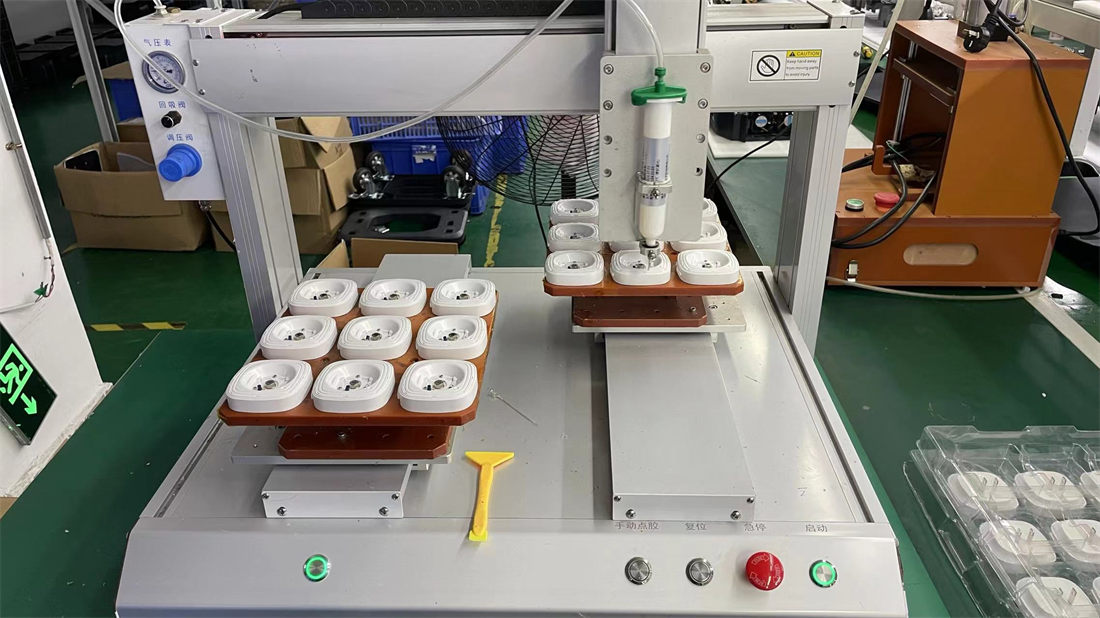
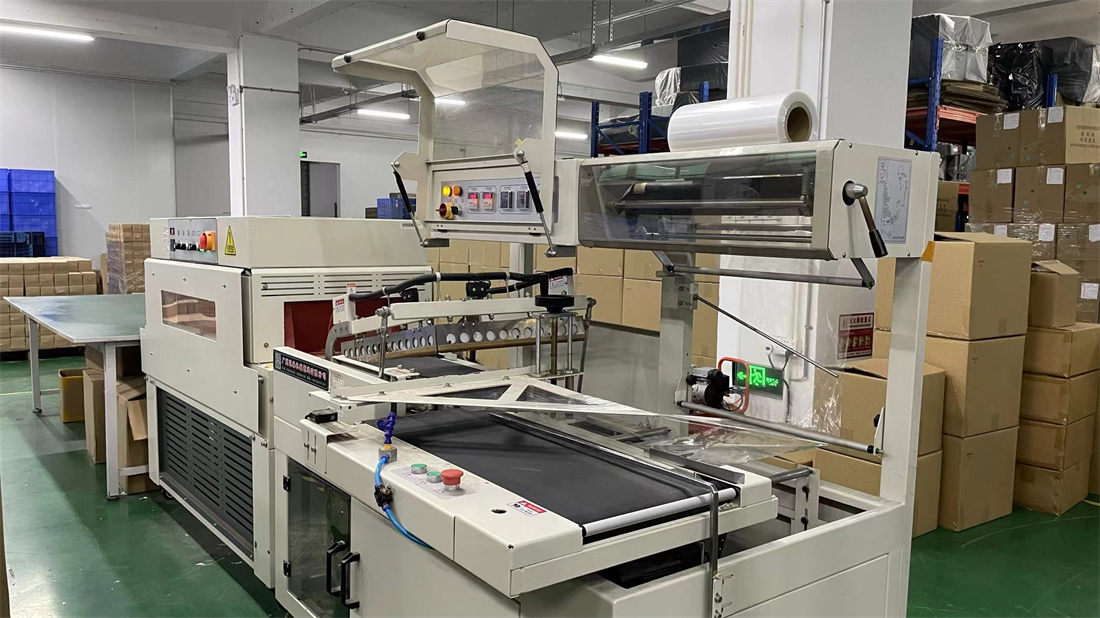
Our Quality Assurance system covers raw material verification, precision welding, multi-stage assembly testing, and extended aging procedures. Operating advanced machinery like automatic glue dispensers and ultrasonic welding systems helps ensure consistent physical protection, IP ratings, and thermal stability in field environments.
The C&I solar industry is moving toward high-efficiency system integration and real-time monitoring. Our engineering focus prioritizes developments in three key areas:
Explore our collection of MPPT solar charge controllers, dynamic outdoor lighting arrays, mounting hardware, and integrated off-grid energy storage stations.
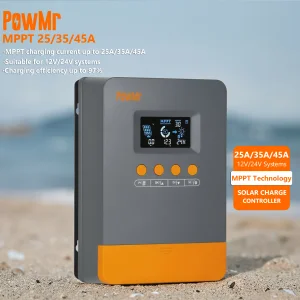
Understanding key technical criteria helps ensure procurement decisions meet long-term project specifications.
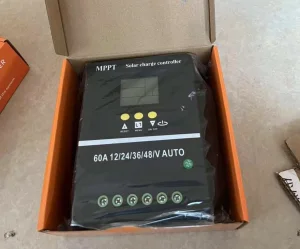
Maximum Power Point Tracking (MPPT) controllers track the optimal operating voltage of the photovoltaic array, converting excess voltage into additional charging current. This provides 20% to 30% higher charging efficiency compared to Pulse Width Modulation (PWM) controllers, making MPPT the preferred choice for industrial and commercial projects where maximizing power yield is essential.
Lithium Iron Phosphate (LiFePO4) batteries offer significant advantages: they support over 6,000 charge cycles at 80% Depth of Discharge (DoD), compared to approximately 500 cycles for lead-acid. LiFePO4 batteries are lighter, have a much lower risk of thermal runaway, and feature smart Battery Management Systems (BMS) to protect against overcurrent, overcharging, and extreme temperatures.
Mounting systems must withstand dynamic wind and snow loads. Using high-grade anodized aluminum (AL6005-T5) and stainless steel (SUS304) fasteners ensures corrosion resistance and long-term durability. Specifying code-compliant designs (such as AS/NZS 1170.2) is critical for structural safety and roof warranty protection.
Smart sensors adjust output between full brightness (when activity is detected) and a dimmed power-saving mode. This dynamic lighting management conserves battery capacity during consecutive overcast days, ensuring consistent performance throughout the night.
Our production process uses automatic glue dispensing machines and ultrasonic welding. This provides precise, consistent seals around optical lenses, battery enclosures, and electronic components, protecting internal circuitry from water ingress and dust in challenging outdoor environments.
Every system undergoes a structured quality control workflow, including raw material inspection, precise assembly checks, simulated load testing, and environmental aging. These steps help ensure that each unit meets functional, safety, and lifespan standards before being packed and shipped to global markets.
 Soweglow Solar