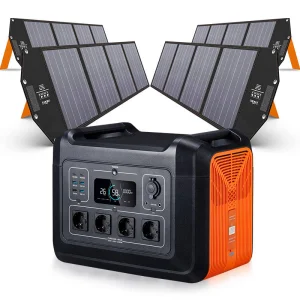
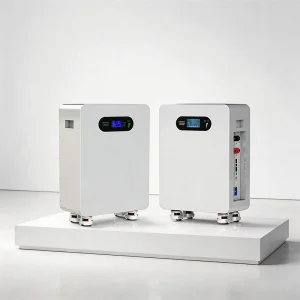
Explore our top-tier solar modules, structural engineering packages, and smart lighting systems configured for global deployment.
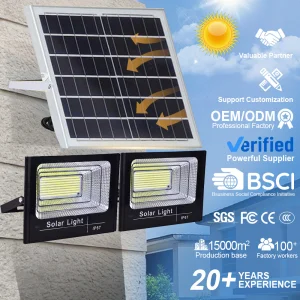
The global energy landscape is undergoing an unprecedented structural transition. Solar photovoltaic (PV) technology stands at the center of this paradigm shift, driving the majority of newly installed power generation capacity worldwide. However, the integrity of this transition depends entirely on the stability, efficiency, and technological maturity of the global solar supply chain management factories. For procurement directors, EPC contractors, and state-level utility operators, finding a trusted solar factory network is no longer just about minimizing bill-of-materials (BOM) costs; it is a critical strategy to mitigate geopolitical volatility, logistics bottlenecks, and rapid technological obsolescence.
Currently, the solar supply chain is highly centralized, with East Asia—particularly industrial centers like Shenzhen, China—serving as the primary hub for component integration, silicon processing, and precision electronics. This concentration delivers substantial economies of scale and rapid R&D-to-production cycles. However, it also demands rigorous oversight of logistics corridor resilience. Global supply chain strategies are evolving from a "just-in-time" model to a "just-in-case" architecture, emphasizing supplier diversification, localized warehousing, and transparent traceability frameworks that comply with strict global import rules, such as the EU Corporate Sustainability Due Diligence Directive (CSDDD) and the US Uyghur Forced Labor Prevention Act (UFLPA).
To maintain reliable solar factory output, manufacturers must address several key operational vulnerabilities:
Established as a key player in the clean energy industry, Shenzhen Soweglow Solar Co., Ltd. is a specialized manufacturer and supplier of advanced solar energy systems, intelligent lighting solutions, and commercial-grade solar accessories. Headquartered in Shenzhen, China—a global center for hardware innovation and electronics manufacturing—Soweglow Solar integrates advanced engineering, tight quality control, and robust logistics systems to serve global markets.
Guided by a commitment to accelerate carbon neutrality, Soweglow Solar develops products tailored for diverse commercial, industrial, municipal, and residential projects. Our portfolio includes high-wattage monocrystalline and flexible solar panels, smart MPPT charge controllers, high-capacity LiFePO4 battery storage, and advanced smart-city municipal solar street lights. By investing in precision automation, we ensure that every component shipped meets international quality standards.
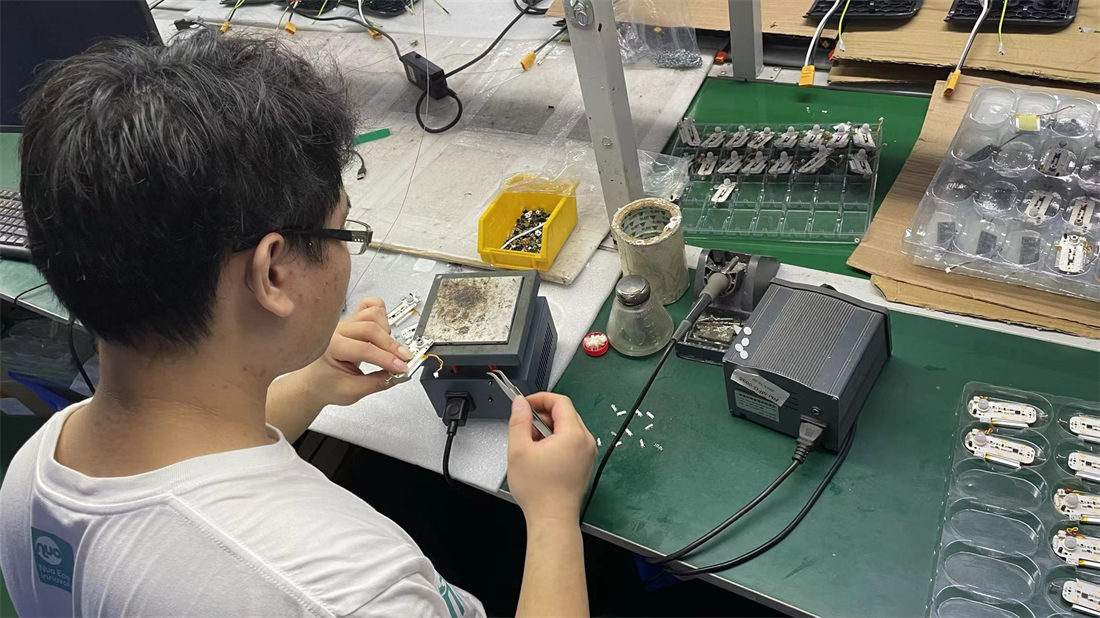
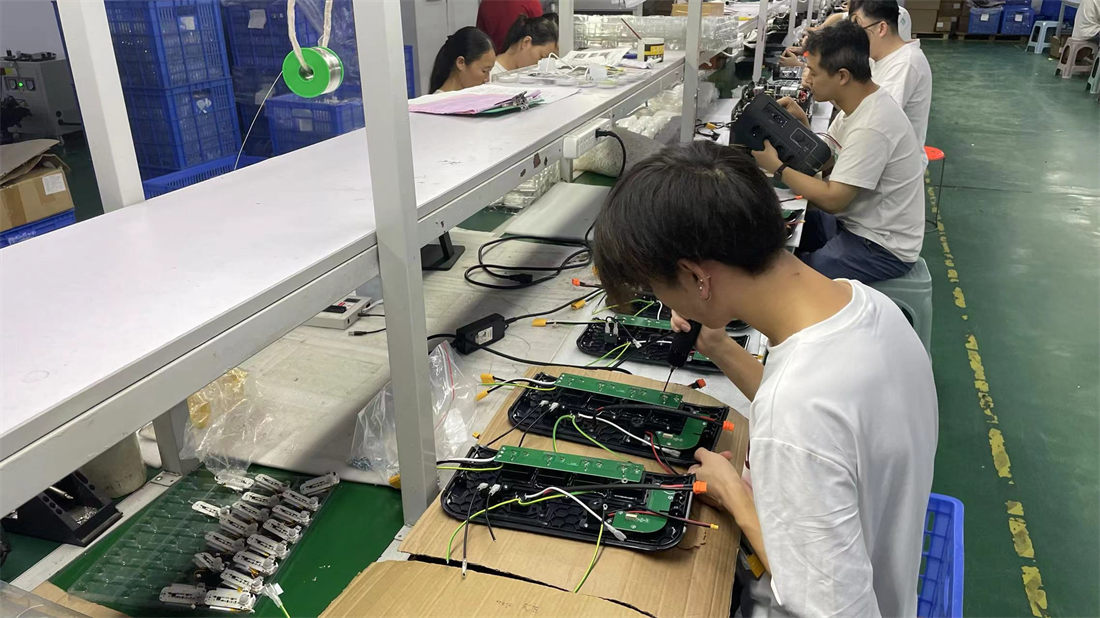
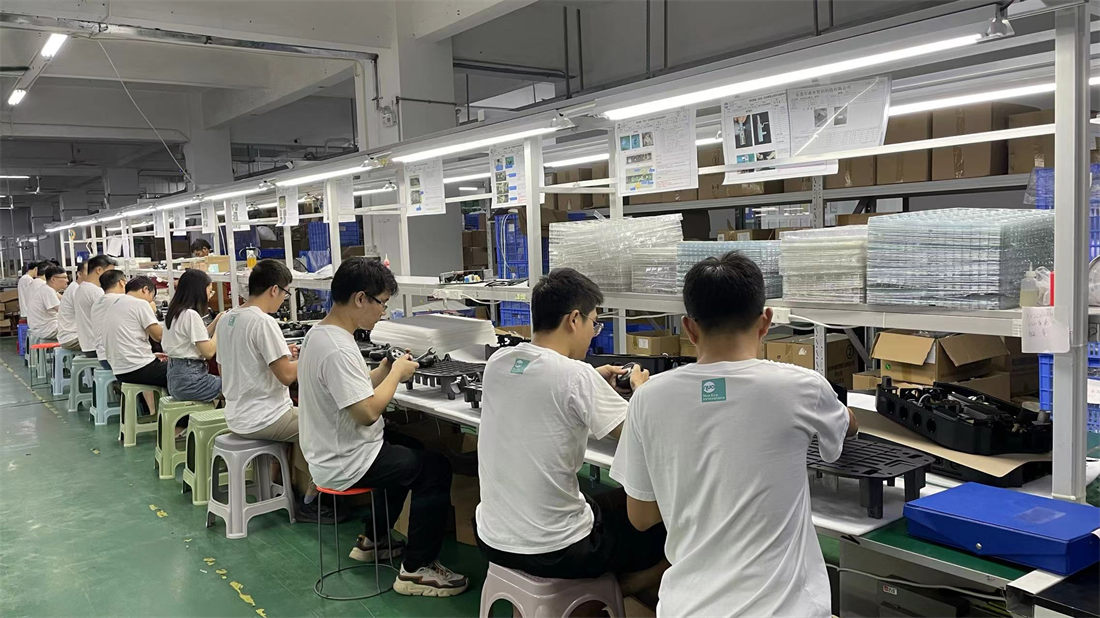
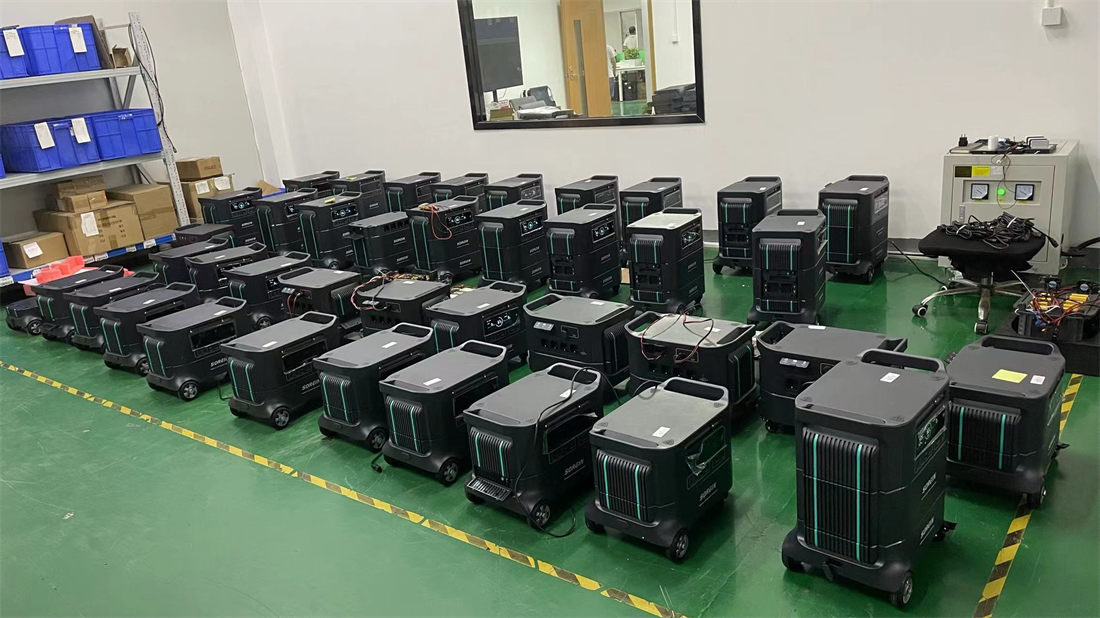
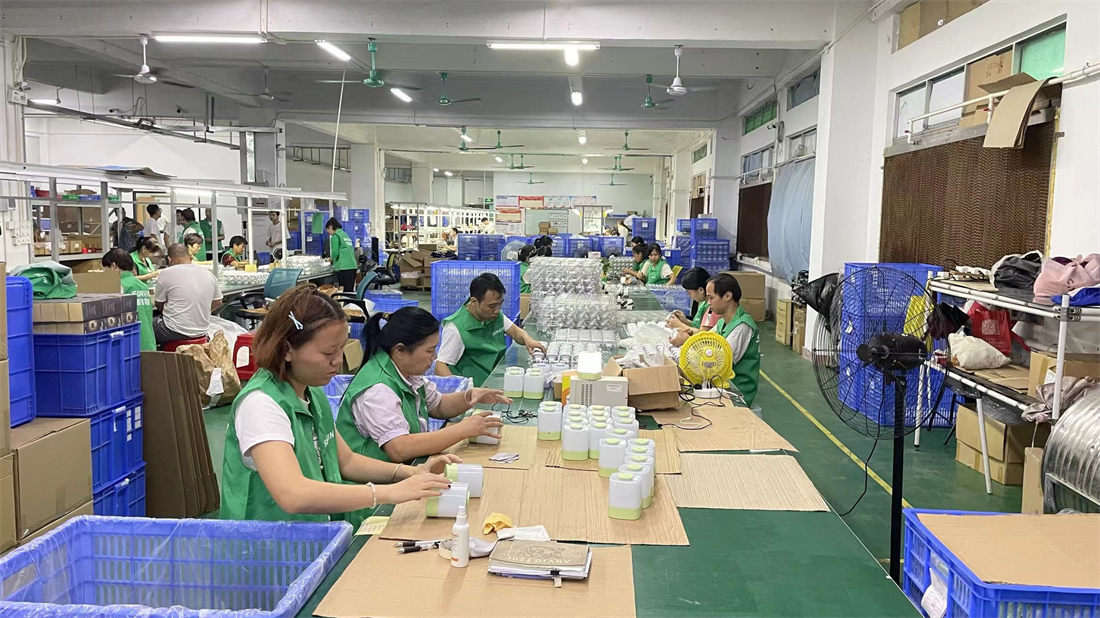
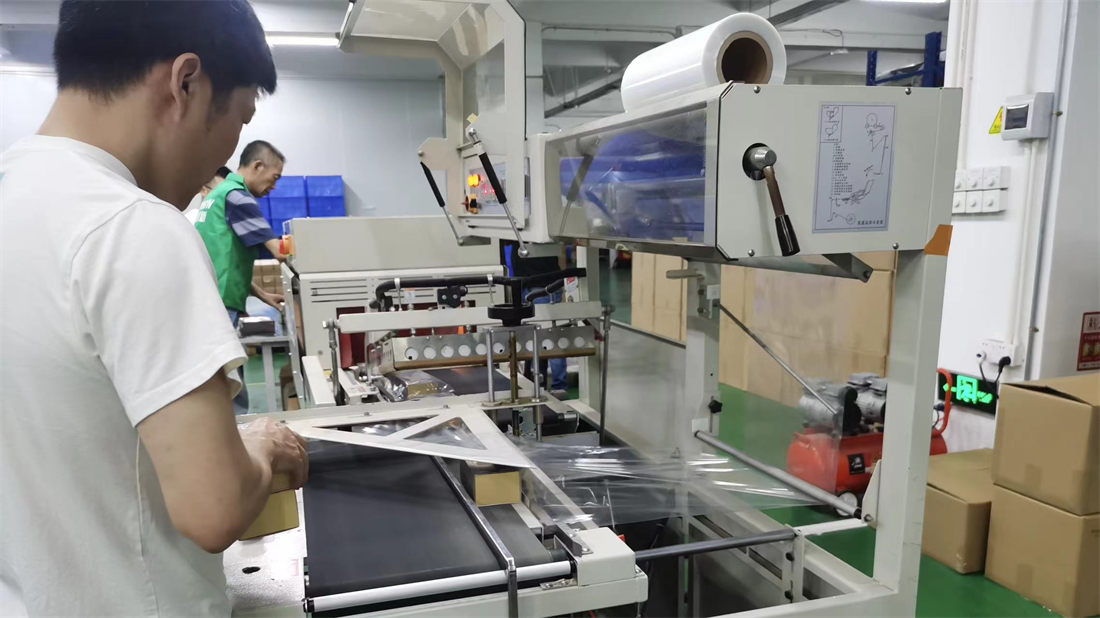
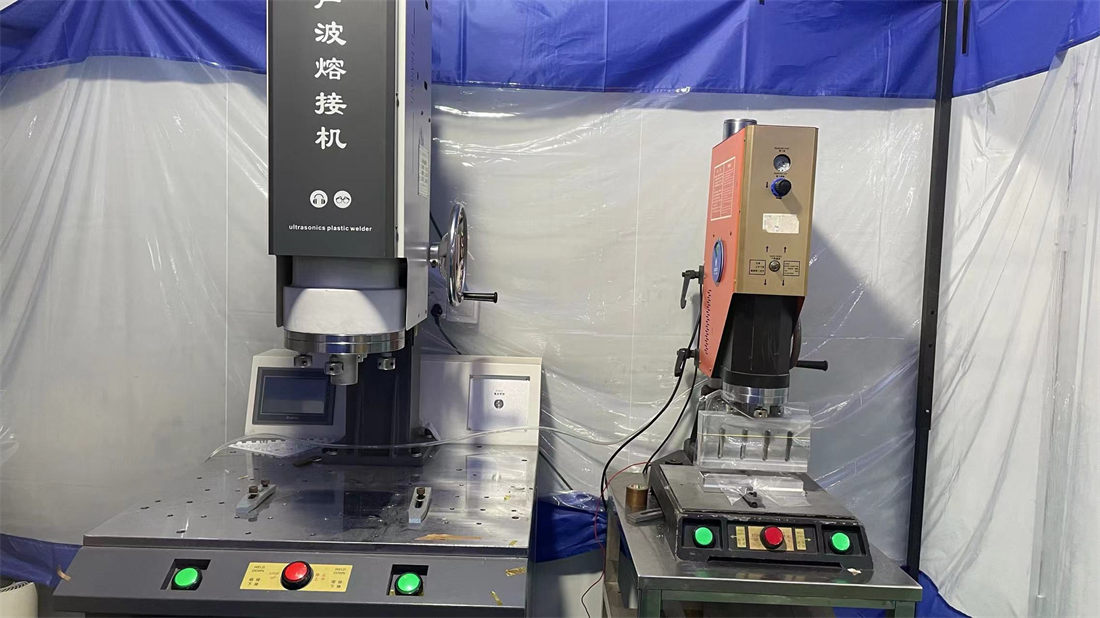
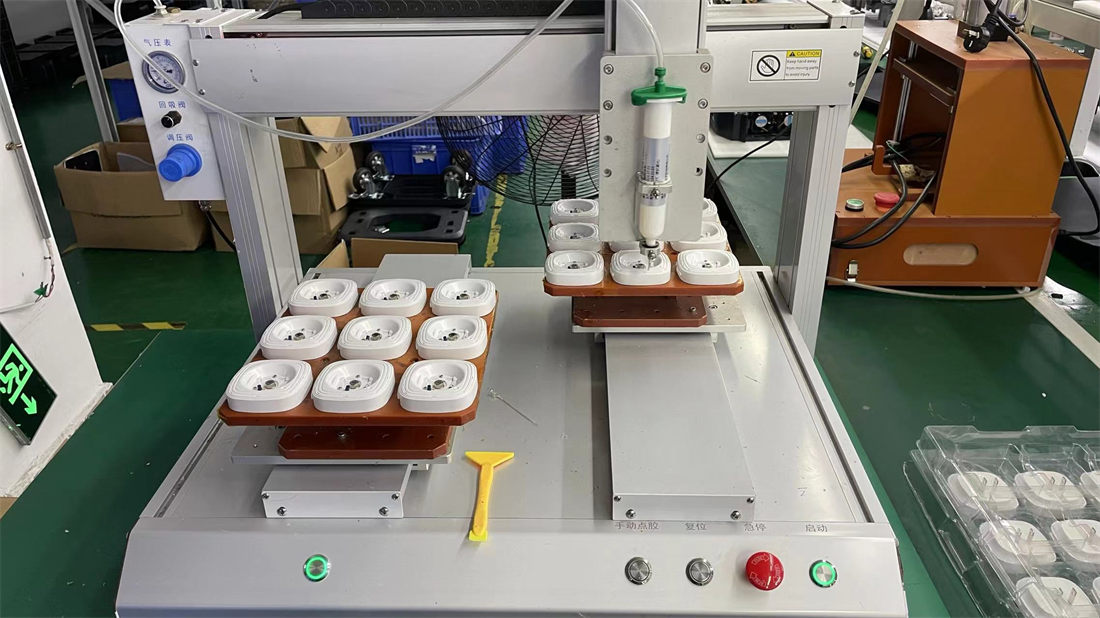
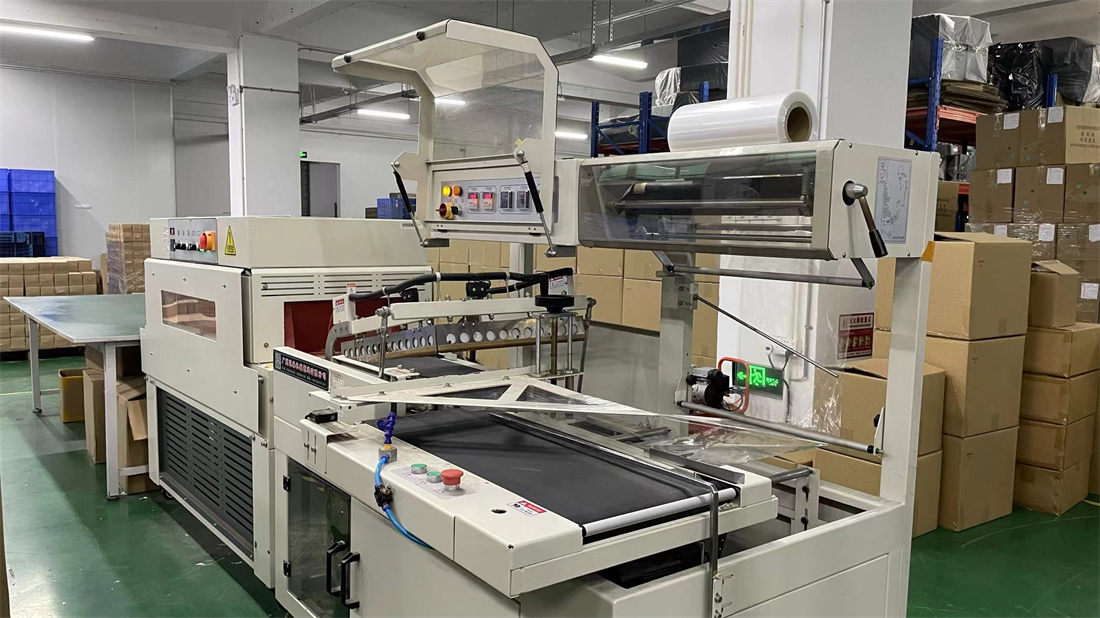
At Soweglow Solar, quality control is integrated throughout the production cycle. Every solar panel undergoes double electroluminescence (EL) testing—once before lamination and once after final framing—to identify micro-cracks, inactive areas, or finger defects invisible to the naked eye. In addition, our batteries and charge controllers undergo dynamic thermal cycle tests (-40°C to +85°C) and ingress protection checks to ensure reliable performance under extreme weather conditions.
The solar PV industry moves quickly, and maintaining a competitive edge requires continuous engineering innovation. The market has shifted decisively from older Al-BSF (Aluminum Back Surface Field) technologies toward modern cell configurations. As a forward-looking solar supply chain coordinator, we track and implement key technological advancements across our product lines:
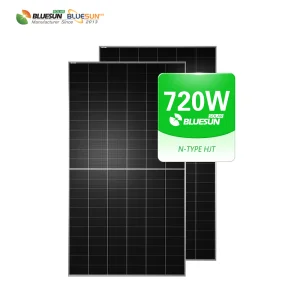
Transitioning to N-type silicon substrates using Tunnel Oxide Passivated Contact (TOPCon) increases conversion efficiencies beyond 24.5%, minimizing LID (Light-Induced Degradation) and lowering the temperature coefficient to improve energy yield in hot climates.
By slicing solar cells into narrow strips and overlapping them with electrically conductive adhesives, shingled modules eliminate busbar shadow losses, increase active area density, and improve performance under partial shade conditions.
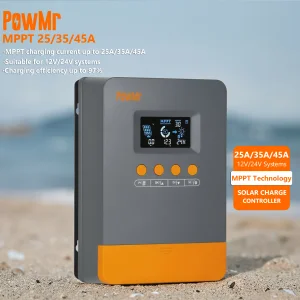
Modern charge controllers feature ultra-fast Maximum Power Point Tracking (MPPT) with tracking efficiencies above 99%. These systems adapt to rapid cloud transitions and reduce conversion losses in battery charging circuits.
We are also seeing a rapid convergence of PV generation with local energy storage systems (ESS). Integrating LiFePO4 batteries with intelligent battery management systems (BMS) allows operators to smooth out intermittency, balance peak loads, and participate in virtual power plants (VPPs). These technologies help commercial users minimize demand charges while providing residential users with reliable backup power.
Solar technology is deployed in diverse environments, each requiring tailored configurations to ensure long-term performance:
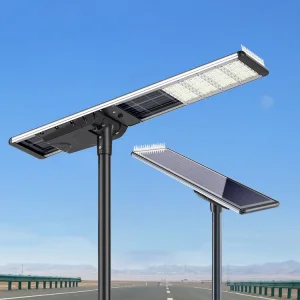
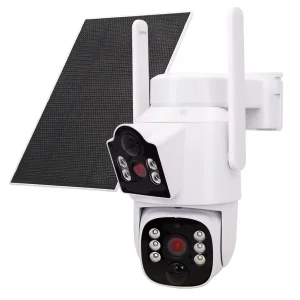
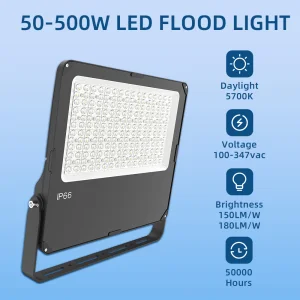
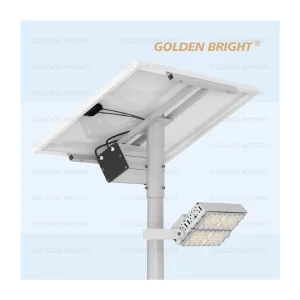
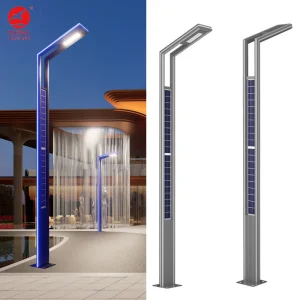
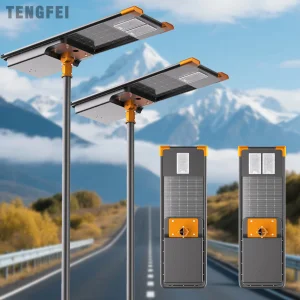
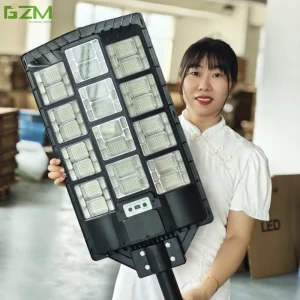
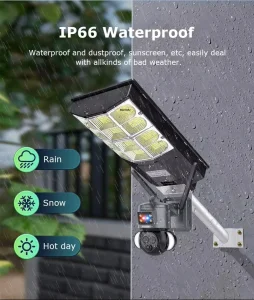
In urban and highway projects, integrated solar street lights act as autonomous nodes. Incorporating microwave radar motion sensors and 4G/5G cameras, these systems provide security monitoring and adapt light output based on traffic flow. In regions with high dust or humidity, IP66-rated cast-aluminum enclosures and self-cleaning glass coatings prevent performance degradation and reduce maintenance overhead.
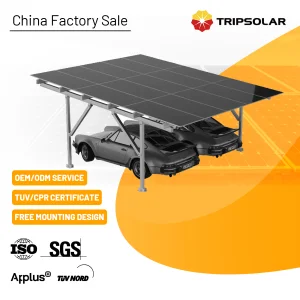
As residential properties transition to electric vehicles (EVs), space-saving installations like aluminum carport solar kits are becoming standard. These structures serve a dual purpose: they protect vehicles while generating green power to feed EV chargers or household hybrid inverters, turning parking spaces into clean energy assets.
For mining sites, agricultural water pumping stations, and telecommunications towers, connection to the main grid is often too expensive. Here, rugged solar generators and high-amperage MPPT controllers paired with deep-cycle LiFePO4 storage supply steady power. These modular setups replace diesel generators, lowering operational costs and eliminating fuel logistics.
For utility-scale solar projects, Levelized Cost of Energy (LCOE) is the primary benchmark for economic viability. LCOE calculation factors in initial capital expenditure (CAPEX), long-term operating costs (OPEX), and total cumulative energy yield over the system's lifetime.
A optimized solar supply chain targets these variables systematically. Using highly integrated mounting structures, like prefabricated aluminum carports, cuts down on-site labor and assembly time, reducing CAPEX. At the same time, using modules with lower degradation rates and reliable, weather-resistant micro-controllers stabilizes long-term yield. This minimizes performance loss over a 25-year lifespan, improving project ROI for developers and institutional investors.
High-specification components engineered to withstand harsh environments while delivering steady power conversion.
To help global procurement teams make informed decisions, we have compiled answers to common technical and logistical questions:
Top tier factories maintain detailed traceability records. Every component, from silicon feedstock to finished module, is documented with matching Certificates of Origin and Bill of Lading records. Third-party audits (such as by SGS or TÜV Rheinland) are regularly conducted to verify supply chain transparency and labor standards.
Shingled panels use laser-cut cell strips overlapped with conductive adhesive, which eliminates busbars and reduces electrical resistance. This design maximizes the active generation surface and reduces the impact of localized shading compared to traditional half-cut panels with visible ribbon connections.
Lithium Iron Phosphate (LiFePO4) offers higher thermal stability, reducing the risk of thermal runaway. It also has a longer lifecycle, typically delivering over 6,000 cycles at 80% Depth of Discharge (DoD), compared to NMC batteries which average 1,500 to 2,000 cycles.
Automated machinery, such as precision glue dispensers and ultrasonic welding systems, ensures consistent sealing and strong internal electrical connections. This prevents moisture ingress and stabilizes contact resistance, protecting the system from premature field failures.
Procurement teams should review the factory's financial stability, production capacity, track record in international markets, and quality control systems (like ISO 9001/14001). Verification of international certifications (such as CE, RoHS, IEC, and UL) is also critical to confirm compliance with global standards.
 Soweglow Solar