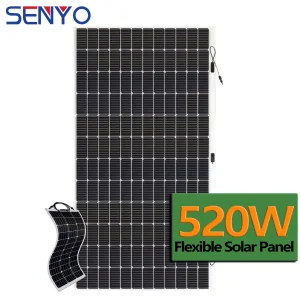
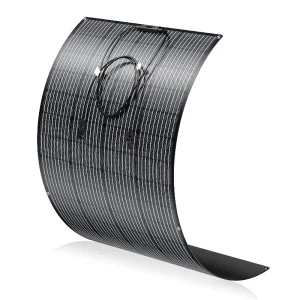
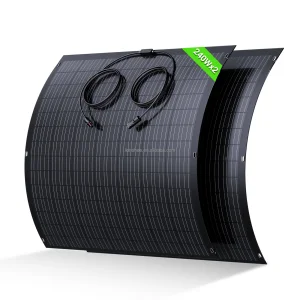
High-efficiency flexible panels optimized for coastal wind loads, historic rooftops, and mobile infrastructure in the Iberian Peninsula.
As Portugal accelerates its energy transition under the ambitious guidelines of the National Energy and Climate Plan (PNEC 2030), the deployment of solar energy infrastructure has shifted from utility-scale desert farms to complex, space-constrained, and structurally sensitive environments. Historically, traditional framed glass monocrystalline solar modules served as the default choice. However, architectural constraints in historic urban centers like Lisbon and Porto, coupled with low load-bearing capacities of industrial steel-structured rooftops in the Alentejo region, have demanded a paradigm shift.
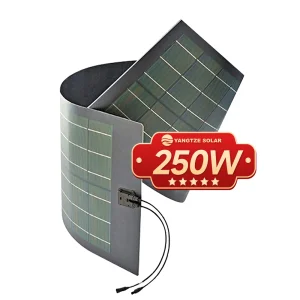
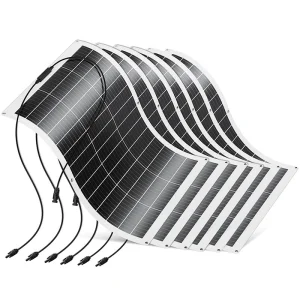
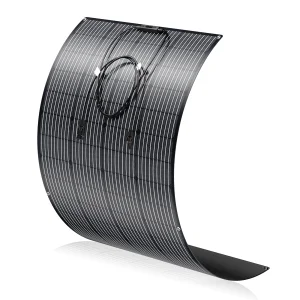
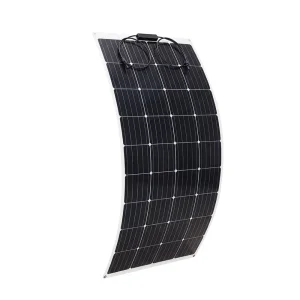
This is where next-generation flexible solar panels step in. Eliminating heavy aluminum frames and tempered glass, these panels leverage advanced polymeric encapsulation materials like ETFE (Ethylene Tetrafluoroethylene) and innovative thin-film semiconductor layers. Weighing under 3.5 kg/m² compared to the 18-24 kg/m² of traditional panels, flexible solar technology removes structural limitations, unlocking thousands of square meters of formerly unviable space for clean energy production.
For Portuguese industrial distributors, B2B procurement managers, and commercial solar installers, partnering with tier-one manufacturing facilities is critical to ensuring product longevity under challenging coastal weather conditions. The Atlantic coastline exposes installations to extreme salt spray, high humidity, and powerful wind gusts. This white paper analyzes the commercial landscape of flexible solar panel manufacturing, highlighting how Shenzhen Soweglow Solar Co., Ltd. guarantees reliable, localized solutions optimized for the specific challenges and regulatory frameworks of the Portuguese market.
Unlocking new possibilities where traditional solar infrastructure cannot be structurally or legally integrated.
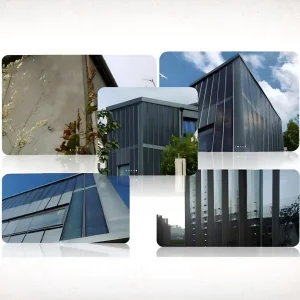
Portugal’s historic city centers are protected by strict architectural preservation guidelines. Traditional blue-cell framed solar panels are frequently rejected by municipal authorities because they disrupt the traditional visual aesthetics of terracotta tile roofs. Flexible solar panels, particularly full-black monocrystalline or ultra-thin CIGS panels, lay completely flat on roof lines, contouring to the clay tile curves. They can be installed using non-destructive structural adhesives, leaving zero penetrations and preserving the historical integrity of these heritage buildings.
With a large percentage of Portugal's population living in apartments in urban centers like Lisbon, Coimbra, and Braga, the demand for balcony solar power plants (commonly referred to as "Balcony Power Plants" or Kit Solar Autoconsumo) has skyrocketed. Conventional panels are far too heavy to safely hang off apartment railings without expensive, engineered mounting kits. Lightweight ETFE flexible panels can be secured easily using marine-grade cable ties or specialized hooks, feeding clean energy straight into the household grid through microinverters.
Portugal's vast maritime economy, centered around recreational yachting in Vilamoura, Cascais, and deep-sea boating in the Azores, demands highly specialized solar hardware. Traditional solar panels create wind resistance, add top-heavy weight, and break easily on impact. Marine-grade flexible panels featuring IP68-rated waterproof junction boxes and salt-mist resistant ETFE coatings conform directly to the curved decks of catamaran yachts and sailboats, providing reliable power for navigation and communications without affecting vessel dynamics.
Many older commercial and logistics warehouses across Portugal's industrial zones (such as those in Vila Nova de Gaia and Setúbal) were constructed with lightweight corrugated metal roofing sheets. These structures frequently fail static load tests required for standard 20kg framed solar panels plus heavy mounting racks. Flexible solar panels bypass this bottleneck entirely. They apply an additional load of only 3-4 kg/m² and are glued directly to the metal ridges, eliminating wind uplift concerns and avoiding any roof puncture leaks.
An engineering-level comparison of the two primary material paths in the flexible photovoltaic industry.
| Performance Parameter | CIGS (Copper Indium Gallium Selenide) | Monocrystalline Silicon (ETFE Encapsulated) |
|---|---|---|
| Bending Performance | Ultra-flexible (360° true flex, zero cell cracks) | Semi-flexible (up to 30° curvature limit) |
| Aperture Efficiency | 15.5% - 17.5% | 21.0% - 23.0% (Highest power output) |
| Weight Density | Approx. 2.2 kg - 2.8 kg/m² | Approx. 3.2 kg - 3.8 kg/m² |
| Temperature Coefficient | -0.36%/°C (Excellent performance in hot climates) | -0.39%/°C (Slightly higher performance drop under intense heat) |
| Shadow Tolerance | Superior (Bypass diodes and cell layout reduce spot-shading losses) | Moderate (Requires bypass diode optimization) |
| Installation Complexity | Roll-out peel-and-stick structural adhesive backing | Adhesive backing, eyelets, or structural mechanical zip-ties |
In regions like Alentejo and the Algarve, summer rooftop temperatures frequently exceed 65°C. As solar panels heat up, their efficiency drops. CIGS flexible panels feature a superior temperature coefficient compared to standard crystalline panels, maintaining a higher energy yield (kWh generated per kW installed) during the hottest months of July and August.
Combining localized Shenzhen supply chain speed with rigorous German/European quality assurance standards.
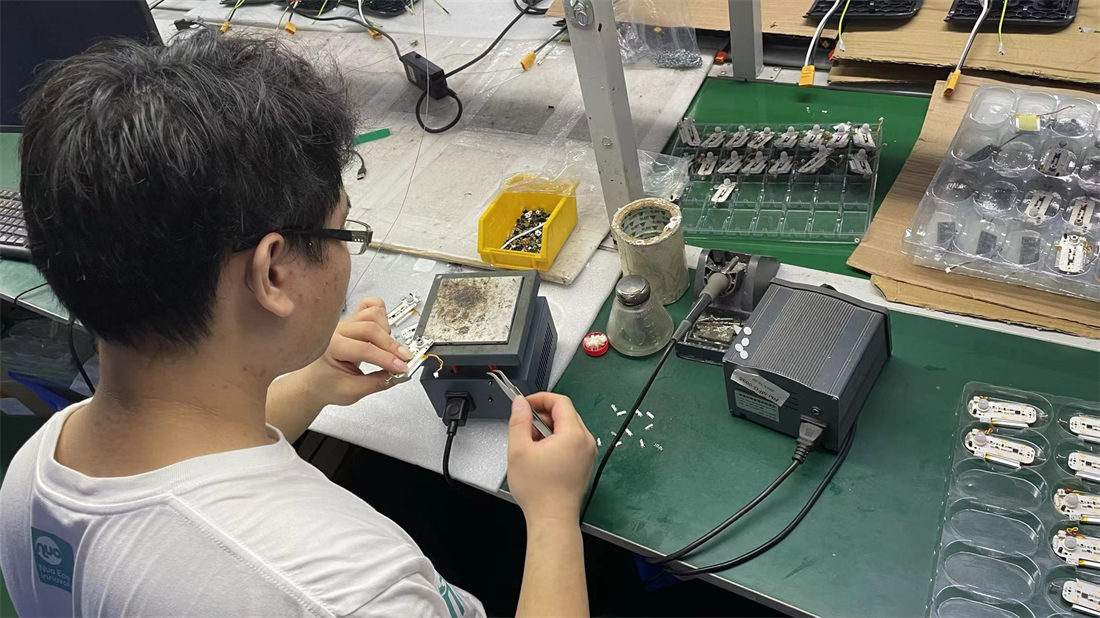
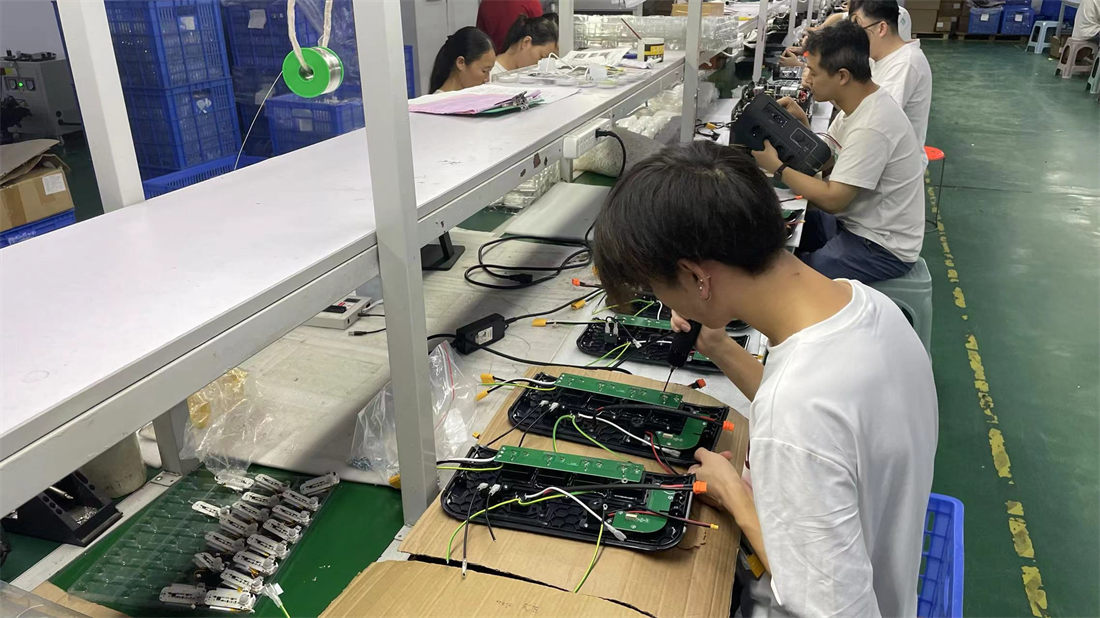
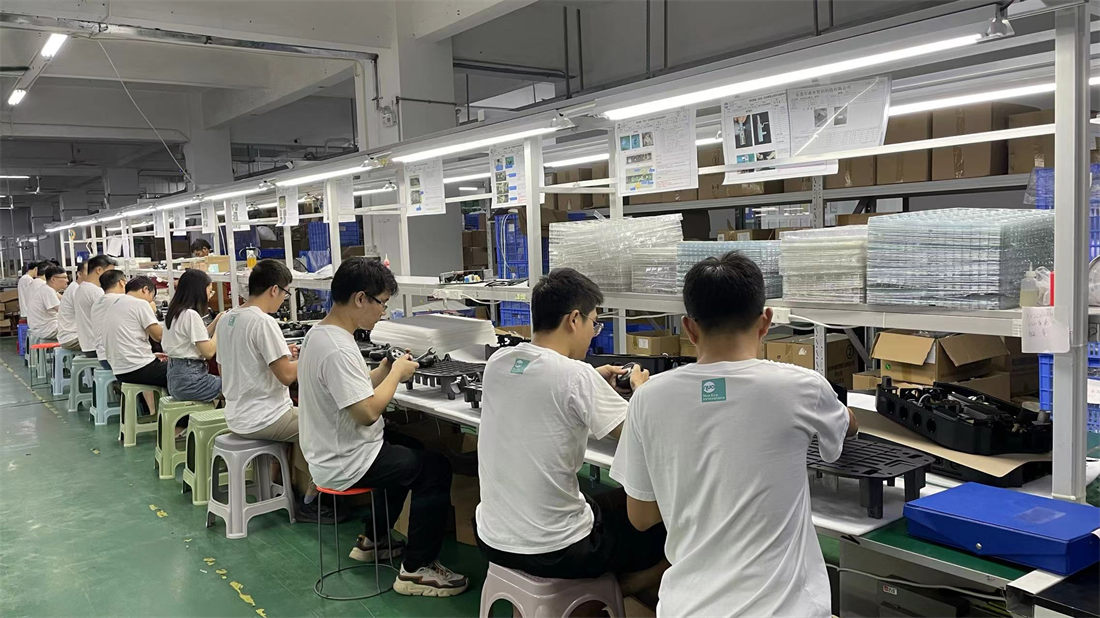
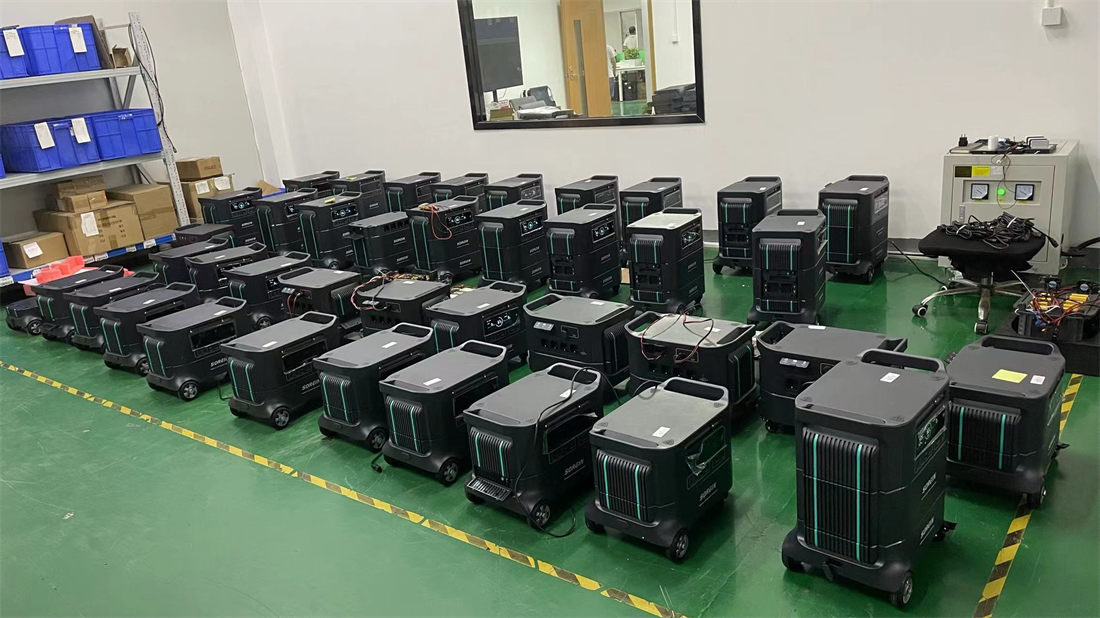
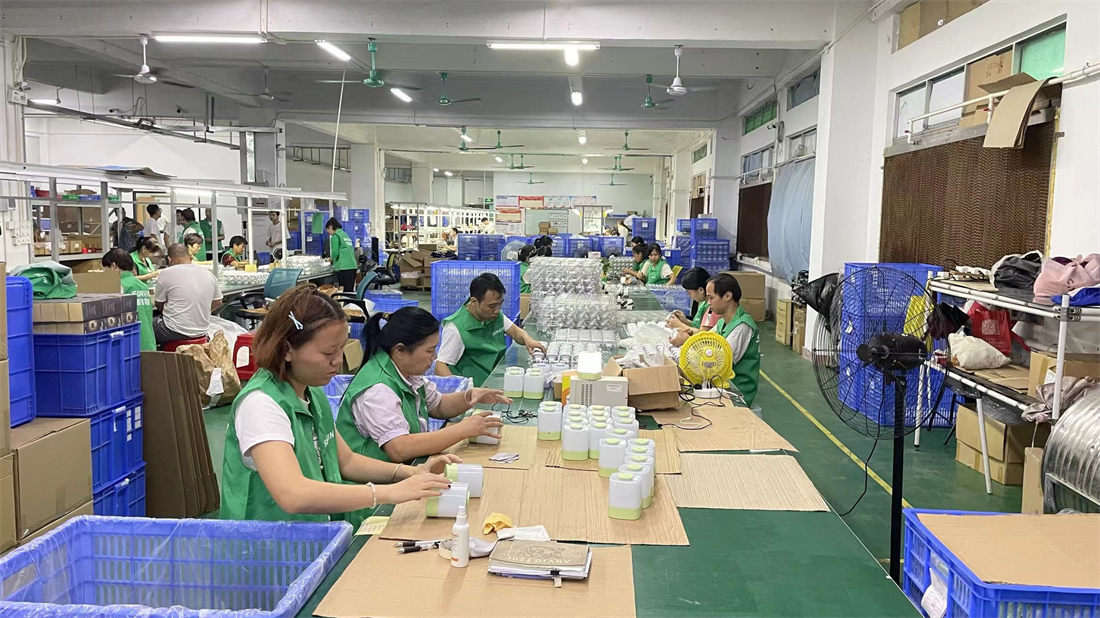
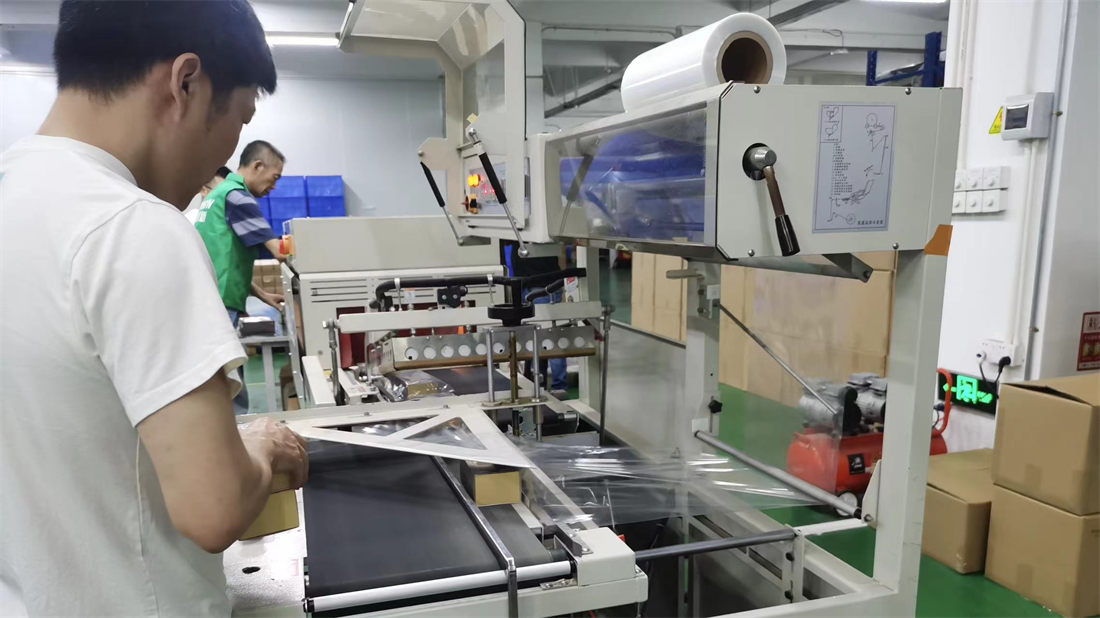
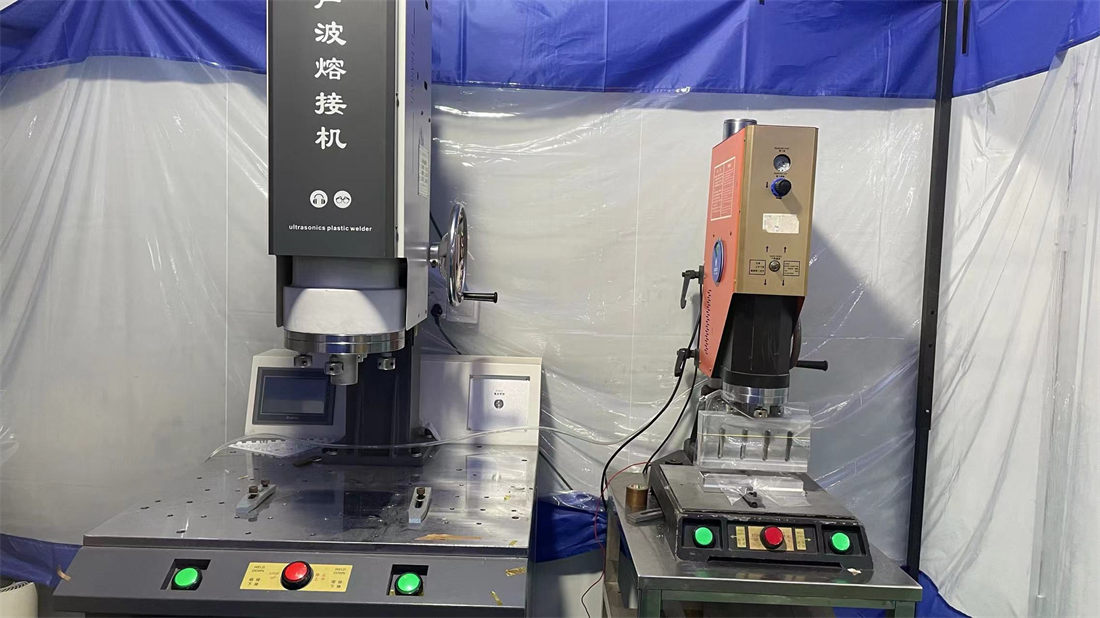
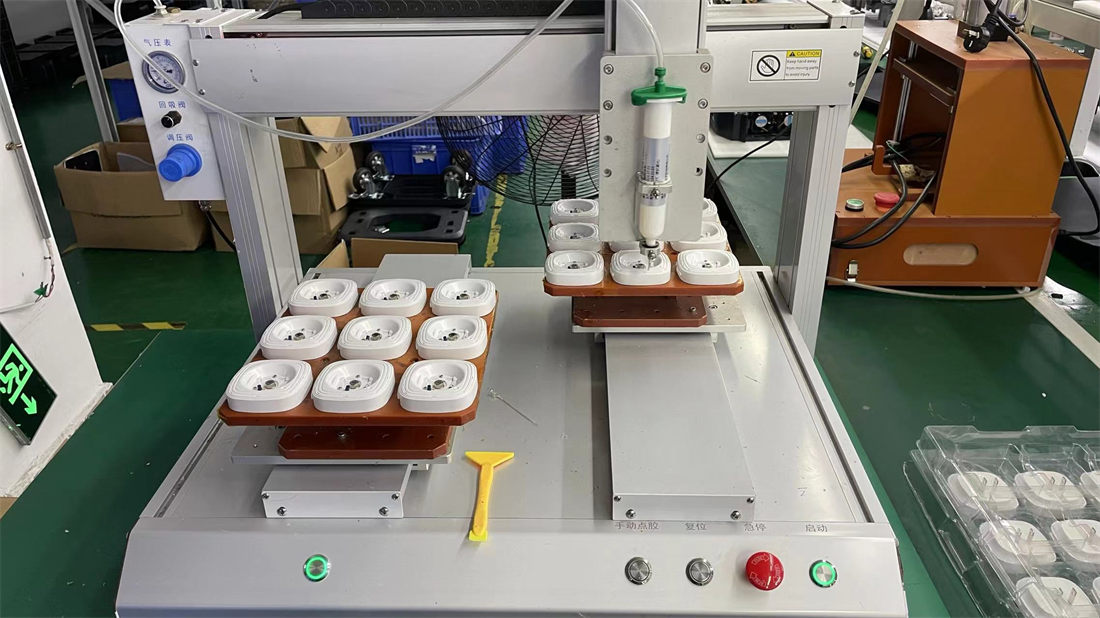
Based in the global hardware epicentre of Shenzhen, China, Shenzhen Soweglow Solar Co., Ltd. stands as a premier manufacturer of customized renewable energy systems. The company specializes in advanced flexible thin-film systems, semi-flexible monocrystalline panels, and portable grid-tied and off-grid configurations. Soweglow operates under a highly vertically integrated manufacturing process, allowing the factory to optimize production speed while maintaining strict adherence to European quality regulations.
Quality assurance is embedded in every single stage of production. From raw wafer slicing and CIGS sputtering to final lamination, every cell is subjected to advanced Electroluminescence (EL) testing to eliminate micro-cracks that could cause premature degradation under the mechanical stresses of coastal wind loads.
By leveraging China's ultra-efficient component supply chain, Soweglow Solar is able to supply European markets with high-grade, competitively priced panels featuring industry-leading warranties. Distributors in Portugal benefit from direct factory pricing, customizable technical specifications (such as custom junction box positioning, cabling lengths, and adhesive pre-application), and reliable delivery pipelines.
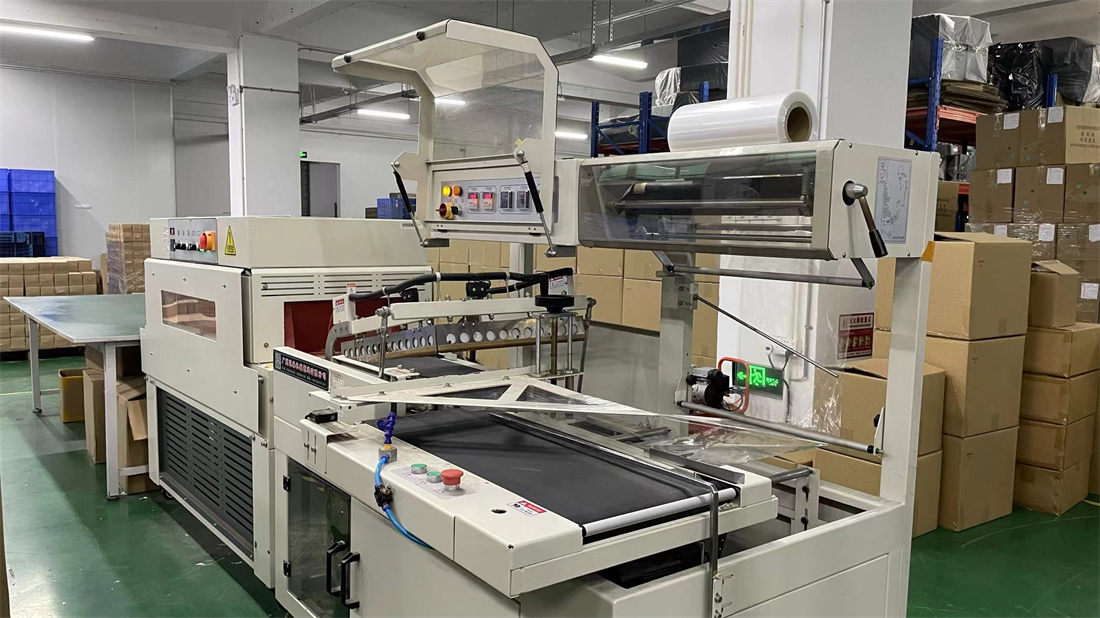
Understanding the legal and technical boundaries for successful localized solar project integration.
Any solar project connected to the grid in Portugal must comply with registration procedures managed by the DGEG (Direção-Geral de Energia e Geologia). For systems under 350W (such as balcony systems or single-module setups), the registration is simplified, but still requires products certified to European grid standards. For larger industrial arrays (UPAC - Unidades de Produção para Autoconsumo), full compliance under EU Regulation 2016/631 (Requirements for Generators) is mandatory.
Soweglow Solar’s flexible systems are engineered to pair seamlessly with European microinverter brands (e.g., Hoymiles, APsystems, Deye) that are pre-certified and registered in the DGEG databases. This allows installers to deploy systems rapidly without encountering bureaucratic bottlenecks during grid connection.
Additionally, local commercial structures must satisfy building stability codes (Regulamentos de Segurança e Ações). Standard solar panels require wind-tunnel testing and wind-uplift mitigation, which often drives up structural reinforcement costs. Flexible panels bonded directly to roofing structures using tested polyurethane adhesives (such as SikaTack or Dow Corning structural sealants) act as a single surface with the roof, avoiding localized wind forces and securing easy approvals from insurance underwriters.
Essential answers to technical and regulatory questions regarding flexible solar module deployment in Portugal.
Our comprehensive range of flexible, semi-flexible, and specialty solar modules designed for diverse environmental profiles.
Are you looking for customized dimensions, custom junction box designs, or direct container shipments to Portugal? Our engineering team in Shenzhen is ready to customize solutions matching your project specification. Contact us now to receive a technical blueprint and quotation within 24 hours.
Send Inquiry Now Soweglow Solar