Solar Panel Mounting System Factories & Exporters for Boston

High-Yield Mechanical Performance, Wind & Snow Load Resilience, and Engineered Mounting Infrastructure Compliant with ASCE 7-16 Standards for Massachusetts Commercial & Utility Projects.

Send Inquiry Now
130
MPH Wind Resistance
50
PSF Snow Load Capacity
30+
Years Design Life
200+
MW Annual Export

Technical Whitepaper: Engineering Resilient Solar Mounting Infrastructure for Boston & the Northeast Corridor

As the Northeast United States rapidly accelerates its decarbonization targets, Massachusetts, and particularly the Boston metropolitan area, has emerged as a high-density zone for commercial, industrial, and community-scale solar photovoltaic (PV) deployment. However, local developers and Engineering, Procurement, and Construction (EPC) firms face unique structural and environmental challenges. Designing and procuring solar panel mounting systems for Boston requires deep adherence to stringent structural safety codes, high corrosion resilience due to maritime microclimates, and strategic supply chain engineering to mitigate rising costs.

1. The Boston Climate Paradox: Designing for Dynamic Snow & High Velocity Wind Loads

Boston’s geographic positioning exposes solar arrays to severe coastal weather, including sub-zero winter temperatures, heavy coastal snow loads, and intense localized wind speeds during winter storms (Nor'easters). Racking systems installed in Massachusetts must strictly comply with the State Building Code (780 CMR), which references ASCE 7-16 (Minimum Design Loads and Associated Criteria for Buildings and Other Structures).

  • Snow Load Mitigation: Ground snow loads ($p_g$) in the Boston area range from 30 to 45 pounds per square foot (psf), with inland elevations reaching 50 psf. Solar racking systems must accommodate sliding snow loads, asymmetrical unbalanced snow loads, and thermal contraction cycles. Poorly engineered racking leads to structural sagging, rail twisting, and catastrophic microcracking of PV modules.
  • High-Velocity Wind Resistance: Coastal Massachusetts demands racking configurations rated to withstand basic wind speeds ($V$) of up to 130 mph (Risk Category II). The engineering calculations must account for wind tilt angles, topographic factors ($K_{zt}$), and ground surface roughness (Exposure Categories B and C). Specialized wind deflectors and robust clamp assemblies are essential for preventing lift-off on ballasted flat-roof configurations.
  • Coastal Salt Air and Galvanic Corrosion: Proximity to Boston Harbor and coastal zones exposes racking structures to airborne salt spray (chlorides), accelerating electrochemical degradation. Standard steel brackets will fail prematurely under these conditions. Solutions must employ marine-grade anodized aluminum (AL6005-T5) with at least 15-micron coating thickness or advanced self-healing metallic coatings.

2. Material Science Innovation: The Zinc-Aluminum-Magnesium (ZM) Alloy Revolution

To balance the mechanical load requirements with material cost control, global manufacturing is shifting away from traditional hot-dip galvanized (HDG) steel toward Zinc-Aluminum-Magnesium (ZM) coated steel. This alloy composition (typically consisting of 1.5% to 3% Magnesium and 1.5% to 6% Aluminum, with the remainder being Zinc) offers extraordinary structural and chemical advantages:

  • Self-Healing Cut Edges: When ZM steel is sheared, punched, or scratched during installation, the magnesium in the coating reacts with atmospheric oxygen and moisture, forming a highly stable, dense protective layer (Simonkolleite) over the exposed steel edge. This eliminates the necessity of post-fabrication hot-dip treatment or zinc-spray touch-ups in the field.
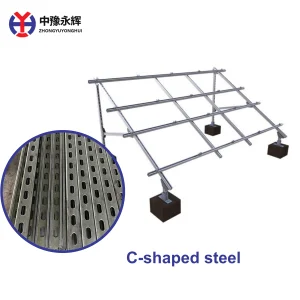
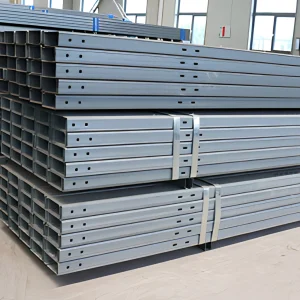
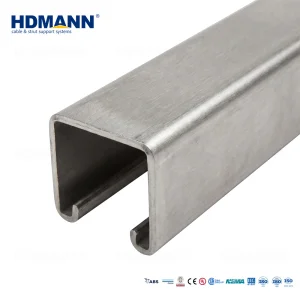
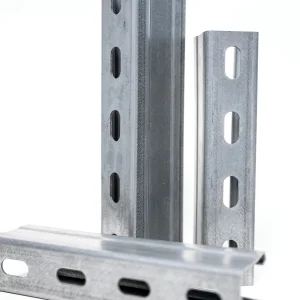
  • Exceptional Corrosion Protection: In salt-spray testing, ZM coatings demonstrate a corrosion resistance up to four times greater than standard hot-dip galvanized coatings of equivalent thickness. This makes ZM steel channels (such as our 41*21 Strut Profiles) the preferred choice for commercial ground-mount solar arrays and carport structures throughout coastal New England.
  • Higher Structural Efficiency: Due to the superior yield strength of the engineered substrate, ZM steel allows for thinner wall profiles without compromising the maximum allowable bending moment. This reduces the dead load on existing commercial roofs, lowers shipping weights, and decreases installation labor costs.
⚙️

ASCE 7-16 Certified

Calculated to withstand New England wind zones and seismic requirements.

🛡️

ZM Self-Healing Steel

Advanced alloy coating prevents corrosion at cut edges and bolt connections.

Rapid-Install Design

Pre-assembled structural components reduce expensive local field labor by 40%.

🏗️

Universal Compatibility

Flexible designs supporting modern ultra-high power, large-format bifacial modules.

3. Global Supply Chains and Chinese Factory Optimization

For Boston EPCs, procurement managers must constantly balance quality assurance against tight project budgets. While local distributors offer fast delivery, their pricing reflects high domestic warehousing margins and localized fabrication costs. Direct procurement from advanced manufacturing clusters in Shenzhen and surrounding technology hubs in China resolves this bottleneck.

Shenzhen Soweglow Solar Co., Ltd. integrates advanced robotics, automated roll-forming lines, and state-of-the-art welding machines to deliver structural racking systems at a fraction of Western production costs. By maintaining massive raw material inventories of steel and aluminum alloys, Chinese factories can absorb market fluctuations and offer stable, predictable pricing. This is critical for large-scale municipal bids or private corporate power purchase agreements (PPAs) in Massachusetts, where long project lead times require rigid cost containment.

4. Specialized Local Application Scenarios in New England

A "one-size-fits-all" racking system is fundamentally incompatible with the diverse architectural landscape of the Boston metro region. Engineers must design systems tailored to specific local project types:

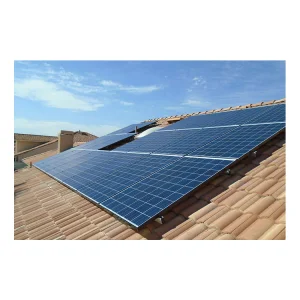
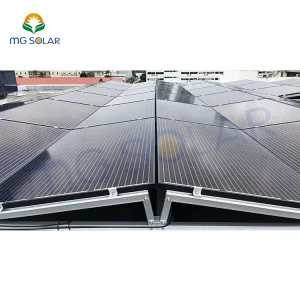
  • Historic Commercial Flat Roofs: Urban Boston has a high volume of brick-and-beam commercial buildings. Penetrating these roofs is highly restricted due to structural age, waterproofing warranties, and historic preservation regulations. Ballasted racking systems with integrated aerodynamic wind deflectors are required to distribute loads evenly without penetrating the membrane.
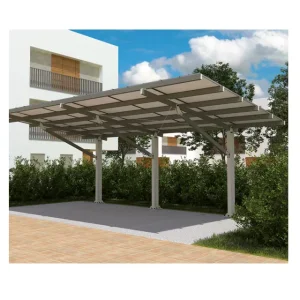
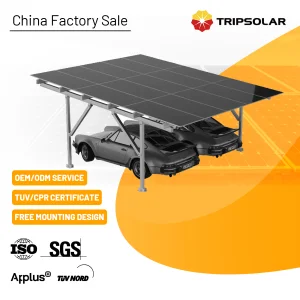
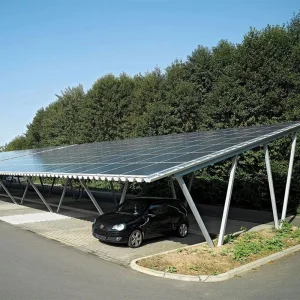
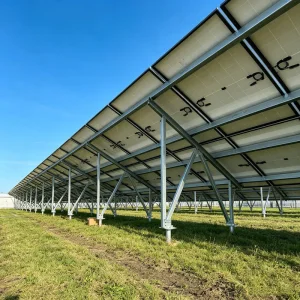
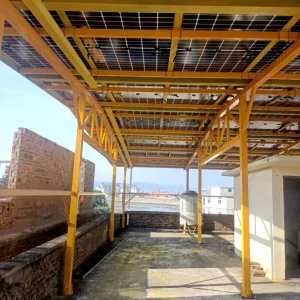
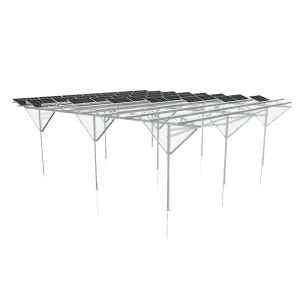
  • Enterprise and Academic Carports: With land prices soaring in Massachusetts, universities and corporate campuses along the Route 128 tech corridor are utilizing surface parking lots for solar generation. Heavy-duty, high-clearance aluminum and steel carport structures designed for double-row parking are optimized to withstand local snow-drift loads.
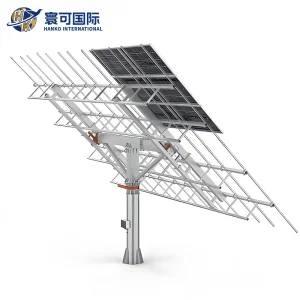
  • High-Latitude Active Tracking: New England's seasonal sun paths mean that fixed-tilt systems lose significant potential yield during early morning and late afternoon hours. Dual-axis trackers with intelligent astronomical algorithms can boost energy harvesting by 25-35%, which is highly lucrative under the Massachusetts SMART incentive program.

About Soweglow Solar: Advanced Manufacturing & Global Export Excellence

Shenzhen Soweglow Solar Co., Ltd. is a premier manufacturer and supplier specializing in high-performance solar mounting systems, clean energy solutions, and structural frameworks.

Our Commitment to Structural Excellence

Based in Shenzhen, China's core technology and advanced manufacturing corridor, we focus on engineering cost-effective, environmentally resilient, and structurally optimized racking systems. From raw material sourcing (premium structural steel and marine-grade aluminum alloys) to automated cold-roll forming, precision extrusion, and corrosion-resistant hot-dip/Z-M coating finishes, every step of our process is monitored to meet demanding international standards.

We work closely with structural engineering firms, developers, and solar installers globally. Our team is fully equipped to review project blueprints, run finite element analysis (FEA) testing, and supply structural certification packets that satisfy regional building inspectors in high-wind and heavy-snow areas like Boston and the wider New England region.

Quality Assurance Protocols

Quality is the foundation of structural safety. Our manufacturing facilities operate under stringent quality control (QC) frameworks including ISO 9001:2015. Every manufacturing run undergoes strict validation, including dimensional tolerance testing, tensile strength certification, ultrasonic coating thickness analysis, and structural weld inspections.

Through our comprehensive quality testing and automation processes, we guarantee a minimum 25-year structural service life across our entire catalog, ensuring your capital investment remains secure for decades.
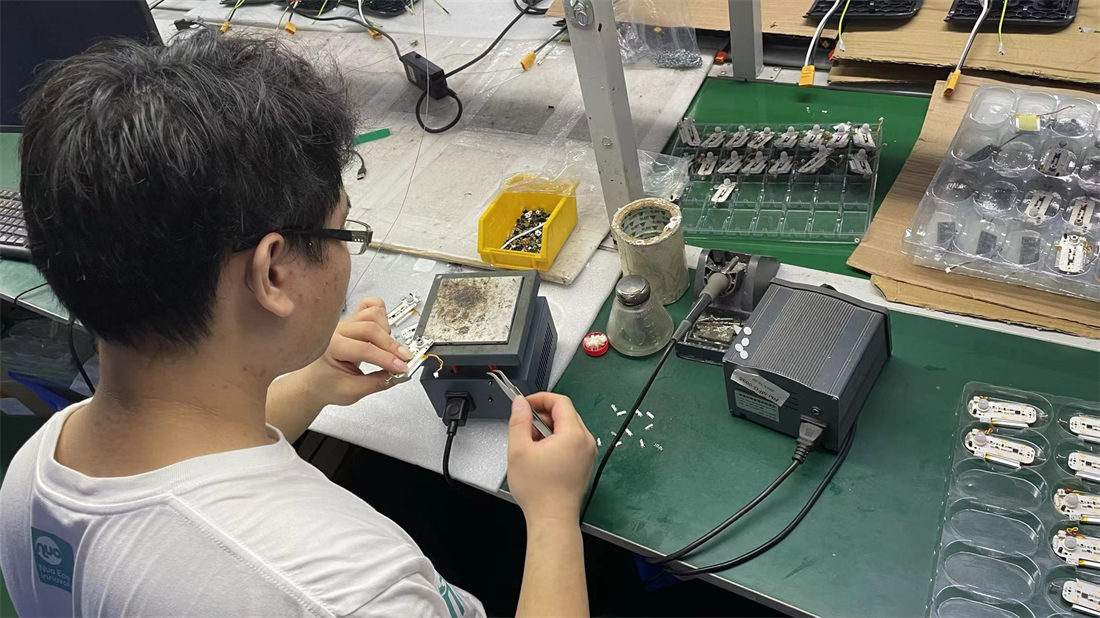
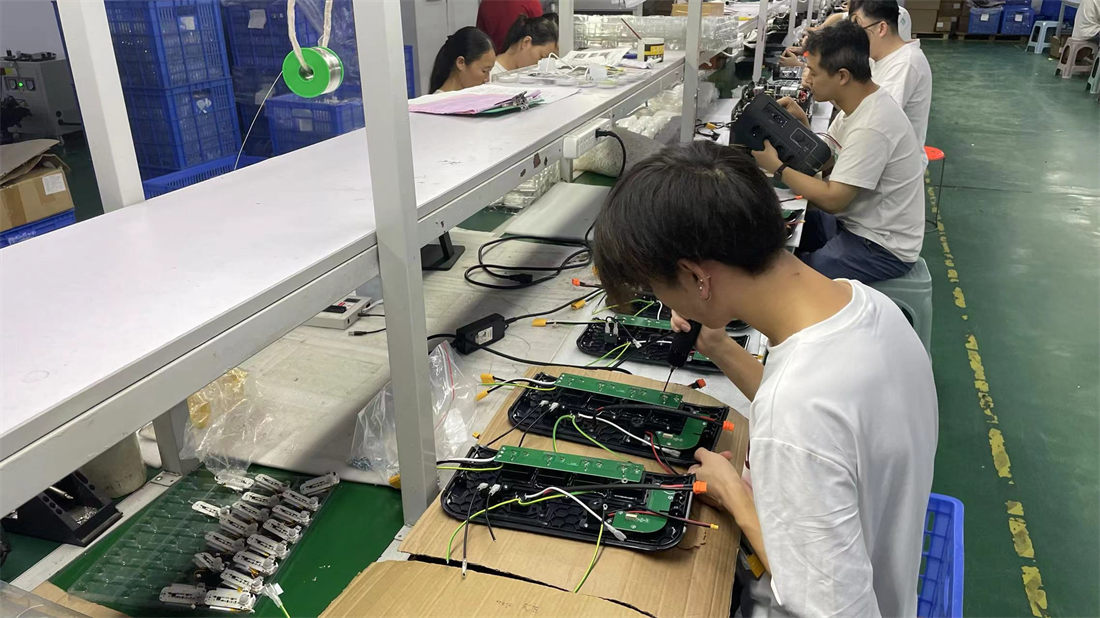
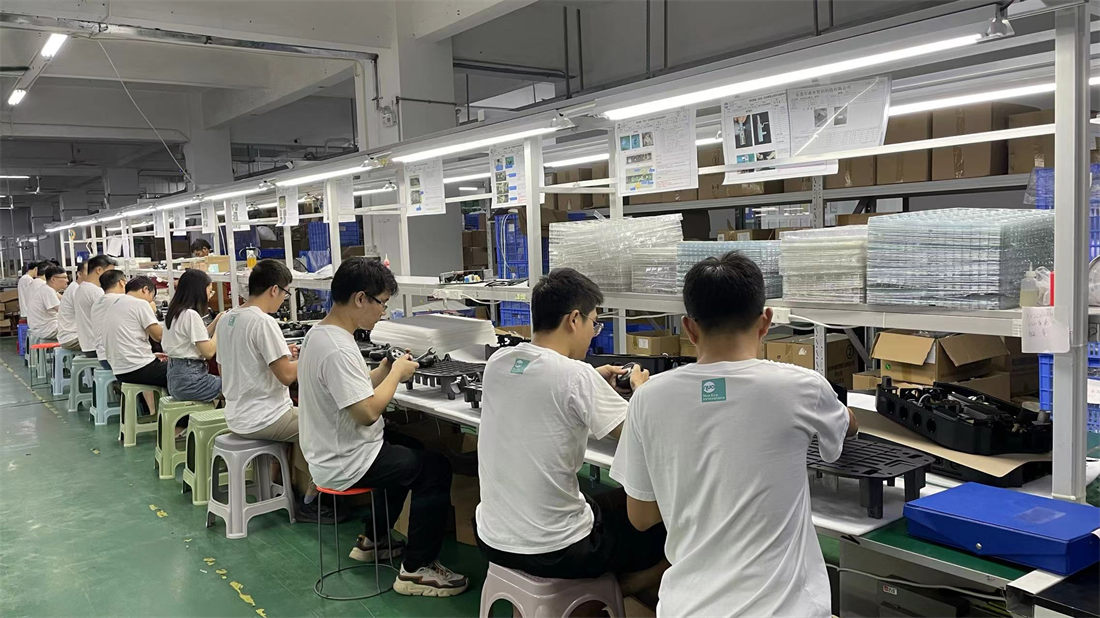
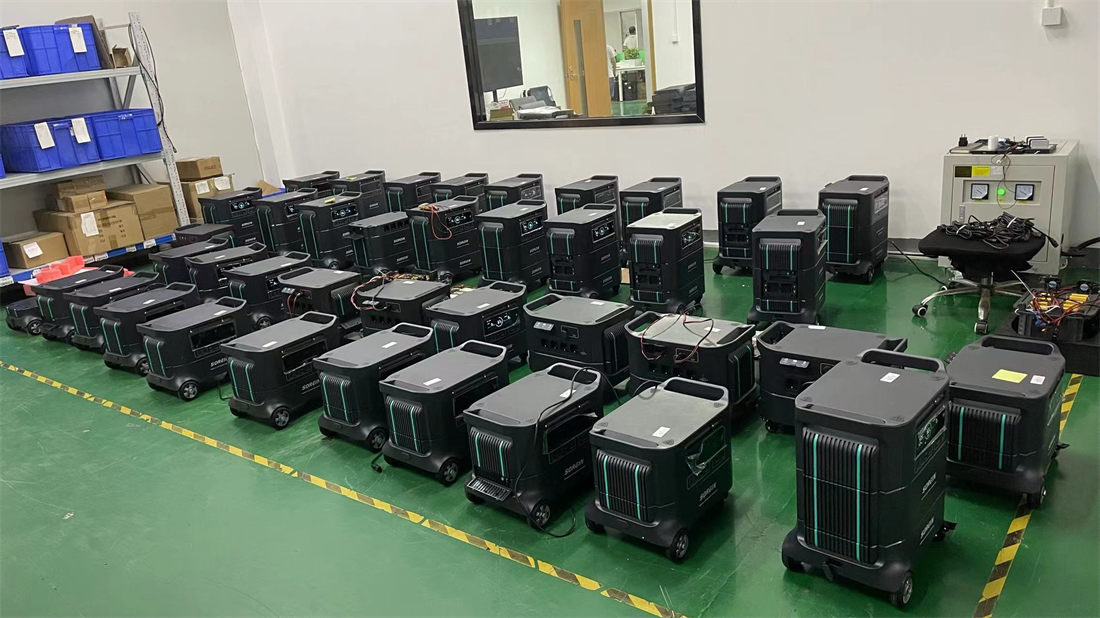
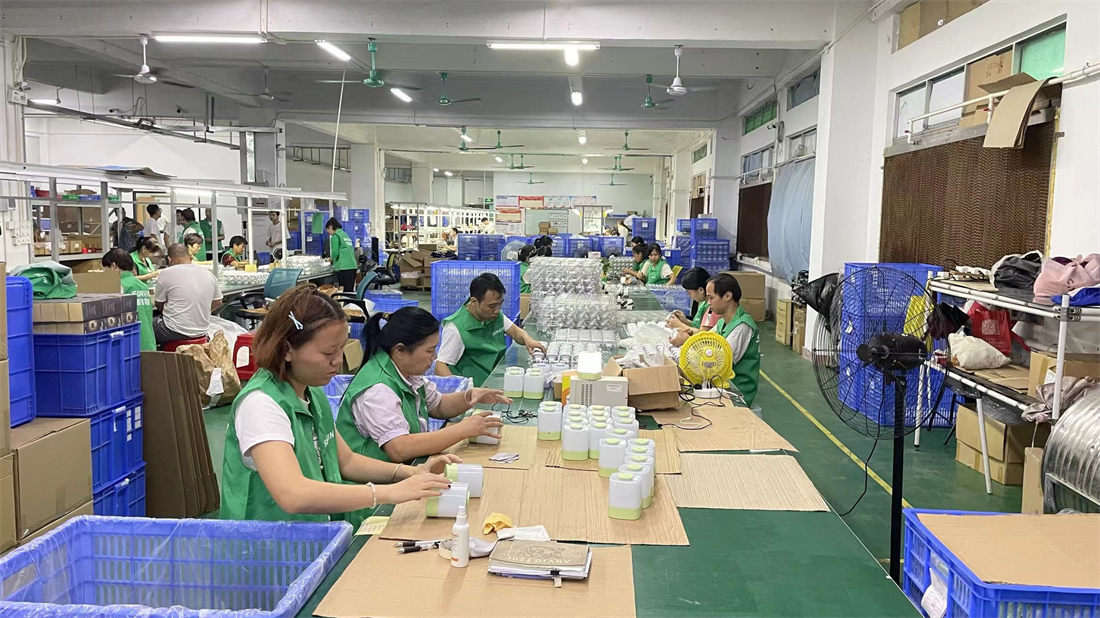
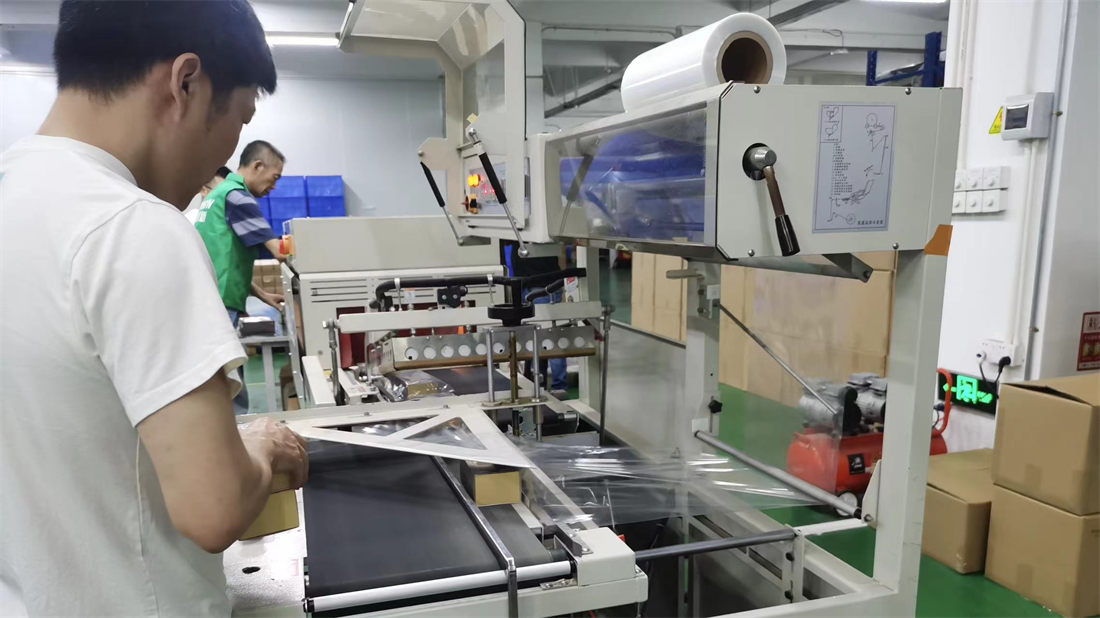
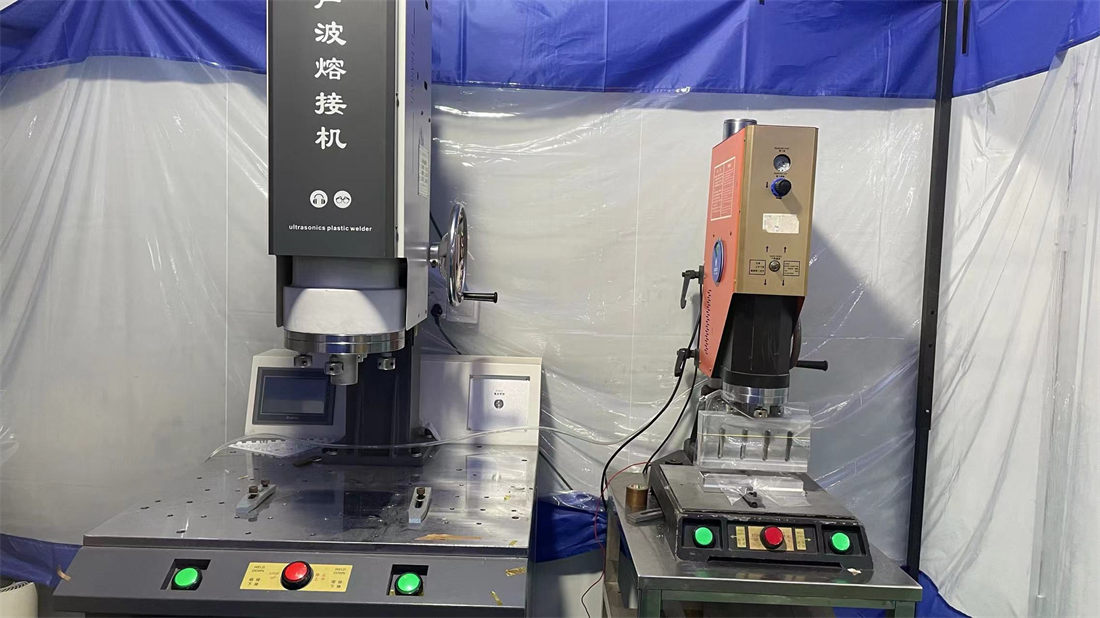
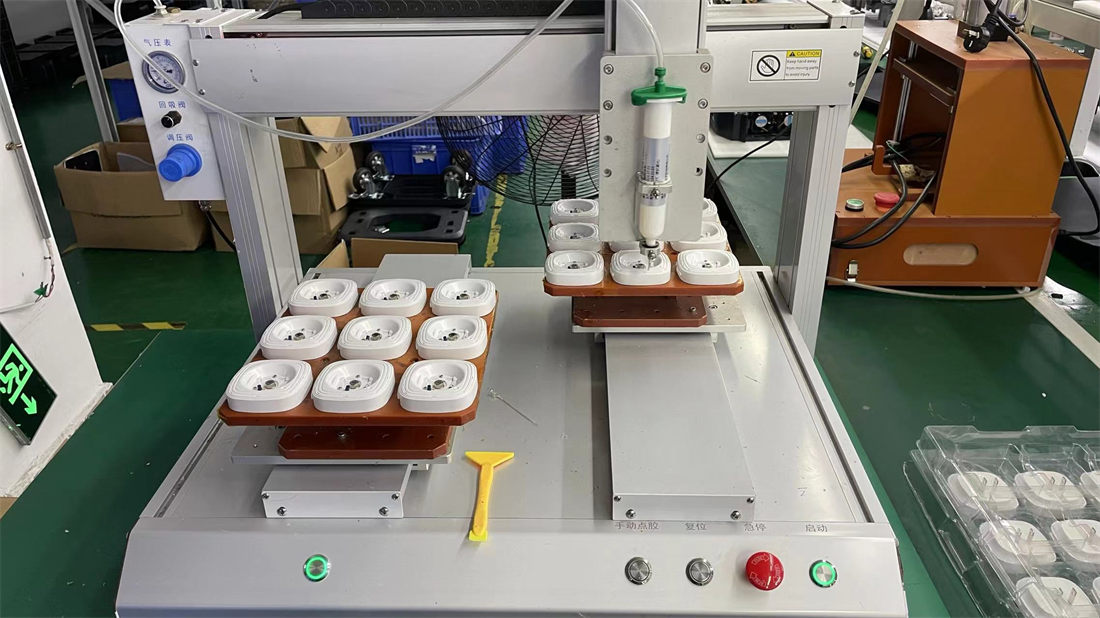
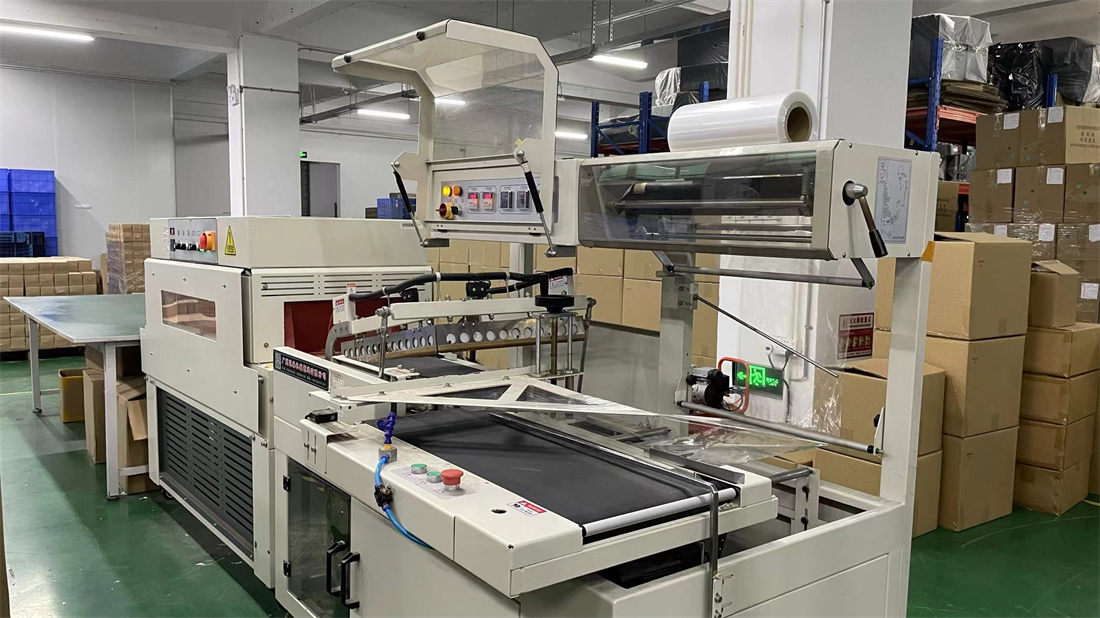
Soweglow Solar Factory Operations & Inspection Systems

Technical & Procurement FAQ for Boston Projects

Get answers to common design, material, regulatory, and logistics questions about solar racking systems.

How do Soweglow solar mounting systems comply with the Massachusetts State Building Code?
All our racking structures are designed and tested according to ASCE 7-16 structural load criteria. For projects in Boston and coastal Massachusetts, we calculate structural profiles to withstand local ground snow loads of 30-50 psf and wind speeds of up to 130 mph. We provide structural calculations, design data, and material certifications (mill tests) to help your PE (Professional Engineer) stamp files and obtain local building permits.
Why is Zinc-Aluminum-Magnesium (Z-M) steel superior to traditional hot-dip galvanized (HDG) steel in New England?
ZM steel provides superior protection in salt-heavy coastal climates and areas with high humidity. Unlike HDG, which can crack or flake during transportation and installation, ZM steel forms an active, self-healing zinc-carbonate/magnesium barrier layer over cut edges, drill holes, and scratches. It provides up to four times the lifespan of standard galvanization with a thinner, lighter profile.
How are structural calculations handled for flat-roof ballast systems in historic Boston buildings?
We use advanced wind-tunnel testing data and structural software to determine the exact ballast layout required to prevent wind uplift. We design non-penetrating ballasted frames with protective rubber padding to protect sensitive roof membranes. This minimizes dead weight on older roof structures while meeting safety codes.
What is the typical shipping lead time and customs clearance process for solar racking exported from Shenzhen to the Port of Boston?
Typically, production takes 15 to 25 days depending on the size of the order. Transit by ocean freight from Shenzhen to the Port of Boston (via Conley Terminal) takes approximately 30 to 40 days. We provide complete export documentation, including Bills of Lading, Commercial Invoices, Packing Lists, Certificates of Origin, and mill test reports to ensure smooth US Customs clearance.
Can your carport systems withstand localized snow drifts?
Yes. Our structural designs account for asymmetrical snow accumulation and drifting, which is common in parking lots adjacent to tall buildings in New England. We use structural steel members and heavy-duty H-sections to ensure our carport frames handle maximum winter loads safely.
Do your structural rails support UL 2703 grounding and bonding compliance?
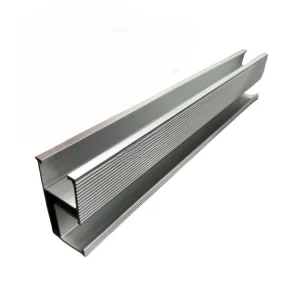
Yes, our aluminum rails and splicing kits are designed to work with standard UL 2703 compliant grounding clamps, bonding pins, and mid/end-clamps. This ensures reliable electrical grounding across the entire structural assembly, protecting the system from lightning strikes and fault currents.

Request a Custom Engineering Calculation & Price Quote

Submit your project drawings, wind/snow load specifications, and panel dimensions. Our engineering team will deliver a complete design design sheet and cost estimate within 48 hours.

Send Inquiry Now