Engineered for immediate integration into commercial utility and off-grid solar deployments across Namibia.
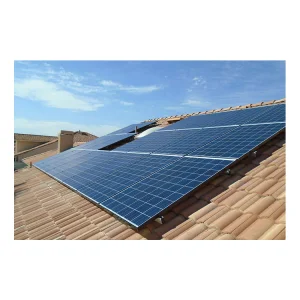
Namibia holds one of the highest Solar Irradiance quotients globally, boasting an average of over 300 cloudless days annually and a Direct Normal Irradiation (DNI) profile frequently exceeding 3,000 kWh/m²/year. Under the national Harambee Prosperity Plan and Vision 2030, the government is aggressively shifting away from power imports from South Africa's ESKOM grid, favoring utility-scale domestic solar installations.
However, translating Namibia's abundant solar potential into a stable, multi-decade asset introduces monumental engineering hurdles. From the hyper-arid, shifting dunes of the Namib Desert (coined the oldest desert in the world) to the highly saline, mist-heavy maritime strip spanning Walvis Bay, Swakopmund, and Lüderitz, the physical environment demands unprecedented structural durability.
Solar panel mounting systems installed in Namibia cannot rely on standard agricultural or generic designs. They require detailed calibration against extreme wind loading (coastal winds exceeding 140 km/h), high ultraviolet (UV) indices that rapidly degrade synthetic parts, extreme soil conditions ranging from loose sands to hyper-hard calcrete layers, and galvanic corrosion vectors fueled by coastal salt spray.
To prevent structural failure within 5 to 10 years, modern engineering requires advanced metallurgy. High-zinc-aluminum-magnesium (ZAM) coated steel has replaced traditional Hot-Dip Galvanized (HDG) steel as the gold standard for desert and semi-arid terrain in Sub-Saharan Africa. The magnesium component within the coating forms a tight, protective layer over cut edges and sheared corners, demonstrating a self-healing mechanism that stops micro-corrosion in its tracks.
Furthermore, structural wind dynamics must be strictly validated. The combination of intense solar heating and cold air currents from the Benguela Ocean Current results in microbursts and sustained heavy wind loading. Mounting structures must be modeled using Finite Element Analysis (FEA) to endure dynamic torsional forces, ensuring that solar trackers do not experience catastrophic flutter under aerodynamic stress.
Download Structural Engineering GuidelinesAnalyzing metallurgical configurations for solar mounting systems under Namibia's atmospheric conditions.
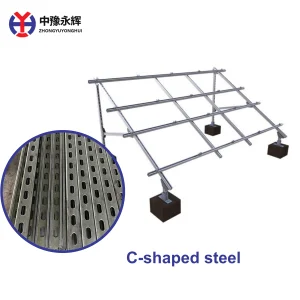
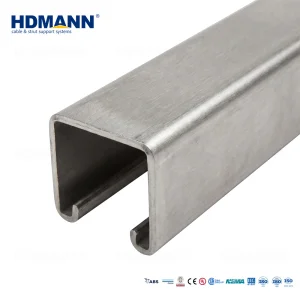
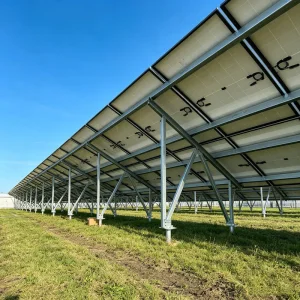
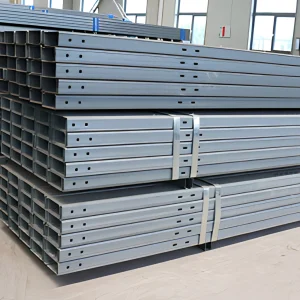
Ideal for heavy ground-mount systems. High resistance to friction from airborne sand particles in arid locations like Karasburg and Mariental. Offers 3x the lifespan of conventional HDG steel in aggressive environments.
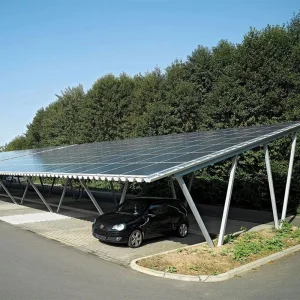
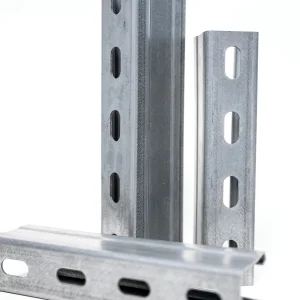
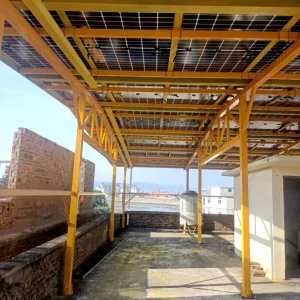
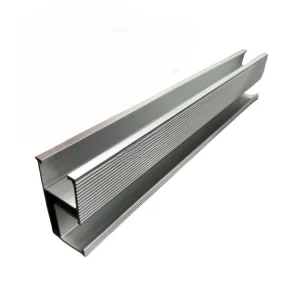
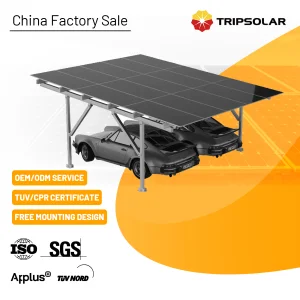
Specifically used for commercial rooftop installations and carports. Possesses a high strength-to-weight ratio, minimizing dead load on factory roofs while maintaining high yield strength against coastal salt-fog corridors.
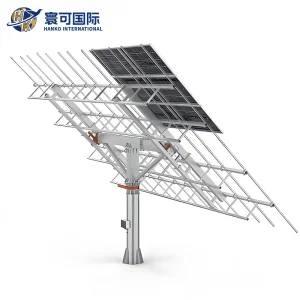
Equipped with active mechanical drives and dual-motor smart algorithms to follow solar trajectories. Increases overall energy yield in Southern Namibia by up to 25%-35% compared to static fixed-tilt configurations.
Foundation choice dictates the integrity of a PV system over its 25-year lifecycle. In the sandy, unstable soils typical of Namibia's coastal deserts, continuous concrete strip footing or highly engineered helical screw piles (ranging from 1600mm to 2200mm in length) are deployed to achieve sufficient pull-out values.
Conversely, in the interior plateau regions (such as Windhoek or Okahandja), developers encounter dense rock and calcrete. In these terrains, micro-piling or pre-cast concrete ballast blocks are heavily favored. Pre-cast ballasts avoid the logistical hassle of on-site water transport and concrete mixing in remote desert areas, drastically accelerating project schedules.
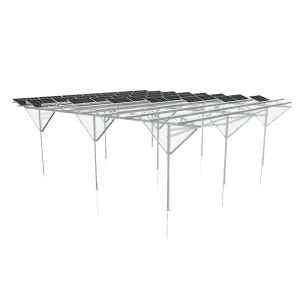
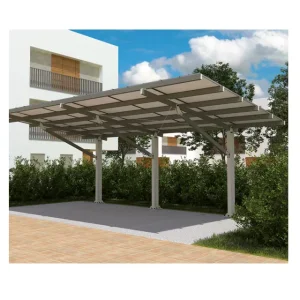
Engineered for utility-scale efficiency, rural mini-grid projects, and commercial parking structures.
A dynamic global manufacturer in structural engineering, offering customized clean energy mounting options worldwide.
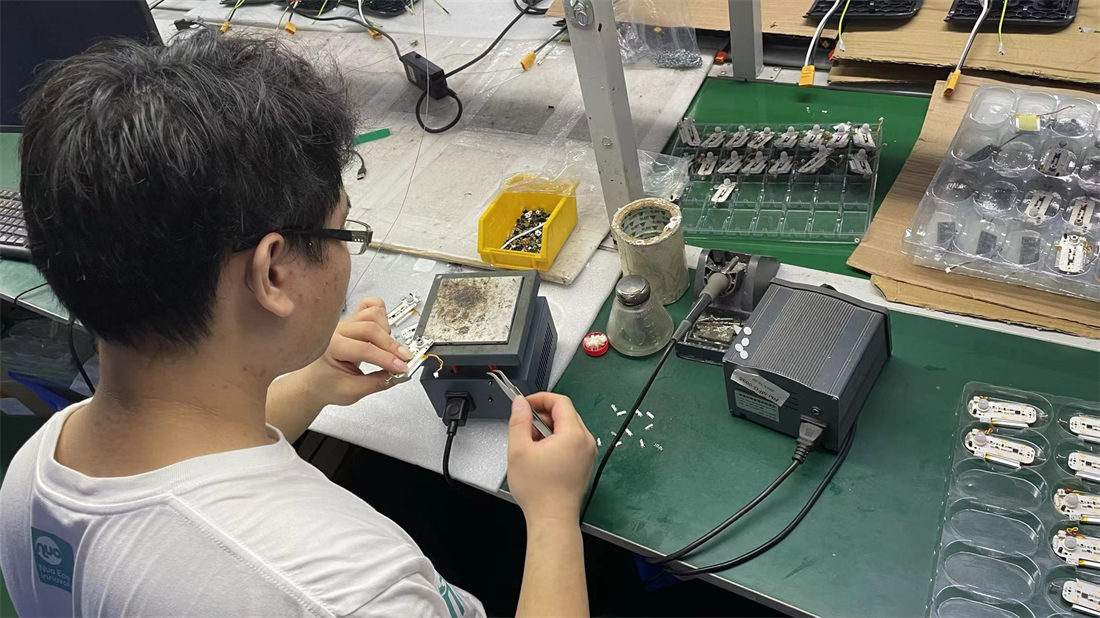
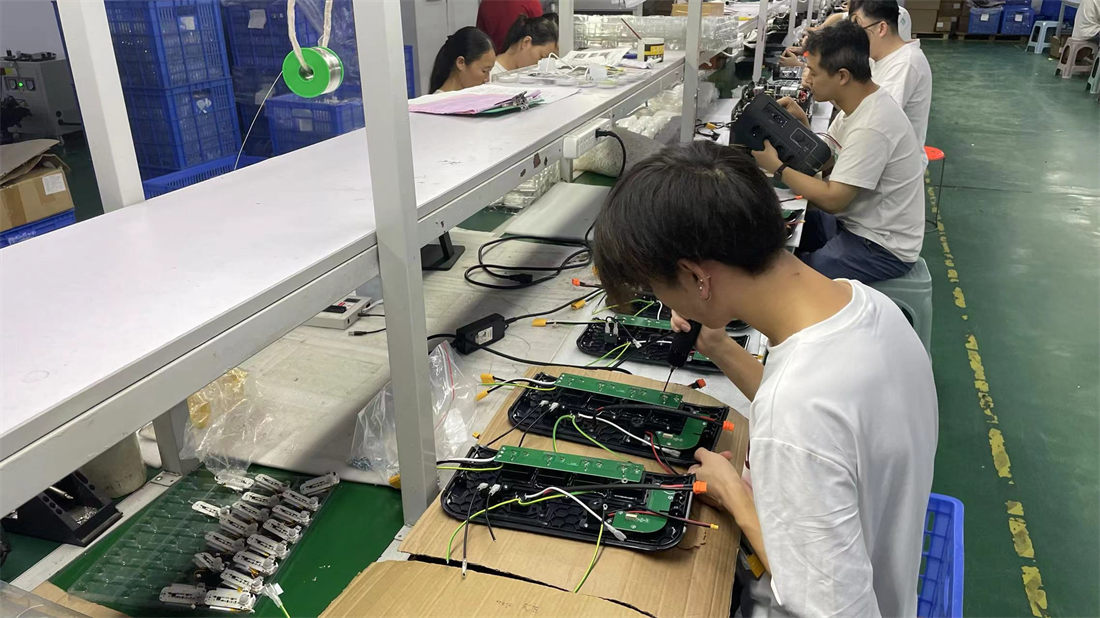
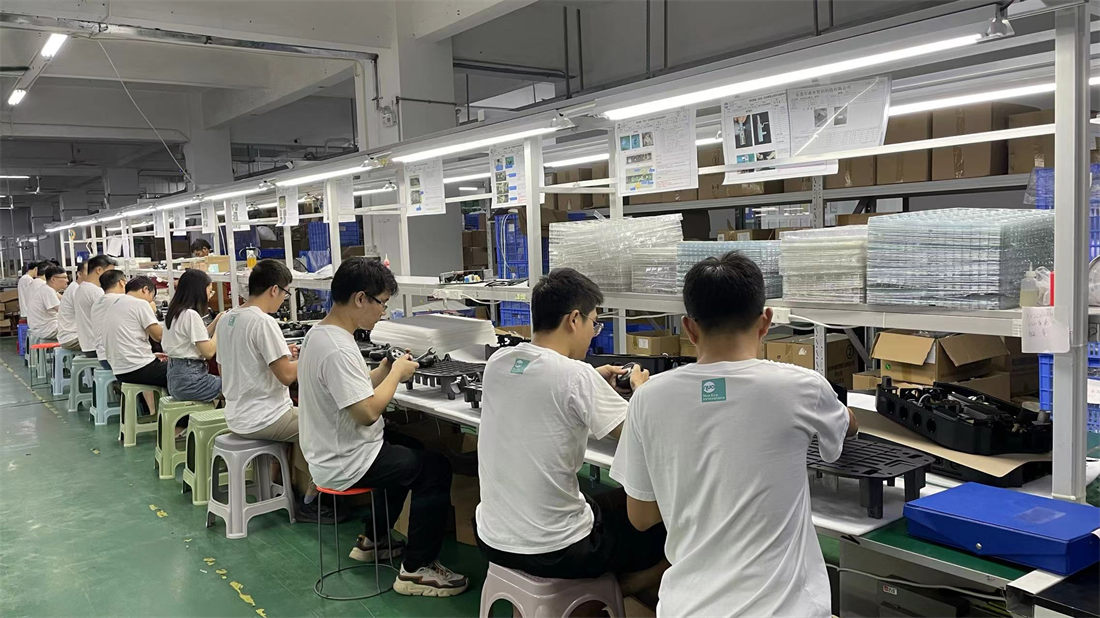
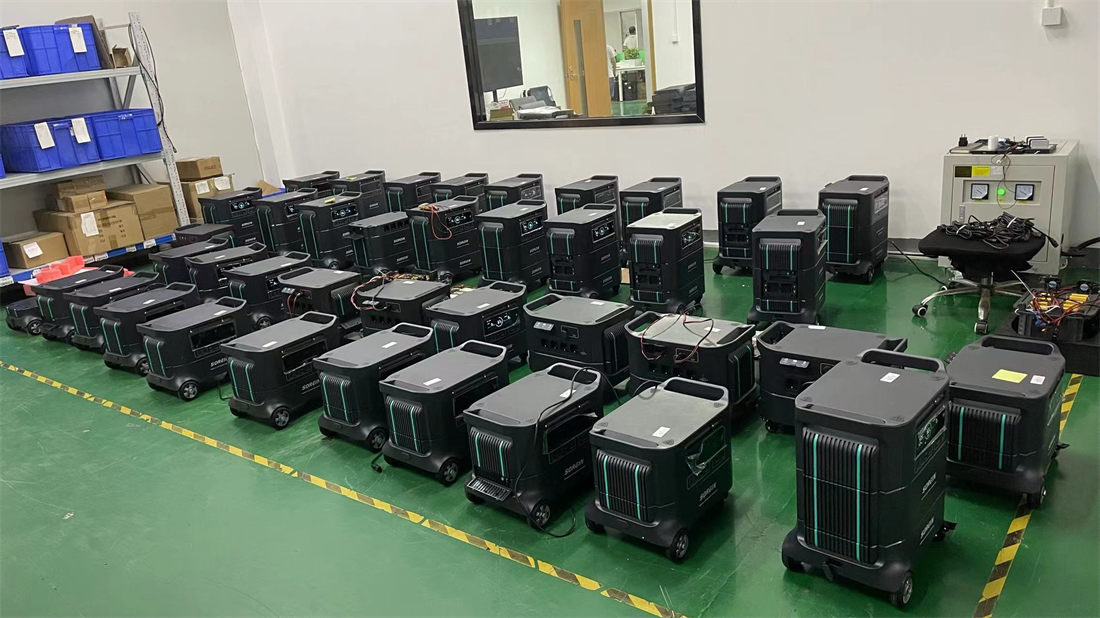
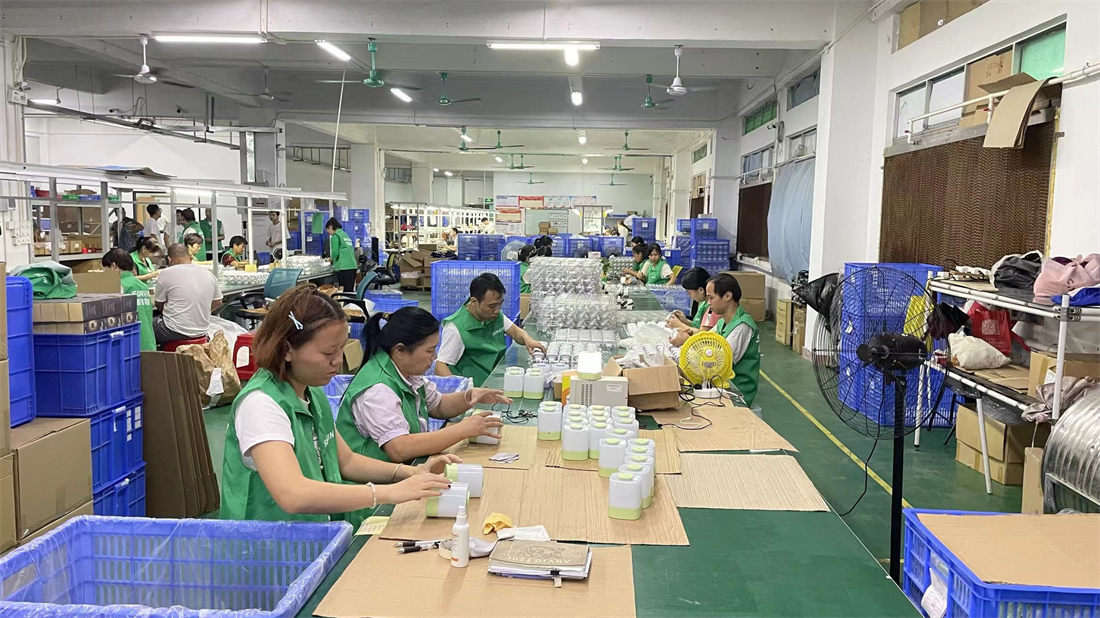
Shenzhen Soweglow Solar Co., Ltd. is a professional and reliable manufacturer and supplier specializing in solar energy products, renewable energy solutions, and intelligent solar lighting systems. Located in Shenzhen, China, one of the world's most innovative and dynamic technology hubs, we have been committed to the solar industry for many years, providing high-quality products and customized energy solutions to customers worldwide.
Driven by the mission of promoting clean energy and sustainable development, Soweglow Solar focuses on delivering efficient, environmentally friendly, and cost-effective solar products that help reduce energy consumption and carbon emissions. Through continuous innovation, strict quality control, and customer-oriented service, we have established long-term partnerships with clients across Europe, North America, South America, Africa, Southeast Asia, and the Middle East.
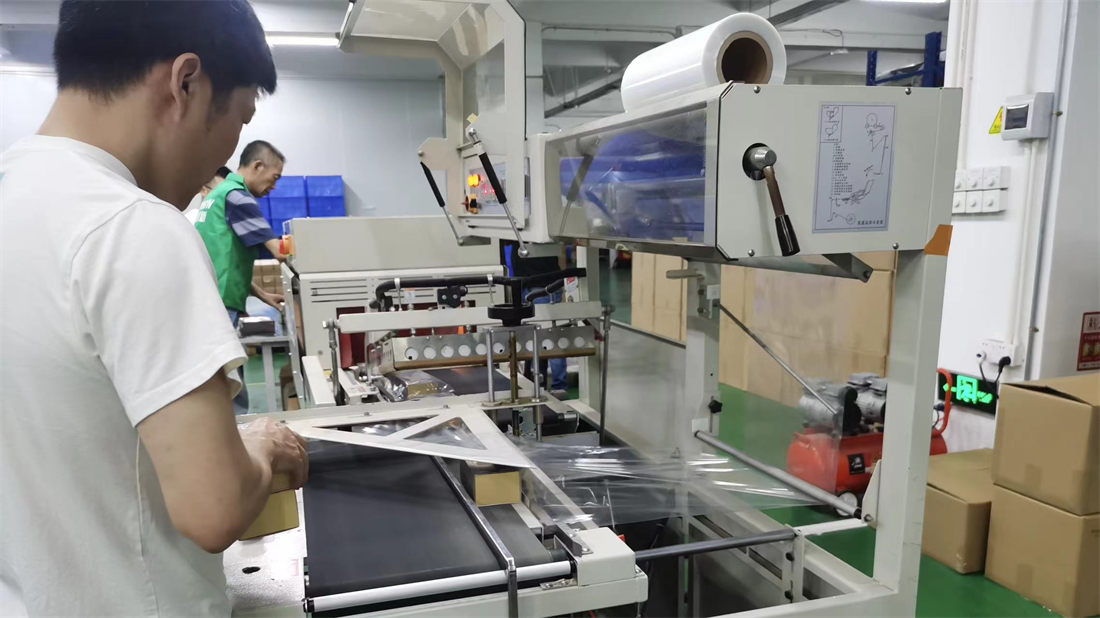
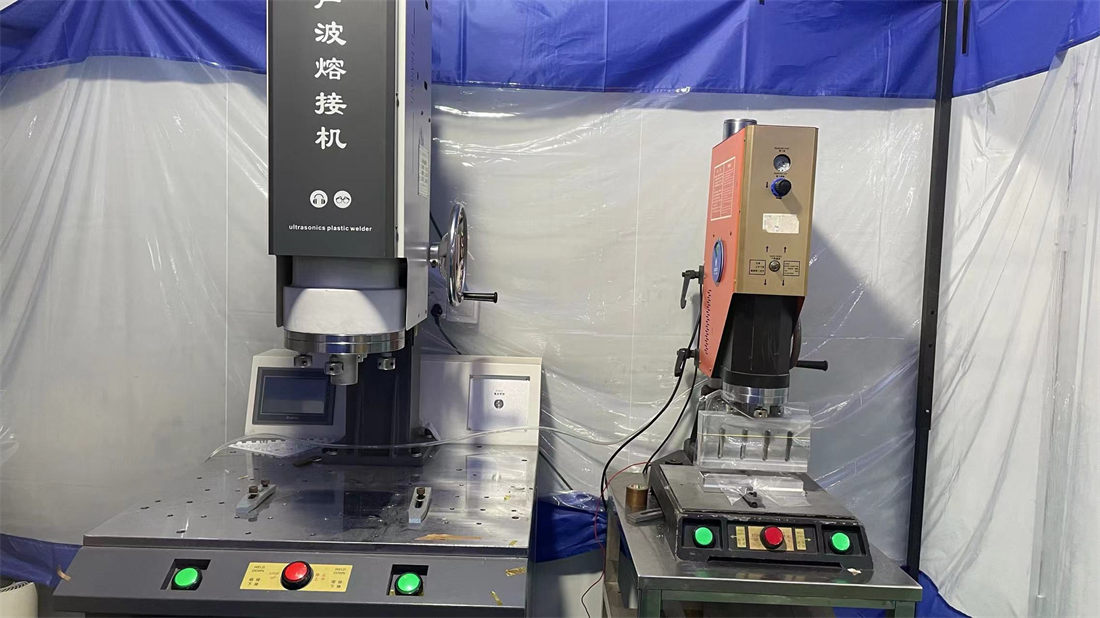
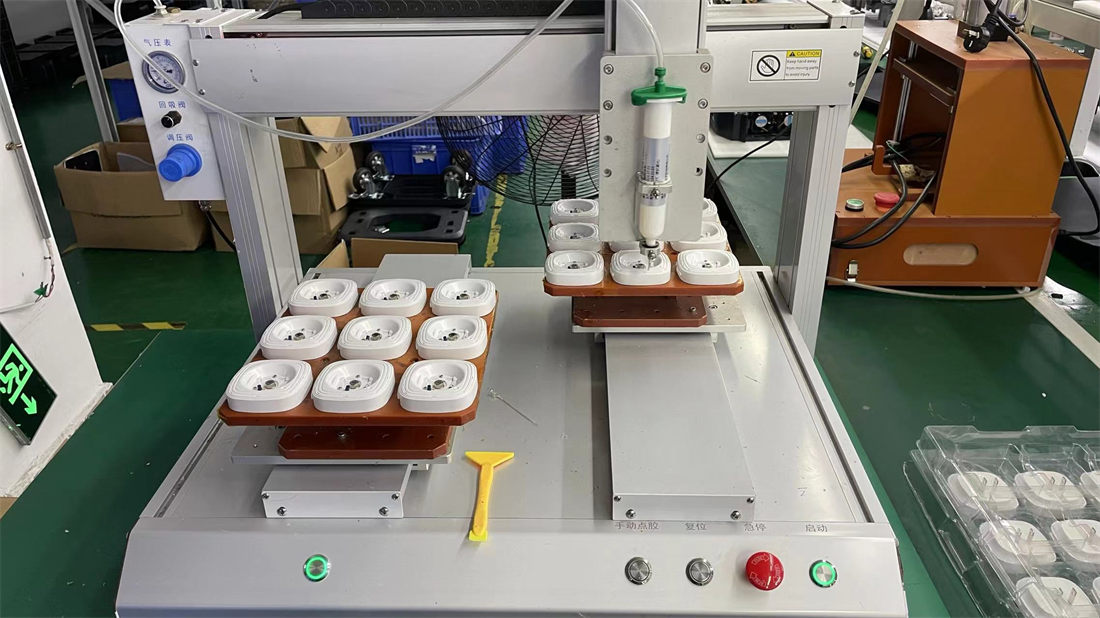
Quality is the foundation of our business. Every product undergoes strict quality inspections throughout the entire production process, from raw material selection to final assembly and shipment. Our manufacturing facilities operate under comprehensive quality management systems to ensure product reliability, safety, and long service life.
We continuously improve our production processes and technology to provide products that comply with international certifications and industry standards (including ISO 9001:2015, CE, and structural alignment with Southern African SANS 10160 codes).
Addressing engineering concerns, international compliance protocols, and freight logistics for Namibian projects.
A comprehensive catalog of components manufactured to handle diverse layouts and environments.
 Soweglow Solar