Soweglow Solar
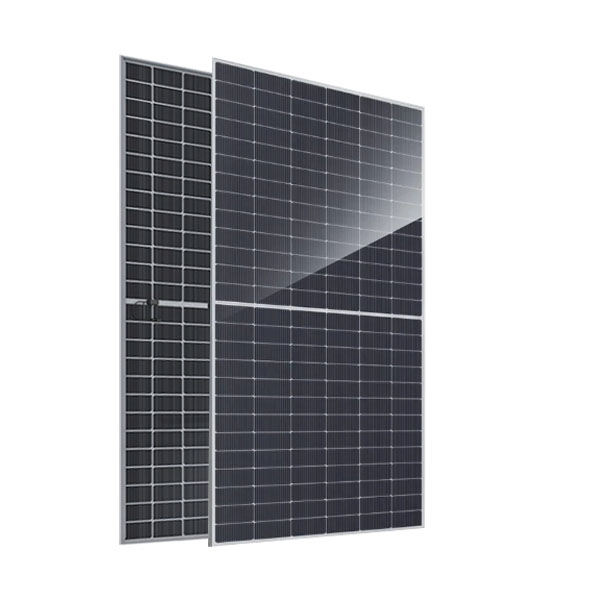
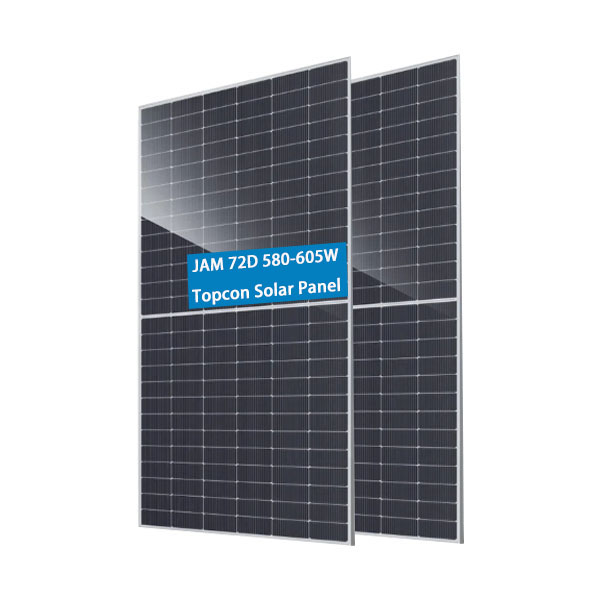
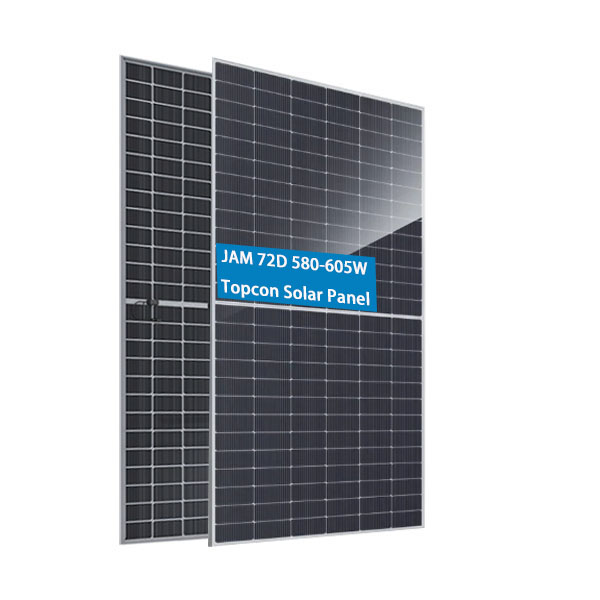
1 / 5
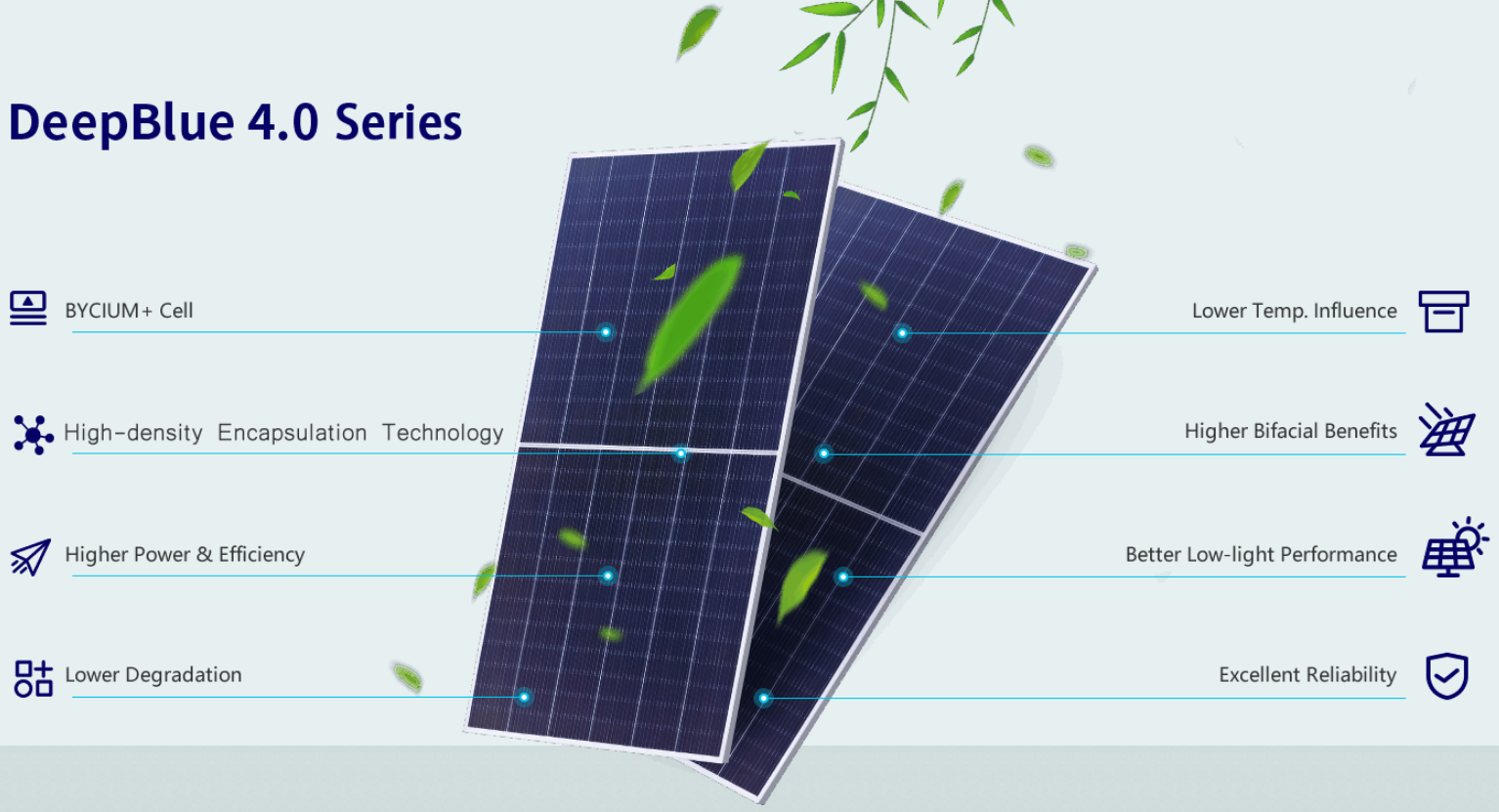
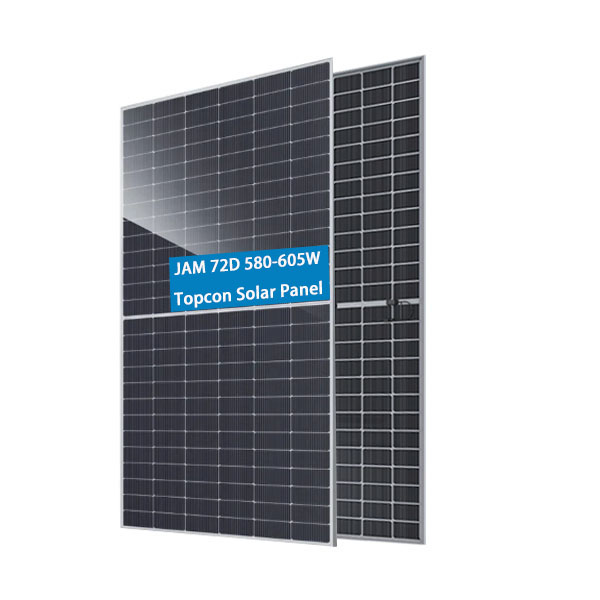
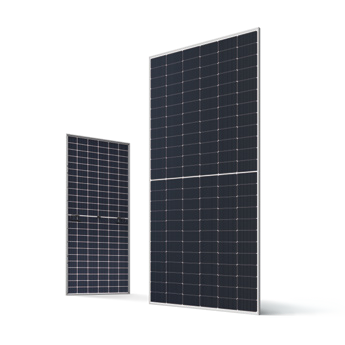
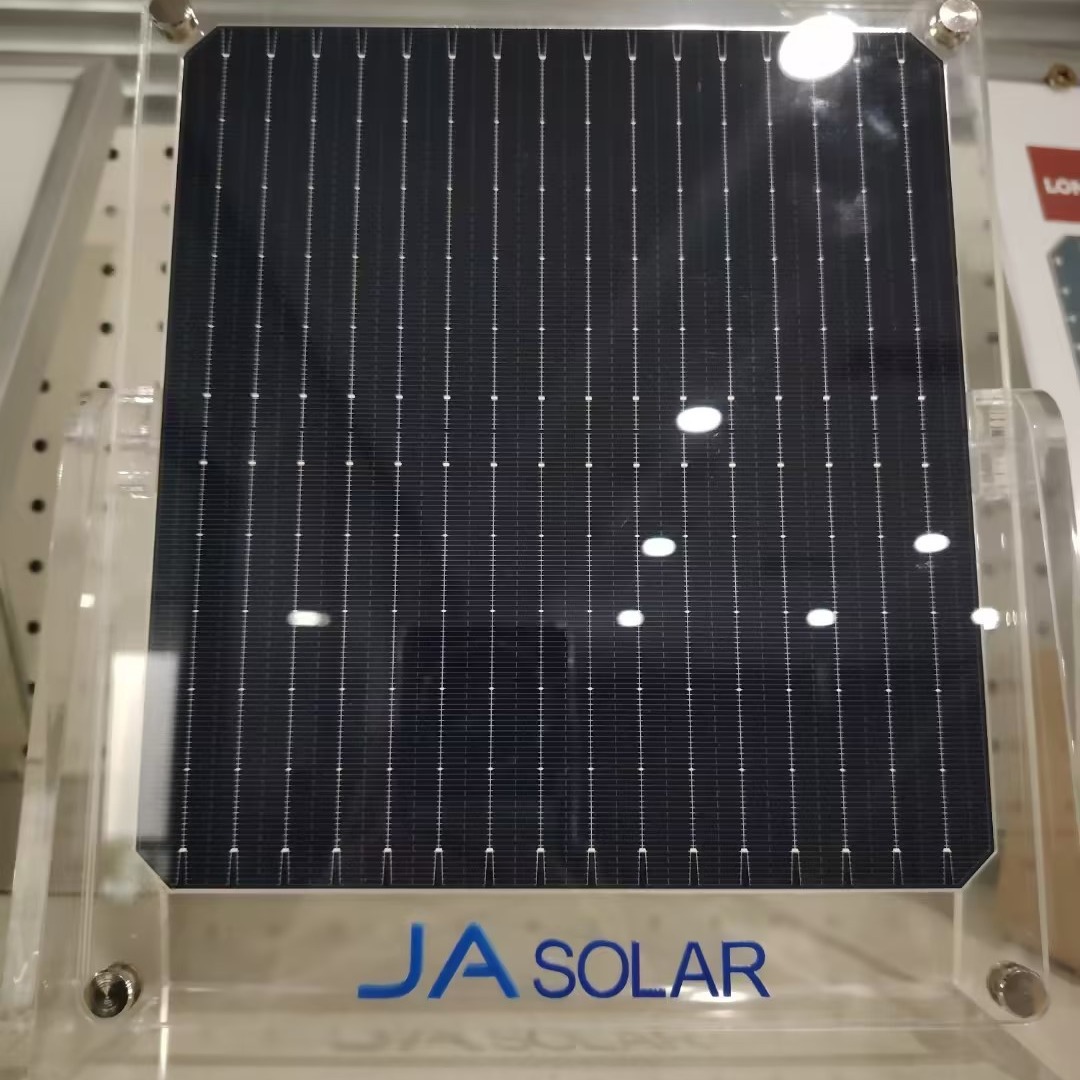

| ELECTRICAL PARAMETERS AT STC | ||||||
|---|---|---|---|---|---|---|
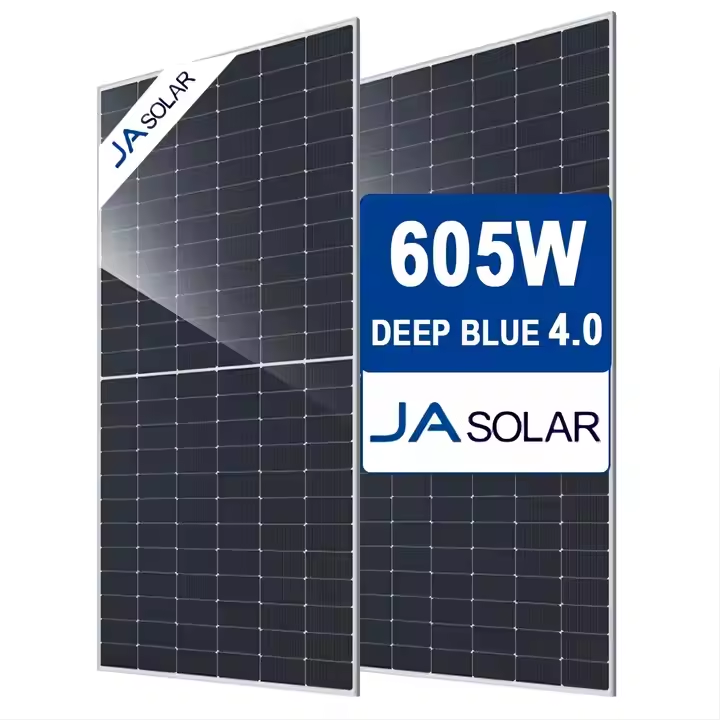
| TYPE | JAM72D40-580/MB | JAM72D40-585/MB | JAM72D40-590/MB | JAM72D40-595/MB | JAM72D40-600/MB | JAM72D40-605/MB |
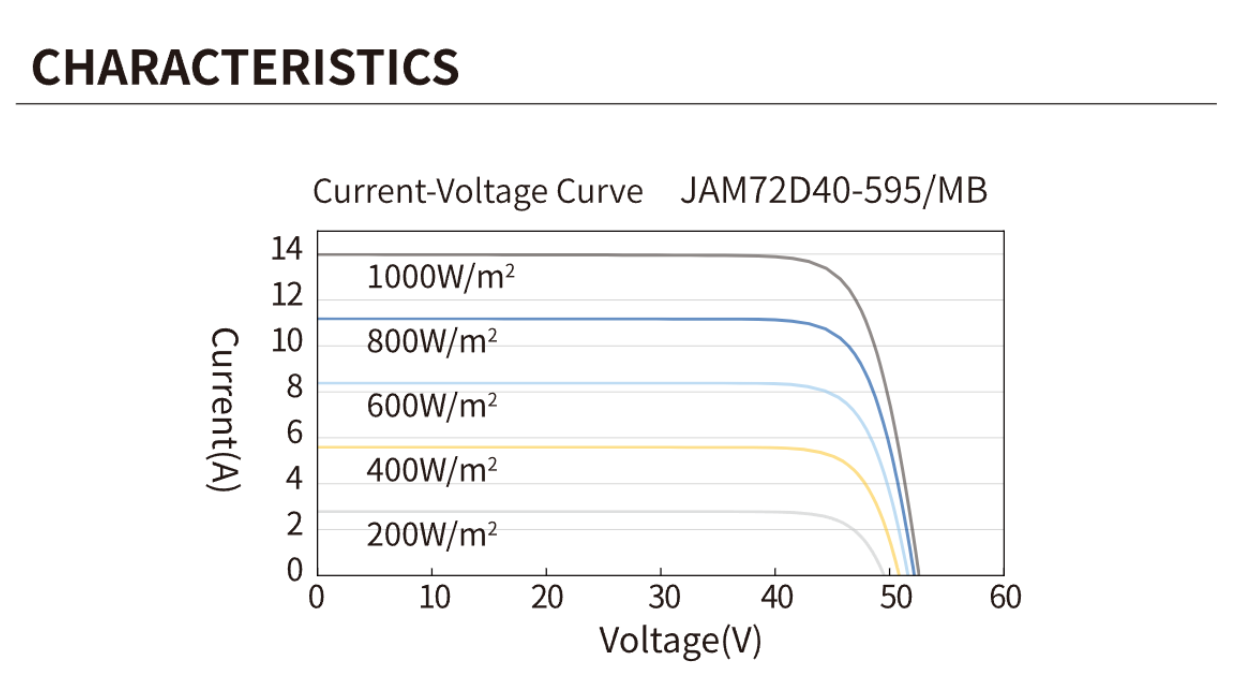
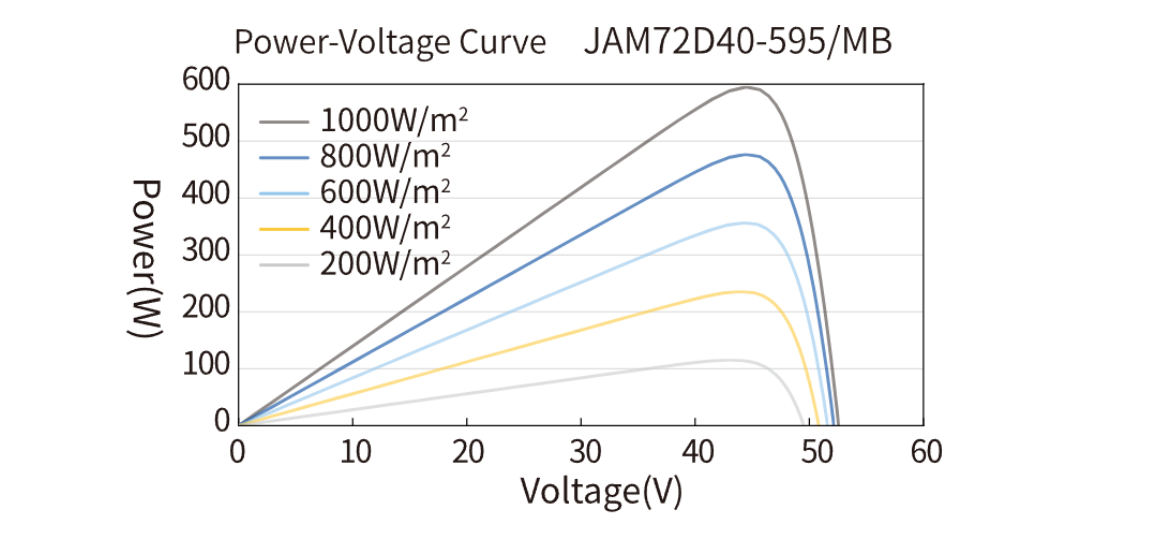
| Rated Maximum Power(Pmax) [W] | 580 | 585 | 590 | 595 | 600 | 605 |
| Open Circuit Voltage(Voc) [V] | 51.95 | 52.16 | 52.37 | 52.58 | 52.79 | 53.00 |
| Maximum Power Voltage (Vmp) [V] | 44.02 | 44.22 | 44.43 | 44.64 | 44.85 | 45.05 |
| Short Circuit Current(lsc)[A] | 13.84 | 13.89 | 13.94 | 13.99 | 14.04 | 14.09 |
| Maximum Power Current(lmp)[A] | 13.17 | 13.23 | 13.28 | 13.33 | 13.38 | 13.43 |
| Module Efficiency [%] | 22.5 | 22.6 | 22.8 | 23.0 | 23.2 | 23.4 |
| Power Tolerance | 0~+3% | |||||
| Temperature Coefficient of lsc | +0.045%/°C | |||||
| Temperature Coefficient of Voc | -0.250%/°C | |||||
| Temperature Coefficient of Pmax | -0.290%/°C | |||||
| STC | lrradiance 1000W/m2, cell temperature 25°C,AM1.5G | |||||
| ELECTRICAL CHARACTERISTICS WITH 10% SOLAR IRRADIATIION RATIO | ||||||
|---|---|---|---|---|---|---|
| TYPE | JAM72D40-580/MB | JAM72D40-585/MB | JAM72D40-590/MB | JAM72D40-595/MB | JAM72D40-600/MB | JAM72D40-605/MB |
| Rated Maximum Power(Pmax) [W] | 625 | 632 | 637 | 643 | 648 | 653 |
| Open Circuit Voltage(Voc) [V] | 51.95 | 52.16 | 52.37 | 52.58 | 52.79 | 53.00 |
| Maximum Power Voltage (Vmp) [V] | 44.02 | 44.22 | 44.43 | 44.64 | 44.85 | 45.05 |
| Short Circuit Current(lsc)[A] | 14.95 | 15.00 | 13.94 | 13.99 | 14.04 | 14.09 |
| Maximum Power Current(lmp)[A] | 14.23 | 14.29 | 14.34 | 14.40 | 14.45 | 14.50 |
| Irradiation Ratio(rear/front) | 10% | |||||
| OPERATING CONDITIONS | |
|---|---|
| Maximum System Voltage | 1500V DC |
| Operating Temperature | -40°C~+85°C |
| Maximum Series Fuse Rating | 30A |
| Maximum Static Load, Front* | 5400Pa(112 lb/ft2) |
| Maximum Static Load, Back* | 2400Pa(50 lb/ft2) |
| NOCT | 45±2°C |
| Bifaciality | 80%±5% |
| Safety Class | Class II |
| Fire Performance | UL Type 29/class C |
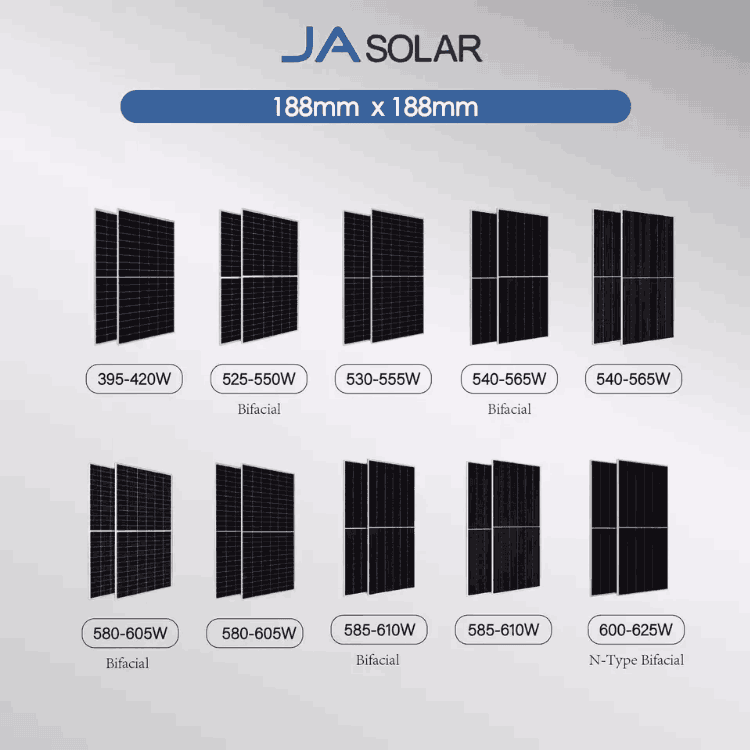
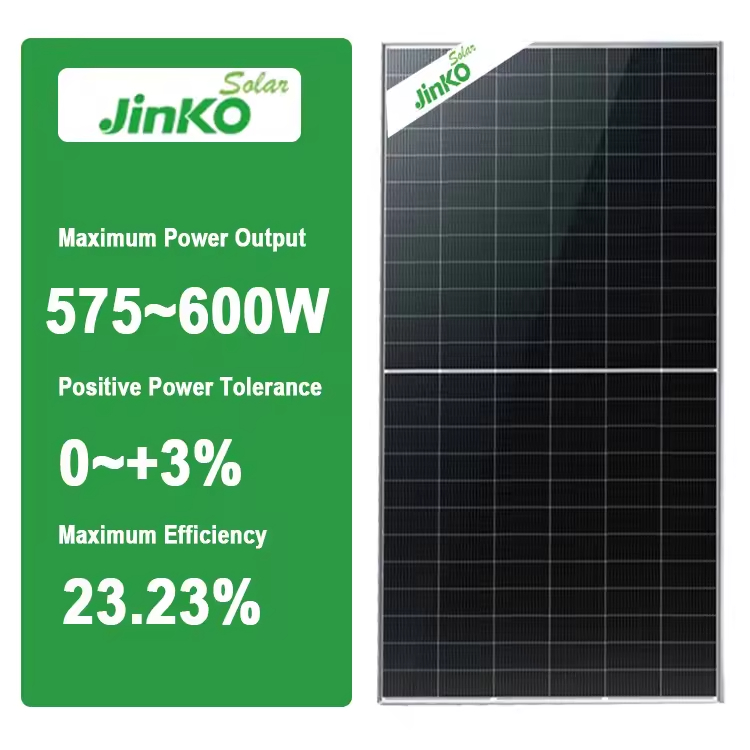
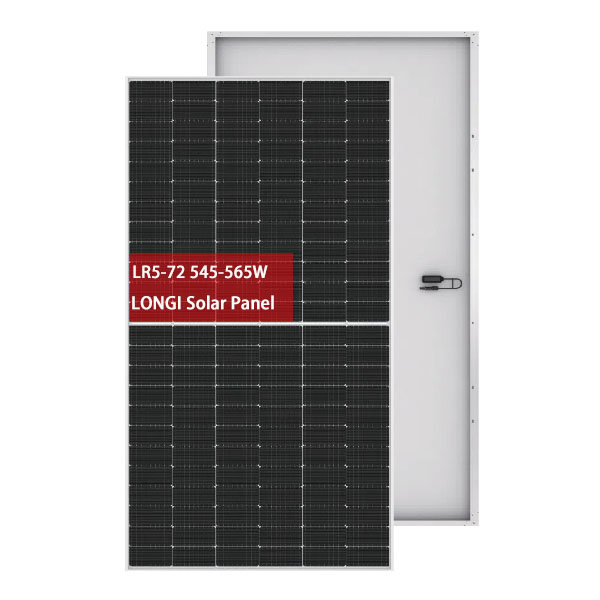
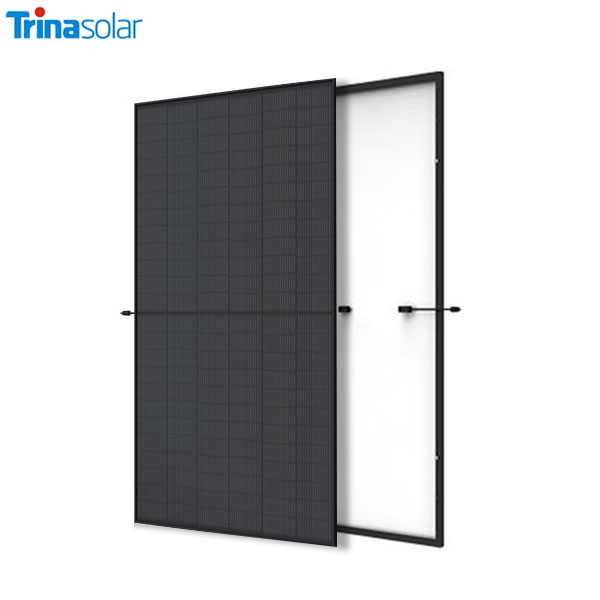
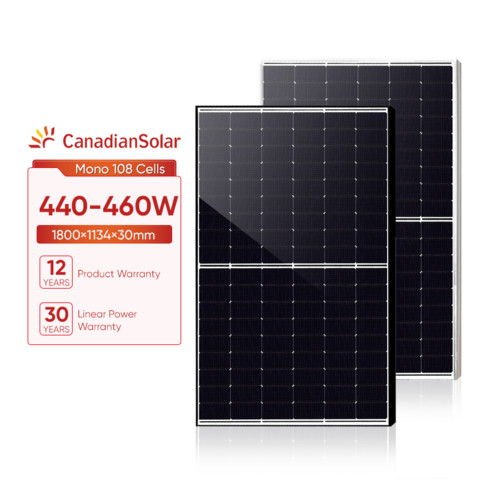
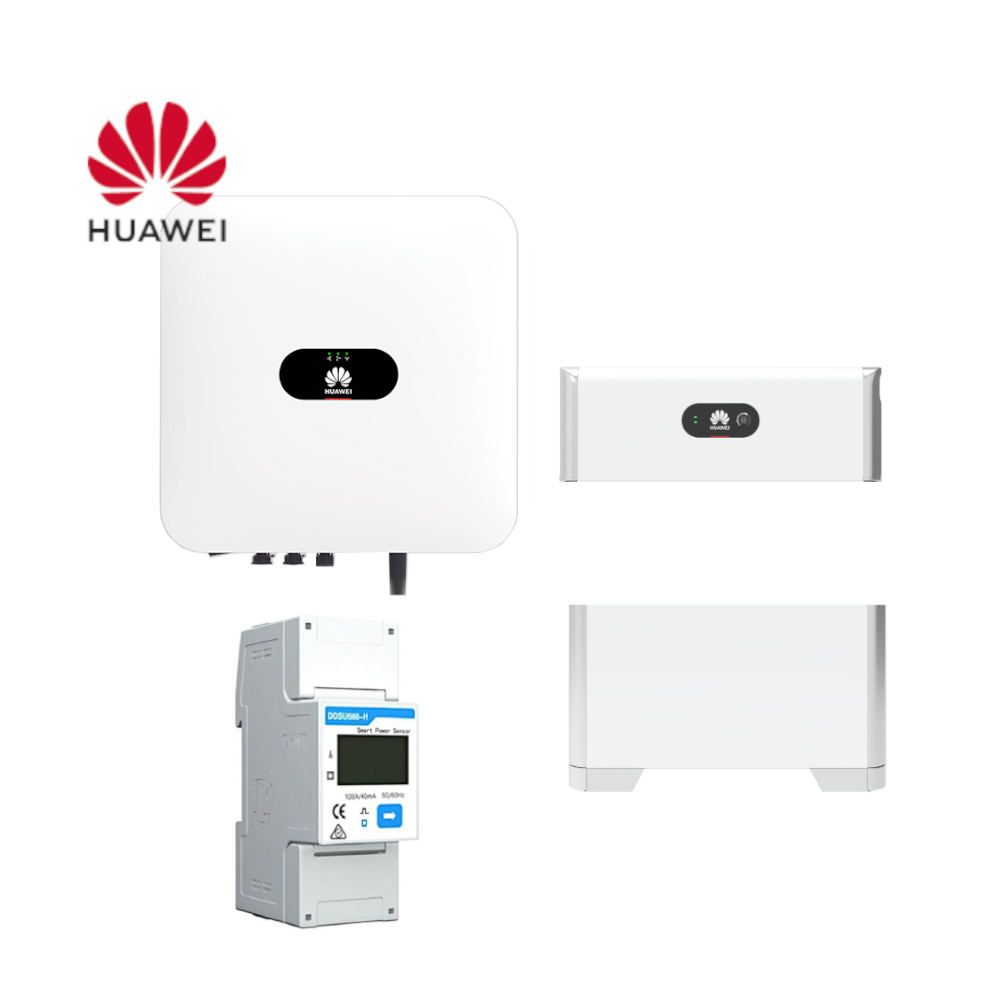
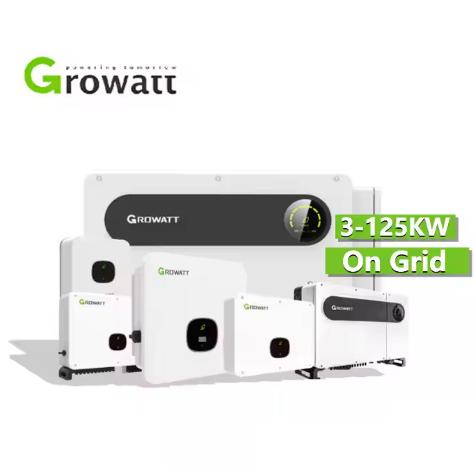
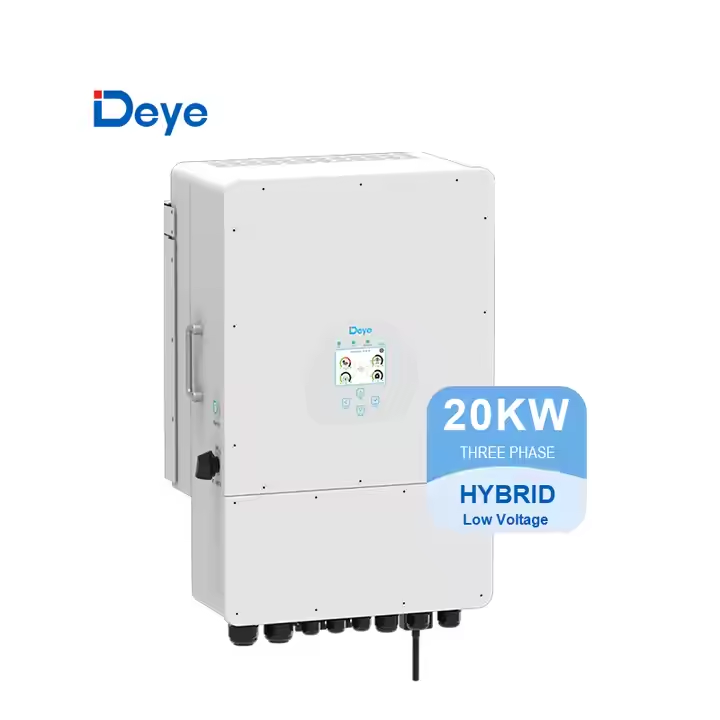


Photovoltaic (PV) panels are devices that convert light, especially sunlight, into electricity using photovoltaic cells. They are key components in solar energy systems and are widely used for generating renewable and sustainable power.
PV panels work by allowing photons from sunlight to knock electrons free from atoms in the panel's silicon-based cells. This creates a flow of electricity that can be used to power homes, businesses, or stored in batteries for later use.
PV panels offer numerous benefits, including reducing reliance on fossil fuels, lowering energy costs, and decreasing greenhouse gas emissions. They also require minimal maintenance and have a long lifespan.
Choosing the right PV panel depends on several factors, including your energy needs, budget, space availability, and climate. It's important to consult with a professional to assess your specific situation and recommend the best panel type and size for your needs.
The amount of energy a PV panel can produce depends on several factors, including its size, efficiency, and the amount of sunlight it receives. In general, a typical residential PV system can produce enough energy to offset a significant portion of a household's electricity use.
Yes, PV panels can still produce electricity on cloudy or rainy days, although they will produce less energy than on sunny days. The panels can still capture diffuse sunlight and some light can pass through clouds and be converted into electricity.