High-efficiency photovoltaic modules, intelligent conversion platforms, and integrated storage systems certified to international engineering standards.
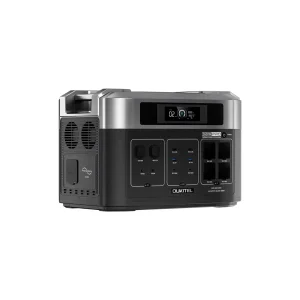
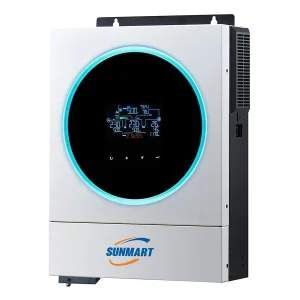
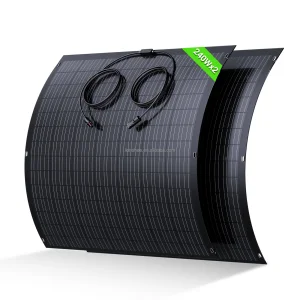
As global energy grids undergo a profound transition towards decentralized generation and structural decarbonization, Energy Management Systems (EMS) have evolved from simple monitoring tools to active, AI-orchestrated control centers. Today's commercial and industrial (C&I) sectors face double pressure: high volatility in wholesale energy markets and strict compliance regulations regarding greenhouse gas emissions. An EMS serving these industries must go beyond simple analytics; it must directly manage local generation assets, direct battery energy storage system (BESS) dispatch, minimize grid draw during peak pricing, and maintain complete hardware reliability.
CE Certification stands as the core benchmark for safety, electromagnetic compatibility, and structural integrity for equipment deployed within the European Economic Area and globally. As an essential compliance standard, it ensures that high-power conversion stages, battery packs, and communication interfaces operate safely alongside local utility infrastructure. Without rigorous compliance, systems risk electrical faults, thermal runaway events, or control system signal disruption.
"Realizing industrial carbon neutrality requires more than just installing solar panels; it demands an integrated, CE-compliant ecosystem that safely balances load, storage, and utility interface."
- Shenzhen Soweglow Solar Co., Ltd. Engineering DivisionNavigating the regulatory demands and procurement pathways of modern multinational microgrid projects.
Global developers require strict supply-chain transparency and validation of component life cycles. Quality criteria require that converters and smart controllers integrate natively with standard communications protocols like CAN 2.0B, Modbus TCP, and IEC 61850. Our products are engineered with robust shielding and advanced dynamic insulation monitoring to guarantee safe and continuous operation under varying grid conditions.
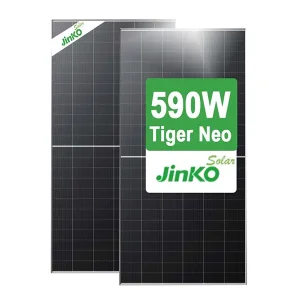
By combining high-power bifacial solar arrays (585W–620W N-type) with bidirectional energy storage systems (BESS) and high-voltage three-phase power converters, industrial microgrids achieve operational self-sufficiency. These systems run off-grid black-starts, support peak-shaving, and dynamically buffer load variations. This helps facilities avoid high demand charges and maintains stable operation during grid outages.
Hardware must comply with regional network codes, including Europe's EN 50549, Germany's VDE-AR-N 4105, and North American UL standards. Compliance guarantees anti-islanding protection, active frequency-voltage droop responses, and robust surge suppression. These built-in features protect connected assets and simplify grid connection approvals with local utility operators.
An engineering blueprint of modern PV power generation, bidirectional conversion, and edge-computing safety.
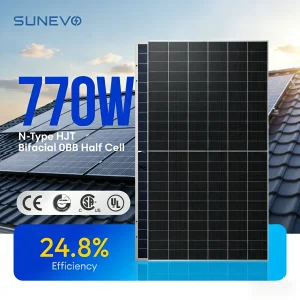
The core of modern photovoltaic generation relies on high-efficiency silicon chemistry. The transition from P-type Mono PERC to N-type Tunnel Oxide Passivated Contact (TOPCon) technology significantly reduces Light Induced Degradation (LID) and improves performance in high-temperature environments. Bifacial designs capture reflected light from the ground (albedo) to generate up to 25% extra power from the rear side. This ensures maximum energy yield per square meter, especially in utility-scale installations and space-constrained commercial roofs.
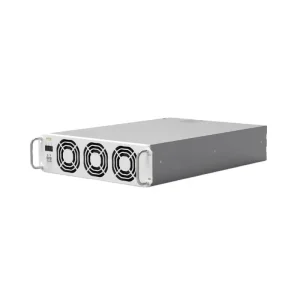
The connection between the DC solar array, the DC battery storage system, and the AC industrial grid requires an advanced conversion layer. Standard grid-tied inverters are being replaced by bidirectional hybrid converters. These systems feature wide-bandgap semiconductors, such as Silicon Carbide (SiC) MOSFETs, which achieve conversion efficiencies exceeding 98.5%. Built-in CAN bus interfaces enable microsecond-level coordination between the battery management system (BMS) and the system controller. This setup provides fast reactive power compensation and active filtering to maintain grid stability.
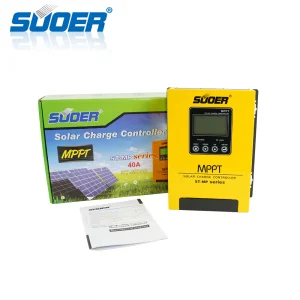
Industrial installations demand energy storage solutions that combine longevity with high safety standards. LiFePO4 (LFP) chemistry has become the industry standard for stationary applications because of its high thermal runaway threshold and long cycle life. To maximize the performance of these batteries, multi-channel Maximum Power Point Tracking (MPPT) charge controllers dynamically adjust input impedance. This optimization ensures maximum power extraction from the solar array, even during partial shading or cloudy conditions.
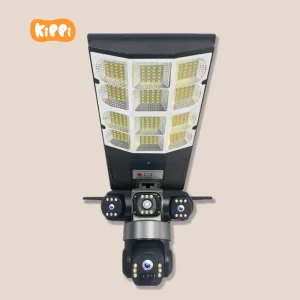
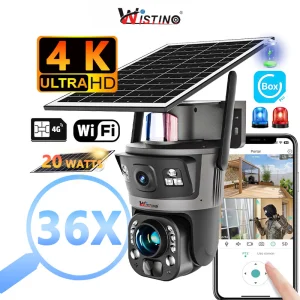
Deploying energy infrastructure in remote locations requires independent monitoring and physical security. Integrated solar-powered outdoor PTZ cameras run on off-grid power systems, using low-power 4G/WiFi modules to send real-time surveillance video and telemetry data. This enables remote security monitoring and system status tracking without depending on local grid power or landline internet connections.
About Us: Shenzhen Soweglow Solar Co., Ltd. manufacturing pipeline, showing our step-by-step quality control process.
Located in Shenzhen, China—a global hub for electronics and clean energy technology—Shenzhen Soweglow Solar Co., Ltd. manufactures solar energy products, renewable energy solutions, and intelligent solar systems. To guarantee that every system meets CE standards and operates reliably for years in the field, we enforce strict, multi-step quality control throughout our manufacturing line.
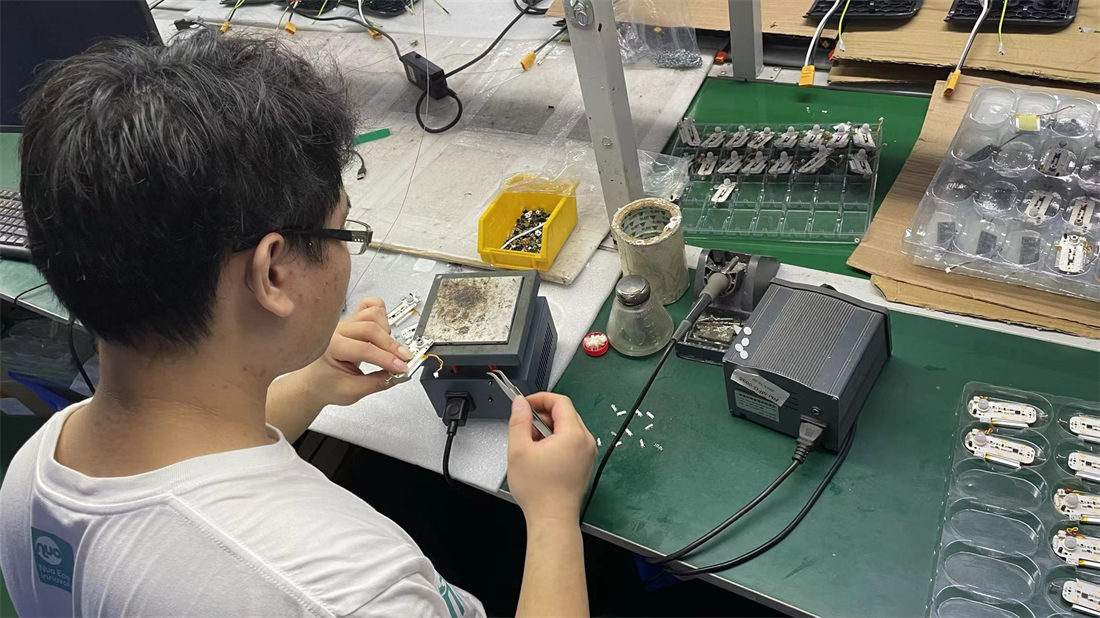
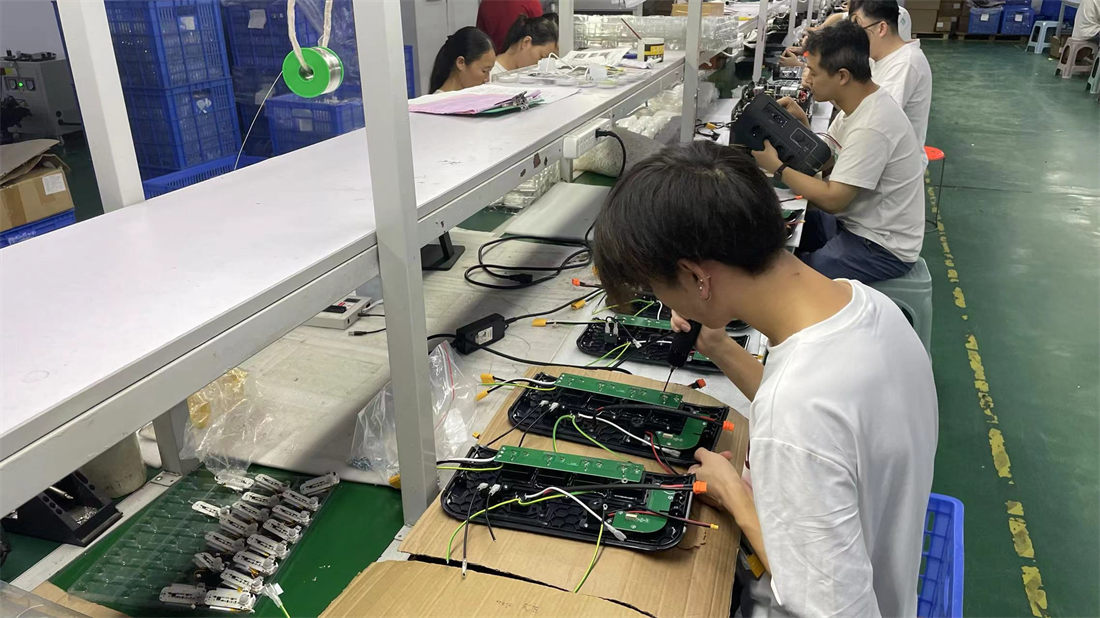
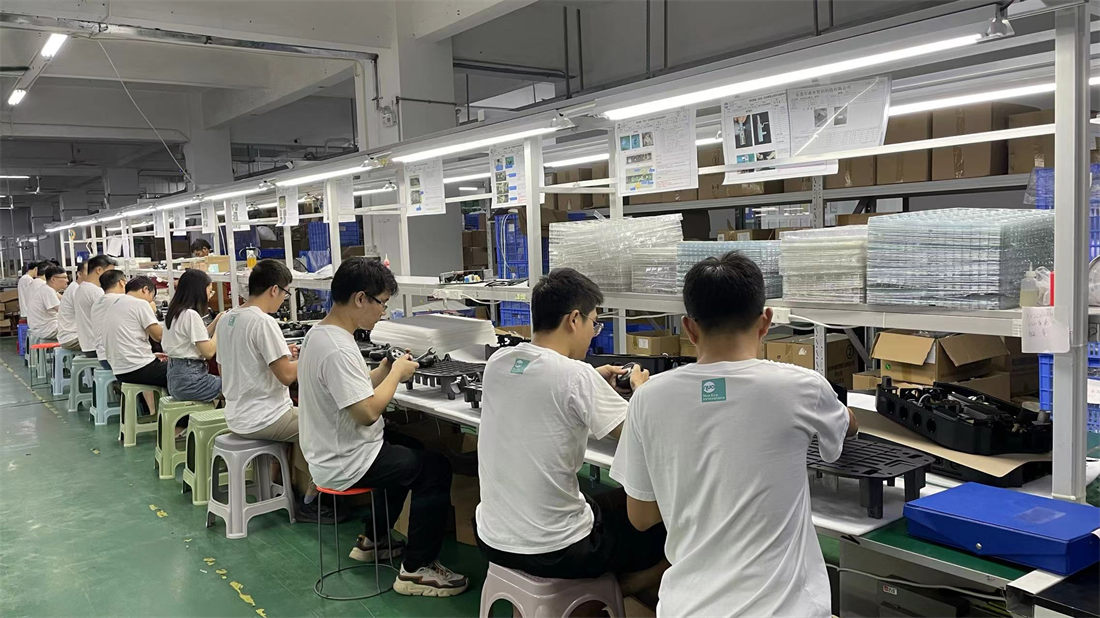
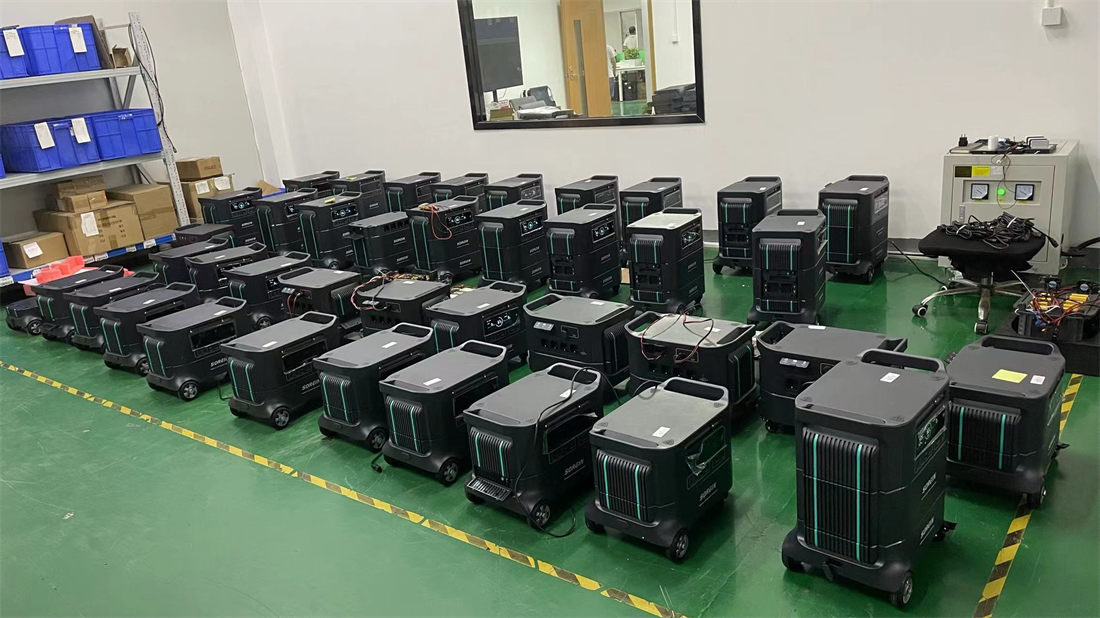

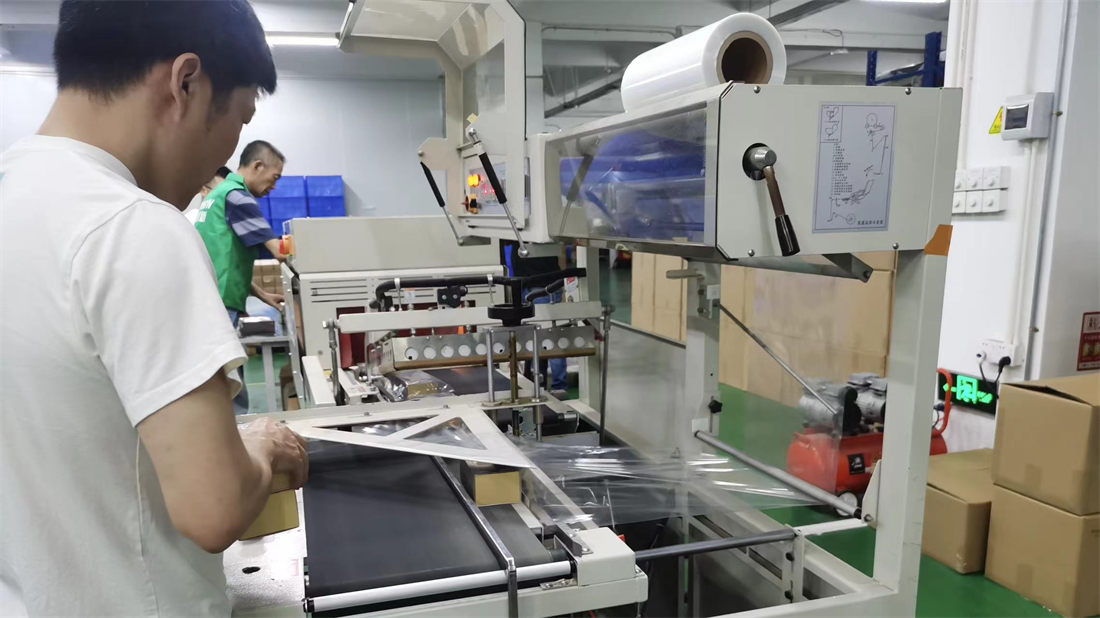
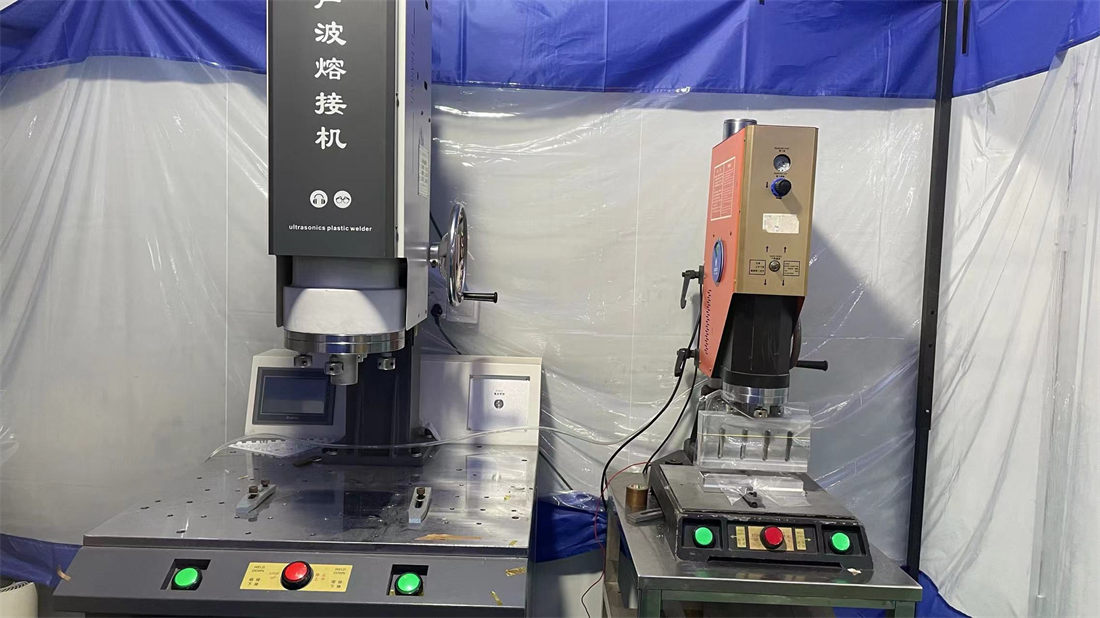
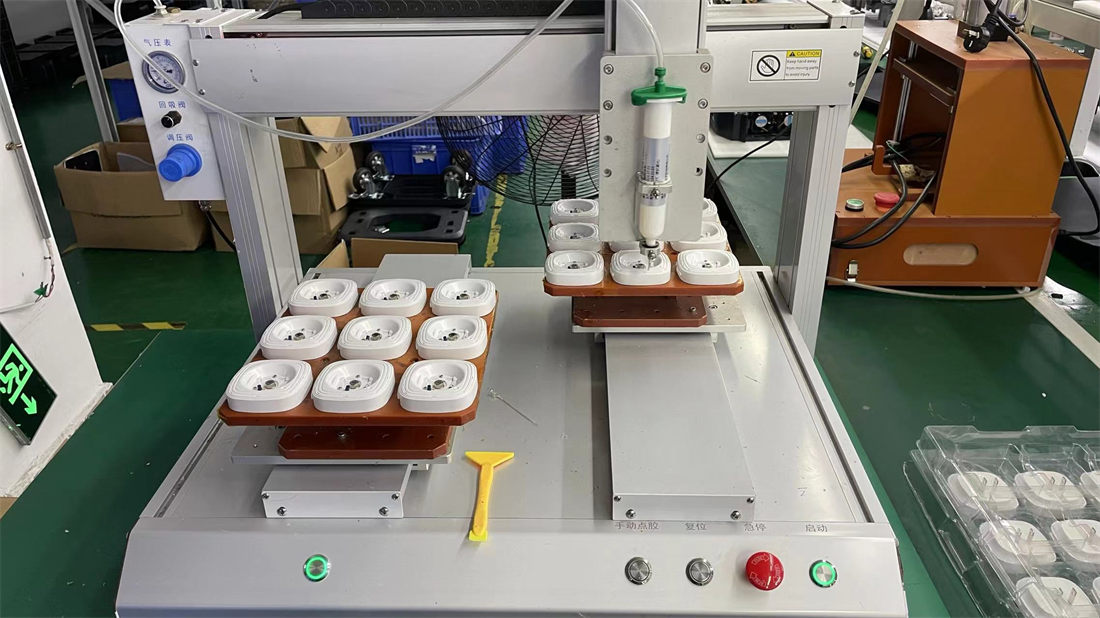
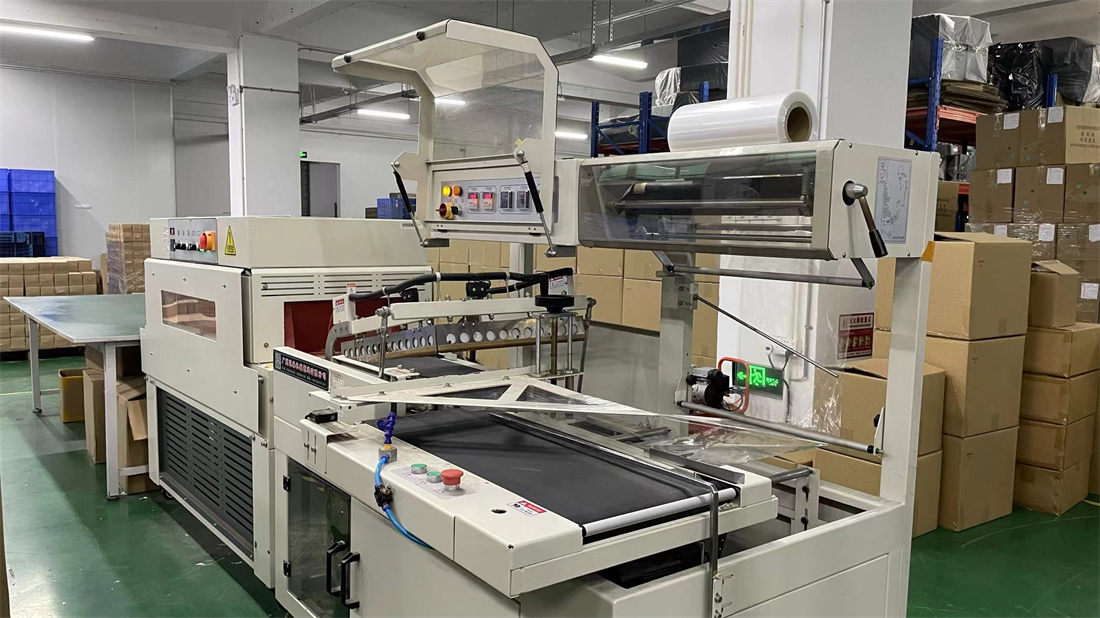
Quality is the foundation of our business. Every product undergoes strict quality inspections throughout the entire production process, from raw material selection to final assembly and shipment. Our manufacturing facilities operate under comprehensive quality management systems to ensure product reliability, safety, and long service life. We continuously improve our production processes and technology to provide products that comply with international certifications and industry standards.
Our Mission: To accelerate the adoption of renewable energy by providing innovative, efficient, and sustainable solar solutions that create long-term value for customers and contribute to a greener future.
Detailed answers to critical engineering and procurement questions for grid-level solar installations.
Essential components for building robust, grid-connected solar power systems.

 Soweglow Solar