Engineered to ensure maximum utility, compliance, and information-gain standards in international micro-grid architectures.

As global climate regulations tighten and carbon neutral protocols become mandatory across jurisdictions, enterprise-level procurement of energy systems requires more than simple equipment sourcing. Organizations must deploy complete energy sustainability strategies that balance technological efficiency, long-term lifecycle reliability, and local compliance standards. China has evolved from a component manufacturer to the chief architect of global renewable energy supply chains, combining unparalleled vertical integration with rapid innovation cycles.
This white paper, compiled by Shenzhen Soweglow Solar Co., Ltd., offers an in-depth analysis of how commercial off-grid structures, intelligent lithium iron phosphate (LiFePO4) battery energy storage systems (BESS), and integrated smart lighting systems serve as the cornerstone of contemporary corporate sustainability frameworks. Sourcing directly from Shenzhen—the technology epicenter of the PV and lithium sectors—grants global buyers access to verified manufacturing precision, high information gain, and substantial Levelized Cost of Storage (LCOS) reduction.
Industrial and commercial entities face unprecedented pressure to lower scope 1, scope 2, and scope 3 emissions. Deploying onsite photovoltaic systems and robust energy storage provides a dual benefit: satisfying corporate environmental directives while insulating operations against grid instability and skyrocketing peak-hour electricity costs.
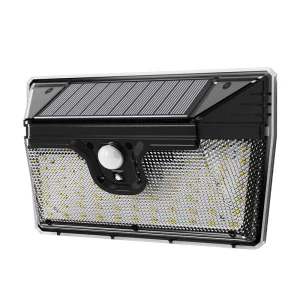
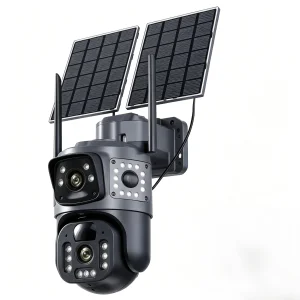
Modern energy sustainability strategies require a multi-faceted approach. First, companies must optimize solar energy conversion using high-efficiency PV modules matched with Maximum Power Point Tracking (MPPT) regulators. Second, energy capture must be paired with high-performance battery banks to smooth load variations and implement peak-shaving protocols. Finally, intelligent monitoring, including high-definition solar CCTV and smart sensors, must oversee these decentralized setups to verify system performance and preserve physical security.
By producing and storing energy locally, enterprise facilities bypass regional grid losses, guarantee uninterruptible power supply (UPS) for mission-critical IT infrastructure, and reduce local transmission congestion charges.
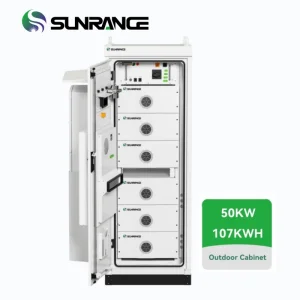
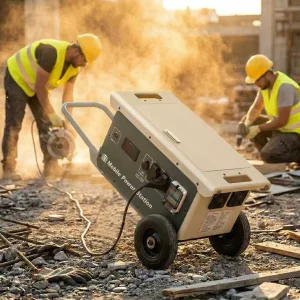
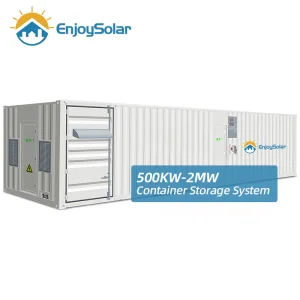
At the heart of modern energy independence is the Battery Energy Storage System (BESS). Soweglow Solar develops containerized and mobile storage platforms ranging from 15kW/50kWh setups up to multi-megawatt (1MWh - 2MWh) configurations. Utilising Lithium Iron Phosphate (LiFePO4) chemistry ensures safety, thermal stability, and deep cycle durability (exceeding 6000 cycles at 80% Depth of Discharge).
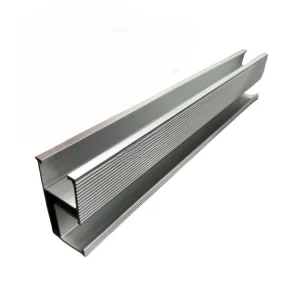
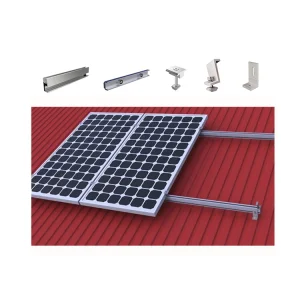
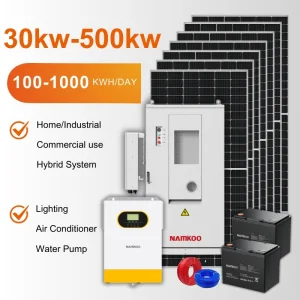
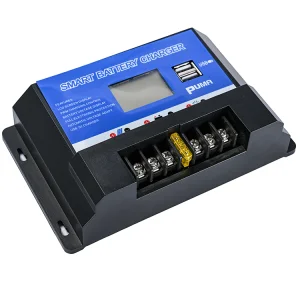
For off-grid installations, such as remote construction sites, agricultural centers, or mining facilities, Soweglow's PWM and MPPT charge controller systems balance inputs from large-scale PV arrays. These controllers dynamically adjust voltage and current levels to prevent overcharging while maintaining maximum energy extraction. This system integrity extends down to localized components: PV mounting hardware, high-strength aluminum mounting rails, and secure rail splices, which ensure long-term mechanical resilience against heavy wind loads and corrosive outdoor environments.
To demonstrate the utility of these energy sustainability strategies, let's explore their real-world applications across diverse operating conditions:
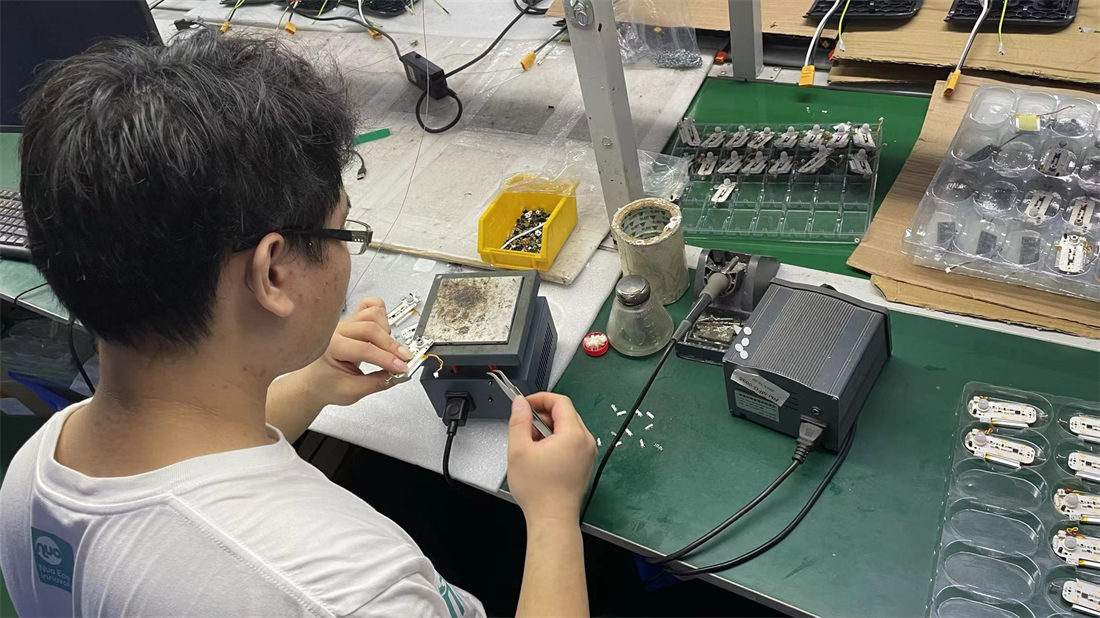
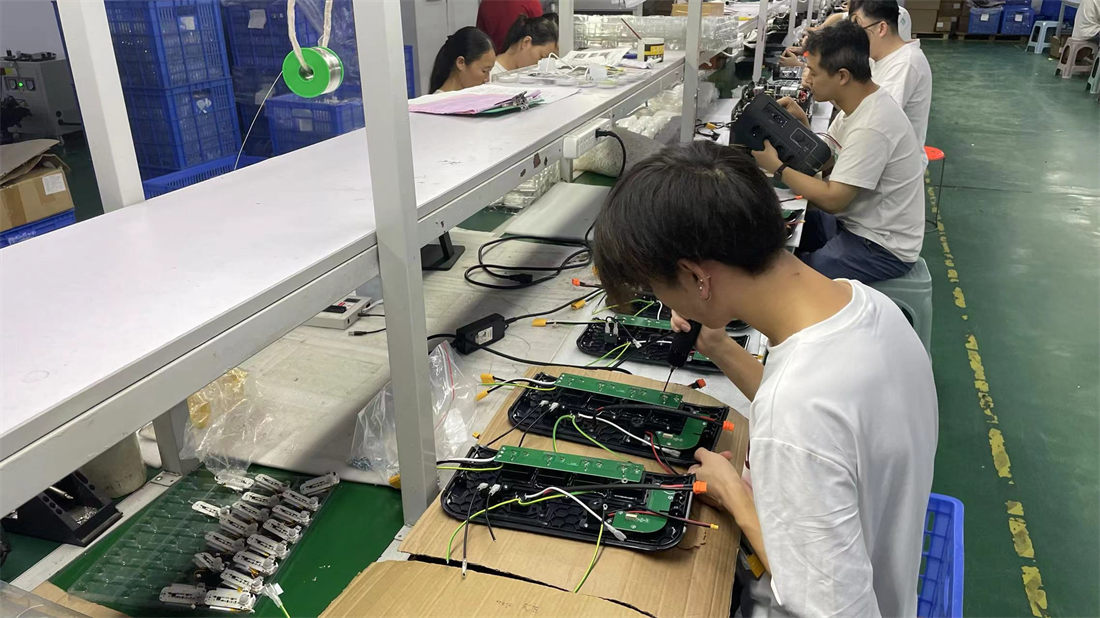
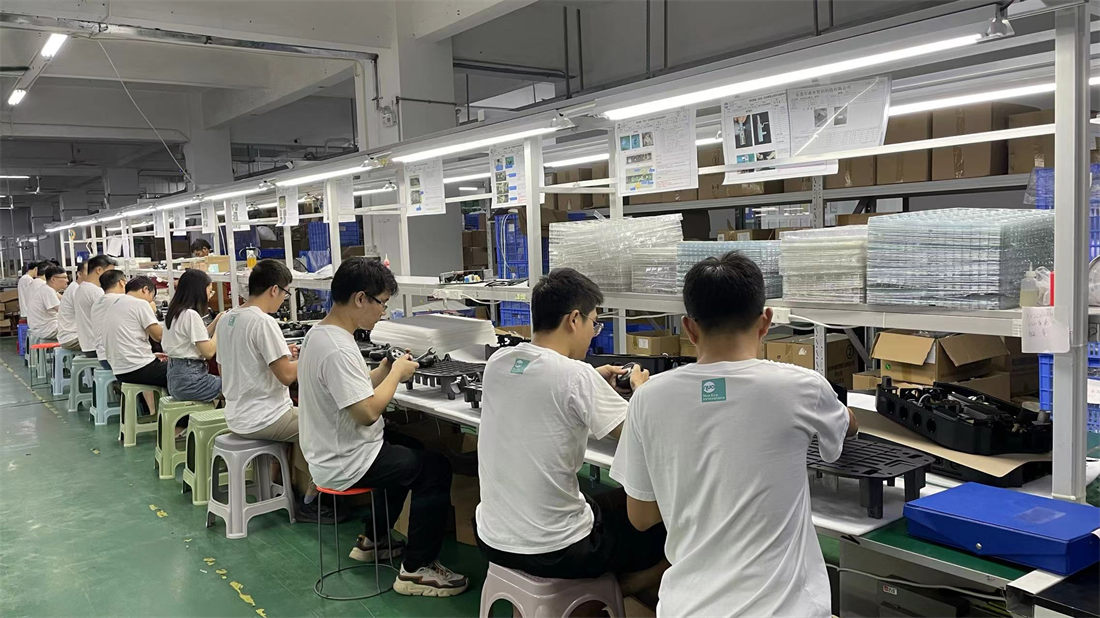
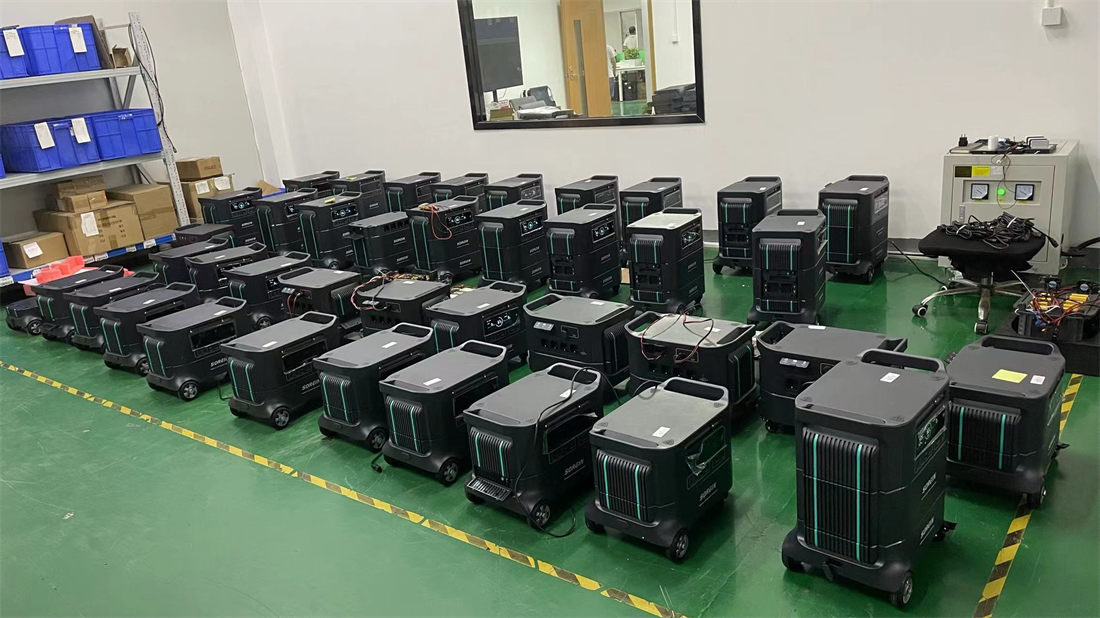
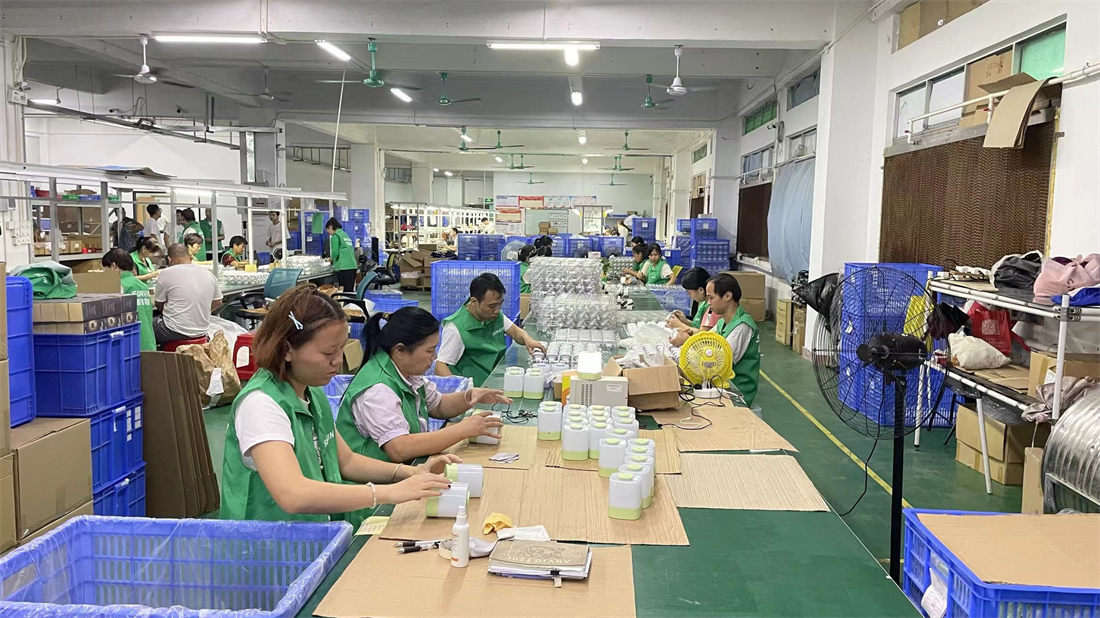
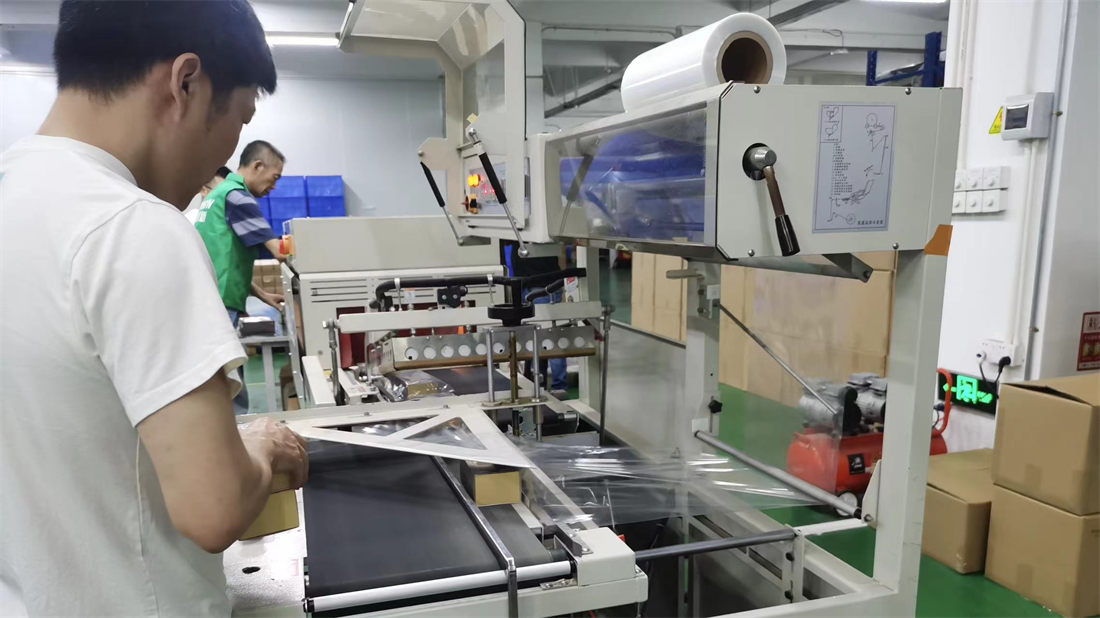
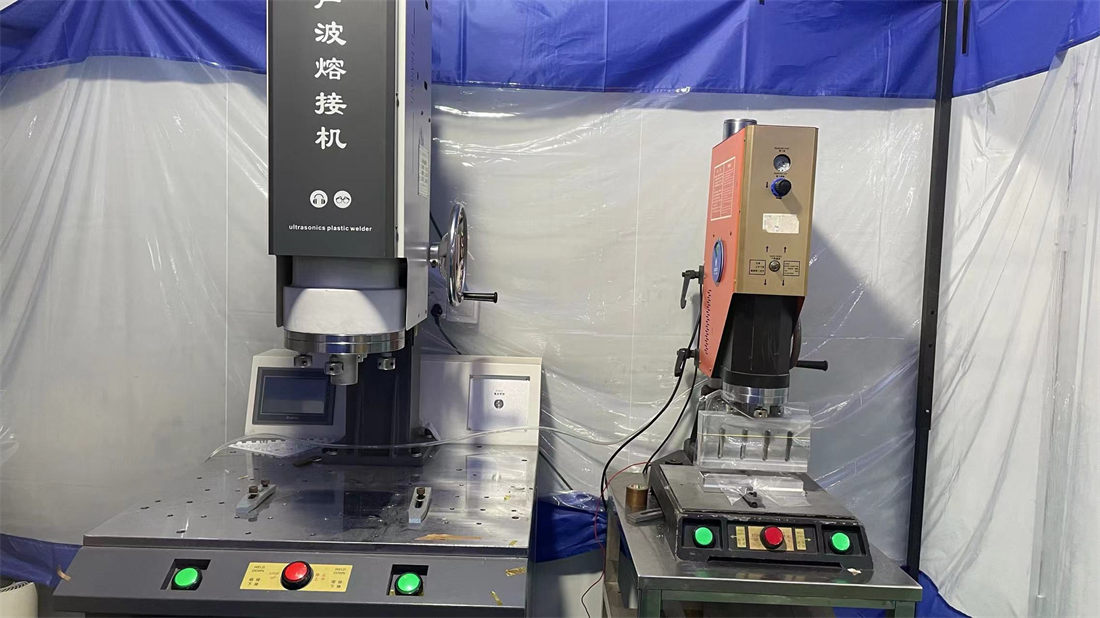
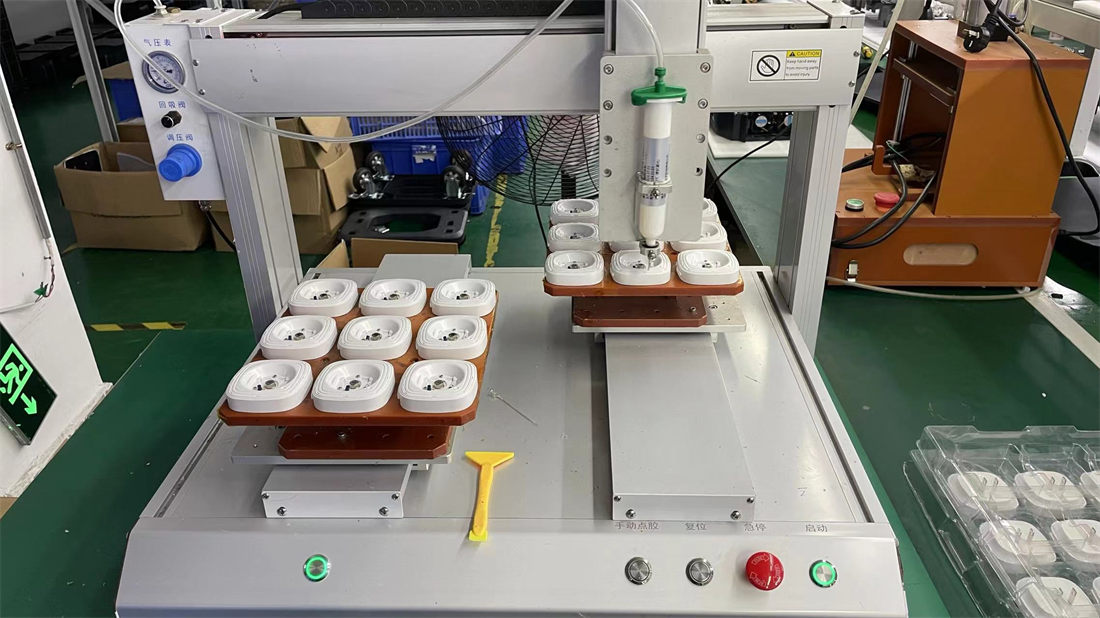
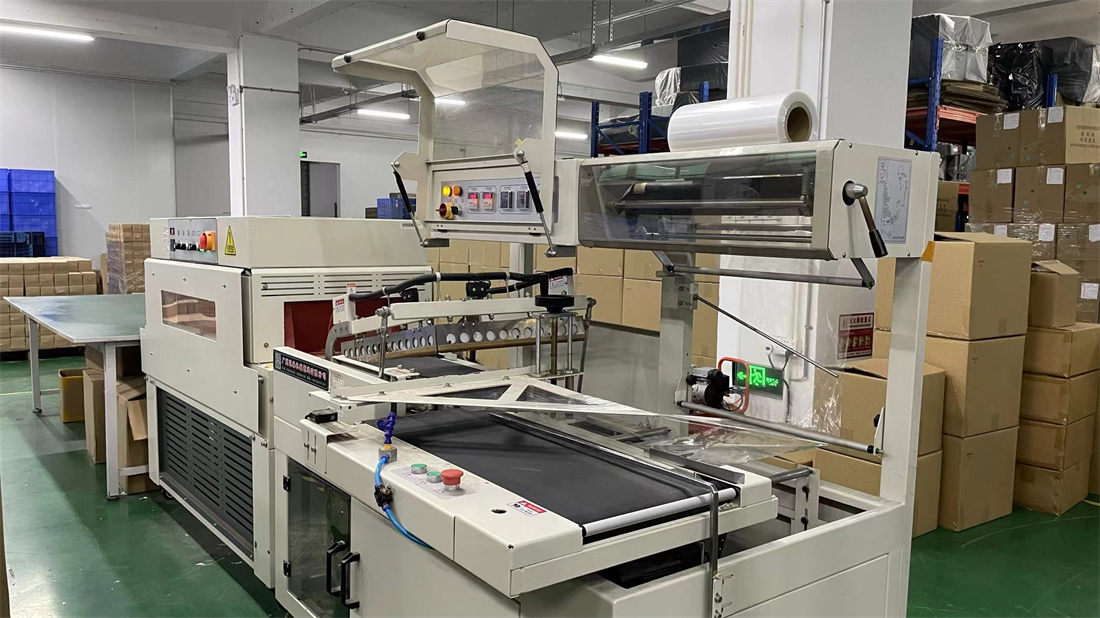
A detailed view of our Shenzhen facility's assembly lines, automated machinery, and quality testing procedures.
Navigating regulatory hurdles is one of the most critical aspects of global solar and energy storage procurement. Devices operating in international markets must comply with local grid codes, safety directives, and environmental standards.
Shenzhen Soweglow Solar Co., Ltd. builds products designed to meet standard certifications, facilitating smooth customs clearance and utility connection approvals. Our batteries undergo testing to satisfy UN38.3 transport safety protocols, CE certifications, and RoHS environmental directives. For utility-grade systems, such as BESS container storage systems, we construct architectures that align with European CE standards, American UL certifications, and local grid connection codes. We ensure proper thermal run-away protection, fire-suppression integration, and ground-fault protection systems are built directly into the containerized designs to guarantee safety in any operating environment.
Located in Shenzhen, Soweglow Solar operates within one of the world's most dense and advanced clean-energy supply ecosystems. This proximity allows for direct access to premium raw materials—including Tier-1 grade LiFePO4 cells and high-grade aluminum profiles—reducing development and transport lead times.
Our manufacturing facility utilizes advanced, automated assembly equipment, including high-frequency ultrasonic welding units, automated glue-dispensing machines, and high-performance film shrinking units. This high level of automation ensures consistent build quality and reduces manual assembly errors. We pair this technology with a strict, multi-stage quality management process:
Cells are balanced and welded under strict structural parameters using automatic alignment and precision laser welding systems to ensure minimal electrical resistance.
Every battery pack and component undergoes thermal chamber testing and multiple charging/discharging cycles to confirm thermal resilience under extreme loads.
Before dispatch, all units are inspected, packaged in heavy-duty export containers, and certified safe for global shipping via sea or air transport.
Looking ahead, the integration of energy storage systems with smart grids will depend heavily on software capabilities. The future of energy sustainability lies in artificial intelligence and machine learning algorithms that manage load forecasting and schedule charge cycles based on real-time electricity rates.
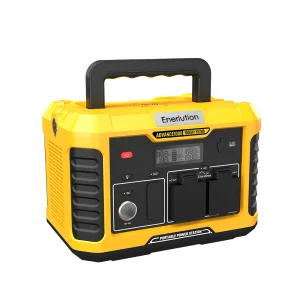
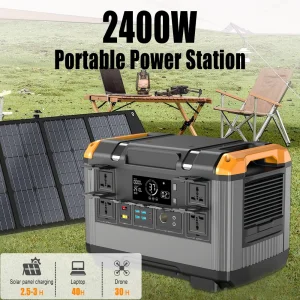
Soweglow Solar is continuously exploring next-generation features, such as integrating IoT remote telemetry into our portable power stations and containerized BESS. Additionally, we are monitoring advancements in sodium-ion battery chemistry, which could provide a cost-effective alternative for stationary energy storage in colder climates. By focusing on constant research and product development, we ensure our global partners remain competitive as technology evolves.
Key technical answers for procurement officers, energy engineers, and distribution partners.
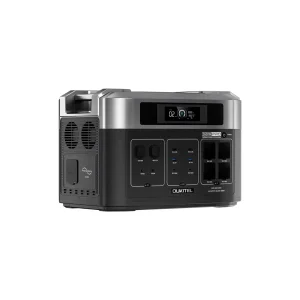
Explore our complete lineup of high-capacity container solutions, portable backup generators, and mounting structures.
 Soweglow Solar