As the global automotive industry undergoes its most significant transformation in a century, the convergence of Renewable Energy and Electric Mobility has become the cornerstone of sustainable development. At Shenzhen Soweglow Solar Co., Ltd., we specialize in Custom OEM Electric Vehicle Solar Solutions, bridging the gap between passive energy consumption and active clean energy generation.
The rise of Solar-Powered EVs (SEVs) and integrated charging infrastructure is not merely a trend—it is a response to the "range anxiety" and high grid dependency of traditional EVs. By utilizing advanced CIGS Thin Film technology and N-Type Bifacial PV modules, we empower manufacturers to create vehicles and support systems that harvest energy directly from the sun, increasing autonomy and reducing total cost of ownership (TCO).
The demand for solar-integrated EV solutions is surging in Europe and North America due to strict carbon emission regulations. Our OEM services help suppliers meet Euro 7 standards and US EPA guidelines through carbon-neutral manufacturing components.
For logistics and fleet operators, solar-integrated van roofs can extend daily mileage by 15-30km, significantly reducing charging cycles and extending LiFePO4 battery lifespan.
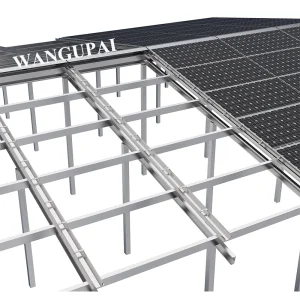
Beyond the vehicle, we provide BIPV (Building Integrated Photovoltaics) for charging carports, ensuring that the energy entering the EV is truly green from the source.
Module Efficiency
Years Experience
Countries Served
Customizable OEM
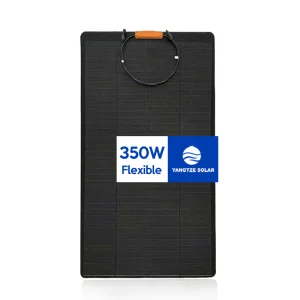
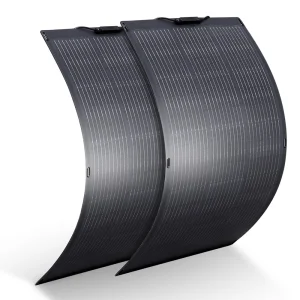
Our technical roadmap focuses on the application of CIGS (Copper Indium Gallium Selenide) thin-film solar panels. Unlike rigid monocrystalline panels, CIGS offers flexibility and high shade tolerance, making it ideal for the curved surfaces of modern EVs, RVs, and marine applications. This information gain is crucial for designers looking for aerodynamic efficiency without sacrificing energy yield.
Navigating international markets requires more than just high-quality hardware. We ensure all our Electric Vehicle Solar Solutions comply with local regulations:
Integrating 350W CIGS panels on delivery vans to power refrigeration units and GPS tracking, ensuring zero-emission logistics.
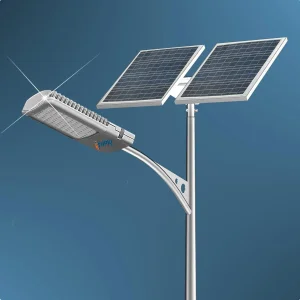
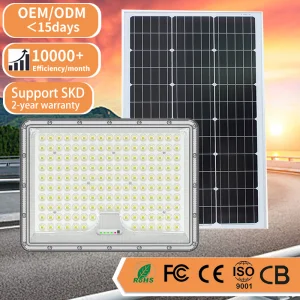
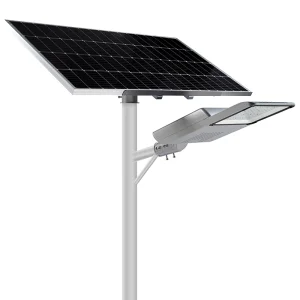
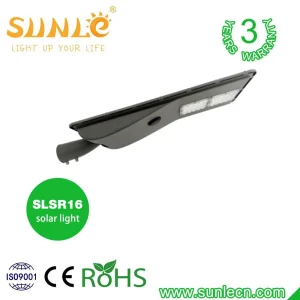
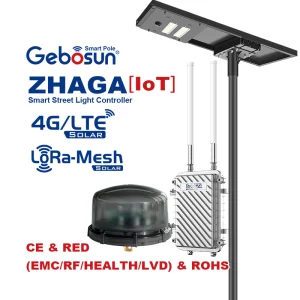
Solar-powered IoT street lighting and ZHAGA-compliant smart nodes that communicate with EV charging stations to balance local grid loads.
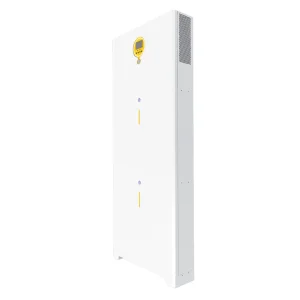
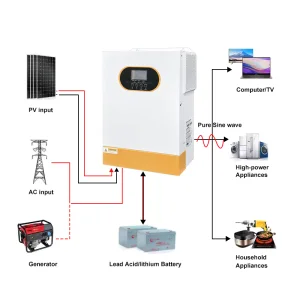
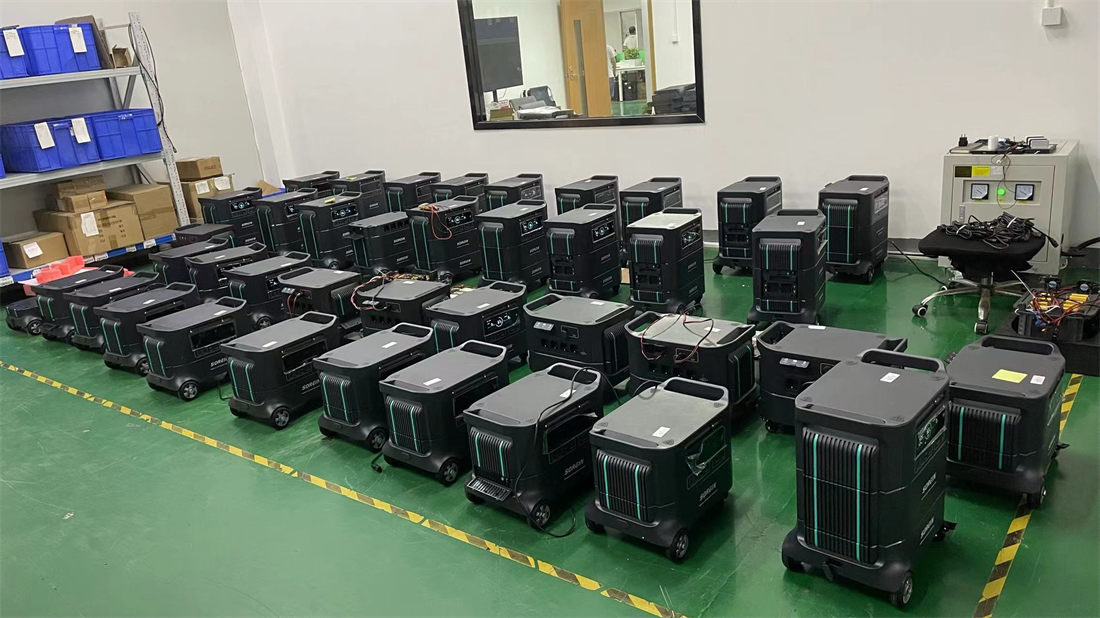
Remote area EV charging hubs utilizing 6.2kW hybrid inverters and scalable LiFePO4 battery banks for areas without grid access.
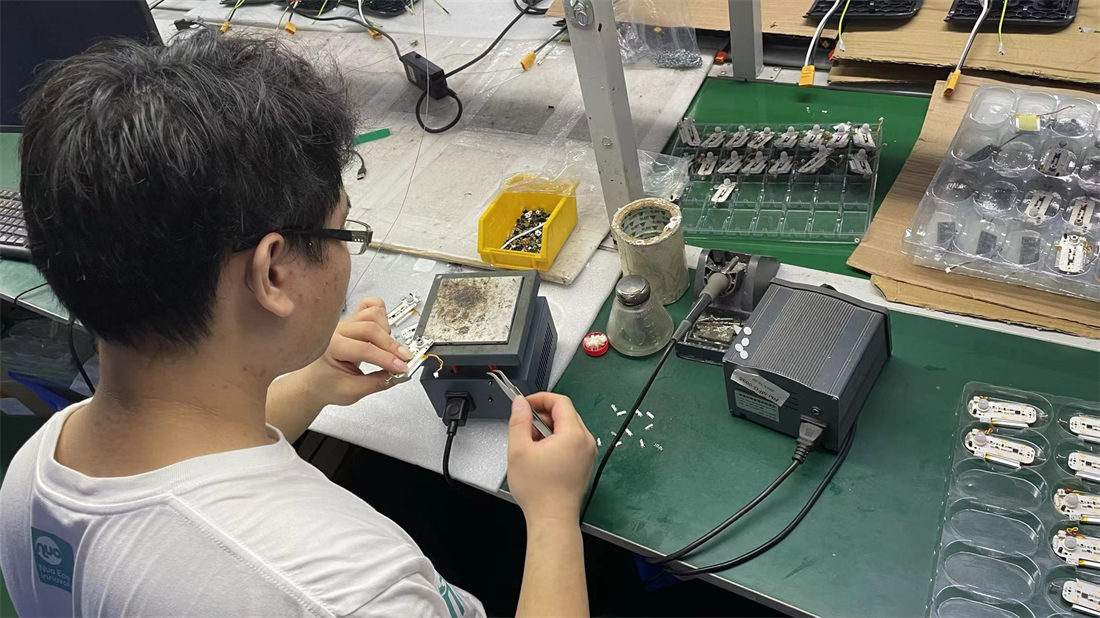
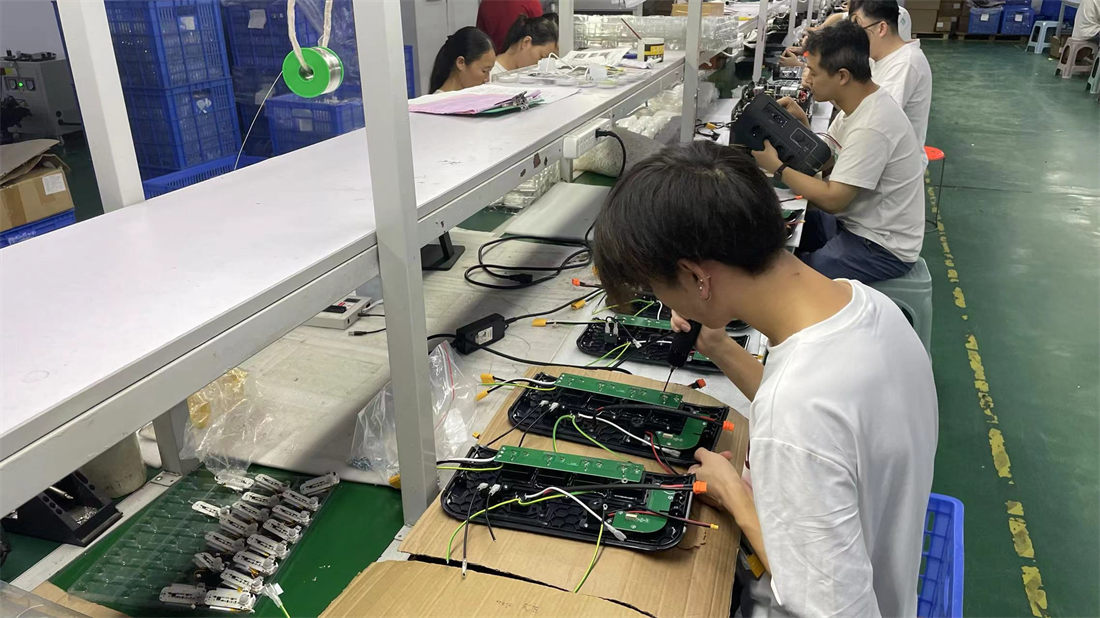
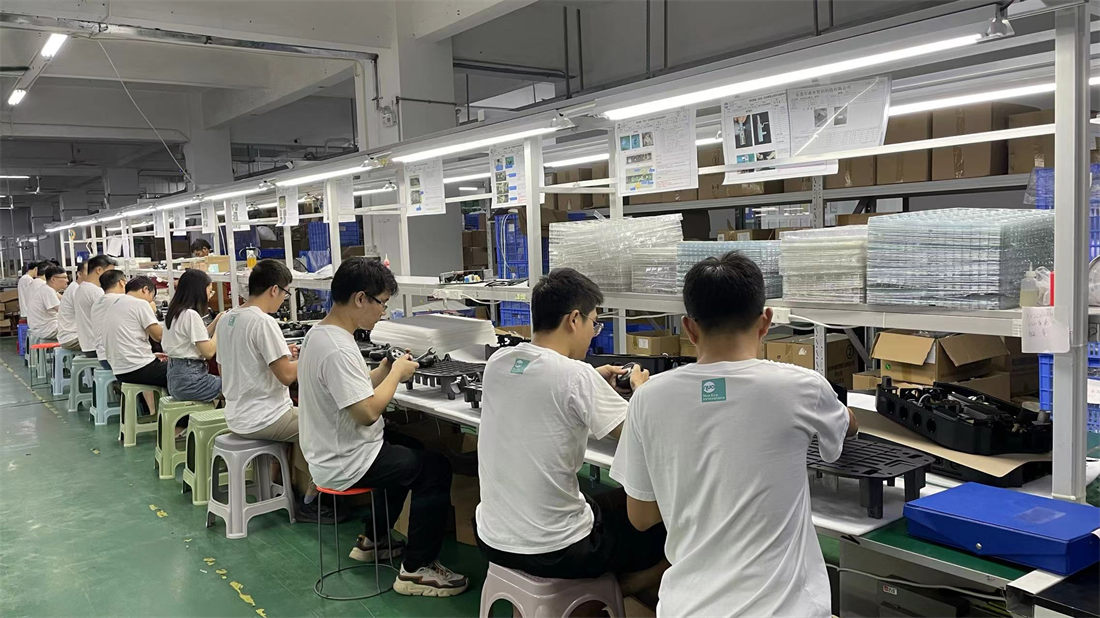
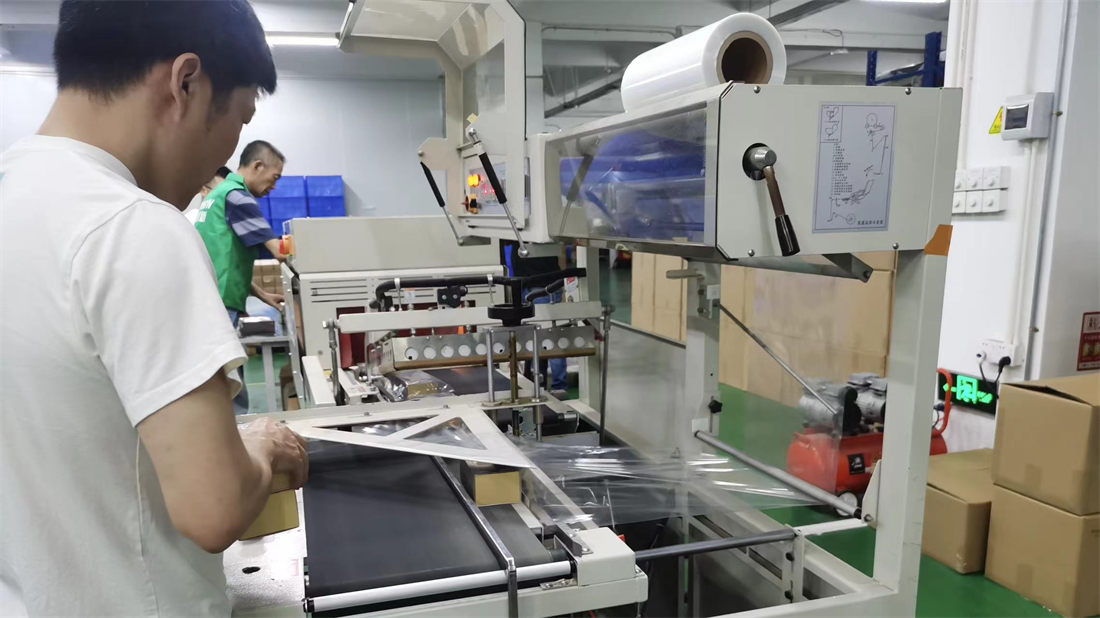
Shenzhen Soweglow Solar Co., Ltd. is a professional and reliable manufacturer and supplier specializing in solar energy products, renewable energy solutions, and intelligent solar lighting systems. Located in Shenzhen, China, one of the world's most innovative and dynamic technology hubs, we have been committed to the solar industry for many years, providing high-quality products and customized energy solutions to customers worldwide.
Driven by the mission of promoting clean energy and sustainable development, Soweglow Solar focuses on delivering efficient, environmentally friendly, and cost-effective solar products that help reduce energy consumption and carbon emissions. Through continuous innovation, strict quality control, and customer-oriented service, we have established long-term partnerships with clients across Europe, North America, South America, Africa, Southeast Asia, and the Middle East.

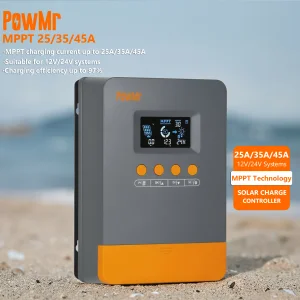
The future of Electric Vehicle Solar Solutions lies in Vehicle-to-Grid (V2G) technology and AI-driven energy management. Imagine an EV that not only charges itself via integrated CIGS panels but also acts as a mobile energy storage unit for your home or office. Our R&D team is currently developing MPPT controllers that interface with vehicle ECUs to optimize solar harvest based on real-time weather data and driving patterns.
 Soweglow Solar