As the global energy paradigm rapidly shifts from centralized, fossil-fuel-based power grids to decentralized, decarbonized, and digitized smart microgrids, the demand for high-reliability energy storage has grown exponentially. According to international energy forecasts, the compound annual growth rate (CAGR) for battery energy storage systems (BESS) will exceed 25% over the next decade. Commercial and Industrial (C&I) sectors, municipal utility operators, and micro-mobility companies face structural challenges: they must balance dynamic load profiles, prevent peak-demand charges, ensure power resilience against extreme weather events, and maximize local photovoltaic (PV) consumption.
However, standard off-the-shelf equipment rarely satisfies the unique spatial constraints, localized electrical standards, dynamic thermal ranges, and digital communication requirements of modern enterprises. This is where specialized OEM/ODM energy storage solutions factories bridge the critical gap between raw technology and operational efficiency. By tailoring battery chemistry configurations (specifically focusing on highly stable Lithium Iron Phosphate - LiFePO4 cells), designing complex battery management systems (BMS), and integrating custom packaging structures, professional OEM/ODM manufacturers empower global enterprises to deploy systems optimized for their precise Levelized Cost of Storage (LCOS) targets.
Integrating active liquid-cooling and smart forced-air systems to maintain ideal thermal distributions inside high-capacity battery packs, preventing thermal runaway and extending operating lifespans.
Proprietary hardware architectures monitoring voltage, current, cell temperatures, and state-of-health (SOH) in real-time, matching CAN, RS485, and Modbus communication protocols.
Pre-certified configurations targeting stringent international standards, including UL 1973, UL 9540A, CE, IEC 62619, and UN38.3 transport safety rules.
Shenzhen, China, stands as the undisputed global capital of the battery supply chain and consumer hardware ecosystems. Over 80% of the key chemical, physical, and digital components for energy storage systems—ranging from high-purity cathode materials and copper foils to sophisticated digital power electronics and advanced BMS chips—are sourced, refined, and packaged within a 2-hour logistics radius. This unmatched cluster density enables factories to rapidly prototype, scale production, and absorb supply chain shocks, giving global buyers significant structural advantages over localized producers in the West or other emerging markets.
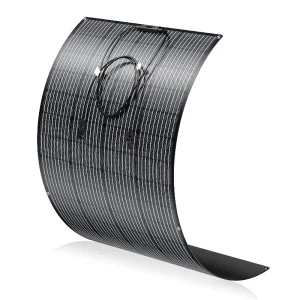
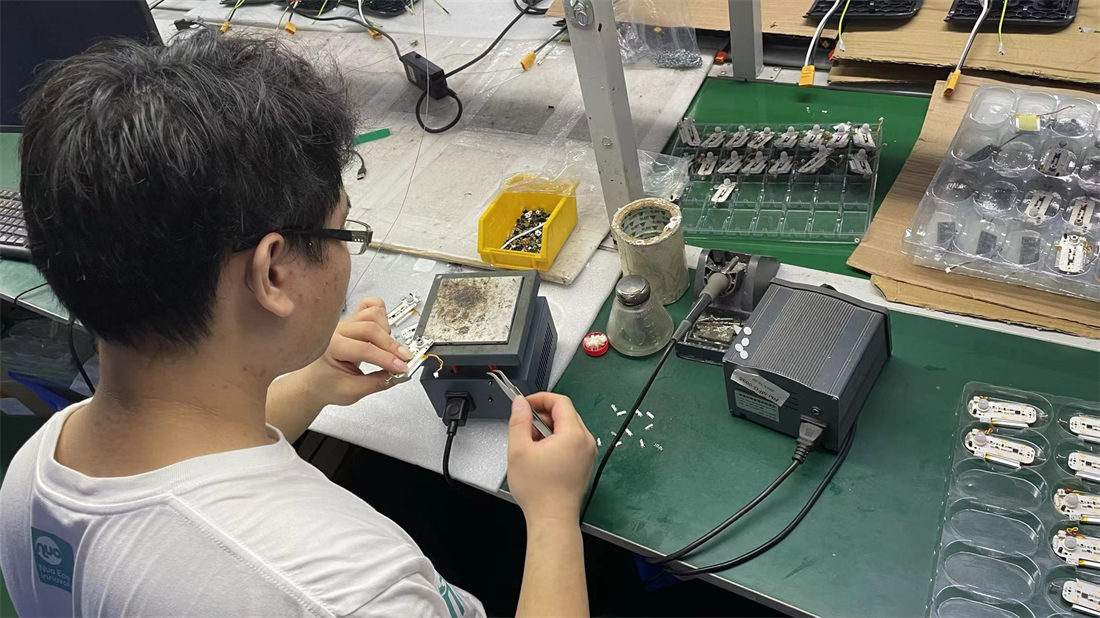
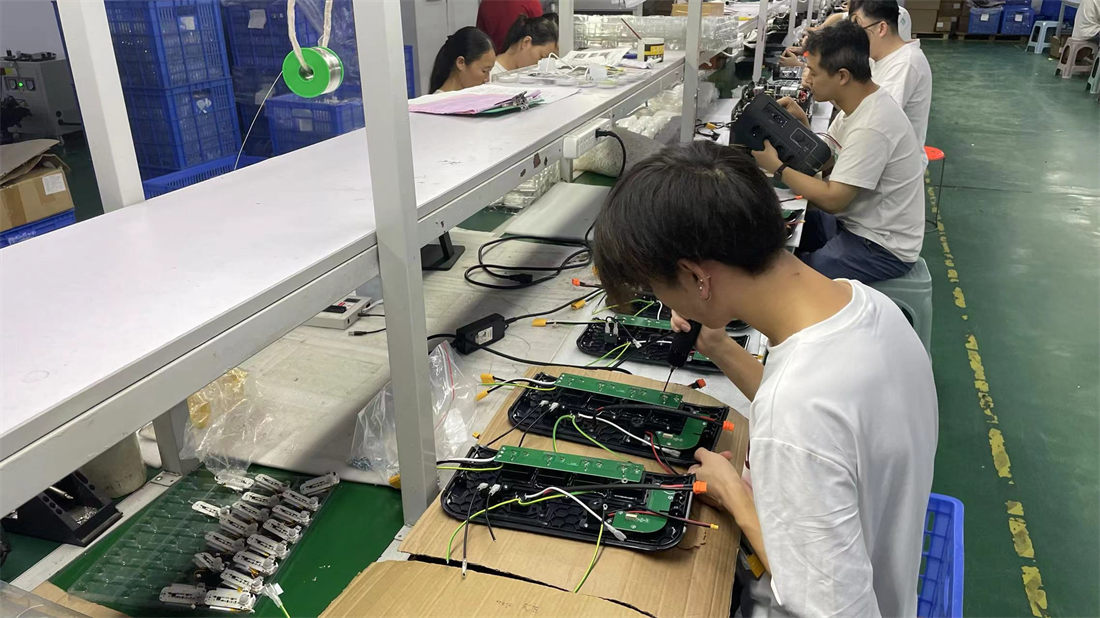
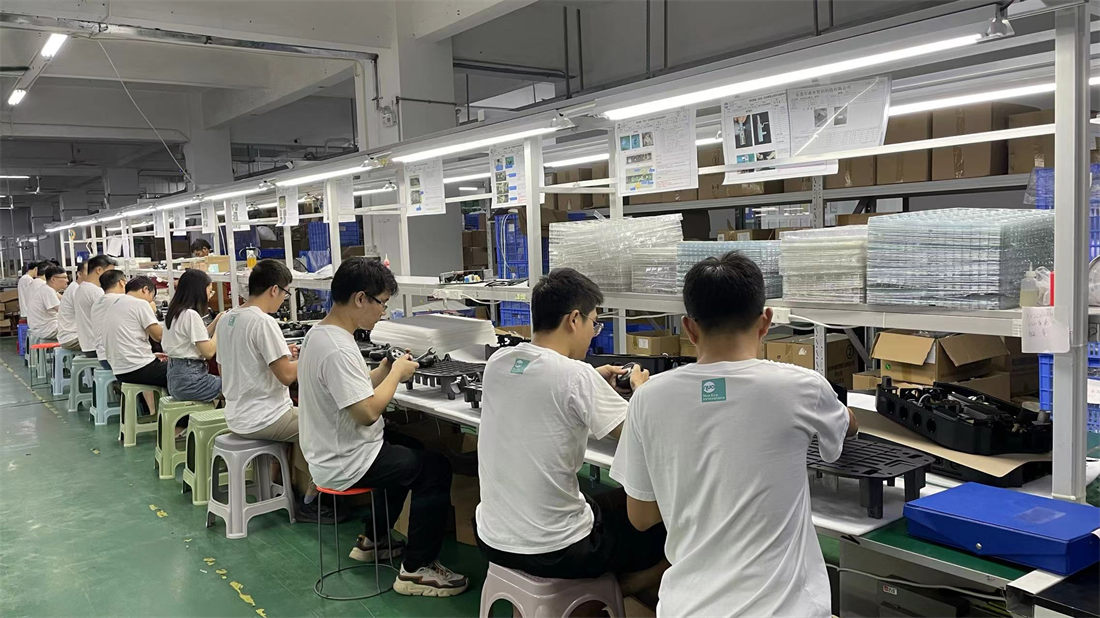
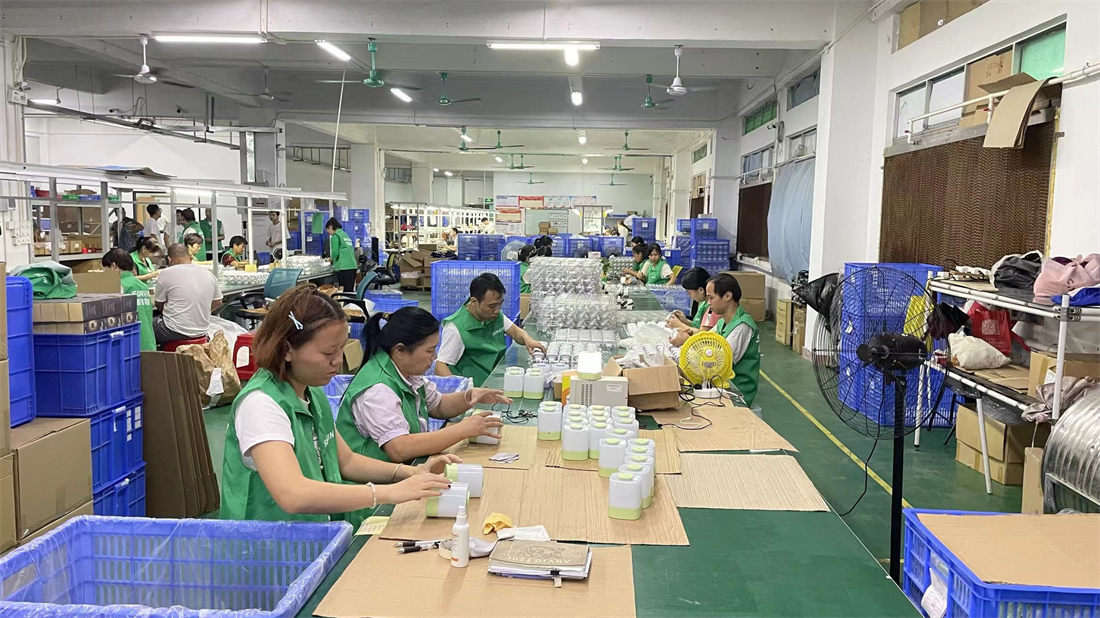
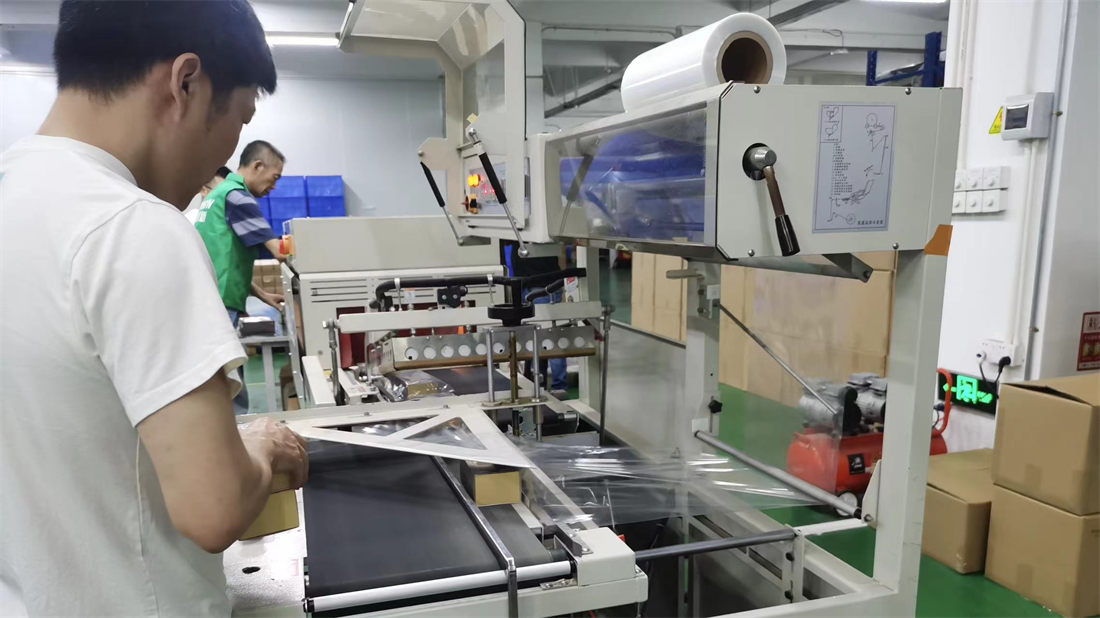
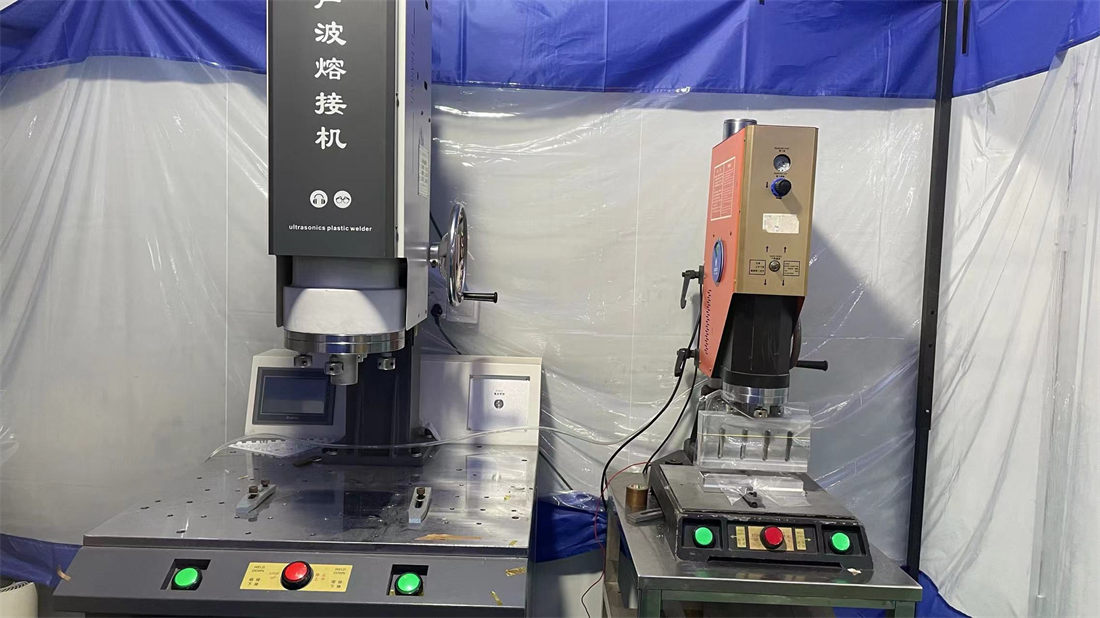
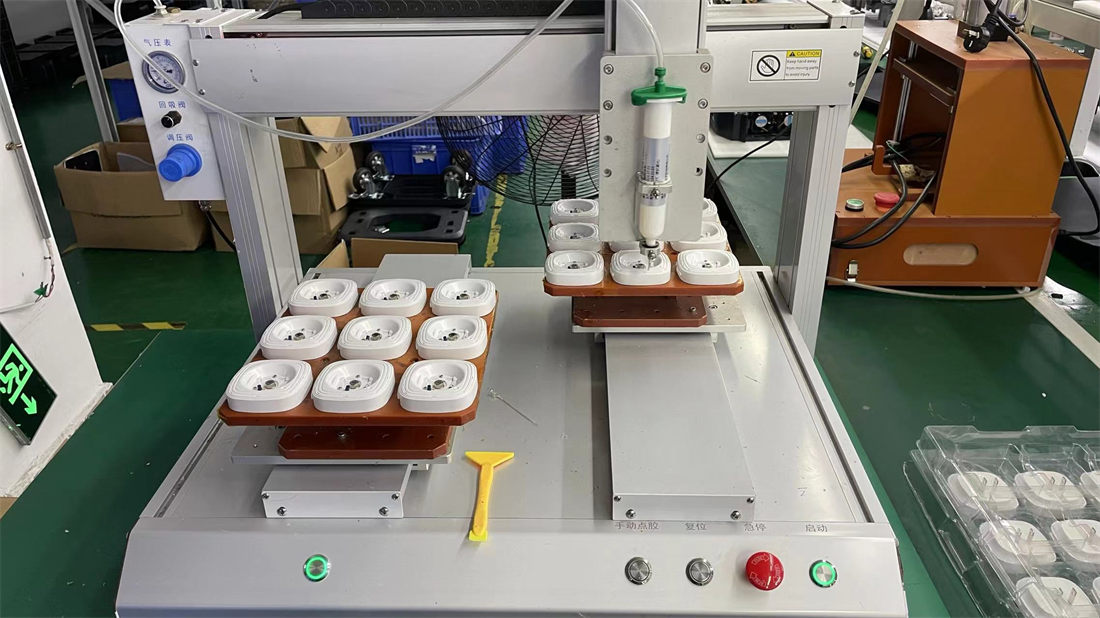
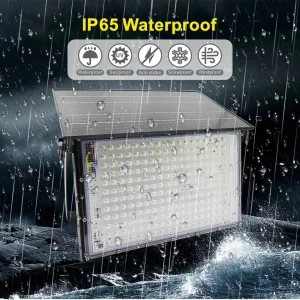
By partnering with a factory in Shenzhen like Soweglow Solar Co., Ltd., enterprises leverage the local ecosystem's unique operational efficiencies. We eliminate double-handling and secondary shipment costs of heavy battery cells by integrating processing, welding, automated glue dispensing, aging testing, and high-performance safety inspections under one centralized facility. This leads to a massive reduction in the levelized cost of energy storage (LCOS), faster times to market, and superior flexibility in product physical formatting (e.g., custom flexible solar panel configurations or robust outdoor IP65/IP66 enclosures for hybrid municipal lighting).
Explore how OEM/ODM storage solutions can be deployed across various commercial sectors to unlock energy independence and operational stability.
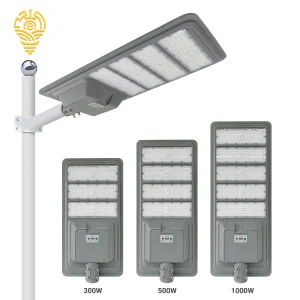
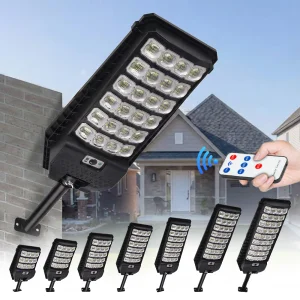
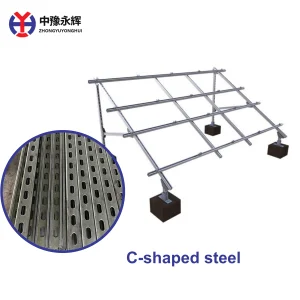
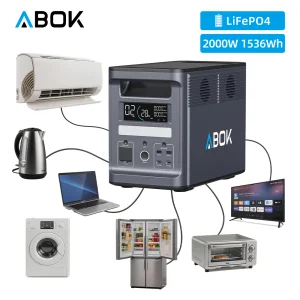
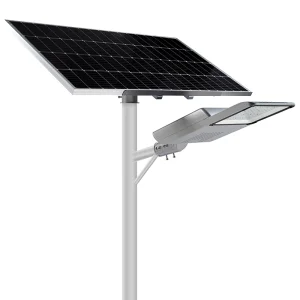
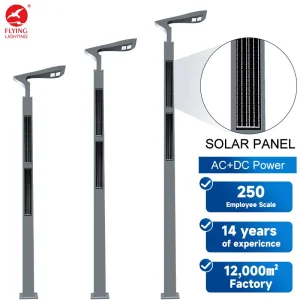
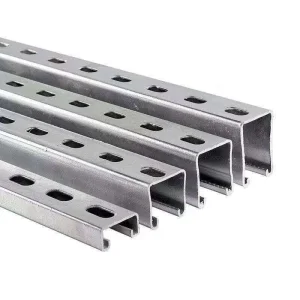
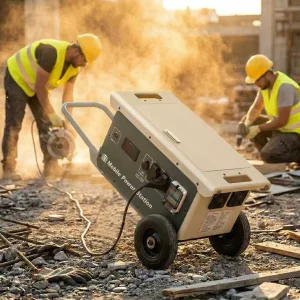
For remote island communities, agricultural farms, and rural industrial installations where grid connection is financially unviable, a hybrid combination of off-grid solar generators (such as 5kWh mobile power stations), solar street lighting arrays, and solar panel mount systems serves as the ultimate base load. Combining solar energy capture with localized battery reserves reduces dependency on volatile diesel logistics while lowering microgrid operational expenses by over 60%.
Industrial factories run high-power machinery that triggers steep peak-demand tariffs from utilities. High-capacity LiFePO4 battery storage units enable commercial clients to run "Peak Shaving" programs. By charging batteries during low-cost off-peak hours and discharging them during peak industrial production windows, organizations can reduce utility demand charges and stabilize inner-facility voltage characteristics without stopping production lines.
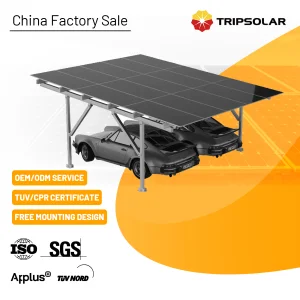
Integrating solar canopy structures, aluminum carport PV systems, and integrated high-cycle battery hubs helps transit hubs deploy EV charging infrastructures without overwhelming localized grid transformers. By acting as a buffer, the storage system supplies high-current output to fast-charging vehicles, recharging slowly from the grid or directly from overhead solar carports during non-peak windows.
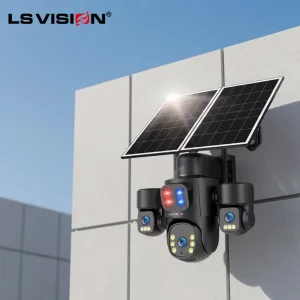
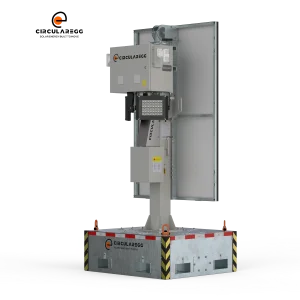
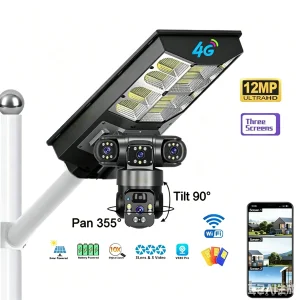
Critical communications infrastructure, cell towers, and perimeter surveillance equipment require uninterruptible 24/7 power. Leveraging custom solar-powered smart systems combined with 4G wireless networks and solar-powered surveillance packages ensures complete asset protection and service uptime even during absolute grid failure or regional blackouts.
B2B procurement managers and EPC (Engineering, Procurement, and Construction) contractors operate under highly rigid risk-management structures. When sourcing factory partners for utility-scale or industrial-scale storage products, reliability metrics are closely scrutinized. To satisfy institutional bankability requirements and secure local development approvals, systems must prove long-term durability, safe chemistry execution, and comprehensive warranty coverage.
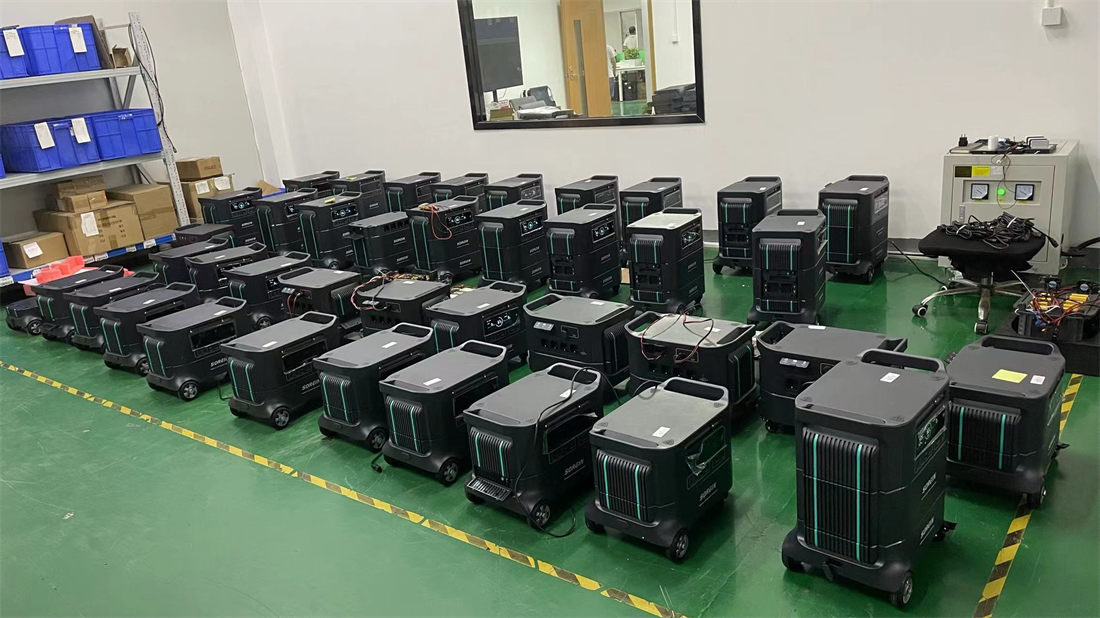
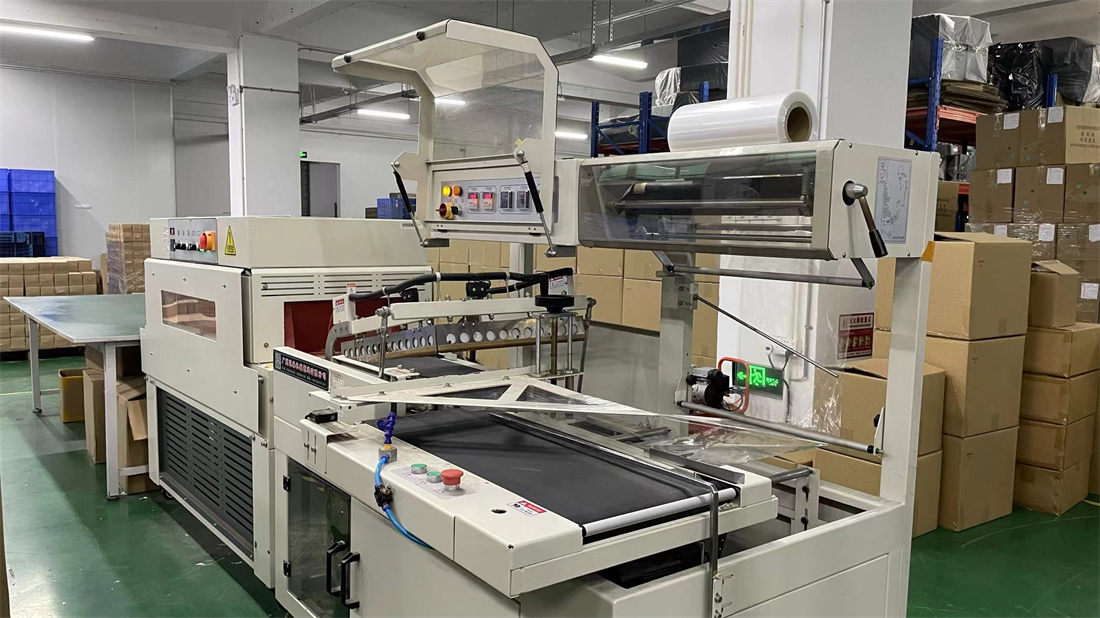
A reliable OEM/ODM factory handles these pain points through transparent quality controls. First, ensuring 100% cell capacity grading and impedance matching prevents premature degradation of individual battery strings. Second, utilizing advanced engineering machinery—such as high-precision spot welding systems and automated adhesive application—prevents micro-vibrations from causing electrical faults under harsh transit or working environments. Third, conducting real-world load simulation and aging tests on every unit before shipment reduces dead-on-arrival (DOA) rates to virtually zero.
From incoming battery cell testing to final capacity cycle runs, multiple check gates verify that performance maps closely to raw design metrics.
Complete cell tracing records, enabling buyers to inspect chemical origins, production batch dates, and individual cycle performance curves.
Meeting Class 9 Dangerous Goods transportation protocols, utilizing drop-tested structural crating to ensure perfect physical state upon arrival.
Shenzhen Soweglow Solar Co., Ltd. is a professional and reliable manufacturer and supplier specializing in solar energy products, renewable energy solutions, and intelligent solar lighting systems. Located in Shenzhen, China, one of the world's most innovative and dynamic technology hubs, we have been committed to the solar industry for many years, providing high-quality products and customized energy solutions to customers worldwide.
Driven by the mission of promoting clean energy and sustainable development, Soweglow Solar focuses on delivering efficient, environmentally friendly, and cost-effective solar products that help reduce energy consumption and carbon emissions. Through continuous innovation, strict quality control, and customer-oriented service, we have established long-term partnerships with clients across Europe, North America, South America, Africa, Southeast Asia, and the Middle East.
Our experienced team possesses extensive expertise in solar lighting, photovoltaic systems, energy storage solutions, project management, manufacturing, and international business. We continuously invest in research and development to ensure our products meet evolving market demands and international quality standards. Quality is the foundation of our business. Every product undergoes strict quality inspections throughout the entire production process, from raw material selection to final assembly and shipment. Our manufacturing facilities operate under comprehensive quality management systems to ensure product reliability, safety, and long service life. We continuously improve our production processes and technology to provide products that comply with international certifications and industry standards.
Our Mission: To accelerate the adoption of renewable energy by providing innovative, efficient, and sustainable solar solutions that create long-term value for customers and contribute to a greener future.
 Soweglow Solar