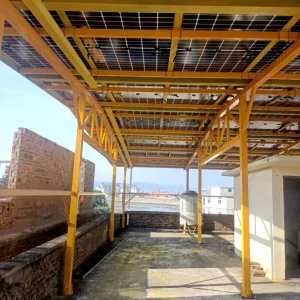
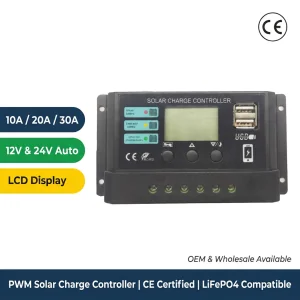
Explore our first selection of advanced monocrystalline solar panels, high-voltage hybrid string inverters, intelligent solar controllers, and integrated street lighting engines engineered to maximize solar plant output.
In the contemporary landscape of utility-scale, commercial & industrial (C&I), and decentralized residential photovoltaic (PV) generation, the primary metric of success has transitioned from initial capital installation speed to long-term Levelized Cost of Energy (LCOE) reduction and active Performance Ratio (PR) maximization. Solar Asset Optimization (SAO) encompasses the rigorous deployment of physical upgrades, high-performance power conversion devices, and edge-computing load management strategies to offset systemic degradation, thermal inefficiencies, and dynamic environmental mismatch losses.
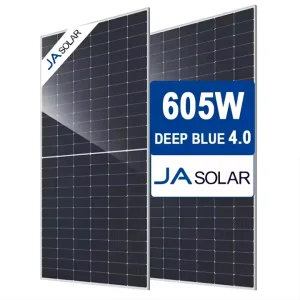
Traditional solar systems accept a linear degradation rate of 0.5% to 0.8% annually, driven by PID (Potential Induced Degradation), LID (Light Induced Degradation), and micro-cracking of cells. Modern SAO processes utilize smart multi-MPPT tracking hybrid inverters and high-efficiency N-type monocrystalline bifacial panels. Bifacial modules capture albedo reflection from the ground, increasing backside yield by up to 25%, effectively neutralizing structural degradation and accelerating project ROI.
To successfully optimize a solar asset, developers must target three critical areas:
Shenzhen Soweglow Solar Co., Ltd. is a global leader in solar energy product engineering, manufacturing, and customized renewable energy systems. Operating out of Shenzhen, the hub of clean energy technology, we deliver advanced components that form the bedrock of global solar asset optimization.
Our comprehensive production facility combines raw material selection, advanced mechanical assembly, and strict quality control processes to ensure every module, inverter, mounting channel, and lighting fixture exceeds client expectations. From industrial-grade automatic glue dispensing to strict thermal aging testing, Soweglow products are engineered for operational reliability in Europe, North America, South America, Africa, Southeast Asia, and the Middle East.
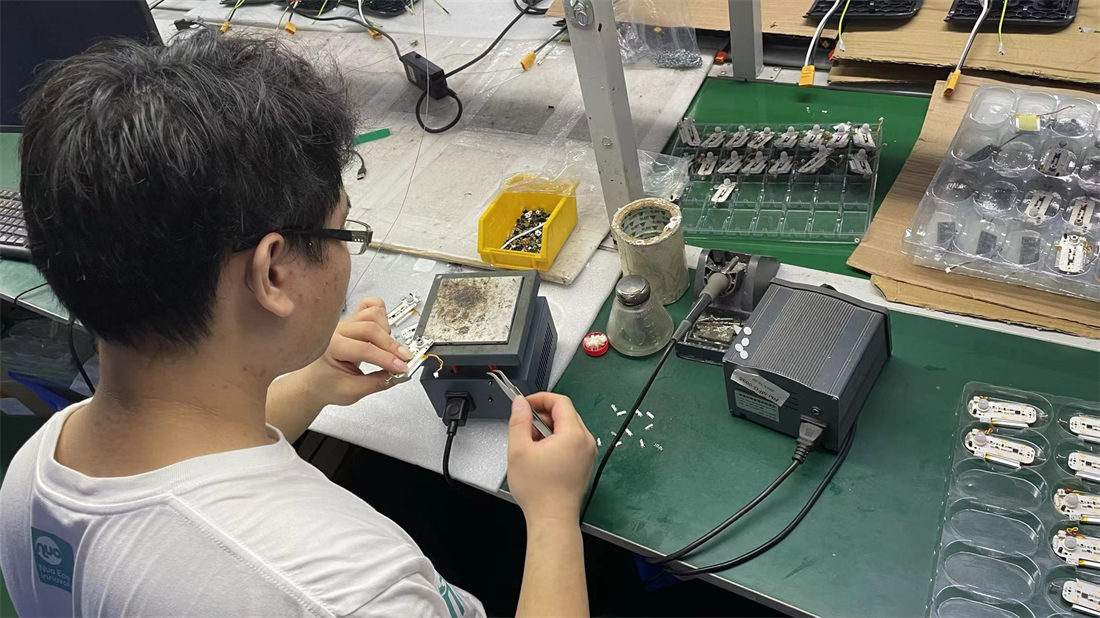
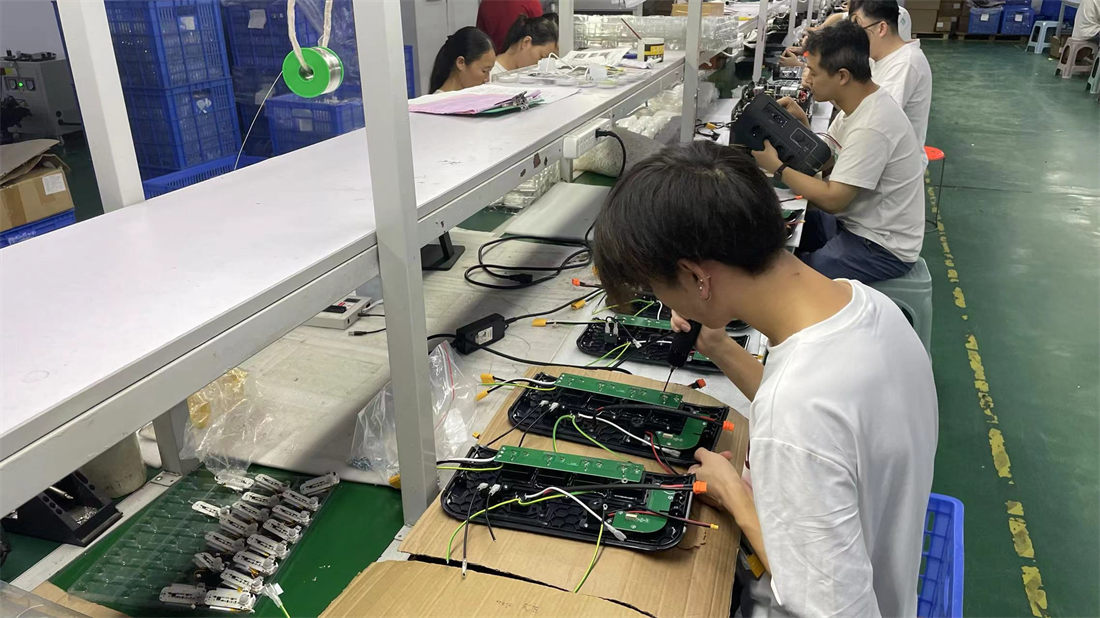
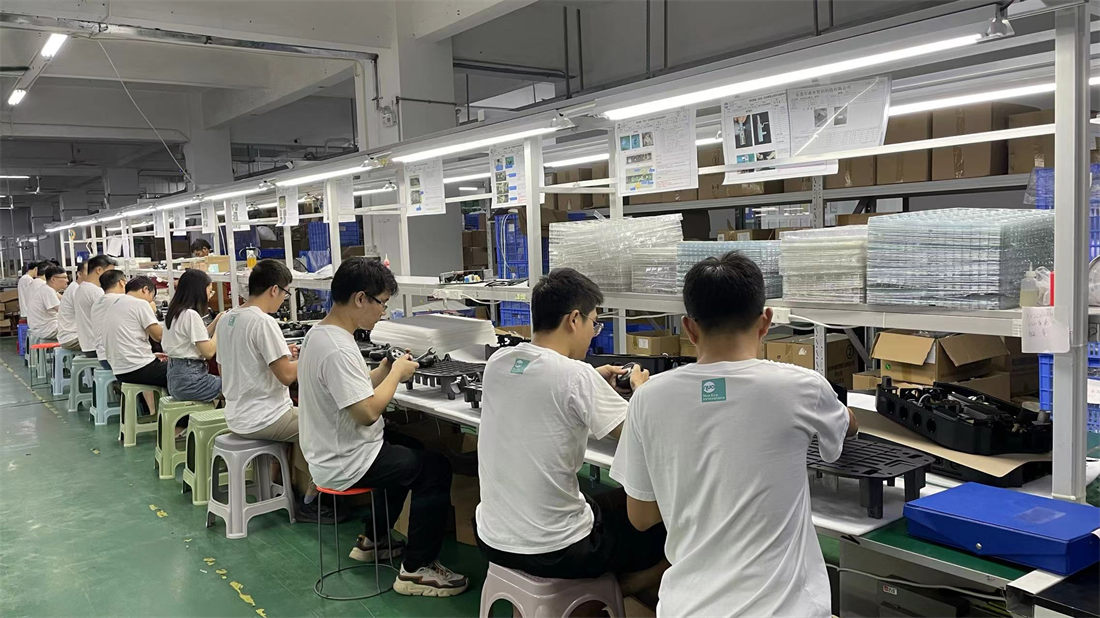
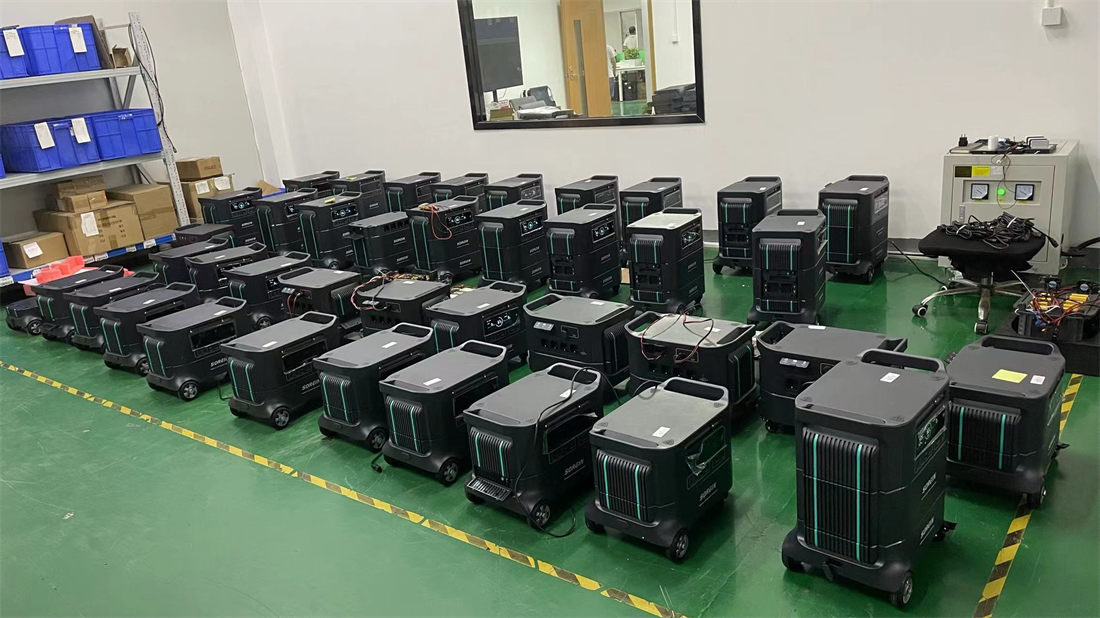
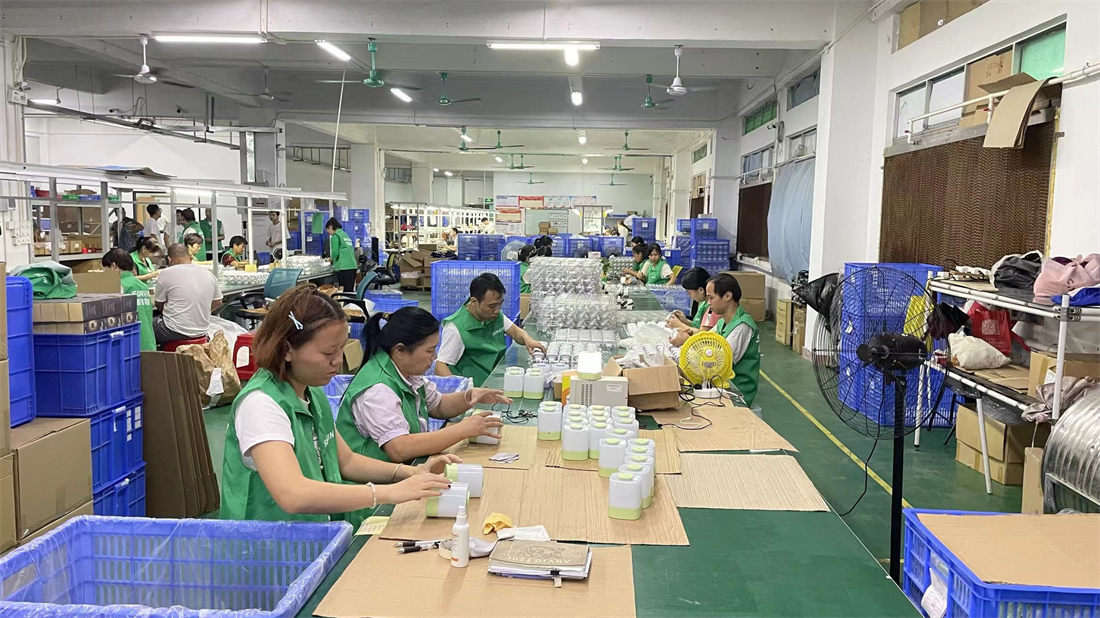
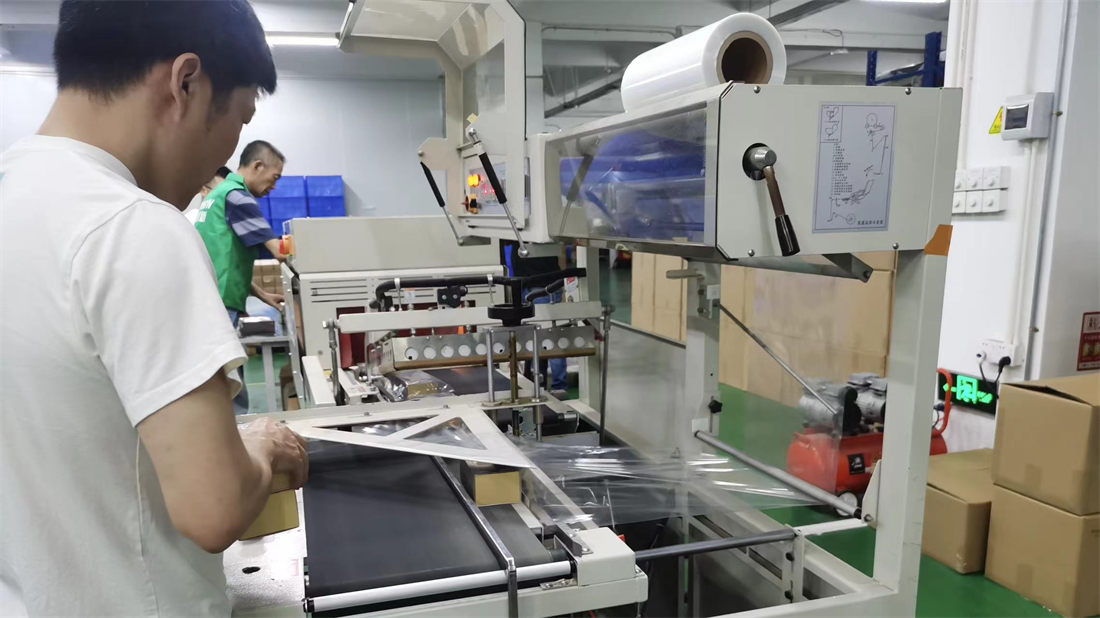
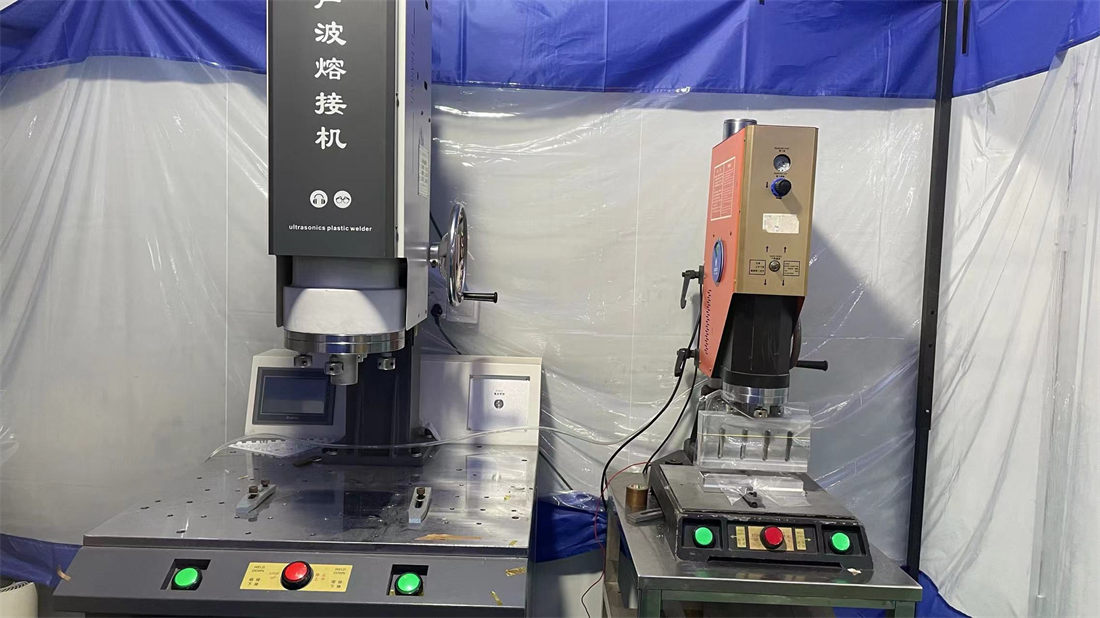
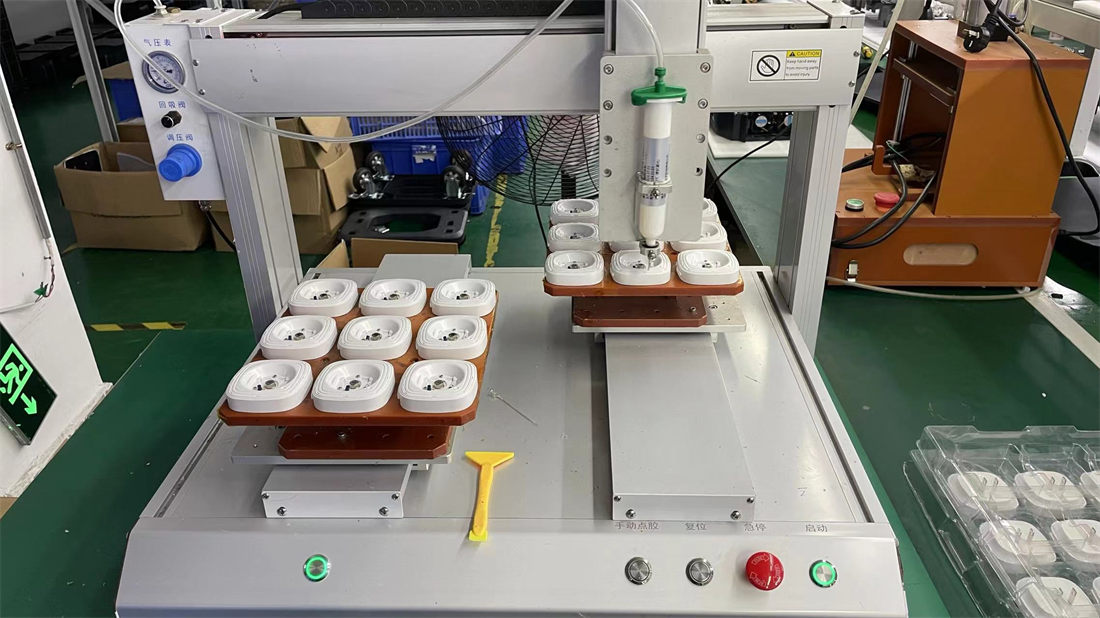
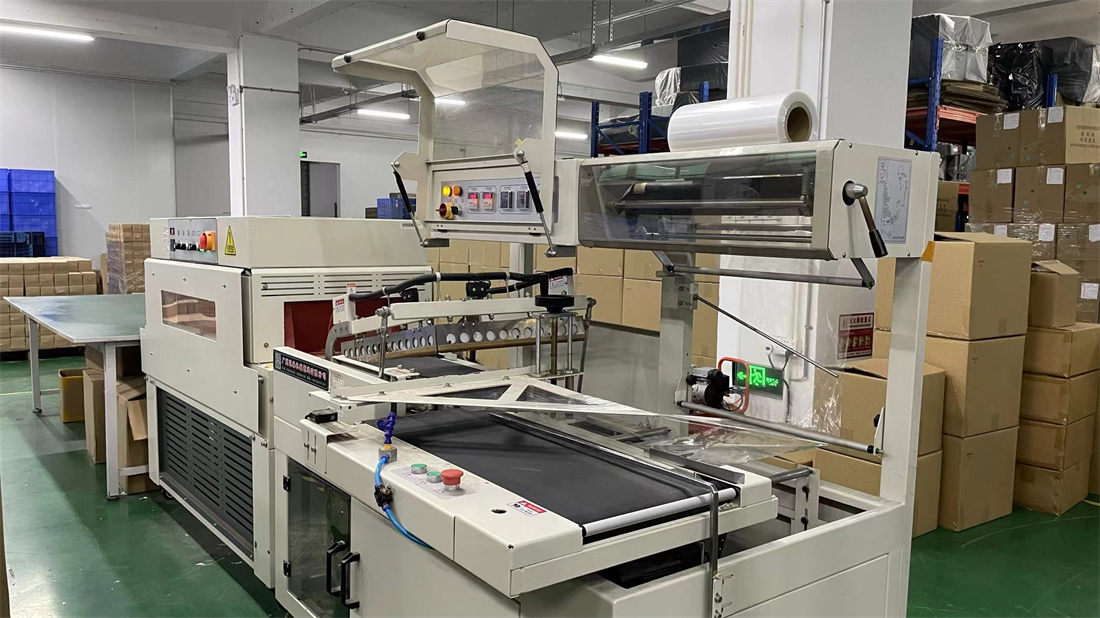
Shenzhen, China stands as the epicenter of clean tech development. By sourcing directly from Shenzhen manufacturers like Soweglow Solar Co., Ltd., global enterprises tap into a robust components ecosystem. This localized vertical integration yields critical design flexibilities and cost-saving advantages:
Exporting to premium markets requires adherence to local electrical regulations and grid safety guidelines. Soweglow products undergo rigorous international certification procedures to guarantee long-term operational compliance:
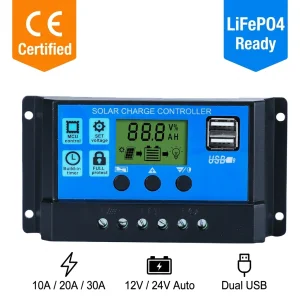
European Union (CE, RoHS, EN standards): Complete compliance across all hybrid solar inverters, PV modules, and battery charge controllers. Ensures grid feed-in safety, galvanic isolation limits, and restriction of hazardous substances.
Americas (UL standards, NEC Compliance): Equipment designed to satisfy rapid shutdown requirements, high-voltage battery storage protections, and structural structural wind loads under local building codes.
Sub-Saharan Africa & Middle East (IEC Standards): Focuses on dust penetration ratings, IP65 ingress protection, and thermal stabilization metrics, ensuring operation in ambient temperatures exceeding 45°C.
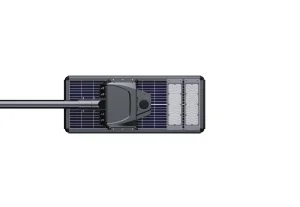
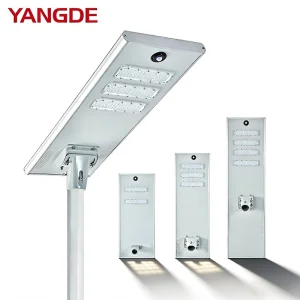
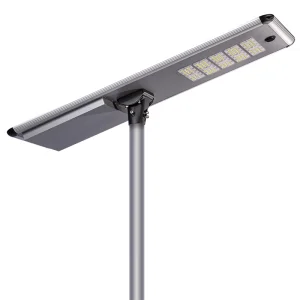
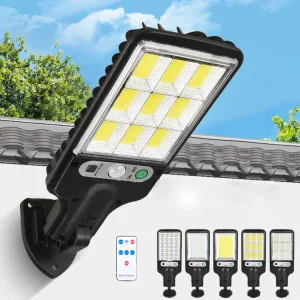
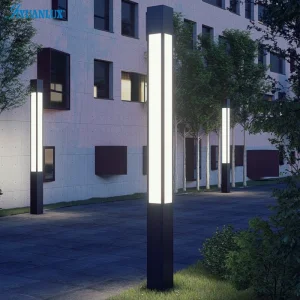
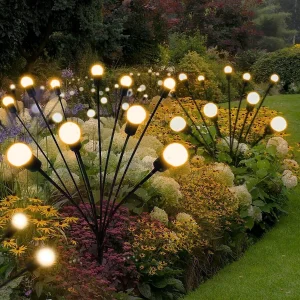
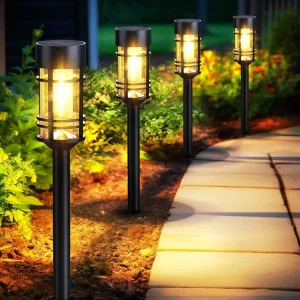
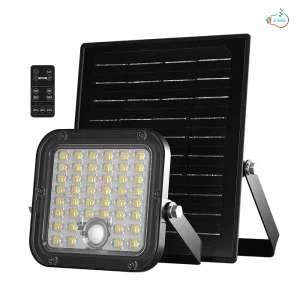
In regions where central grid extension is cost-prohibitive, municipal lighting systems serve as critical hubs for community safety and regional commerce. Installing smart integrated solar street lights with built-in PIR motion sensors dramatically optimizes battery state-of-charge (SoC). By dropping system output to 30% during periods of inactivity and ramping to 100% upon motion detection, overall energy consumption is cut by 60%, allowing the system to survive consecutive overcast days without interruption.
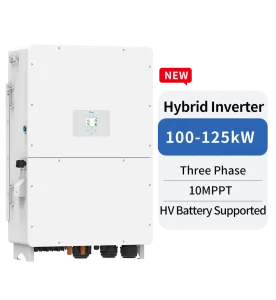
Commercial and industrial (C&I) installations require dynamic grid-tied energy storage to mitigate peak demand charges. By pairing multi-MPPT high-voltage hybrid inverters (e.g., Deye 100KW/125KW) with high-efficiency 580W+ monocrystalline bifacial panel arrays, operators implement intelligent "peak shaving" protocols. The hybrid inverter seamlessly switches between solar generation, battery storage, and grid power depending on utility tariffs, dropping energy expense by up to 45%.
Coastal and desert solar assets face physical threats from high wind loads, corrosive salt air, and sand storms. Soweglow's PV Mounting Systems, constructed from structural ZM (Zinc-Magnesium-Aluminum) coated steel channels, offer corrosion resistance that is up to ten times higher than conventional galvanized steel. This eliminates premature mechanical breakdown and structural failure, protecting capital investments for over 25 years.
Our second selection of essential system components, featuring high-efficiency flexible panels, off-grid pure sine wave inverters, mounting kits, and portable solar generator stations.
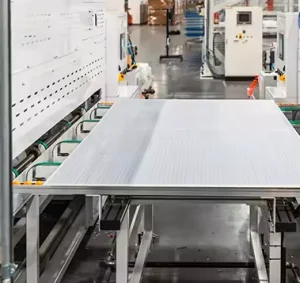
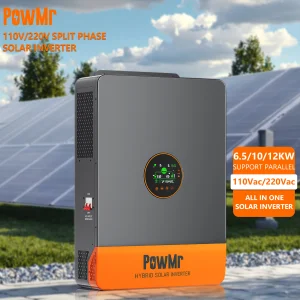
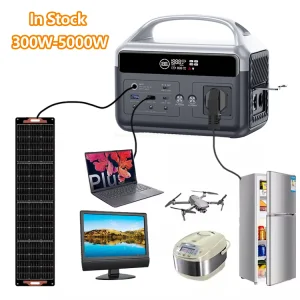
Key technical insights and practical guidelines for procurement managers, project engineers, and EPC contractors.
Hybrid inverters (such as the Deye and PowMr industrial units) act as centralized energy orchestrators. Rather than converting DC to AC to feed the grid, then drawing AC and converting back to DC to charge batteries (which incurs a ~10-15% double conversion loss), hybrid systems manage power flows directly on a shared DC bus. They automatically prioritize local usage, charge storage, and only output excess energy to the grid, boosting overall system efficiency.
ZM (Zinc-Magnesium-Aluminum) coated steel provides superior self-healing properties along cut edges and drilled holes. The magnesium in the alloy forms a dense protective barrier layer when exposed to air, reducing oxidation rates compared to standard hot-dip galvanized steel. This makes it perfect for high-salinity coastal areas and damp agricultural applications, saving on long-term maintenance costs.
By shifting to low-power conservation modes (dimming to 30% brightness) during times of no activity, the battery's depth of discharge (DoD) is kept shallow. Maintaining shallow discharge cycles helps prolong the chemistry lifespan of LiFePO4 batteries to over 3,000-5,000 cycles, delaying replacement cycles and ensuring reliable off-grid lighting performance.
At Shenzhen Soweglow Solar Co., Ltd., we mitigate PID by utilizing high-quality encapsulation films (such as POE) that limit water vapor transmission, along with advanced automatic glue dispensing machines that guarantee a watertight seal. This is combined with systematic thermal aging tests to verify insulation resistance under high humidity and high voltage stress.
N-type panels feature zero Light-Induced Degradation (LID) because they are doped with phosphorus rather than boron, which eliminates the boron-oxygen defect. Additionally, N-type panels offer a lower temperature coefficient (-0.30%/°C), enabling higher output in hot environments, and generate up to 25% extra energy by harvesting reflected light from the backside.
 Soweglow Solar