Traditional desalination relies on massive, grid-heavy plants. The new industry standard is shifting toward off-grid, modular solar desalination units. These solutions allow remote coastal communities and industrial sites to produce fresh water without expensive infrastructure.
Modern manufacturers are integrating AI-driven MPPT (Maximum Power Point Tracking) and energy recovery devices (ERDs). This reduces the energy consumption per cubic meter of water by up to 40%, making solar the most cost-effective power source for RO (Reverse Osmosis).
Top exporters are now focusing on environmental sustainability by implementing ZLD technologies. This ensures that the brine byproduct is processed into solid salts, preventing damage to marine ecosystems—a critical requirement for Middle Eastern and European procurement.
For B2B buyers, EPC contractors, and government agencies, selecting a Solar Desalination Solution Manufacturer involves more than just price comparison. The complexity of converting saltwater to potable water using intermittent solar energy requires deep technical expertise in both Photovoltaics (PV) and Fluid Dynamics.
In the current industrial climate, sectors such as Mining, Agriculture, and Luxury Tourism (Resorts) are the primary drivers for solar desalination. These industries often operate in water-stressed regions where the cost of transporting water exceeds the cost of local production. Manufacturers that offer "Plug-and-Play" containerized solutions are winning the market due to their rapid deployment capabilities.
As a pillar of the Shenzhen innovation hub, Shenzhen Soweglow Solar Co., Ltd. exemplifies the "Supply Chain Resilience" required for global distribution. Our Factory 4.0 approach integrates automated production with rigorous quality control.
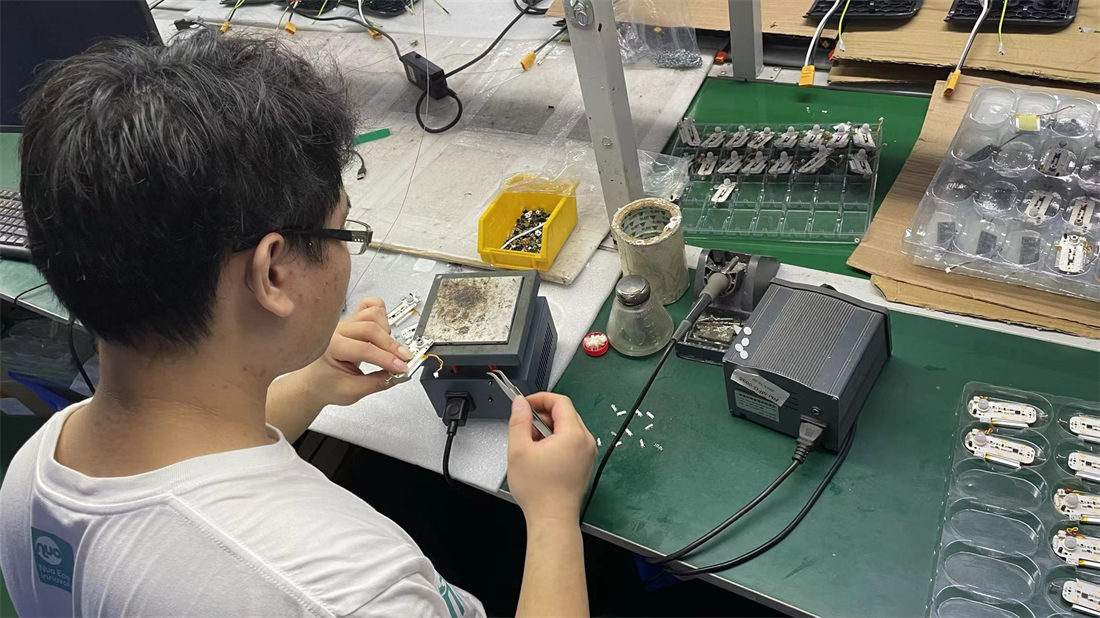
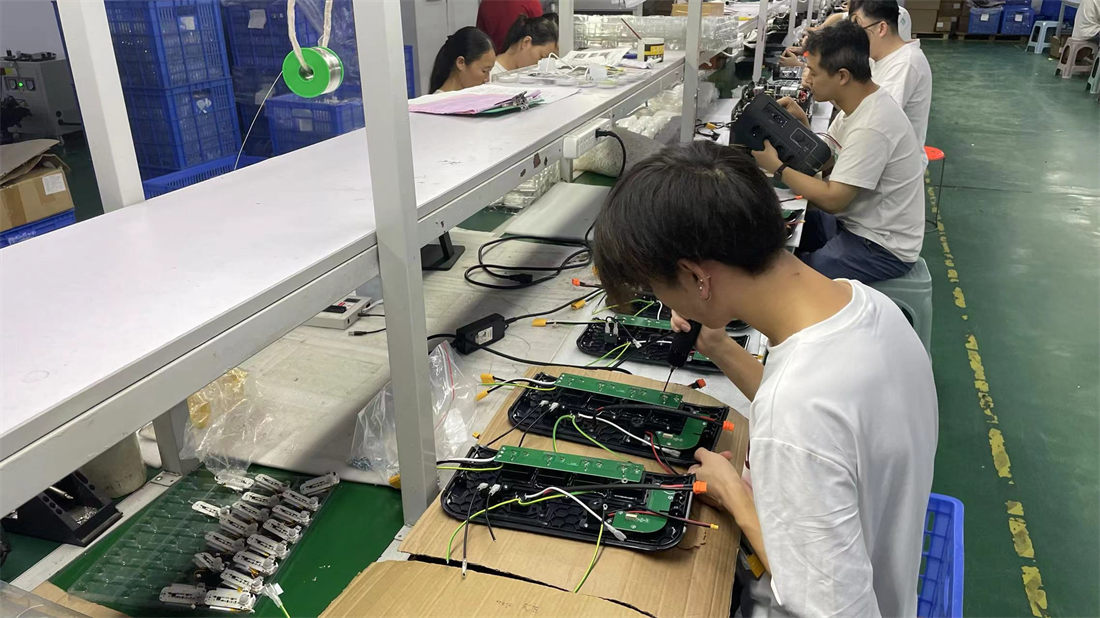
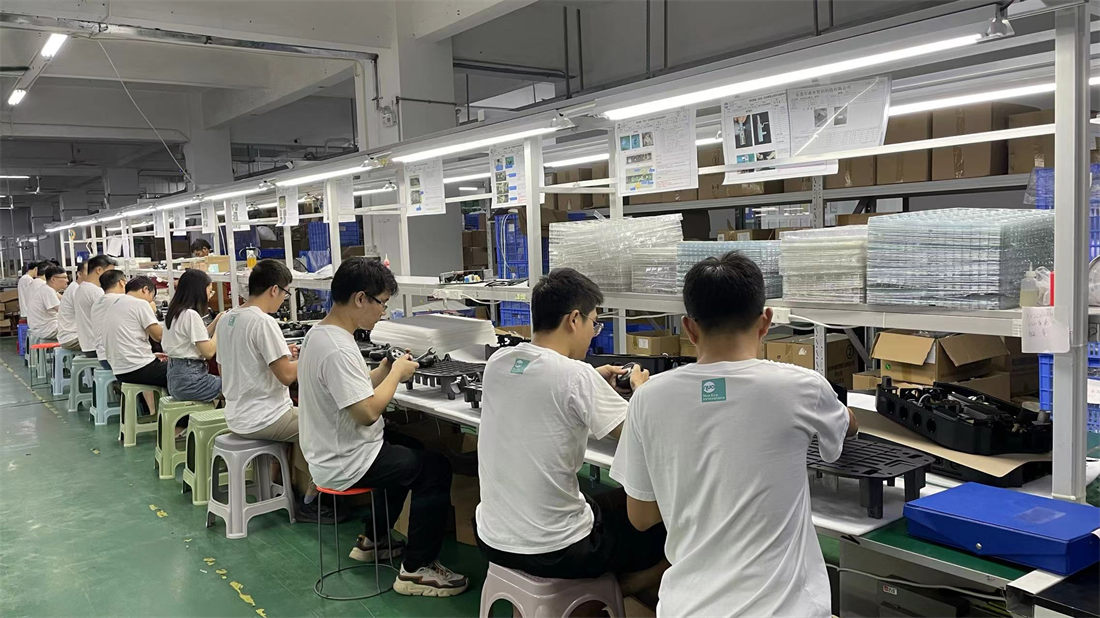
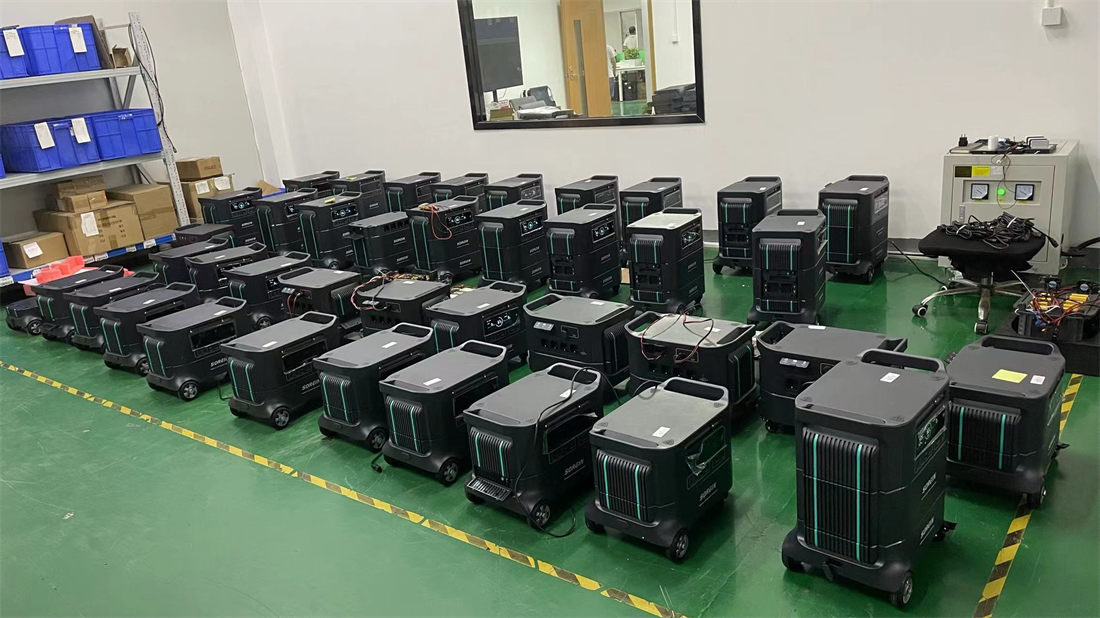
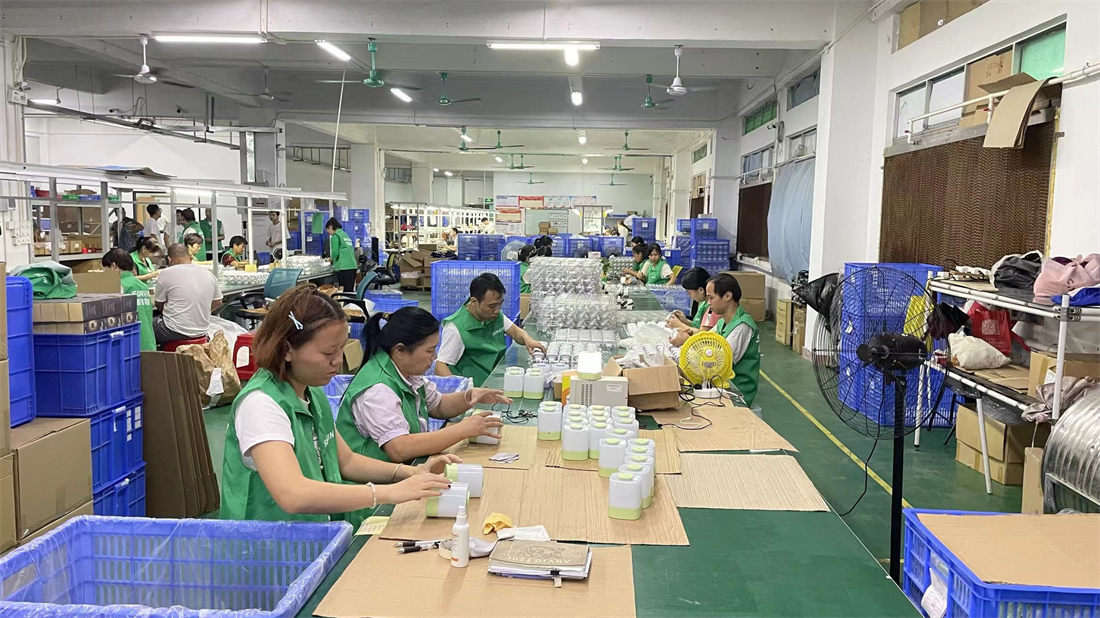
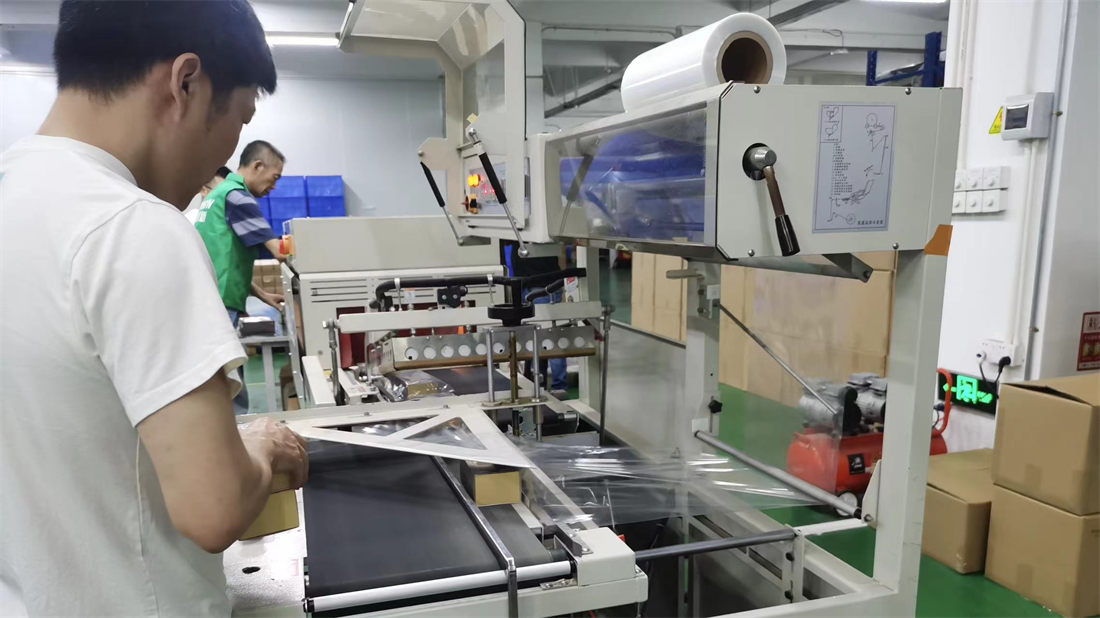
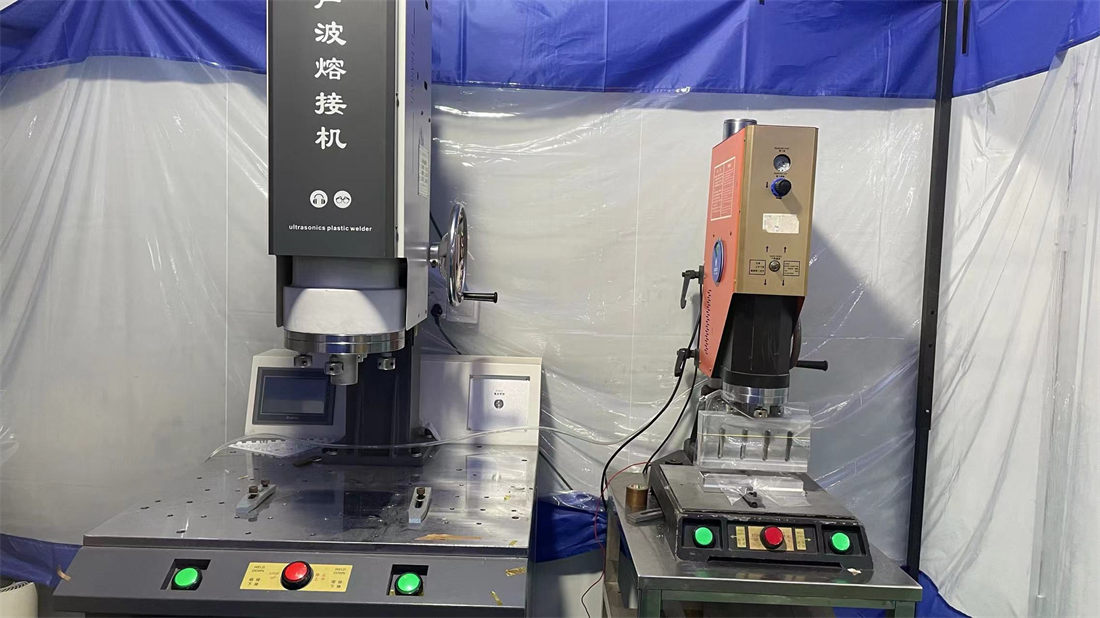
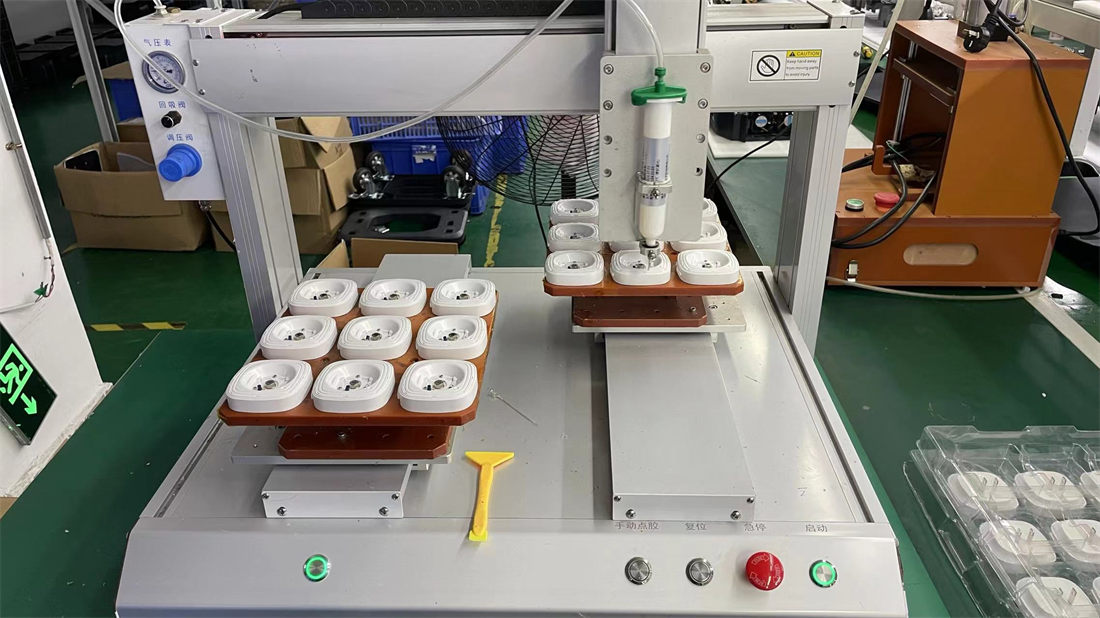

Located in Shenzhen, we leverage the world's most sophisticated renewable energy supply chain to deliver high-quality products. Every unit undergoes strict quality inspections, from raw material selection to aging tests, ensuring compliance with CE and other international certifications.
Driven by the mission of promoting clean energy and sustainable development, Soweglow Solar focuses on delivering efficient, environmentally friendly, and cost-effective solar products that help reduce energy consumption and carbon emissions. We have established long-term partnerships with clients across Europe, North America, Africa, and the Middle East.
In regions like Sub-Saharan Africa and Central Asia, solar desalination provides a lifeline for irrigation. By converting brackish groundwater into fresh water, farmers can grow high-value crops in desert environments.
Island nations in the Pacific and Caribbean often face the "Water-Energy Paradox"—burning diesel to desalinate water. Solar-plus-storage solutions break this cycle, offering 24/7 water security at a fraction of the cost.
Portable, containerized solar desalination units are essential for emergency response. These systems can be airlifted into disaster zones to provide immediate potable water without needing a fuel supply chain.
A1: For most industrial applications, the Return on Investment (ROI) is achieved within 3 to 5 years. This is driven by the elimination of diesel costs and the rising prices of grid-supplied water in arid regions. With a PV lifespan of 25 years, the long-term energy cost is nearly zero.
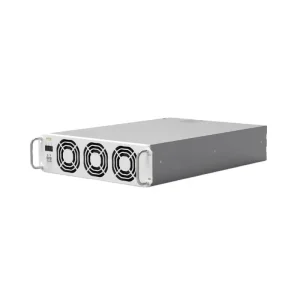
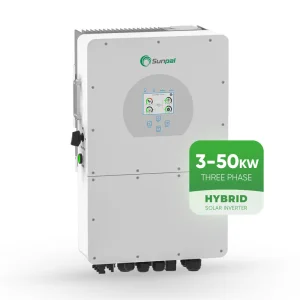
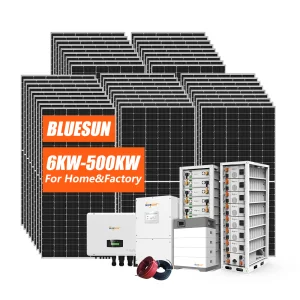
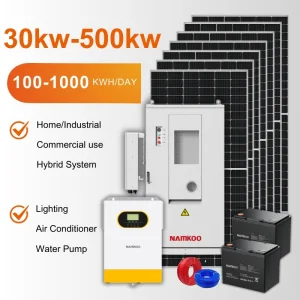
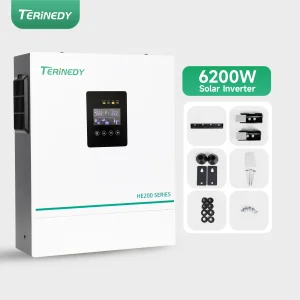
A2: We offer two primary strategies: Energy Storage (using lithium batteries or our Hybrid High-Voltage AC/DC converters) or Water Storage. Storing water in tanks is often more cost-effective than storing electricity, allowing the system to run at peak capacity during the day.
A3: Solar desalination systems are designed for low maintenance. Typical tasks include solar panel cleaning to maintain efficiency and periodic membrane flushing. Our smart monitoring systems provide real-time alerts for filter replacements.
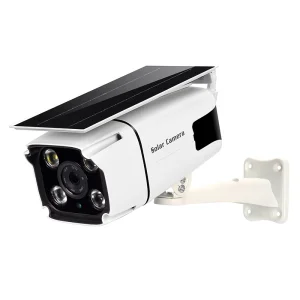
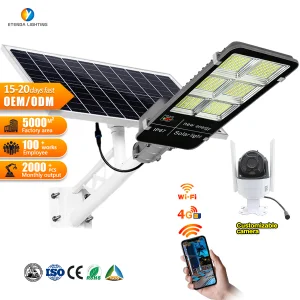
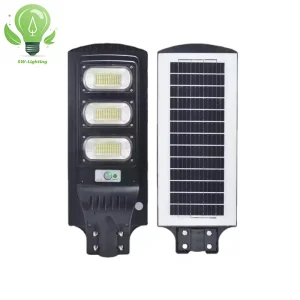
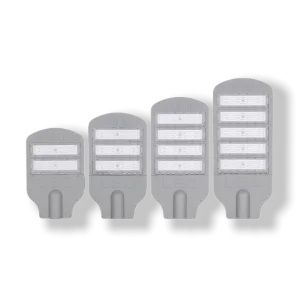
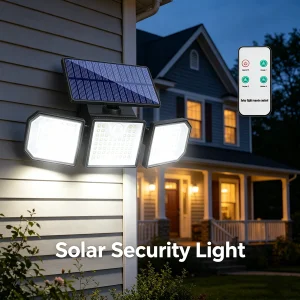
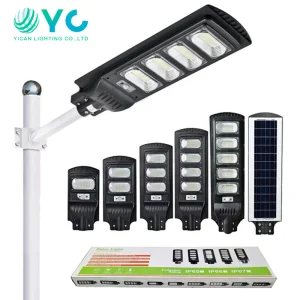
A4: Yes, all our outdoor products, including solar street lights and solar-powered surveillance systems, are IP65 or IP67 certified, ensuring durability against salt spray, high humidity, and sandstorms common in coastal areas.
 Soweglow Solar