As the international transition towards carbon neutrality accelerates, enterprise-level procurement of solar equipment has shifted from basic hardware acquisition to highly integrated, complex solar engineering solutions. Buyers representing utility-scale projects, large commercial and industrial (C&I) properties, and infrastructure developments are looking for more than off-the-shelf components. They require robust Solar Integration Services that bridge the gap between initial design and final operation.
Modern procurement strategies prioritize structural reliability, operational longevity, and regulatory compliance. Factors such as Levelized Cost of Energy (LCOE), Total Cost of Ownership (TCO), and supply chain bankability shape major capital expenditure decisions. Companies like Shenzhen Soweglow Solar Co., Ltd. meet these needs by providing comprehensive, pre-engineered integrations that significantly reduce installation timelines, minimize on-site assembly errors, and ensure optimal performance from day one.
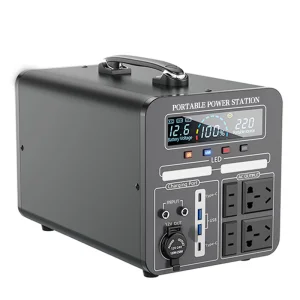
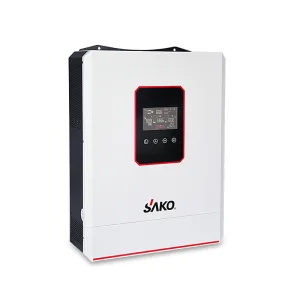
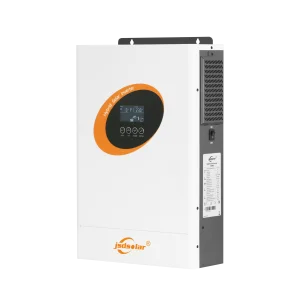
By coordinating advanced component matching (such as pairing high-efficiency LiFePO4 batteries with intelligent hybrid inverters), integration services limit energy losses, maximize conversion efficiency, and shorten the path to capital amortization.
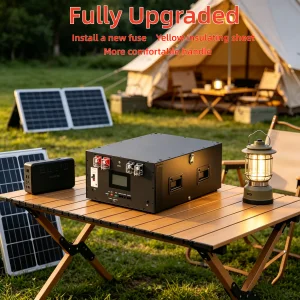
Pre-wired distribution boxes, pre-assembled structural mountings, and factory-tested sub-assemblies reduce on-site labor errors, lowering deployment costs and preventing installation delays.
Global financiers demand tier-level performance guarantees. Sourcing from accredited Chinese manufacturers with certified processes provides clear technical documentation, easing capital approval.
Deploying solar energy in varied global settings demands customized systems designed to handle specific environmental and grid conditions. Standard equipment often struggles in complex environments. Advanced solar integration links multiple subsystems—generation, storage, structural stabilization, and grid interfacing—into a unified network.
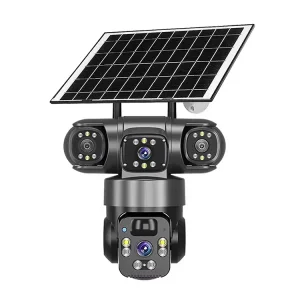
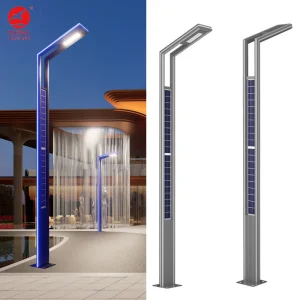
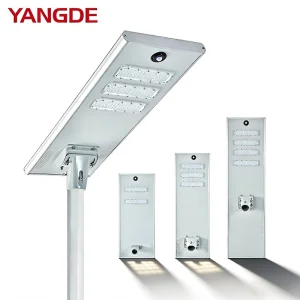
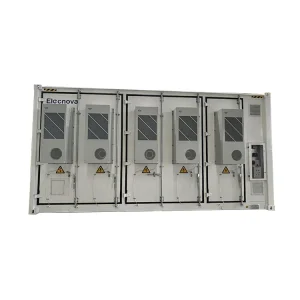
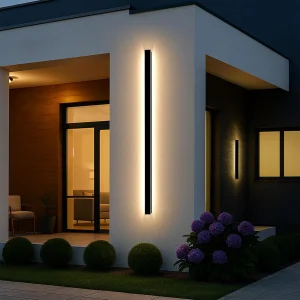
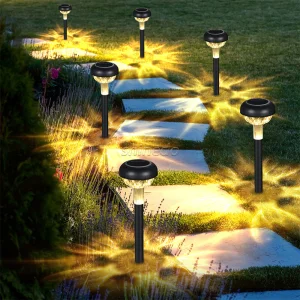
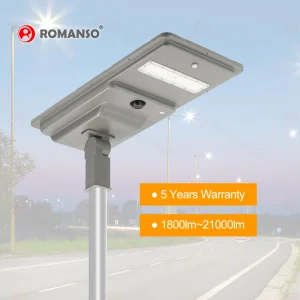
For industrial plants and remote microgrids, integration requires sophisticated energy storage solutions (ESS) alongside high-capacity inverters. The balance between continuous generation during peak hours and reliable discharge overnight requires high thermal stability and intelligent power management. In municipal and smart-city frameworks, integration combines efficient lighting, integrated security, and remote sensing into single self-powered structures, maximizing urban utility without expanding grid load.
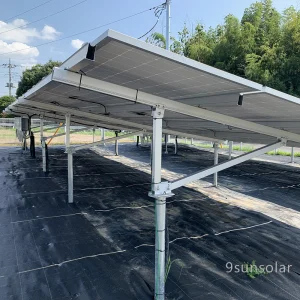
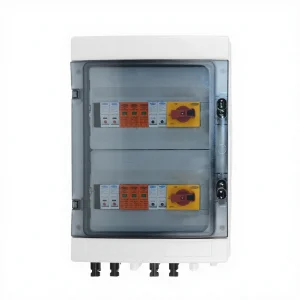
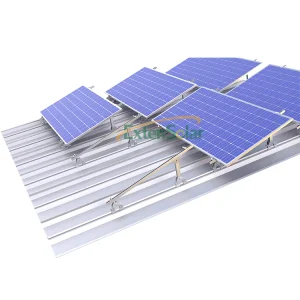
From decentralized off-grid agriculture systems in South America to utility-scale solar parks in Europe, integrated frameworks guarantee structural integrity. High-strength aluminum and stainless steel ground mounting structures are designed to withstand high wind loads and seismic forces. Combined with IP65-rated distribution boxes featuring lightning protection, fuses, and surge protection devices (SPDs), these systems are built to endure harsh outdoor conditions for decades.
The global solar energy industry is moving quickly towards higher energy density, smarter management systems, and safer operations. Adapting to these changes requires a clear, forward-looking technical roadmap. Below are the key milestones driving research and development at major manufacturers and exporters:
Moving from traditional lithium iron phosphate (LiFePO4) storage toward liquid-cooled systems and solid-state batteries. Liquid cooling helps maintain stable internal cell temperatures, extending battery life and reducing thermal runaway risks under high loads.
Transitioning to high-efficiency N-type TOPCon and Heterojunction (HJT) cell architectures. These advanced cells offer better temperature coefficients and higher bifaciality, yielding more energy per square meter even in low-light environments.
Integrating artificial intelligence into Energy Management Systems (EMS) to enable predictive maintenance and real-time load balancing. Smart solar networks can anticipate weather changes, schedule grid injection times, and optimize battery discharge to maximize profits.
The commercial and industrial (C&I) sector is adopting solar integration services at a rapid pace, driven by corporate decarbonization targets and the need to hedge against volatile energy prices. Different regions, however, face distinct operational and economic realities:
In Europe, strict grid injection limits and high electricity rates make on-site energy storage highly attractive. Industrial sites frequently combine large rooftop solar arrays with high-density battery energy storage systems (BESS) to shave peak demand charges and secure backup power. In North America, the focus is on long-term reliability and compliance with domestic transmission requirements, which drives the adoption of advanced hybrid inverters and certified outdoor sub-panels.
Meanwhile, in developing markets across Africa, Southeast Asia, and the Middle East, solar integration is often the primary source of power rather than just a supplement. Microgrids, off-grid water pumping, and independent solar street lighting systems provide essential services where grid infrastructure is weak or absent. In these regions, high durability, simple maintenance, and extreme temperature tolerance are critical requirements.
Shenzhen Soweglow Solar Co., Ltd. is a professional and reliable manufacturer and supplier specializing in solar energy products, renewable energy solutions, and intelligent solar lighting systems. Located in Shenzhen, China, one of the world's most innovative and dynamic technology hubs, we have been committed to the solar industry for many years, providing high-quality products and customized energy solutions to customers worldwide.
Driven by the mission of promoting clean energy and sustainable development, Soweglow Solar focuses on delivering efficient, environmentally friendly, and cost-effective solar products that help reduce energy consumption and carbon emissions. Through continuous innovation, strict quality control, and customer-oriented service, we have established long-term partnerships with clients across Europe, North America, South America, Africa, Southeast Asia, and the Middle East.
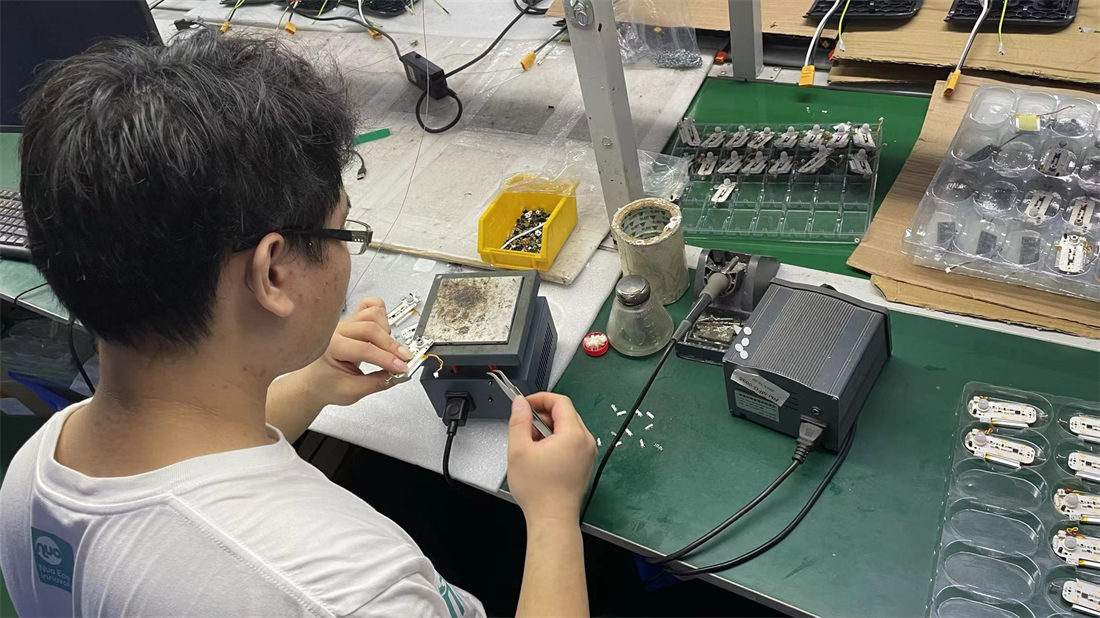
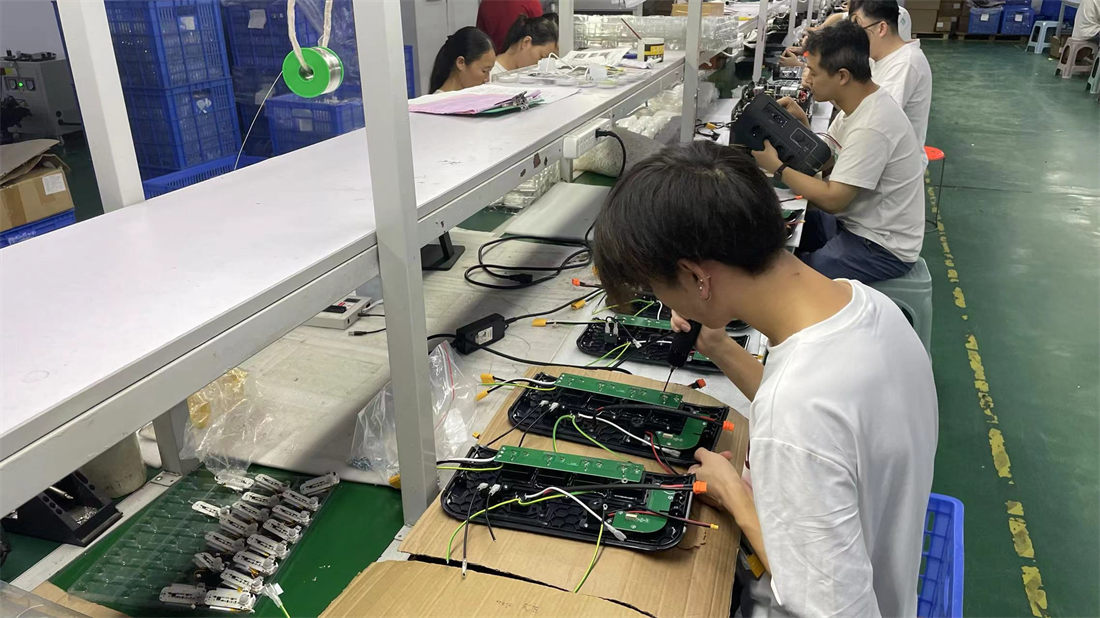
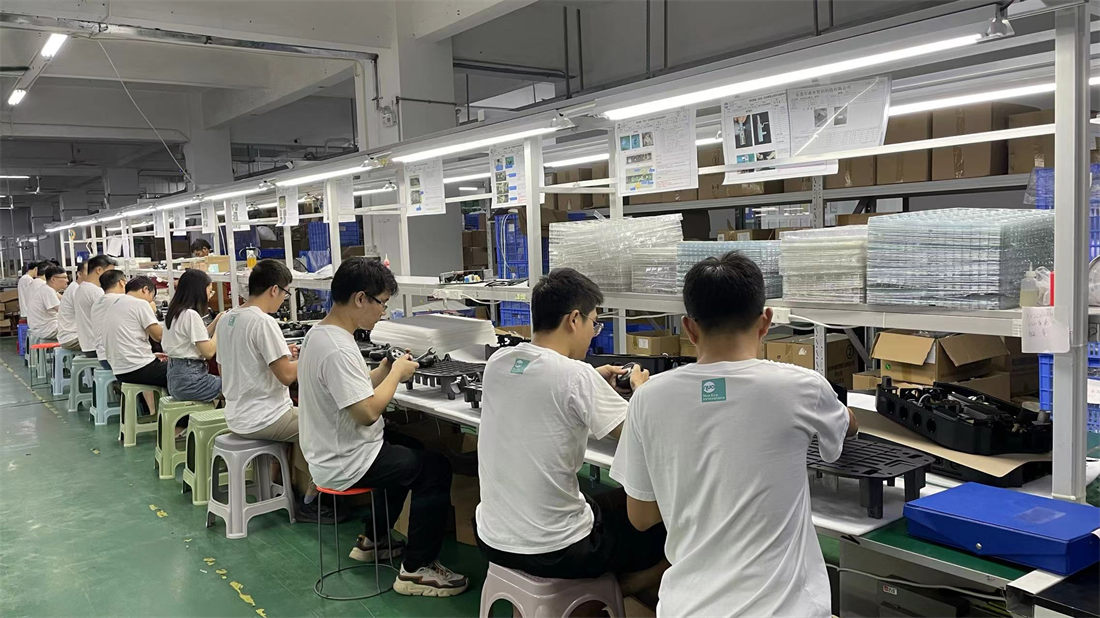
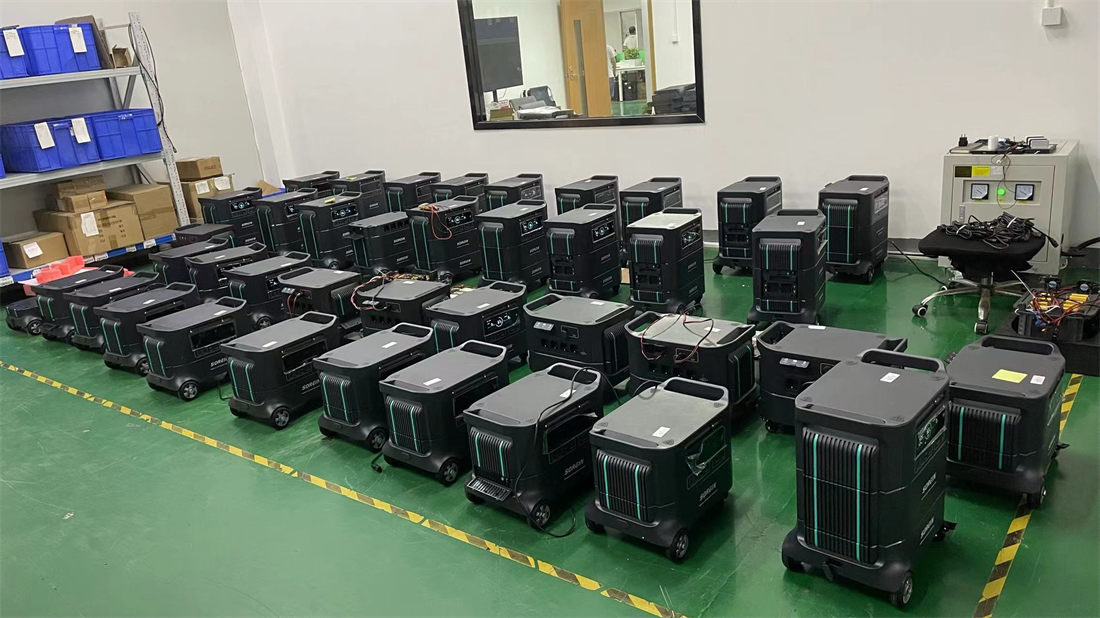
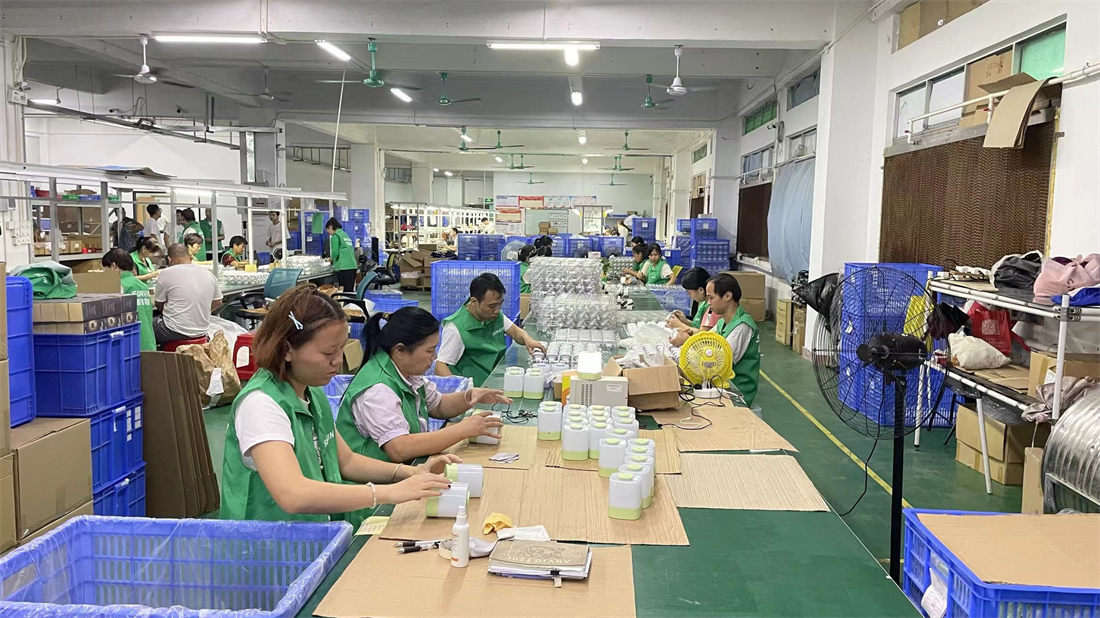
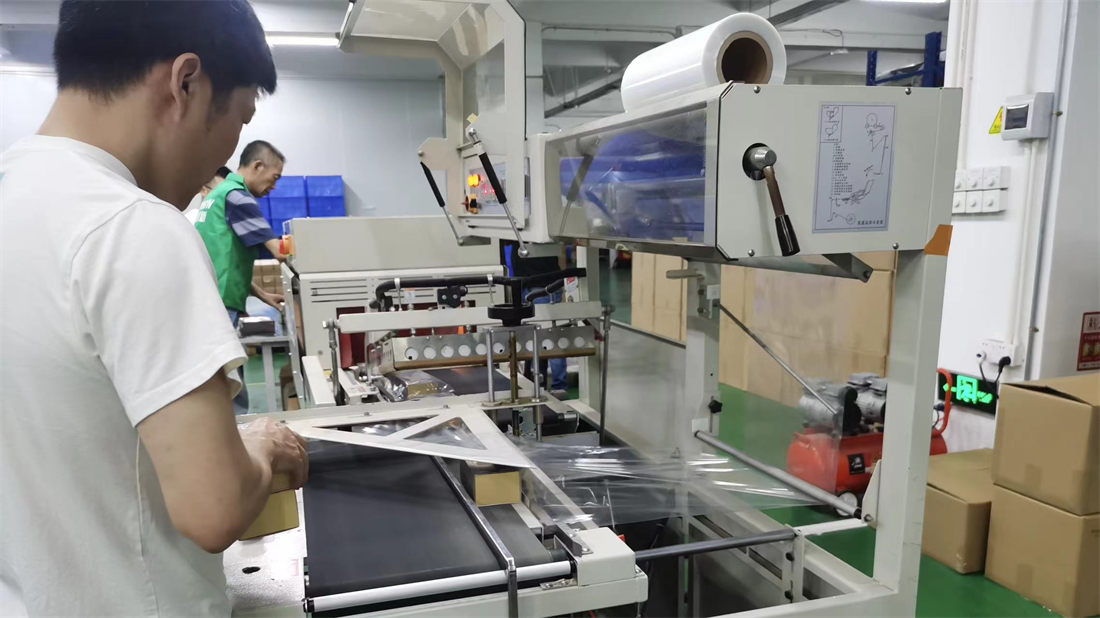
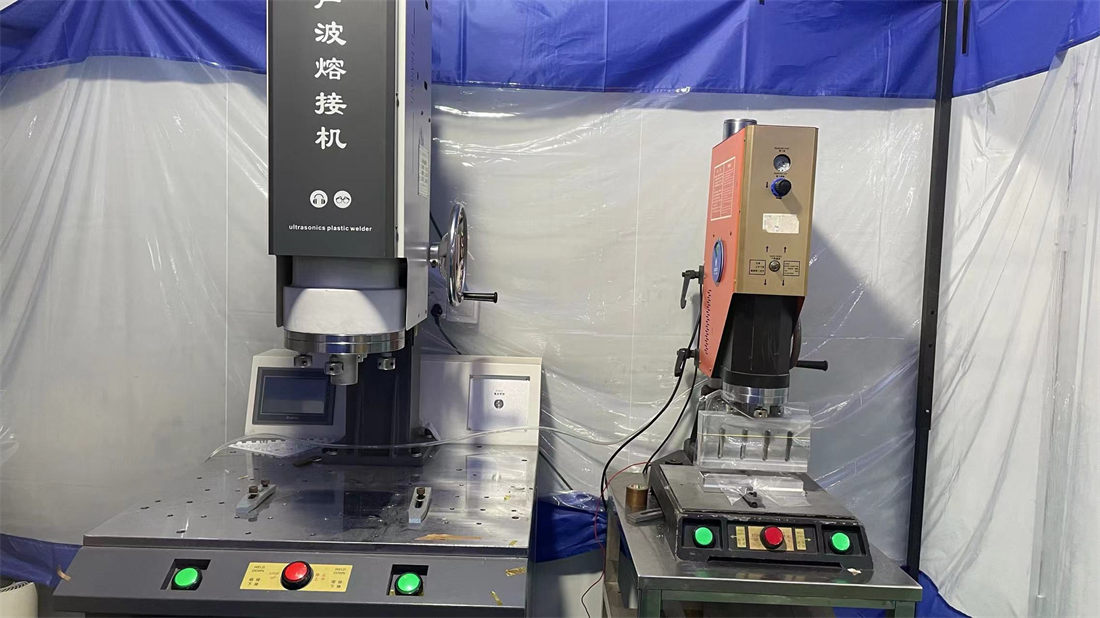
Our experienced team possesses extensive expertise in solar lighting, photovoltaic systems, energy storage solutions, project management, manufacturing, and international business. We continuously invest in research and development to ensure our products meet evolving market demands and international quality standards. Every product undergoes strict quality inspections throughout the entire production process, from raw material selection to final assembly and shipment. Our manufacturing facilities operate under comprehensive quality management systems to ensure product reliability, safety, and long service life.
Entering international markets requires deep knowledge of local codes, standards, and import policies. Different regions have varying requirements for grid integration and safety. For instance, solar inverters must carry CE, EN50549, or VDE-AR-N 4105 certifications to operate on European grids. Similarly, battery storage systems must meet strict safety testing under UN38.3, IEC 62619, and UL 1973 standards to ensure transport safety and operational reliability.
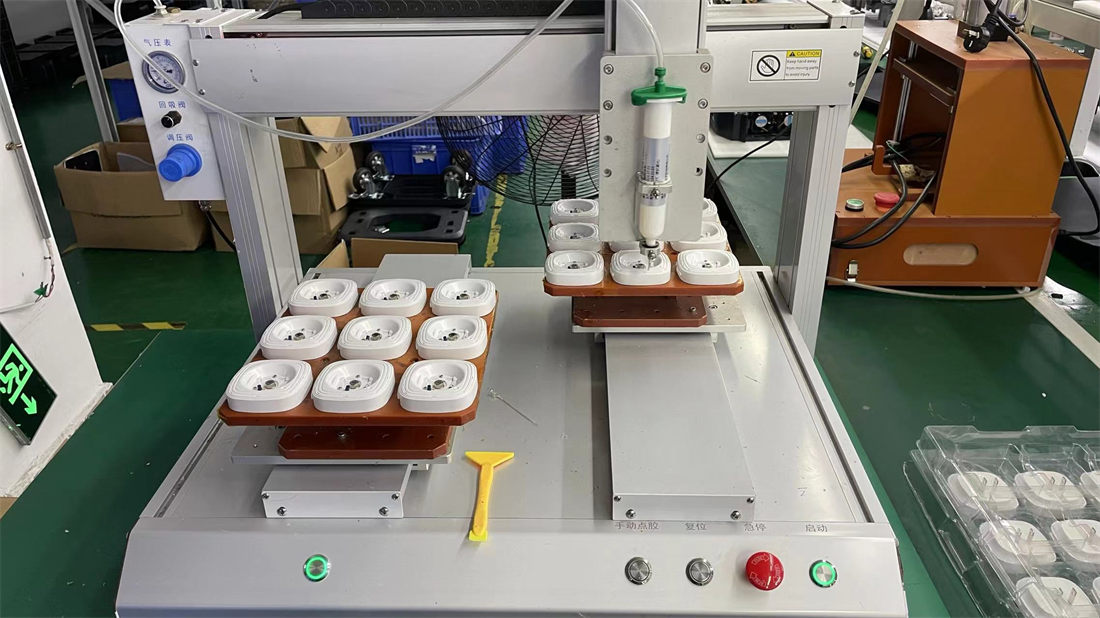
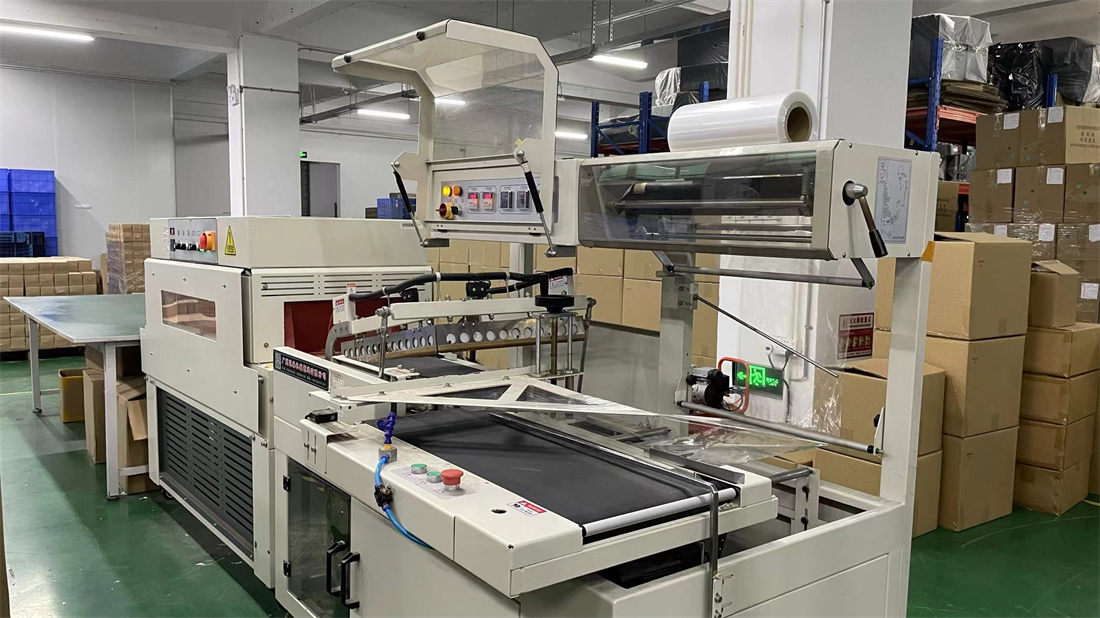
Soweglow Solar integrates these compliance requirements directly into its manufacturing workflow. From using automated dispensing machines to ensure IP65/IP66 sealing to running extended burn-in tests, every step is optimized to meet global market requirements. We also provide full technical support, clear documentation, and customs assistance to help our clients navigate import regulations smoothly.
 Soweglow Solar