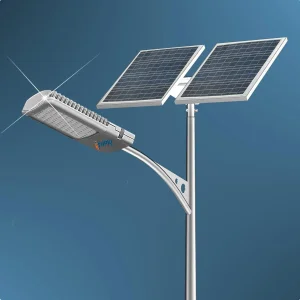
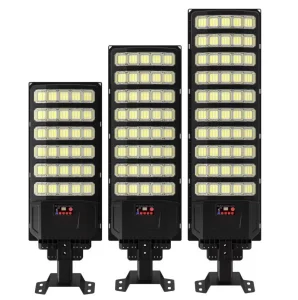
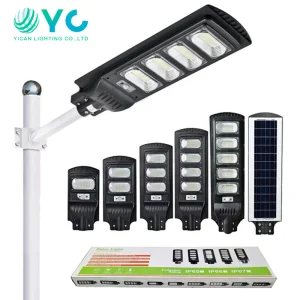
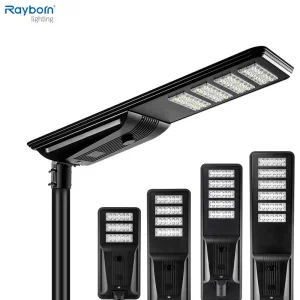
Engineered for high performance, weather resistance, and maximum power conservation using advanced motion detection.
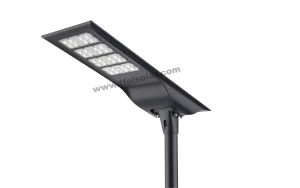
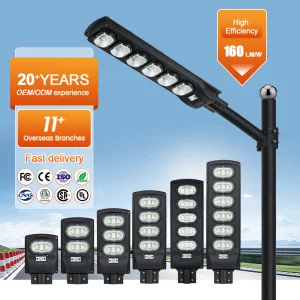
Gitarama, historically structured as a central transport and logistical hub in Rwanda (currently designated under Muhanga District), is experiencing rapid urban development and infrastructure expansion. Due to its positioning along major trade routes linking Kigali to the southern province and neighboring Democratic Republic of Congo, the demand for robust public, industrial, and commercial infrastructure has accelerated. Energy resilience is a critical bottleneck in local operations, making off-grid outdoor lighting a necessity for safe public passage, commercial operations, and warehouse security.
Integrating solar lighting solutions equipped with smart motion sensors has transitioned from an environmental initiative to a core economic requirement. Constant-on traditional lighting is highly inefficient for local municipal budgets. Solar Motion Sensor Lights mitigate this by utilizing passive infrared (PIR) and microwave detection systems, allowing luminaires to maintain low idle power and instantly cycle to peak output (up to 20,000+ Lumens) when pedestrian or vehicle activity is detected. This strategy guarantees illumination throughout the night, even during extended cloudy spells in Rwanda's wet seasons.
Standard solar lighting often suffers from early battery depletion or quick decay in high humidity environments. Smart controllers, particularly MPPT (Maximum Power Point Tracking) combined with responsive microwave radar motion detection, represent the new benchmark for global suppliers.
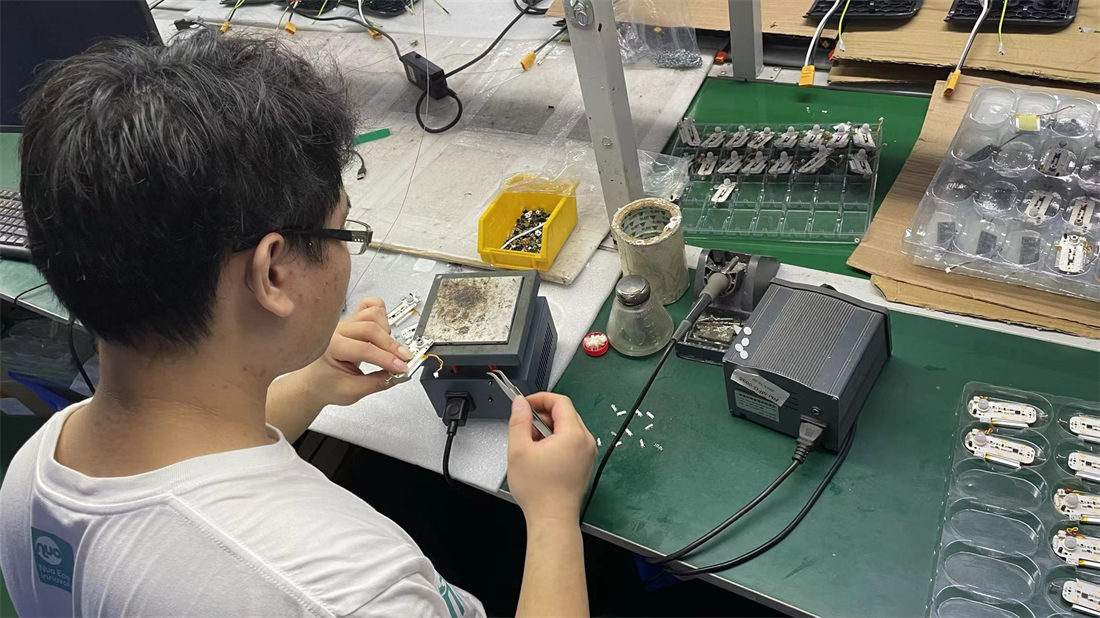
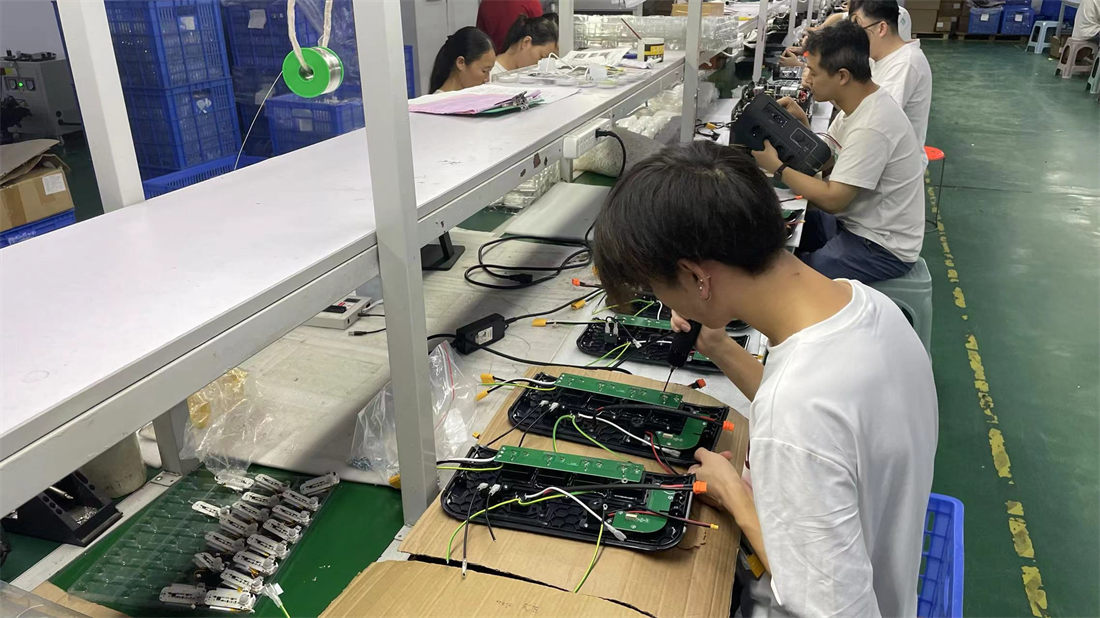
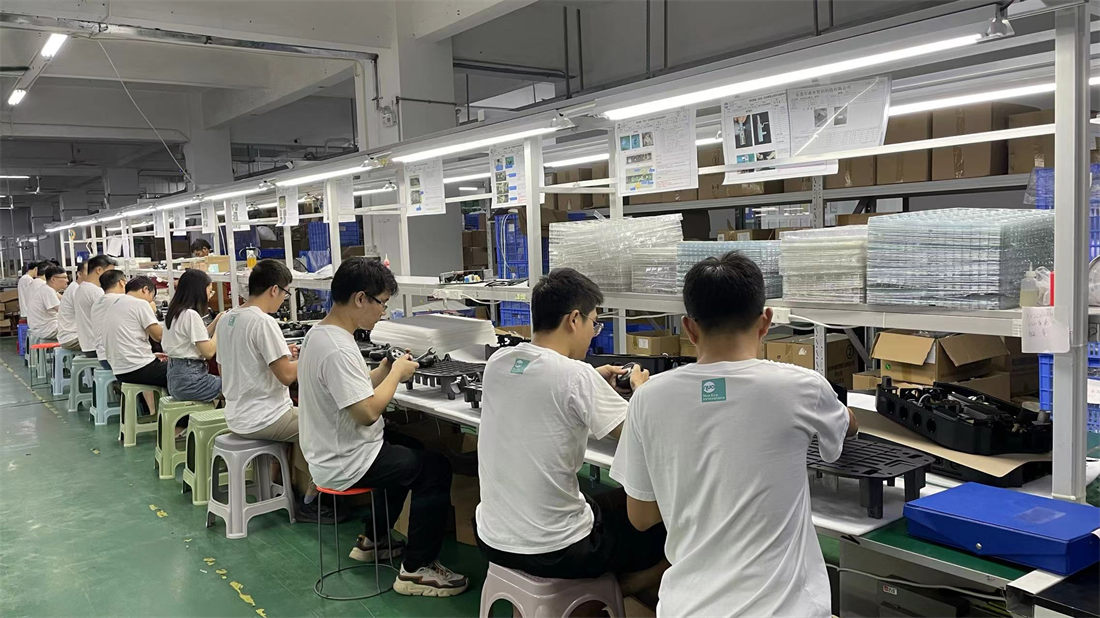
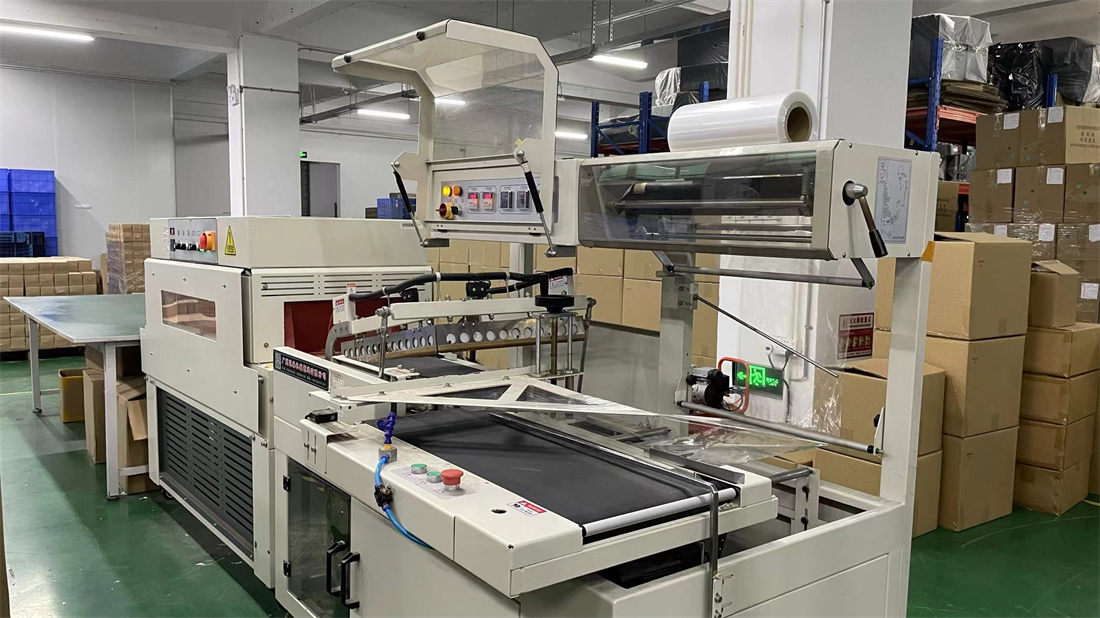
For large-scale public bidding, local NGOs, and real estate development in Gitarama, direct collaboration with professional manufacturers in Shenzhen, China (the epicenter of global solar lighting technology) guarantees high-level engineering support, customized specifications, and reliable product lifetimes. Shenzhen Soweglow Solar Co., Ltd. leads in advanced photovoltaic automation, combining industrial-grade manufacturing machinery with comprehensive quality assurance programs. Direct sourcing eliminates intermediate agent markups, allows for design adjustments for specific wind and dust ratings, and facilitates custom branding and mounting bracket configurations.
Ensuring durability and reliable operational parameters for regional infrastructure projects.
Maintains up to 98% tracking efficiency, ensuring optimal power harvesting from the solar modules to the battery pack even during periods of heavy overcast.
Features step-down dimming protocols. The light automatically drops to 30% brightness after predefined inactive periods and immediately restores to 100% upon motion detection.
Die-cast aluminum and high-durability ABS structural materials with UV-stabilized coatings protect internal electronics against dust ingress and heavy tropical rainfall.
| Performance Metrics | Industrial Grade Specifications | Standard Market Grade | Relevance for Gitarama Climates |
|---|---|---|---|
| Battery Chemistry | Grade-A LiFePO4 (Lithium Iron Phosphate) | Ternary Li-ion or Lead-Acid | Handles elevated ambient temperatures without degradation |
| Controller Efficiency | MPPT with 98.2% conversion efficiency | Standard PWM Controller (approx. 70%) | Maintains battery health during the rainy season |
| Ingress Protection | IP66 / IP67 Fully Sealed | IP65 Semi-Sealed | Withstands intense tropical downpours and dust storms |
| LED Lumens | 180 - 210 Lm/W (Bridgelux/Philips Chips) | 110 - 130 Lm/W Standard Chips | Delivers brighter output with reduced battery draw |
Direct from Shenzhen Factory to African Distribution Hubs — Global Certifications and Verified Lifespans.
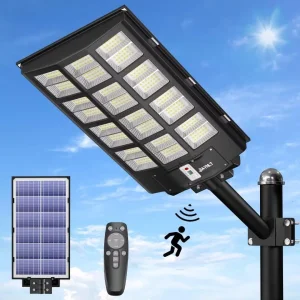
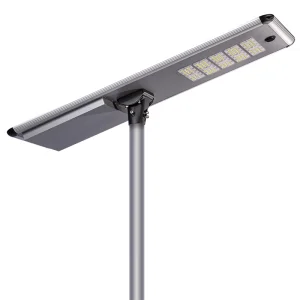
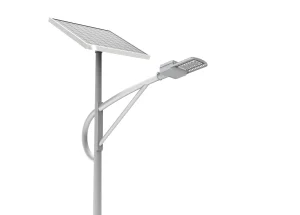
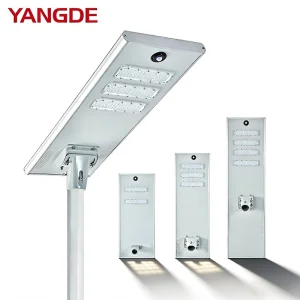
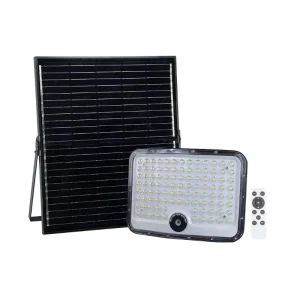
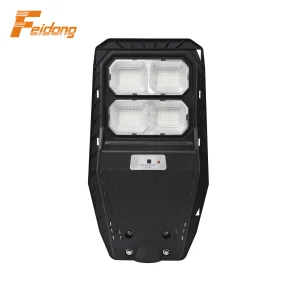
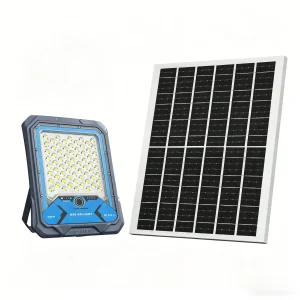
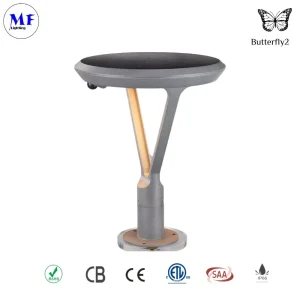
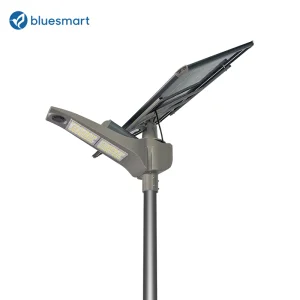
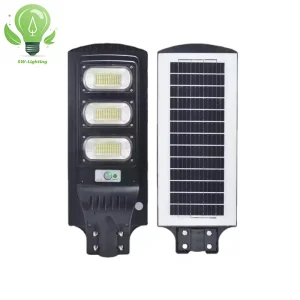
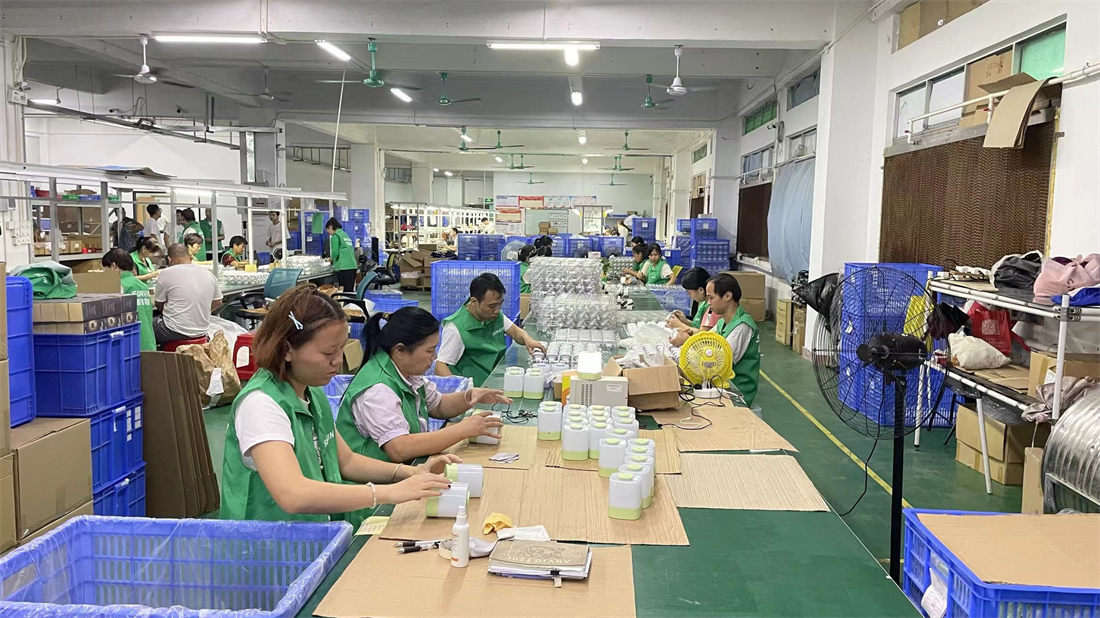
Shenzhen Soweglow Solar Co., Ltd. is a professional and reliable manufacturer and supplier specializing in solar energy products, renewable energy solutions, and intelligent solar lighting systems. Located in Shenzhen, China, one of the world's most innovative and dynamic technology hubs, we have been committed to the solar industry for many years, providing high-quality products and customized energy solutions to customers worldwide.
Driven by the mission of promoting clean energy and sustainable development, Soweglow Solar focuses on delivering efficient, environmentally friendly, and cost-effective solar products that help reduce energy consumption and carbon emissions. Through continuous innovation, strict quality control, and customer-oriented service, we have established long-term partnerships with clients across Europe, North America, South America, Africa, Southeast Asia, and the Middle East.
Our experienced team possesses extensive expertise in solar lighting, photovoltaic systems, energy storage solutions, project management, manufacturing, and international business. We continuously invest in research and development to ensure our products meet evolving market demands and international quality standards.
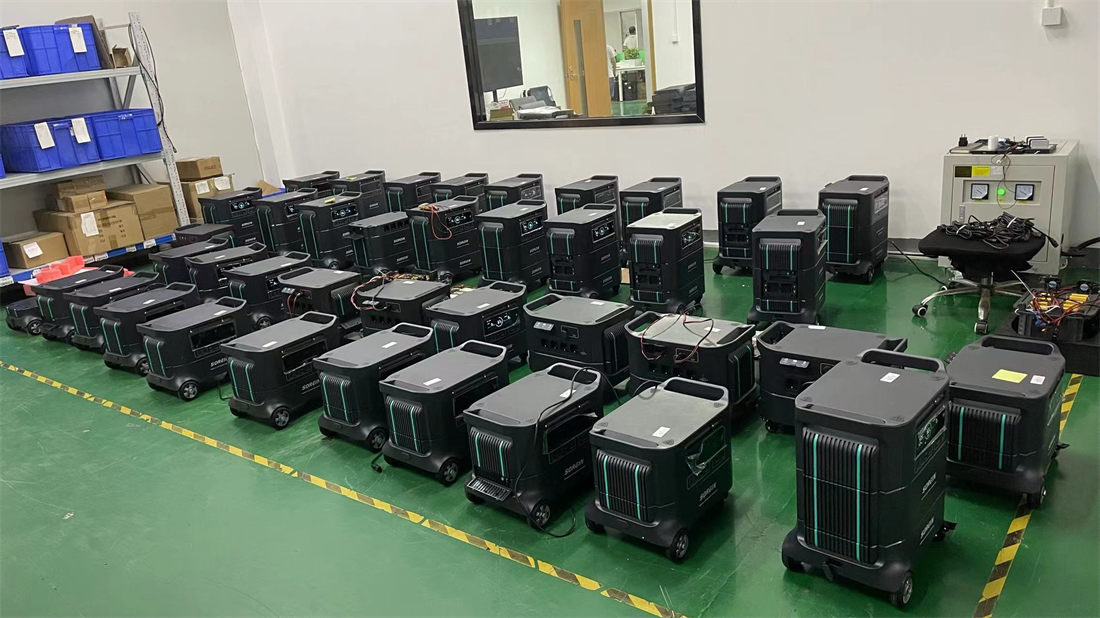
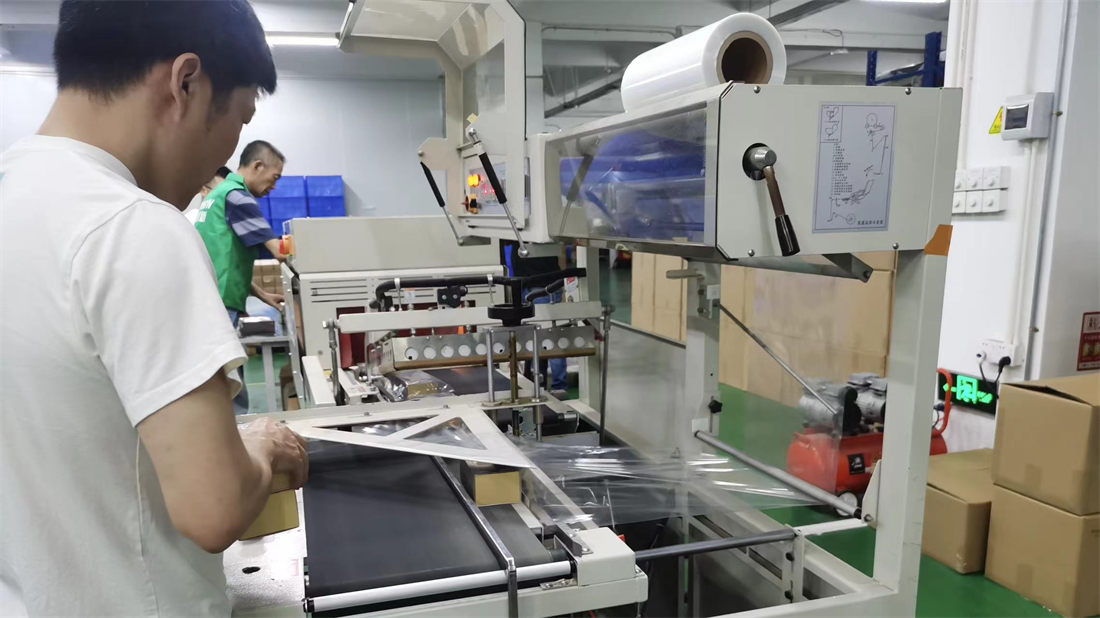
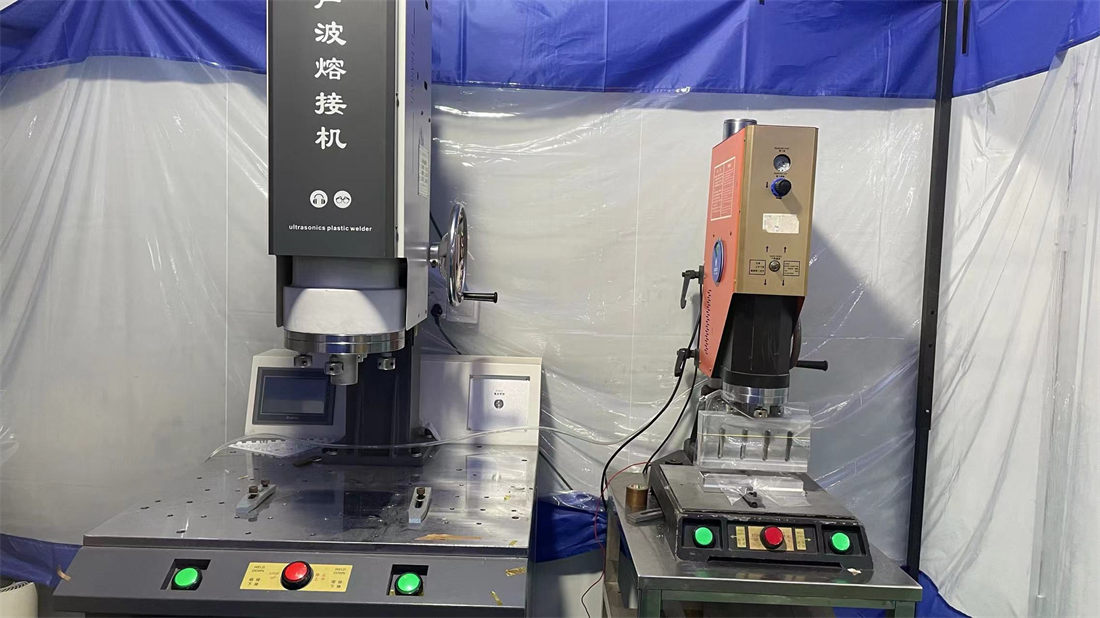
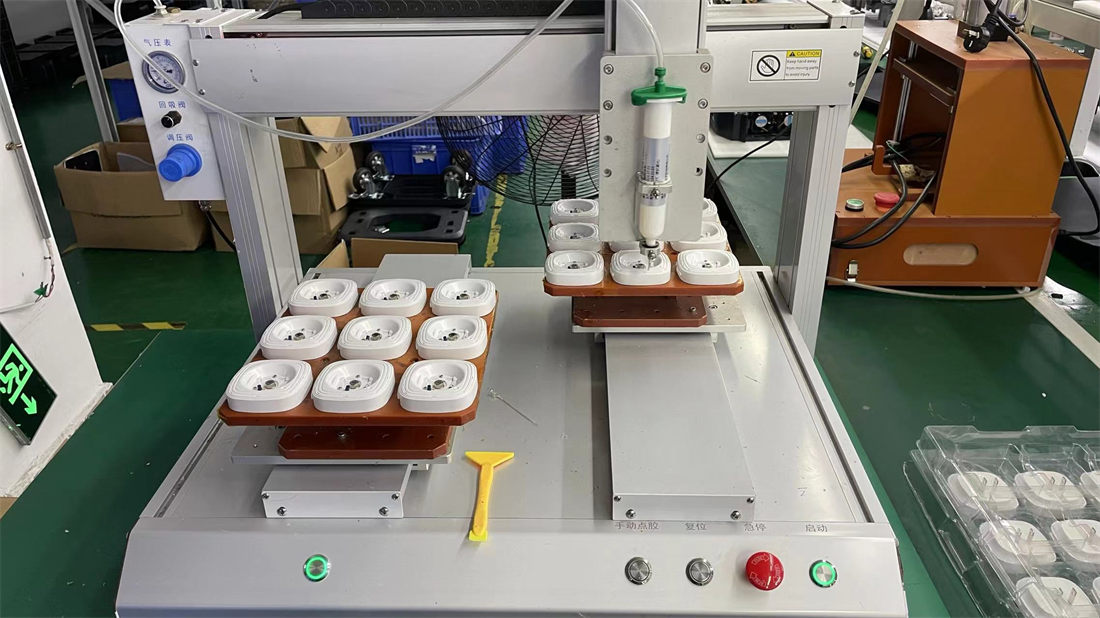
Quality is the foundation of our business. Every product undergoes strict quality inspections throughout the entire production process, from raw material selection to final assembly and shipment. Our manufacturing facilities operate under comprehensive quality management systems to ensure product reliability, safety, and long service life. We continuously improve our production processes and technology to provide products that comply with international certifications and industry standards.
When shipping high-capacity industrial goods to East Africa, logistics, standards compliance, and customs transit control are critical factors in project timelines. Standard transit for solar lights destined for Gitarama (Muhanga District) relies on ocean freight to either Mombasa Port (Kenya) or Dar es Salaam Port (Tanzania), followed by truck freight along the Northern or Central Corridors through Kigali to Gitarama.
For large municipal developments or donor-funded projects in Rwanda, we offer comprehensive support:
Get a direct, factory-level quote containing container volume calculations, customs code cataloging, and unit configuration proposals.
Send Inquiry NowAnswers to technical, logistics, and manufacturing questions from engineering and procurement experts.
 Soweglow Solar