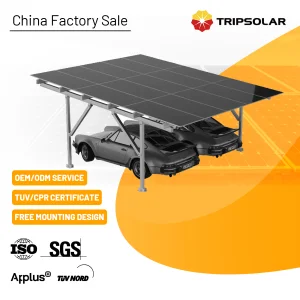
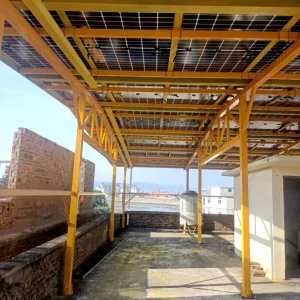
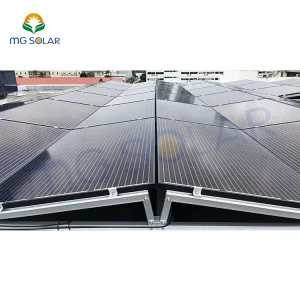
Premium grade structural mounting brackets engineered for maximum stability and easy installation in Australia's diverse environmental conditions.
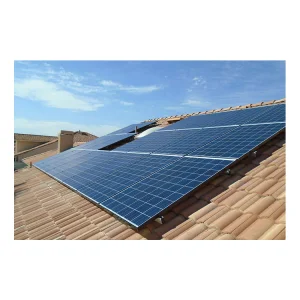
The Australian Capital Territory (ACT) has established itself as a global leader in renewable energy adoption, having achieved its 100% renewable electricity target ahead of schedule. However, transitioning utility-scale, commercial, and residential properties to solar energy in the
For solar EPC (Engineering, Procurement, and Construction) companies and solar panel mounting system exporters, these extreme thermal cycles demand racking hardware that can withstand significant thermal expansion and contraction without compromising mechanical connection points. In addition, the Canberra region is classified under Wind Region A4/A5 (AS/NZS 1170.2:2021 Structural Design Actions). This means mounting structures must be engineered to resist wind gusts of up to 41 meters per second (ultimate limit state). Substandard systems failing to meet these strict design criteria pose immediate liability issues for local developers and installers.
From a geotechnical perspective, Canberra’s soil composition varies from high-density clay to weathered mudstone and shale. Ground-mounted solar installations require customized foundation profiles. Concrete ballast blocks are suitable for hard clay or rock where excavation is restricted, while heavy-duty hot-dip galvanized or
Choosing the correct alloy and coating chemistry dictates the structural longevity of a solar PV array. In the Canberra market, where structural systems are expected to operate maintenance-free for over 25 years, material science plays a critical role in procurement decisions. Our engineering team at Shenzhen Soweglow Solar Co., Ltd. produces structural components utilizing three primary materials: Zinc-Aluminum-Magnesium (ZM) coated steel, Hot-Dip Galvanized (HDG) steel, and Anodized Aluminum (AL6005-T5).
| Performance Metric | Zinc-Aluminum-Magnesium (ZM) Steel | Hot-Dip Galvanized (HDG) Steel | Anodized Aluminum (AL6005-T5) |
|---|---|---|---|
| Tensile Strength | High (400 - 550 MPa) | High (380 - 500 MPa) | Medium-High (≥ 260 MPa) |
| Corrosion Protection | Self-healing, excellent in acidic/alkaline soils | Sacrificial zinc layer, requires thicker coating | Natural oxide layer, highly corrosion resistant |
| Self-Healing (Cut Edges) | Yes, forms active protective film | No, cut edges require cold-galvanizing spray | Not applicable (does not rust) |
| Structural Weight | Heavy (Ideal for large ground arrays) | Heavy (Ideal for heavy utility arrays) | Lightweight (Ideal for roof-mount/carports) |
| Manufacturing Carbon Footprint | Medium | High (Due to hot dipping baths) | Low-Medium (Highly recyclable) |
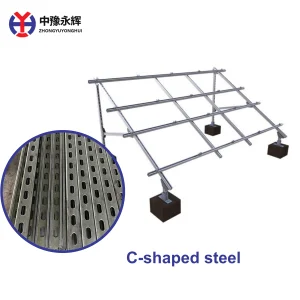
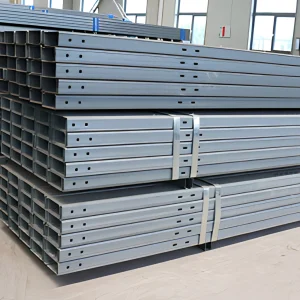
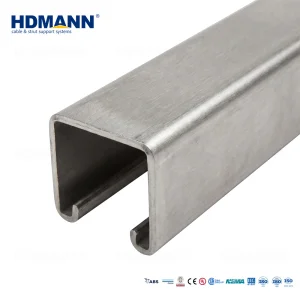
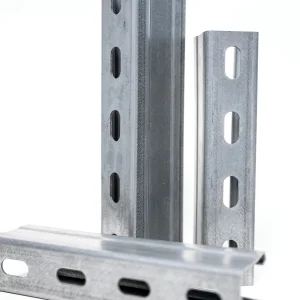
Zinc-Aluminum-Magnesium (ZM) Steel: Represents the pinnacle of modern solar structural engineering. Traditional HDG steel can suffer from surface flaking and micro-cracking during installation bends. ZM steel features an alloyed layer consisting of Zinc, 3% Aluminum, and 3% Magnesium. This unique chemical formulation creates a self-healing barrier over cut edges and sheared profiles. When exposed to the elements, the magnesium forms a highly stable, dense corrosion product (Simonkolleite) that slows down the degradation rate tenfold compared to pure zinc coating, making it the premier choice for Canberra C-Channel structural profiles.
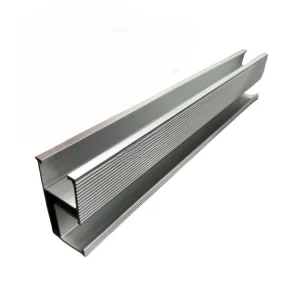
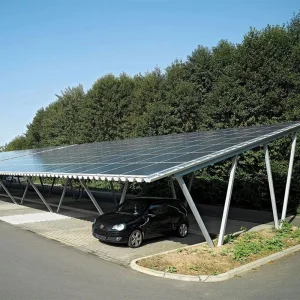
Anodized Aluminum (AL6005-T5): Prized for roof rails, clamp configurations, and carport framing. Aluminum offers lightweight handling, which minimizes structural load stresses on existing commercial roofs. The anodized layer (typically 10-15 microns) protects the underlying metal from surface oxidation, maintaining structural integrity and high aesthetic appeal over decades.
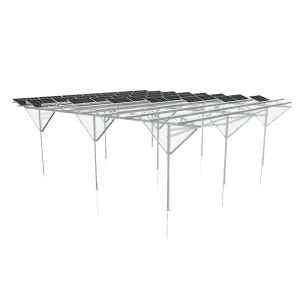
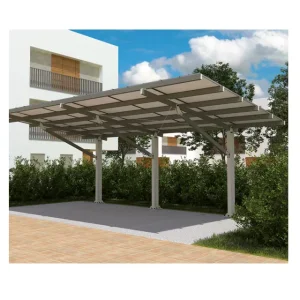
Integrating pre-assembled mechanical trackers and protective carport canopy structures to maximize site space and energy output.
As a leading exporter to Oceania, Shenzhen Soweglow Solar Co., Ltd. operates at the intersection of material innovation and smart manufacturing. Located in Shenzhen, China's premium technological hub, our facility leverages an integrated supply chain ecosystem. This proximity allows us to secure premium raw steel billets and high-grade aluminum extrusions under strict cost structures, transferring economic benefits directly to our Australian clients.
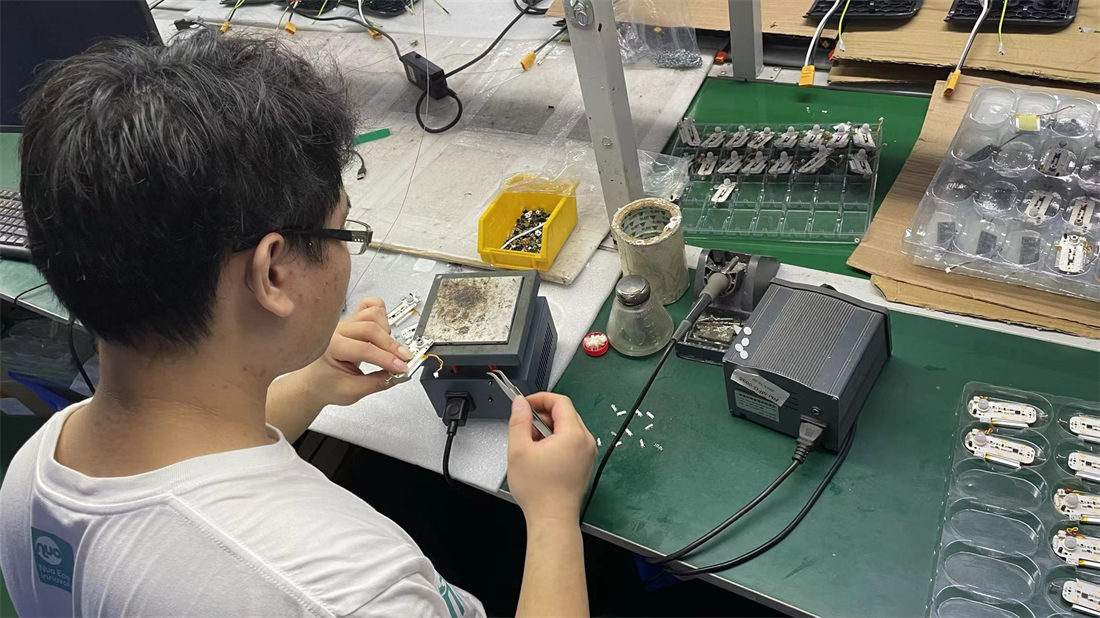
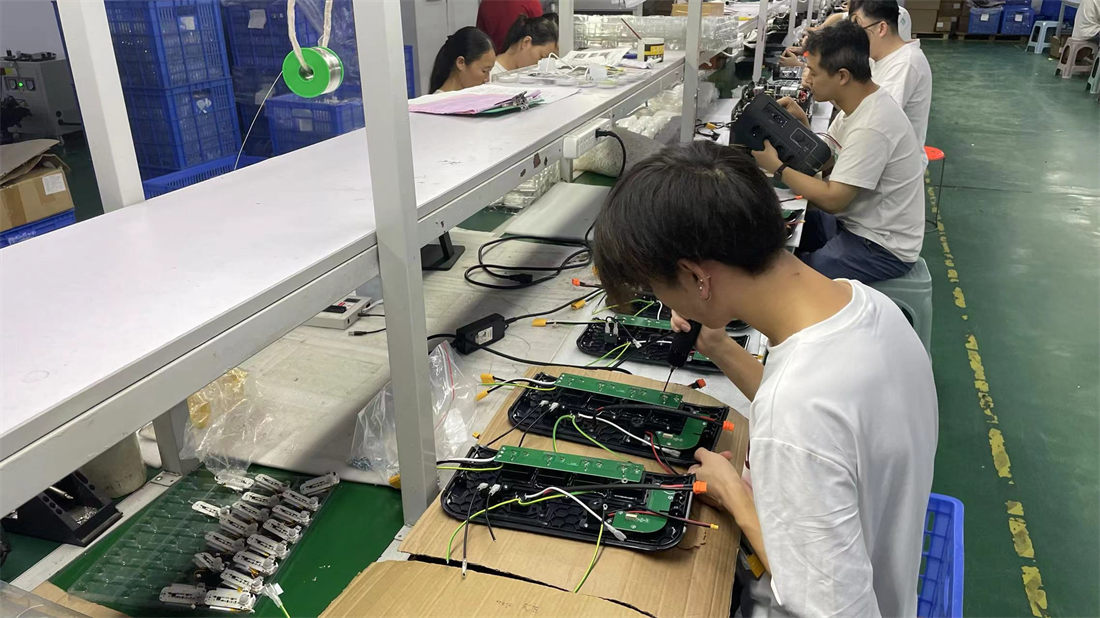
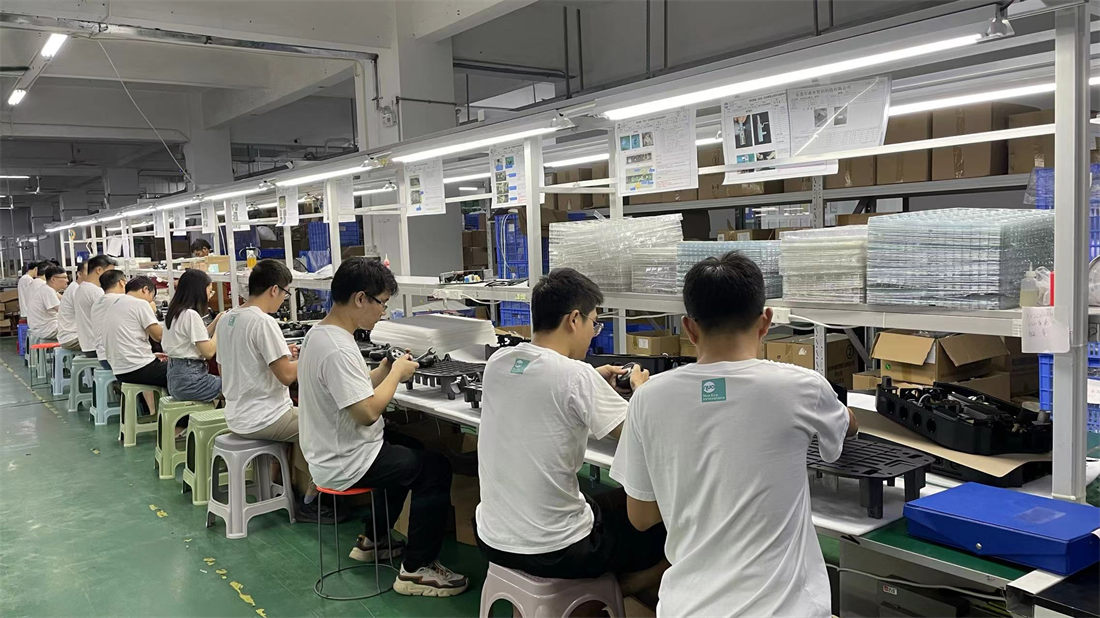
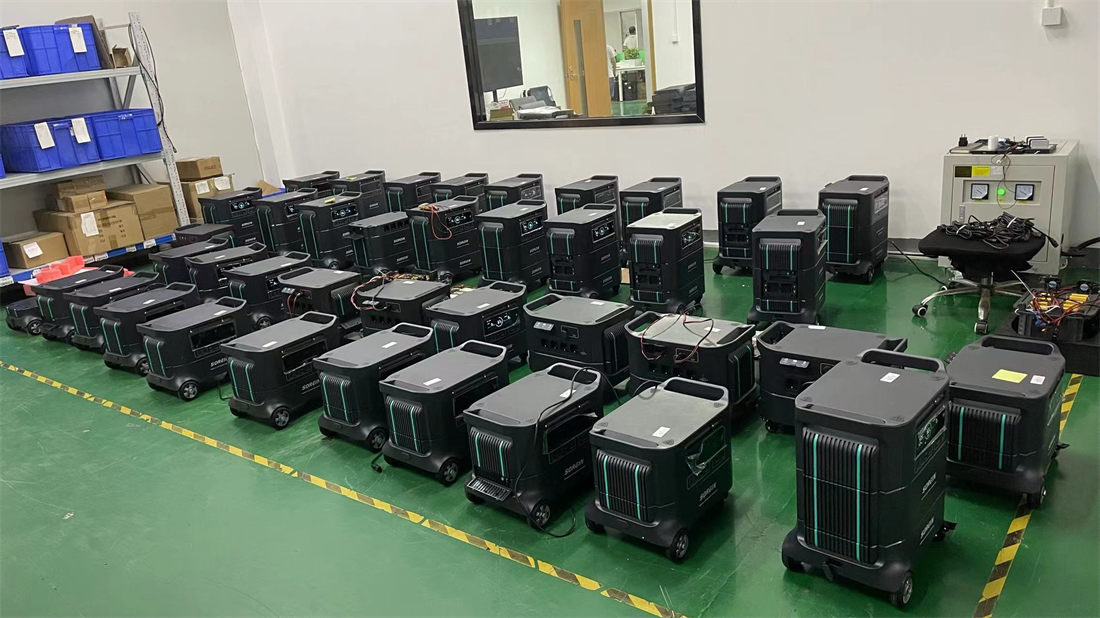
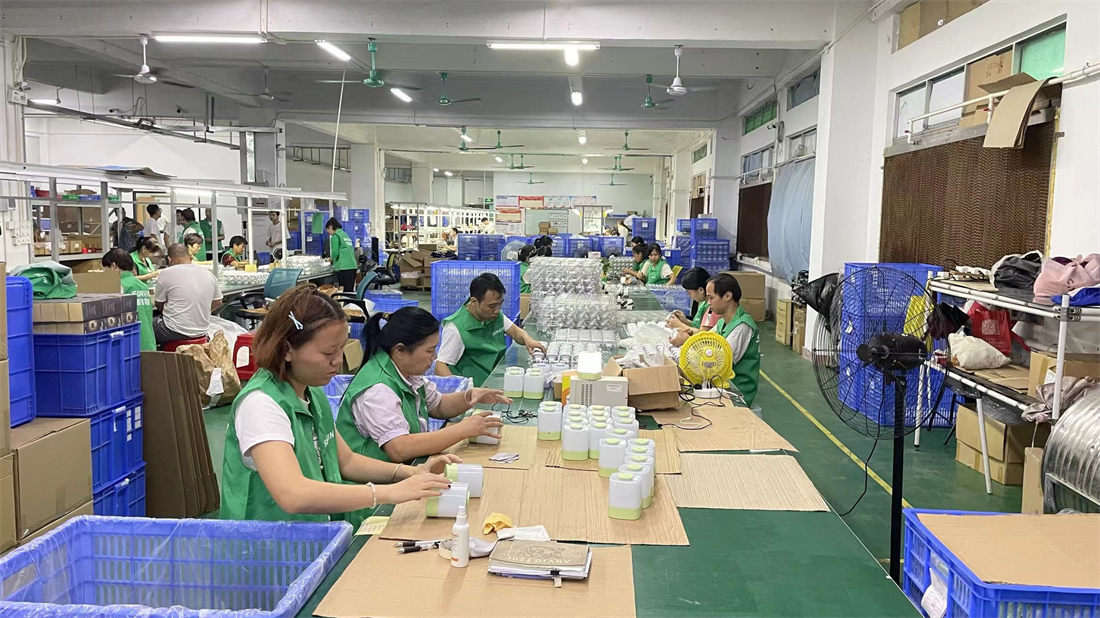
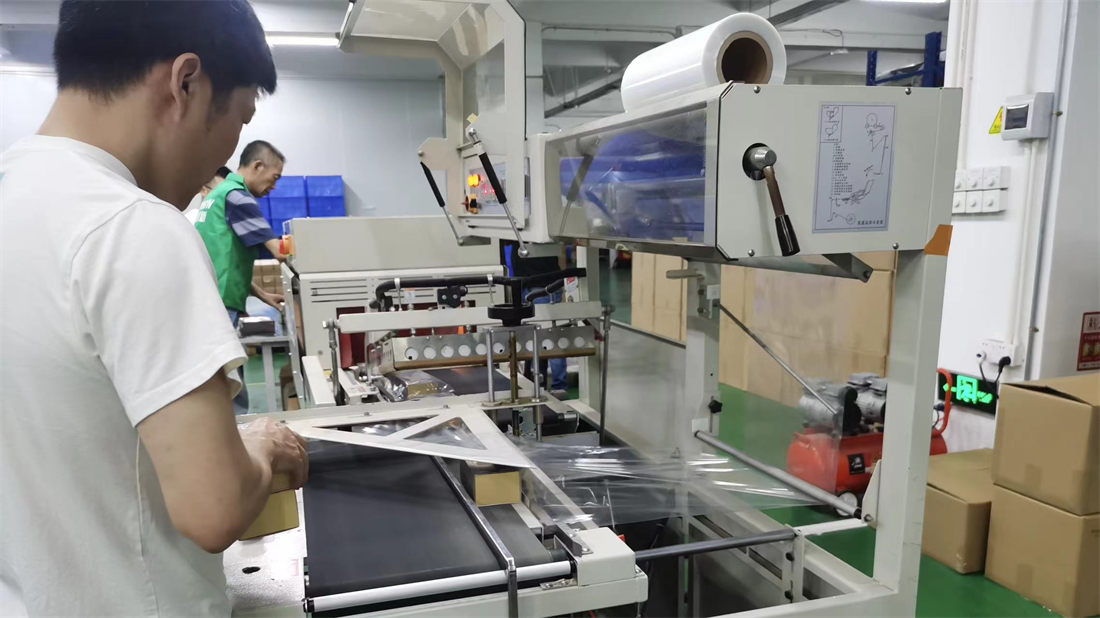
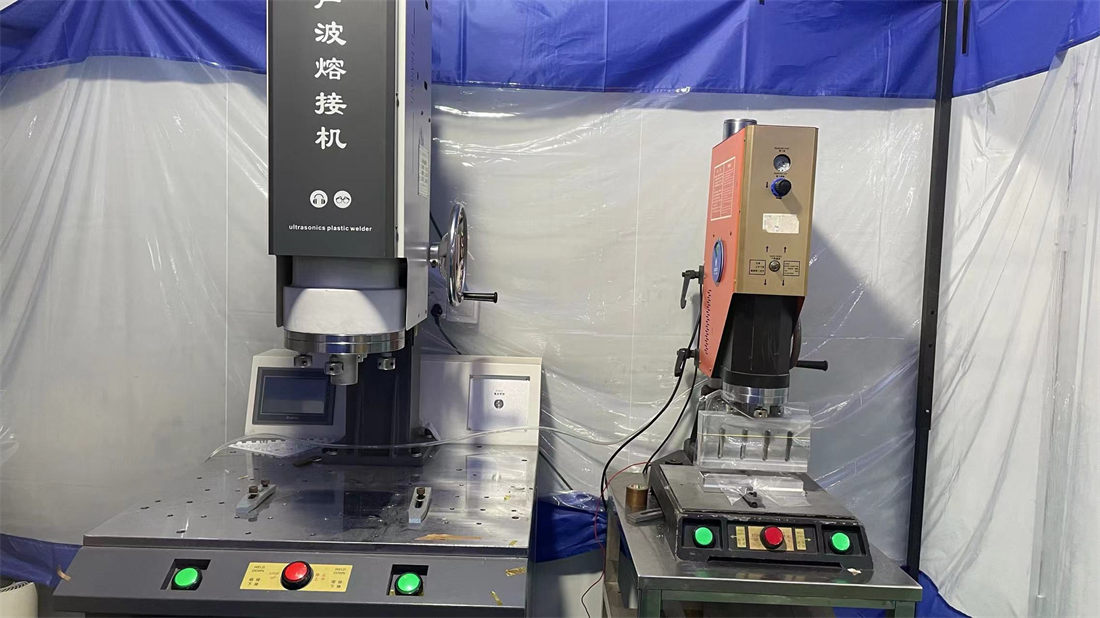
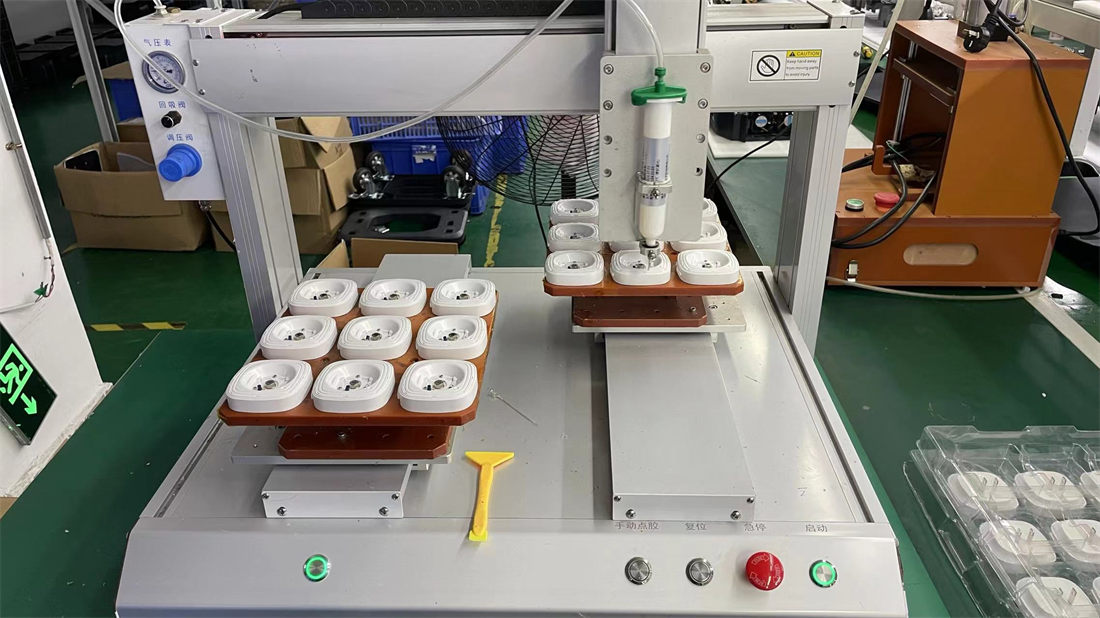
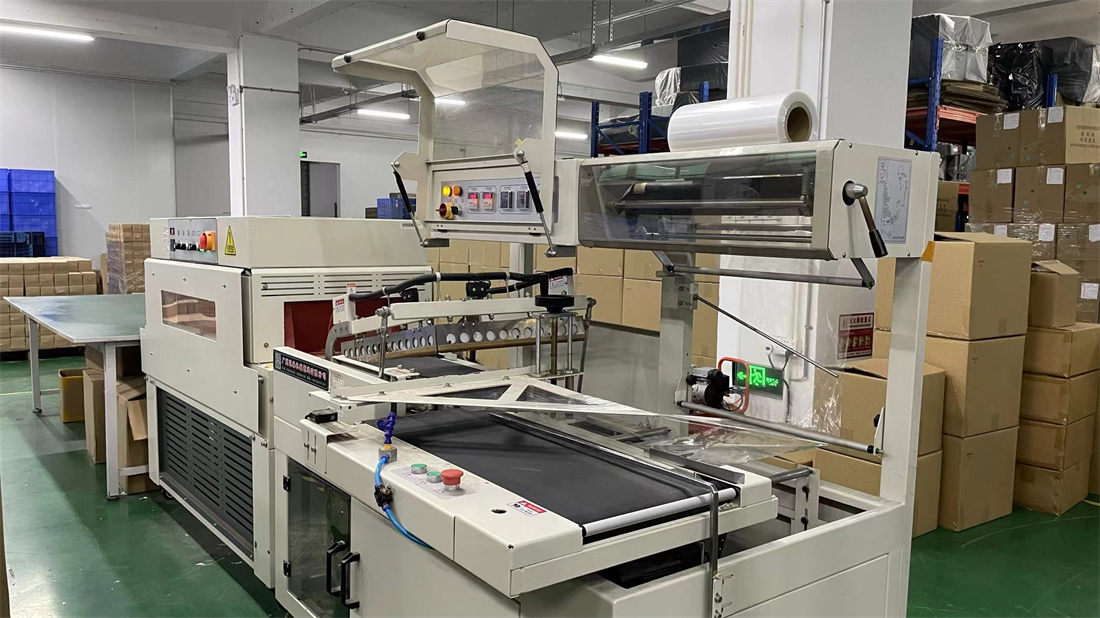
Our commitment to E-E-A-T principles is demonstrated through our automated production lines. We do not compromise on quality control. Every batch of C-channels, rails, mid-clamps, and ground screws undergoes stringent QA protocols. Our manufacturing includes specialized departments such as automated robotic welding, high-temperature aging testing chambers, and ultrasonic weld integrity inspections, ensuring structural reliability under extreme shear stresses.
To guarantee that our solar racking products survive the harsh conditions of the Canberra market, we employ state-of-the-art machinery at our plant:
Industrial solar racking deployment is never a one-size-fits-all solution. Depending on the physical location and structural characteristics of the installation site in the ACT, specific configurations must be selected to optimize yield and safety:
Commercial structures in industrial suburbs such as Fyshwick, Hume, and Mitchell often feature flat metal deck roofs (Lysaght Klip-Lok or similar profiles). Drilling through these roofs is often avoided by building owners to preserve waterproofing warranties. Our non-penetrative, aerodynamically optimized ballasted mounting systems utilize wind deflector shields to reduce uplift forces. This minimizes the required concrete ballast weight, preventing structural overloading on older warehouse trusses.
Residential homes in established areas like Gungahlin or Tuggeranong require durable rail-to-clamp interfaces. Our tile roof hooks (made of SUS304 stainless steel) and L-feet adapters for tin roofs are designed with high-density EPDM washers to seal penetrations against rainfall. The rails feature a high strength-to-weight ratio to reduce installer fatigue on steep pitches.
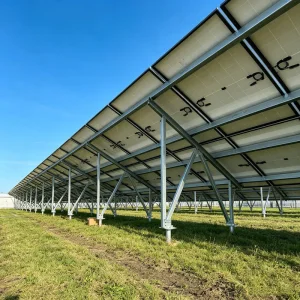
For rural solar developments surrounding the ACT border, ground-mounted systems using Zn-Al-Mg C-profiles offer the highest cost-to-performance ratio. By using pre-assembled components, EPC contractors can achieve rapid deployment, saving significantly on field labor rates. System structures are optimized for both concrete pad and screw pile foundations, accommodating rolling terrains with minor angle adjustments.
Explore our full range of structural profiles, grounding materials, and automated tracking solutions optimized for the Australian market.
For international procurers, procurement decision-making is defined by a balance of cost, certified quality, and logistical efficiency. Google's Search Quality Rater Guidelines heavily value "trustworthiness" and "direct information gain." As an exporter, we provide transparent supply-chain documentation to substantiate our manufacturing claims. Choosing a high-efficiency Chinese manufacturer like Shenzhen Soweglow Solar Co., Ltd. allows buyers to bypass intermediaries and procure directly from the source.
To guarantee a smooth supply chain from our Shenzhen manufacturing plant to Canberra, we coordinate a reliable logistics workflow:
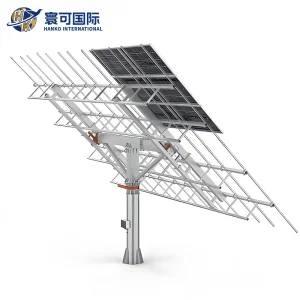
The solar market is moving rapidly toward maximizing solar efficiency per square meter. In high-irradiance zones around Canberra, traditional fixed-tilt systems are increasingly replaced by Dual-Axis Tracking Systems. Equipped with intelligent dual-motor controls, these trackers adjust the angle of solar panels throughout the day. By integrating astronomical algorithms with real-time solar irradiance sensors, power generation is optimized by 25% to 40% compared to fixed racking, accelerating the return on investment for commercial solar farms.
Get answers to common engineering, material selection, and certification questions related to importing solar mounting structures to Australia.
 Soweglow Solar