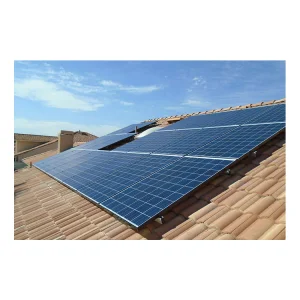
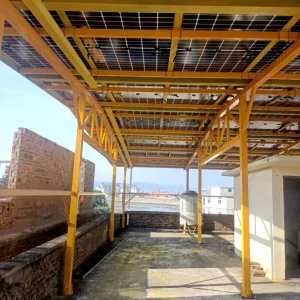
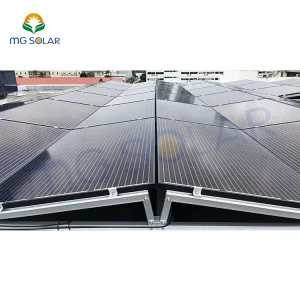
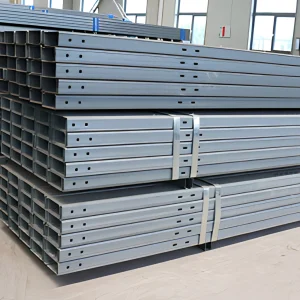
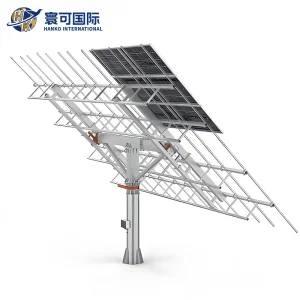
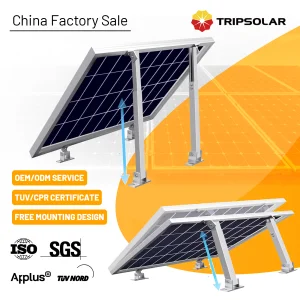
Engineered to ensure mechanical safety and quick assembly under extreme field conditions. These high-pre-assembled configurations minimize construction time for humanitarian and commercial off-grid developments.
Deploying reliable utility-scale and off-grid solar energy systems in Malakal presents severe logistical, geological, and climate-induced challenges. Located along the White Nile, Malakal features a distinct tropical wet and dry climate with intense seasonal temperatures reaching up to 45°C, high relative humidity during the monsoons, and unique soil structures dominated by high-swelling clays (locally referred to as black cotton soil or vertisols).
Standard solar racking systems designed for temperate zones fail quickly in this environment. The cyclic expanding and shrinking of the soil forces vertical structural displacement, which ruins solar panel alignment and induces torsional stress on the photovoltaic cells, leading to microcracks. To mitigate this risk, Soweglow Solar offers advanced metallurgical coatings and customizable foundation solutions (specifically helical screw piles with optimized helix pitches and pre-calculated concrete ballast blocks) designed to anchor the racking securely.
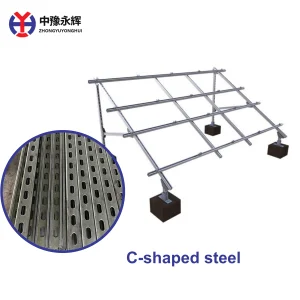
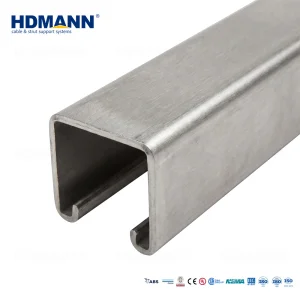
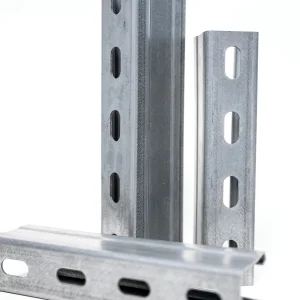
For installations in the Upper Nile region, we recommend avoiding direct concrete pour posts in un-excavated clay. The swelling pressure of vertisols can reach up to 250 kPa. Our engineers design custom ZM C-Channel structures combined with deep-driven helical screw piles. The screw piles bypass the active clay layer (typically the top 1.5 to 2.0 meters) to anchor in the stable subterranean soils. This configuration guarantees the structural longevity of the solar array without the need for intensive local concrete mixing, which is logistically complex in South Sudan.
Request a Custom Engineering CalculationLogistics to Malakal are characterized by multimodal transit routes. As a premier solar racking exporter, Soweglow Solar coordinates the entire supply chain to ensure materials arrive safely. Our products are packaged to withstand maritime cargo shipping and subsequent rough overland transit via Port Sudan or Mombasa, followed by river barge shipment up the White Nile or specialized flatbed road haulage.
We understand that a delay in delivery or missing components in remote areas like Malakal can halt an entire humanitarian electrification project. Thus, we pack all structural items using color-coded kits and provide detailed, language-independent visual assembly manuals. Our structural kits are manufactured with maximum pre-assembly (pre-riveted parts and pre-installed bolts) so that local technicians can build the mounting systems using only basic hand tools.
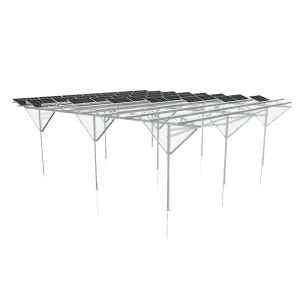
Explore our intermediate class of ground structures designed for large-scale agricultural irrigation and microgrid applications across East Africa.
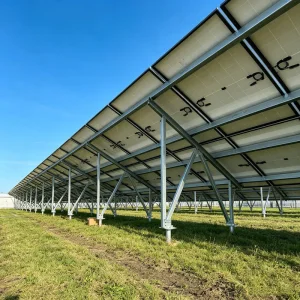
The choice of materials directly impacts the Levelized Cost of Energy (LCOE) of solar farms. Selecting the wrong metal grade or coating leads to rapid oxidation and catastrophic structural failures under the high-temperature and seasonal flooding conditions of South Sudan. Below is the technical roadmap comparing materials utilized by Soweglow Solar.
| Material Type / Alloy | Corrosion Resistance | Self-Healing Characteristics | Ideal Applications in Malakal |
|---|---|---|---|
| Zinc-Aluminum-Magnesium (Z-M) Steel | Extreme (Up to 5x better than HDG in high moisture) | Yes, cut edges and scratches self-heal via migration of protective layer | Large-scale ground mounts, agricultural PV, and solar river pump frames near the Nile. |
| Hot-Dip Galvanized (HDG) Steel (Q235B / Q355B) | High (Industry standard, 80+ micron layer) | No, requires zinc-rich spray paint for scratches and cut areas | Heavy structural columns, deep foundations, and structural framing. |
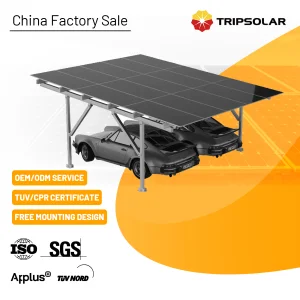
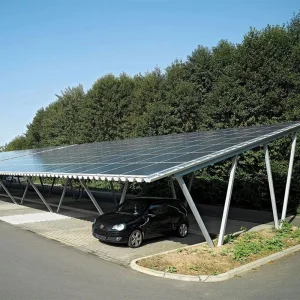
| Anodized Aluminum (AL6005-T5) | Excellent (Naturally passive oxide film) | No, but highly stable and lightweight | Roof mount rails, carport frameworks, and modular clinic rooftop arrays. |
Soweglow Solar's Zinc-Aluminum-Magnesium (ZM) steel channels contain approximately 1.5% to 3% magnesium and 5% to 11% aluminum. When the surface is exposed to atmosphere or mechanical scratching, a highly dense protective film of hydrozincite and aluminum hydroxide forms over the exposed cut edge. This molecular barrier stops rust dead in its tracks, preventing galvanic corrosion near the bolt connections, which is vital for the low-maintenance profiles needed in remote regions.
Shenzhen Soweglow Solar Co., Ltd. is a professional and reliable manufacturer and supplier specializing in solar energy products, renewable energy solutions, and intelligent solar lighting systems. Located in Shenzhen, China, one of the world's most innovative and dynamic technology hubs, we have been committed to the solar industry for many years, providing high-quality products and customized energy solutions to customers worldwide.
Driven by the mission of promoting clean energy and sustainable development, Soweglow Solar focuses on delivering efficient, environmentally friendly, and cost-effective solar products that help reduce energy consumption and carbon emissions. Through continuous innovation, strict quality control, and customer-oriented service, we have established long-term partnerships with clients across Europe, North America, South America, Africa, Southeast Asia, and the Middle East.
Our experienced team possesses extensive expertise in solar lighting, photovoltaic systems, energy storage solutions, project management, manufacturing, and international business. We continuously invest in research and development to ensure our products meet evolving market demands and international quality standards.
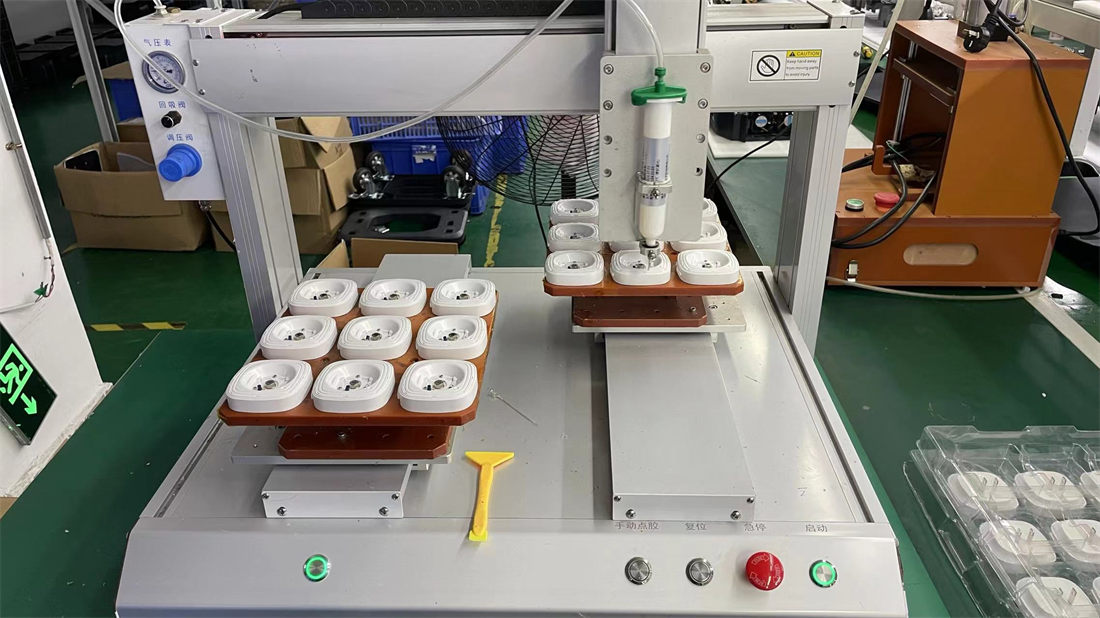
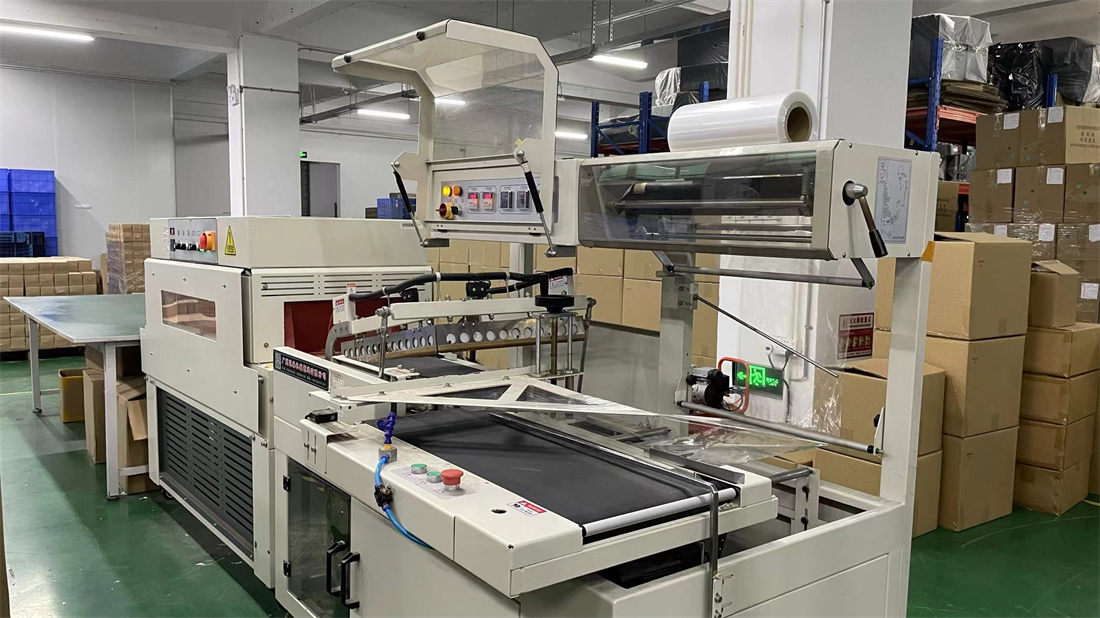
Quality is the foundation of our business. Every product undergoes strict quality inspections throughout the entire production process, from raw material selection to final assembly and shipment. Our manufacturing facilities operate under comprehensive quality management systems to ensure product reliability, safety, and long service life. We continuously improve our production processes and technology to provide products that comply with international certifications and industry standards.
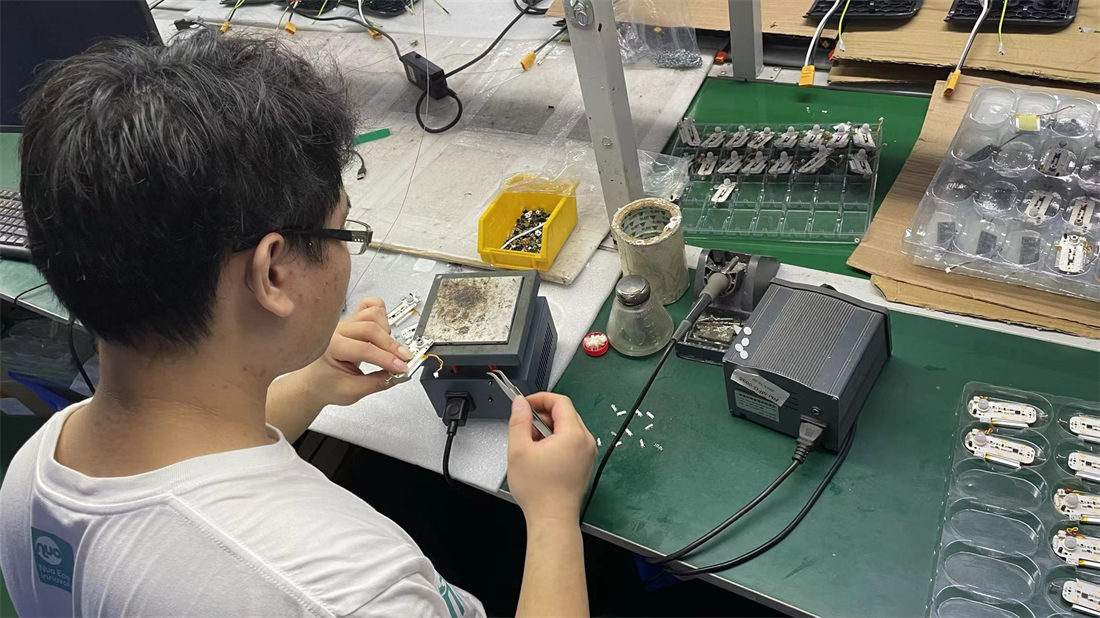
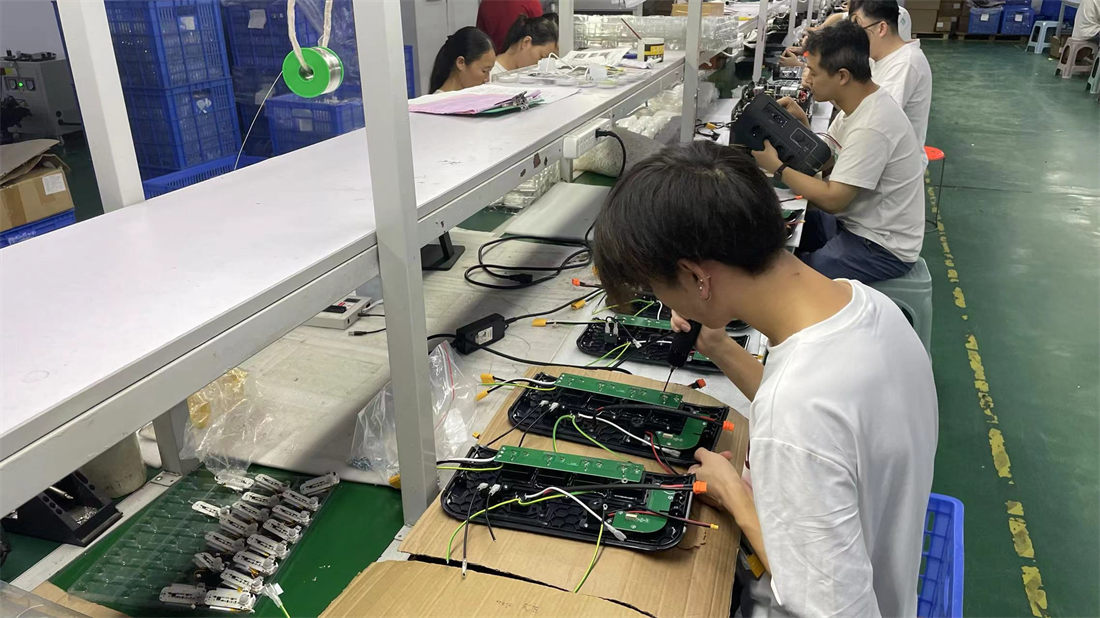
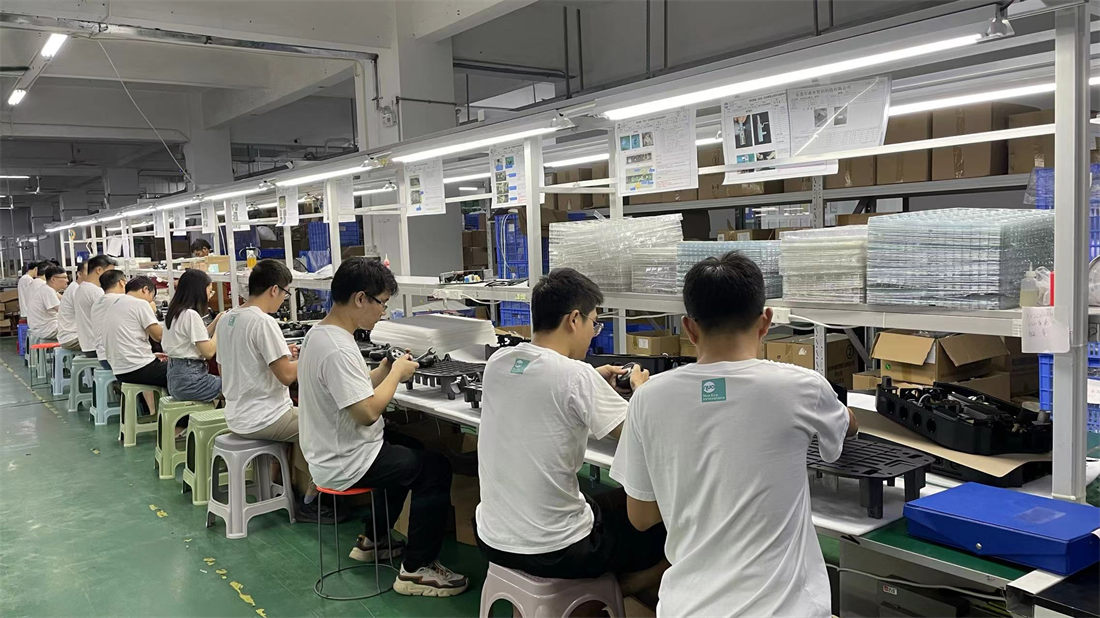
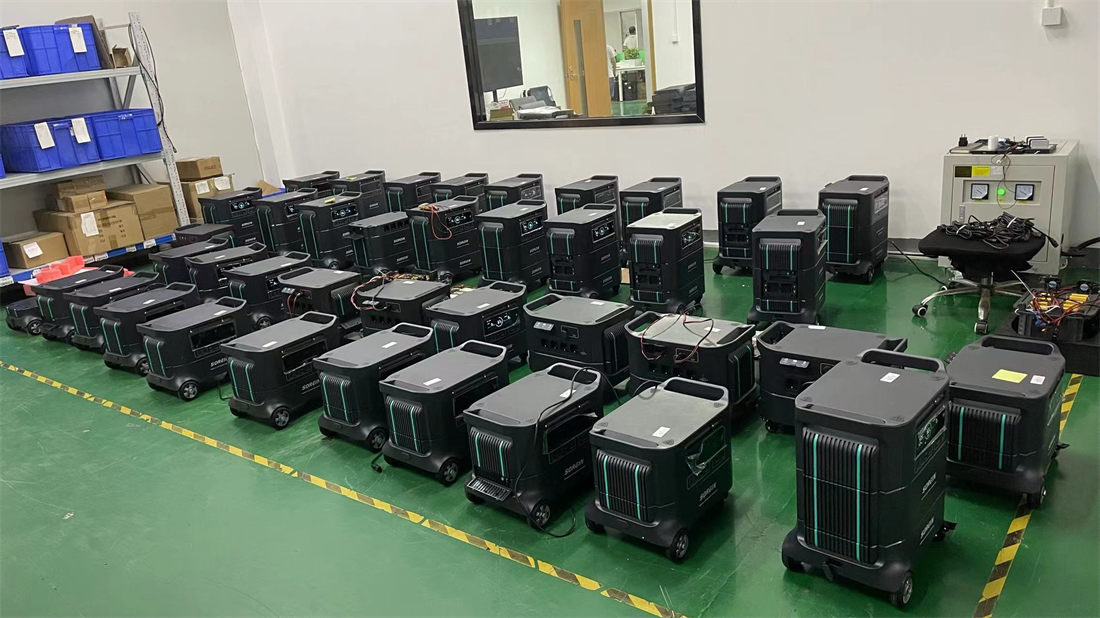
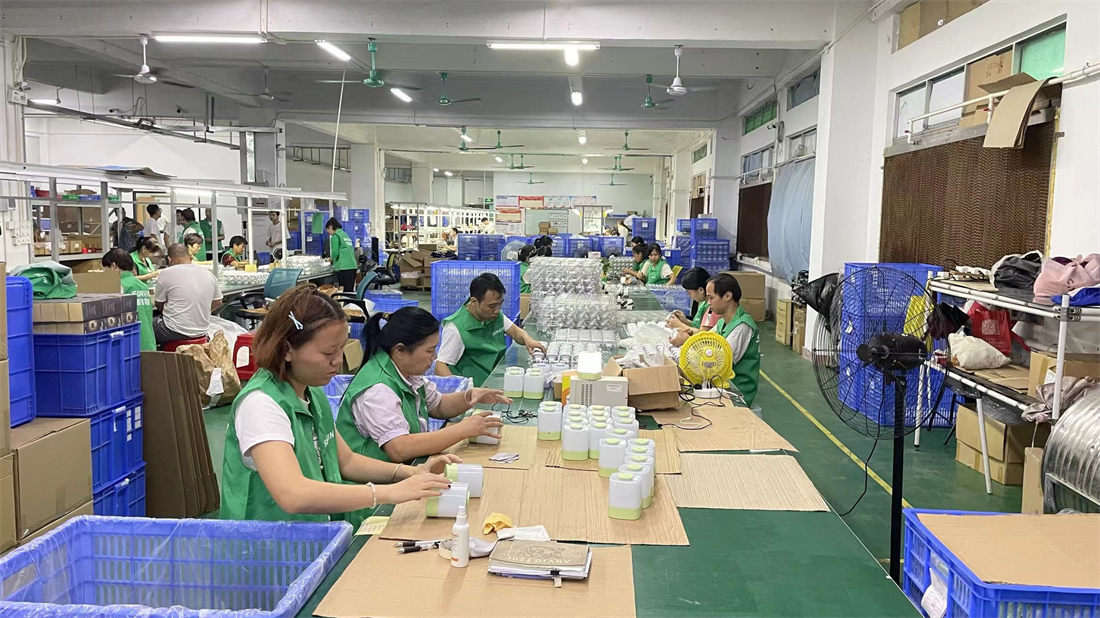
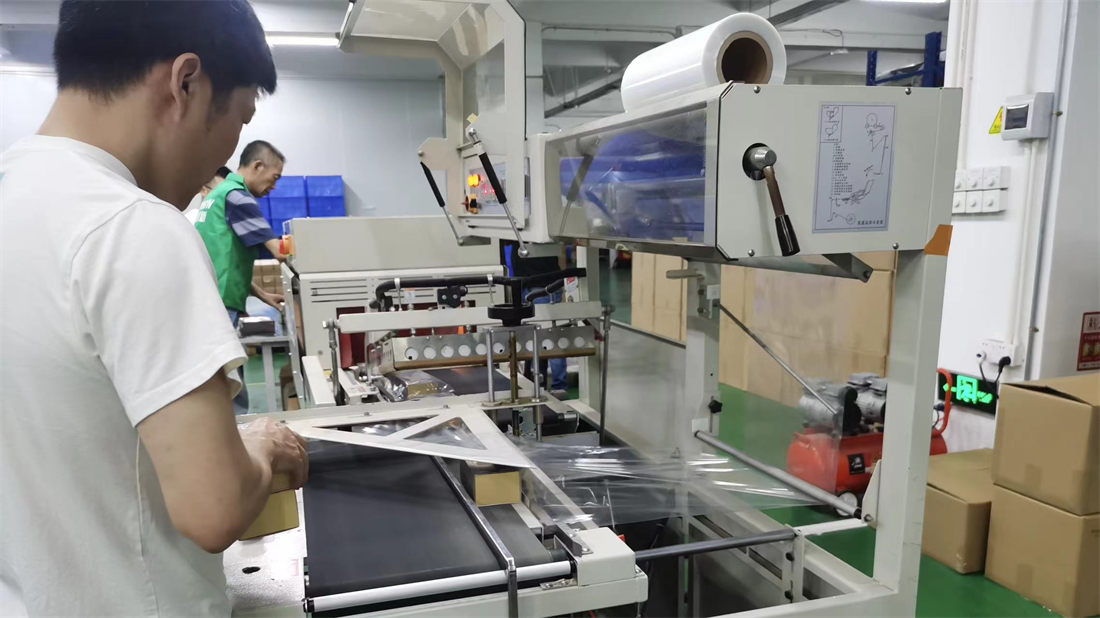
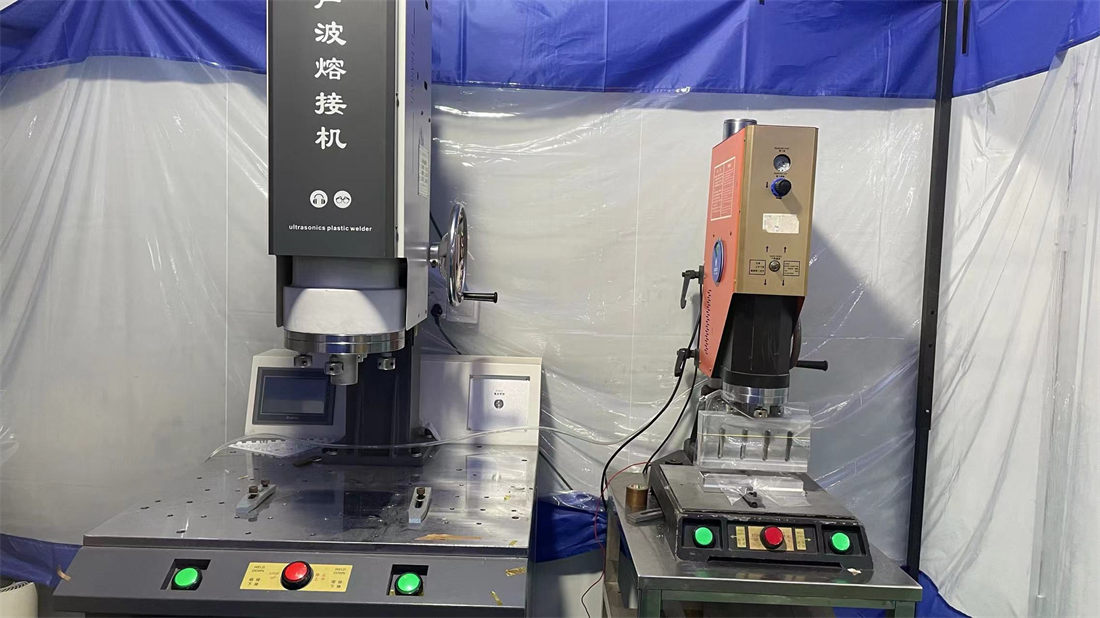
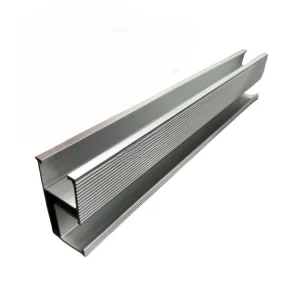
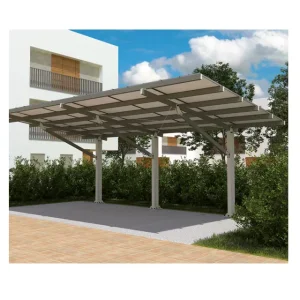
These robust racking modules, carports, and tracking systems are manufactured to satisfy strict European CE standards and ASTM criteria, guaranteeing stable performance in harsh equatorial conditions.
Find technical answers below regarding structural design, logistics, and material compliance for solar installations in South Sudan and remote East African areas.
 Soweglow Solar