Precision-engineered solar racking mounts customized to handle the high wind loads and specific temperature parameters of the central Saudi region.
An in-depth analysis of KSA solar developments, technical mounting metrics, and architectural parameters required for harsh central desert projects.
The city of Riyadh and the surrounding Najd region are currently witnessing an unprecedented transition toward decentralized and utility-scale solar PV installations. Driven by Saudi Arabia's ambitious Vision 2030 framework and the National Renewable Energy Program (NREP), the Kingdom aims to reach 58.7 GW of renewable energy capacity, of which 40 GW will be solar photovoltaic (PV). However, executing solar installations in the central province of Saudi Arabia presents unique engineering, logistical, and architectural challenges. The key to ensuring the longevity of solar installations under these conditions is not just the solar module itself, but the underlying **solar panel mounting system**.
From high wind loads during desert sandstorms to diurnal temperature swings reaching up to 45°C difference, mounts must possess superior structural integrity and material resilience. This whitepaper analyzes local environmental demands, global technology alignment, localization compliance under Saudi standards (SASO/SABER), and the critical manufacturing capabilities that make Shenzhen Soweglow Solar Co., Ltd. a premier strategic supplier for the Riyadh solar value chain.
Designing solar mounts for Riyadh requires direct, empirical understanding of Najd's climate and geological profile. A mounting system designed for Europe or East Asia will quickly fail in Saudi Arabia due to three specific environmental stressors:
Riyadh's temperature can swing from 50°C during mid-day summer down to 5°C during winter nights. This diurnal fluctuation causes severe thermal expansion and contraction in metal structures. Mounting systems must feature expansion joints and flexible bracket fittings to prevent mechanical strain on PV modules.
High winds during seasonal "Shamal" dust storms exert enormous uplift and downforce pressures. Structural engineering calculations for Riyadh must factor in basic wind speeds of up to 140–160 km/h in accordance with the Saudi Building Code (SBC 301/302).
Riyadh soils contain high sulfate and chloride concentrations. Combined with morning condensation, this leads to an electrochemical environment that corrodes basic steel structures. Hot-dip galvanized steel or Zn-Al-Mg (Zinc-Aluminum-Magnesium) coatings are mandatory for lasting performance.
Riyadh soil ranges from hard, cemented calcium carbonate (caliche) to highly shifting sands. Ground mounting systems require versatile foundation options, such as pre-cast concrete blocks for rocky surfaces or screw piles engineered for sandy regions.
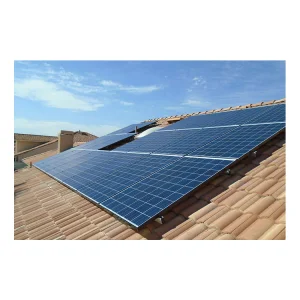
Commercial rooftops in Riyadh (industrial warehouses, logistical hubs, shopping malls, and institutional buildings) are prime real estate for solar arrays. The mounting solutions must address structural limitations while maximizing yield:
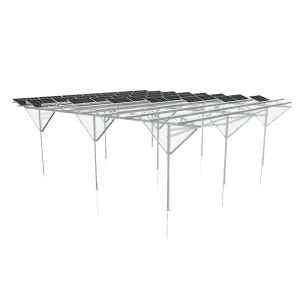
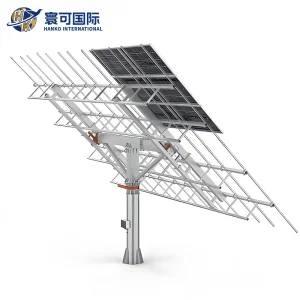
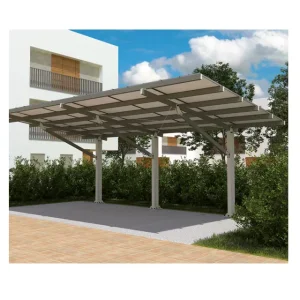
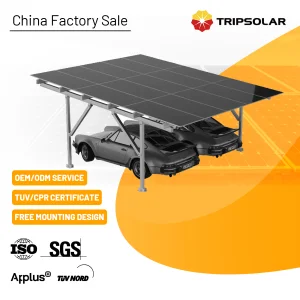
Advanced canopy structures and dual-motor smart trackers engineered for commercial parking lots and localized desert power stations.
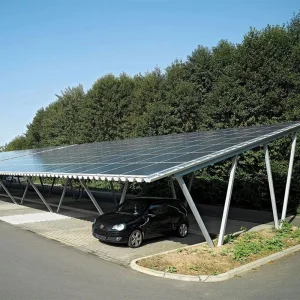
How we align advanced design methodologies with SASO regulations to simplify import and project commissioning.
Importing steel and aluminum structural components into the Kingdom of Saudi Arabia requires compliance with local standards. The Saudi Standards, Metrology and Quality Organization (SASO) enforces strict guidelines regarding mechanical properties, chemical composition, and durability. All products supplied by Shenzhen Soweglow Solar Co., Ltd. for Riyadh are registered on the **SABER platform**, streamlining customs clearance through the necessary Certificates of Conformity (CoC).
Furthermore, calculations for mounting angles, load-bearing capacities, and foundation dimensions are configured using international standards like ASCE 7-10, Eurocode 3, and localized parameters from the Saudi Building Code. This ensures that municipal authorities in Riyadh and project developers receive third-party verifiable engineering certifications.
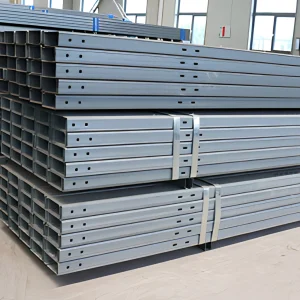
In the aggressive micro-climates of Saudi Arabia's arid zones, conventional hot-dip galvanization (HDG) can degrade faster than expected. As a forward-thinking factory, Soweglow Solar offers **Zn-Al-Mg (Zinc-Aluminum-Magnesium) coated steel** channels. This material provides self-healing properties on cut edges, superior scratch resistance against abrasive wind-blown sand, and up to three times the corrosion resistance of standard HDG in soil-contact applications. This coating technology helps prevent galvanic corrosion at contact points with PV modules, maintaining structural integrity over a 25-year lifespan.
A leading manufacturer of solar mounting structures, delivering clean energy solutions worldwide.
Shenzhen Soweglow Solar Co., Ltd. is a manufacturer and supplier specializing in solar energy products, renewable energy solutions, and intelligent solar lighting systems. Located in Shenzhen, China, one of the world's most innovative technology hubs, we have been committed to the solar industry for many years, providing high-quality products and customized energy solutions to customers worldwide.
Driven by the mission of promoting clean energy and sustainable development, Soweglow Solar focuses on delivering efficient, environmentally friendly, and cost-effective solar products that help reduce energy consumption and carbon emissions. Through continuous innovation, strict quality control, and customer-oriented service, we have established long-term partnerships with clients across Europe, North America, South America, Africa, Southeast Asia, and the Middle East, with a specific focus on the fast-growing Gulf region.
Our experienced team possesses extensive expertise in solar lighting, photovoltaic systems, energy storage solutions, project management, manufacturing, and international business. We continuously invest in research and development to ensure our products meet evolving market demands and international quality standards.
To accelerate the adoption of renewable energy by providing innovative, efficient, and sustainable solar solutions that create long-term value for customers and contribute to a greener future.
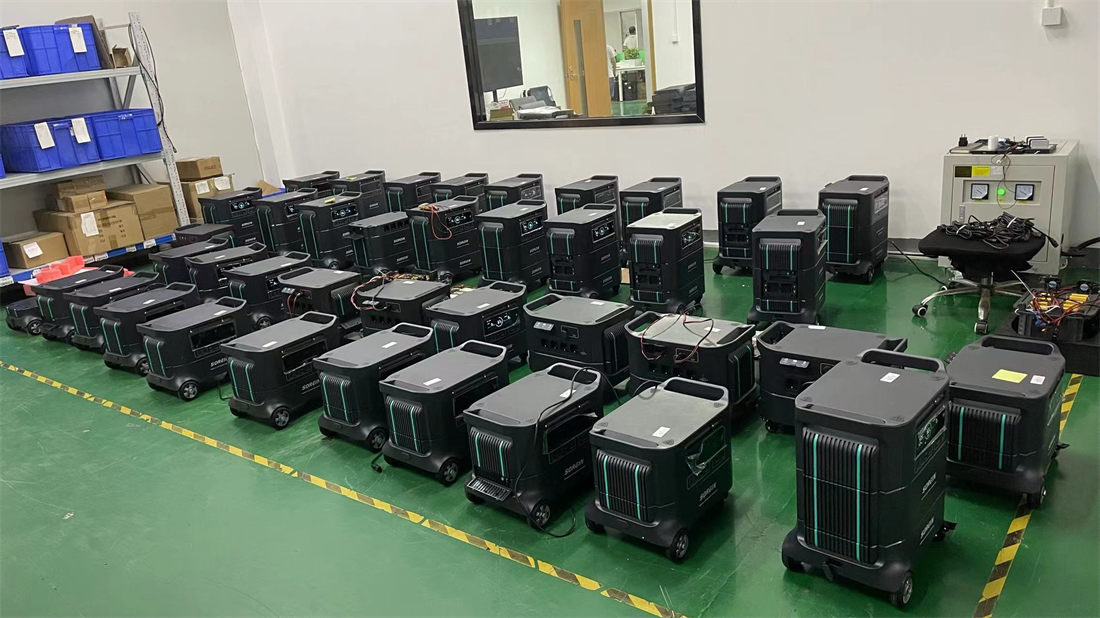
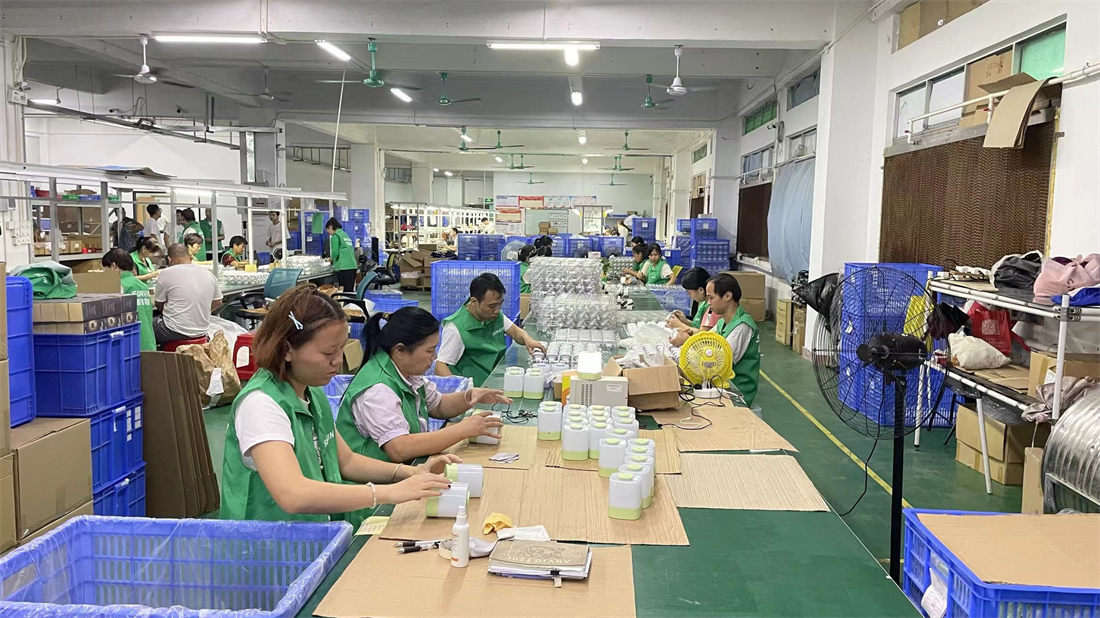
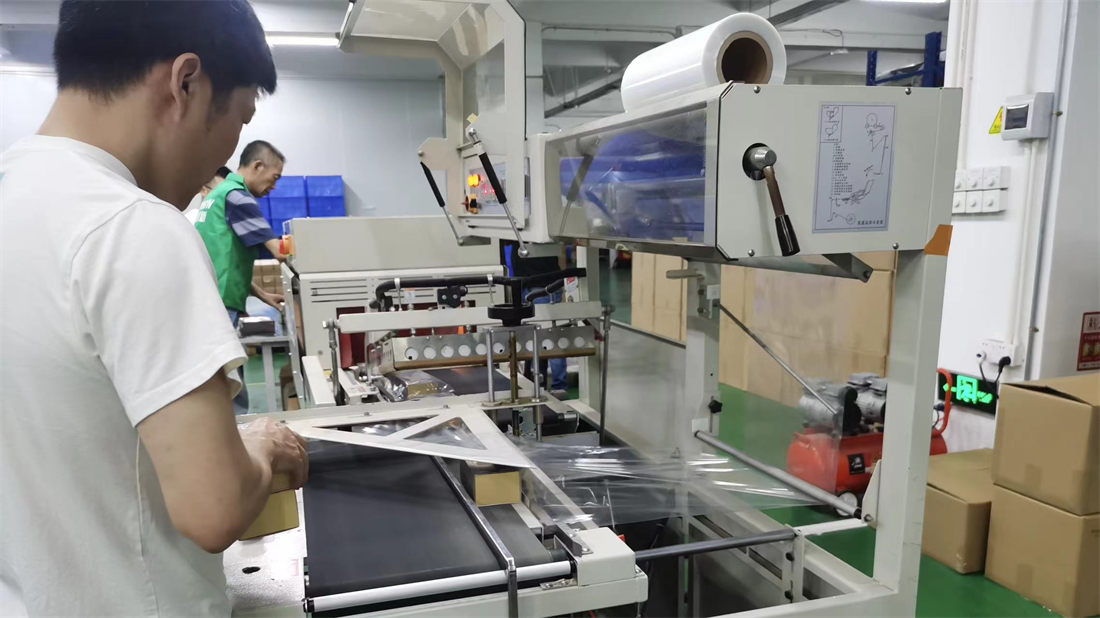
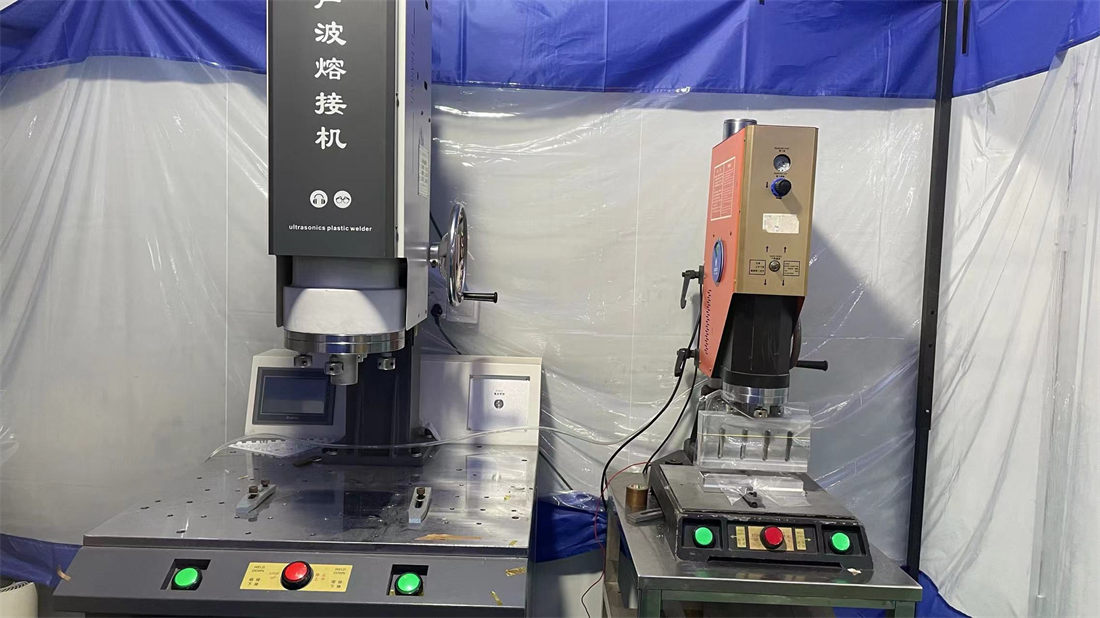
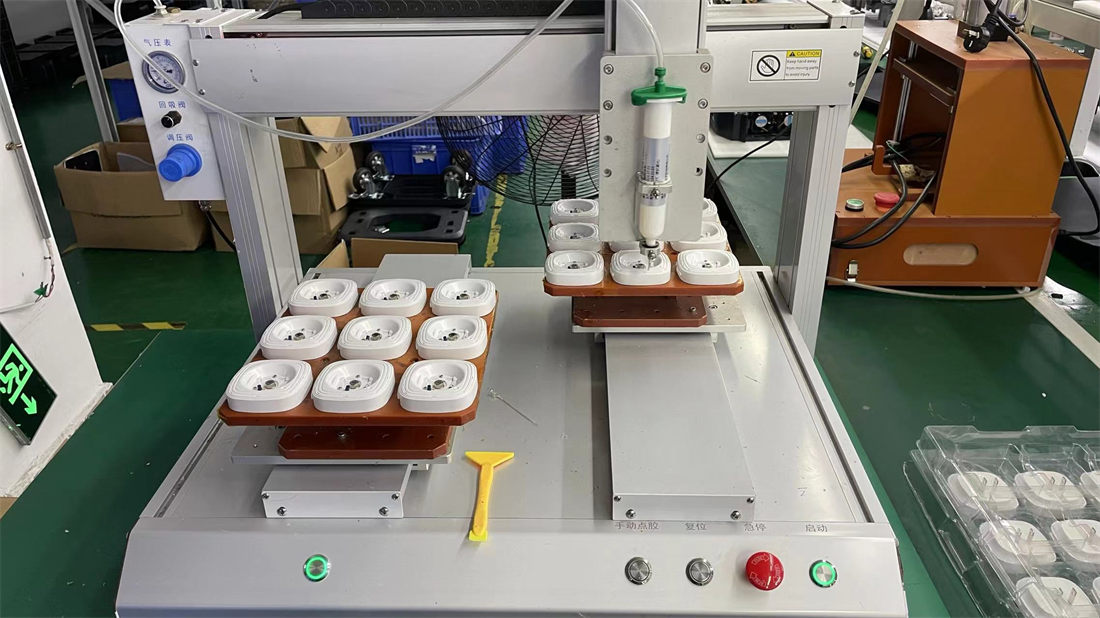
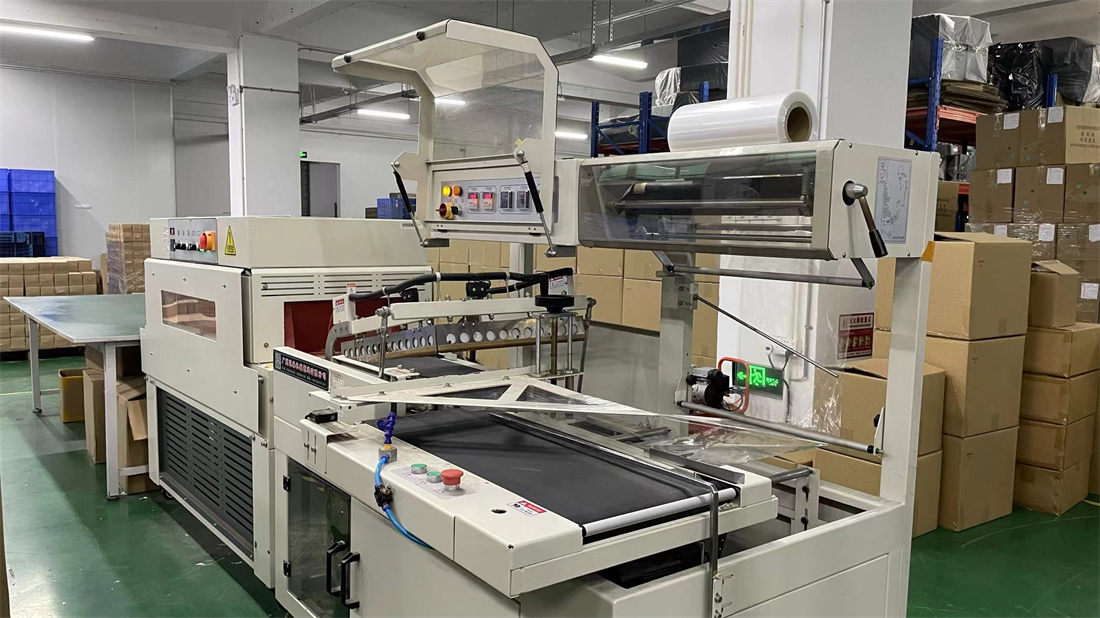
Quality is the foundation of our business. Every product undergoes strict quality inspections throughout the entire production process, from raw material selection to final assembly and shipment. Our manufacturing facilities operate under comprehensive quality management systems to ensure product reliability, safety, and long service life. Below is a showcase of our production steps and specialized machinery:
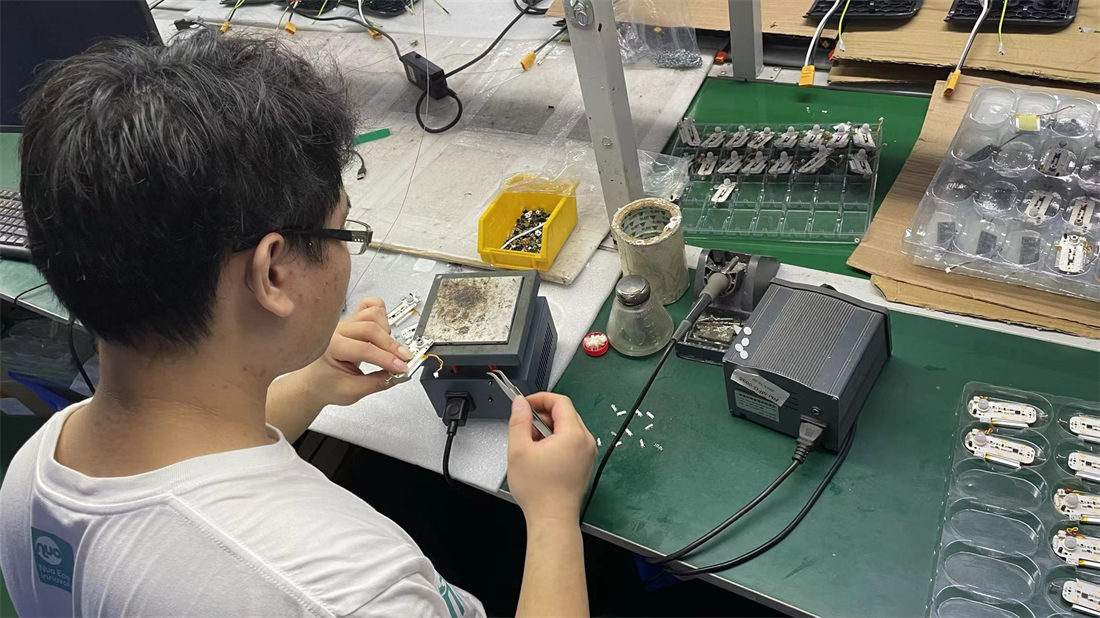
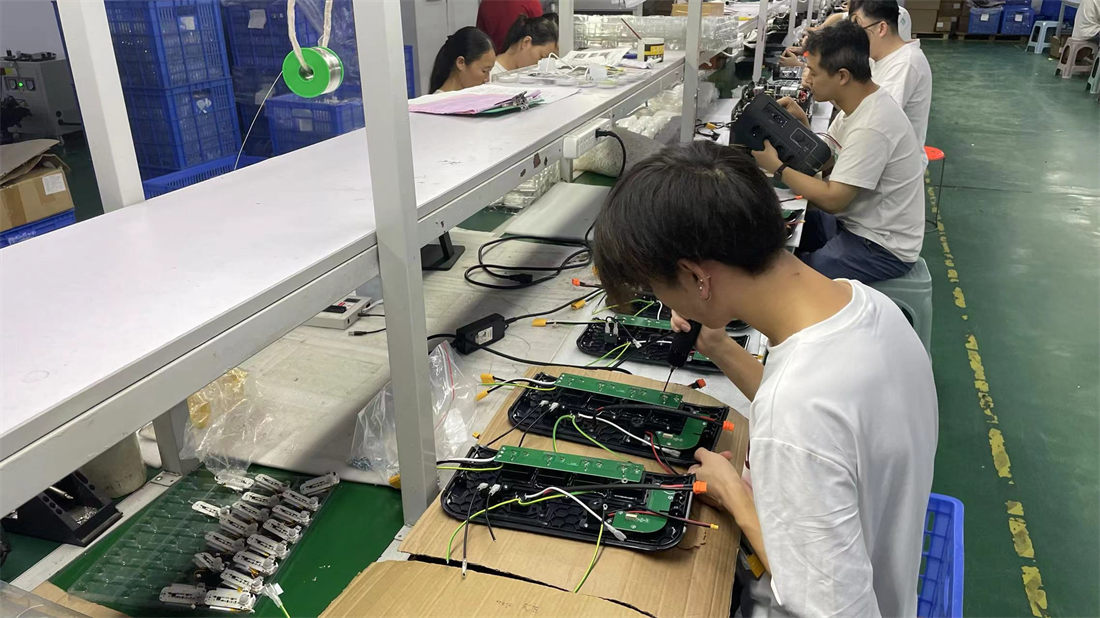
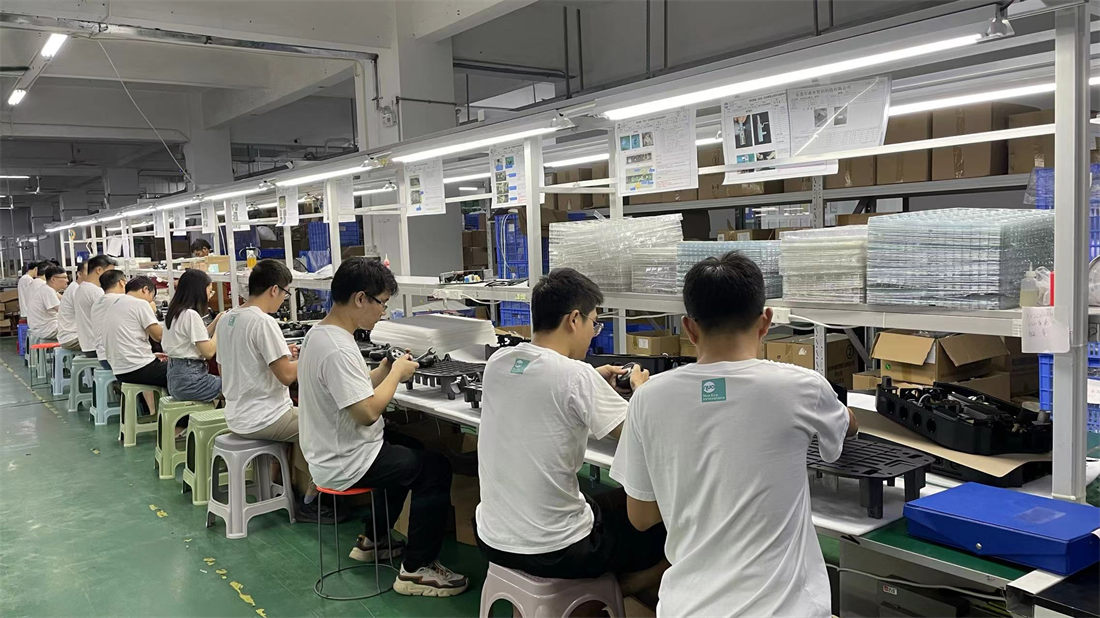
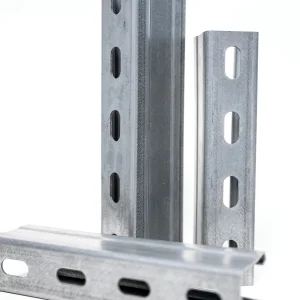
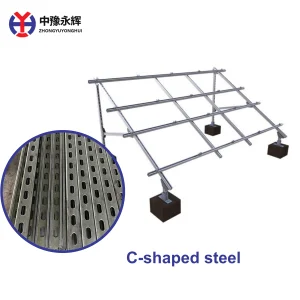
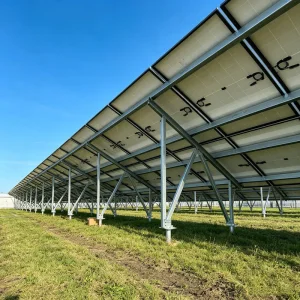
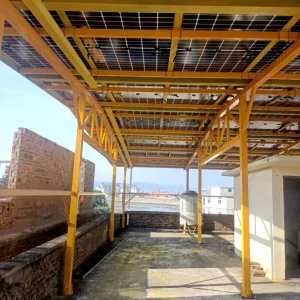
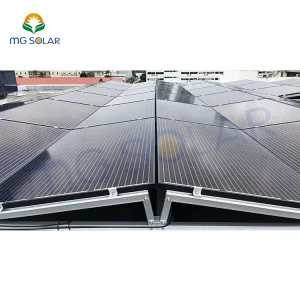
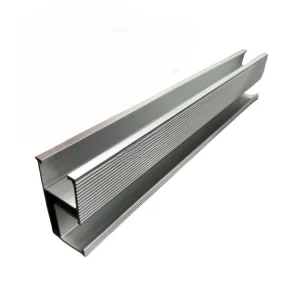
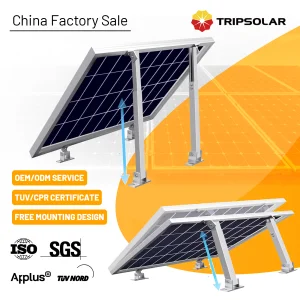
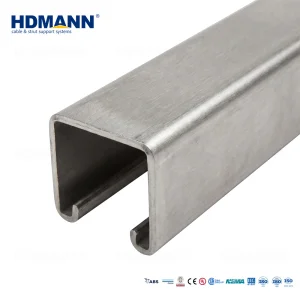
Industrial grade strut channels, Zn-Al-Mg structures, flat roof solutions, and adjustable angle brackets for high-performance installations.
Innovation priorities for Next-Gen PV structure durability in the Middle East.
As utility-scale projects increasingly adopt bifacial solar modules, mounting structures must evolve to minimize rear-side shading. The support tubes and rails must be geometrically optimized to maximize the albedo reflection from sandy soils. Soweglow is refining its design parameters to ensure minimal structural footprint directly beneath the active cells, boosting overall generation efficiency by up to 15%.
Dust deposition (soiling) is a major contributor to output degradation in Riyadh. Most modern installations use robotic cleaning machines. Standard mounts can deform under the extra weight or track alignment of these robots. Our technical team ensures all roof-mount and carport tracks are reinforced to bear the mechanical dynamic weight of cleaning robots, facilitating trouble-free, automated maintenance schedules.
Expert answers addressing regulatory, chemical, and mechanical engineering concerns for KSA solar racking systems.
We recommend Zinc-Aluminum-Magnesium (Zn-Al-Mg) coated steel or anodized aluminum (Al6005-T5). In Riyadh’s desert environment, ground structures encounter alkaline and sulfate-rich soils. Zn-Al-Mg provides self-healing protection along cut edges and boasts superior scratch resistance against windborne dust compared to standard hot-dip galvanized steel.
Yes. Our engineering designs conform to the wind-load parameters specified under SBC 301 (Structural Loads). The mounting arrays are modeled to withstand wind pressures based on basic wind speeds up to 160 km/h, ensuring safety and compliance for municipal utility permits throughout the Riyadh region.
Shenzhen Soweglow Solar Co., Ltd. provides comprehensive documentation needed for the SABER platform. We coordinate the issuance of conformity certificates (CoC) and ensure all product testing matches the technical regulations of the Saudi Standards, Metrology and Quality Organization (SASO).
Absolutely. Our mounting rail profiles and tilt structures are engineered to handle the load specifications of commercial solar cleaning robots, preventing rail deflection and assuring a smooth track interface for autonomous cleaning cycles.
Consult with our structural engineering team to get fully compliant, high-durability solar mounting solutions tailored to your project’s geographical requirements.
 Soweglow Solar