Optimized solar racking architectures designed to withstand extreme wind loads and seismic factors in the Chubu region.
Nagoya and the broader Aichi Prefecture represent the industrial heartland of Japan. Characterized by dense automotive assembly facilities, massive logistics terminals, and coastal manufacturing centers, this region faces a dual challenge: transitioning to net-zero carbon operations while navigating harsh coastal microclimates, high typhoon risks, and strict seismic building codes.
For commercial and utility-scale solar projects in Nagoya, standard racking solutions are insufficient. Racking structures must conform strictly to the JIS C 8955 (Design Guide for Structures for Photovoltaic Array). Key parameters dictating engineering viability in this area include:
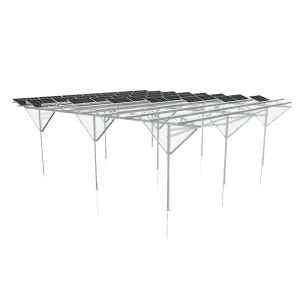
The global renewable energy landscape is shifting away from low-cost, low-grade steel brackets toward highly engineered, smart mounting platforms. The global market is prioritizing fast-deployment mechanisms, agricultural PV (Solar Sharing), and vehicle canopy installations (Solar Carports) to utilize limited land space efficiently.
Furthermore, global supply chains are heavily scrutinized for sustainability and traceability. Component longevity is crucial: replacing failed racking structures mid-lifecycle can double a project's levelized cost of energy (LCOE). Consequently, international developers demand high-precision prefabricated parts that require no field cutting or welding, minimizing labor hours and installation errors on-site.
By sourcing engineering-grade components from specialized Chinese manufacturing hubs like Shenzhen and using them in Japanese projects, developers balance global cost-efficiency with Japanese structural integrity.
Why EPCs and solar project developers in central Japan choose our mounting systems.
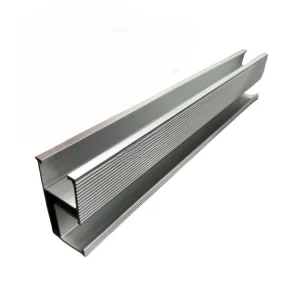
We use high-grade Zinc-Aluminum-Magnesium (ZM) coated steel and high-tensile Al6005-T5 aluminum alloys. ZM coating provides self-healing properties on cut edges, making it ideal for the humid, saline environment of coastal Nagoya.
All system components are pre-assembled and pre-drilled in our factory. This minimizes field labor, prevents corrosion-initiating field operations, and drastically reduces installation timelines for Chubu EPC contractors.
Every project layout undergoes rigorous finite element analysis (FEA). We provide comprehensive mechanical load computations to ensure easy compliance with local Japanese building safety inspectors.
Shenzhen Soweglow Solar Co., Ltd. is a professional manufacturer and supplier specializing in high-performance solar mounting systems, renewable energy solutions, and intelligent solar tracking structures. Strategically located in Shenzhen, China—a premier global technology and advanced manufacturing hub—we deliver engineered mounting systems that balance cost-efficiency with high structural performance.
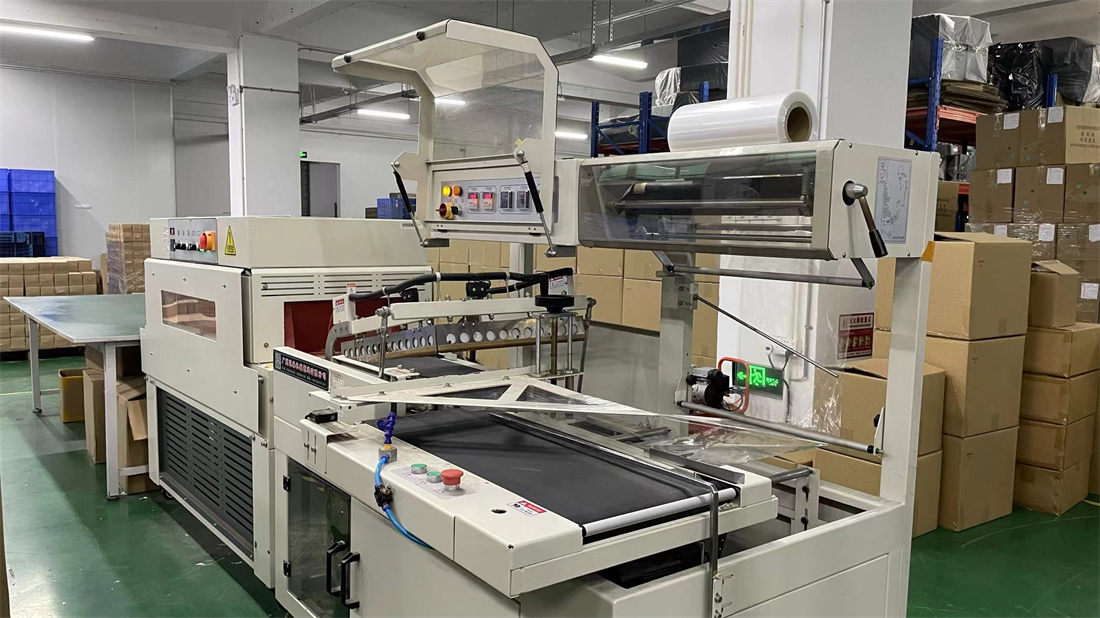
Our core mission is to assist global EPCs, developers, and distributors in scaling clean energy deployment. We achieve this by optimizing the design, manufacturing, and shipping stages of PV support systems. Leveraging Shenzhen's mature industrial ecosystem and deep logistics connections, we ship highly competitive racking systems directly to major global ports, including the Port of Nagoya.
Through automated processing, continuous product testing, and close adherence to target-market standards (such as Japan's JIS regulations), we provide long-term reliability for your solar assets.
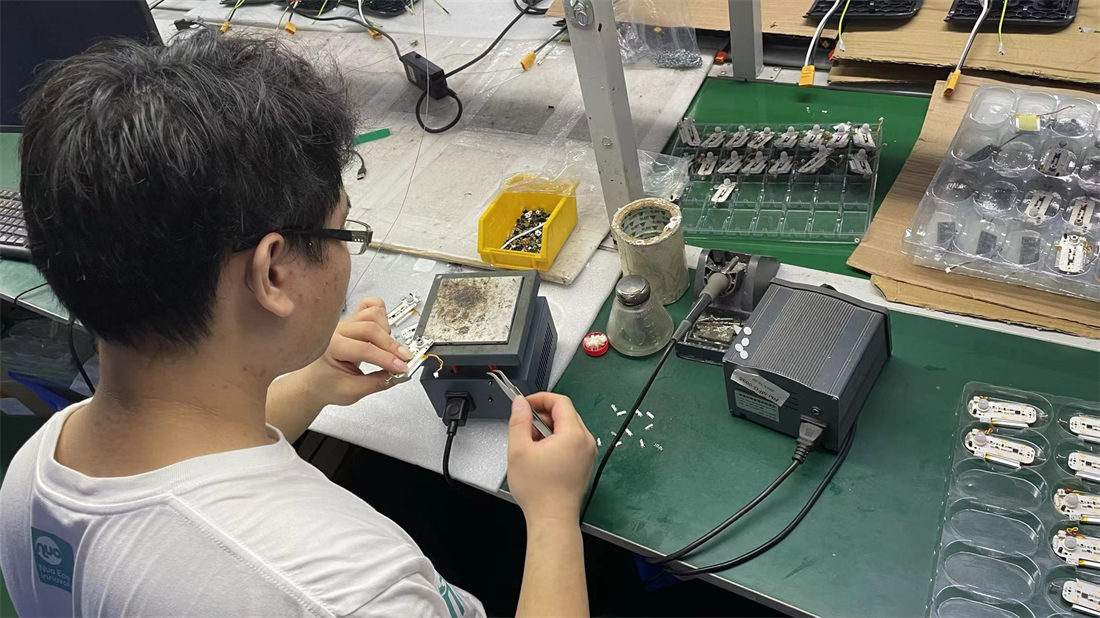
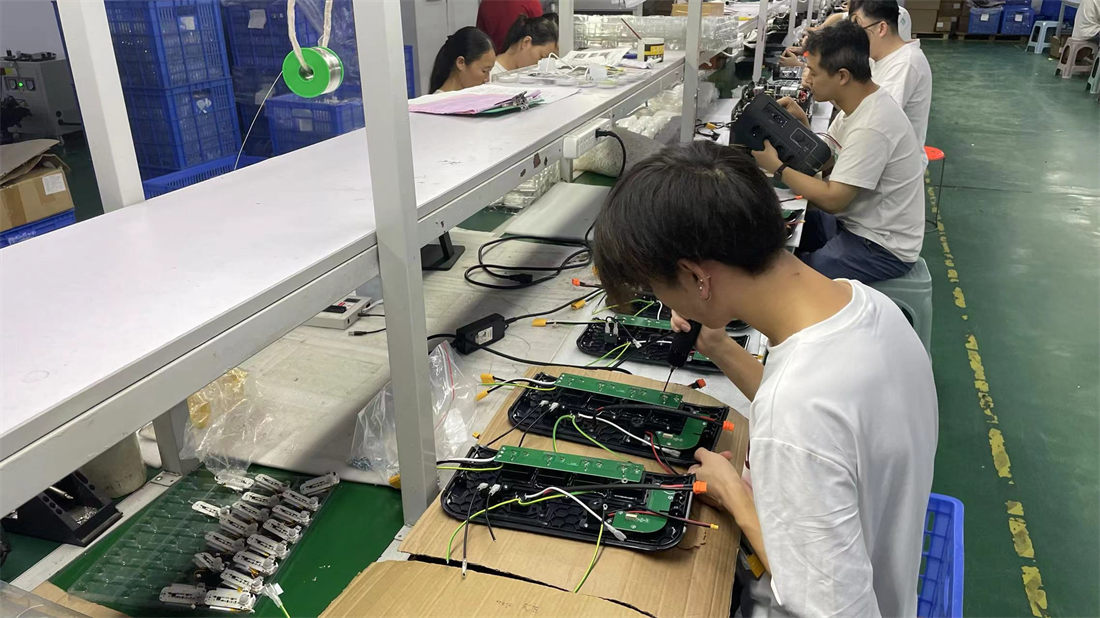
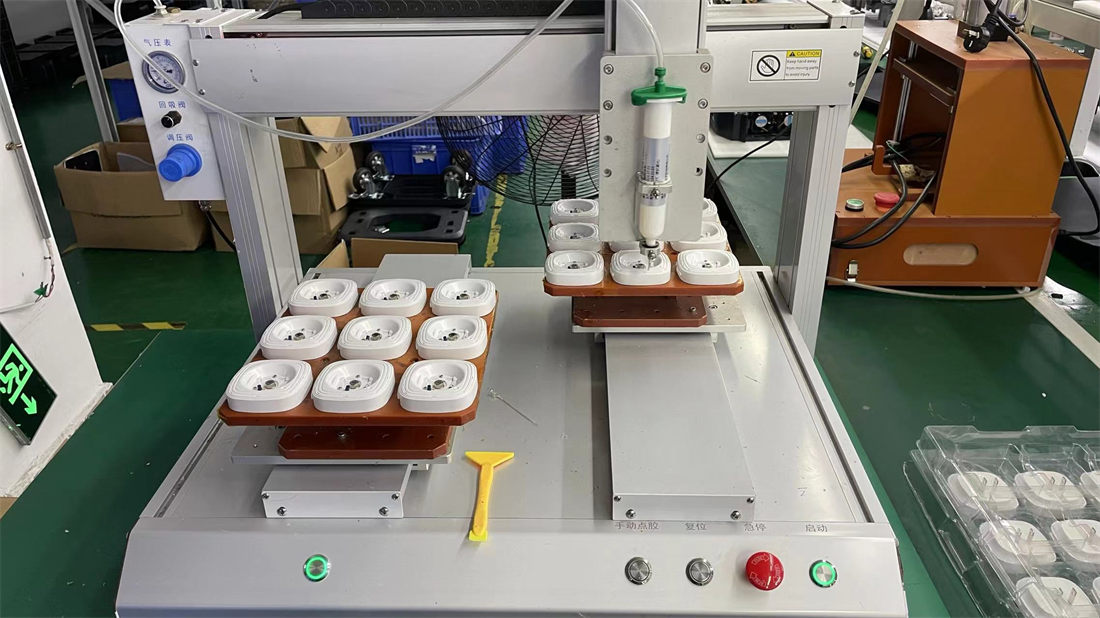
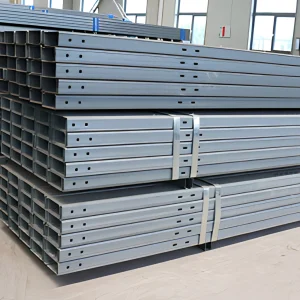
Quality is the foundation of our engineering process. Every component, from raw steel purlins to aluminum clamps, undergoes structural validation at various production stages. We operate under ISO 9001:2015 frameworks to maintain tight tolerances and ensure easy on-site assembly.
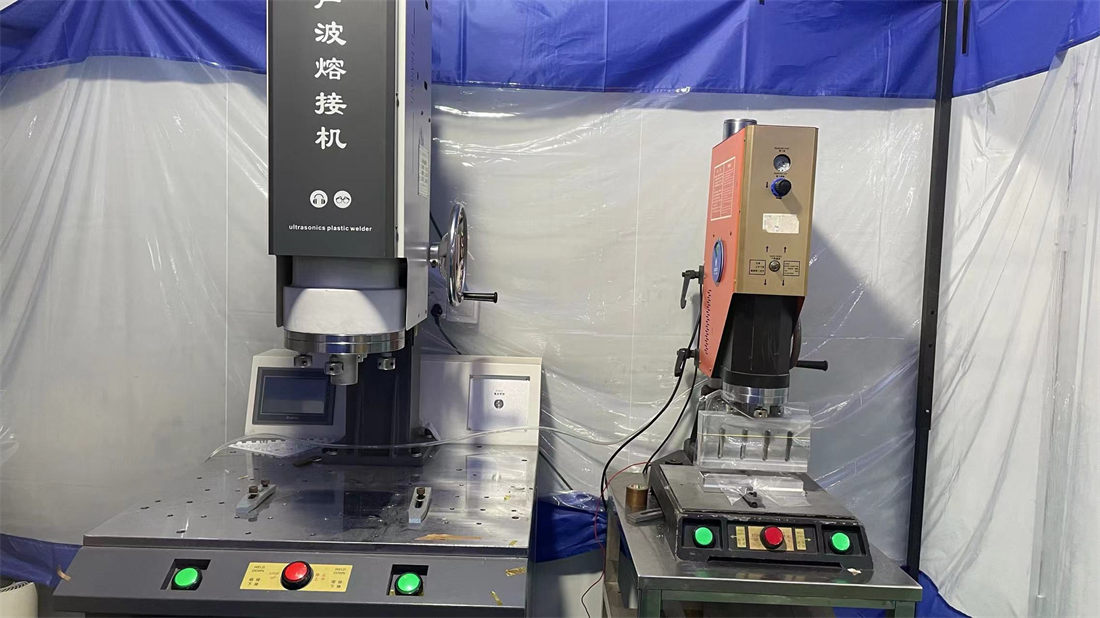
Our testing includes salt spray chambers to evaluate corrosion resistance, tensile strength testers to verify clamp integrity, and simulated mechanical load benches to confirm wind and snow capacity. By validating performance before shipping, we help ensure your projects stay on schedule.
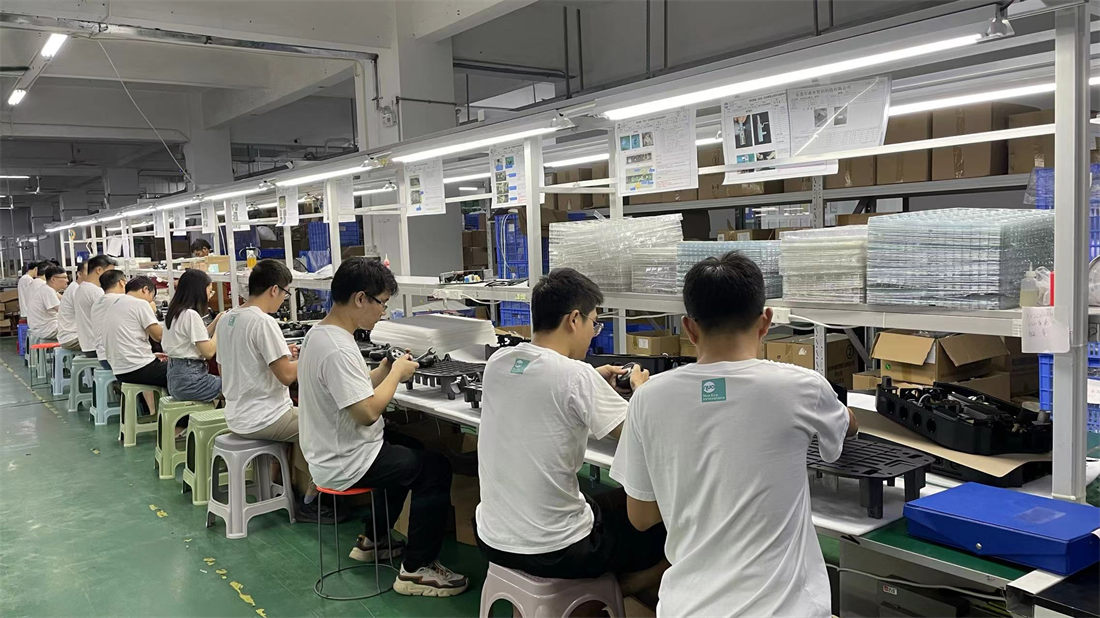
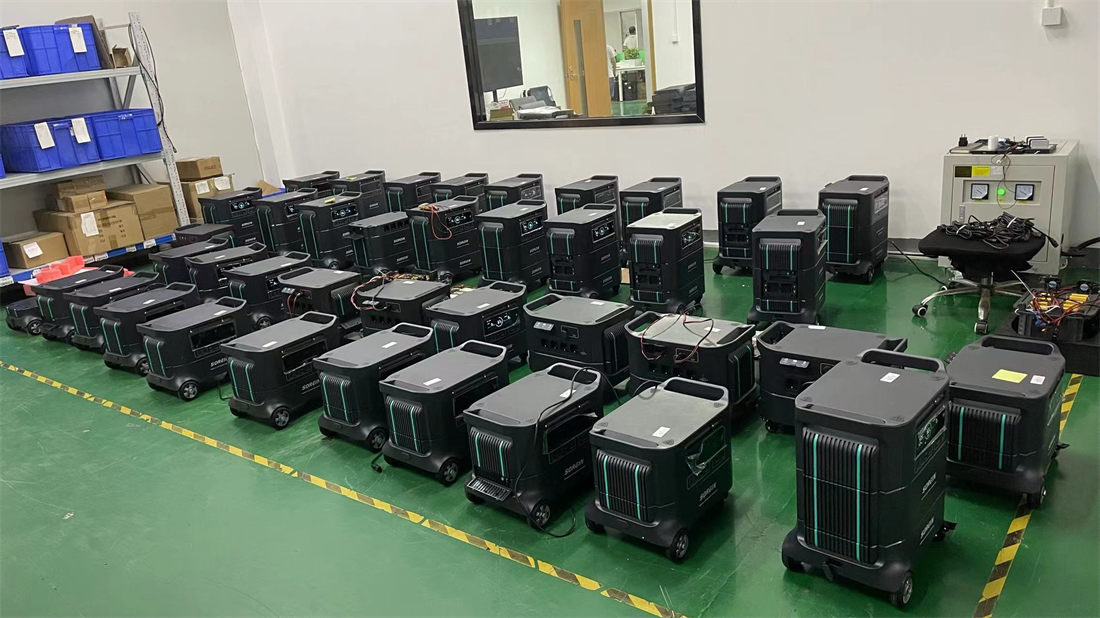
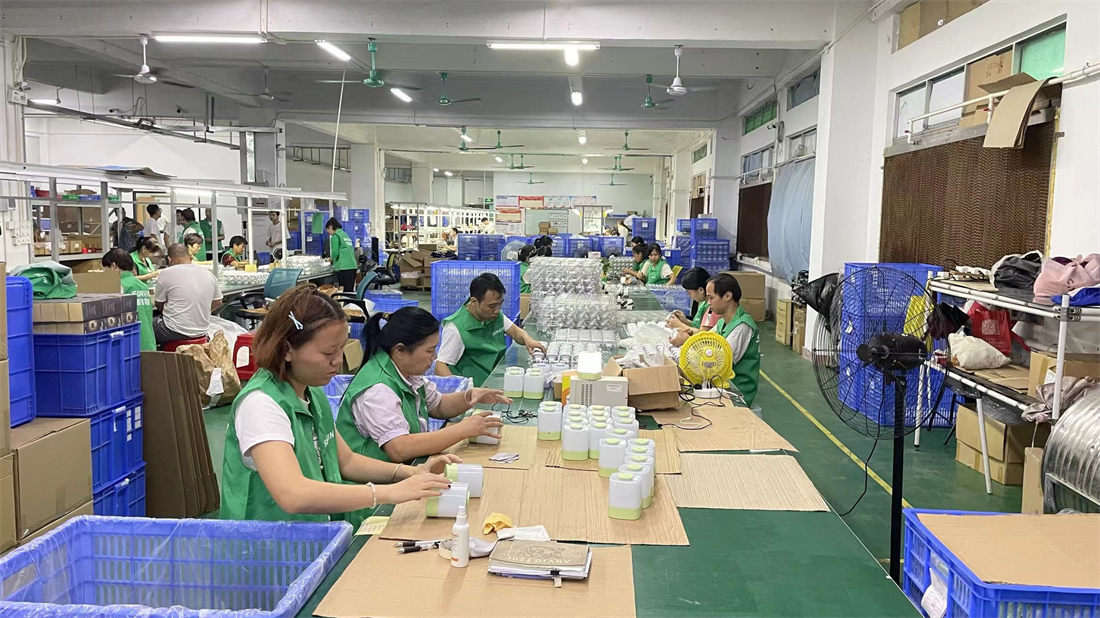
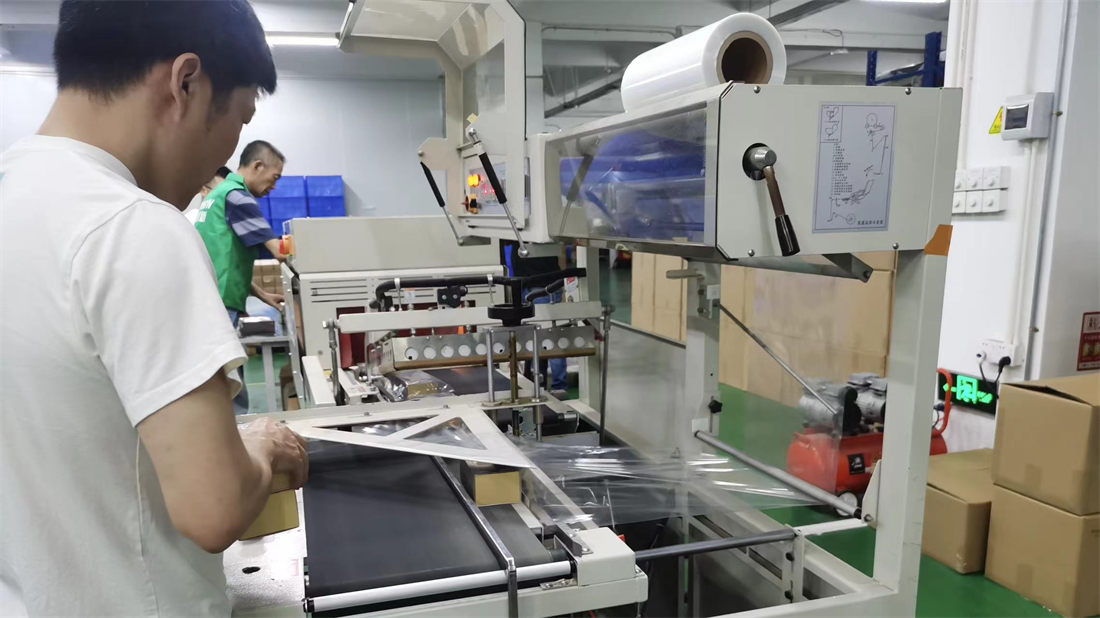
Tailoring structural engineering to the unique geographical and building terrains of Nagoya.
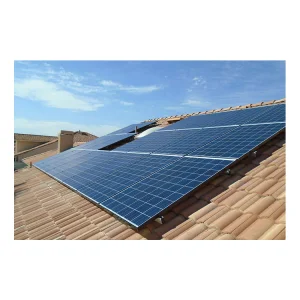
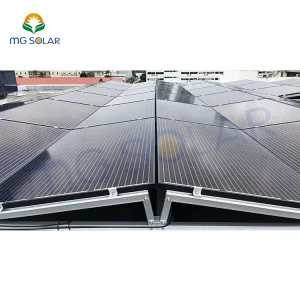
Industrial zones in Aichi Prefecture feature metal folding-plate roofs (folded-plate, corrugated, or standing seam). Our non-penetrating clamping solutions anchor directly to the standing seams. This preserves the building's waterproof integrity while offering strong wind uplift resistance.
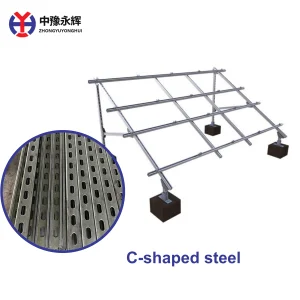
For utility scale installations, ground structures must handle varying soil loads. We supply concrete-free hot-dip galvanized steel ground screw piles. These piles adapt to hilly terrains and varying soil compositions across Chubu, ensuring solid anchorage and faster installation timelines.
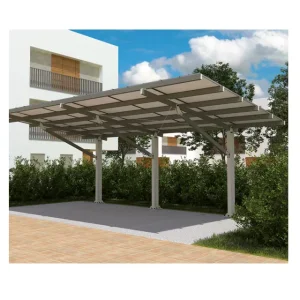
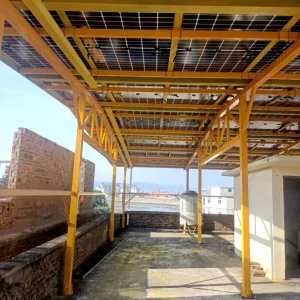
As urban areas in Nagoya seek to optimize parking spaces, commercial carports are a growing segment. Our pre-assembled aluminum carports provide waterproof protection and a clean aesthetic. They are engineered to span wide parking bays while meeting local structural codes.
Technical and logistics questions answered by our engineering team.
A comprehensive range of ground, roof, carport, and tracking structures engineered for high performance.
 Soweglow Solar