Explore our engineering-grade solar hardware manufactured to strict international standards for resilience, efficiency, and real-time app integration.
Analyzing key structural shifts in C&I microgrids, electric vehicle support systems, and next-generation off-grid municipal configurations.
As the international community accelerates toward net-zero decarbonization targets, the demand for decentralized energy infrastructure has shifted from a speculative trend to a strategic economic necessity. In particular, commercial and industrial (C&I) enterprises are facing rising electricity costs, grid instability, and legislative mandates requiring renewable integrations. The installation of modern solar charging stations, microgrid systems, and high-efficiency photovoltaic storage units has become the primary mechanism to mitigate these vulnerabilities.
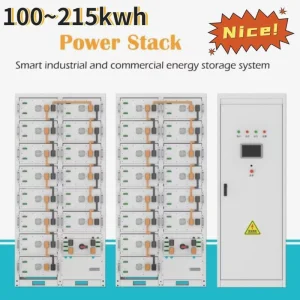
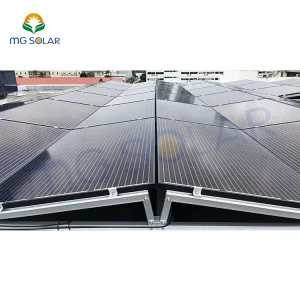
A solar charging station operates at the intersection of local power generation, battery energy storage systems (BESS), and intelligent power distribution. Whether configured to feed municipal light arrays, charge fleet vehicles, or provide backup power to smart utility devices, these systems depend on a sophisticated chain of high-efficiency hardware. By combining top-tier monocrystalline solar panels with advanced MPPT (Maximum Power Point Tracking) controllers and industrial-scale energy storage units (typically in the 100kWh to 200kWh range), enterprises can guarantee uninterrupted operational continuity, even during extended grid blackouts.
Historically, off-grid systems suffered from conversion losses and poor battery management. The integration of high-precision MPPT algorithms has transformed this reality. A modern controller allows dynamically variable voltage matching, capturing up to 30% more energy from a solar array compared to older PWM (Pulse Width Modulation) technologies. Additionally, heavy-duty energy storage integration utilizes Lithium Iron Phosphate (LiFePO4) chemistry to ensure a longer life cycle (often exceeding 6,000 charge cycles at 80% Depth of Discharge), providing a reliable, long-term foundation for commercial operations.
How rigorous assembly processes, automated welding, and advanced quality assurance yield significant cost-to-performance benefits.
China continues to serve as the epicenter of global photovoltaic innovation. Our manufacturing center in Shenzhen leverage a highly integrated local supply chain, giving us access to raw materials, high-grade silicon wafers, industrial semiconductors, and lithium cells within a minimal logistics radius. This geographical efficiency translates directly into faster research cycles, rapid prototyping, and significantly reduced cost-of-goods-sold (COGS) for international enterprise buyers.
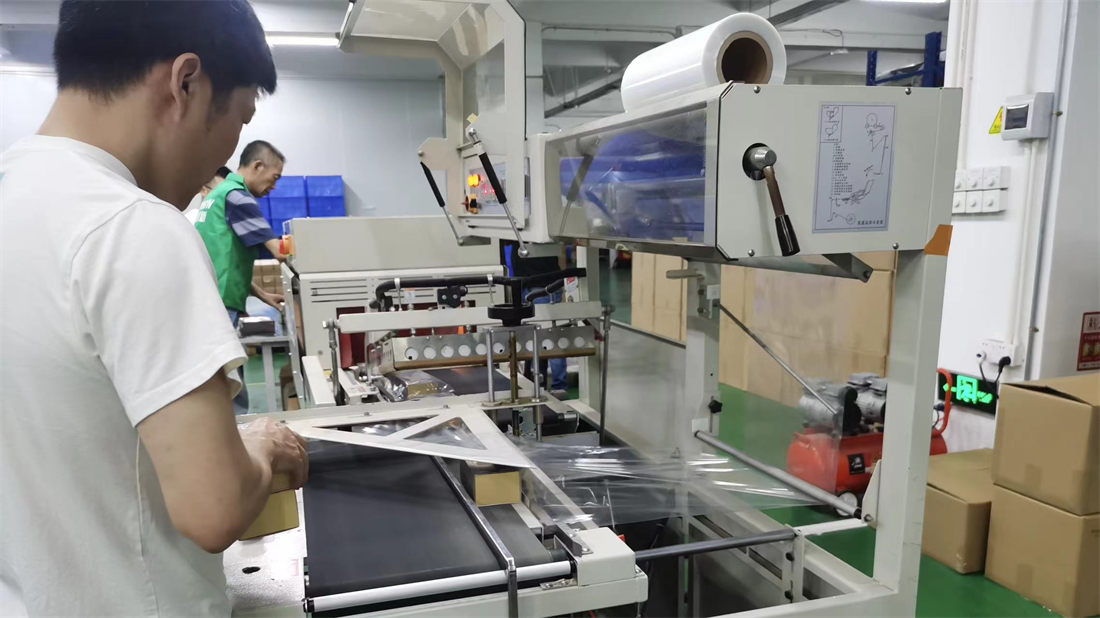
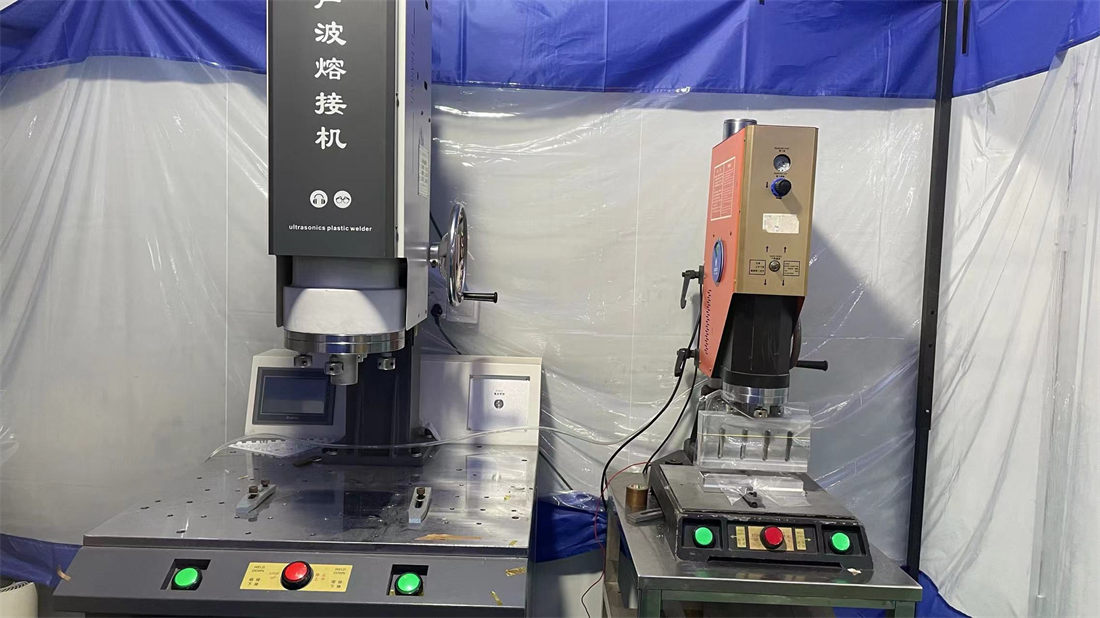
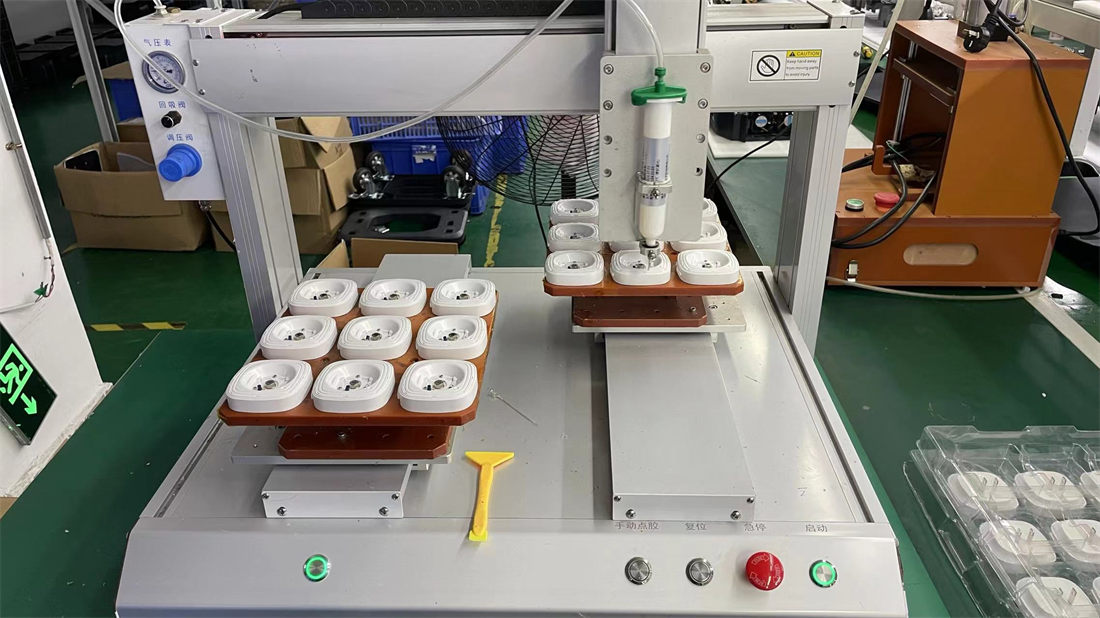
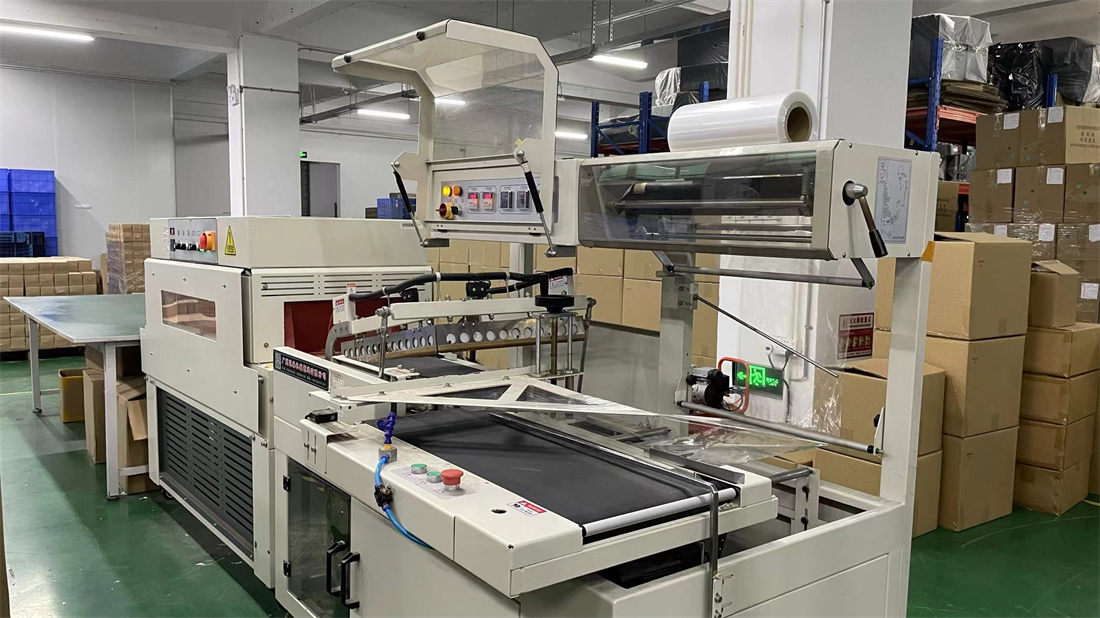
However, cost-efficiency does not mean compromised quality. Modern Chinese solar manufacturing facilities utilize high-precision automation at every critical control point. Automated ultrasonic welding ensures copper-to-aluminum transitions inside battery cells remain stable under thermal expansion. Automatic glue dispensing systems apply silicone sealants with sub-millimeter precision, securing IP65 and IP67 weather-proofing on outdoor light housings and junction boxes. The assembly line is backed by automated film shrinking equipment that preserves component purity, preventing moisture ingress prior to final packaging and global shipping.
Ultrasonic welding and robotic glue dispensing minimize human error, maintaining tight tolerances and mechanical durability.
Every solar array and battery storage module undergoes extended aging and high-load testing to prevent premature cell degradation.
Shenzhen's shipping infrastructure ensures fast transit times, secure export processing, and complete compliance documentation.
To operate reliably in harsh outdoor environments, solar hardware must withstand extreme conditions—ranging from high UV radiation in arid deserts to salt mist in coastal marine settings. At Soweglow Solar, our quality management framework involves complete physical inspections, electroluminescence (EL) testing to detect micro-cracks in monocrystalline cells, and high-temperature environmental chamber aging tests. By subjecting components to simulated long-term stress, we ensure that our products deliver their rated performance over decades of operation.
From N-Type bifacial solar cells to flexible PV modules, explore the key technologies powering modern clean energy systems.
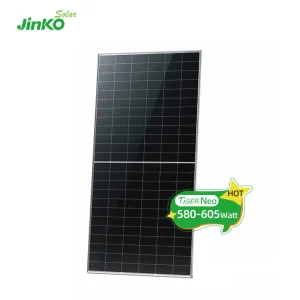
The transition toward highly integrated solar charging stations is driven by continuous innovations in material science and power electronics. The adoption of N-Type monocrystalline silicon, pioneered by industry giants like Jinko, has achieved standard commercial efficiencies exceeding 22%. Compared to traditional P-type cells, N-type wafers exhibit lower light-induced degradation (LID) and perform significantly better under high-temperature conditions due to a lower temperature coefficient. Additionally, bifacial N-type designs capture reflected light from the ground (albedo effect), increasing energy yields by up to 25% depending on the mounting surface.
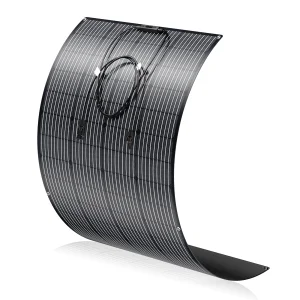
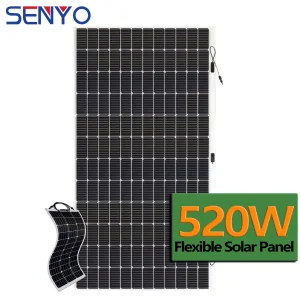
At the same time, structural and aesthetic demands have driven the evolution of thin-film and semi-flexible solar panels. Utilizing ETFE (Ethylene Tetrafluoroethylene) encapsulation, modern flexible panels offer a lightweight alternative to glass modules without compromising UV stability. These flexible panels can be installed on curved roofs, vehicle canopies, and lightweight steel structures where traditional rigid racks are impractical. In off-grid setups, these flexible systems work alongside ultra-efficient MPPT charge controllers to maximize energy capture, enabling remote devices to operate independently of the primary electrical grid.
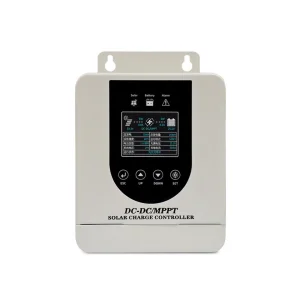
Unlike standard PWM controllers, which pull down panel voltage to match the battery level, Maximum Power Point Tracking (MPPT) continuously monitors the panel array's current and voltage. It dynamically calculates the optimal operating point to maximize power transfer to the battery. This optimization is particularly crucial in variable weather conditions, where shading or temperature fluctuations can dramatically alter the solar array's power curve.
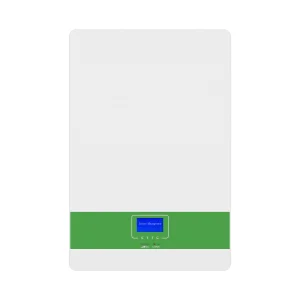
For high-capacity commercial charging setups, solar power must be buffered by an intelligent battery system. Hybrid storage solutions in the 100kWh to 200kWh capacity range serve as the core energy reserve. These systems feature smart Battery Management Systems (BMS) that balance cell voltages, regulate temperature, and communicate with external energy platforms via RS485 or CAN bus protocols. This enables seamless integration with grid power, commercial loads, and EV charging stations, allowing operators to optimize energy consumption and reduce demand charges.
Discover how modern solar energy components are configured to solve unique engineering challenges in real-world environments.
Industrial and municipal solar installations require tailored engineering solutions to meet specific site requirements. Clean energy hardware must adapt to diverse applications, including smart city security networks, off-grid public lighting, and remote monitoring arrays. Below are three key scenarios where our products are currently deployed:
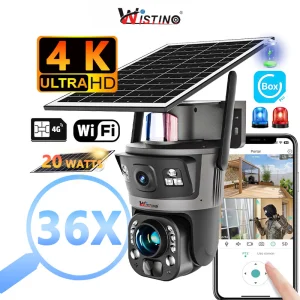
Modern remote security systems require reliable, continuous power. Standard CCTV systems installed along highways or remote facility perimeters require grid connections that are often cost-prohibitive. By pairing a high-capacity solar street light with a 4G-enabled PTZ camera and motion sensors, installers can deploy self-contained security hubs. These units capture and store enough power during the day to run the camera, wireless transmitter, and motion-activated LED array throughout the night, even during extended periods of overcast weather.
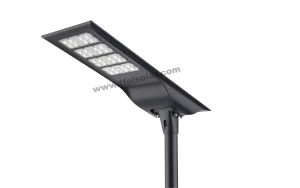
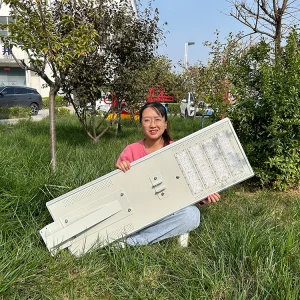
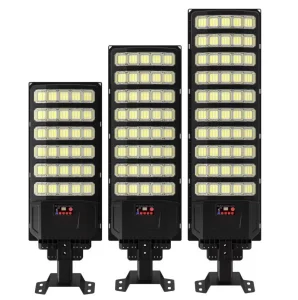
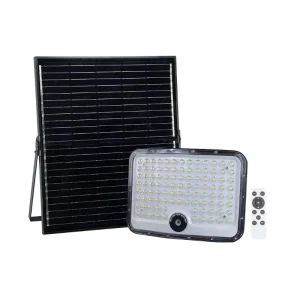
Municipal street lighting accounts for a significant portion of local government energy costs. High-brightness solar street lights, equipped with integrated lithium batteries and motion sensors, offer a cost-effective alternative to traditional grid-tied systems. These lights operate at low power levels when no activity is detected, instantly scaling up to full brightness when motion sensors are triggered. This power management, combined with IP65-rated weather protection, ensures consistent illumination while reducing municipal grid load and eliminating the need for costly underground trenching.
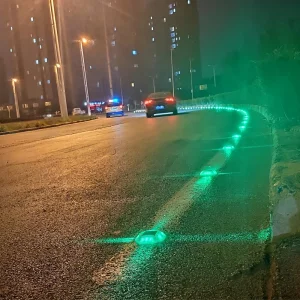
Highways, pipelines, and agricultural installations require remote sensors and indicators to manage traffic and monitor environmental conditions. Solar road studs and LED pavement markers provide active visibility in hazardous driving conditions without requiring external power lines. These durable markers are designed to withstand heavy wheel loads, storing solar energy in the day and illuminating roads at night. Similarly, industrial telemetry arrays use compact flexible panels and MPPT controllers to power environmental sensors in remote areas, ensuring consistent data transmission without maintenance visits.
A professional manufacturer of renewable energy products, intelligent solar lighting systems, and customized clean energy storage solutions.
Based in Shenzhen, China—a global hub for clean technology and manufacturing—Shenzhen Soweglow Solar Co., Ltd. is a specialized manufacturer and supplier of clean energy products, solar lighting solutions, and industrial-grade storage systems. Over years of focused operation, we have developed a comprehensive product lineup designed to meet the technical demands of international buyers in Europe, the Americas, Africa, Southeast Asia, and the Middle East.
Our engineering team has extensive experience in photovoltaic systems, MPPT charge controllers, lithium battery storage integration, and international quality compliance. We invest in research and development to ensure our products meet evolving industry standards, providing our global partners with reliable, cost-effective clean energy hardware.
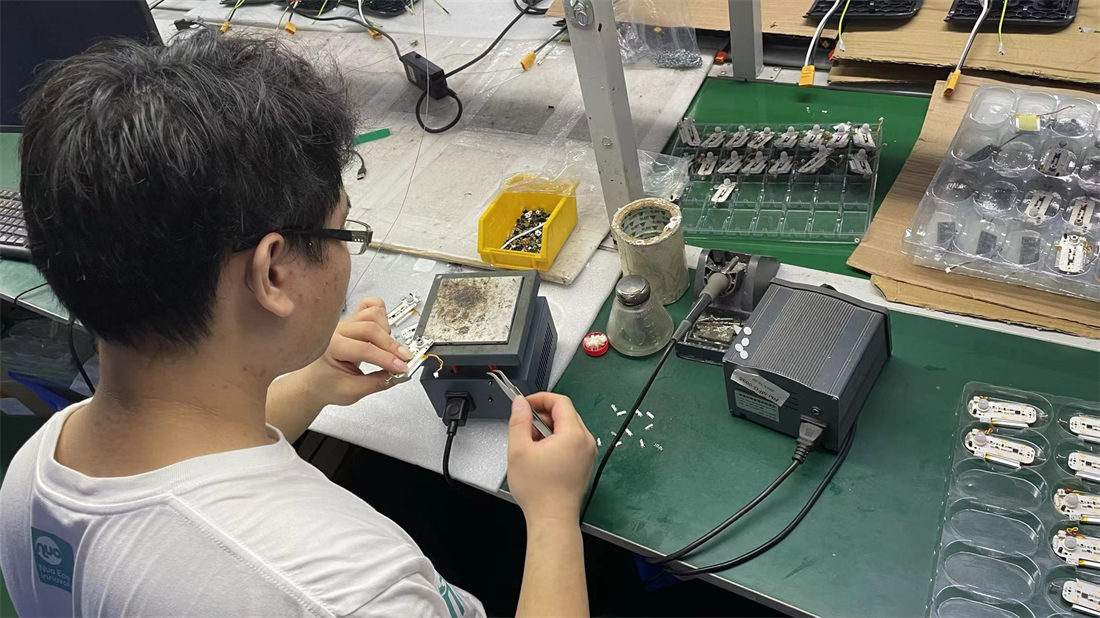
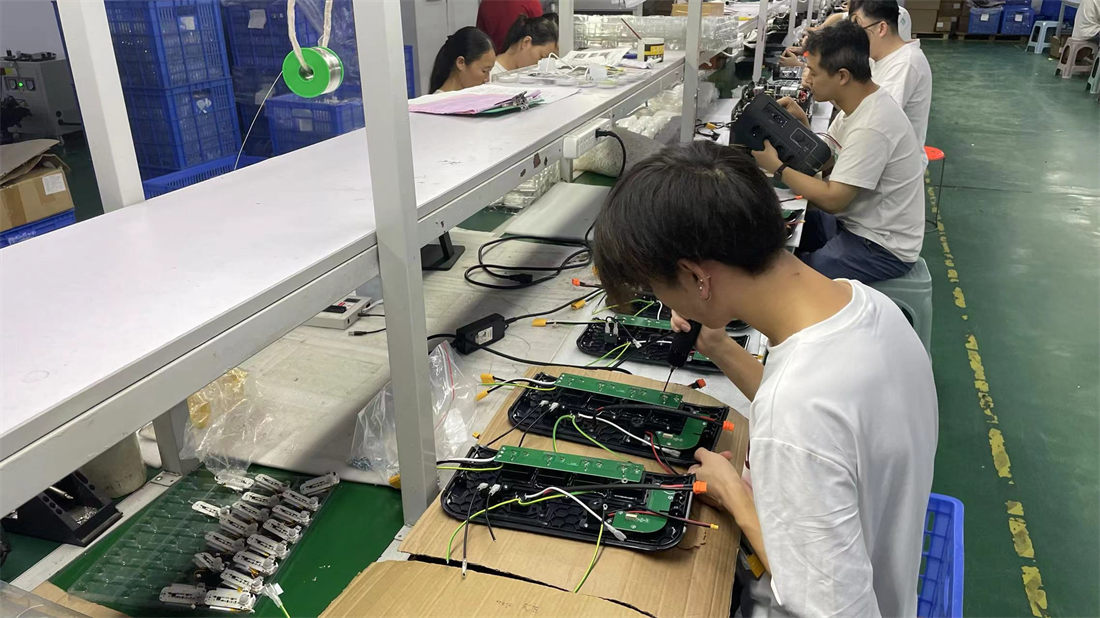
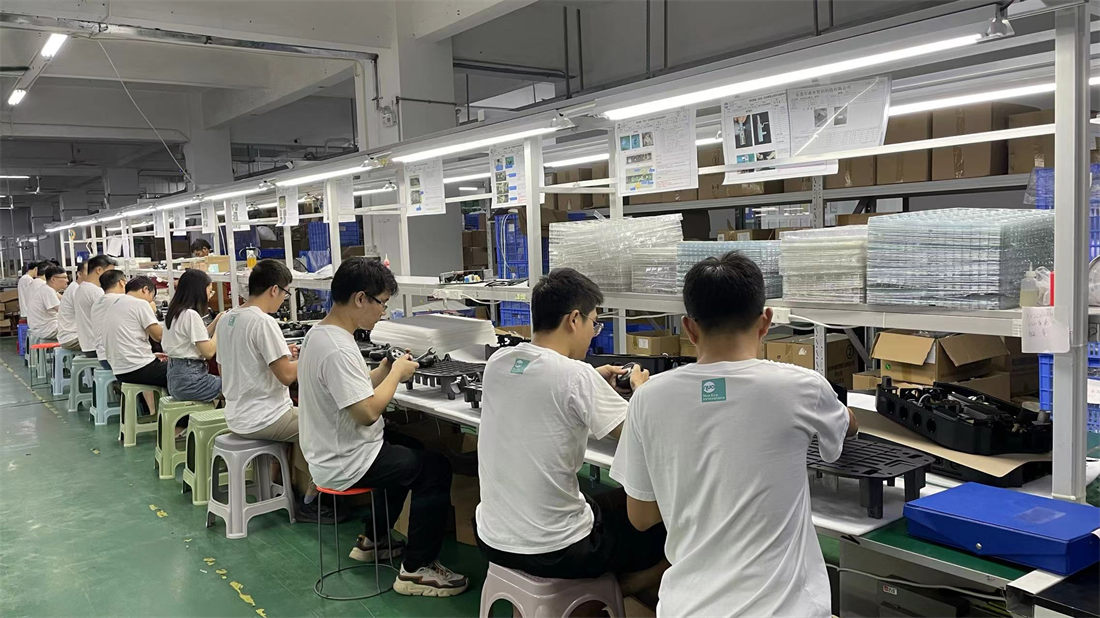
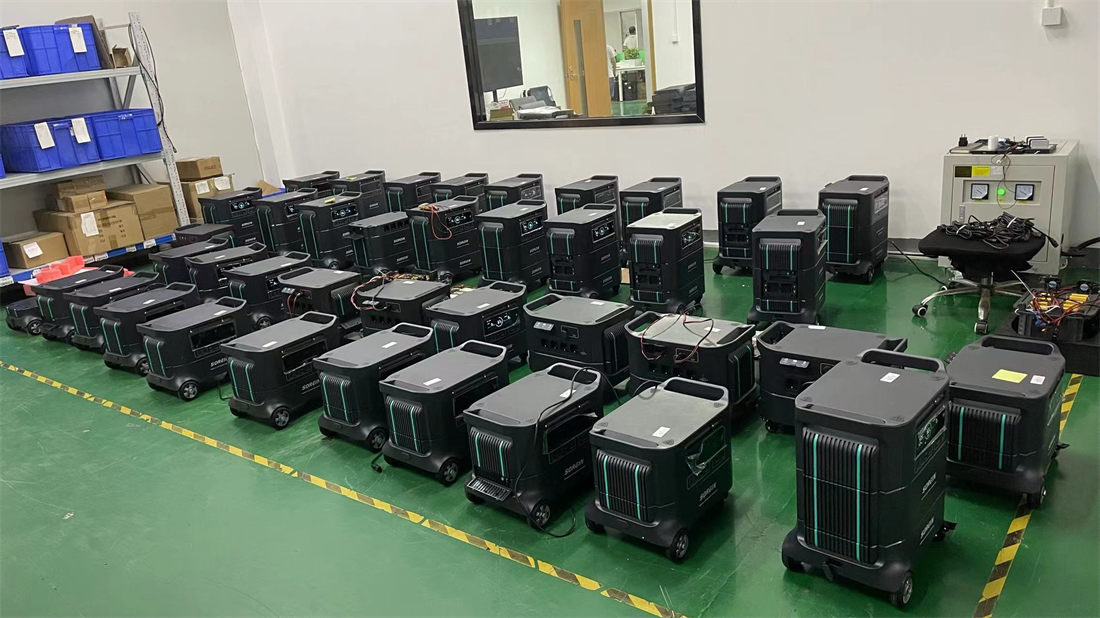
We maintain quality control at every stage of the production process. Below is an overview of our manufacturing facilities and testing protocols, ensuring that every shipped unit meets our performance standards:

Key guidelines for enterprise sourcing managers, project developers, and engineering, procurement, and construction (EPC) contractors.
When sourcing solar hardware for commercial projects, procurement managers must evaluate several technical metrics to optimize long-term return on investment (ROI). Analyzing Levelized Cost of Energy (LCOE), hardware compatibility, and certification compliance helps minimize operational risks. Here is our recommended checklist for evaluating potential suppliers:
Detailed answers to common technical, manufacturing, and logistical questions raised by project engineers and procurement managers.
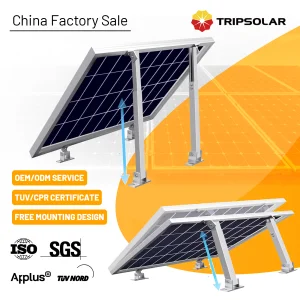
Browse our selection of commercial-grade solar panels, structural mounting kits, and integrated surveillance hardware.
 Soweglow Solar