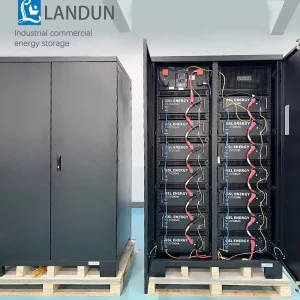
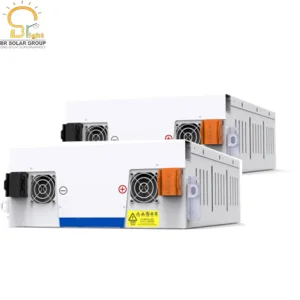
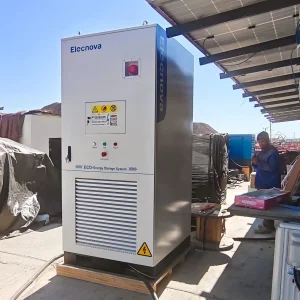
Optimized for rapid grid synchronization, local utility compliance, and superior levelized cost of storage (LCOS).
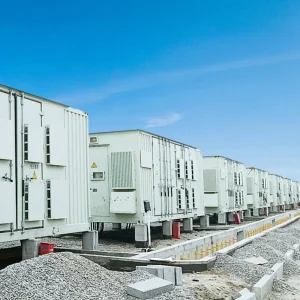
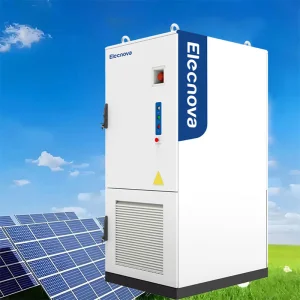
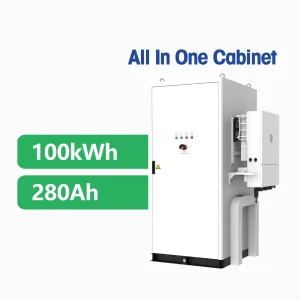
France is undergoing an unprecedented energy transition. Under the framework of the Programmations pluriannuelles de l'énergie (PPE) and the European Union's REPowerEU mandate, the country is rapidly shifting its energy mix. While nuclear power historically dominated France’s grid, the increasing variability of climate cycles and the integration of large-scale renewable resources have highlighted the urgent need for flexible, high-capacity energy storage systems (BESS).
Decentralized energy storage is no longer just an optional configuration for self-consumption; it has become a structural requirement. Grid operator RTE (Réseau de Transport d'Électricité) and distribution network operator Enedis are implementing stricter grid codes to manage the injection of solar power, particularly in southern regions like Provence-Alpes-Côte d'Azur and Occitanie, which experience intense solar generation periods. By deploying advanced battery storage, French commercial and industrial (C&I) enterprises can avoid grid congestion penalties, optimize their connection capacity (puissance souscrite), and participate in profitable grid frequency containment reserves (FCR).
With the gradual phasing out of historically subsidized tariffs (like ARENH) and the rising volatility of peak-load electricity prices in the European spot market, French businesses face rising operational expenditures. Installing an on-site solar storage system allows for peak shaving (effacement de pointe), shifting consumption from high-tariff hours to solar generation windows, and ensuring 100% operational resilience during grid outages.
Exporting energy storage solutions to France requires a deep understanding of local environmental and electrical engineering standards. Soweglow Solar's product architecture is designed with three core pillars: durability, safety, and smart integration.
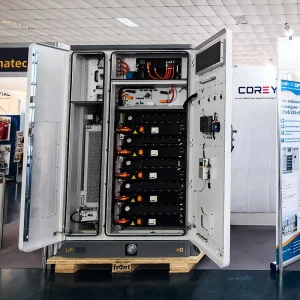
We utilize exclusively Lithium Iron Phosphate (LiFePO4) chemistry. LFP is recognized under European safety frameworks as the safest lithium-ion technology, offering high thermal runaway thresholds and an exceptional service life exceeding 6,000 cycles at 80% DOD.
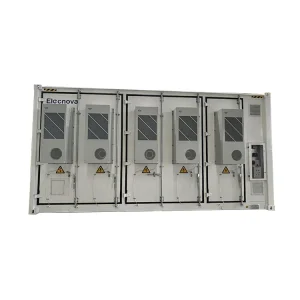
Our large ESS containers are equipped with smart HVAC or liquid-cooling chillers. Liquid cooling delivers temperature uniformity within ±2°C across the modules, drastically extending battery health in varying French microclimates from the north to the south.
Our localized Energy Management System (EMS) supports Modbus TCP, CAN, and IEC 61850 protocols, allowing seamless communication with French building management networks and external virtual power plants (VPPs).
Deploying energy storage in France requires strict alignment with European and national safety and grid-connection codes. At Soweglow, we guarantee complete certification transparency:
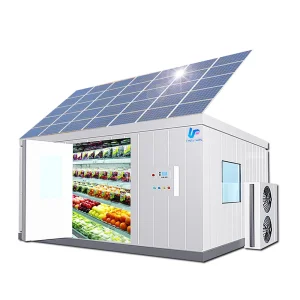
Designed for commercial agricultural storage, logistics, and high-ambient temperature environments.
Shenzhen Soweglow Solar Co., Ltd. is a professional and reliable manufacturer and supplier specializing in solar energy products, renewable energy solutions, and intelligent solar lighting systems. Located in Shenzhen, China, one of the world's most innovative and dynamic technology hubs, we have been committed to the solar industry for many years, providing high-quality products and customized energy solutions to customers worldwide.
Driven by the mission of promoting clean energy and sustainable development, Soweglow Solar focuses on delivering efficient, environmentally friendly, and cost-effective solar products that help reduce energy consumption and carbon emissions. Through continuous innovation, strict quality control, and customer-oriented service, we have established long-term partnerships with clients across Europe, North America, South America, Africa, Southeast Asia, and the Middle East.
Our experienced team possesses extensive expertise in solar lighting, photovoltaic systems, energy storage solutions, project management, manufacturing, and international business. We continuously invest in research and development to ensure our products meet evolving market demands and international quality standards.
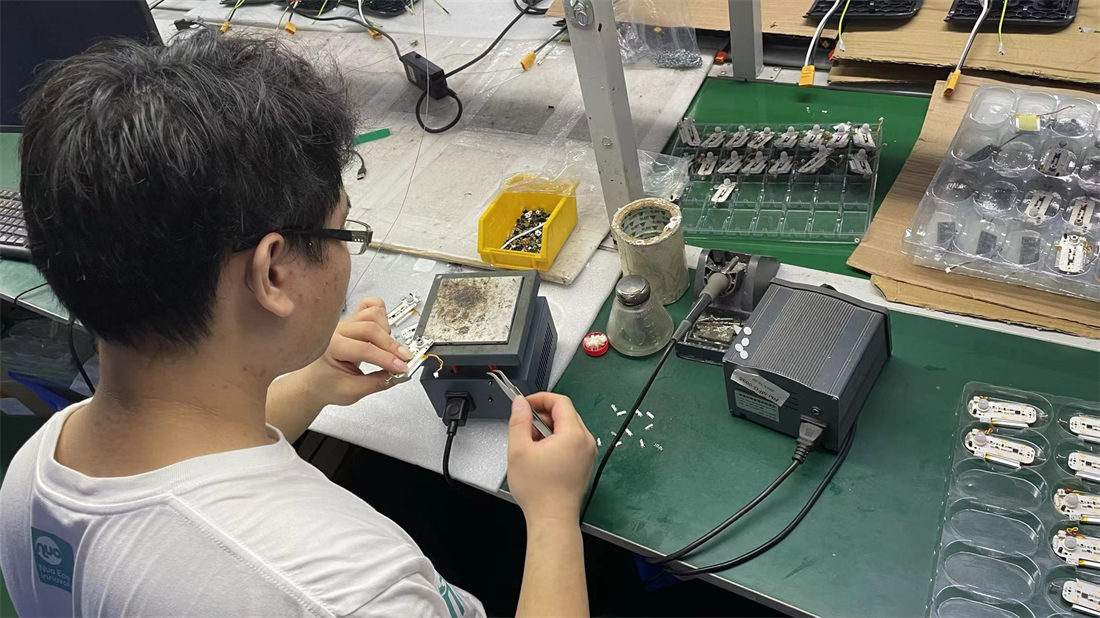
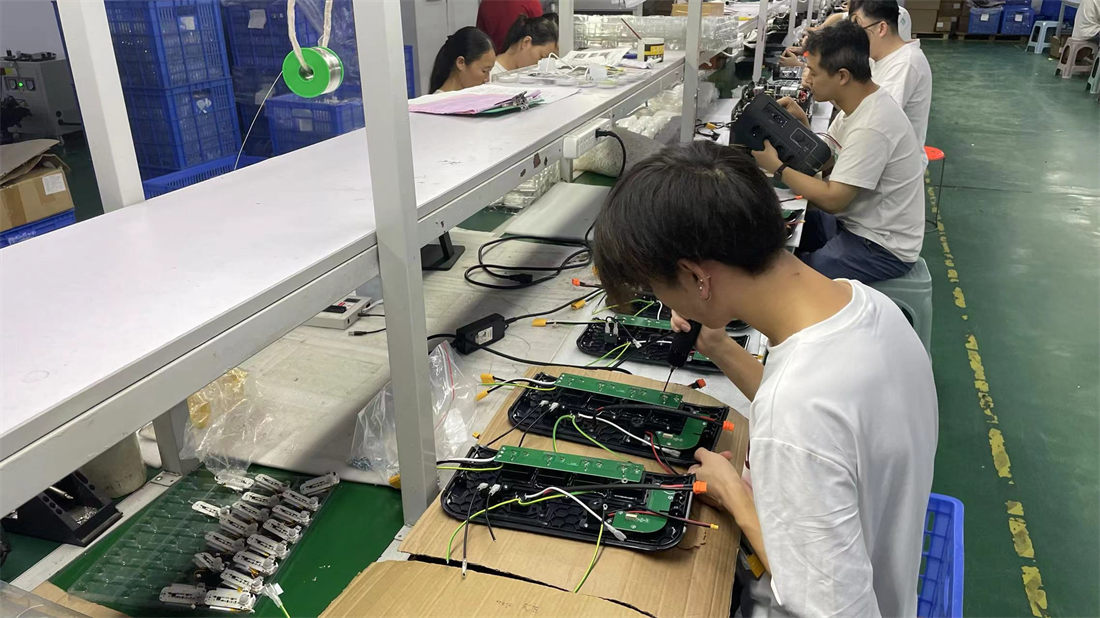
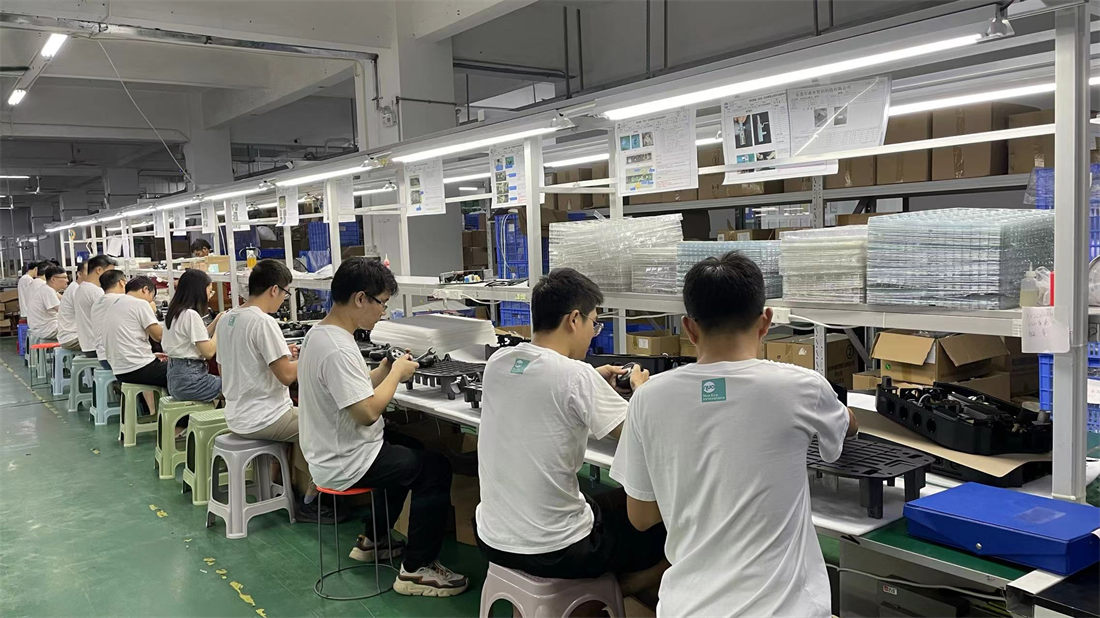
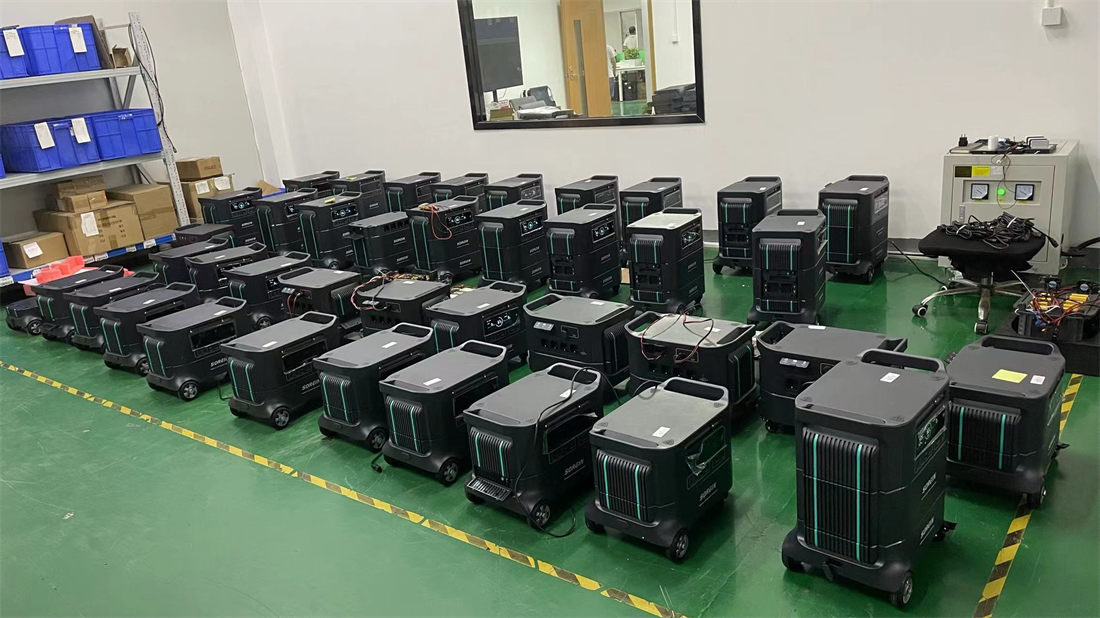
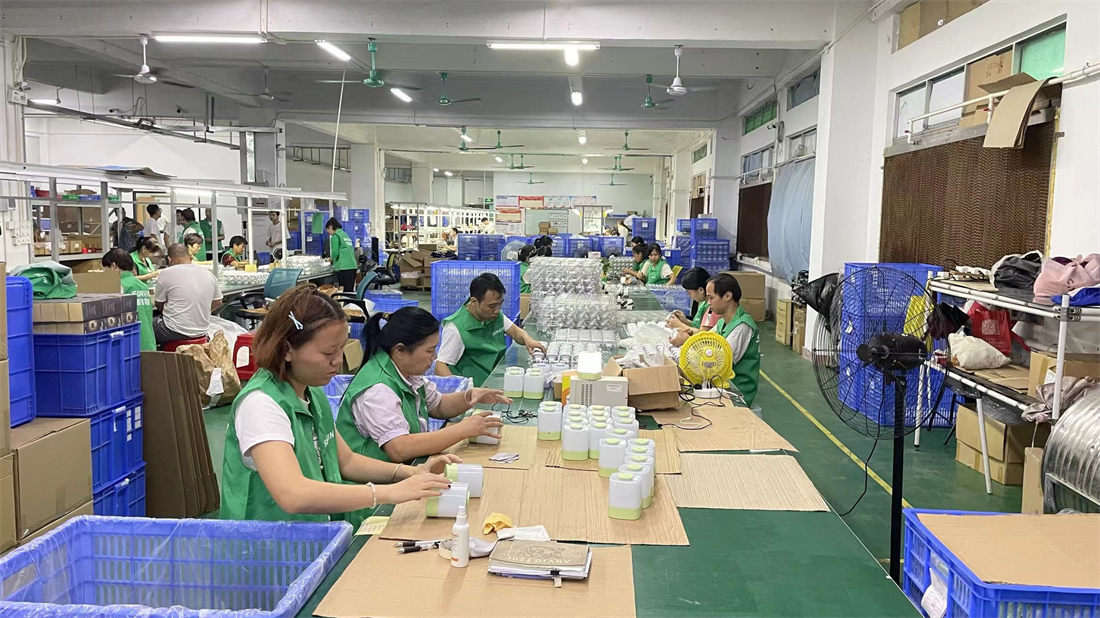
To serve demanding international markets like France, Soweglow Solar relies on our modern manufacturing base in Shenzhen. Engineered as a smart Factory 4.0, our manufacturing facility operates under comprehensive quality management systems to ensure product reliability, safety, and long service life. By integrating advanced automation, we maintain strict consistency in cell balancing, module structural integrity, and high-voltage circuit safety.
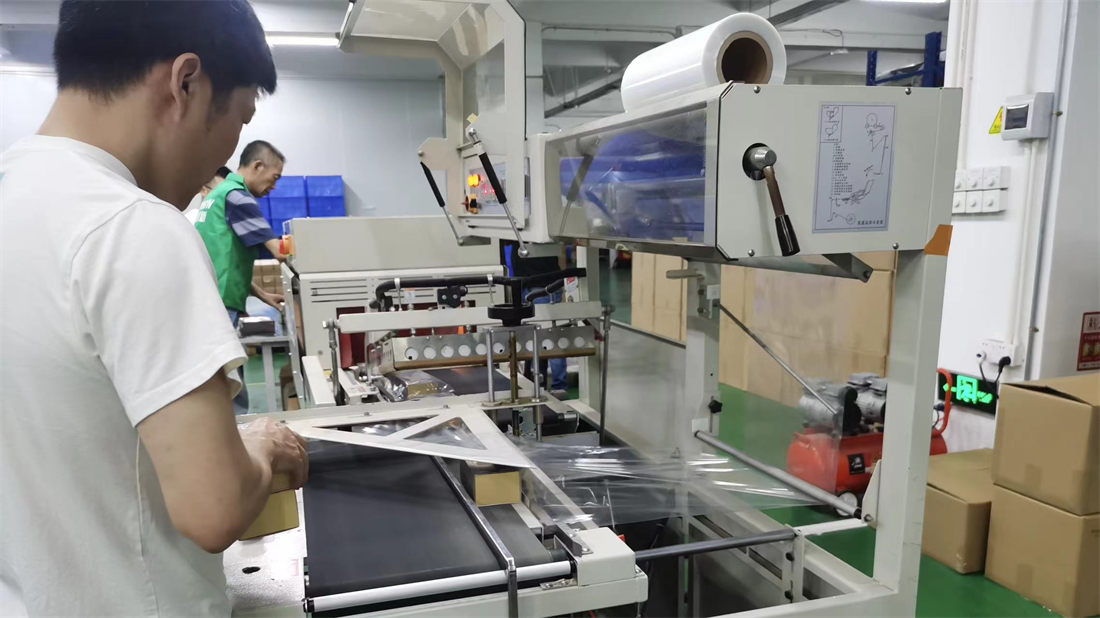
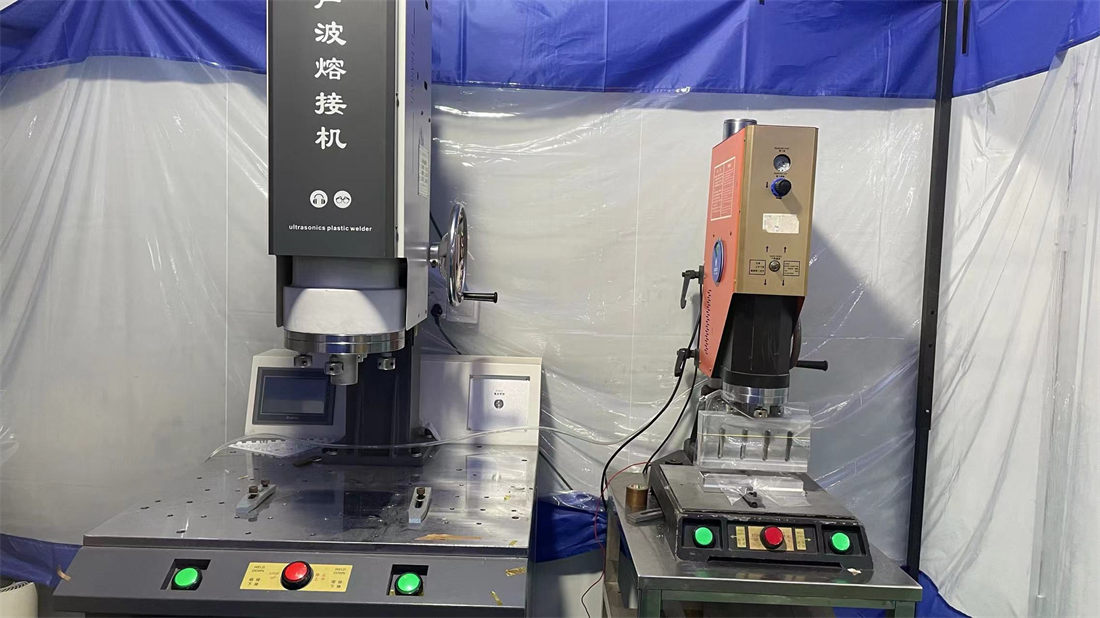
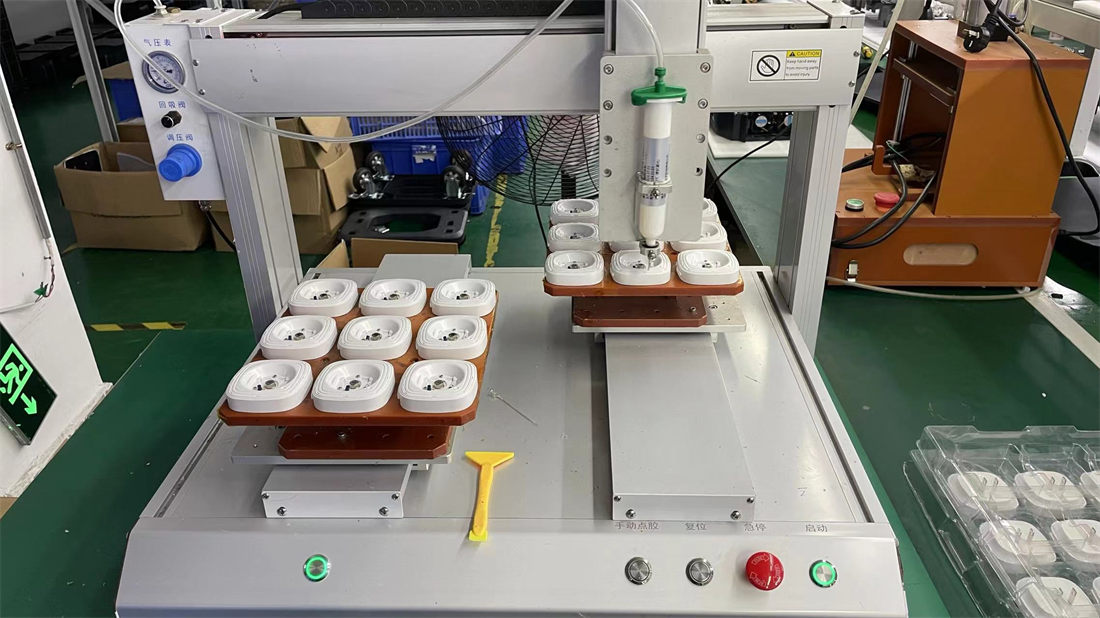
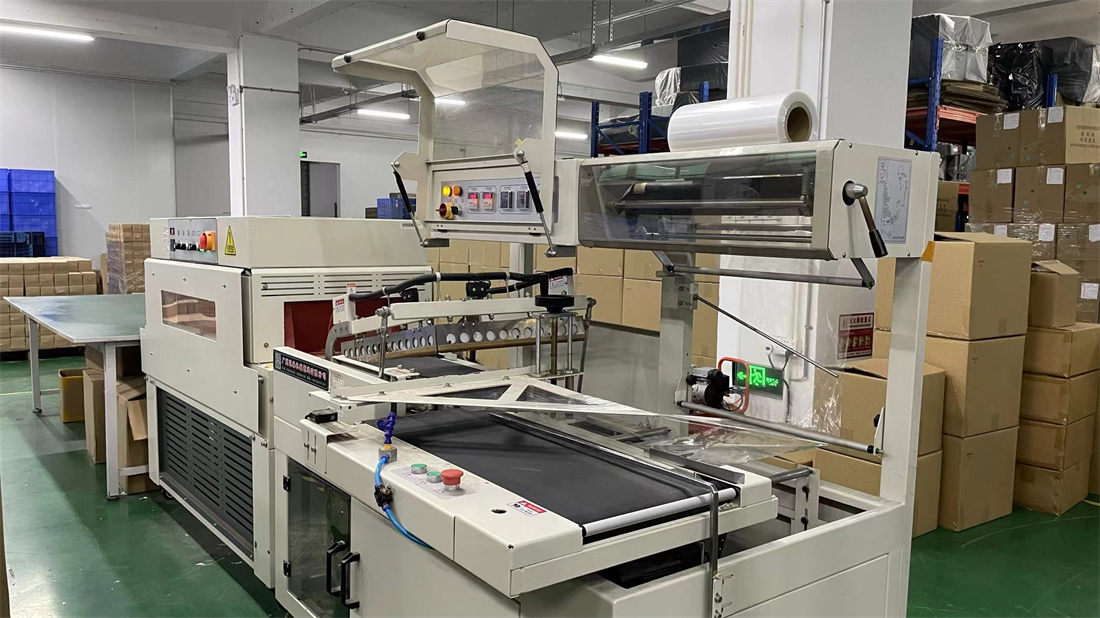
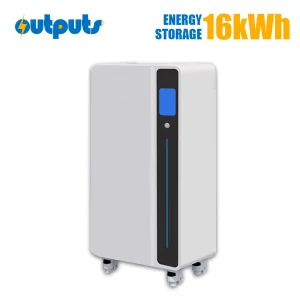
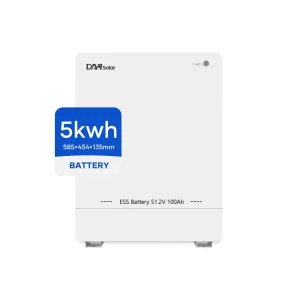
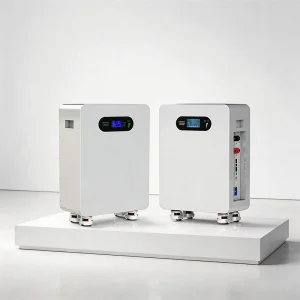
Scalable low and high voltage solutions customized for French homes, distributors, and decentralized projects.
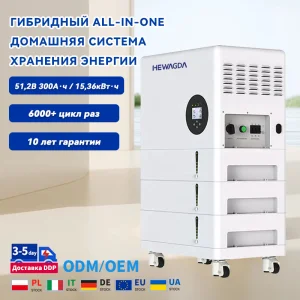
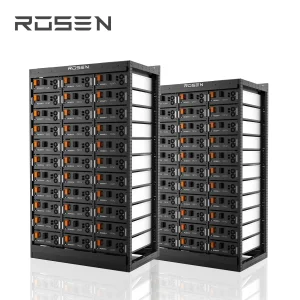
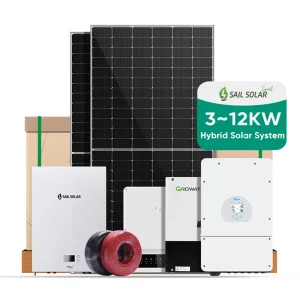
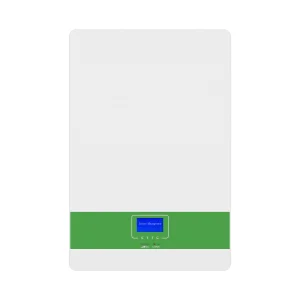
Essential insights for French EPC contractors, distributors, and project engineers sourcing Chinese energy storage systems.
Installing industrial or commercial energy storage systems (BESS) in France requires compliance with several layers of European and domestic standards. At the core, the system must hold CE certification, EN 50549-1 or -2 (for low or medium voltage network connection), and comply with battery-specific safety standards such as IEC 62619 (for industrial application) and UN38.3 (safeguarding logistics). For local system integration and commissioning by Consuel, the electrical layout must follow NF C 15-100 rules, and the solar storage interface must adhere to NF C 15-712-2 standards.
While air-cooled systems are highly functional in cooler northern regions of France, liquid-cooled systems are highly recommended for the south (e.g., Occitanie, PACA) where summer ambient temperatures can exceed 35°C. Liquid cooling offers a thermal variance across cells of less than 2°C, which helps prevent hotspots, lowers risk of thermal runaway, and enhances battery performance and lifespan by up to 20% compared to conventional air-cooled containers.
In France, industrial consumers are billed based on their subscribed peak capacity (puissance souscrite) and dynamic time-of-use tariffs. During peak consumption hours, the grid operator charges high capacity fees and higher energy tariffs. By utilizing an EMS-controlled battery system, the industrial plant discharges stored solar energy when the demand spikes, keeping grid drawing below the subscribed threshold. This allows businesses to subscribe to a lower, more cost-effective grid tariff bracket.
From our manufacturing facility in Shenzhen, the typical production cycle is 30 to 45 days, depending on customization. Once manufactured, systems are packaged in heavy-duty, seaworthy configurations. Sea transport from Shenzhen Port to major French ports such as Port de Marseille Fos or Port of Le Havre usually takes 30 to 35 days. We provide complete DDP or CIF logistics management, including customs handling and UN38.3 hazardous materials declarations.
Yes. Our energy storage systems utilize standard Modbus TCP/RTU communications, and our high-voltage BMS is designed to communicate with widely deployed inverter brands in the French market, including SMA, Sungrow, Huawei, and Fronius. This ensures that EPCs can easily retrofit our storage containers into pre-existing commercial solar farms.
 Soweglow Solar