Engineered to deliver high efficiency, reliable transmission, and long-term durability under extreme conditions.
An in-depth analysis of structural integrity, grid-scale engineering, and compliance requirements in modern PV farms.
In the transition towards high-penetration renewable energy grids, connectivity infrastructure serves as the primary system artery. Standard photovoltaic utility farms require thousands of critical connections, encompassing high-durability brackets, switchgear, DC optimization controllers, inverters, and battery storage interfaces. A single fault in transmission components can cause catastrophic system degradation, ground-fault leakage, or major output reduction. For commercial procurement officers and energy developers, integrating certified connectivity solutions is no longer a matter of margin cost savings; it is a critical variable governing internal rate of return (IRR) and long-term asset security.
“Information Gain Advantage: Unlike typical component suppliers, true tier-1 connectivity manufacturers focus on minimizing contact resistance, weathering structural degradation, and ensuring seamless compliance interfaces. High-efficiency components fail if the links between mounting structures, DC switches, and storage containment suffer from thermal or mechanical mismatch.”
Shenzhen Soweglow Solar Co., Ltd., based in Shenzhen, China, operates at the center of the global PV supply chain. Operating with intensive industrial automation, we address the critical pain points of micro-resistance losses, chemical corrosion, wind load distribution, and power phase synchronization. By providing CE-certified and IEC-compliant solutions, we ensure that modern PV projects operate reliably over 25+ year lifespans under intense atmospheric exposure, coastal salt-fog, and seismic disturbances.
Leading the next generation of PV connectivity engineering and high-frequency materials science.
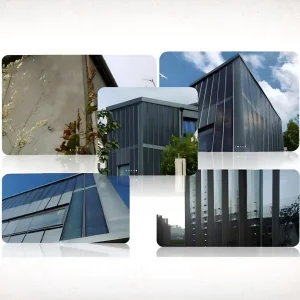
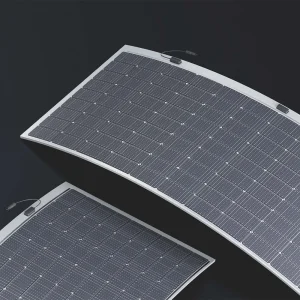
Transitioning from heavy monocrystalline applications to BIPV (Building Integrated Photovoltaics). Lightweight CIGS flexible panels feature excellent 360-degree bendability, removing structural weight limits on commercial roofs while maintaining high conversion efficiencies.
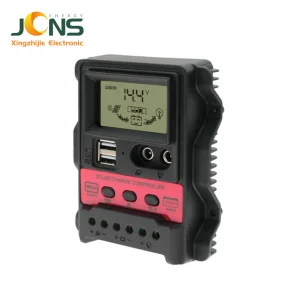
Moving from basic PWM controllers to high-efficiency MPPT (Maximum Power Point Tracking) algorithms. Real-time dynamic tracking maximizes generation in low-light and shaded conditions, extending overall system efficiency by up to 30% compared to legacy architectures.
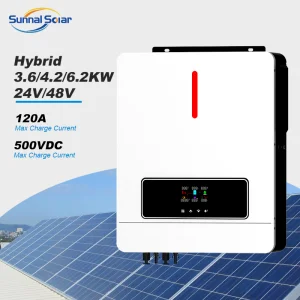
Split-phase and hybrid inverters are evolving to support ultra-fast switching frequencies, pure sine wave outputs, and off-grid peak shaving. These features ensure clean electrical output and support grid-forming capabilities, reducing stress on local network distribution components.
Tailored utility-scale architectures designed to address challenging operating environments worldwide.
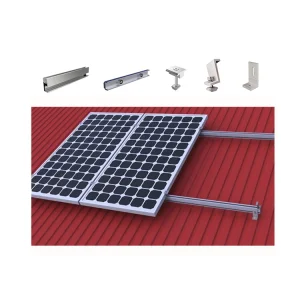
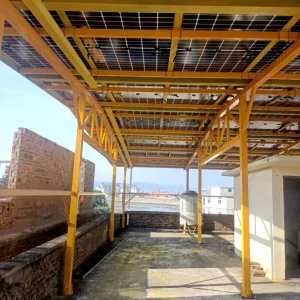
Commercial rooftops present unique structural and wind-load challenges. Our structural ZM steel channels and lightweight aluminum mounting systems are engineered to minimize building load while maintaining structural integrity. Combined with flexible CIGS thin-film solar panels, we deliver solutions that require no roof penetrations, eliminating water intrusion risks and reducing installation times by up to 45%.
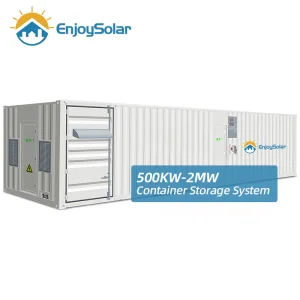
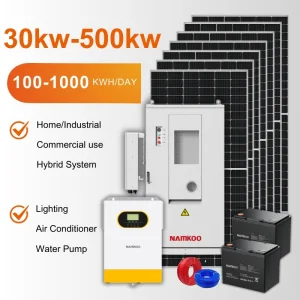
To address renewable energy intermittency, our customized 1MWh to 2MWh containerized battery energy storage systems (BESS) integrate liquid cooling, intelligent fire suppression, and battery management systems (BMS). These robust energy storage blocks provide grid stabilization, peak shaving, and emergency backup services for industrial utilities and substations, ensuring continuous reliability.
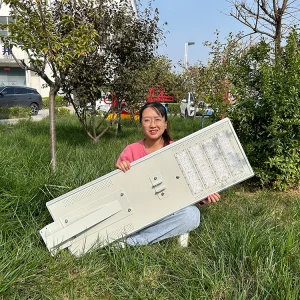
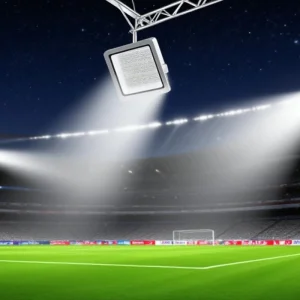
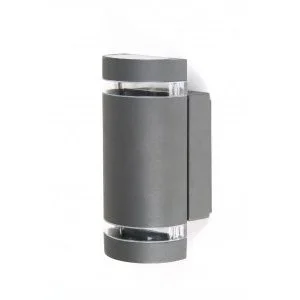
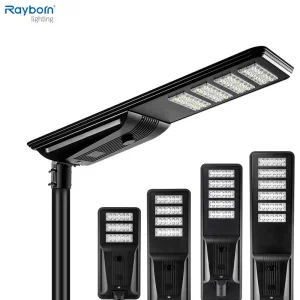
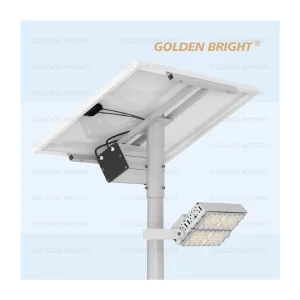
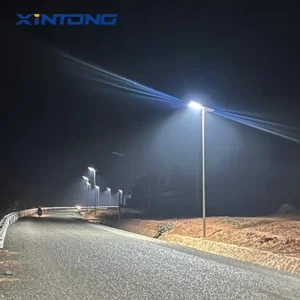
Modern smart cities require independent, grid-resilient municipal hardware. Our integrated MPPT motion-sensor LED street lights combine high-lumen output (up to 200lm/W) with off-grid reliability. Incorporating IP65/IP66 waterproofing, these solutions reduce municipal power overhead to zero while maintaining reliable performance under severe monsoonal and tropical storm conditions.
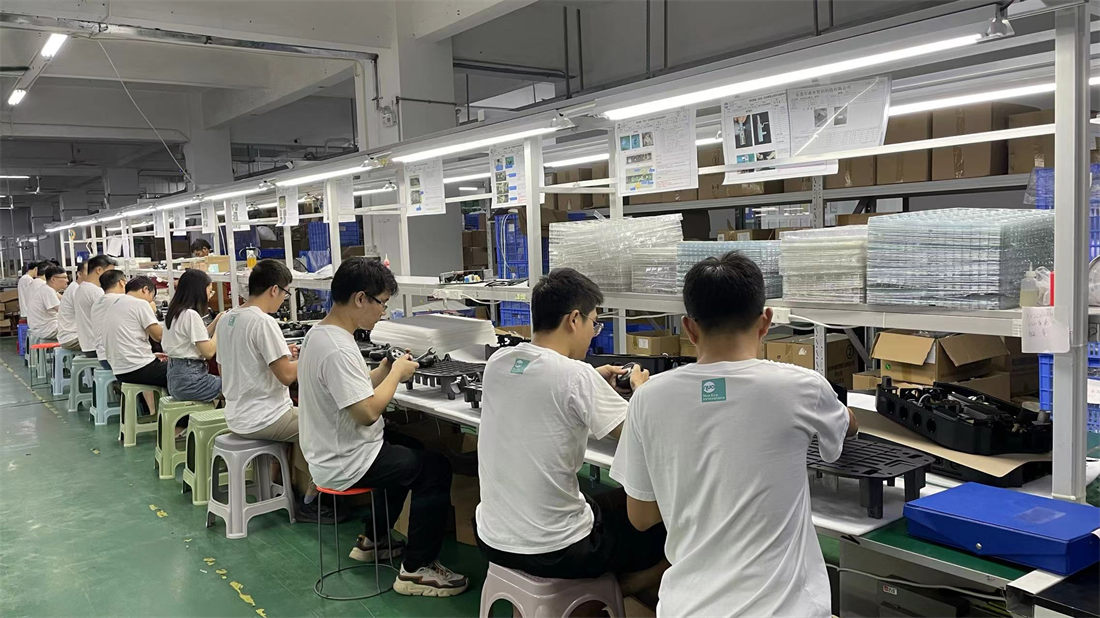
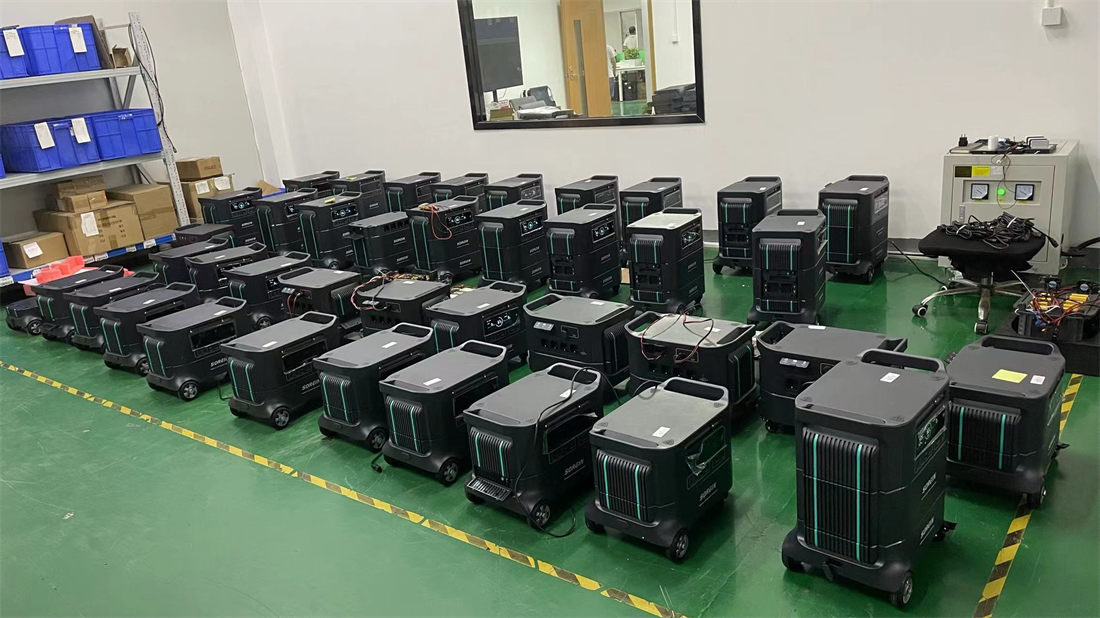
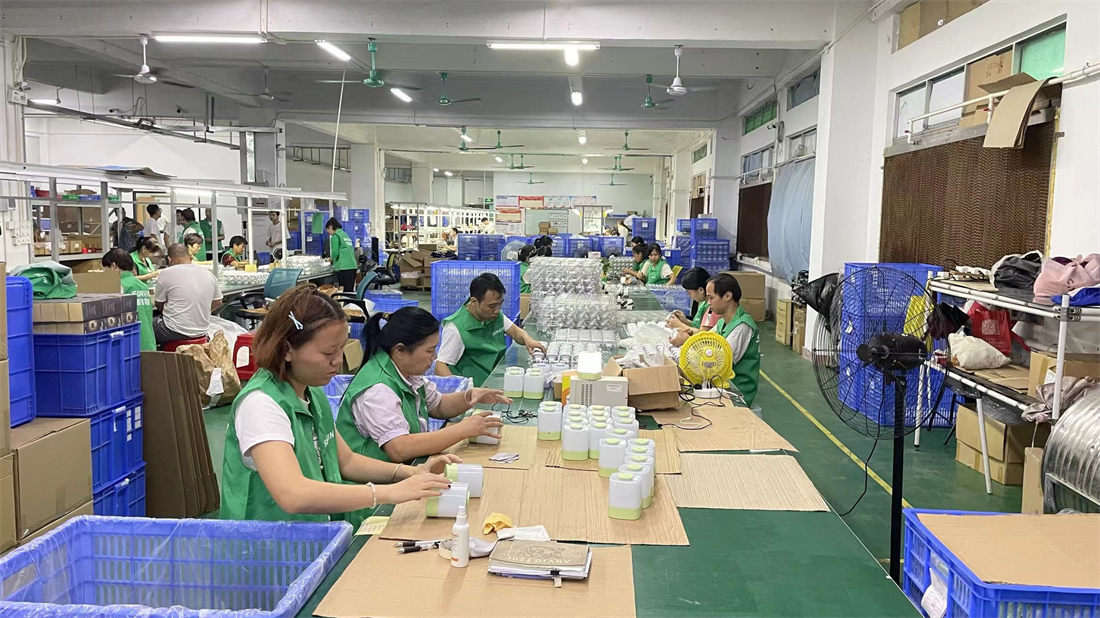
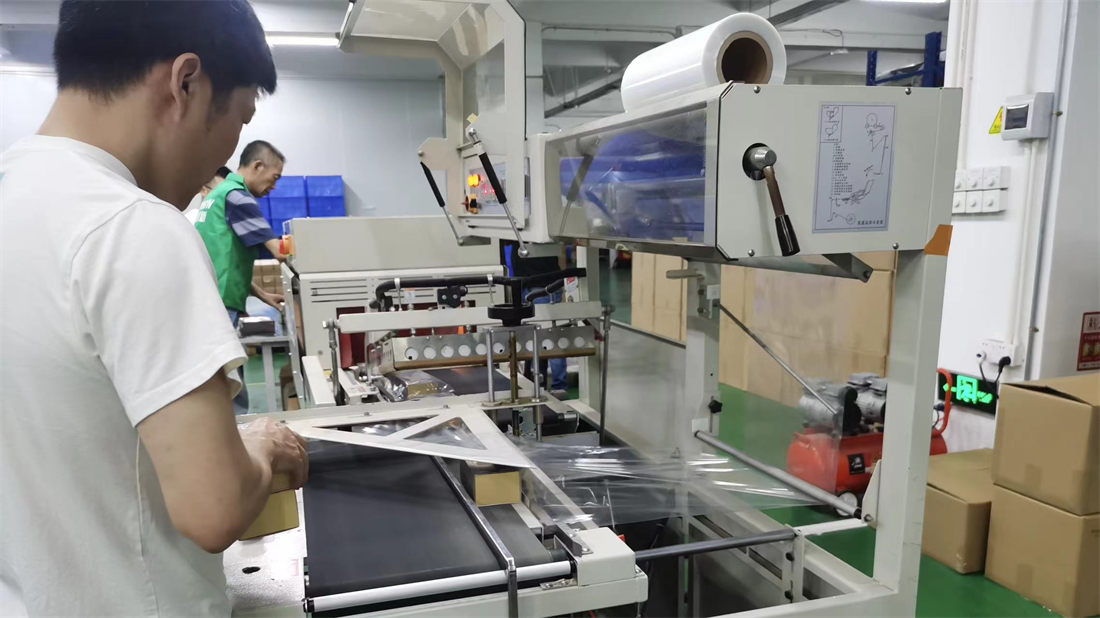
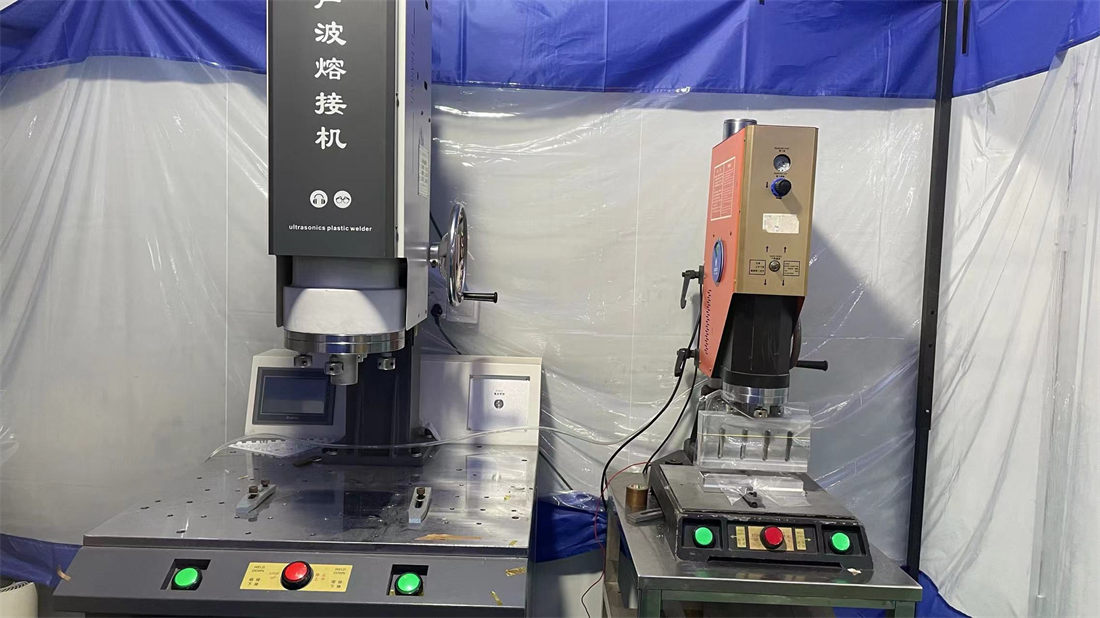
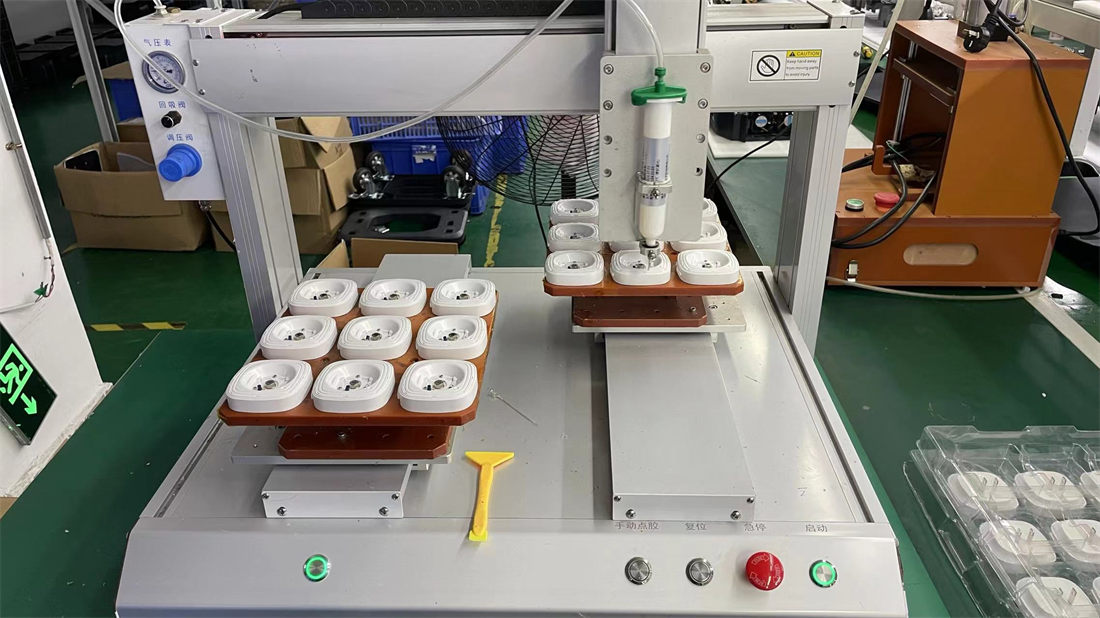
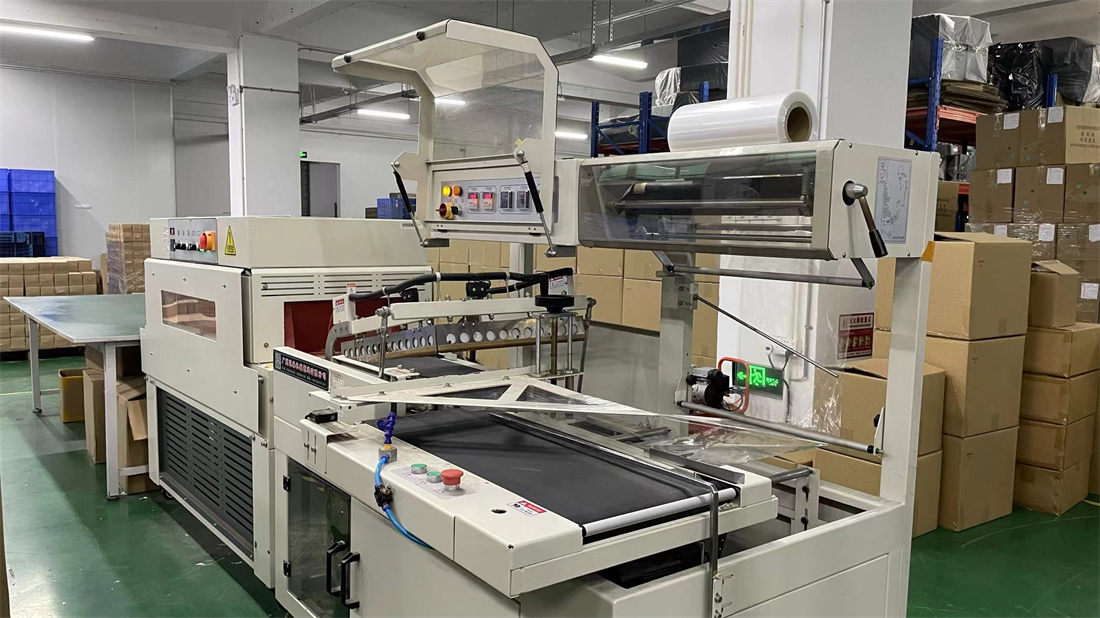
Shenzhen Soweglow Solar Co., Ltd.'s advanced manufacturing, automated production lines, and quality assurance processes.
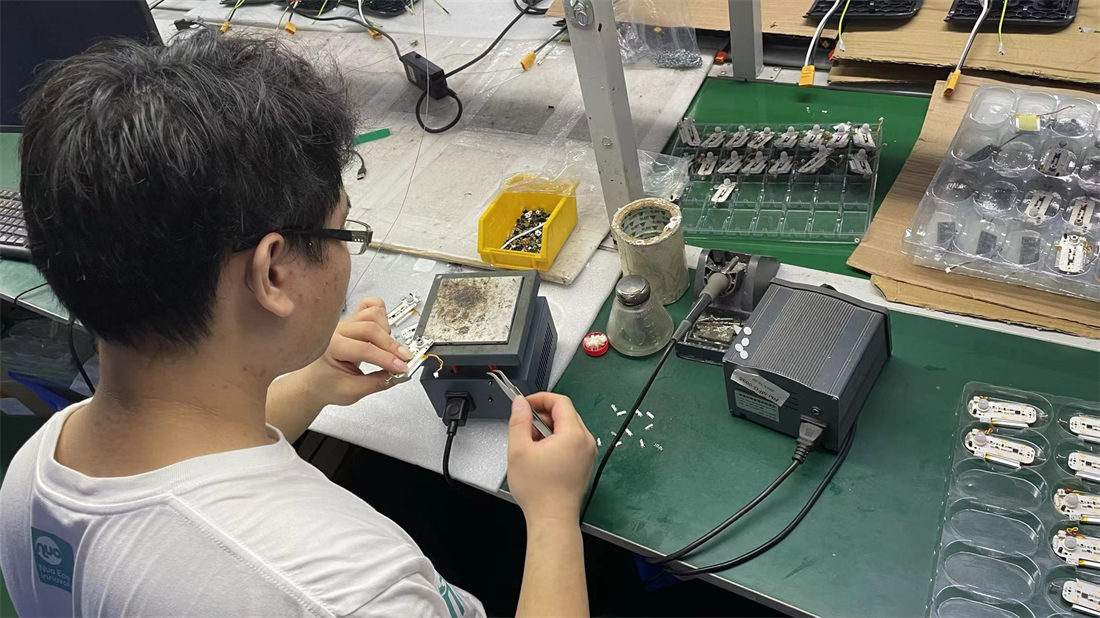
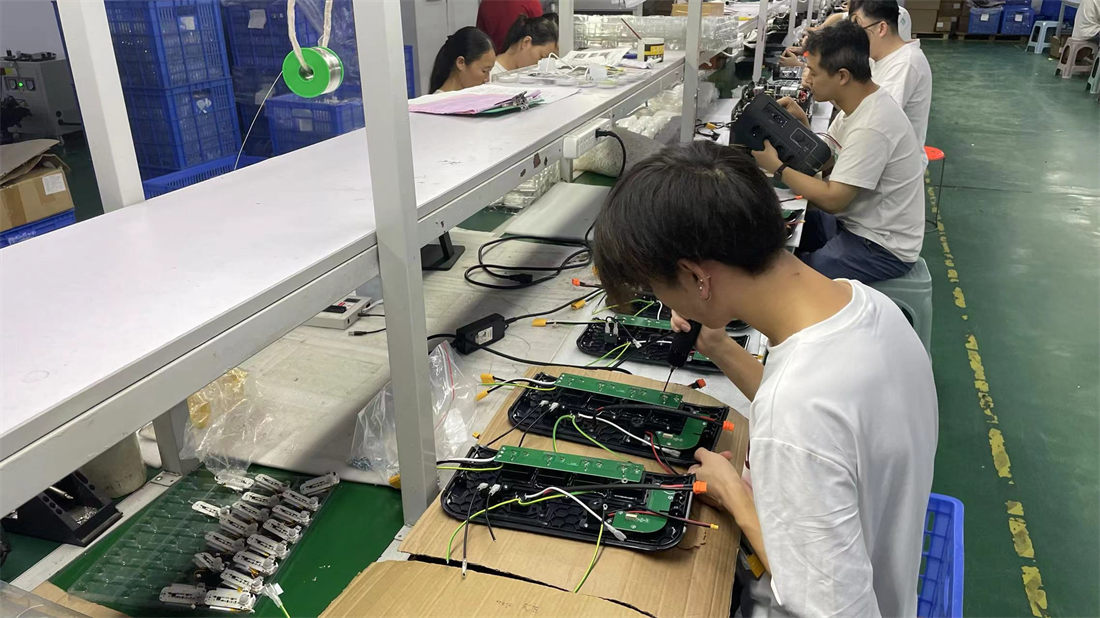
Our Shenzhen factory leverages automated assembly processes, raw material selection, and rigorous quality control protocols. Each stage of production is monitored and documented to guarantee long-term operational integrity in the field.
Key technical criteria for evaluating solar hardware quality and ensuring long-term asset value.
Enterprise buyers sourcing solar hardware face structural risks when assessing white-label imports. To safeguard large capital investments, procurement teams should evaluate suppliers against key technical benchmarks:
Navigating global regulatory landscapes with certified engineering and local field assistance.
Navigating international regulatory frameworks is critical for compliance and safety. Shenzhen Soweglow Solar Co., Ltd. ensures all equipment meets local code requirements through comprehensive certification programs:
Complementary system components optimized for high-power installations and off-grid utility networks.
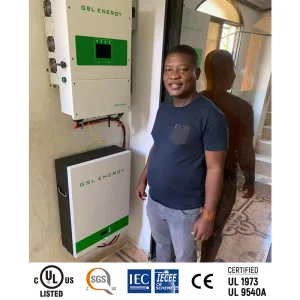
Direct answers from our engineering department regarding installation, standards, and customization.
CE certification guarantees that DC circuit breakers can withstand system voltages (up to 1000V DC / 1500V DC) and interrupt fault currents under severe load conditions. Uncertified switchgear risks thermal failure and electrical arcing, which are leading causes of fires in photovoltaic installations.
Flexible panels distribute mechanical stresses across the mounting surface rather than concentrating forces on rigid glass frames. They conform to curved surfaces and rely on heavy-duty adhesive backing, mitigating wind lift risks and improving aerodynamic performance on exposed structures.
Non-treated steel or low-grade alloys oxidize rapidly, compromising structural integrity. Our mounting systems use high-grade ZM (Zinc-Magnesium-Aluminum) steel coatings and anodized aluminum, providing self-healing barrier protection that extends system life in marine or industrial coastal zones.
 Soweglow Solar