In the rapidly escalating transition toward renewable energy, the structural integrity and engineering design of solar roof mounts have moved from basic structural supports to critical assets that dictate overall PV system efficiency, safety, and longevity. Historically viewed as basic metal fabrications, modern photovoltaic racking systems are now highly engineered, aerodynamically optimized structures. As solar energy penetration deepens across global markets, commercial, industrial (C&I), and utility-scale installations face unprecedented meteorological extremes, demanding highly durable and resilient mounting designs.
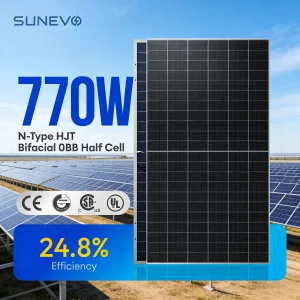
The global solar racking and mounting market is transitioning toward lighter, stronger, and more corrosion-resistant materials. Advanced anodized aluminum (typically AL6005-T5 or T6) and zinc-aluminum-magnesium (ZAM) coated steels are leading this transition. These materials offer superior tensile strength-to-weight ratios, ensuring that roofs can support the dynamic load of modern high-power modules (ranging from 550W up to 770W and beyond) without compromising structural integrity.
From an aerodynamic perspective, modern roof mounting must account for wind uplift forces, boundary layer effects, and structural resonance. Implementing sophisticated boundary layer wind tunnel testing and Finite Element Analysis (FEA) has become standard for top-tier manufacturers. These simulations ensure that ballast volumes on flat roofs are optimized to prevent structural overloading, while ensuring the racking remains stable under wind speeds exceeding 60 meters per second. Additionally, the integration of smart design principles has reduced field installation times by over 40%, directly translating to lower Levelized Cost of Energy (LCOE) for project developers and EPC contractors.
Shenzhen Soweglow Solar Co., Ltd. is a professional and reliable manufacturer and supplier specializing in solar energy products, renewable energy solutions, and intelligent solar lighting systems. Located in Shenzhen, China, one of the world's most innovative and dynamic technology hubs, we have been committed to the solar industry for many years, providing high-quality products and customized energy solutions to customers worldwide.
Driven by the mission of promoting clean energy and sustainable development, Soweglow Solar focuses on delivering efficient, environmentally friendly, and cost-effective solar products that help reduce energy consumption and carbon emissions. Through continuous innovation, strict quality control, and customer-oriented service, we have established long-term partnerships with clients across Europe, North America, South America, Africa, Southeast Asia, and the Middle East.
Our experienced team possesses extensive expertise in solar lighting, photovoltaic systems, energy storage solutions, project management, manufacturing, and international business. We continuously invest in research and development to ensure our products meet evolving market demands and international quality standards.
Quality is the foundation of our business. Every product undergoes strict quality inspections throughout the entire production process, from raw material selection to final assembly and shipment. Our manufacturing facilities operate under comprehensive quality management systems to ensure product reliability, safety, and long service life. We continuously improve our production processes and technology to provide products that comply with international certifications and industry standards.
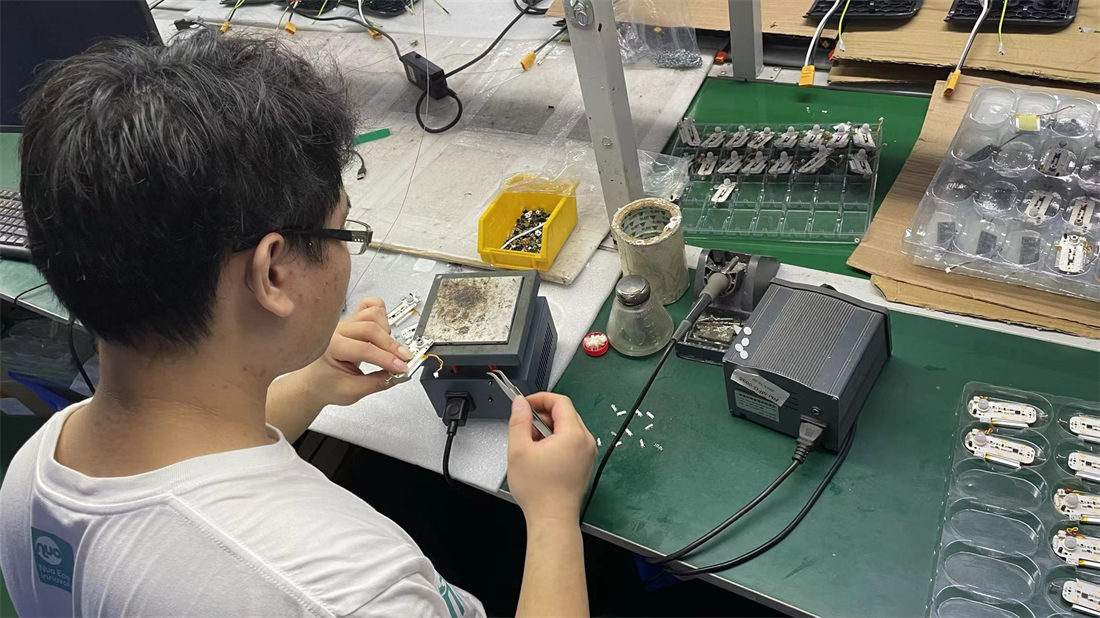
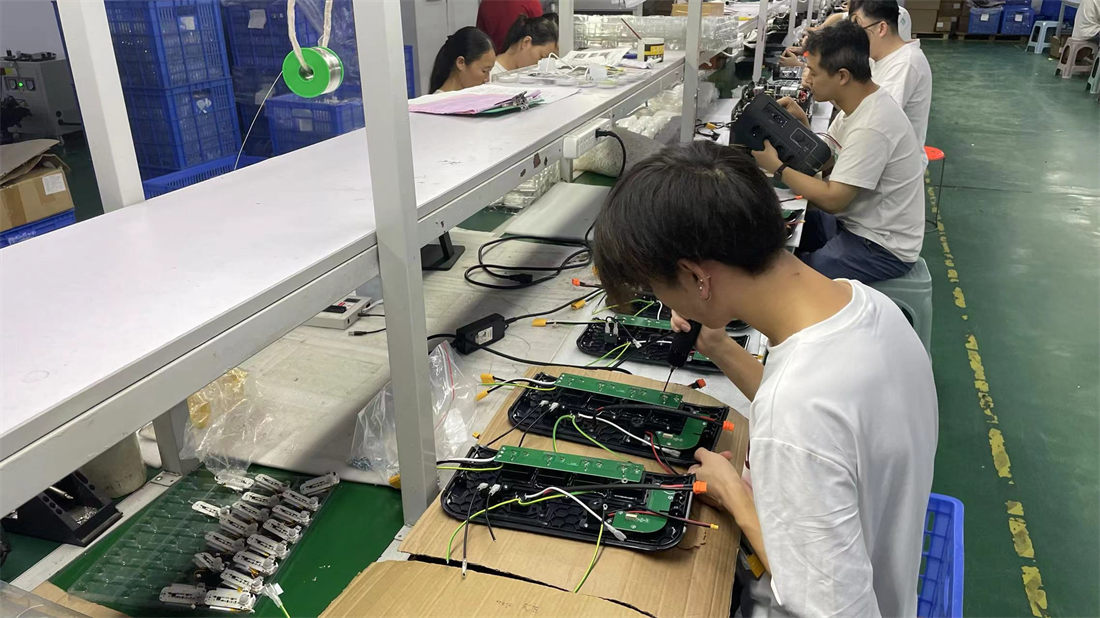
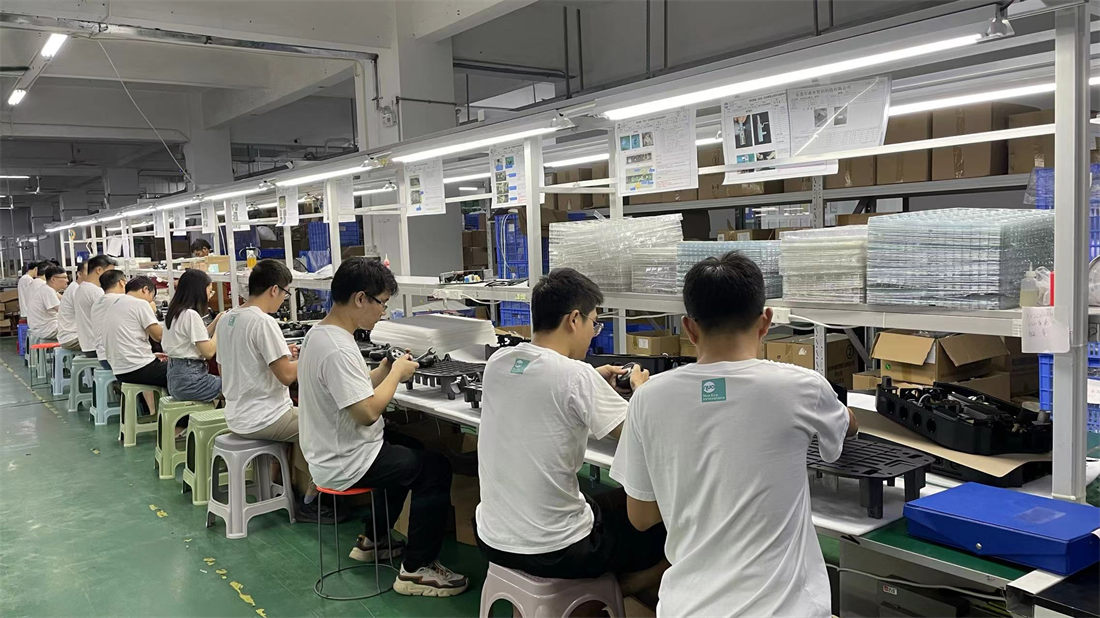
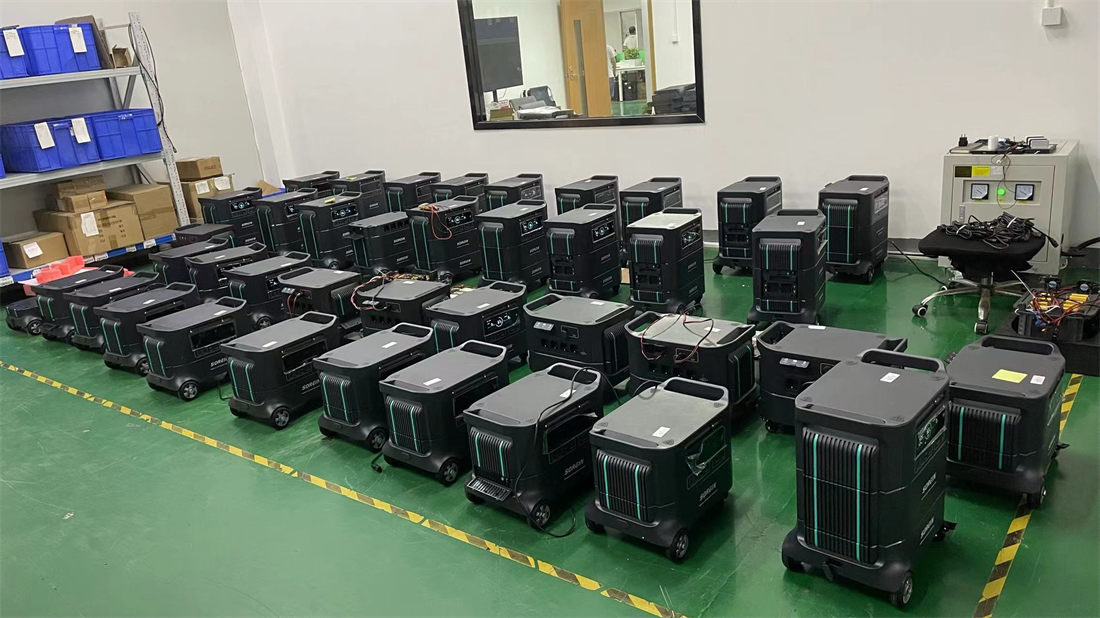
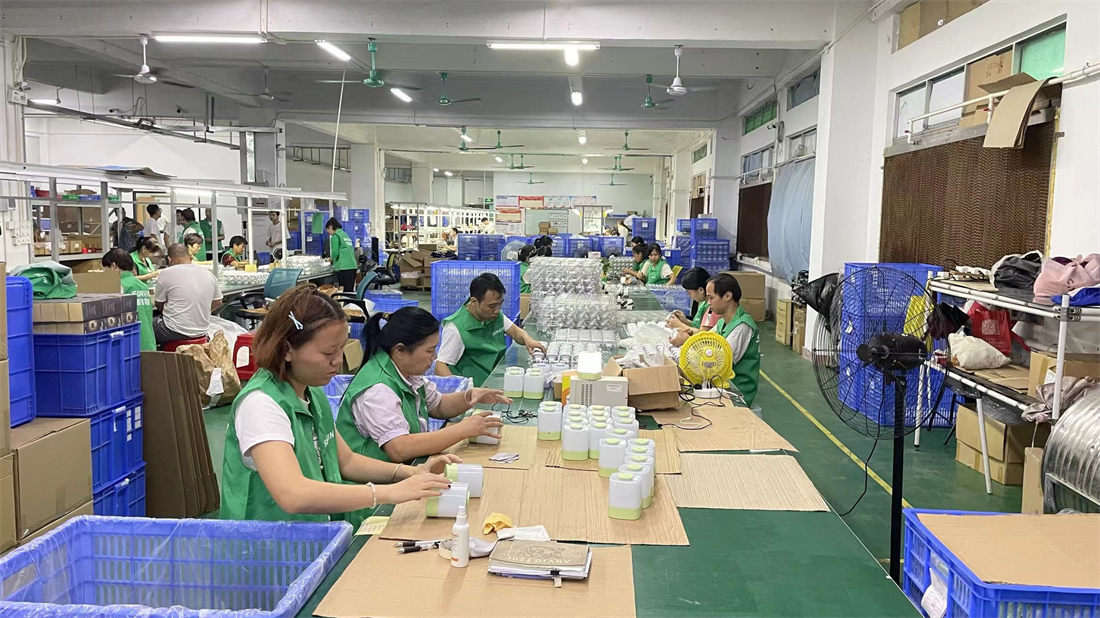
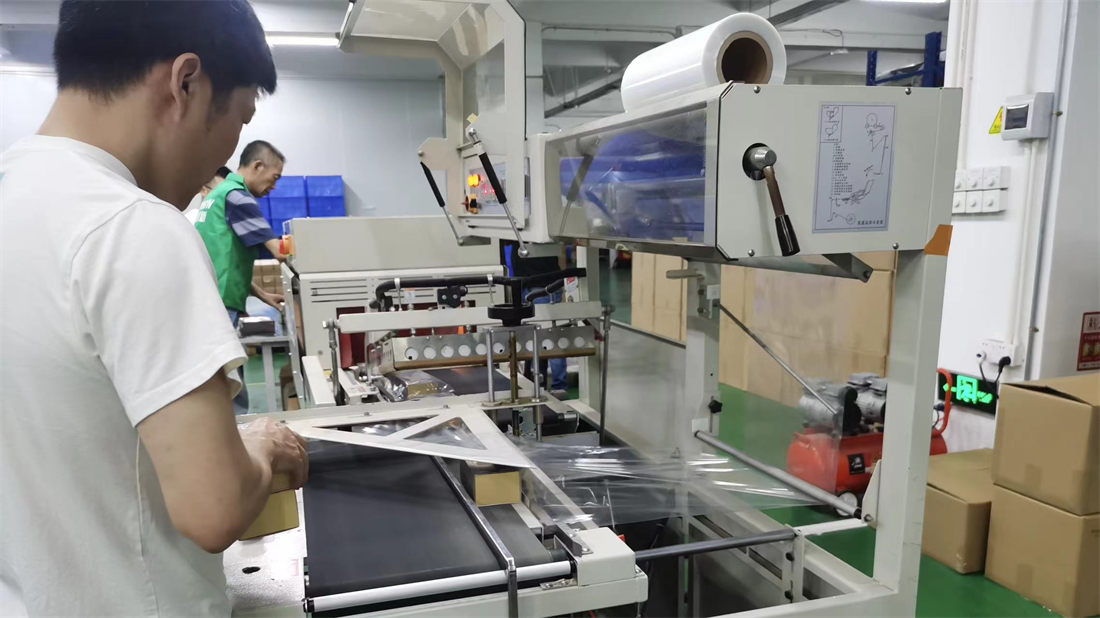
Operating in the high-tech industrial ecosystem of Shenzhen, our manufacturing facility represents the transition to China Factory 4.0. We utilize automated production lines, digitalized quality tracking, and precision machinery to produce solar components that meet rigorous global standards. From high-tolerance welding and automated adhesive application to continuous environmental aging chambers, our facility is engineered to deliver flawless structural components at volume.
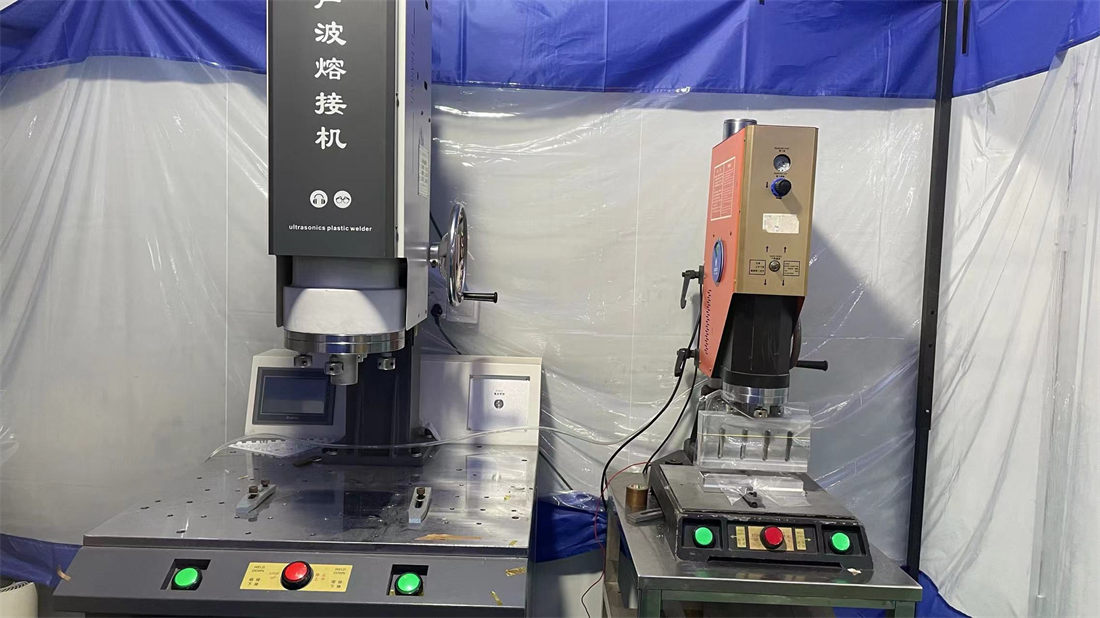
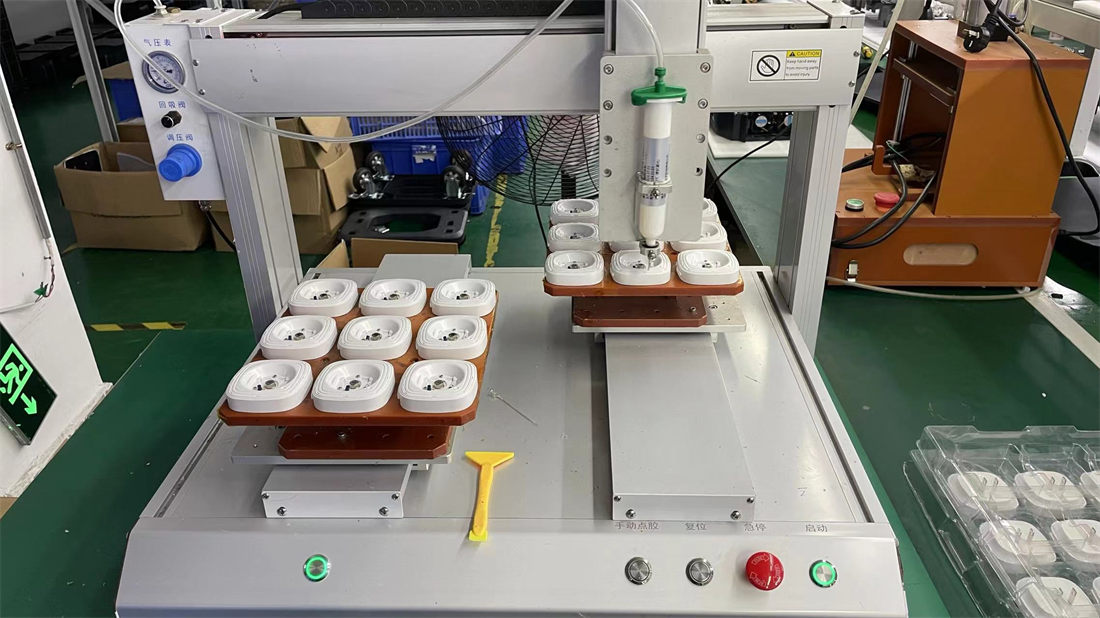
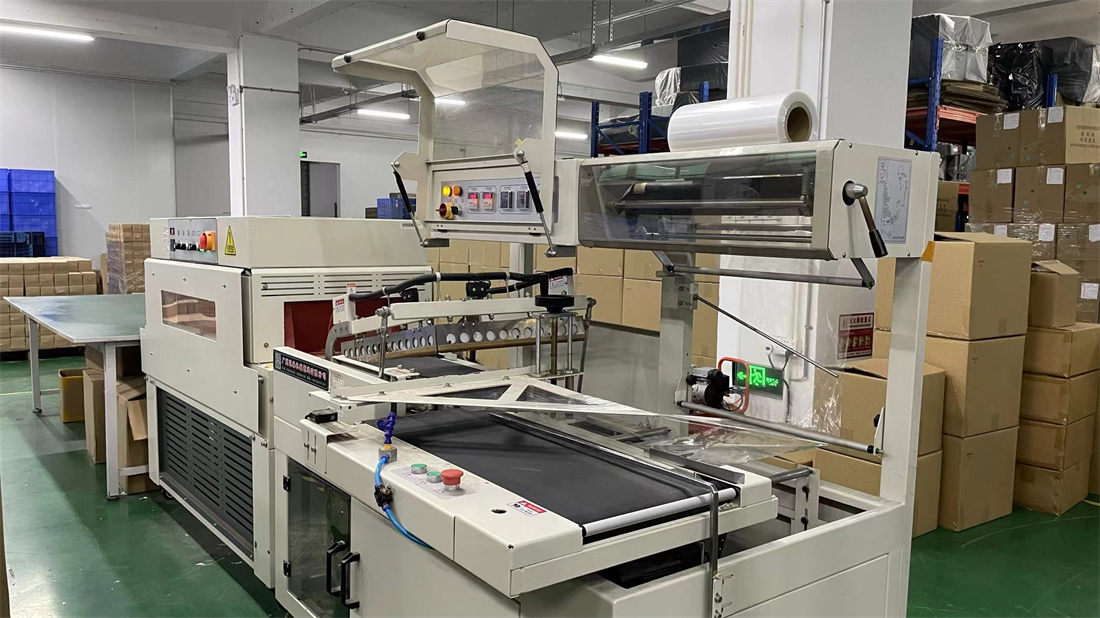
Industrial procurement managers and project developers face distinct environmental challenges depending on geographic location. System configuration must align with regional building regulations, climatic loads, and specific roof compositions.
Common in European and North American industrial parks, trapezoidal and corrugated sheet metal roofs require minimal-penetration solutions to protect building assets. Our systems utilize custom L-feet, hanger bolts, and specialized standing seam clamps (e.g., Kliplok interfaces) that secure directly to the standing seams without penetrating the metal sheet, maintaining the roof's waterproof integrity.
For concrete flat roofs on commercial buildings, structural penetration is rarely an option due to leakage risks. A ballasted racking configuration relies on concrete blocks to counteract wind uplift. Our engineers provide detailed ballast layout planning based on local wind speeds and building heights, ensuring compliance with ASCE 7-16 (US) and Eurocode 1 structural standards.
Residential installations in regions like Australia and South America feature Roman, Spanish, or flat clay tiles. Using high-grade stainless steel hooks (SUS304) with multiple adjustment points allows installers to achieve a level rail installation even on uneven roof structures. Our tile hooks are engineered to distribute the load directly to the rafters, eliminating the risk of tile breakage.
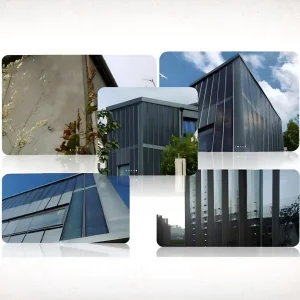
As modern architectural designs shift toward carbon neutrality, the integration of solar components directly into the building envelope (BIPV) has gained significant momentum. Flexible CIGS thin-film solar panels offer an ideal solution for curved or low-load-bearing roofs where traditional rigid crystalline panels cannot be deployed. Our mounting solutions are designed to accommodate both standard rigid panels (like the high-output HJT N-type modules) and ultra-lightweight flexible substrates, ensuring a secure, long-term bond to the underlying structure.
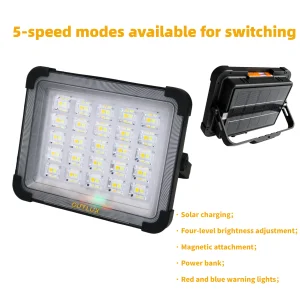
 Soweglow Solar