High-performance photovoltaic panels, energy storage containers, and hybrid off-grid conversion systems engineered to industrial parameters.
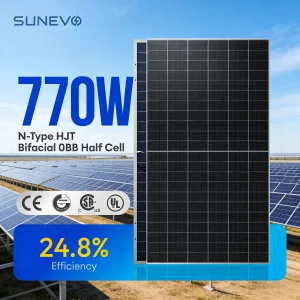
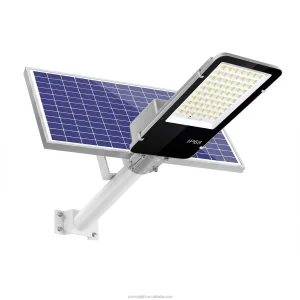
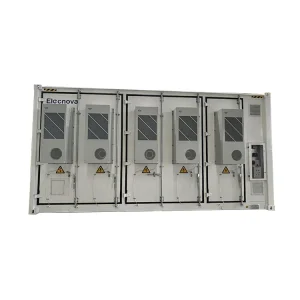
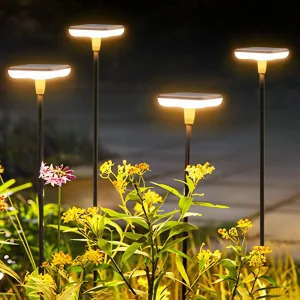
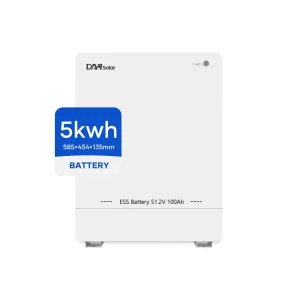
As the global energy transition accelerates, the demand for generic, off-the-shelf solar products is giving way to highly specialized, custom-engineered energy systems. For multinational buyers, developers, and engineering firms, standardized components often present integration bottlenecks, sub-optimal efficiency profiles, and compliance risks. Partnering with a dedicated OEM/ODM Solar Power Solutions Manufacturer like Shenzhen Soweglow Solar Co., Ltd. allows stakeholders to tailor every aspect of their solar hardware to meet exact electrical, mechanical, and geographical configurations.
Customization extends from the physical geometry of structural mounting (such as waterproof BIPV brackets) to complex electrical engineering, including high-capacity containerized battery energy storage systems (BESS).
By tailoring component properties—such as adopting specific silicon doping (N-Type HJT cells) or optimizing thermal management in storage nodes—system-wide LCOE is dramatically lowered, maximizing project yield.
Custom software configuration in hybrid smart inverters and Active BMS modules ensures full compatibility with localized grid codes, frequency response mandates, and utility interconnection protocols.
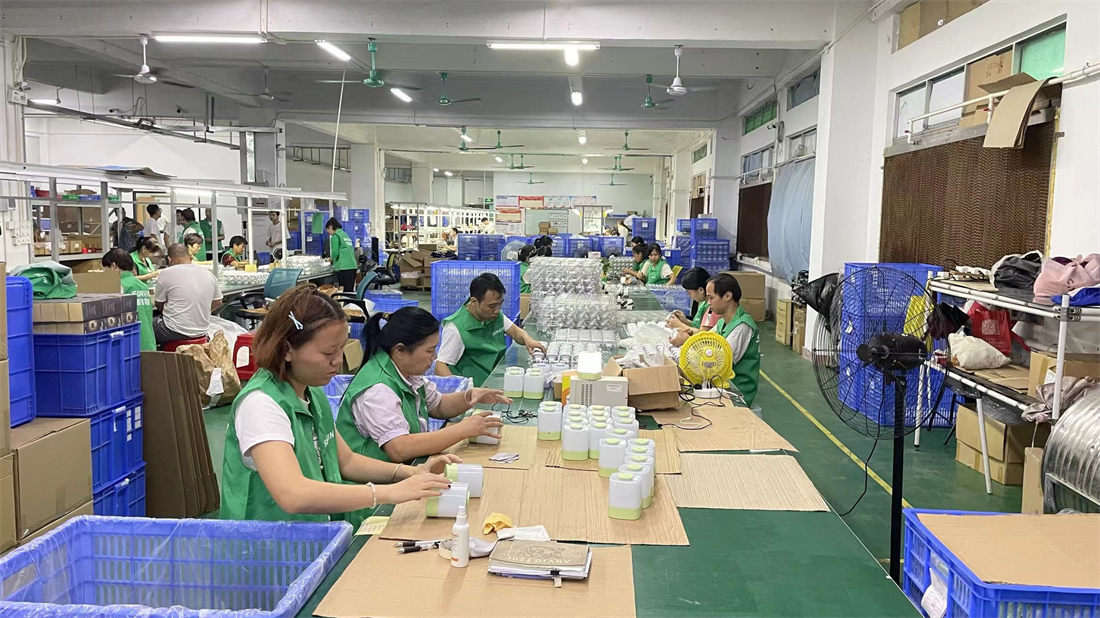
Operating out of Shenzhen, China’s primary hardware and technology innovation node, Shenzhen Soweglow Solar Co., Ltd. capitalizes on a highly integrated industrial cluster. This localized density translates directly into client benefits: reduced lead times for raw materials, rapid prototyping cycles, and frictionless technological upgrades.
Our proximity to top-tier semiconductor fabs, automated assembly lines, and global shipping ports allows us to control costs and maintain supply chain resilience during unpredictable global logistical events. By utilizing this infrastructure, Soweglow Solar translates raw raw-material efficiency into high-performance components, such as multi-style split phase inverters and advanced liquid cooling battery storage systems.
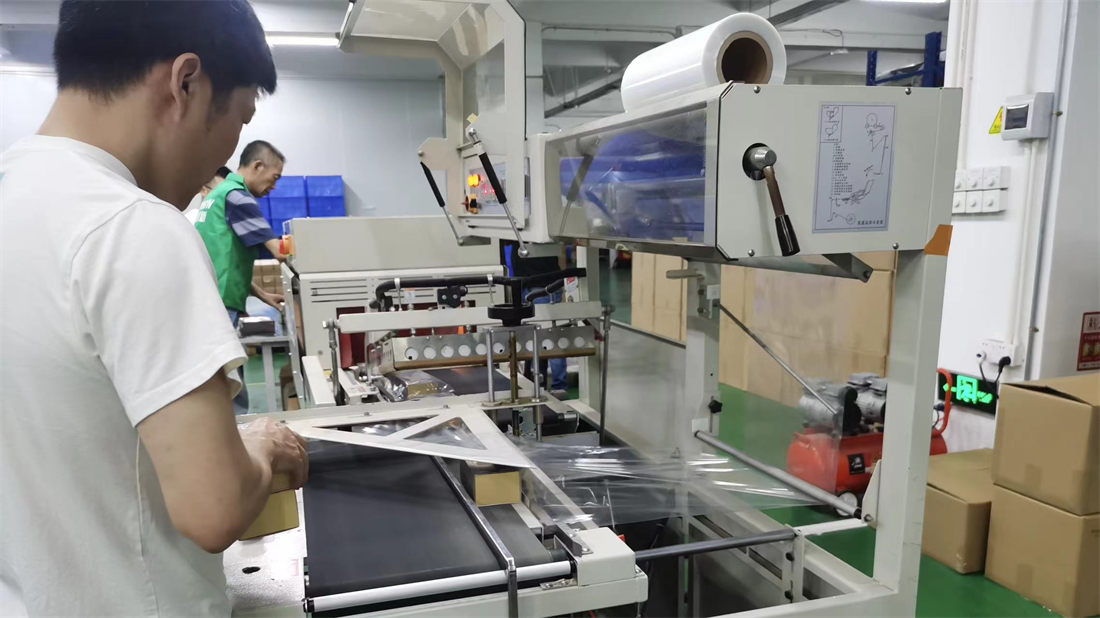
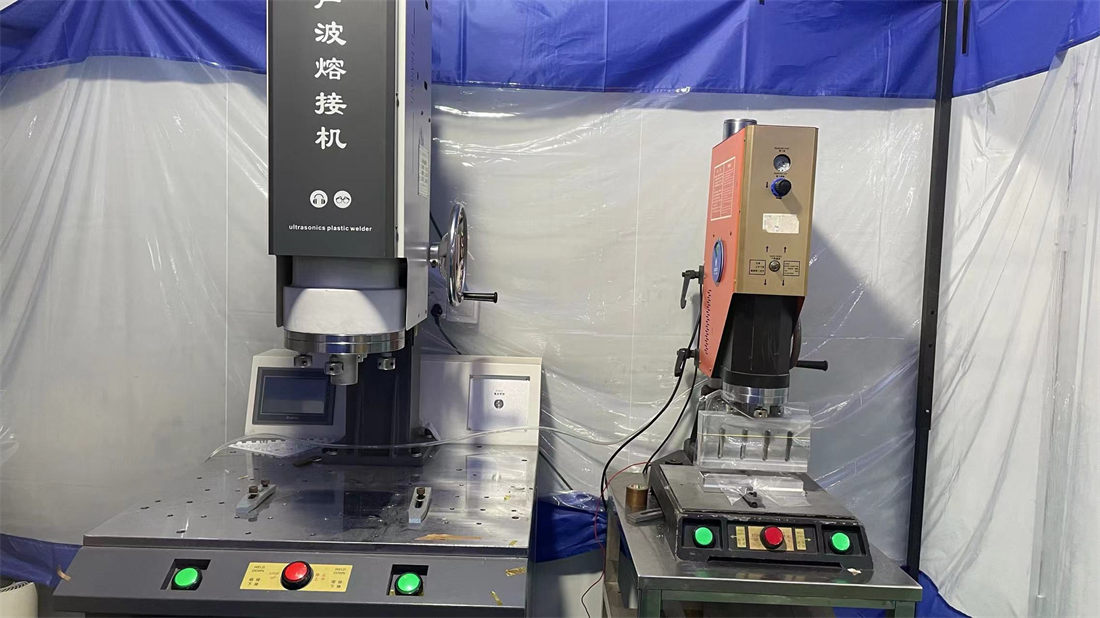
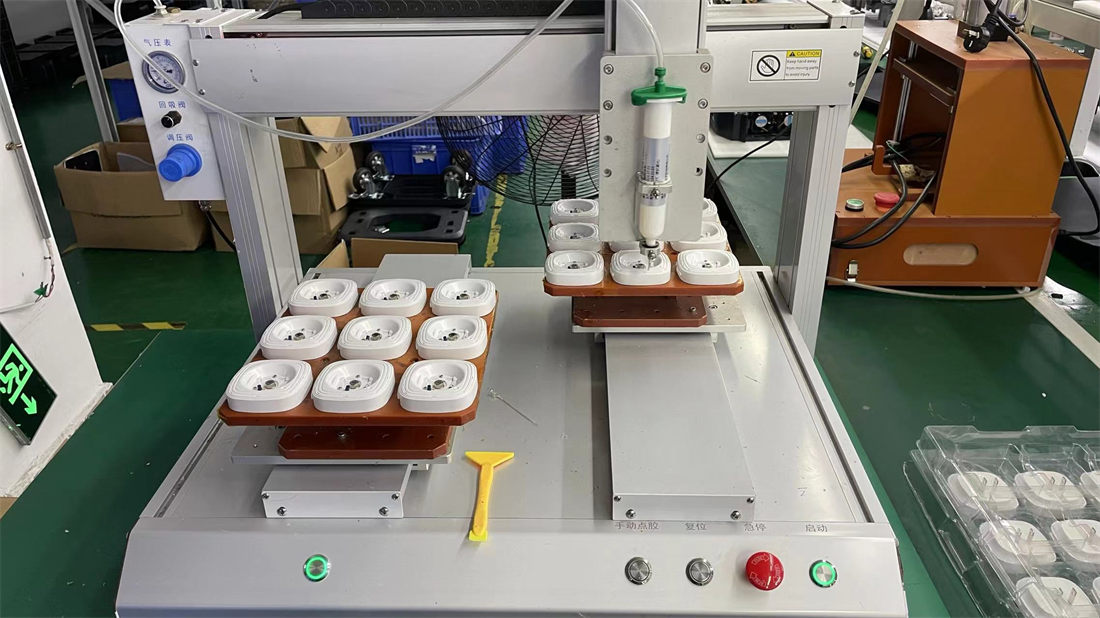
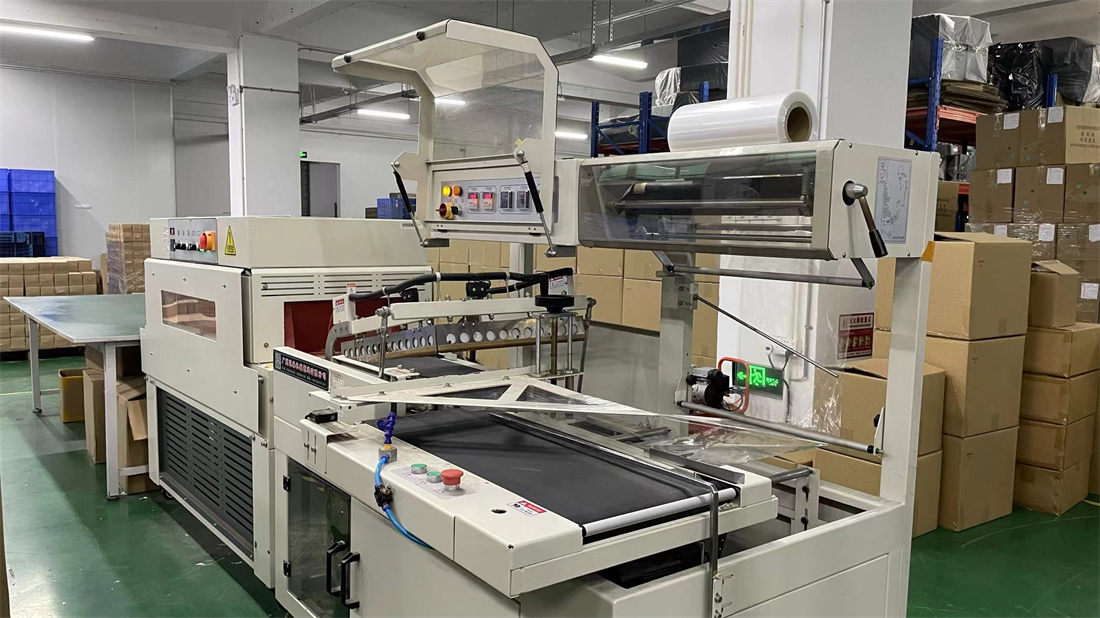
At Soweglow Solar, we optimize manufacturing tolerances through advanced equipment line-ups. Automated glue dispensers, ultrasonic welding cells, and computerized film shrinking machines work in sequence to ensure environmental seal integrity across all external components, including solar courtyard lighting, street lamps, and IP65 combiner boxes.
"Our engineering philosophy focuses on minimizing field failures through rigorous mechanical stresses, environmental thermal profiling, and electrical insulation tests."
Global engineering procurement managers balance capital expenditures (CAPEX) and operating expenses (OPEX). Selecting the right manufacturing partner relies on several key performance metrics:
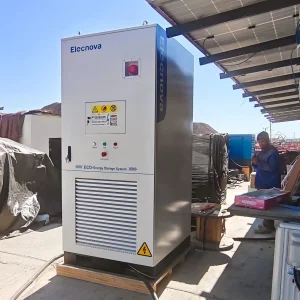
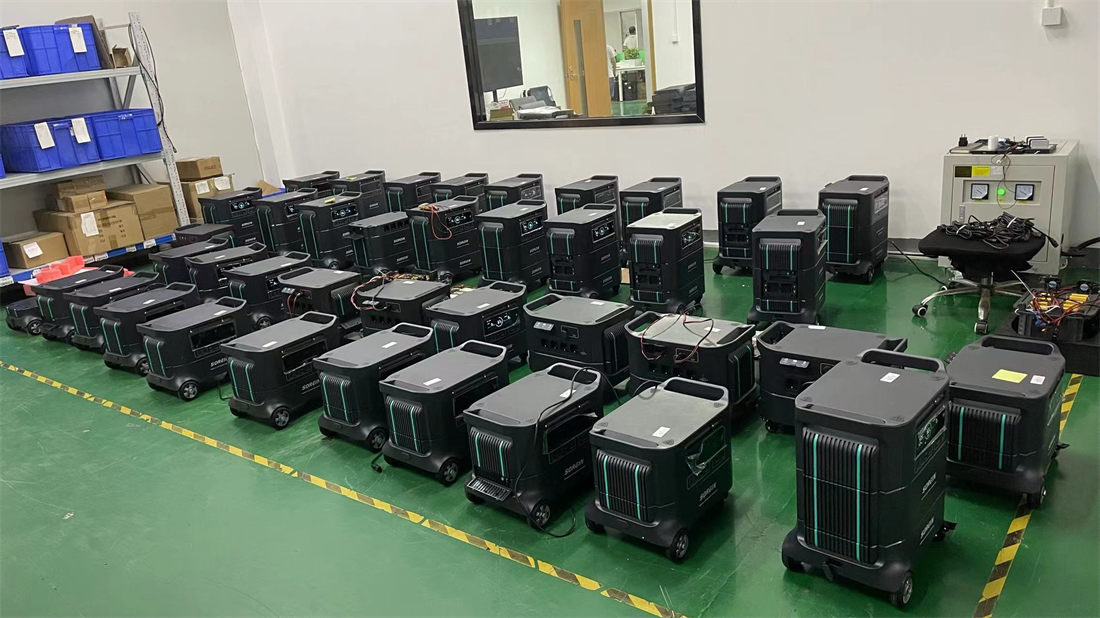
For large-scale BESS and off-grid generator solutions, energy density dictates space requirements and structural loads. Utilizing liquid cooling technologies optimizes heat dissipation, enabling high packaging efficiency in containerized systems.
Safety is paramount for lithium-ion installations. Systems must incorporate cell-level sensors, active liquid chillers, and early-warning aerosols that comply with international safety directives (UN38.3, UL9540A).
Outdoor arrays must withstand extreme weather conditions. The BIPV structural mounting supports must handle high wind loads and snow accumulation, while external electrical panels need IP65/IP66 ingress protection to prevent dust and water intrusion.
Deploying solar power configurations globally requires adherence to complex, regional regulatory frameworks. Product certification is not just a hurdle, but a guarantee of safety, performance, and legal operation.
EU installations require CE marking, RoHS material safety compliance, and WEEE disposal documentation. For residential and commercial projects, the availability of EU warehousing—such as stock on our SunEvo N-Type panels—minimizes lead times and facilitates fast project startup.
For US and Canadian grid integration, inverters must meet UL 1741 SA/SB and IEEE 1547 standards. Residential off-grid projects often require 120V/240V split-phase configurations to align with standard household service panels without needing external balancing transformers.
Lithium-ion energy storage systems (BESS) are classified as Class 9 Dangerous Goods. Our battery packs undergo rigorous testing to secure UN38.3 test summaries, Material Safety Data Sheets (MSDS), and sea/air transport approvals, ensuring smooth customs processing at destination ports.
Coastal and marine environments require marine-grade, anodized aluminum frames, and silicone gaskets. Our PV combiner boxes, outdoor courtyard lights, and solar security cameras undergo salt-spray and moisture-chamber aging tests to ensure reliable, long-term operation.
From remote municipalities to high-tech industrial parks, our customized OEM/ODM solar configurations address specific, real-world operational challenges.
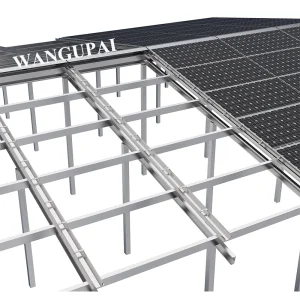
Our structural mounting brackets are designed to integrate directly into industrial building envelopes (Building Integrated Photovoltaics). By serving as both the roof's weather barrier and the power generation source, BIPV reduces construction costs and optimizes spatial footprints on commercial facilities.
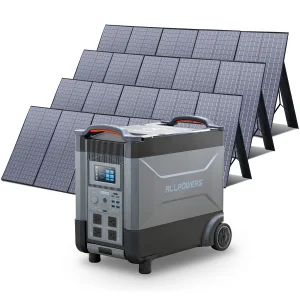
Remote telecommunication infrastructure requires consistent power. Combining high-efficiency monocrystalline solar panels with split-phase hybrid inverters and LiFePO4 batteries ensures continuous operation, reducing the need for diesel fuel runs and routine onsite maintenance.
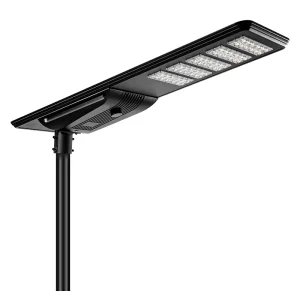
By integrating motion detectors, CCTV surveillance, and high-capacity LiFePO4 batteries into solar street lighting systems, municipalities can deploy public security and illumination without the high cost of trenching and grid-cabling.
The solar landscape is shifting. Heterojunction (HJT) N-Type solar cells are replacing traditional P-Type cells due to lower temperature coefficients, better low-light performance, and higher bifaciality factors. Simultaneously, large-scale battery storage is transitioning from air-cooled racks to active liquid chiller systems. By keeping cell-to-cell temperature variations under 3°C, liquid cooling increases battery lifespan and helps prevent thermal runaway events in dense power configurations.
Inside our Shenzhen manufacturing facility: tracking components from incoming raw material inspection through automated assembly, environmental testing, and final export packaging.
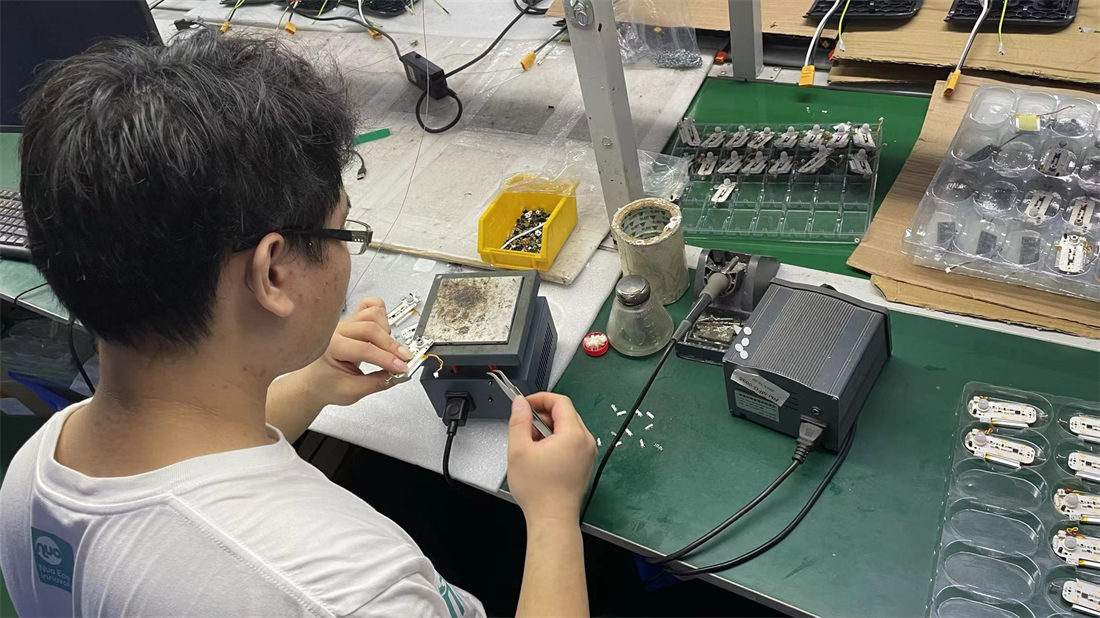
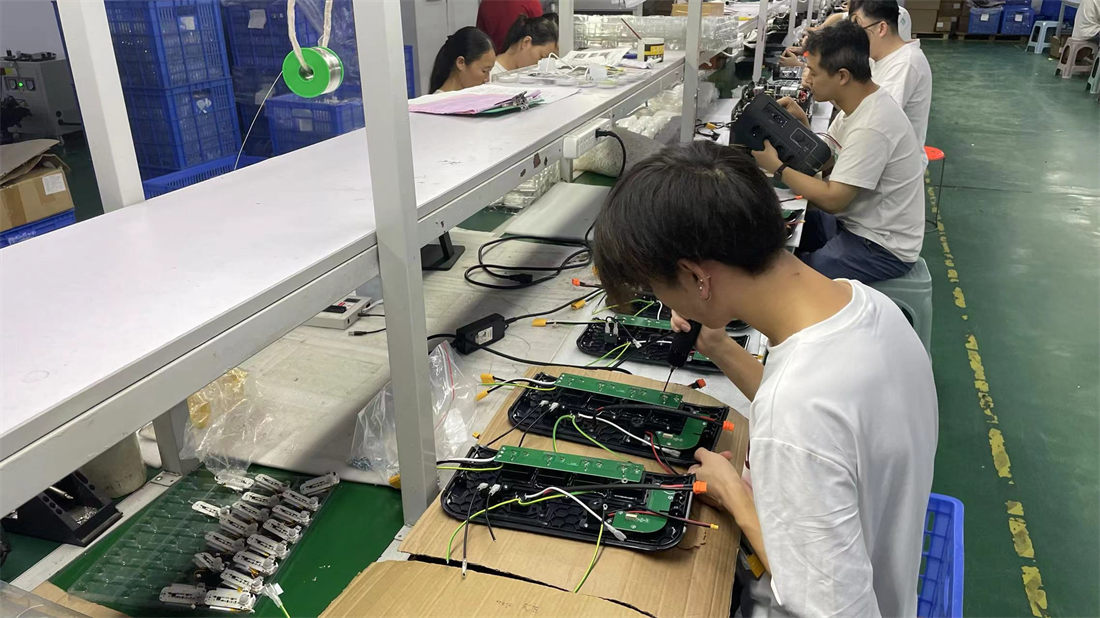
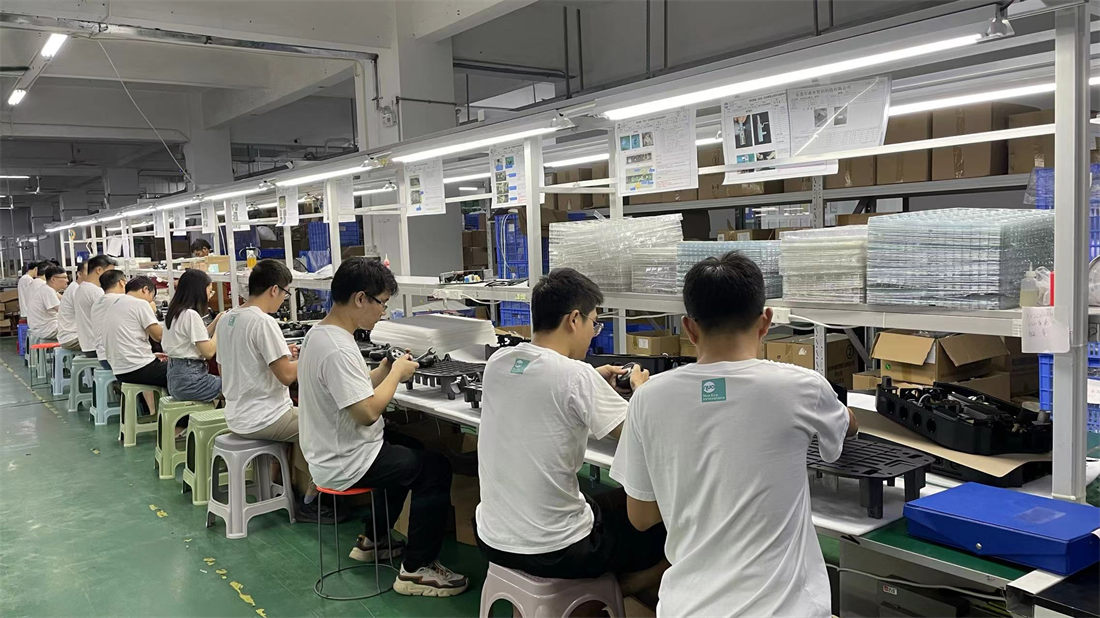
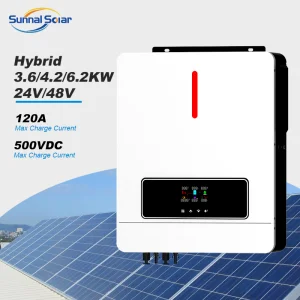
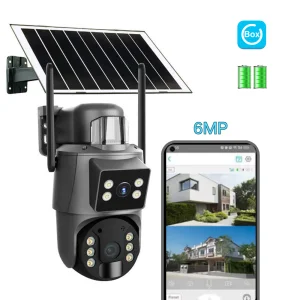
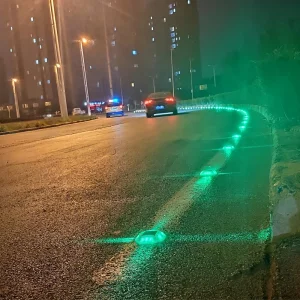
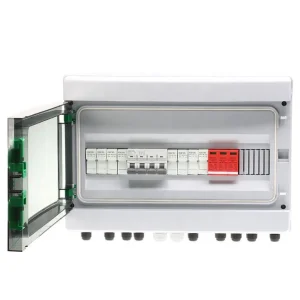
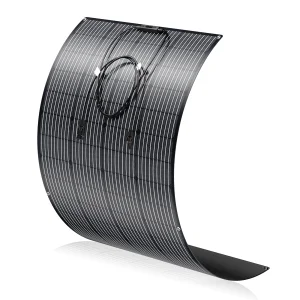
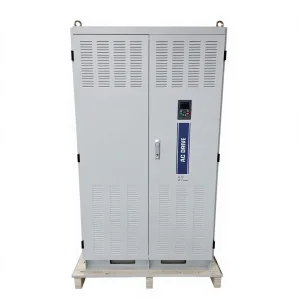
Power inverters, combiner boxes, traffic guidance modules, and lightweight flexible panels to complete commercial systems.
Shenzhen Soweglow Solar Co., Ltd. is a manufacturer and supplier specializing in solar energy products, renewable energy solutions, and intelligent solar lighting systems. Located in Shenzhen, China, one of the world's technology and hardware hubs, we have been committed to the solar industry for many years, providing products and customized energy solutions to customers worldwide.
Driven by the mission of promoting clean energy and sustainable development, Soweglow Solar focuses on delivering efficient, environmentally friendly, and cost-effective solar products that help reduce energy consumption and carbon emissions. Through continuous innovation, strict quality control, and customer-oriented service, we have established long-term partnerships with clients across Europe, North America, South America, Africa, Southeast Asia, and the Middle East.
Our experienced team possesses expertise in solar lighting, photovoltaic systems, energy storage solutions, project management, manufacturing, and international business. We continuously invest in research and development to ensure our products meet evolving market demands and international quality standards.
Quality is the foundation of our business. Every product undergoes quality inspections throughout the entire production process, from raw material selection to final assembly and shipment. Our manufacturing facilities operate under quality management systems to ensure product reliability, safety, and long service life. We continuously improve our production processes and technology to provide products that comply with international certifications and industry standards.
To accelerate the adoption of renewable energy by providing innovative, efficient, and sustainable solar solutions that create long-term value for customers and contribute to a greener future. We stand by our commitments with extended product warranties, full testing transparently shared with our partners, and lifetime technical support.
Get clear, authoritative answers regarding customized solar equipment specifications, manufacturing capabilities, and export compliance.
 Soweglow Solar