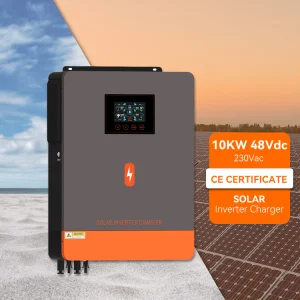
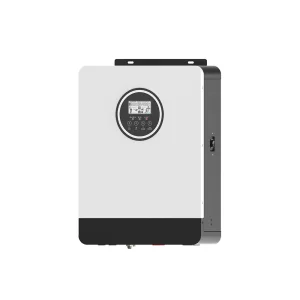
Engineered for high-frequency load-shedding cycles, severe phase imbalances, and heavy inductive loads across Pakistani commercial, industrial, and agricultural sectors.
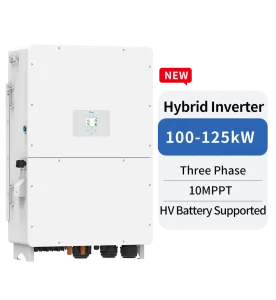
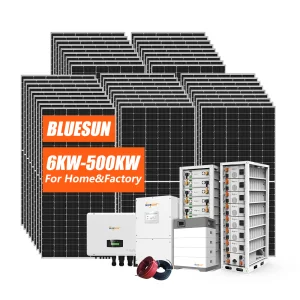
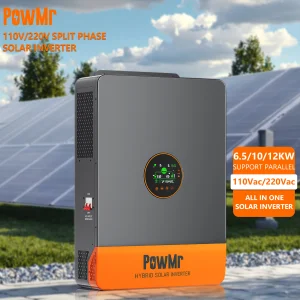
An industry white paper on grid resilience, thermal dissipation, and technical optimization guidelines for local utility conditions.
Pakistan's energy landscape is currently marked by high tariff rates, frequent load-shedding, and an unstable national grid. As the National Electric Power Regulatory Authority (NEPRA) updates its grid code rules, commercial and industrial (C&I) clients in cities such as Karachi, Lahore, Faisalabad, and Sialkot are transitioning to solar power. This shift is not just for carbon reduction, but for operational survival.
However, importing solar components without considering local factors often leads to early hardware failures. Pakistan's grid experiences high voltage drops (regularly falling below 170V in rural districts) and voltage surges (exceeding 270V). Low-quality inverters struggle with these fluctuations, leading to unexpected shutdowns, efficiency losses, and blown capacitors. As a result, sourcing inverters from experienced manufacturers who understand these local grid conditions is essential.
When selecting inverters for the Pakistani market, specific technical designs are required to address local environmental factors:
Ambient temperatures in regions like Multan, Jacobabad, and Faisalabad can exceed 50°C during peak summer. Inverters must feature smart fan cooling and intelligent heat derating protection to prevent thermal shutdown.
Complex roofs and dusty urban areas create uneven shading. Dual or multiple maximum power point tracking (MPPT) inputs ensure optimal energy harvest under dusty conditions in Karachi or Lahore.
A transfer rate of under 10ms is essential for commercial servers, textile controls, and manufacturing plants to prevent system reboots during sudden load shedding.
Under current NEPRA net-metering regulations, solar inverters must comply with anti-islanding and phase-balancing standards. Our hybrid and on-grid solar inverters feature built-in limiters and frequency stabilization controls. This simplifies local electrical inspections and speeds up the net-metering approval process, helping system owners connect to the grid and start generating revenue sooner.
A professional and reliable manufacturer of premium PV and energy storage technologies serving international markets.
Shenzhen Soweglow Solar Co., Ltd. is a professional manufacturer and supplier specializing in solar energy products, renewable energy solutions, and intelligent solar lighting systems. Located in Shenzhen, China, one of the world's most innovative and dynamic technology hubs, we have been committed to the solar industry for many years, providing high-quality products and customized energy solutions to customers worldwide.
Driven by the mission of promoting clean energy and sustainable development, Soweglow Solar focuses on delivering efficient, environmentally friendly, and cost-effective solar products that help reduce energy consumption and carbon emissions. Through continuous innovation, strict quality control, and customer-oriented service, we have established long-term partnerships with clients across Europe, North America, South America, Africa, Southeast Asia, and the Middle East, with a strong commitment to the growing market in Pakistan.
Our experienced team possesses extensive expertise in solar lighting, photovoltaic systems, energy storage solutions, project management, manufacturing, and international business. We continuously invest in research and development to ensure our products meet evolving market demands and international quality standards.
Our Mission: To accelerate the adoption of renewable energy by providing innovative, efficient, and sustainable solar solutions that create long-term value for customers and contribute to a greener future.
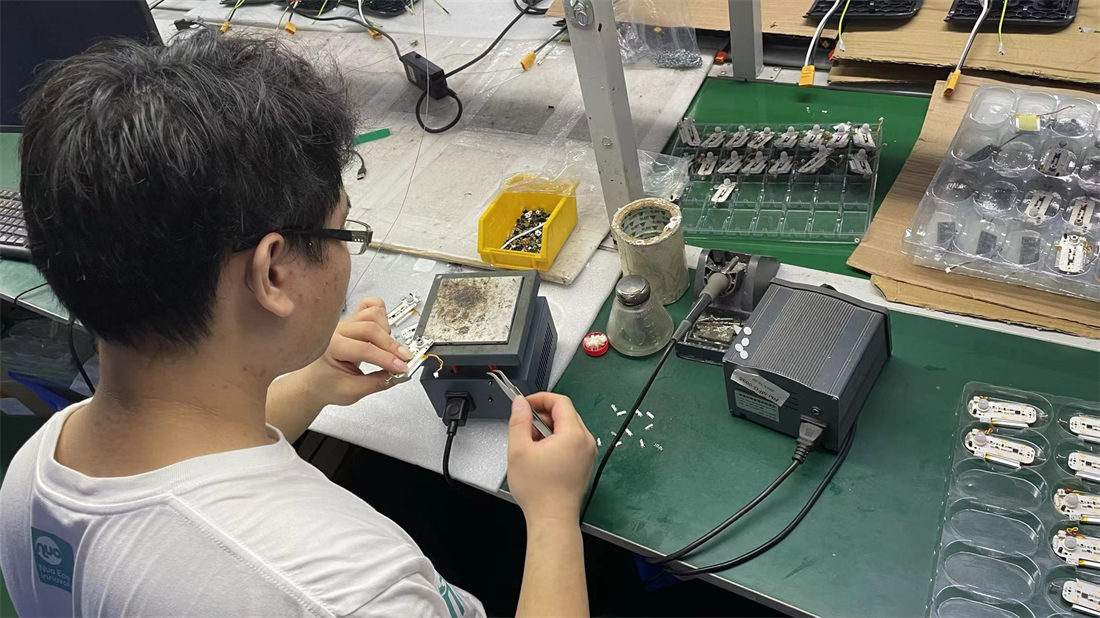
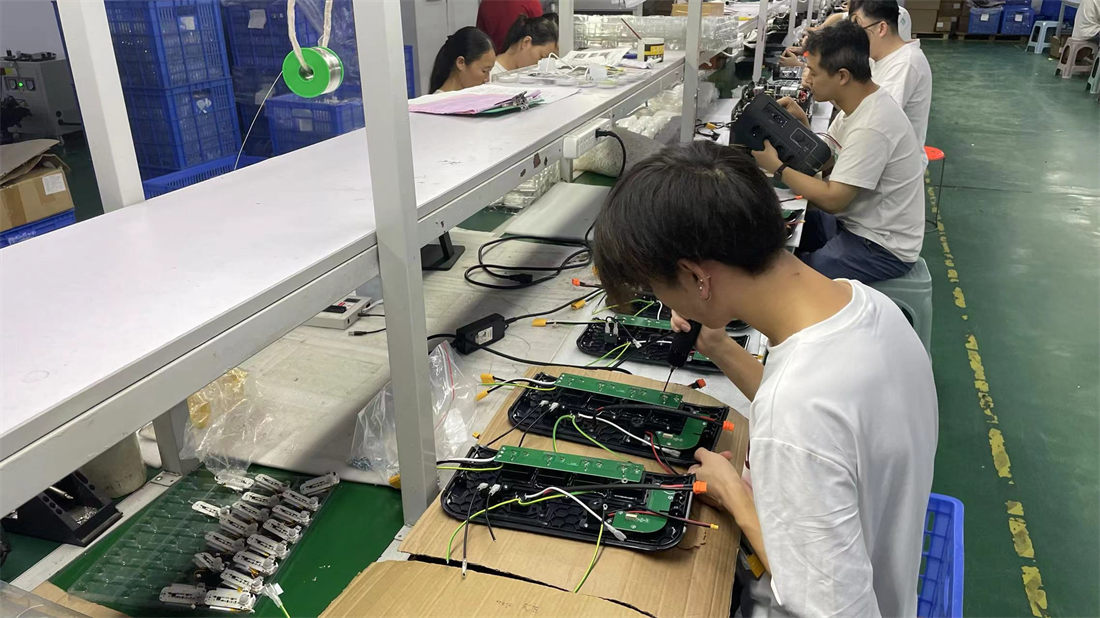
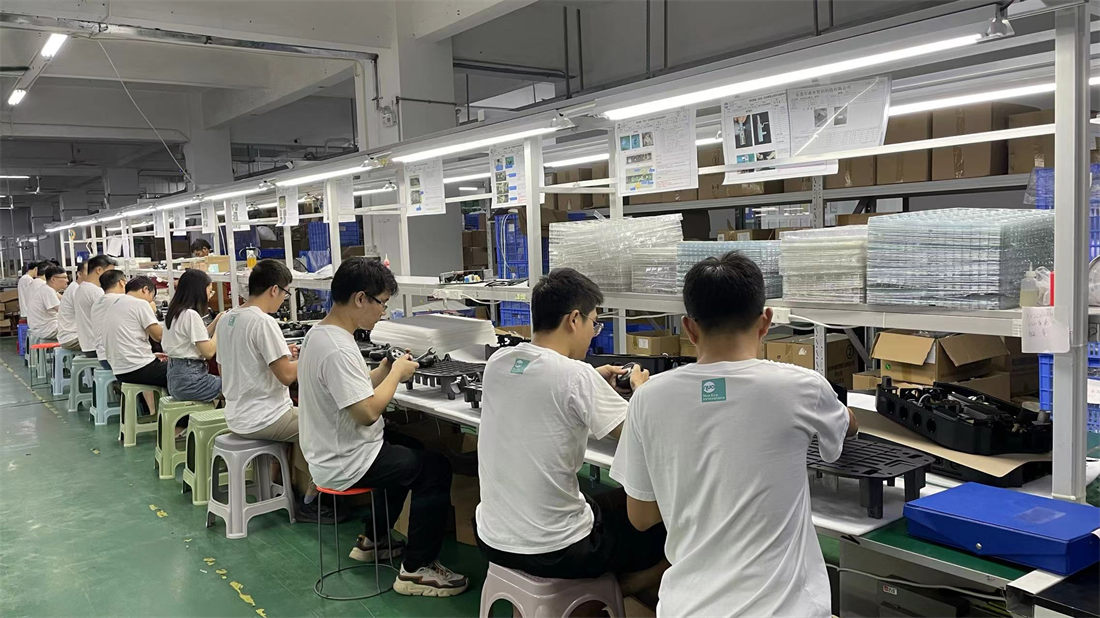
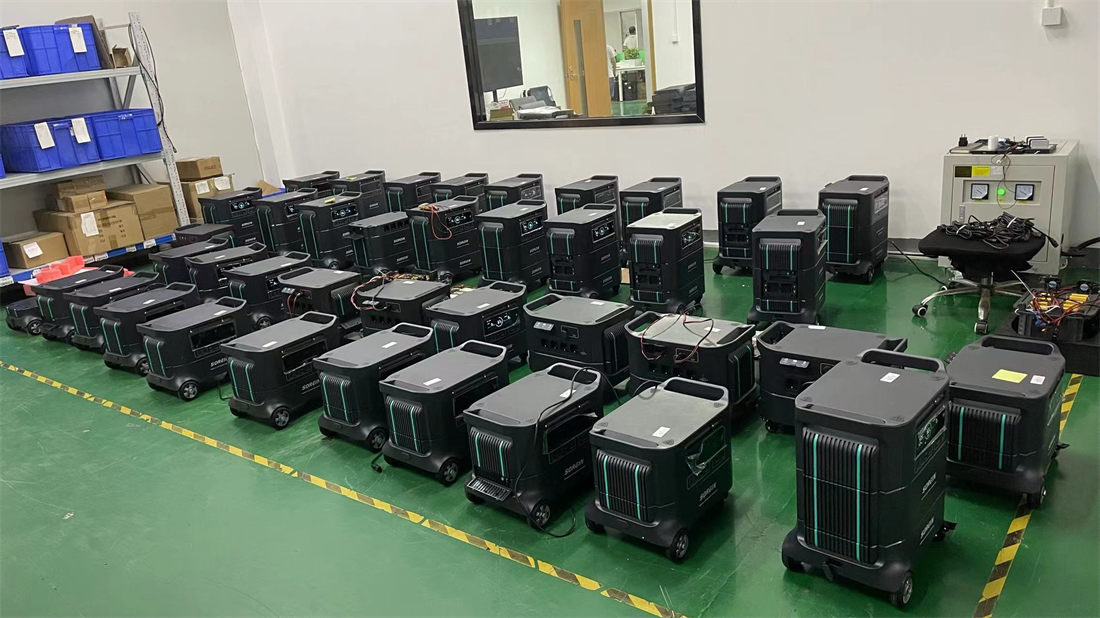
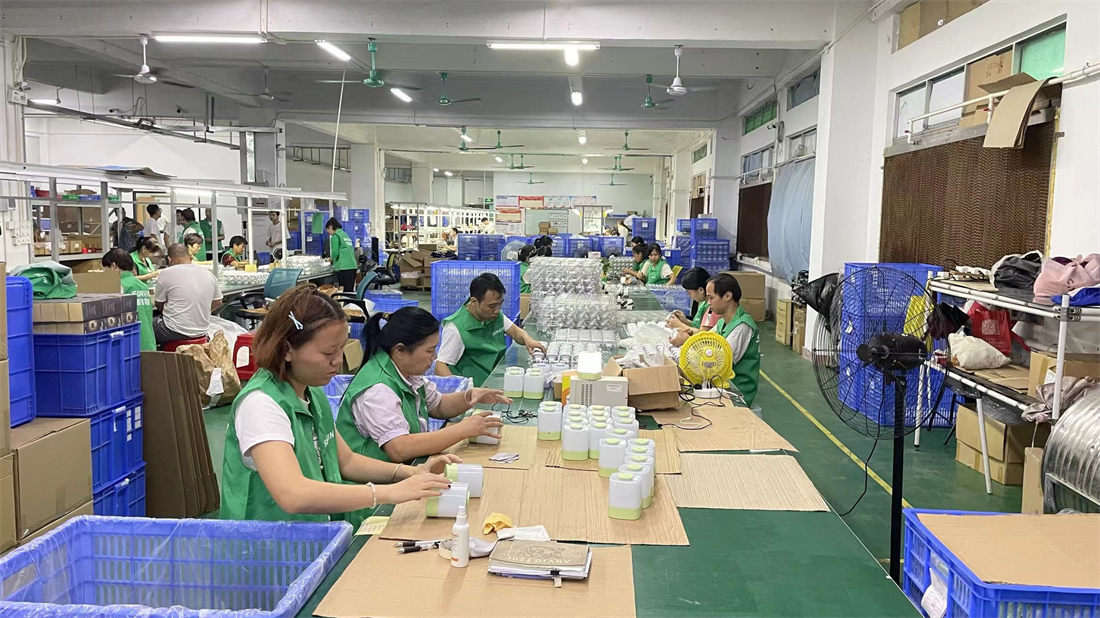
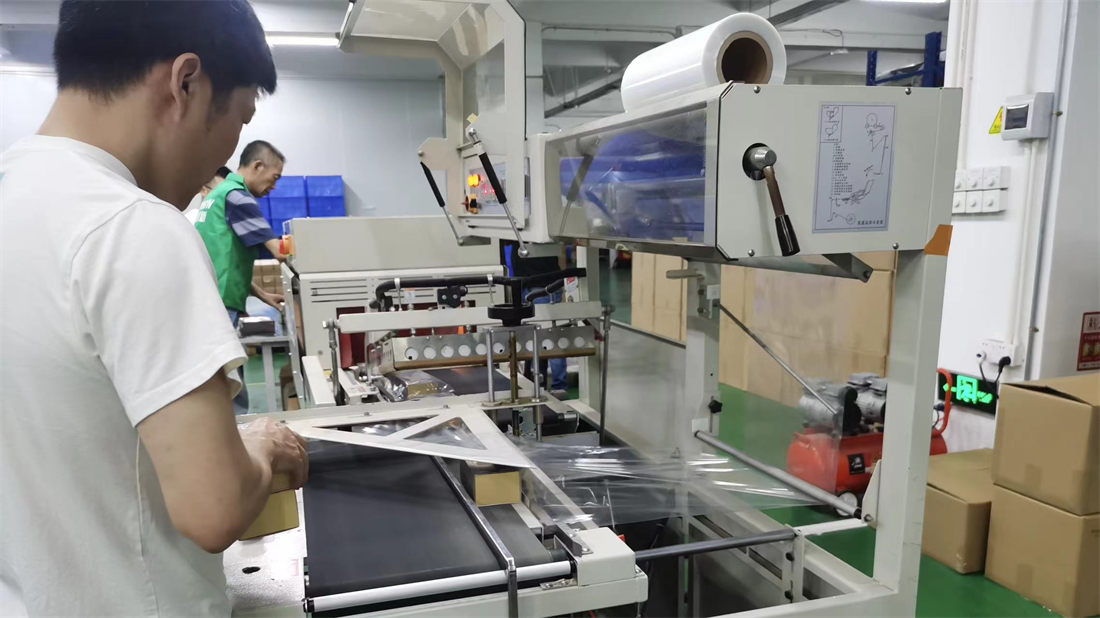
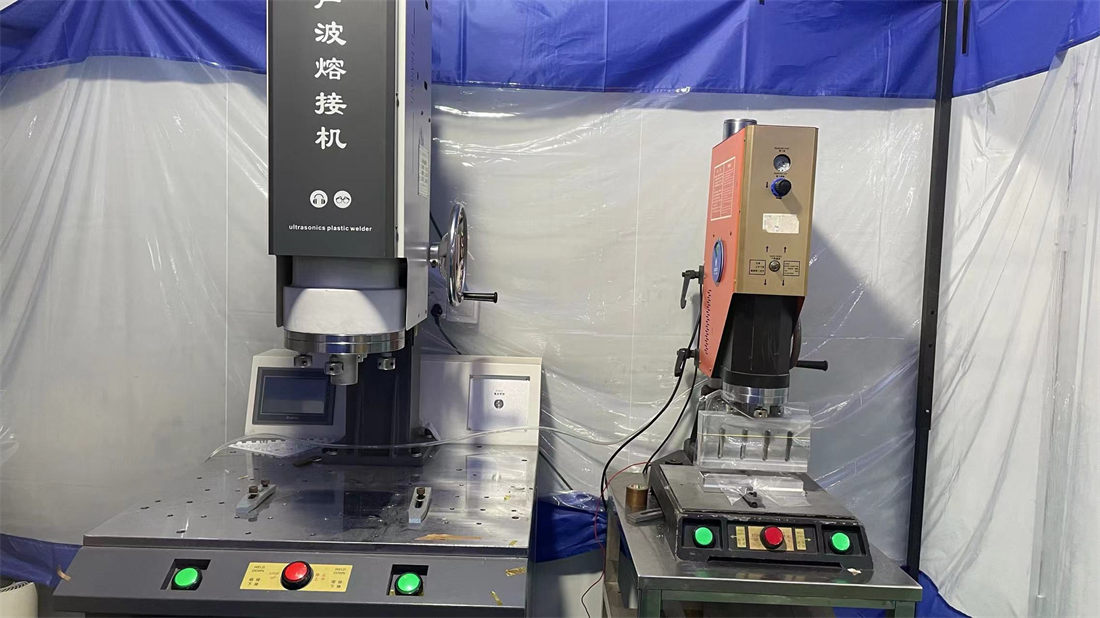
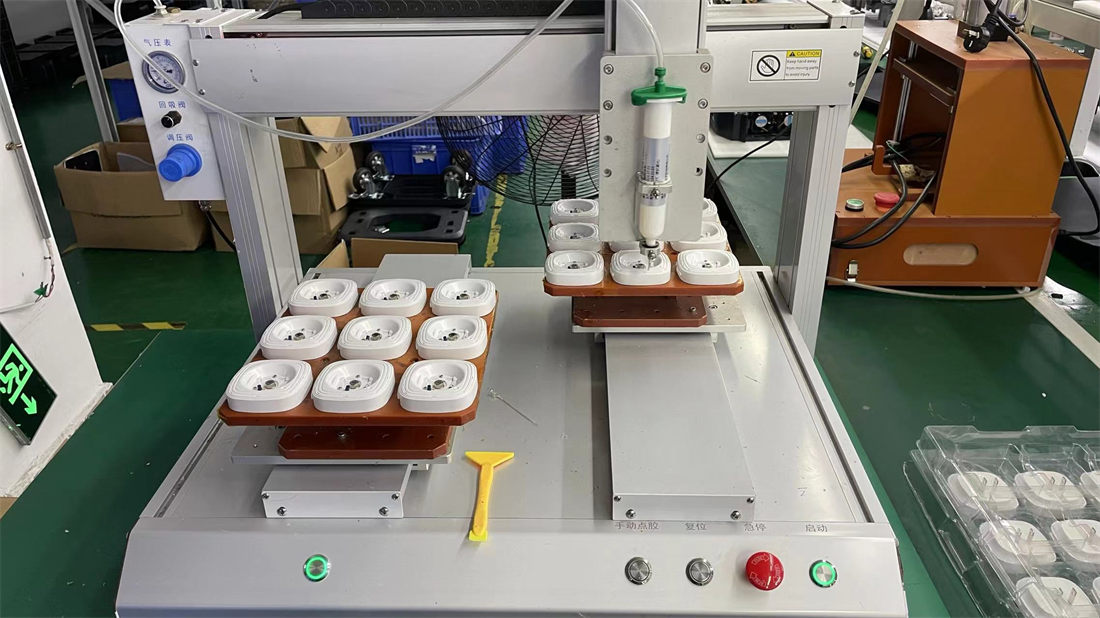
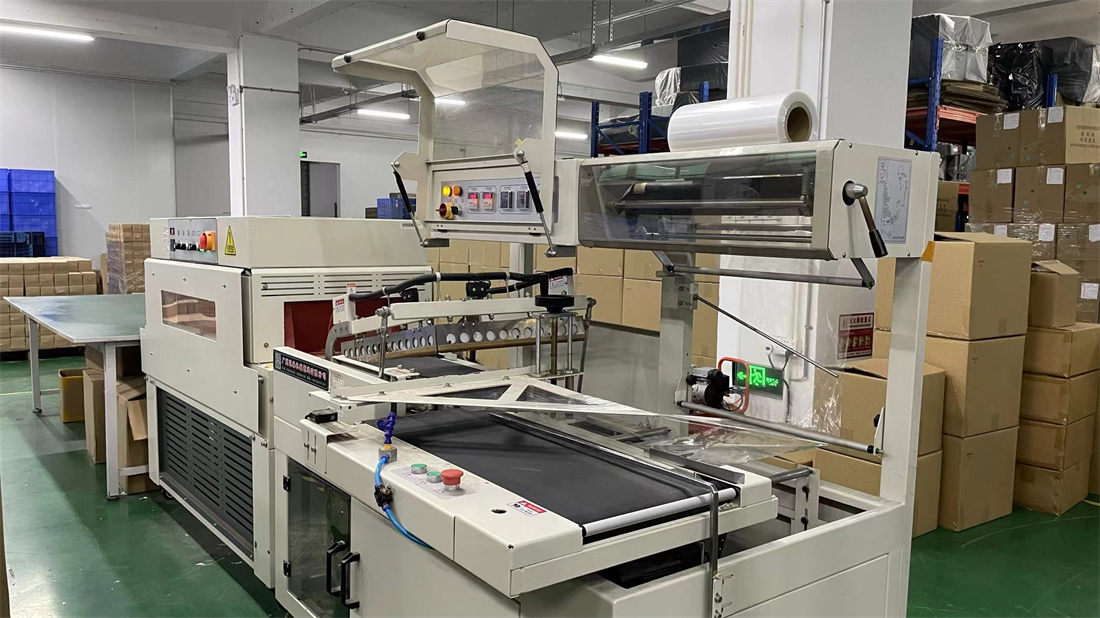
How the proximity of Shenzhen manufacturing and CPEC trade routes delivers high efficiency and low lead times for Pakistani distributors.
Through our established logistics network in Shenzhen and direct shipping lanes to Karachi Port (Qasim/Keamari), we provide streamlined customs processing and reliable transport times. Furthermore, utilizing China-Pakistan Economic Corridor (CPEC) land routes enables optimized transit times for shipments to northern regions like Islamabad, Peshawar, and Gilgit-Baltistan.
Our proximity to Shenzhen’s electronics ecosystem allows us to source premium materials—such as Infineon IGBT modules, TI DSP microcontrollers, and Nippon Chemi-Con capacitors. This concentration of supply helps maintain consistent manufacturing speeds, enabling us to deliver large orders to Pakistan within weeks, rather than months.
Contact our technical engineering team for complete specifications, test reports, and customized distribution pricing.
Send Inquiry NowEvery product from our verified production lines, optimized to meet the voltage, safety, and regulatory requirements of the Pakistani market.
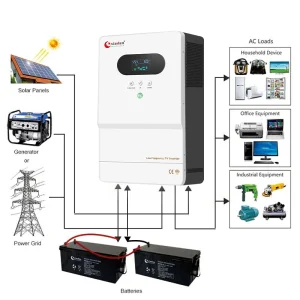
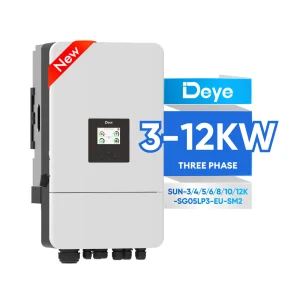
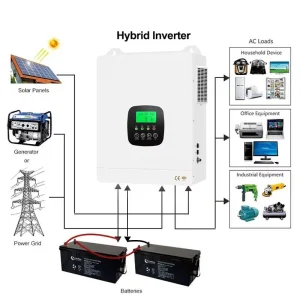
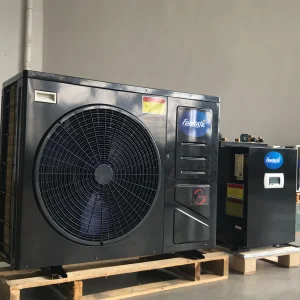
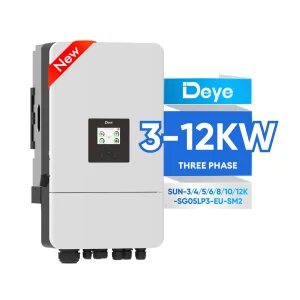
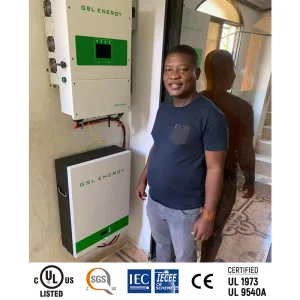
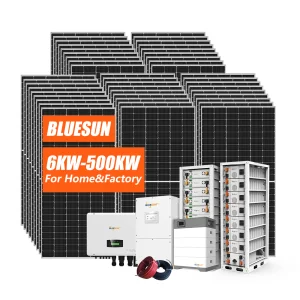
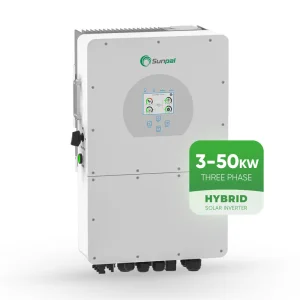
Practical deployment configurations engineered to address specific load, weather, and infrastructure realities across Pakistan's provinces.
Traditional diesel-powered tube wells face rising fuel costs. Our high-voltage off-grid MPPT inverters allow farmers to power water pumps directly from solar panels, operating reliably even through morning dust and high summer heat.
Unstable grids interrupt manufacturing lines, resulting in product loss. By configuring parallel Deye 100KW/125KW hybrid systems with lithium storage, factories maintain continuous operation during grid transitions.
High residential electricity tariffs make net-metering an attractive choice. Our certified 3-phase hybrid systems connect with lithium batteries to manage grid drops and export excess energy to K-Electric.
Frequently asked questions regarding solar inverter integration, local compliance, and shipping logistics for Pakistan.
For custom inverter specifications, bulk order pricing, and CPEC logistics options, send us your inquiry today.
Send Inquiry Now Soweglow Solar